

Reviewed · PARIS
Behind the Scenes of the Roland Garros Stadium
Roland Garros feels bigger once you see the back doors. This 1.5-hour guided tour gives you access to the places that power the French Open on match days, from media spaces to the corridor players use en route to the clay.
What I like most is the mix of practical, hands-on atmosphere and storytelling. You get a real sense of how journalists work, how players move through changing rooms, and how the stadium funnels everyone toward the court.
The one thing to consider: it’s not a leisurely stroll, and some rooms may be closed on the day you visit due to stadium activity.
In This Review
- Key things that make this tour worth your time
- Behind the TV: what you actually see at Roland Garros
- Price and value: $25.77 for real access, not just photos
- The 1.5-hour route: press rooms, changing rooms, and the player corridor
- Press rooms: where match day talk happens
- Changing rooms: how players reset before the court
- Presidential stand: the formality side of tournament life
- The corridor to the clay court: the show-me moment
- One realistic note: not every space is guaranteed
- What to wear and how to plan your timing
- Your guide experience: what makes the tour feel more than mechanical
- When the day isn’t perfect: closed areas, photo rules, and crowd chaos
- Starting and ending points: make it easy on yourself
- Shop time: souvenirs without losing the plot
- Who should book this Roland Garros behind-the-scenes tour
- Should you book this Roland Garros tour? My call
- FAQ
- How long is the Roland Garros Behind the Scenes tour?
- What is the price per person?
- Is there a mobile ticket?
- What language is the tour offered in?
- Where do I meet for the tour?
- What is included, and what is not included?
- Can I cancel for a full refund?
Key things that make this tour worth your time
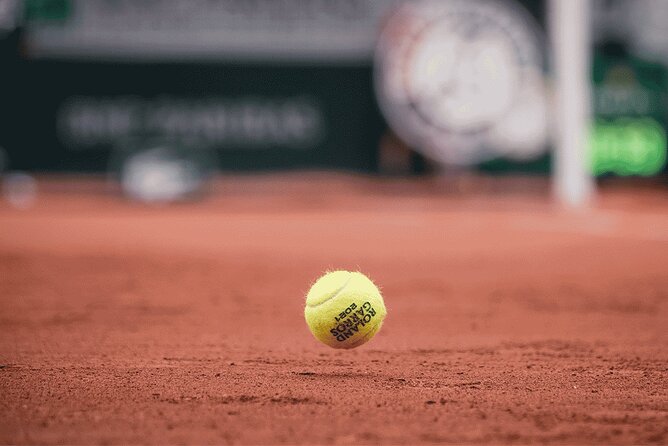
- Small group size (max 30) keeps the tour feeling personal, not like a cattle line.
- Press rooms + presidential stand access show you how big-event tennis is staged behind the scenes.
- Player corridor to the clay court is the most dramatic “TV-to-reality” moment.
- About 1 hour 30 minutes of walking and stairs means good shoes matter.
- Stadium shop access before or after (with noted hours and a possible merchandise discount).
Behind the TV: what you actually see at Roland Garros
Roland Garros is famous for clay and drama, but the real magic is logistics. When you walk into the internal routes and working spaces, the whole place makes more sense. You stop thinking of it as just a postcard stadium and start seeing it as a machine built for match day flow.
This tour focuses on the backstage side of the French Open experience. Expect to go beyond the public bowl and into areas that normally belong to the media, officials, and players. The result is a different kind of sightseeing: not just architecture and stands, but routine, timing, and the choreography of tennis.
And yes, if you’re a tennis fan, it hits harder because you’ll notice names and tributes connected to the sport. People talk about spotting plaques and legacy details at the entrance pathways, and even when the day’s exact route varies, the vibe is the same: you’re walking through hallowed grounds, not just looking at them.
Still deciding? Here is how it stacks up against a few Paris favourites we have booked and reviewed.
- Paris: 1-Hour Seine Cruise departing from the Eiffel Tower
★ 4.4 · 77,472 reviews - Paris: Louvre Museum Timed-Entrance Ticket
★ 4.6 · 71,977 reviews - Disneyland® Paris 1-Day Ticket
★ 4.6 · 49,412 reviews - Paris: Versailles Palace and Gardens Full Access Ticket
★ 4.6 · 41,579 reviews
Price and value: $25.77 for real access, not just photos

At about $25.77 per person for roughly 1 hour 30 minutes, this lands in the “good value” zone for one big reason: you’re paying for access. Not just a guided walk, but entry tickets to work areas inside the stadium complex.
A big practical point: the tour’s listed as guided, with entrance tickets included for the tour experience itself. Food and drinks aren’t included, and you’ll want to treat it like an activity first, meal plan second. If you’re already doing other Paris sights that day, this is a compact way to add something very specific to tennis culture.
Also, the small group size (up to 30) matters for value. A tour like this can feel rushed if the group is huge. Here, the pacing tends to stay more human, and you get more chance to ask questions when your guide stops at the important spots.
The 1.5-hour route: press rooms, changing rooms, and the player corridor
The tour runs for about 90 minutes. You start at 1 Av. Gordon Bennett in the 16th arrondissement area, and the visit ends at the Boutique Roland-Garros2 at the same address street. You’ll be walking inside the stadium grounds and moving through spaces that are usually off-limits to the public.
Here’s what to expect from the main stop:
Press rooms: where match day talk happens
You’ll gain access to press rooms. This is one of the most interesting stops for non-tennis fans, too, because it shows the event engine behind the sport. It’s not just players and fans; it’s also interviews, deadlines, and the media side of the tournament machine.
When guides describe what journalists do—how they gather information, where they wait, and how interviews get set up—it changes your view the next time you watch a press conference on TV. You understand the physical setup, not just the talking heads.
Changing rooms: how players reset before the court
Next come the changing rooms. This is where the tour gets emotionally real. You’re seeing the space players use to switch modes—from travel and warmups into competition.
If you’ve ever wondered what those rooms feel like, this is your chance. Even without a match underway, you get a strong sense of routine. The guide’s storytelling tends to connect this to the player experience, and that’s where the tour earns its fans-only reputation.
Presidential stand: the formality side of tournament life
You’ll also be taken to the presidential stand. This isn’t the place you’d normally think about, but it adds context. Big sporting events aren’t just athletic; they’re ceremonial, political, and symbolic. Seeing this area helps you understand how Roland Garros operates at the official level.




The corridor to the clay court: the show-me moment
Finally, the tour includes the corridor that leads players to the clay court. This is the part you’ll feel in your gut, even if you’re not the most hardcore tennis person in the world.
On TV, you see the walk in clips or quick angles. Up close, you see the funnel—how the venue guides attention toward the court. It also helps you understand why the clay court feels so central to the whole event identity. You’re literally following the route the competition uses.
One realistic note: not every space is guaranteed
Because Roland Garros is an active stadium, some areas may be inaccessible on the day of your visit. That doesn’t mean the tour is bad—it means you’re touring a living venue. If you’re visiting during a busy period or there’s a disruption, expect the route to be adjusted by staff.
What to wear and how to plan your timing
Plan for movement. The tour is about 1 hour 30 minutes and includes stairs. If you show up in fashion shoes, you’ll feel it.
Here’s what I’d do:
- Wear comfortable shoes with decent grip.
- Build in time to arrive early. You’re asked to be there 15 minutes before the start, and latecomers aren’t accepted.
- Use the bathroom before you start. Once you’re inside the activity flow, you may not have much flexibility.
Also, the stadium shop is accessible before or after the visit, with listed hours from 09:30 to 18:30. That’s handy if you’re hoping to browse without rushing. Some tours also mention a merchandise discount in the shop (noted as 10% in the tour experience details), so if shopping is your thing, timing can matter.
Your guide experience: what makes the tour feel more than mechanical
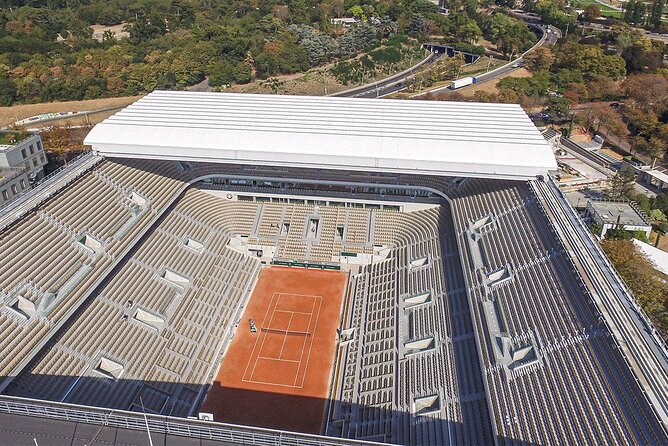
A guided tour lives or dies on the guide. The good news here is that the format practically forces storytelling: you’re moving between meaningful spaces, and your guide can connect what you see to how tennis works.
Across the kinds of tours people get, the most praised moments tend to be:
- Guides explaining the behind-the-scenes life of journalists and tournament staff.
- Legends and career highlights woven into stops you might otherwise treat like hallways.
- Fans getting that almost pilgrimage feeling, especially around names connected to clay-court greatness.
You may hear references to players like Rafael Nadal, and also historic figures tied to the sport. Some groups talk about spotting names on key stair areas and noticing tribute details connected to former champions. Even when you’re not a die-hard, that “oh, wow” moment lands because it links the architecture to actual tennis history.
Just keep expectations realistic: the tour can be informative without being a tennis textbook. If you’re a tennis super-fan, you’ll probably enjoy how the guide picks specific stories tied to the venue.
When the day isn’t perfect: closed areas, photo rules, and crowd chaos
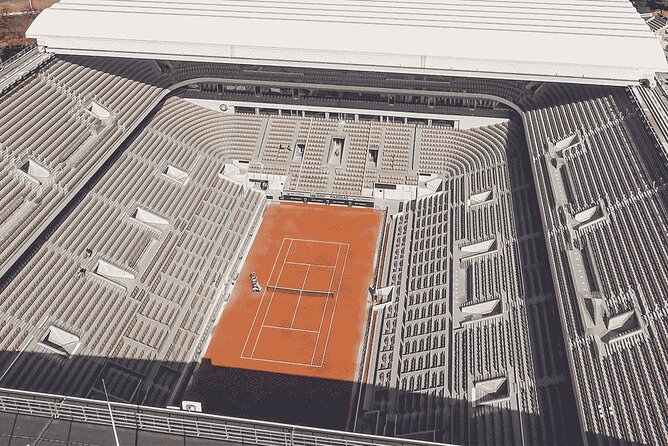
Stadium tours sometimes get messy. Not in a dramatic way, but in the practical way that comes with security lines, staff movements, and rooms being unavailable.
Two things to be ready for:
- Some areas can be inaccessible due to stadium activity.
- Photo and video rules can vary day-to-day based on what’s happening in the stadium spaces.
If you show up calm and flexible, you’ll still get the core experience: press spaces, player-route corridors, and the sense of stepping inside tennis rather than just looking at it. If you arrive tense and rushing, any delay feels bigger than it needs to.
Starting and ending points: make it easy on yourself
The meeting point is 1 Av. Gordon Bennett, 75016 Paris, France. The tour ends at Boutique Roland-Garros2 on the same avenue and address.
It’s also noted as being near public transportation. That helps because you can treat it like a planned block in your day rather than a complicated detour.
Two small tips that save headaches:
- Take a screenshot of where you’re going, even if you use offline maps.
- Arrive early enough to handle any security or wayfinding friction without cutting it close.
Shop time: souvenirs without losing the plot
Because the shop is open from 09:30 to 18:30, it’s one of the easiest “add-ons” after the tour. If you’re hoping for French Open-branded items, this is one of your best windows without needing tournament-time access.
There’s also a noted 10% discount on merchandise in the shop tied to the tour experience. That can make the shop feel less like impulse shopping and more like a planned stop.
Even if you don’t buy anything, browsing is part of the Roland Garros atmosphere. You’re already thinking clay, players, and history—seeing the tournament gear keeps the momentum going after the tour ends.
Who should book this Roland Garros behind-the-scenes tour
This tour fits best if you fall into one (or more) of these groups:
- Tennis fans who want more than just a stadium exterior and a selfie spot.
- Rafa-focused visitors who want the emotional payoff of walking within the venue where his era is celebrated.
- People who like sports from the operational angle: media, officials, player routines, and event flow.
- Families with older kids who can handle a bit of walking and stairs while still enjoying the story of the sport.
If you’re extremely mobility-limited or you dislike stairs, check the day-of feasibility with the operator—some spaces may be inaccessible due to ongoing activity, and the tour is built around moving between internal areas.
Should you book this Roland Garros tour? My call
If you’re in Paris and you care about tennis, I think this is a smart use of time. The price is reasonable for backstage access, the group size is capped at 30, and the core experience hits the best kind of travel goal: seeing how the world works from behind the scenes.
Book it especially if you want that moment when the corridor to the clay court stops being a TV angle and becomes a route you can stand on. Just go in prepared for walking, potential access changes, and the reality of touring an active stadium.
FAQ
How long is the Roland Garros Behind the Scenes tour?
The tour lasts about 1 hour 30 minutes.
What is the price per person?
The price is $25.77 per person.
Is there a mobile ticket?
Yes, the tour uses a mobile ticket.
What language is the tour offered in?
It is offered in English.
Where do I meet for the tour?
The start point is 1 Av. Gordon Bennett, 75016 Paris, France, and the tour ends at Boutique Roland-Garros2 on Av. Gordon Bennett, 75016 Paris, France.
What is included, and what is not included?
Included are the guide and guided tour entrance tickets. Transfers and food & drinks are not included.
Can I cancel for a full refund?
Yes. Free cancellation is allowed up to 24 hours in advance for a full refund.
More Tour Reviews in Paris
- Paris: 1-Hour Seine Cruise departing from the Eiffel Tower
★ 4.4 · 77,472 reviews - Paris: Louvre Museum Timed-Entrance Ticket
★ 4.6 · 71,977 reviews - Disneyland® Paris 1-Day Ticket
★ 4.6 · 49,412 reviews - Paris: Versailles Palace and Gardens Full Access Ticket
★ 4.6 · 41,579 reviews - Paris: Arc de Triomphe Rooftop Tickets
★ 4.6 · 34,264 reviews
Fresh off the review desk in Paris
- Secrets of Paris Bike Tour in English or Dutch★ 5.0 · 5 reviews
- Paris: Mont Saint-Michel Day Tour with Chinese Tour Guide★ 5.0 · 5 reviews
- Private Street Art 2-Hour Guided Tour in Paris★ 4.5 · 5 reviews
- Orsay Museum Tour: 2h Highlights (Private & Small Group)★ 5.0 · 5 reviews
- Discover Paris in electric golf carts★ 4.0 · 5 reviews
- Paris Private Boat Tour with your own Captain Guide★ 5.0 · 5 reviews