
Reviewed · PARIS
Freemasons, myths and revelations about a secret society
Freemasonry signs lurk in Paris. This guided walking tour in central neighborhoods connects Masonic symbols to the real story behind secrecy, so you can tell lore from history as you move through the streets. You’ll also get the broader context: how the order is often linked to Great Britain in 1717, and why the rituals around discretion helped fuel misunderstandings.
What I like most is the format: a live guide leading the discussion with time to ask questions, which turns symbol spotting into something you can actually use. I also appreciate the small group size (max 25) for this topic, since it depends on close attention to details.
One possible drawback: the experience is built around reading signs on the built environment, so if you expect a tour packed with famous monuments and heavy architecture stops, you might feel it’s light on “big wow” sites.
In This Review
- Key things to know before you go
- Freemasonry in Paris: why this neighborhood walk works
- Start at Church of Saint-Germain-des-Prés, then move through the city core
- What the guide is doing: reading signs and separating truth from false
- “What you’ll actually see” on the streets and façades
- The 1h45 pacing: good value, but don’t expect a full lecture
- Small group size (max 25) is a big deal for this topic
- Where this Freemasonry walk fits best
- Should you book this Freemasonry walk in Paris?
- FAQ
- How long is the Freemasons walk in Paris?
- Where does the tour start?
- Where does the tour end?
- How much does it cost?
- Is a guide included?
- Is this ticket mobile?
- What’s the maximum group size?
- Is the tour suitable for most people?
- Is good weather required?
- Do I need to tip?
- Booking guide: walk-ready checklist
Key things to know before you go
- You’re walking for symbols, not sightseeing: look for traces that can be visible or tucked away.
- Myth vs. history is the point: the guide works to separate Masonic legend from verifiable origins.
- The secrecy rules matter: you’ll hear how cooptation and non-disclosure became part of the fascination.
- Expect a conversational pace: multiple Q and A moments can make the walk feel more personal.
- Time discipline helps: be on time, since late arrivals can miss parts of the group plan.
- Bring curiosity for small details: some of the payoff is in faces, facades, and inscriptions you’d otherwise skip.
Freemasonry in Paris: why this neighborhood walk works
Freemasonry is one of those subjects where Paris feels like it’s whispering back. You’re not chasing a single building or one famous museum display. Instead, you’re doing what historians and symbol readers do: following scattered evidence across streets, façades, and architectural hints.
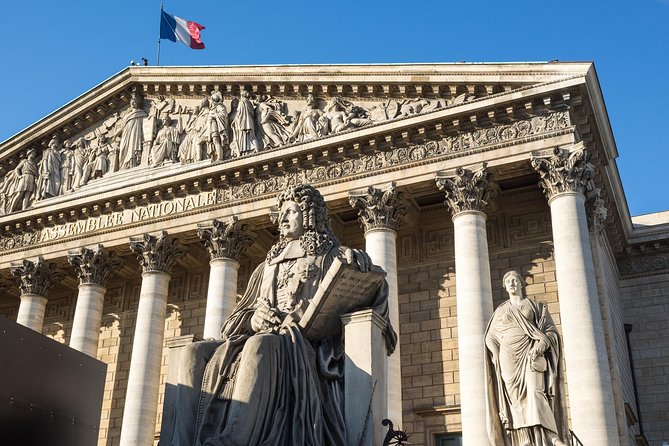
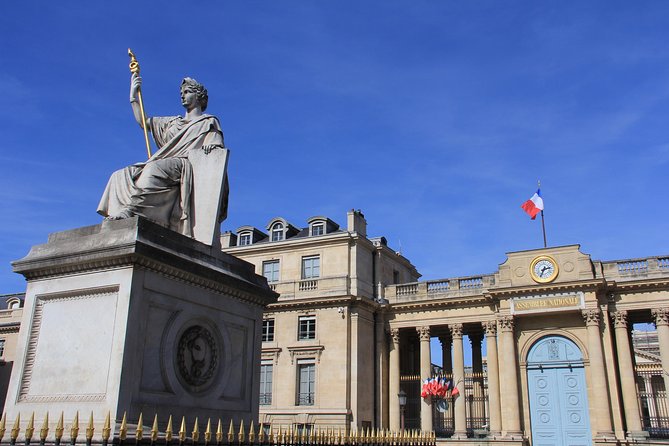
The route centers on Saint-Germain and the Bourbon Palace area, which is a smart choice for this theme. Saint-Germain is full of layers—old Paris mixed with later adaptations—so it’s easier to explain how symbols can survive, reappear, or be reinterpreted over time. And as you head toward the central core, the concentration of institutional buildings helps ground the conversation in how these ideas circulated through society.
The tour also frames the topic clearly: Freemasonry is often surrounded by myths, partly because the initiation tradition is tied to secrecy. You’ll hear about an initiation structure where new members are introduced by cooptation and are expected not to reveal other members during initiation. That matters, because if you understand why secrecy became part of the image, you’ll understand why the public imagination ran wild.
Still deciding? Here is how it stacks up against a few Paris favourites we have booked and reviewed.
- Paris: 1-Hour Seine Cruise departing from the Eiffel Tower
★ 4.4 · 77,472 reviews - Paris: Louvre Museum Timed-Entrance Ticket
★ 4.6 · 71,977 reviews - Disneyland® Paris 1-Day Ticket
★ 4.6 · 49,412 reviews - Paris: Versailles Palace and Gardens Full Access Ticket
★ 4.6 · 41,579 reviews
Start at Church of Saint-Germain-des-Prés, then move through the city core
Your walk begins at Church of Saint-Germain-des-Prés (3 Pl. Saint-Germain des Prés, 75006), a great starting point because it immediately tells you this won’t be a bland classroom chat. It’s an actual neighborhood walk on foot, built to keep you scanning the streets.
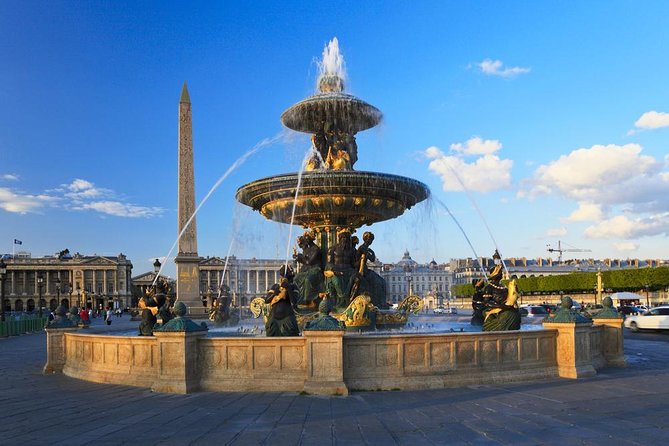
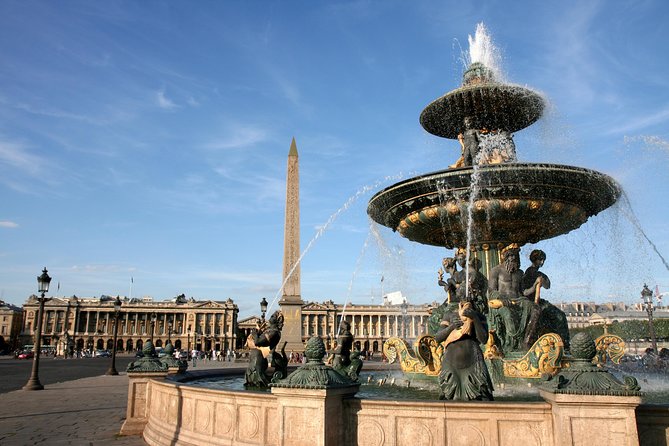
From there, you’re moving across the Left Bank world of Saint-Germain and then toward more central landmarks, ending at Place de la Concorde (75008). Even if you’re not hunting for symbols yourself, you’ll still get a practical benefit: you’ll see how the city changes when you go from intimate neighborhood streets to the grander, more civic spaces closer to Concorde.
The walk lasts about 1 hour 45 minutes, which is long enough for a guided story with stops, but short enough that you stay alert and don’t drift into “too much talking, not enough looking.” A good part of the value here comes from that balance: you get the guide’s explanation, then you get a chance to connect it to something you can point at.
What the guide is doing: reading signs and separating truth from false
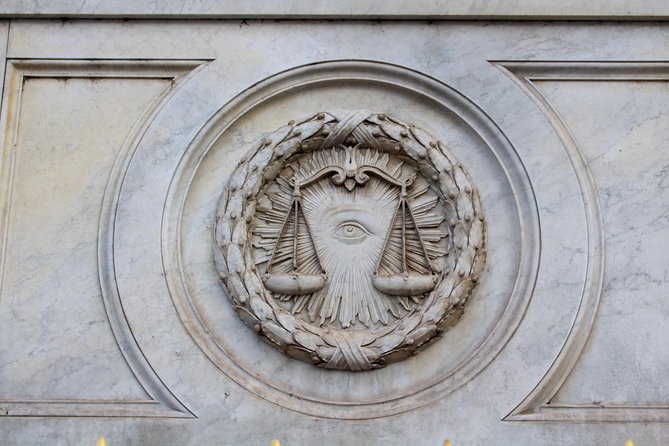
This tour isn’t just about learning names and dates. The core skill being taught is how to interpret potential Masonic references without taking every coincidence as proof.
The description emphasizes that the guide helps you distinguish visible or hidden traces and then “decipher the truth from the false.” That’s exactly the right goal for a topic that has attracted conspiracy-style storytelling for centuries. Instead of treating every symbol as automatic evidence, you’ll be coached to think historically—what a symbol might mean in context, and why it could be misunderstood.
You’ll also cover the organizational side of the order. That’s important because a lot of casual internet chatter focuses only on the dramatic elements of secret meetings. Here, you’ll hear about origins, the organization, major figures, and why the movement is often discussed as having importance in shaping broader society. Even if you’re skeptical, having that structure helps you build your own informed opinion instead of relying on myth alone.
“What you’ll actually see” on the streets and façades
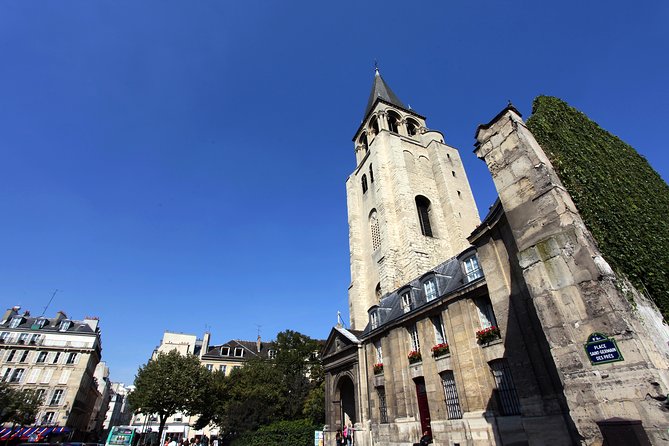
Here’s the practical reality: much of the tour’s payoff depends on noticing small things. The experience is built around scattered clues, and that means you’ll often be stopped to look closely at architectural detail—places where a symbol can be carved, painted, or referenced in a way that isn’t obvious from street level.
Some stops may feel more commentary-driven than location-driven. One theme that comes through in the experience feedback is that the walk can rely on a relatively small number of building moments and statues compared with what some people expected. That doesn’t automatically make it bad; it just changes the kind of visitor it’s best for.
If you enjoy:
- street-level symbols,
- inscriptions on facades,
- and connecting explanations to visual proof,
you’ll probably find the walk satisfying. If you’re expecting a “hit parade” of famous structures with lots of exterior time, you may end up thinking the tour could have benefited from more unusual stops or more time at the specific sights.
The 1h45 pacing: good value, but don’t expect a full lecture
The price is listed at about $17.09 per person, which is strikingly low for a guided experience that’s specifically focused on a specialized topic. That price point is often where tours win you over—because it makes it easy to try something off the standard Paris checklist.
But this is also where pacing matters. At roughly 1 hour 45 minutes, you’re buying:
- guided interpretation,
- the myths/history framing,
- and a chance to match explanations to what you see on the street.
You’re not buying a deep academic seminar. If you want heavy detail, long readings, and lots of named examples, you might prefer pairing this with a museum visit or a separate lecture-style program afterward. Think of this walk as the starter course: enough context to help you read what’s around you, not the last word.
Also: be strict about timing. The experience can be very punctual in practice, and if you’re late, you risk missing the start of the “symbol walk” portion.
Small group size (max 25) is a big deal for this topic
A max group size of 25 travelers might not sound tiny on paper, but for this theme it’s meaningful. Symbol reading works better when you can:
- hear the guide clearly,
- see what they’re pointing at,
- and ask questions when something doesn’t make sense.
When the guide is able to keep a conversational flow, this kind of tour becomes fun in a very specific way. You start noticing how stories spread, why certain marks catch attention, and how people connect dots too quickly. Done well, that turns the walk into both entertainment and a practical lesson in critical thinking.
When the guidance isn’t as interactive, the tour can feel more like a quick sequence of “look here, then here.” That still may be worthwhile at this price, but it’s not the same experience. So if you know you prefer high interaction, try to choose a time slot that matches your energy level and arrive early enough to settle in.




Where this Freemasonry walk fits best
This tour is a great match if you want:
- a guided historical walk rather than a museum-only route,
- to understand why Freemasonry myths spread so easily,
- and help distinguishing claims from context.
It also suits you if you like Paris as a “walking book.” You want to leave with a set of questions you can apply while sightseeing—like, what am I actually seeing, and what does it mean here?
It may be less ideal if you:
- want a long string of major monuments,
- expect lots of time inside landmark buildings (this is primarily a street-and-facade kind of experience),
- or prefer a purely classroom lecture format.
One more quick thought: it’s described as suitable for most travelers, so you don’t need a background in history to get traction. Still, you’ll get more from it if you arrive with curiosity and a willingness to slow down and look at small details.
Should you book this Freemasonry walk in Paris?
Yes, I think you should book it if you’re curious about the way Paris hides clues in plain sight and you want a guided, myth-busting approach that helps you interpret what you see. At around $17.09 for about 1 hour 45 minutes, the value is strong—especially if you enjoy Q and A and street-level detail.
You might skip or rethink if you mainly want famous buildings and big sights, because this experience is more about reading traces than checking major monuments off a list. Also, arrive early and be ready for a pace built around stops and scanning, not long scenic pauses.
If you do book it, bring one simple strategy: keep your eyes up, and when something catches the guide’s attention, take a second to match the explanation to the exact spot. That’s where the walk turns from trivia into a real, useful way to see Paris.
FAQ
How long is the Freemasons walk in Paris?
It runs for about 1 hour 45 minutes.
Where does the tour start?
The meeting point is at the Church of Saint-Germain-des-Prés, 3 Pl. Saint-Germain des Prés, 75006 Paris.
Where does the tour end?
It ends at Place de la Concorde, 75008 Paris.
How much does it cost?
The listed price is $17.09 per person.
Is a guide included?
Yes. The tour includes a guide.
Is this ticket mobile?
Yes, it’s a mobile ticket.
What’s the maximum group size?
This activity has a maximum of 25 travelers.
Is the tour suitable for most people?
The information says most travelers can participate.
Is good weather required?
Yes. The tour requires good weather, and if it’s canceled due to poor weather, you’ll be offered a different date or a full refund.
Do I need to tip?
Tips are not included, and personal expenses aren’t included either.
Booking guide: walk-ready checklist
If you want the most out of this type of symbol-hunting tour, come prepared to slow down. Wear comfortable shoes, and keep your schedule flexible enough to arrive a bit early—then you’ll be in position for the first explanation and the first points of interest.
If you’re pairing it with other Paris plans, think about stacking it with a neighborhood stroll afterward. The point isn’t just learning about secrecy—it’s taking the lesson with you and noticing how often stories attach themselves to architecture.
More Tour Reviews in Paris
- Paris: 1-Hour Seine Cruise departing from the Eiffel Tower
★ 4.4 · 77,472 reviews - Paris: Louvre Museum Timed-Entrance Ticket
★ 4.6 · 71,977 reviews - Disneyland® Paris 1-Day Ticket
★ 4.6 · 49,412 reviews - Paris: Versailles Palace and Gardens Full Access Ticket
★ 4.6 · 41,579 reviews - Paris: Arc de Triomphe Rooftop Tickets
★ 4.6 · 34,264 reviews
Fresh off the review desk in Paris
- Secrets of Paris Bike Tour in English or Dutch★ 5.0 · 5 reviews
- Paris: Mont Saint-Michel Day Tour with Chinese Tour Guide★ 5.0 · 5 reviews
- Private Street Art 2-Hour Guided Tour in Paris★ 4.5 · 5 reviews
- Orsay Museum Tour: 2h Highlights (Private & Small Group)★ 5.0 · 5 reviews
- Discover Paris in electric golf carts★ 4.0 · 5 reviews
- Paris Private Boat Tour with your own Captain Guide★ 5.0 · 5 reviews