
Reviewed · GIVERNY DAY TRIPS
From Paris: discovery of Monet’s house and its gardens in Giverny
One of France’s most calming art stops. This half-day outing to Monet’s house and gardens in Giverny focuses on the water lily pond and Japanese bridge that shaped Monet’s late-life work, plus time in the flower garden, his home, and even his former studio. I also like that the admission ticket is included, so you can spend less time worrying and more time looking. The only real drawback: it’s a tight schedule for a site that rewards slow wandering, so you’ll want to keep your pace steady.
The small group size (up to 4) is a quiet advantage. With pickup offered, you can start the day already in travel mode, not hunt-the-transit mode. Still, you should double-check your pickup details ahead of time so your start doesn’t feel like a last-minute scavenger hunt.
In This Review
- Key highlights
- The Giverny day trip that actually feels like art
- Price and logistics: is it worth $218.69 per person?
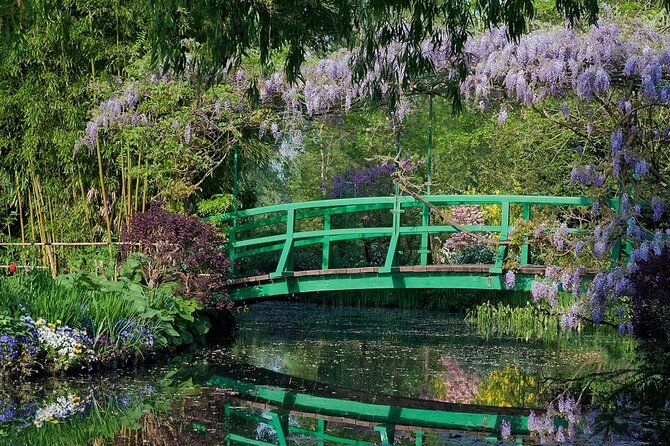
- Clos Normand: the water lily pond and Japanese bridge route
- Beyond the pond: flower garden, Monet’s house, and his former studio
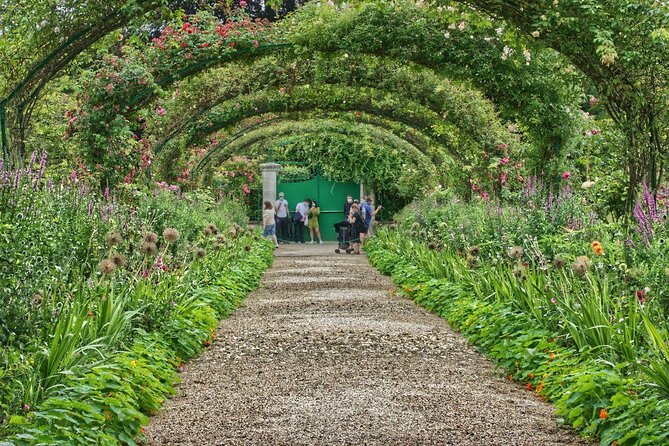
- The flower garden
- Monet’s house
- The former studio
- How guides like Yasser and Anas make the visit better
- Pickup and timing: what to plan in a half-day from Paris
- Best fit: who this Monet tour suits best
- Timing tips and how to get better photos (without turning it into work)
- Should you book this Giverny and Monet house tour?
Key highlights
- Water lily pond and Japanese bridge: the late-life scenes that made Monet’s reputation stick in color
- Ticket included: you don’t need to line up for entry for the main sites on-site
- Flower garden + house + former studio: a full arc of what Monet lived with and worked on
- Former studio look: a rare chance to sense the working space behind the paintings
- Maximum 4 travelers: more conversational time with your guide, less waiting in a crowd
- Pickup offered from Paris: a smoother start for a half-day plan
The Giverny day trip that actually feels like art
If you’ve only seen Monet as a museum name, Giverny changes the picture fast. Clos Normand is not a distant, behind-glass kind of place. It’s a real garden-world, shaped around water light, repetition, and seasonal shifts—exactly the ingredients Monet chased in paint.
What makes this tour work for most people is its focus. You’re not trying to cover everything in the broader Giverny area. Instead, you get a guided route inside the Clos Normand complex—built around the scenes that mattered most to Monet in his later years. That means fewer random stops and more purposeful looking.
You’ll also appreciate the group size. A max of 4 people keeps things calmer and helps your guide answer questions without turning the visit into a timed lecture. In reviews tied to this outing, guides such as Yasser and Anas are praised for being friendly, conversational, and great at fielding lots of questions.
More trips to Monet's garden at Giverny
- From Paris: Giverny, Monet’s Home & Gardens Half-Day Trip
★ 4.5 · 2,887 reviews - From Paris: Giverny Day Trip with Audio Guide or Live Guide
★ 4.3 · 2,372 reviews - Versailles Palace and Giverny Monet House Visit with Lunch
★ 4.0 · 1,948 reviews - Giverny Monet’s Home and Gardens Half Day Tour from Paris
★ 4.5 · 1,836 reviews
Price and logistics: is it worth $218.69 per person?
At $218.69 per person for about 6 hours, this is not the cheapest way to reach Giverny—but it’s also not overpriced for what you actually get. Here’s why the math can work in your favor:
- Admission ticket included for the Clos Normand sites. That alone helps justify the price versus DIY.
- Pickup offered: you’re buying convenience, not just entry.
- Small group (up to 4): this tends to reduce wasted time at each step.
The main value is time. You’re spending a half-day, not an all-day production. If you’re the kind of traveler who wants to see Monet and then still have energy left for Paris dinner plans, this structure fits well.
Clos Normand: the water lily pond and Japanese bridge route
Stop at the heart of Monet’s late obsession: the water lily pond. This isn’t just scenery. It’s the visual engine that fueled a huge body of work, where the subject shifts with weather and angle, not just with seasons.
From the garden paths, you’ll get the chance to see why the pond felt like a world of its own to Monet. The reflections, the gentle movement implied by the plants, and the way the light changes through the day are the whole point. Even if you’re not an art expert, you’ll “get it” quickly because the place is doing the talking.
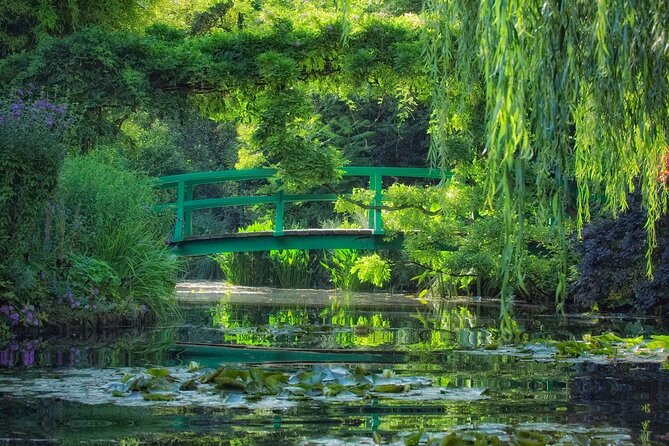
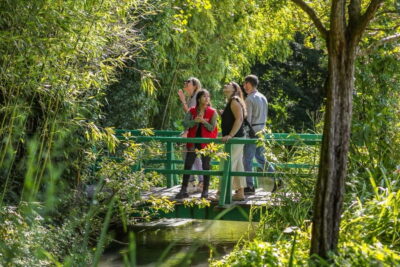
Then comes the moment many people came for: the Japanese bridge. This bridge is famous for a reason—it frames the pond like a living painting. Your guide’s job here is to help you look, not just to tell facts. If you pay attention, you’ll start noticing what Monet likely saw: lines leading your eye back toward the water surface, the contrast between structure and softness, and the feeling of depth without a single dramatic skyline.
A practical note: this garden route rewards patience. If you rush, you’ll miss the subtle differences you’re supposed to enjoy.
Beyond the pond: flower garden, Monet’s house, and his former studio
After the water features, the visit moves into the parts of Clos Normand that explain the man behind the scenes.
The flower garden
The flower garden helps you shift gears from water-light mood to color-and-pattern planning. It’s a reminder that Monet wasn’t only chasing ponds and reflections—he designed a visual experience across the whole property. You’ll likely find yourself comparing textures and colors as you walk. That’s a good sign. You’re training your eye the way a painter would.
Monet’s house
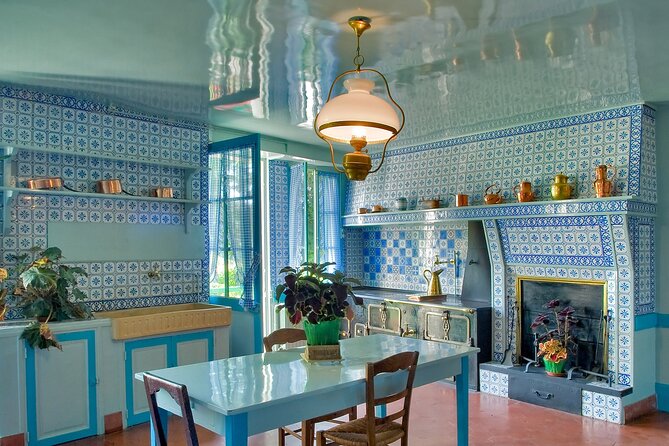
The house gives context fast. Instead of treating Monet as a distant master, you see him as a person living among the same views he painted. It’s the kind of stop where your imagination fills in the time between paintings: mornings, afternoons, and those quiet moments when you’d notice one change and decide it mattered.




The former studio
The former studio is the “how it gets made” stop. You don’t just see finished work; you get a sense of the space where he worked. Even without technical details, a studio visit helps you understand why certain compositions show up again and again. It’s easier to believe in the repetition when you’re standing near the working area.
If you’re a hands-on learner, this part will likely land well. It’s also a nice counterbalance if the earlier pond and bridge have you in a soft, slow mood.
How guides like Yasser and Anas make the visit better
This tour is built around a guided walk through the most important sections of Clos Normand. The guide matters more than you might think, because the garden is easy to appreciate on your own but harder to interpret.
In reviews, Yasser and Anas are highlighted for being friendly, knowledgeable, and comfortable answering lots of questions—one even described as great at making conversation on the way to Giverny and giving clear instructions. That’s a big deal when you’re trying to understand what you’re seeing while you’re actually standing in front of it.
Even if you don’t ask many questions, you’ll still benefit. A good guide helps you pace your attention: what to notice first, what to return to later, and how to avoid wasting time walking the same route twice.
Pickup and timing: what to plan in a half-day from Paris
With pickup offered, your day starts with less friction. Still, you should treat pickup timing like a serious item. Some past customers reported worries about ticket timing and repeated messages close to departure while confirming pickup points. That doesn’t mean you’ll have trouble, but it does mean you shouldn’t assume everything is automatic.
Here’s what I recommend:
- Confirm exactly where you’ll be picked up and at what time.
- If you receive ticket info by email, check spam folders the day before.
- Assume the schedule is tight enough that arriving early at the pickup point is smarter than being exactly on time.
Because the tour is about 6 hours, you’re buying a compact experience. The best results come when you’re mentally ready to keep moving through the day—while still taking a few pauses at the pond and bridge.
Best fit: who this Monet tour suits best
This works especially well if:
- You’re a Monet fan and want the big late-life imagery (pond, bridge, garden planning).
- You prefer a guided route that keeps the day efficient.
- You like small groups and real conversation, not big-bus herding.
- You’re visiting Paris with limited time and want one high-impact countryside day.
If you’re the type who needs a full unstructured half-day to wander freely, this may feel like too much structure. But if you like a clear route with built-in stops, you’ll probably love it.
Timing tips and how to get better photos (without turning it into work)
The garden looks different depending on light and weather. The Japanese bridge and water lilies are where you’ll notice changes the most. So rather than trying to photograph everything, pick a few moments and linger.
A simple strategy:
- Spend extra time at the pond viewpoint area.
- Do the bridge next, then return to the garden paths with the same calmer pace.
- Wear shoes that handle garden walking and possible uneven ground.
Also, check your expectations. This is not a “stay until sunset” kind of plan. It’s designed to fit a half-day schedule, so you’ll want to enjoy the time you’re given rather than trying to squeeze more.
Should you book this Giverny and Monet house tour?
Yes—if your goal is a focused, guided Giverny visit with admission included and a small-group feel. At this price, you’re paying for convenience from Paris, tight planning, and time in the exact areas that shaped Monet’s late work.
Book it if you:
- Want the water lily pond and Japanese bridge to be the centerpiece.
- Like learning while you look, with guides who answer lots of questions (the kinds of guides described here like Yasser and Anas).
- Appreciate a route that keeps you from wasting your short countryside window.
Skip it (or at least rethink) if:
- You need hours of free wandering with no guidance or pacing.
- You’re very sensitive to a tight schedule and worry about feeling rushed.
If you want a strong Monet day without turning it into logistical stress, this is a solid choice.
More Tour Reviews in Paris
- Paris: 1-Hour Seine Cruise departing from the Eiffel Tower
★ 4.4 · 77,472 reviews - Paris: Louvre Museum Timed-Entrance Ticket
★ 4.6 · 71,977 reviews - Disneyland® Paris 1-Day Ticket
★ 4.6 · 49,412 reviews - Paris: Versailles Palace and Gardens Full Access Ticket
★ 4.6 · 41,579 reviews - Paris: Arc de Triomphe Rooftop Tickets
★ 4.6 · 34,264 reviews
Monet's Giverny, More Trips
- From Paris: Giverny, Monet’s Home & Gardens Half-Day Trip
★ 4.5 · 2,887 reviews - From Paris: Giverny Day Trip with Audio Guide or Live Guide
★ 4.3 · 2,372 reviews - Versailles Palace and Giverny Monet House Visit with Lunch
★ 4.0 · 1,948 reviews - Giverny Monet’s Home and Gardens Half Day Tour from Paris
★ 4.5 · 1,836 reviews - Giverny Small-Group Half Day Trip with Monet’s Gardens from Paris
★ 5.0 · 1,663 reviews
Fresh off the review desk in Paris
- Secrets of Paris Bike Tour in English or Dutch★ 5.0 · 5 reviews
- Paris: Mont Saint-Michel Day Tour with Chinese Tour Guide★ 5.0 · 5 reviews
- Private Street Art 2-Hour Guided Tour in Paris★ 4.5 · 5 reviews
- Orsay Museum Tour: 2h Highlights (Private & Small Group)★ 5.0 · 5 reviews
- Discover Paris in electric golf carts★ 4.0 · 5 reviews
- Paris Private Boat Tour with your own Captain Guide★ 5.0 · 5 reviews
Giverny Day Trips, compared.
 ★ 4.5From Paris: Giverny, Monet’s Home & Gardens Half-Day TripFrom $892,887 reviews
 ★ 4.3From Paris: Giverny Day Trip with Audio Guide or Live GuideFrom $932,372 reviews
 ★ 4.0Versailles Palace and Giverny Monet House Visit with LunchFrom $2421,948 reviews
 ★ 4.5Giverny Monet’s Home and Gardens Half Day Tour from ParisFrom $911,836 reviews
 ★ 5.0Giverny Small-Group Half Day Trip with Monet’s Gardens from ParisFrom $1571,663 reviews
 ★ 4.5From Paris: Giverny and Versailles Palace Guided Day TripFrom $1631,324 reviews
 ★ 4.0Giverny and Monet’s House Half Day Trip from Paris Guide or AudioFrom $1021,319 reviews
 ★ 4.5Giverny and Versailles Small Group Day Trip from Paris with LunchFrom $392755 reviews
Browse the lists this tour appears in