
Reviewed · GIVERNY DAY TRIPS
From Paris: Giverny and Monet’s Home Day Trip
Monet’s colors start before you arrive. This half-day trip from Paris turns Impressionism into a walkable place, from Monet’s home to the water garden’s lily ponds and Japanese-bridge views.
I especially like how the tour uses the drive time well: the English driver-guide shares context about Monet and the village as you head out of the city. A second win is the comfort factor—this runs by deluxe minibus, which makes the ride feel calm even when traffic is not.
One thing to plan for: crowds. Even if you’re there for an afternoon slot, the house-and-gardens ticket line and photo spots can get packed, and the visit can feel tight if you want linger time like you see in your best art-book photos.
In This Review
- Key things to know before you go
- From Paris to Giverny: a smooth ride that sets the mood
- Inside Monet’s home: art context without a full guided tour
- The water garden: Japanese bridge and lily ponds in real life
- Clos Normand archways: that painter’s-color palette feeling
- Giverny village: a real artist colony, not just a backdrop
- Price and value: paying for time, transport, and included tickets
- Crowds and photos: how to avoid turning Monet into a selfie factory
- Who this trip fits best (and who should pick something else)
- Should you book this Giverny and Monet home day trip?
- FAQ
- Where is the meeting point in Paris?
- How long is the trip?
- What’s included in the price?
- Is there a guided tour once you arrive at Giverny?
- What do I see at Monet’s home and gardens?
- Is the driver English-speaking?
- Does the tour run if it rains?
- Is this tour wheelchair accessible?
- Is the Monet house and gardens ticket prepaid?
- How much time do I have for shopping?
Key things to know before you go
- Prepaid house and gardens ticket means you go straight to exploring after you arrive
- The water garden details: weeping willows, Japanese bridge, wisterias, azaleas, and lily ponds
- Clos Normand’s archways give you that painter’s-color effect across seasons
- Driver-guide commentary in the van helps you connect what you see to Impressionism
- You explore on your own inside once the guide leaves you at the entrance
From Paris to Giverny: a smooth ride that sets the mood
This tour is built around a simple idea: get you out of Paris fast enough to enjoy Giverny at a human pace. You meet at 41 Avenue De La Bourdonnais, 75007 Paris, near Ecole Militaire (Metro line 8), Trocadero (Metro lines 6 or 9), or Pont de l’alma (RER C). From there, you head out in a deluxe minibus with an English-speaking driver.
The drive itself is part of the charm. You’re trading city streets for countryside views, and that change of scenery matters on a day trip like this. One review notes the trip feels scenic, and another mentions a safe, confident drive through both main roads and village lanes—exactly what you want when you’re not in the driver’s seat.
Timing here is tight in a good way. The total duration is 270 minutes, so you’re looking at a compact half-day format: ride out, visit the house and gardens, then ride back. Reviews also suggest the day is best when you’re comfortable with a set schedule and know you’ll want to move at a steady walking pace once you’re inside.
And yes, it runs rain or shine. That means you should dress for damp paths and bring a light layer. If you’re the type who hates soggy shoes, pack something grippy.
More trips to Monet's garden at Giverny
- From Paris: Giverny, Monet’s Home & Gardens Half-Day Trip
★ 4.5 · 2,887 reviews - From Paris: Giverny Day Trip with Audio Guide or Live Guide
★ 4.3 · 2,372 reviews - Versailles Palace and Giverny Monet House Visit with Lunch
★ 4.0 · 1,948 reviews - Giverny Monet’s Home and Gardens Half Day Tour from Paris
★ 4.5 · 1,836 reviews
Inside Monet’s home: art context without a full guided tour
You’re not getting a full guided museum-style tour once you arrive. Instead, you get something that works well for many people: driver-guide storytelling during the drive, then you’re left to explore Monet’s house and gardens at your own speed.
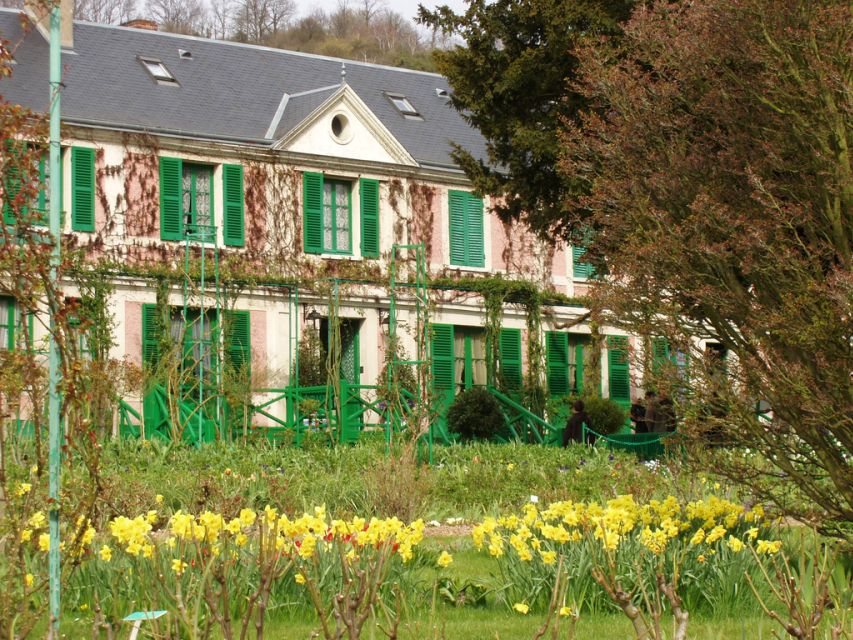
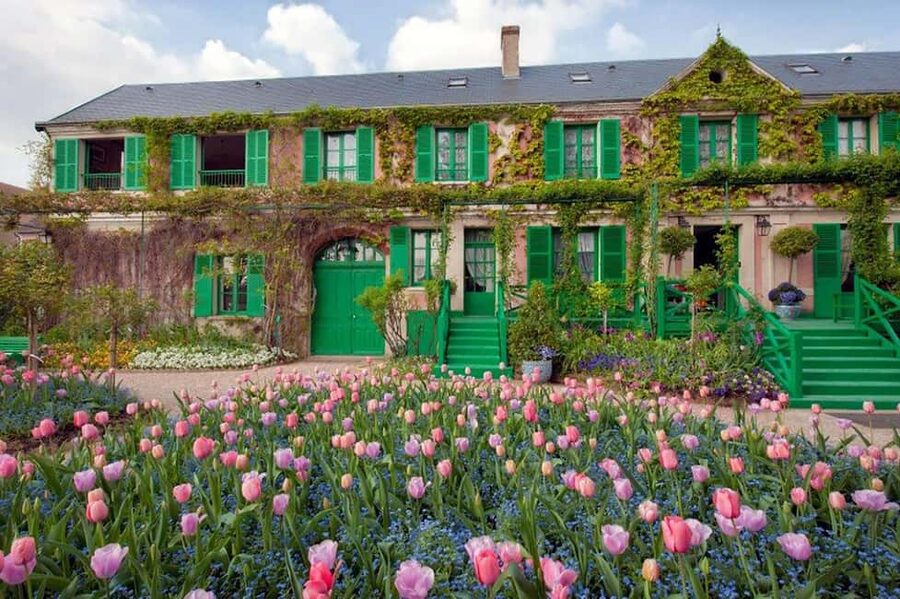
What makes the house visit worthwhile is what you notice once you’ve got context. The tour experience includes seeing Monet’s home and the garden views that inspired him, plus the house has a precious collection of Japanese engravings on display. That detail matters. If you’ve ever wondered why Impressionism and Japanese art felt like strange bedfellows at the time, those engravings help you connect the dots fast.
Another included stop is the Nympheas studio, which is home to the Foundation’s Shop. You can browse for souvenirs tied to Monet’s world without feeling like you’ve been dumped into a mall. If you’re buying postcards, small prints, or garden-themed items, this is usually the moment when you’ll feel the most inspired to grab something.
The big trade-off: with no guided tour inside, you rely on the guide’s pre-arrival tips and your own curiosity. For some people that’s perfect. For others—especially if you like a slow, in-depth walkthrough—this could feel a bit hands-off once you’re on-site.
The water garden: Japanese bridge and lily ponds in real life
If you came for Monet’s most famous images, this is the main event. The garden experience focuses on the exact scenes you’ve seen in books and museum galleries: the water garden, shaded by weeping willows, with the Japanese bridge that anchors so many compositions.
The tour also points you to the flower show around it: wisterias and azaleas are part of the seasonal lineup described for the gardens. That matters because Monet wasn’t just painting one scene—he was responding to how light and color change across the year. Clos Normand and the water garden together give you that sense of time, not just a single postcard view.
The lily ponds are where the magic can feel almost unfair. Photos won’t tell you how much the garden has depth—the water surface, the reflections, the way the bridge frames the scene. When you’re standing there, your brain stops treating the paintings like flat images and starts treating them like observations.
Do expect lines and photo pressure. One review calls out that queues form and people cluster for the same angles. Another suggests the best strategy is going early, because crowds peak as the day moves along. Since this tour is an afternoon-focused option, keep that in mind: if you can choose among departure times, an earlier slot often buys you easier photos and a calmer walk.
Clos Normand archways: that painter’s-color palette feeling
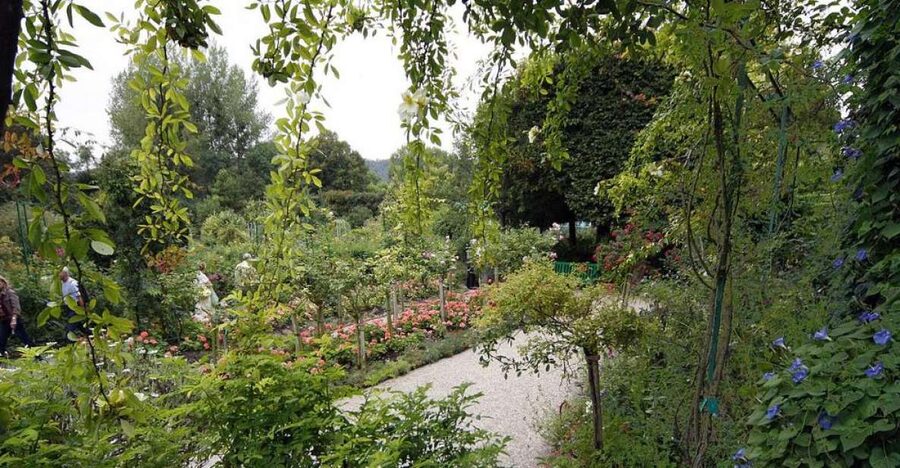
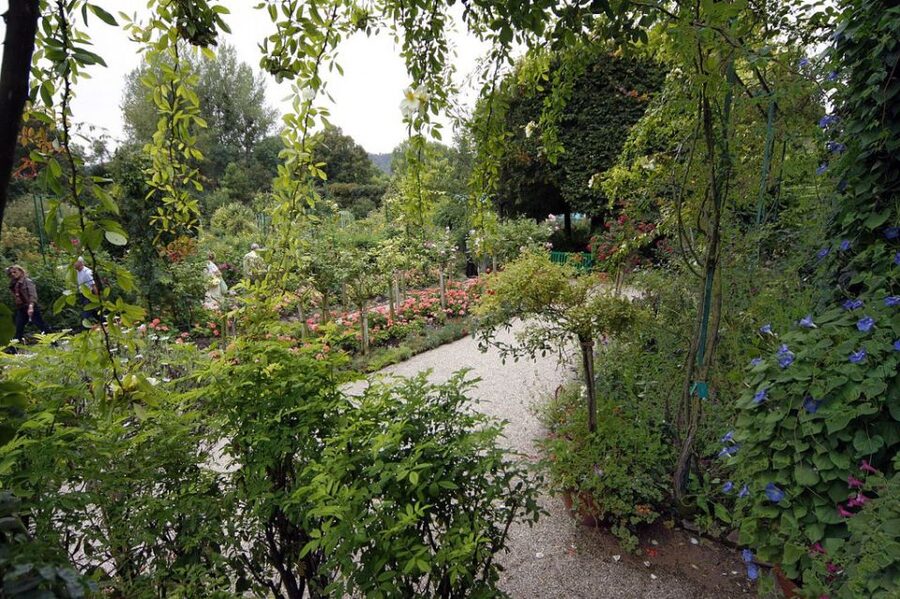
Then you get the garden area that’s more about structure and shape than just water views: Clos Normand. The tour description highlights archways of climbing plants wrapped around brilliantly colored shrubs—set up to deliver a “perfect palette” from spring to autumn.
What you’ll likely love here is the variety. The water garden gives you reflections and softness; Clos Normand gives you rhythm—arches, vertical growth, and layered color. It feels like the gardens are organized for the eye to move, not just for photos to be taken.
This stop also adds value because it expands the story beyond Monet the solitary painter. In Giverny, the gardens became an ongoing project, rebuilt by seasons and plantings. The archways make that idea feel physical. You can see how a garden can function like an art studio without the canvas.
One practical note: keep an eye on your walking pace. The gardens are not one straight loop, and you may find yourself going back and forth as you look for the best view angles. If you feel rushed, start by picking your “must-see” spots: bridge view first, lily ponds second, then Clos Normand for color and structure.
Giverny village: a real artist colony, not just a backdrop
Monet’s gardens are the headline, but the village makes the whole trip feel grounded. Giverny is tied to artists—especially an American artist colony that grew between 1883 and 1920. That detail may sound like a trivia fact, but it actually changes how you interpret what you’re seeing.
When you’re in a place like this, it helps to know that the village attracted people who wanted light, quiet, and landscapes they could rework into art. That’s part of why the whole area carries a “paintable” vibe even when you’re just walking for yourself.
You might not get a long wandering lunch break, and some visitors wish for more time to explore the village. Still, even a short stretch helps you reset your senses after the crowds around the house and gardens. If you’re hungry, keep snacks in mind as an easy backup—time can feel limited once everyone filters into the same entrance areas.
One extra bonus you may hear about once you’re on-site: a review mentions the church at the top of the hill where Monet and his family were buried. If you have energy and time, it’s a meaningful option that turns the day from scenic to personal.
Price and value: paying for time, transport, and included tickets
At $152 per person for about 270 minutes, this is not a budget trip. So here’s how I’d judge the value in plain terms: you’re paying for (1) the ride out of Paris in a comfortable minibus, (2) an English driver, and (3) a prepaid ticket for Monet’s house and gardens.
The part that can feel expensive is also the simplest: you’re mostly buying transportation plus the included site entry. One review even says the price felt high because it covers mostly the ride out and back. I get that reaction. If you think you’re buying a deep, guided walking tour of every room and path, you might feel underfed.
But the trade is reasonable for many people. Without a guided driver-ride, you’d still have transit, scheduling, and ticket planning. Here, you remove friction: you meet at a central spot, you get dropped at the entrance, and you already have the prepaid entry handled.
The other value question is time. The tour’s half-day format means you can’t do everything slowly. Reviews mention wanting extra minutes for photos and for soaking in the gardens. If you’re the type who likes to stand still for ten minutes at a time (instead of moving to the next angle), you’ll want to accept that this day is a “see a lot, choose your favorite corners” visit.
Worth weighing up next to this Paris pick




Crowds and photos: how to avoid turning Monet into a selfie factory
Monet’s popularity is the elephant in the garden, and it shows in the queues. Even with the house and garden ticket prepaid, you can still hit congestion around entry points and in the most photographed spots.
My practical advice: don’t fight the crowd. Use it. Pick your order and your patience.
- Start with what you truly came for: the bridge and lily ponds.
- When you reach a photo hotspot, take photos quickly, then step aside to reset.
- Save your slower stroll for the less central garden sections like Clos Normand.
Timing matters too. One review suggests that going earlier can help with a calmer feel, because afternoon can be heavier. If your schedule is flexible, choose the earliest start time available. If you’re locked into an afternoon slot, just plan for more waiting and less photo solitude.
Also, be polite. It’s a place everyone wants to see. If you’re trying to photograph without strangers in every frame, you’ll need patience and a willingness to move slightly. That’s not romantic, but it works.
Who this trip fits best (and who should pick something else)
This day trip fits you if:
- You love Monet’s gardens and want to see them in real scale
- You’d rather ride with a driver than figure out Paris-to-Giverny logistics
- You like a guided story on the way out, then independent wandering on-site
- You’re okay with crowds and understand that this is a popular stop
You might want a different style of tour if:
- You want a full guided walk through every area and room
- You dislike timed half-day formats
- You need long breaks for meals and rest without a schedule pressure
One important accessibility note: the tour is not suitable for wheelchair users, based on the provided information.
Should you book this Giverny and Monet home day trip?
Yes, I’d book it if you’re going to Giverny for the core experience: Monet’s house, Japanese engravings, the water garden, the bridge, the lily ponds, and Clos Normand’s archways and color. The included prepaid tickets and the comfortable minibus ride make it a low-stress way to do a high-demand destination.
But I’d book with eyes open. Afternoon crowds are real. Time on-site can feel short if you’re chasing the perfect, solitude-free photo and want to linger everywhere. If you can choose a departure time, aim earlier when possible. And go in with a simple plan: see the big sights first, then slow down where you feel the pull.
If you want a scenic Impressionism day without the hassle of transit and ticket planning, this is a strong pick.
FAQ
Where is the meeting point in Paris?
Meet at 41 Avenue De La Bourdonnais, 75007 Paris. Nearest transit stops listed are Ecole Militaire (Metro line 8), Trocadero (Metro lines 6 or 9), or Pont de l’alma (RER C).
How long is the trip?
The duration is 270 minutes.
What’s included in the price?
Transportation by deluxe minibus, the driver, and a prepaid ticket for Monet’s house and gardens are included.
Is there a guided tour once you arrive at Giverny?
No guided tour is listed as included. The format is mainly driver transportation and commentary, with time to explore the house and gardens on your own once you arrive.
What do I see at Monet’s home and gardens?
You’ll see Monet’s house, the garden lily ponds featured in his paintings, the Japanese bridge, and the Clos Normand with its climbing-plant archways and seasonal color. There is also Japanese engravings displayed in the house.
Is the driver English-speaking?
Yes, the driver is listed as English.
Does the tour run if it rains?
Yes, it runs rain or shine.
Is this tour wheelchair accessible?
No, it is not suitable for wheelchair users.
Is the Monet house and gardens ticket prepaid?
Yes, your ticket for Monet’s house and gardens is prepaid and included.
How much time do I have for shopping?
You can stop at the Nympheas studio, which includes the Foundation’s Shop, and use that time for souvenirs. The total on-site time is part of a half-day schedule, so shopping time may be limited.
More 1-Day Tours in Paris
- Disneyland® Paris 1-Day Ticket
★ 4.6 · 49,412 reviews - Normandy D-Day Sites & Cemetery Day Trip from Paris with Lunch
★ 5.0 · 6,877 reviews - Day Trip to Mont-Saint-Michel from Paris
★ 4.5 · 4,876 reviews - Disneyland® Paris 1-Day Flexible Date Ticket
★ 4.3 · 4,347 reviews - Loire Valley Castles Day Trip from Paris with Complementary Wine
★ 4.5 · 3,907 reviews
More Tour Reviews in Paris
- Paris: 1-Hour Seine Cruise departing from the Eiffel Tower
★ 4.4 · 77,472 reviews - Paris: Louvre Museum Timed-Entrance Ticket
★ 4.6 · 71,977 reviews - Disneyland® Paris 1-Day Ticket
★ 4.6 · 49,412 reviews - Paris: Versailles Palace and Gardens Full Access Ticket
★ 4.6 · 41,579 reviews - Paris: Arc de Triomphe Rooftop Tickets
★ 4.6 · 34,264 reviews
Monet's Giverny, More Trips
- From Paris: Giverny, Monet’s Home & Gardens Half-Day Trip
★ 4.5 · 2,887 reviews - From Paris: Giverny Day Trip with Audio Guide or Live Guide
★ 4.3 · 2,372 reviews - Versailles Palace and Giverny Monet House Visit with Lunch
★ 4.0 · 1,948 reviews - Giverny Monet’s Home and Gardens Half Day Tour from Paris
★ 4.5 · 1,836 reviews - Giverny Small-Group Half Day Trip with Monet’s Gardens from Paris
★ 5.0 · 1,663 reviews
Fresh off the review desk in Paris
- Secrets of Paris Bike Tour in English or Dutch★ 5.0 · 5 reviews
- Paris: Mont Saint-Michel Day Tour with Chinese Tour Guide★ 5.0 · 5 reviews
- Private Street Art 2-Hour Guided Tour in Paris★ 4.5 · 5 reviews
- Orsay Museum Tour: 2h Highlights (Private & Small Group)★ 5.0 · 5 reviews
- Discover Paris in electric golf carts★ 4.0 · 5 reviews
- Paris Private Boat Tour with your own Captain Guide★ 5.0 · 5 reviews
Giverny Day Trips, compared.
 ★ 4.5From Paris: Giverny, Monet’s Home & Gardens Half-Day TripFrom $892,887 reviews
 ★ 4.3From Paris: Giverny Day Trip with Audio Guide or Live GuideFrom $932,372 reviews
 ★ 4.0Versailles Palace and Giverny Monet House Visit with LunchFrom $2421,948 reviews
 ★ 4.5Giverny Monet’s Home and Gardens Half Day Tour from ParisFrom $911,836 reviews
 ★ 5.0Giverny Small-Group Half Day Trip with Monet’s Gardens from ParisFrom $1571,663 reviews
 ★ 4.5From Paris: Giverny and Versailles Palace Guided Day TripFrom $1631,324 reviews
 ★ 4.0Giverny and Monet’s House Half Day Trip from Paris Guide or AudioFrom $1021,319 reviews
 ★ 4.5Giverny and Versailles Small Group Day Trip from Paris with LunchFrom $392755 reviews
Browse the lists this tour appears in