
Reviewed · PARIS
Marais: Discover the Medieval Heart of Paris
Medieval Paris is only a short walk away. This tour maps the Marais from its swamp-drained past to hidden courtyards, working synagogues, and grand squares—then it shifts into the modern, stylish Marais you can shop and snack in. I love the way the story connects facts to streets, not just nameplates, and I like how the guide keeps the whole walk moving at an easy pace.
Two things I really liked: you get Place des Vosges in front of you, then you step into the world of Victor Hugo at his Maison de Victor Hugo. I also love the food-and-community stop on Rue des Rosiers, where you hear why places matter in everyday life, not just in guidebooks.
One drawback to plan for: it’s still a walking tour. In cold or rainy weather, you’ll want comfortable shoes and an umbrella, because you’ll be outside for much of those 150 minutes.
In This Review
- Key reasons to take this Marais walk
- Why the Marais feels different from the rest of Paris
- From Place de la Bastille to Rue des Tournelles: the medieval story starts on the ground
- Place des Vosges and Maison de Victor Hugo: literature you can stand inside
- Hôtel de Sully, hidden mansions, and the Masonic side of Paris
- Rue des Rosiers and the Jewish Marais: synagogues, food, and real streets
- Secret stops and the art of seeing what’s not obvious
- Halle des Blancs Manteaux to UNIQLO Le Marais: old walls, new routines
- Picasso Museum Paris and the National Archives garden: culture without the pressure
- Sainte-Croix de la Bretonnerie: small streets, shopping time, and a calmer rhythm
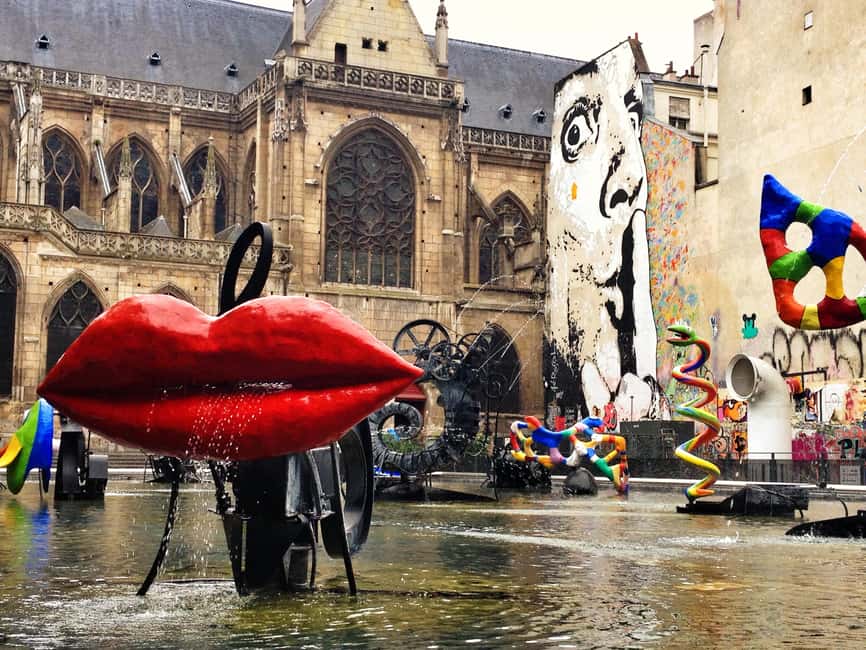
- Centre Pompidou photo stop: tying modern Paris into the same walk
- Price and value: $50 for 150 minutes with a guide who answers in real time
- Who should book this Marais tour (and who might skip it)
- Should you book this Marais tour?
- FAQ
- Where does the tour start?
- How long is the Marais tour?
- What languages are available?
- What is included in the price?
- What should I bring?
- What kind of sights will I see?
- Is there a food component?
- Do I need a museum ticket included in advance?
- Can I cancel for a refund?
Key reasons to take this Marais walk
- Templars and medieval engineering: the quarter began as a swamp, drained in the 13th century by the Templar Knights
- Synagogues with very different styles: you’ll see both the oldest synagogue in Paris and an Art Deco synagogue
- Hidden stops you won’t find alone: secret spaces and concealed areas built into the neighborhood fabric
- Victor Hugo’s actual home: the tour includes his flat at Maison de Victor Hugo
- Rue des Rosiers food culture: falafel, hamantaschen, and Hanukkah jelly donuts enter the story in a real street setting
- Old Marais meets today’s Marais: designer boutiques, trendy cafés, and the modern vibe of the gay and lesbian community
Why the Marais feels different from the rest of Paris
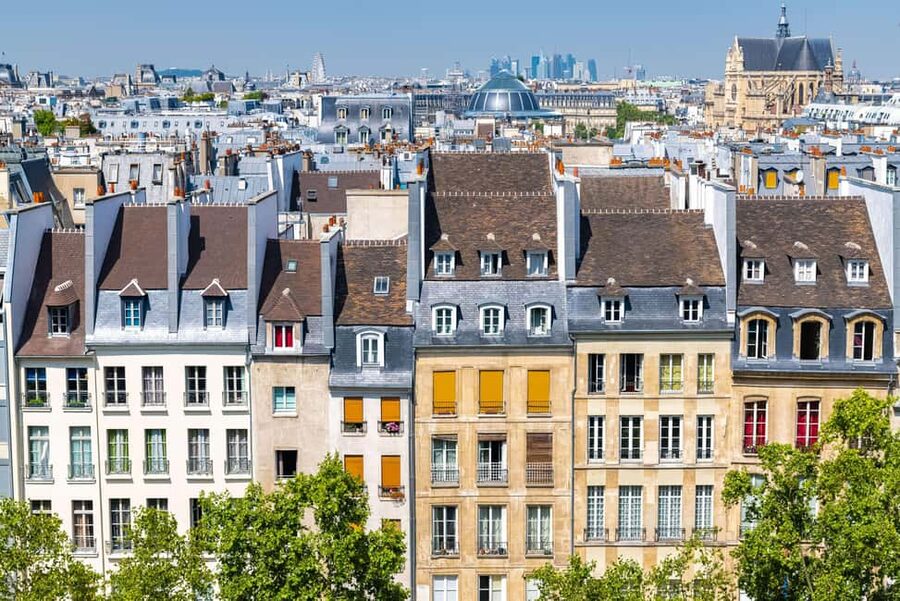
Most of Paris teaches you history through big monuments. The Marais teaches it through fabric: narrow streets, tucked-away courtyards, and buildings that have changed hands for centuries. This is why it can feel more personal than the usual highlights loop.
I like that the tour explicitly treats the Marais as more than a postcard. It starts with medieval roots—drained swamp land, Templar involvement, noble mansions—and then it transitions into the modern neighborhood energy with designer shops and nightlife culture for the gay and lesbian community. That shift helps you understand why people still live the story, not just visit it.
For me, the best part is the guide’s role as a translator. They take places you could technically find on your own and explain what you’re actually looking at: what a street corridor once represented, why certain buildings mattered, and how different communities left marks over time. It’s value-for-time thinking.
Still deciding? Here is how it stacks up against a few Paris favourites we have booked and reviewed.
- Paris: 1-Hour Seine Cruise departing from the Eiffel Tower
★ 4.4 · 77,472 reviews - Paris: Louvre Museum Timed-Entrance Ticket
★ 4.6 · 71,977 reviews - Disneyland® Paris 1-Day Ticket
★ 4.6 · 49,412 reviews - Paris: Versailles Palace and Gardens Full Access Ticket
★ 4.6 · 41,579 reviews
From Place de la Bastille to Rue des Tournelles: the medieval story starts on the ground
You begin at 3bis Pl. de la Bastille, a sensible anchor point because the Bastille area is tied to the neighborhood’s later transformations. From there you walk toward 21bis Rue des Tournelles, keeping things practical and compact—about a 10-minute walk in the route—so you aren’t stuck in transit mode.
This early part matters because it sets the tone. The tour frames the Marais as the medieval quarter of Paris, originally a swamp that was meticulously drained by the Templar Knights in the 13th century. That single idea helps everything click: once land is reclaimed, you get building, wealth, religion, and power concentrated close together.
Even if you only remember one line from this opening, remember the direction. You’re not being handed a list of dates. You’re learning why the streets and pockets of space exist where they do. That makes the later hidden stops feel earned instead of random.
Place des Vosges and Maison de Victor Hugo: literature you can stand inside
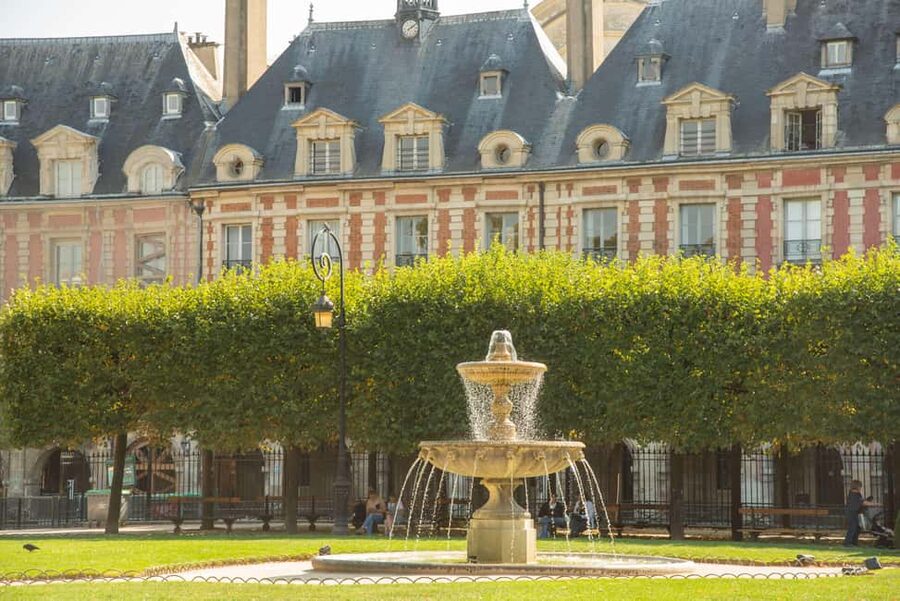
Next up is Place des Vosges, described on this tour as the oldest square in Paris. Whether you love architecture or not, a square like this gives you a natural reference point: you can feel the symmetry, and you can sense how people once gathered in a controlled public space.
From there the route turns toward Maison de Victor Hugo, the visit where you learn about France’s iconic writer through his actual flat. I like this stop because it’s not only about Hugo as a name. It’s about daily life—how a famous person fits inside the bones of the Marais.
Victor Hugo is a strong choice for a walking tour because he connects to multiple themes you’ll hear later: power, politics, and the way individuals become symbols tied to places. If you’re the type who wants history to have faces, this stop delivers.
Hôtel de Sully, hidden mansions, and the Masonic side of Paris
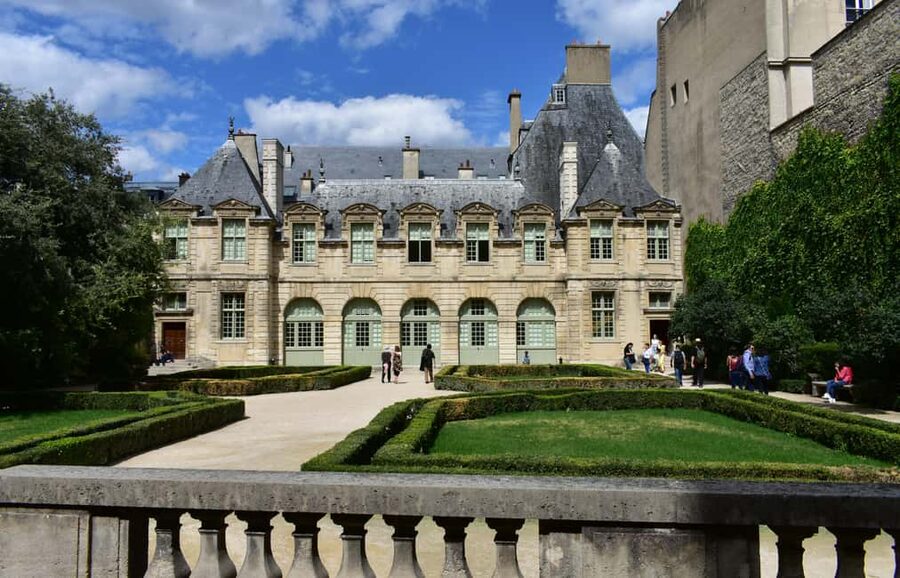
The tour moves along with photo stops and short guided looks, including Hôtel de Sully. The Marais is famous for aristocratic buildings, and this is the kind of stop that helps you spot the difference between a street facade and the story behind it.
You’ll also hear about opulent mansions that once housed royal ministers, courtesans, and French aristocrats during the 14th and 15th centuries. Even without getting lost in architectural jargon, you get the idea: wealth needed space, and the Marais gave it that space—then the buildings absorbed later layers.
What I found especially interesting is that the tour doesn’t treat power as one-lane. It includes the enigmatic allure of Masonic temples and lodges and the secrets of a bygone era. That’s the Marais doing what it does best: mixing the public and the private, religion and organization, official life and behind-the-scenes life.
There’s also a key practical promise here: you’ll enter hidden spaces and concealed areas you wouldn’t find on your own. On a tour, that’s where the guide earns their fee, because these are the kind of places that don’t announce themselves from street level.
Rue des Rosiers and the Jewish Marais: synagogues, food, and real streets
Rue des Rosiers is one of those streets where history is also dinner. The tour brings you here for street food and guided sightseeing, and it ties the food to specific cultural touchpoints: falafel, hamantaschen, and Hanukkah jelly donuts.
That matters because it moves you from museum-mode to neighborhood-mode. Instead of only learning about community through architecture, you learn it through what people buy, share, and remember. Food stops are also a smart pacing tool in a 150-minute walk—use it to reset and keep energy up.
This tour also covers the synagogue side in a way that’s hard to replicate alone. You’ll explore the narrative of the oldest synagogue in Paris, plus the only synagogue in Art Deco style. If your travel style is about seeing how faith and design can look very different across time, this is a standout segment.
The message you leave with is that the Marais is a melting pot: Jews, LGBT communities, and modern designer culture living close enough to overlap. The guide helps you connect the dots so you understand why certain storefronts and streets feel like gathering places, not just landmarks.
Secret stops and the art of seeing what’s not obvious
A true value of this experience is the number of times it asks you to look again. You’ll have at least one secret stop—a photo stop with guided explanation—that’s explicitly designed to show places you wouldn’t find on your own.
This is where a good guide changes everything. A less careful tour can just move you from big sight to big sight. Here, the guide keeps steering you toward the quieter stuff: small transitions, tucked angles, and spaces that read differently once you know what you’re looking for.
In the reviews, guides like Max and Sacha stood out for energy and for answering questions quickly. That kind of responsiveness matters on a route with hidden stops, because the best moments often start with a small curiosity: why this doorway, why this courtyard, why this location in the neighborhood map.
So if you like photography, you’ll get spots that feel more story-driven than postcard-driven. If you like understanding, you’ll get explanations that make the street layout feel intentional.




Halle des Blancs Manteaux to UNIQLO Le Marais: old walls, new routines
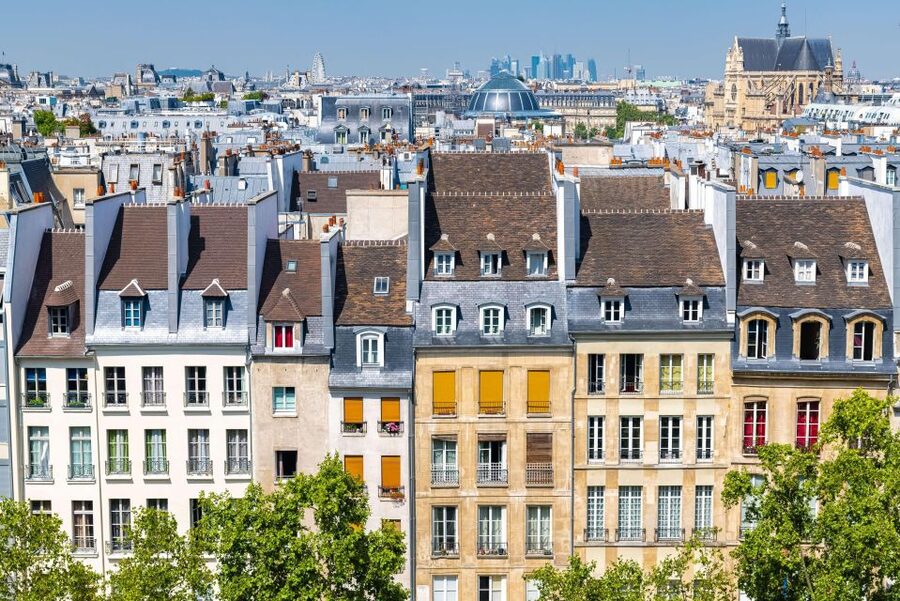
The route continues through areas where the Marais shifts into modern shopping culture, including a guided visit around Halle des Blancs Manteaux. This market area is a natural bridge between centuries, because the Marais keeps reusing and reshaping space.
Then you’ll visit UNIQLO LE MARAIS, which might feel like a curveball in a medieval-focused walk. But I think it’s a smart one. It shows you that Marais life isn’t trapped in the past. People work, shop, and meet here now, in the same district that once centered noble life and community life.
A tour like this makes you think: if a neighborhood survives centuries, it has to keep serving today’s routines. That’s what these stops help you see. They’re also a practical chance to warm up, check your phone, and reset before the next cultural hit.
Picasso Museum Paris and the National Archives garden: culture without the pressure
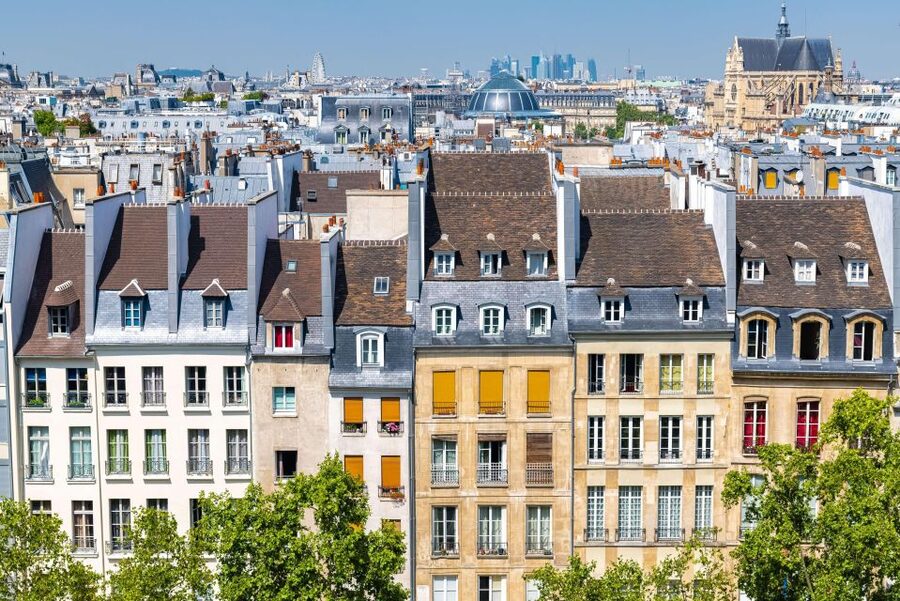
Next the tour includes Picasso Museum Paris with a guided component and sightseeing. Even if you’re not a superfan of Picasso, having a guide help you frame what you’re seeing can turn a museum stop into part of the neighborhood story rather than a standalone activity.
After that you get a photo stop and visit at the National Archives Garden. Gardens in Paris aren’t always easy to find in the middle of the city’s daily rush, so having a guided look here helps you find breathing room. One review specifically praised the guide for showing secret gardens that tourists wouldn’t see, which fits the style of this tour overall.
This section is a good moment for people who want a break from constant street narration. It also balances the religious and political themes earlier with a softer, quieter kind of architecture and space.
Sainte-Croix de la Bretonnerie: small streets, shopping time, and a calmer rhythm
The tour then heads to 30 Rue Sainte-Croix de la Bretonnerie for a visit, guided tour, and shopping time. I like having a shopping moment inside a history walking tour because it makes the afternoon feel like yours, not just the guide’s.
This street stop also supports the Marais theme of small-scale detail. You’re not only learning about major institutions. You’re seeing how everyday commerce and street life sit next to the places that held power and faith.
One practical note: because you’re doing stops in short bursts, keep your wallet and small items organized. It’s easy to lose track of time when you’re hopping from door to door, especially if you’re stopping to look at shop windows between guided explanations.
Centre Pompidou photo stop: tying modern Paris into the same walk
At the end, you get a photo stop at Centre Pompidou with guided explanation. This is the kind of finish that helps you connect Marais stories to the rest of the city.
Pompidou is modern by design, and that’s the point. The tour has already spent time on the modern Marais: avant-garde flair, designer boutiques, trendy cafés, and nightlife culture. Ending with Pompidou gives you a clean visual cue that Paris keeps layering eras on top of each other.
Think of it as the tour’s final piece of framing. You leave with the sense that the Marais isn’t just an old district you visit—it’s part of Paris’s ongoing creative life.
Price and value: $50 for 150 minutes with a guide who answers in real time
The price is $50 per person for 150 minutes, with an experienced professional local guide included. That’s a fair model for Paris, because you’re not paying for a ride or a big-ticket attraction package. You’re paying for the person who knows where to take you, how to interpret what you see, and when to slow down for questions.
In the reviews, Max, Sacha, and Malakas earned praise for energy, knowledge, and interaction. Even more helpful: they seemed happy to answer whatever came up, and in one case the guide tailored the tour to the interests of the group. That flexibility can turn a standard route into your route.
One more value point: because the tour includes multiple distinct themes—medieval origins, aristocratic mansions, Masonic secrets, synagogues, modern designer life—you get fewer repeat lessons. You’re not just seeing places; you’re learning why they belong in the same story.
Who should book this Marais tour (and who might skip it)
This tour is a strong fit if you like walking routes that explain the city through context: religion, politics, architecture, and neighborhood culture. It’s also ideal if you want more than the usual set of famous photos, because the hidden spaces and secret stop add real difference.
You might consider skipping if you dislike walking for close to two and a half hours, or if you only want entry-ticket museums and don’t care about neighborhood interpretation. Also, if you want a totally self-paced experience, a guided route can feel like structured time.
But if you enjoy asking questions, this is the kind of tour where the guide’s responsiveness is a big part of the value. The guides named in reviews—Max, Sacha, and Malakas—were praised for bringing the story alive and sticking with the group’s interests.
Should you book this Marais tour?
I’d book it if your goal is to understand why the Marais is one of Paris’s most layered districts—medieval Templar origins, aristocratic mansions, Masonic intrigue, Jewish community landmarks, and modern life all in one continuous walk. For $50 over 150 minutes, the guide-led connections and the hidden spaces are what make the cost feel worth it.
I’d also book it if you like small, specific details: an Art Deco synagogue, the oldest synagogue narrative, Victor Hugo’s flat, and street food moments tied to the neighborhood’s identity. Just come prepared—comfortable shoes and an umbrella if weather turns—so you can enjoy the whole route without rushing.
FAQ
Where does the tour start?
The meeting point is at 3bis Pl. de la Bastille. The guide waits with a sign that says My Super Tour at the exit of the metro station Bastille at exit 7 (sortie 79). The station can be reached by metro lines 1, 5, and 8.
How long is the Marais tour?
The duration is 150 minutes.
What languages are available?
The live guide offers English and Russian.
What is included in the price?
An experienced professional local guide is included.
What should I bring?
Bring comfortable shoes. The tour also advises bringing a bottle of water, and for security and weather, bringing an umbrella.
What kind of sights will I see?
You’ll see the medieval Marais and highlights like Place des Vosges, Maison de Victor Hugo, Hôtel de Sully, Rue des Rosiers, Halle des Blancs Manteaux, UNIQLO Le Marais, Picasso Museum Paris, the National Archives Garden, and a photo stop at Centre Pompidou.
Is there a food component?
Yes. Rue des Rosiers includes street food, with examples like falafel, hamantaschen, and Hanukkah jelly donuts mentioned as part of the experience.
Do I need a museum ticket included in advance?
The tour includes visits and guided looks at places on the route, including Maison de Victor Hugo and Picasso Museum Paris, but the data only lists the guide as included.
Can I cancel for a refund?
Yes, free cancellation is available up to 24 hours in advance for a full refund.
More Tour Reviews in Paris
- Paris: 1-Hour Seine Cruise departing from the Eiffel Tower
★ 4.4 · 77,472 reviews - Paris: Louvre Museum Timed-Entrance Ticket
★ 4.6 · 71,977 reviews - Disneyland® Paris 1-Day Ticket
★ 4.6 · 49,412 reviews - Paris: Versailles Palace and Gardens Full Access Ticket
★ 4.6 · 41,579 reviews - Paris: Arc de Triomphe Rooftop Tickets
★ 4.6 · 34,264 reviews
Fresh off the review desk in Paris
- Secrets of Paris Bike Tour in English or Dutch★ 5.0 · 5 reviews
- Paris: Mont Saint-Michel Day Tour with Chinese Tour Guide★ 5.0 · 5 reviews
- Private Street Art 2-Hour Guided Tour in Paris★ 4.5 · 5 reviews
- Orsay Museum Tour: 2h Highlights (Private & Small Group)★ 5.0 · 5 reviews
- Discover Paris in electric golf carts★ 4.0 · 5 reviews
- Paris Private Boat Tour with your own Captain Guide★ 5.0 · 5 reviews