
Reviewed · NORMANDY DAY TRIPS
Normandy D-Day Beaches with Juno Beach, bunkers & Canadian Cemetery from Paris
WWII comes close at Juno Beach. This small-group day trip packs the Canadian D-Day story into real places, with a round-trip A/C minivan and guide-led commentary that makes the history make sense fast. Two things I really like: you get time on the beach itself and you also go inside the Juno Beach Centre’s bunker spaces, not just look at photos. One possible drawback to plan for: it is a long day, so the museum time can feel tight if you want to read every panel slowly.
You start at 7:00 am in Paris, then head straight to Normandy before the day gets crowded. You’ll be back in Paris the same evening, so you’re not doing an overnight—just trading sleep for an unforgettable day out.
Expect a respectful mix of walking, museums, and memorials: Juno Beach and Canada House in Bernières-sur-Mer, German bunkers off the public route, the Beny-sur-Mer Canadian War Cemetery, Hell’s Corner inland at Villons-les-Buissons, and Abbey d’Ardenne, where 20 Canadian soldiers were illegally executed.
In This Review
- Key highlights to know before you go
- Why Juno Beach tells a different (very Canadian) D-Day story
- The Paris-to-Normandy rhythm: early start, full day, real payoff
- Juno Beach sand time and Canada House in Bernières-sur-Mer
- Juno Beach Centre: official bunker access you actually remember
- Courseulles-sur-Mer lunch window: keep it simple and use the time well
- Beny-sur-Mer Canadian War Cemetery: the stop that lands hardest
- Hell’s Corner at Villons-les-Buissons: far inland, real stakes
- Abbey d’Ardenne: a darker chapter, handled with care
- Getting your money’s worth: $290.36 and what is really included
- What it feels like in a small group of eight
- Who should book this Juno Beach-centered D-Day tour
- Should you book it? My straight answer
Key highlights to know before you go
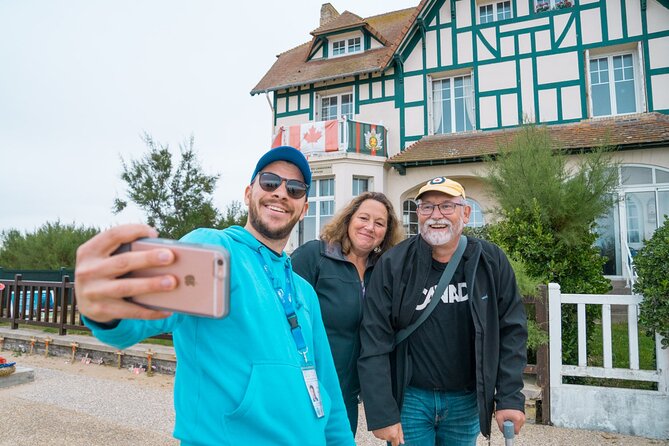
- Eight people max keeps the day personal and question-friendly
- Juno Beach Centre bunker access includes two German bunkers closed to the public
- Canadian-focused stops: Canada House, Beny-sur-Mer cemetery, Hell’s Corner, Abbey d’Ardenne
- Official-guided museum time for the Juno Beach Centre experience
- A/C round-trip transfer from Paris, so you skip logistics stress
Why Juno Beach tells a different (very Canadian) D-Day story
Most D-Day days from Paris end up feeling like a highlight reel. This one is different because it stays focused on the Canadian role. When you walk the sands at Juno Beach, it stops being an abstract chapter from a textbook and starts feeling like a place with weight. You’re not just looking at the shore—you’re absorbing the idea that Canadian troops came in here under brutal conditions, then pushed inland with limited room for error.
What helps is how the day is built around interpretation, not just sightseeing. Your driver/guide is there to connect the dots: what the Germans were doing, what the Canadians needed to do, and how the terrain shaped the fight. And because the group stays small, you can ask follow-up questions instead of watching your guide talk at a bus full of people.
If you want a D-Day day that feels specifically Canadian—without needing to be Canadian to appreciate it—you’ll likely enjoy the tone.
More of the D-Day coast, compared
- Normandy D-Day Sites & Cemetery Day Trip from Paris with Lunch
★ 5.0 · 6,877 reviews - Normandy D-Day Small-Group Day Trip with Omaha Beach, Cemetery & Cider Tasting
★ 5.0 · 2,786 reviews - Normandy D-Day Beaches and American Cemetery Day Trip from Paris
★ 4.5 · 2,673 reviews - Paris: Normandy D-Day Sites Guided Day Trip with Lunch
★ 4.7 · 1,082 reviews
The Paris-to-Normandy rhythm: early start, full day, real payoff
This is a 12-hour outing that starts at 7:00 am from Dada12, Av. des Ternes (75017) in Paris. You’ll ride in an A/C minivan round-trip, which matters because you’re sitting for long stretches. The payoff is that you arrive with less hassle and more energy for the walking and memorial stops.
Plan your day around comfort and pacing. The itinerary moves site to site, so you should treat the stops like a sequence: beach first, then museum and bunker experiences, then cemetery and the heavier inland sites. The day is designed to keep momentum, but you still get breaks—especially a lunch window later in the day.
One practical tip: dress for damp cool air as well as sun. Normandy mornings can shift quickly, and this tour runs in all weather.
Juno Beach sand time and Canada House in Bernières-sur-Mer
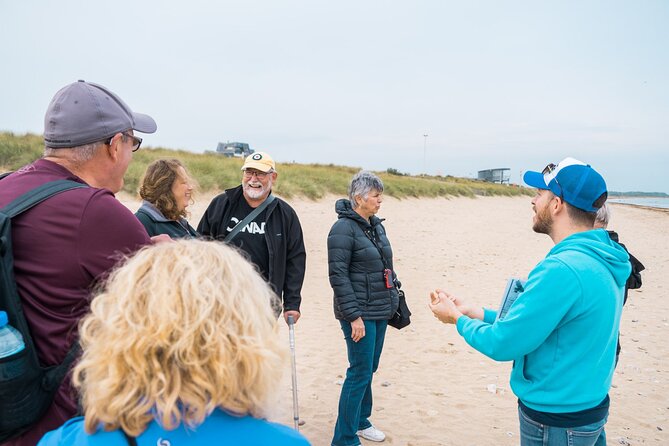
You start with Juno Beach, with about 30 minutes to walk the shoreline. It’s not long enough to wander like you’re on vacation, but it’s long enough to feel the scale and pick up the details you’d miss if you arrived for a quick photo and left.
A big reason this stop works is that it’s timed early. You get to arrive before you’re emotionally or physically tired. And because it’s the main Canadian landing area on this route, it sets the tone for everything else you’ll see.
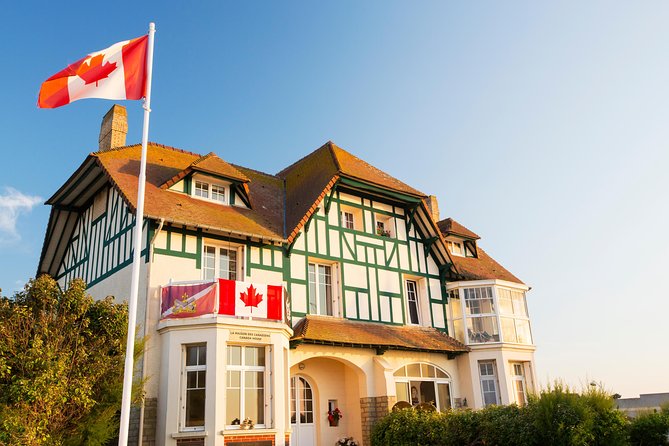
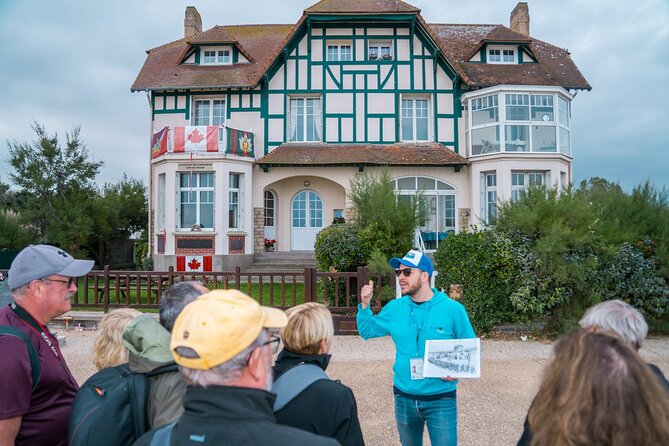
From there you head to Bernières-sur-Mer to see Canada House, the famous first liberated house on this sector. This is one of those places that seems small until your guide explains what it represented in real time—safe space, signal, momentum. The point isn’t the building itself. It’s what the building meant in the chaos of June 1944.
You’ll likely want to pause here longer than you think you will—because it’s an easy stop where your brain can catch up before the museum-heavy parts.
Juno Beach Centre: official bunker access you actually remember
This is where the tour earns its keep.
First you’ll get time with an official Juno Beach Centre guide and enter two German bunkers on Juno Beach that are closed off to the public. That matters because most visitors never get that kind of hands-on access. Even if you’ve read about bunkers, stepping into one is different: the space feels tight, the sightlines feel constrained, and you can picture how cover and survival shaped the fighting.
After the bunker visit, you return for museum time at the Juno Beach Centre, which is built around the Canadian landings. Expect exhibits that connect strategy to lived experience. Some areas include film and interpretive displays that many people find moving, especially after you’ve already walked the beach outside.
Possible drawback (worth calling out honestly): if you’re the kind of person who reads every panel, you might feel you’re moving through the museum faster than you’d like. The day schedule is designed to cover multiple stops, so this isn’t a slow museum afternoon.
Courseulles-sur-Mer lunch window: keep it simple and use the time well
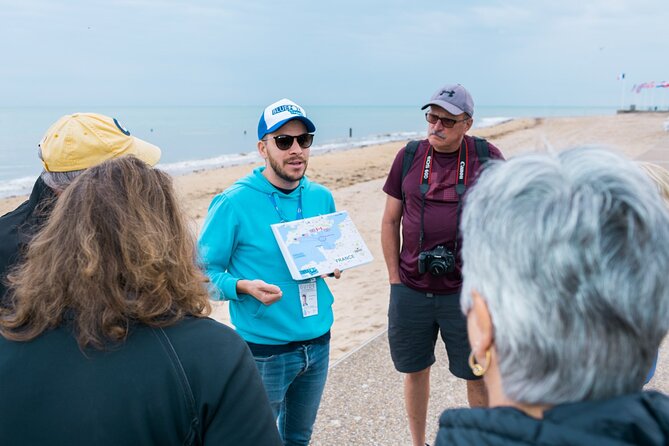
In Courseulles-sur-Mer, you get about one hour of free time for lunch. Lunch itself is not included, so you’re choosing between grabbing something quick and light, or doing a small browse for local snacks.
This is a good time to do two things:
- fuel up so the cemetery and memorial stops don’t feel like a blur
- step away briefly so your emotions have room to reset between heavier sites
If you like practical travel moves, consider buying something from a local grocery or bakery and eating while you walk the streets for a few minutes. That keeps your energy up without turning lunch into a long sit-down event.
Beny-sur-Mer Canadian War Cemetery: the stop that lands hardest
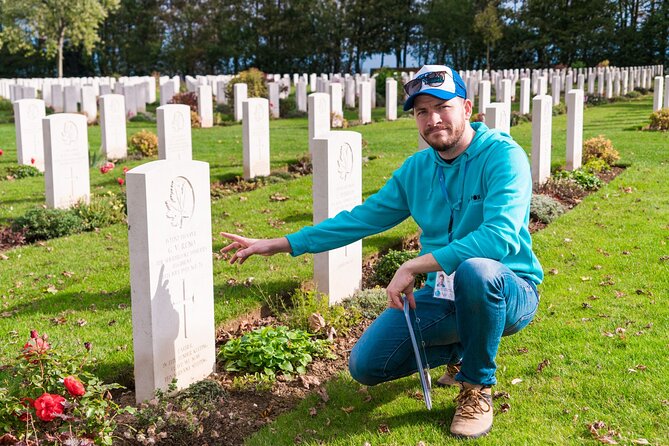
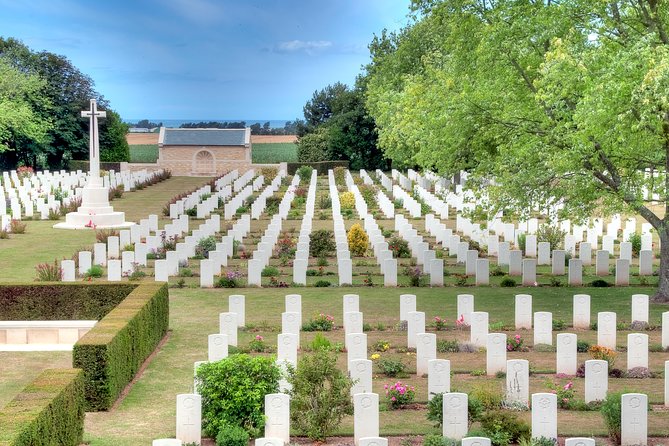
The day’s emotional center is the Beny-sur-Mer Canadian War Cemetery. Plan for about 30 minutes here. This isn’t a “look and move on” kind of place. The cemetery is peaceful in a way that gives you time to think, and the uniform rows push home the scale of loss.
If you have family connections, this stop can become even more personal. One of the most meaningful moments people describe is realizing they’re standing near relatives’ names among thousands of headstones. Even if you don’t have that connection, the cemetery works because it turns the story into individuals.
Practical advice: take your time with the sightlines. Don’t rush straight to the biggest monument. Slow down, read, and give yourself a moment to just be there.


Hell’s Corner at Villons-les-Buissons: far inland, real stakes
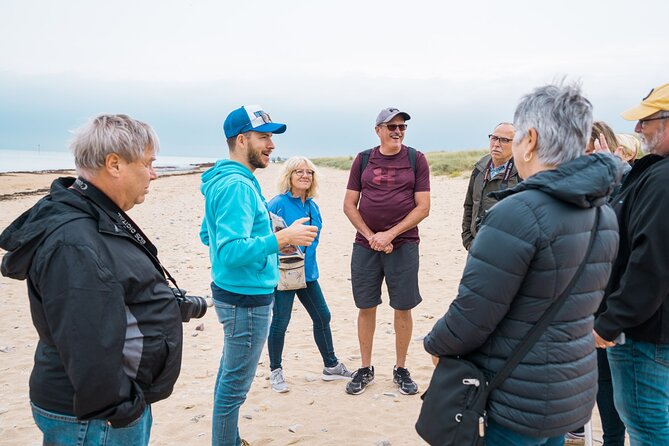
Next you head to Villons-les-Buissons for Hell’s Corner, a site marking the furthest inland advance by Canadian troops on D-Day. It’s described as about five miles from Caen, and the short stop (around 15 minutes) is built to give you context without dragging the schedule.
Even in a short visit, you can feel why it earned the nickname. When your guide explains how the Canadians pressed forward and what they faced, the geography starts to matter: distance, exposure, and why “advance” didn’t mean “safe.”
If you’re trying to connect all the dots from beach to inland fight, this stop does that job quickly and clearly.
Abbey d’Ardenne: a darker chapter, handled with care
The final big historical stop is Abbey d’Ardenne, where on June 1944 20 Canadian soldiers were illegally executed by members of the “Hitler Youth.” This is one of the places on the day that should not be treated like a typical tourist stop.
You’ll have about 20 minutes here. That’s just enough time to absorb what happened and read the interpretive context—without forcing you through it too fast.
My advice: keep your phone away for a bit. This is a moment where respect matters, and your attention will be better if you don’t turn it into a photo mission.
Getting your money’s worth: $290.36 and what is really included
At $290.36 per person, this tour isn’t cheap. But it also isn’t just “a bus to Normandy.” You’re paying for:
- round-trip transfer from Paris by A/C minivan
- a driver/guide
- small-group limits (maximum eight people)
- entrance fees across the stops
Food is the only major miss here—lunch is not included—but you do get a lunch window of about an hour to handle it yourself.
So how do you judge value? For me, the answer is the combination. The day includes beach walking, a Canadian-focused museum, and the rare bunker access at the Juno Beach Centre. Add in the cemetery and the inland memorial sites, and you get a whole sequence that’s hard to DIY in a single day without stress.
If you’re the type who’d otherwise spend hours coordinating transport and entry times, you’ll probably find this price easier to justify.
What it feels like in a small group of eight
A big reason this tour scores high is the group size. With eight people max, you get a calmer experience: fewer interruptions, more time for your guide’s explanation style, and easier logistics when you’re moving between sites.
Also, small groups matter at emotionally intense stops. When everyone moves together, you keep the pace from turning into chaos. You can concentrate, ask a question, and then reset.
Guides on this route often bring a story-telling approach and personal context. You might hear names like Julian, Brune, Brune, Clément, Enzo, Mathieu, Olivier, or HP depending on your date. The consistent thread is that the day is explained, not just narrated.
Who should book this Juno Beach-centered D-Day tour
This tour is a strong fit if you want:
- a Canadian-focused D-Day day from Paris
- a guided visit with real context (not just self-paced wandering)
- access to the Juno Beach Centre and bunkers closed to the public
It might be less ideal if:
- you hate early starts and long days
- you want a slow museum day and plan to read every exhibit line-by-line
- you’re looking for a relaxed, beach-only outing rather than a full history sequence
Should you book it? My straight answer
If you’re even mildly interested in the Canadian role in D-Day, I think this is worth booking. The day is built around places that connect the battle to the Canadian experience—especially the Juno Beach walk, Canada House, and the bunker access inside the Juno Beach Centre. Add the Canadian cemetery and the inland memorial stops, and you get a complete narrative arc in one long day.
Book it if you want guided meaning and strong value through included entrances and transport. Skip it if you want a slow-paced, purely recreational Normandy day.
More Tour Reviews in Paris
- Paris: 1-Hour Seine Cruise departing from the Eiffel Tower
★ 4.4 · 77,472 reviews - Paris: Louvre Museum Timed-Entrance Ticket
★ 4.6 · 71,977 reviews - Disneyland® Paris 1-Day Ticket
★ 4.6 · 49,412 reviews - Paris: Versailles Palace and Gardens Full Access Ticket
★ 4.6 · 41,579 reviews - Paris: Arc de Triomphe Rooftop Tickets
★ 4.6 · 34,264 reviews
The D-Day Beaches, More Day Trips
- Normandy D-Day Sites & Cemetery Day Trip from Paris with Lunch
★ 5.0 · 6,877 reviews - Normandy D-Day Small-Group Day Trip with Omaha Beach, Cemetery & Cider Tasting
★ 5.0 · 2,786 reviews - Normandy D-Day Beaches and American Cemetery Day Trip from Paris
★ 4.5 · 2,673 reviews - Paris: Normandy D-Day Sites Guided Day Trip with Lunch
★ 4.7 · 1,082 reviews - From Paris: Normandy D-Day Landing Beaches Full-Day Tour
★ 4.8 · 698 reviews
Fresh off the review desk in Paris
- Secrets of Paris Bike Tour in English or Dutch★ 5.0 · 5 reviews
- Paris: Mont Saint-Michel Day Tour with Chinese Tour Guide★ 5.0 · 5 reviews
- Private Street Art 2-Hour Guided Tour in Paris★ 4.5 · 5 reviews
- Orsay Museum Tour: 2h Highlights (Private & Small Group)★ 5.0 · 5 reviews
- Discover Paris in electric golf carts★ 4.0 · 5 reviews
- Paris Private Boat Tour with your own Captain Guide★ 5.0 · 5 reviews
Normandy Day Trips, compared.
 ★ 5.0Normandy D-Day Sites & Cemetery Day Trip from Paris with LunchFrom $1206,877 reviews
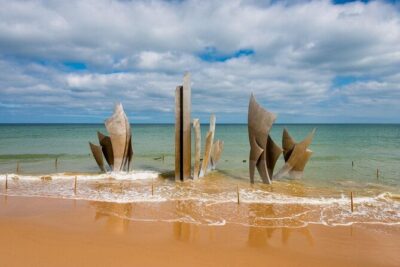 ★ 5.0Normandy D-Day Small-Group Day Trip with Omaha Beach, Cemetery & Cider TastingFrom $3202,786 reviews
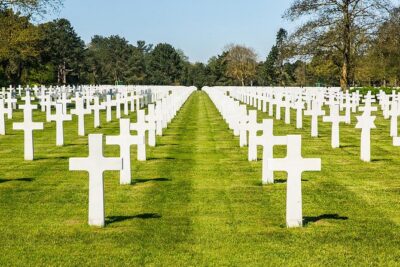 ★ 4.5Normandy D-Day Beaches and American Cemetery Day Trip from ParisFrom $2072,673 reviews
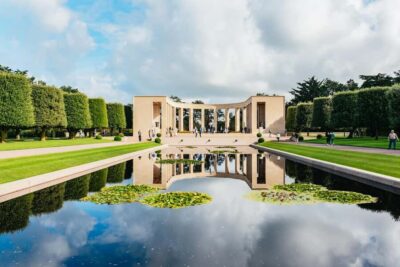 ★ 4.7Normandy D-Day Sites Guided Day Trip with LunchFrom $1171,082 reviews
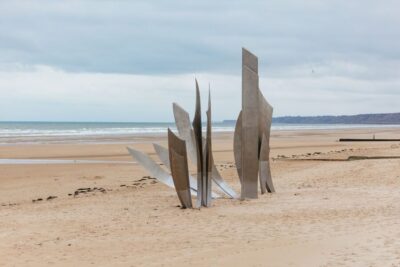 ★ 4.8From Paris: Normandy D-Day Landing Beaches Full-Day TourFrom $312698 reviews
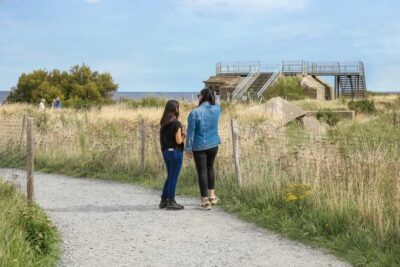 ★ 4.6From Paris: Normandy D-Day Beaches Day TripFrom $199566 reviews
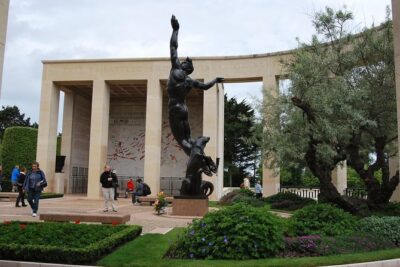 ★ 5.0Normandy D-Day Landing Beaches Small-Group Day Trip from ParisFrom $344275 reviews
 ★ 4.0Normandy 2Days Trip Landing Beaches and Mont St Michel from ParisFrom $682219 reviews
Browse the lists this tour appears in