
Reviewed · MUSEUMS
Paris: Admission to the National Maritime Museum
A ship museum right by the Eiffel Tower. I loved the interactive sea-route design and the chance to study maritime objects that feel touchable and real, from navigation tools to monumental figureheads. One consideration: you’ll be doing a lot on your own, so you’ll want to plan time for the audio guide and read labels at your pace.
This is one of those Paris stops that doesn’t depend on a view to be worth your ticket. With permanent collections plus the current temporary exhibition, it can feel like a full day of “how did they do that?” history, without getting heavy or stuffy.
The visit is designed like a voyage with four stops and three crossings, starting with a life-size ship’s bow film and moving through dramatic set pieces. It’s also wheelchair accessible and built for multiple types of visitors, though you’ll need to follow the no-backpacks rule in the galleries.
In This Review
- Key highlights at a glance
- Why the National Maritime Museum is a smart Paris detour
- Getting your bearings at the Palais de Chaillot (and what to do first)
- The museum as a sea voyage: four stops and three crossings
- The first showstopper: the life-size ship’s bow film
- The wave moment and Louis XIV warship ornaments
- Navigational instruments and shipboard life: what you’ll learn from the permanent collections
- Magellan, a journey that changed the world: the temporary exhibition you should plan for
- Audio guide tips: how to use the smartphone guide without getting lost
- Accessibility and sensory design: why this museum feels visitor-friendly
- Price and value: what you’re really paying for
- Who should book this National Maritime Museum day
- Should you book? My take
- FAQ
- How long does the National Maritime Museum visit take?
- What’s included with the ticket?
- What are the opening hours?
- Is there free admission?
- What days is the museum closed?
- Are scooters allowed?
Key highlights at a glance
- Four stops and three crossings turn the museum into a guided-feeling route
- Life-size ship’s bow film sets the tone right away
- Louis XIV warship details appear in a wave-and-sculpture moment
- Magellan temporary exhibition tracks Spain to Indonesia via Chile’s tip
- Hands-on devices include seeing, hearing, and even smell
- Smartphone audio guide included helps you pace the day
Why the National Maritime Museum is a smart Paris detour
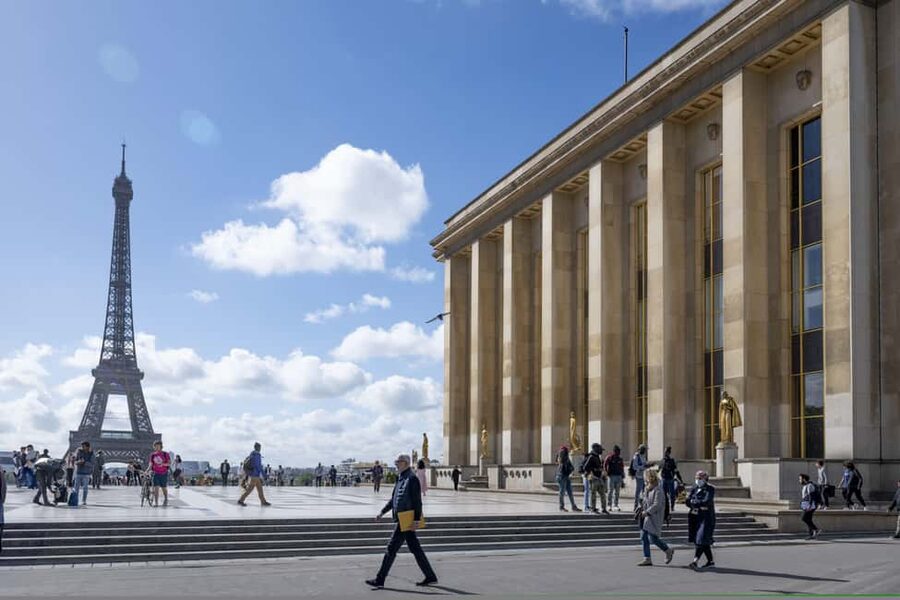
Paris has plenty of big-ticket museums. This one is quieter, and that’s part of the charm. It’s located at the Palais de Chaillot in Place du Trocadéro, just a short distance from the Eiffel Tower, so you can combine it with a classic sightseeing day without feeling like you’re forcing an extra commute.
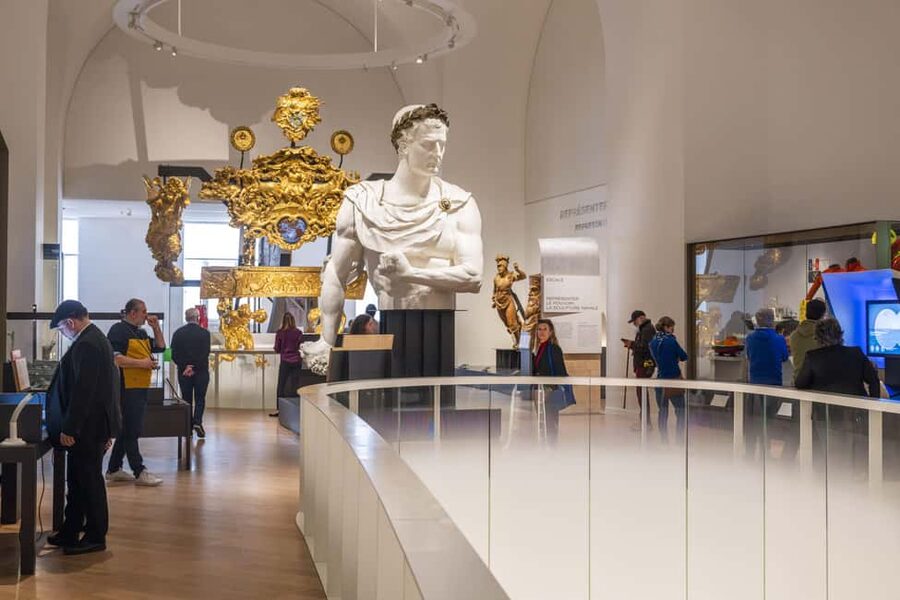
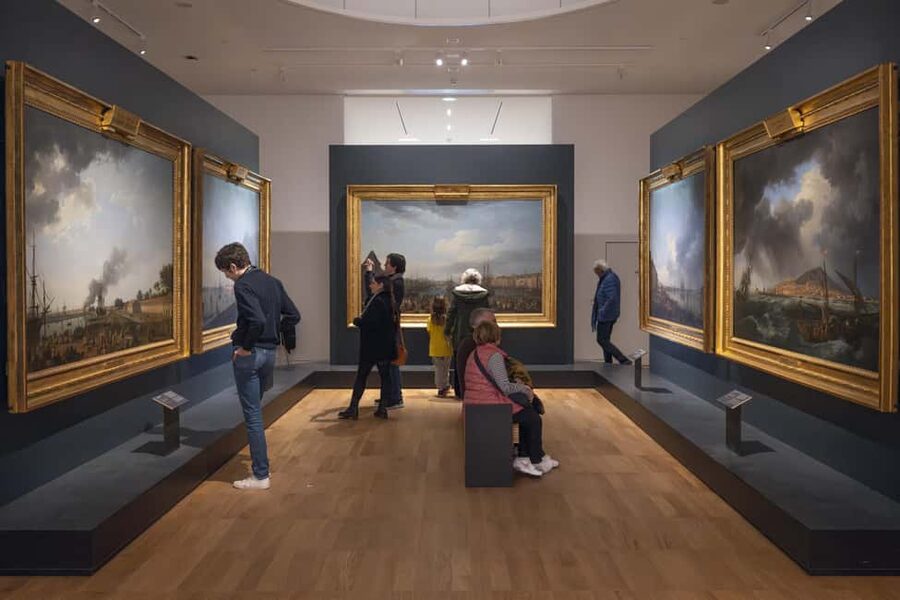
What I like most is that the museum doesn’t treat maritime history like a sealed-off subject. You’ll move through models and replicas of boats, plus artworks, sculptures, and monumental figureheads. Then you get the functional side—navigational instruments and everyday objects from life aboard ships. That mix is the real value: it shows you both the romance and the mechanics of sailing.
The other reason I think it works well is pacing. The “voyage” format gives you a route to follow (four stops, three crossings), so you’re not stuck wandering and guessing what to look for first. You also get a smartphone audio guide, which means you can slow down where you care and speed up where you don’t.
Worth weighing up next to this Paris pick
- Paris: Louvre Museum Timed-Entrance Ticket
★ 4.6 · 71,977 reviews - Paris: Orsay Museum Entry Ticket
★ 4.7 · 25,647 reviews - Louvre Museum Masterpieces Guided Tour with Access
★ 4.5 · 12,023 reviews - Paris: Louvre Museum Entry Ticket With Host and River Cruise
★ 4.6 · 9,926 reviews
Getting your bearings at the Palais de Chaillot (and what to do first)
Plan to start by getting oriented as soon as you enter. The museum has a clear internal flow—built for a sea-journey experience—so a few minutes of settling in will pay off later.
Before you start walking, take note of two practical points:
- Backpacks aren’t allowed in the collections, so use the lockers.
- Sling a smaller bag strategy: keep essentials minimal so you aren’t constantly heading back to store items.
If you’re bringing anything bulky, this museum will feel smoother if you treat lockers as your default setup. It’s also one more reason this is a great visit after breakfast or early afternoon, when you’re not rushing and you can handle the bag situation without stress.
Also check opening days for your schedule. The museum is open every day except Tuesday, from 11:00 am to 7:00 pm, and on Thursday it stays open until 10:00 pm. It’s closed on January 1, May 1, July 14, and December 25.
The museum as a sea voyage: four stops and three crossings
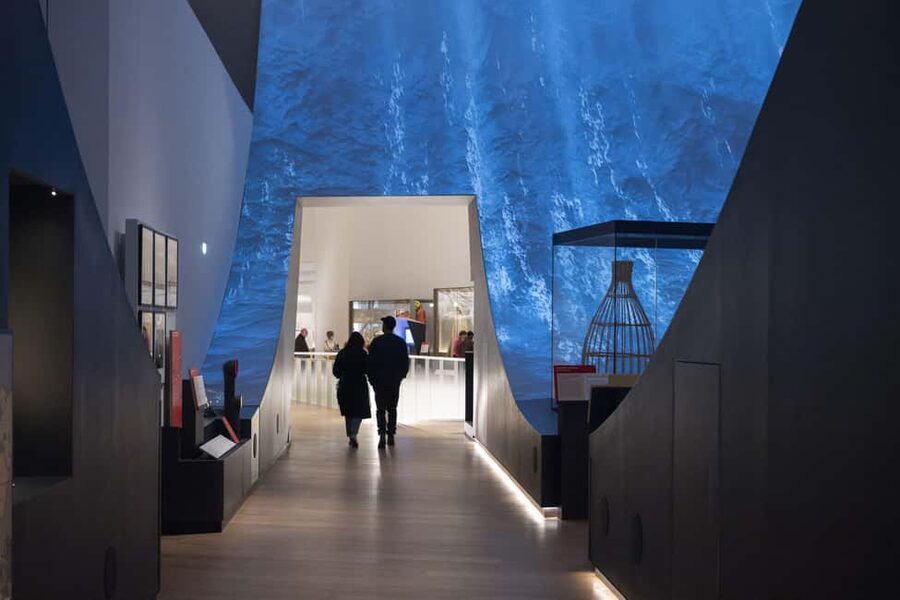
The National Maritime Museum doesn’t feel like “gallery after gallery.” The layout is intentionally staged as a journey at sea, with four stops and three crossings. That structure matters because it changes how you experience the collections. Instead of reading everything in order, you’ll naturally look for what connects each scene.
Here’s what you should expect in the overall flow:
- You begin with a major set-piece
The tour kicks off with a film inside a life-size ship’s bow. This is a big deal because it gives you context before you start studying objects. You’re not just seeing maritime artifacts—you’re getting placed inside the world that produced them.
- You move from cinematic moments into physical collections
After the first set-piece, you’ll transition into areas with models, replicas, artworks, and sculptures. This is where the museum’s “see and understand” approach shines, especially if you like tangible details: boat shapes, decorative elements, and the way navigational tools were made.
- You hit a dramatic wave-and-warship moment
The route even takes you through a breathtaking wave that leads to sculptures and ornaments from a Louis XIV warship. It’s one of those “visual storytelling” moments where you can connect art and craftsmanship to actual naval power.
- You finish by linking daily life to technology and empire
Throughout the voyage, you’ll encounter objects from life aboard ships—items that show what sailors actually dealt with. That’s the part that often makes maritime history feel human, not abstract.
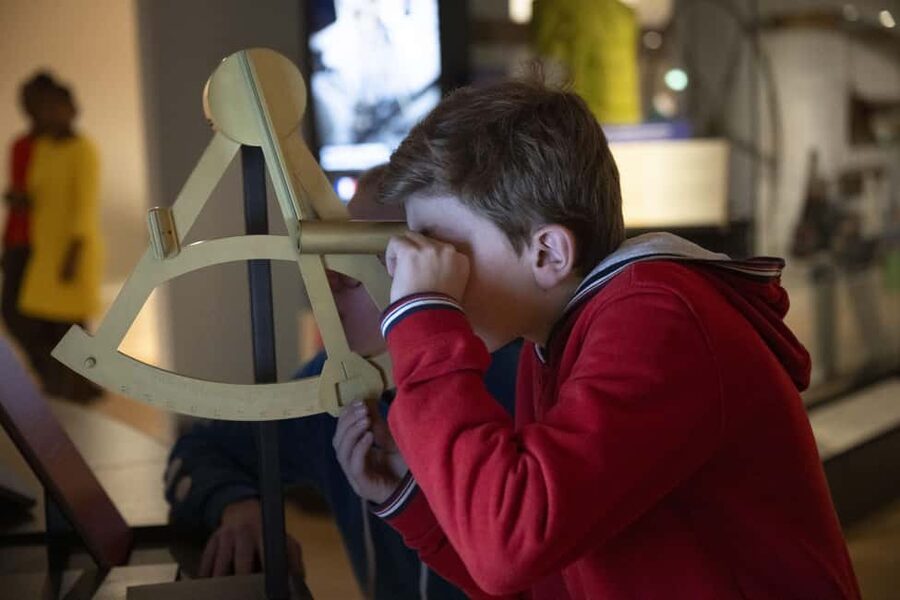
One more detail that I think you’ll appreciate: the museum uses spectacular scenography and interactive devices built for different senses. You’ll find elements designed for hearing, touch, and even smell. That sensory layer is a strong “family adventure” angle, but it also works for adults who get tired of lecture-style museums.
The first showstopper: the life-size ship’s bow film
The opening film inside the ship’s bow is your hook. It’s life-size, so your body feels like you’re standing in the front of a vessel rather than watching a flat screen.
Why this matters: it sets your expectations for the rest of the museum. After that, when you see models and replicas, you understand they’re not just decorative. They’re the physical response to wind, water, navigation, and the realities of travel and conflict.
If you like museums that start with atmosphere and then reward you with artifacts, you’ll probably find this a satisfying first step. And if you’re visiting with kids, it’s also the kind of start that helps everyone stay engaged longer.
The wave moment and Louis XIV warship ornaments
At some point in the route, you’ll pass through a wave feature that leads you toward sculptures and ornaments connected to a Louis XIV warship. This is one of the museum’s clever “connection points”: it ties grand naval power to design and craftsmanship.
Look closely here. Even if you’re not a maritime-history expert, you can still appreciate the decisions in the ornamentation—how the ship’s exterior was meant to project authority and identity. And because you’re moving from a dramatic scene into objects, it feels like the museum is teaching you how to look, not just where to stand.
Navigational instruments and shipboard life: what you’ll learn from the permanent collections
The permanent collections are built around the full maritime picture: ships as machines, and ships as floating worlds.
You’ll have chances to examine:
- Models and replicas of boats
- Navigational instruments (the practical tools that guided movement)
- Paintings and sculptures
- Monumental figureheads (a big “wow” category for many visitors)
- Objects showing daily sailor life, including items that reflect routines aboard ship
What I find most valuable is how these categories reinforce each other. Navigation tools without ship models can feel like isolated facts. Ship models without daily-life objects can feel like display pieces. Here, you get both, so the history lands as a system—technology, artistry, and human experience.
If you enjoy museums that reward curiosity with small discoveries, give yourself time to pause. This place works best when you don’t sprint.



Magellan, a journey that changed the world: the temporary exhibition you should plan for
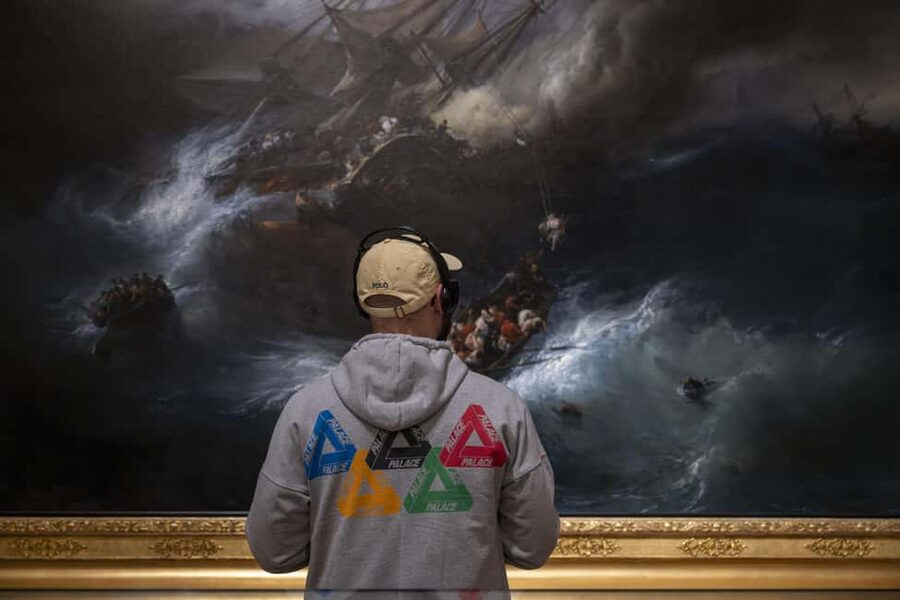
The temporary exhibition running during your visit is a major reason to go, especially if you like story-driven history. The show is titled Magellan, a journey that changed the world, running October 22, 2025 to March 1, 2026.
It’s narrated by a crew member, and the storyline tracks a large, specific route:
- Spain to Indonesia
- Via the tip of Chile
- In search of a new spice route
This framing matters because it’s not just “famous explorer trivia.” The exhibition positions the voyage as a chain of decisions and problems—challenges at sea and also challenges on land. You’ll also see the journey described through an immersive, theatrical setting (with narration guiding you through the experience).
Also, because it’s designed as a performance-like experience, it can work well even if your walking pace is slower elsewhere. You can use it as an anchor moment mid-visit.
Given that the Magellan exhibition is the part highlighted most strongly in enthusiast feedback you may see, it’s worth centering your time around it rather than treating it as an add-on.
Audio guide tips: how to use the smartphone guide without getting lost
The ticket includes access to the permanent collections and the temporary exhibition, plus a smartphone audio guide. That’s a smart combo, because the museum’s route includes set pieces, interactive devices, and a lot of artifacts to notice.
My advice:
- Start the day with a basic plan: which sections matter most to you. If you’re into navigation and tools, focus early on those areas. If you’re into art and figureheads, plan to slow down near those highlights.
- Use the audio guide as a “context layer,” not a script. When you hear a reference to an object category, physically look for it right away. It helps the details stick.
- If the museum language options matter to you, know the museum offers French and English, and some content is shown in its original language.
This isn’t a guided tour where one person dictates your pace. It’s a self-guided museum where the audio can help you follow the threads.
Accessibility and sensory design: why this museum feels visitor-friendly
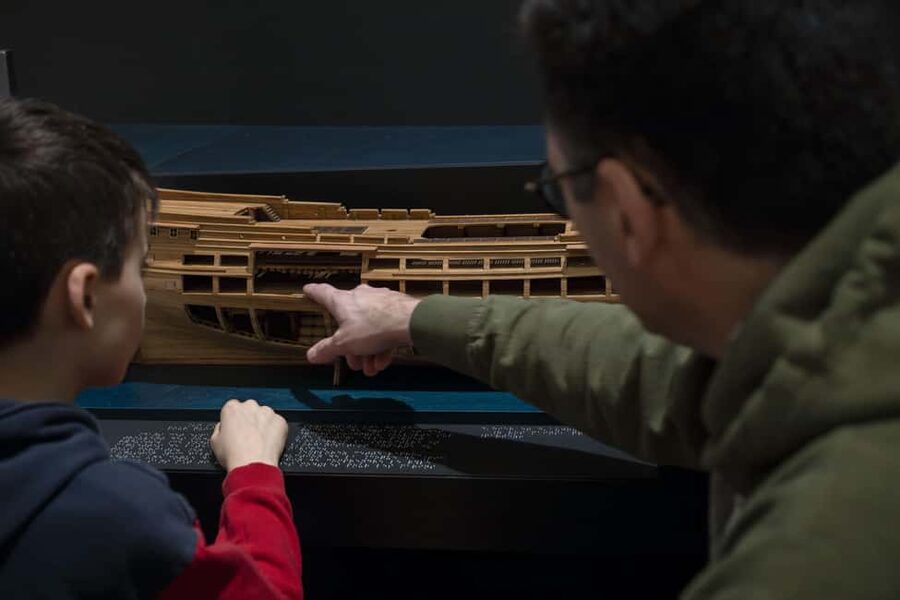
This museum is designed to be accessible to people with motor, hearing, visual, or mental disabilities. That’s not just a checkbox. The layout includes interactive devices meant for multiple ways of experiencing exhibits, and it uses staged environments that can be easier to understand than standard “read-and-look” displays.
It’s also worth noting the museum uses effects beyond sight. You’ll encounter elements meant for hearing, touch, and even smell. That sensory approach isn’t only for kids. Adults often like it too, because it reduces the “museum lecture” feel and makes the artifacts feel more connected to real sailing life.
One practical note: accessibility doesn’t mean zero rules. You still need to work with the museum’s bag policy and follow signage about what areas allow what items.
Price and value: what you’re really paying for
The price is about $17 per person for a 1-day visit. On paper, that could sound like a normal museum ticket. In practice, the value comes from the bundle.
For that price, you get:
- Entry to permanent collections
- Entry to the temporary exhibition
- An included smartphone audio guide
You also get a format that’s more than static displays. The staged route—ship-bow start, wave feature, and the structured crossings—adds production value. And if you’re going at a sensible pace, you’ll cover enough physical exhibits that you don’t feel like you rushed through.
If you qualify for free admission—visitors under 18 and EU nationals aged 18–25—you’ll still need to pick up free tickets on site. That alone can make this one of the best-value museum days in Paris.
The one “cost” to consider isn’t money. It’s attention. This is a museum that rewards time. If you only have a short stop, pick the parts you care about most (usually the Magellan exhibition plus the big permanent collection sections).
Who should book this National Maritime Museum day
I’d book this if you:
- Want a Paris museum that feels like a story, not a lecture
- Like maritime history, ships, navigation tools, figureheads, or naval design
- Prefer interactive elements and sensory experiences over purely text-based exhibits
- Are traveling with kids who need more than “look at a painting” energy
You might skip it if:
- You’re only in Paris for a few hours and want the most famous museum names
- You strongly prefer guided tours with a person leading every moment (this experience is audio-first, not guided-first)
Should you book? My take
If you’re planning a full day near Trocadéro anyway, this is an easy yes. The combination of a well-staged sea-route experience, a strong permanent collection, and a time-limited Magellan exhibition gives you more than one reason to care—and you can shape the day around your interests.
Book it if you want a museum that teaches you how sailors lived and traveled, with enough production value to keep the day moving. Skip it only if your schedule is too tight to slow down for the audio guide and the staged scenes.
FAQ
How long does the National Maritime Museum visit take?
Plan for about 1 day. The experience is valid for one day, and you’ll choose a starting time based on availability.
What’s included with the ticket?
Your ticket includes access to the permanent collections and the temporary exhibition, plus an audio guide on your smartphone.
What are the opening hours?
The museum is open every day except Tuesday, from 11:00 am to 7:00 pm, and it stays open until 10:00 pm on Thursday.
Is there free admission?
Yes. Entry is free for visitors under 18 and for EU nationals aged 18–25. You pick up free tickets on site.
What days is the museum closed?
It’s closed on January 1, May 1, July 14, and December 25.
Are scooters allowed?
No. Scooters aren’t allowed in the museum.
More Museums in Paris
- Paris: Louvre Museum Timed-Entrance Ticket
★ 4.6 · 71,977 reviews - Paris: Orsay Museum Entry Ticket
★ 4.7 · 25,647 reviews - Louvre Museum Masterpieces Guided Tour with Access
★ 4.5 · 12,023 reviews - Paris: Louvre Museum Entry Ticket With Host and River Cruise
★ 4.6 · 9,926 reviews - Les Invalides: Napoleon’s Tomb & Army Museum Entry
★ 4.6 · 9,185 reviews
More Tour Reviews in Paris
- Paris: 1-Hour Seine Cruise departing from the Eiffel Tower
★ 4.4 · 77,472 reviews - Paris: Louvre Museum Timed-Entrance Ticket
★ 4.6 · 71,977 reviews - Disneyland® Paris 1-Day Ticket
★ 4.6 · 49,412 reviews - Paris: Versailles Palace and Gardens Full Access Ticket
★ 4.6 · 41,579 reviews - Paris: Arc de Triomphe Rooftop Tickets
★ 4.6 · 34,264 reviews
Fresh off the review desk in Paris
- Secrets of Paris Bike Tour in English or Dutch★ 5.0 · 5 reviews
- Paris: Mont Saint-Michel Day Tour with Chinese Tour Guide★ 5.0 · 5 reviews
- Private Street Art 2-Hour Guided Tour in Paris★ 4.5 · 5 reviews
- Orsay Museum Tour: 2h Highlights (Private & Small Group)★ 5.0 · 5 reviews
- Discover Paris in electric golf carts★ 4.0 · 5 reviews
- Paris Private Boat Tour with your own Captain Guide★ 5.0 · 5 reviews
Museums, compared.
 ★ 4.6Louvre Museum Timed-Entrance TicketFrom $2671,977 reviews
 ★ 4.7Orsay Museum Entry TicketFrom $1525,647 reviews
 ★ 4.5Louvre Museum Masterpieces Guided Tour with AccessFrom $8612,023 reviews
 ★ 4.6Louvre Museum Entry Ticket With Host and River CruiseFrom $1009,926 reviews
 ★ 4.6Les Invalides: Napoleon’s Tomb & Army Museum EntryFrom $209,185 reviews
 ★ 5.0Louvre Museum – Exclusive Guided Tour (Entry Included)From $1816,296 reviews
 ★ 4.6Louvre Museum Hosted Entry and Mona Lisa AudioguideFrom $815,235 reviews
 ★ 4.5Grévin Wax Museum TicketFrom $334,654 reviews
Browse the lists this tour appears in