
Reviewed · PARIS
Paris: Color analysis
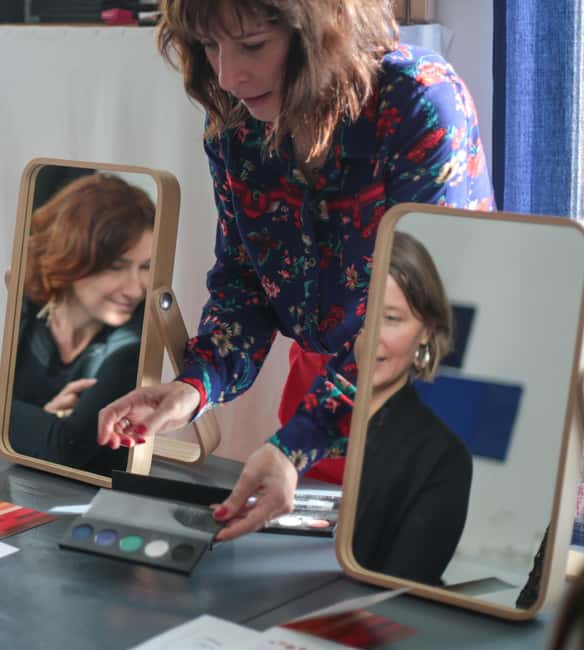
A good color test should feel like a cheat code for your face. This Paris workshop uses fabric draping to show you warm vs cold tones and what actually brightens your complexion in real life. I love how practical the guidance is for everyday clothing and makeup, and I love the personal approach that avoids cookie-cutter labels. One thing to consider: it’s on the 5th floor without elevator, so you’ll want to plan for stairs.
You’ll get a structured session that goes from hands-on draping to clear shade recommendations. The payoff is not just learning your colors—it’s leaving with tools you can use when you shop.
This is also a nice fit if you’re the type who wants confidence. Not a personality label. Just better choices for clothes, accessories, hair color, and makeup that work with your natural coloring.
In This Review
- Key things I’d focus on before you book
- Why this Paris color analysis leans on draping (not labels)
- The 1-hour session flow: fabrics to face, then real shade choices
- Step 1: Color analysis with fabric draping
- Step 2: Clothing, accessory, makeup, and hair shade guidance
- What you leave with: your colorbook + pocket chart for shopping
- Paris location details: Canal Saint-Martin, easy public transit, quiet start
- What to do before you arrive: makeup-free, glasses, and optional photo references
- The stylist factor: personable, interactive, and practical
- Price and value for $165 in Paris
- Who this color analysis is for (and who should skip it)
- Practical tips to get the most from your hour
- Should you book this Paris color analysis?
- FAQ
- How long is the Paris color analysis workshop?
- Is the session private?
- What is included in the price?
- Do I need to come with makeup on?
- What should I bring with me?
- What method does the workshop use?
- Will I get advice for hair and makeup too?
- Where is the meeting point?
- Which metro and bus stops are closest?
- Is there a cancellation policy?
- Are there age limits?
Key things I’d focus on before you book
- Personalized draping over generic 4-season boxes (more freedom for people who don’t fit neatly)
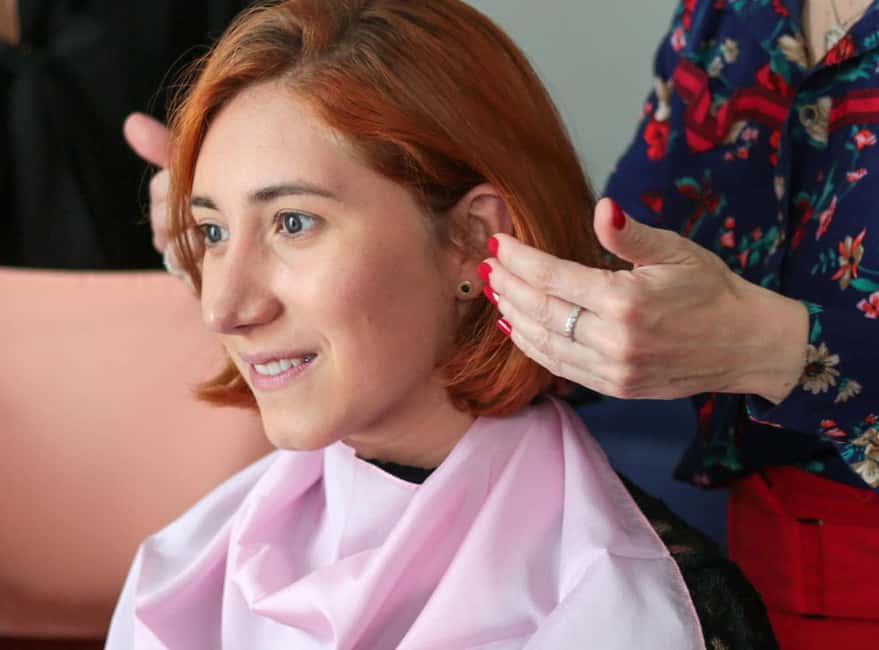
- Two-step flow: fabric draping first, then specific clothing, makeup, hair advice
- You leave with a colorbook and a pocket chart for use on future shopping trips
- Makeup-free start with your products ready to go for color checks
- Private group setting with a Parisian stylist, delivered in French or English
Why this Paris color analysis leans on draping (not labels)
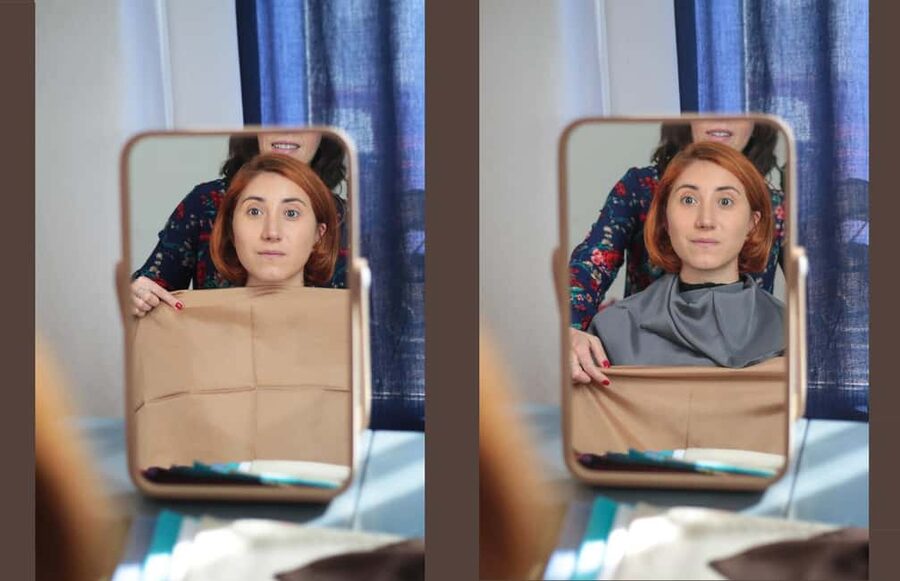
Most color systems sort you into tidy categories fast. This workshop takes a different route with a draping method that’s built for personalization. Instead of asking you to squeeze into a predefined box, the session tests how fabrics affect your face in real conditions.
You’re guided through the key contrasts that matter visually:
- Warm vs cool
- Bright vs soft
- Dark vs lighter brightness ranges (the workshop talks about what looks best when you lean toward dark/bright options, not just one single rule)
That matters because your best shades aren’t always obvious in a department store lighting setup. Fabric draping is designed to show you what improves your glow and what makes your skin look tired—even when you think you’re picking a “pretty” color.
And the stylist’s mission is very clear: help you become autonomous. Not dependent on a label. You learn how to choose colors with confidence, then you use that knowledge to buy smarter.
Still deciding? Here is how it stacks up against a few Paris favourites we have booked and reviewed.
- Paris: 1-Hour Seine Cruise departing from the Eiffel Tower
★ 4.4 · 77,472 reviews - Paris: Louvre Museum Timed-Entrance Ticket
★ 4.6 · 71,977 reviews - Disneyland® Paris 1-Day Ticket
★ 4.6 · 49,412 reviews - Paris: Versailles Palace and Gardens Full Access Ticket
★ 4.6 · 41,579 reviews
The 1-hour session flow: fabrics to face, then real shade choices
This experience is built like a short lesson with immediate results. In about an hour, you go from testing to applying.
Step 1: Color analysis with fabric draping
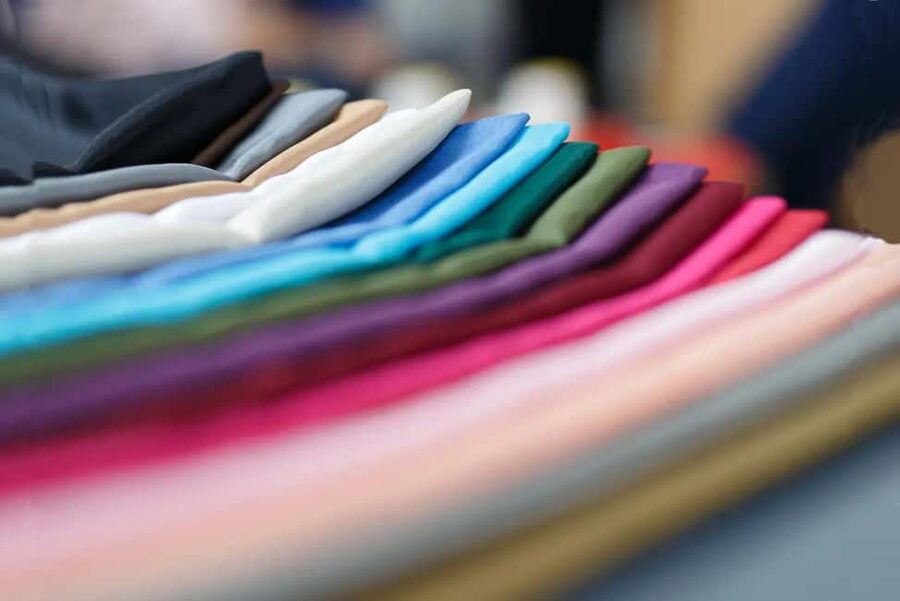
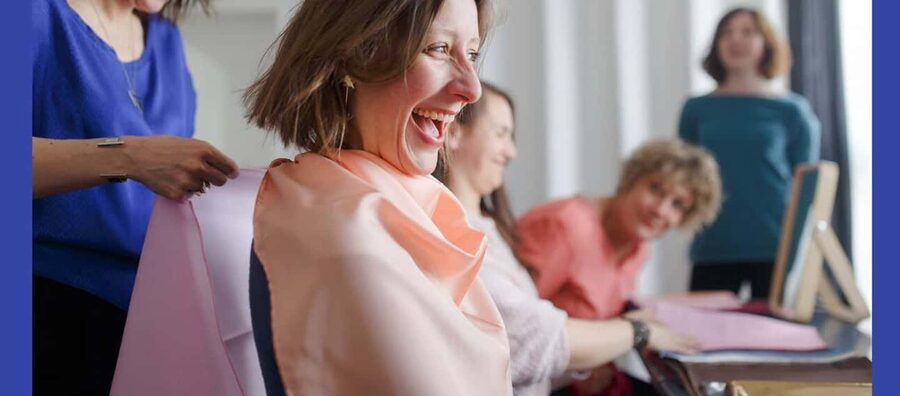
You’ll start with draping. The stylist uses a set of fabrics near your face to show what gives a boost. This is where the workshop’s “why” becomes obvious.
You’ll work through questions like:
- Are you in the warm range or the cold range?
- When you look at different fabric shades, do bright tones make your eyes and complexion look stronger, or do muted/soft colors harmonize better?
- Do darker tones create contrast and clarity, or do they overwhelm?
This step is also where you start noticing patterns. Cool tones often behave differently around the eyes and mouth area than warm tones. Bright tones can add clarity, while softer tones can smooth harshness. The draping helps you see those effects directly.
Step 2: Clothing, accessory, makeup, and hair shade guidance
Once you know your best direction, the session shifts into advice you can use fast.
You’ll get color recommendations for:
- Upper body clothing
- Accessories
- Makeup colors
- Hair coloring choices (what direction works best with your coloring)
This part is valuable because it connects color theory to decisions you actually make. You’re not just collecting information. You’re building a personal shade toolkit.
You end the session feeling like you can walk into a store and make quicker, safer choices. The goal is simple: stop guessing, start picking.
What you leave with: your colorbook + pocket chart for shopping
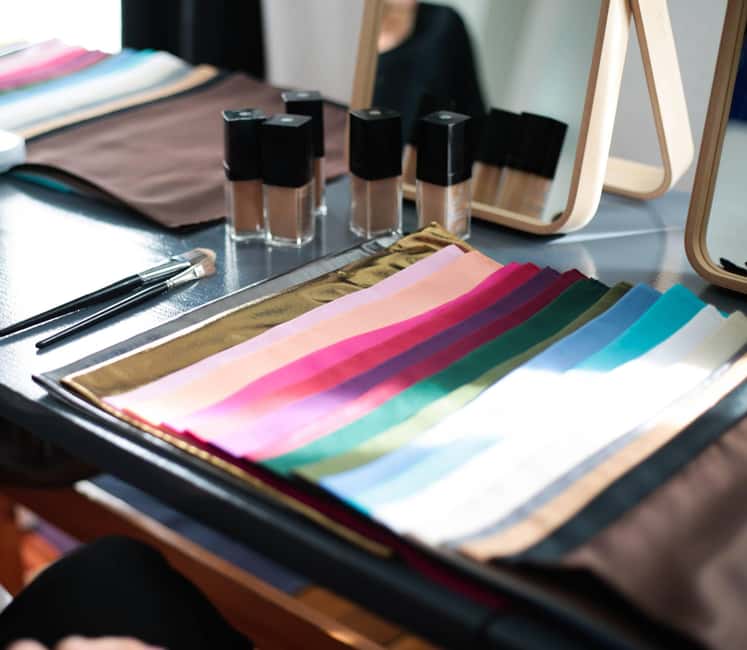
The most practical part is what you can take home. You leave with two documents:
- Your colorbook
This summarizes your colorimetry results and includes all of your personalized advice. It’s basically your reference guide for the shades that work for you.
- Your pocket color chart
This is made for real life: pull it out while shopping, compare colors, and choose shades for clothing, accessories, and makeup.
I like this setup because it prevents the classic problem: you learn your colors, then forget the details when you’re standing in front of a rack. A pocket chart solves that. It turns your analysis into a repeatable shopping system.
And for people who love photos, this usually pays off fast. One recent participant highlighted that after the session, the results showed clearly in pictures—exactly what you want from a color decision.
Paris location details: Canal Saint-Martin, easy public transit, quiet start
The workshop is in Ile-de-France, France, in the trendy Canal Saint Martin area—close to fashion boutiques, restaurants, and lively bars, but the studio itself is described as quiet and bright.
Address:
- 16 av Claude Vellefaux
- You’ll meet in the workshop space on the 5th floor without elevator
- It’s said to have a wide, easy staircase, but it’s still stairs
Getting there is straightforward:
- Metro: Goncourt (line 11) and Colonel Fabien (line 9)
- Bus: Hopital Saint Louis (line 46 and 75)
What I like about this location choice is the after-plan. If you want to test your new colors right away, you’re already near shopping areas. So your analysis doesn’t end when you leave the studio.




What to do before you arrive: makeup-free, glasses, and optional photo references
Preparation is quick, but it really matters for accuracy.
You should:
- Come makeup-free
- Bring your makeup in a bag
- Bring your glasses so the stylist can check colors with you
- Optional: bring photos of yourself with makeup and different colors of clothing on your upper body (t-shirt, shirt, jacket, hats, etc.)
This isn’t just fussiness. Makeup can change how colors reflect on your skin. Starting makeup-free makes the fabric effects clearer. Bringing your makeup gives you the option to test and refine makeup choices in-session.
A tip: if you already know what makeup brands or shades you like, bring them. The advice will be easier to translate into a shopping list.
The stylist factor: personable, interactive, and practical
The instructor is Christelle Macia, delivering the session in French and English.
From the way participants describe the experience, two themes show up:
- The session is interactive rather than a lecture
- The advice feels concrete, not vague
One participant called out how much time flew during the session, and another emphasized how the makeup result looked strong in photos. That matches what I’d expect from fabric draping: once you see how color changes your face, you stop thinking in theory and start thinking in choices.
In plain terms, Christelle’s style seems built around helping you dare to use color with confidence—without forcing you into a hard-to-follow label system.
Price and value for $165 in Paris
At $165 per person for a 1-hour private group session, you’re paying for two things that standard shopping can’t deliver:
- Immediate visual testing (fabric draping near your face)
- A personalized output you can use repeatedly (colorbook + pocket chart)
If you think of this like a tool purchase, it’s easier to judge value. The chart and book are designed to reduce future guesswork and prevent buying shades that don’t flatter. If you plan to refresh your wardrobe or update makeup and hair color over the next year, that practical guidance can easily pay you back.
Also, because it’s a private group setting, the session can feel more tailored to you in the time you have. Color analysis is not always best in large crowds where attention gets split.
Who this color analysis is for (and who should skip it)
This workshop is a great match if:
- You want a personalized approach
- You’ve tried the traditional seasonal systems and felt like they didn’t fit cleanly
- You want wardrobe and makeup decisions to feel easier
- You like structure: a clear process, then clear takeaways
It’s not suitable for:
- Children under 18
- People over 70
If you fall in that range, you should look for an option designed for your needs.
Practical tips to get the most from your hour
A color analysis works best when you help the session move quickly.
Here’s how to maximize your results:
- Wear neutral clothing that won’t fight the draping (or at least expect you’ll test upper-body areas)
- Keep your face makeup-free before you arrive
- Bring glasses and your makeup so you can check color relationships immediately
- If you’re on the fence about hair color changes, bring questions about what you’ve considered (even simple ones)
Also, don’t overthink it. The goal is to learn what harmonizes with your natural coloring. If you trust the draping results, you’ll usually start choosing better shades on day one.
Should you book this Paris color analysis?
Yes, if you want something you can actually use. This workshop isn’t just about learning a label. It’s about figuring out what makes your face look clearer and healthier with real fabric testing, then getting tools you can take shopping with you.
I’d skip it only if you’re looking for a passive experience, or if you don’t want to do the prep (makeup-free start, bringing your glasses, having your makeup ready). For everyone else, the combination of personal draping, tailored advice for clothing, accessories, makeup, and hair, and the colorbook + pocket chart makes the $165 fee feel grounded in real value.
If you’re in Paris and planning even a small wardrobe refresh, this is the kind of session that can change how you shop for months, not just hours.
FAQ
How long is the Paris color analysis workshop?
It lasts 1 hour.
Is the session private?
Yes. It’s listed as a private group.
What is included in the price?
You receive your colorbook and your pocket color chart.
Do I need to come with makeup on?
No. You should come makeup-free.
What should I bring with me?
Bring your makeup in a bag and your glasses to help check colors. Photos are optional.
What method does the workshop use?
It uses a draping method with fabrics to discover your best color directions (like warm/cold and bright/soft).
Will I get advice for hair and makeup too?
Yes. You get advice for clothing and accessories, make-up colors, and advice for choosing the right color for your hair.
Where is the meeting point?
The workshop is at 16 av Claude Vellefaux on the 5th floor without elevator. You’ll receive entry details by message within 24 hours after booking.
Which metro and bus stops are closest?
Metro: Goncourt (line 11) and Colonel Fabien (line 9). Bus: Hopital Saint Louis (lines 46 and 75).
Is there a cancellation policy?
Yes. You can cancel up to 24 hours in advance for a full refund.
Are there age limits?
Yes. It’s not suitable for children under 18 and people over 70.
More Tour Reviews in Paris
- Paris: 1-Hour Seine Cruise departing from the Eiffel Tower
★ 4.4 · 77,472 reviews - Paris: Louvre Museum Timed-Entrance Ticket
★ 4.6 · 71,977 reviews - Disneyland® Paris 1-Day Ticket
★ 4.6 · 49,412 reviews - Paris: Versailles Palace and Gardens Full Access Ticket
★ 4.6 · 41,579 reviews - Paris: Arc de Triomphe Rooftop Tickets
★ 4.6 · 34,264 reviews
Fresh off the review desk in Paris
- Secrets of Paris Bike Tour in English or Dutch★ 5.0 · 5 reviews
- Paris: Mont Saint-Michel Day Tour with Chinese Tour Guide★ 5.0 · 5 reviews
- Private Street Art 2-Hour Guided Tour in Paris★ 4.5 · 5 reviews
- Orsay Museum Tour: 2h Highlights (Private & Small Group)★ 5.0 · 5 reviews
- Discover Paris in electric golf carts★ 4.0 · 5 reviews
- Paris Private Boat Tour with your own Captain Guide★ 5.0 · 5 reviews