
Reviewed · DESSERT TOURS
Paris: Entrance Ticket to the Chocolate Museum
Chocolate has its own timeline in Paris. This ticket lets you wander through 4,000 years of chocolate history and then settle in for multiple rounds of tastings as you go. One reason I like it: the museum uses the story of cacao (from ancient rituals to modern factories) to guide you, not just chocolate-shaped objects.
A quick heads-up: this is a self-guided visit, so you’ll need to choose your pace. If you want extra help, there’s an optional audio guide available for a small fee at the welcome desk.
In This Review
- Key Highlights You’ll Care About
- Chocolate Museum Paris in a Nutshell: What the Ticket Really Buys
- Enter the Museum: 1,000+ Artifacts and an Actual Cacao Timeline
- 4,000 Years of Cocoa: From Mystical Rituals to the Modern Chocolate Trade
- Chocolate-Making Learning and Tastings: Praliné, Ganache, and Sweet Basics
- Virtual Demo by 2 Meilleurs Ouvriers de France: The Shine Secret
- Regional Chocolate Flavor Notes: Costa Rica, Peru, Vanuatu, and More
- For Families: Treasure Hunt Energy That Actually Works
- Audio Guide and Panels: How to Make a Self-Guided Visit Feel Effortless
- Practical Logistics: Last Admission at 4:30 PM and Bag Rules
- Museum Shop: Turn What You Learned Into a Real Chocolate Take-Home
- Should You Book This Chocolate Museum Ticket?
- FAQ
- Where is the Chocolate Museum in Paris?
- How long does the visit take?
- Is the tour self-guided?
- Is an audio guide available, and how much does it cost?
- What time is the last admission?
- What languages are the museum panels in?
- Is the museum wheelchair accessible?
- Are large bags or luggage allowed inside?
- Are there activities for kids?
Key Highlights You’ll Care About
- Tastings included: expect samples as part of the visit, plus classic chocolate preparations like praliné and ganache.
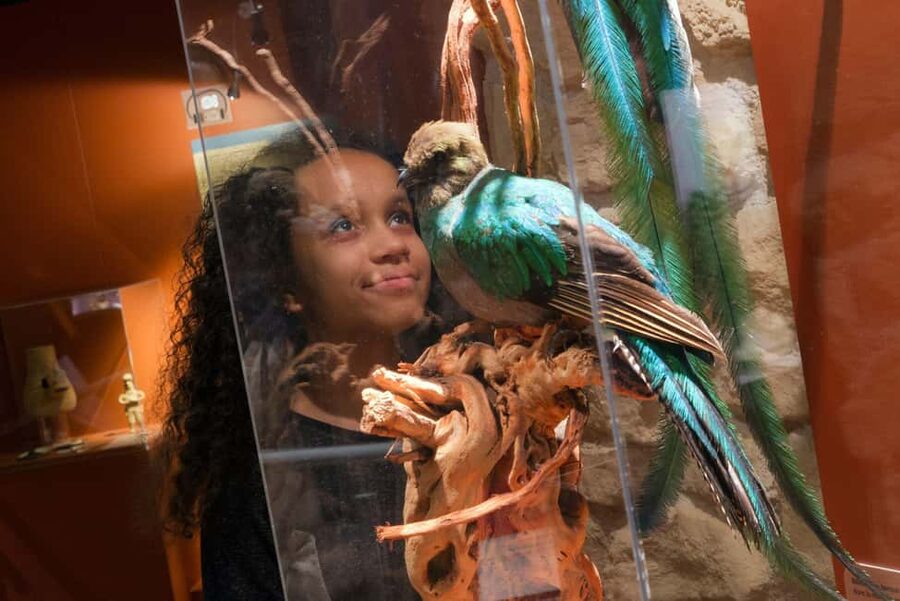
- 4,000-year cacao timeline: artifacts and exhibits cover early Mesoamerican civilizations through modern trade.
- Virtual demonstration with 2 Meilleurs Ouvriers de France: you’ll learn the technique behind chocolate’s shiny outer coat.
- Hands-on chocolate sweets learning: the visit includes how-to moments (with sweets-making elements) rather than just watching.
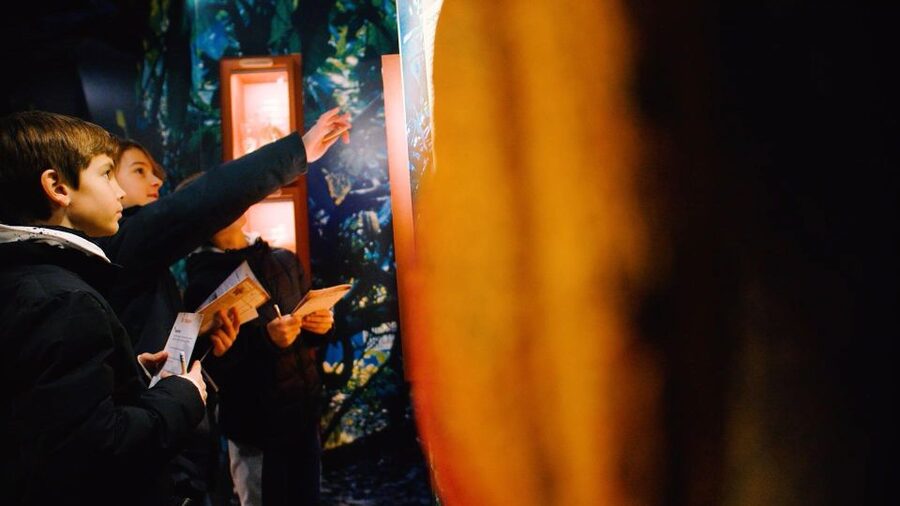
- Kids get real activities: treasure hunt geared toward children helps family flow.
- Plenty to see in 850 square meters: the museum space is sizeable enough to feel worthwhile in one day.
Chocolate Museum Paris in a Nutshell: What the Ticket Really Buys

For about $21 per person, you’re buying more than entry into a themed room. You’re getting a self-guided route through exhibits, tastings, and live/interactive moments—plus a history lesson that starts way before Europe ever tasted cacao.
The museum is called Le Musee Gourmand du Chocolat, and it’s designed so you can make progress at your own speed. You’ll move through galleries and demonstration areas within about 850 square meters, which is big enough for a satisfying one-day stop without turning your schedule into a full-day endurance test.
Value-wise, the big win is that the experience doesn’t rely on one single “big” tasting moment. Instead, it threads sampling throughout—so your ticket feels less like paying to look and more like paying to learn and taste.
Worth weighing up next to this Paris pick
- Paris: Louvre Museum Timed-Entrance Ticket
★ 4.6 · 71,977 reviews - Disneyland® Paris 1-Day Ticket
★ 4.6 · 49,412 reviews - Paris: Versailles Palace and Gardens Full Access Ticket
★ 4.6 · 41,579 reviews - Paris: Arc de Triomphe Rooftop Tickets
★ 4.6 · 34,264 reviews
Enter the Museum: 1,000+ Artifacts and an Actual Cacao Timeline
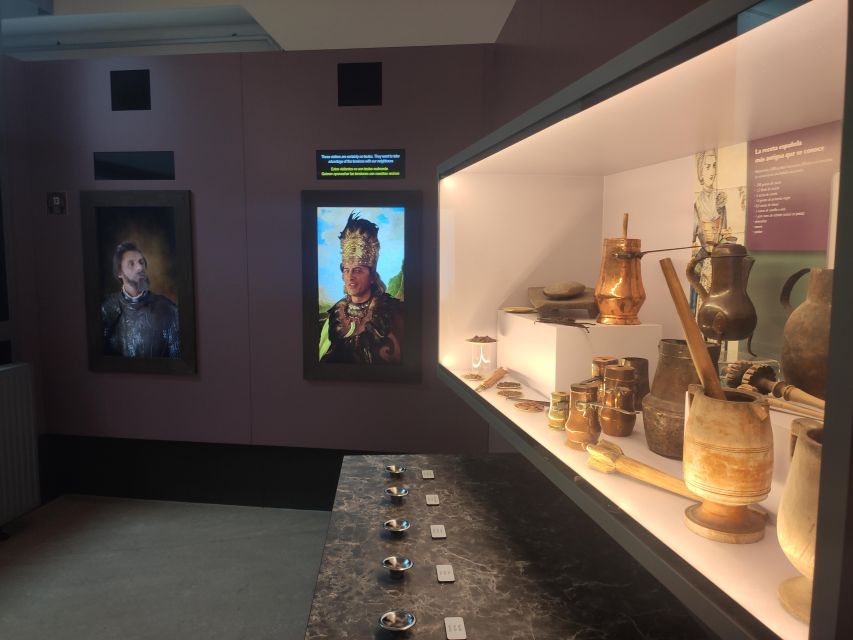
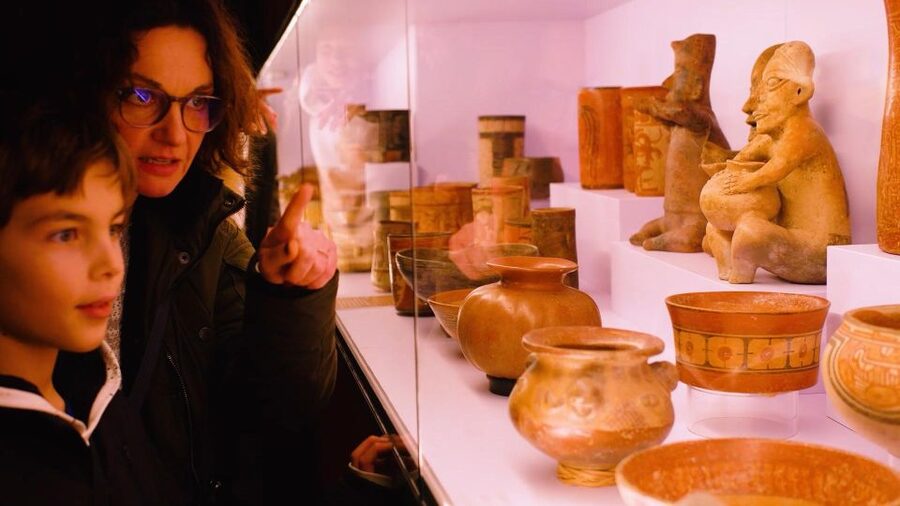
The first thing you’ll notice is how much the museum tries to explain cacao as a cultural object, not just a snack. You see more than 1,000 chocolate-related artifacts and displays that walk through the long arc of cacao use.
The route starts with ancient Mesoamerican civilizations—Olmecs, Mayas, and Aztecs—then continues forward. The museum frames chocolate as something tied to status, tradition, and ritual, which helps the story feel more grounded than a simple product timeline.
From there, you jump to the 1500s and the museum’s account of cocoa coming into Europe through the Aztec emperor Montezuma. You also get the Columbus angle: he tasted the tchocoatl drink as the first European to try it, but he didn’t like it, so he paid little attention to chocolate. It’s a useful reminder that taste is cultural, and history often hinges on very human reactions.
If you enjoy museums that teach you how people thought, traded, and ate—not only what they ate—you’ll likely find this portion of the visit the most rewarding.
4,000 Years of Cocoa: From Mystical Rituals to the Modern Chocolate Trade
What I like about this museum is that it connects “why chocolate mattered” to “how chocolate changed.” Early displays focus on ancient rituals and the role of cacao in spiritual or ceremonial settings. That framing sets expectations: you’re not just looking at candy—you’re learning why cacao had meaning.
Then the story shifts into the modern era, when chocolate production becomes more streamlined. You’ll see explanations of how manufacturing evolved to create more consistent chocolate textures and flavors, and you’ll start understanding why today’s chocolate behaves the way it does.
This matters for your tasting experience. Once you know chocolate was once prepared differently and that trade and technique affected what reached Europe (and later, the rest of the world), the samples don’t feel random. They feel like evidence of history.
Chocolate-Making Learning and Tastings: Praliné, Ganache, and Sweet Basics
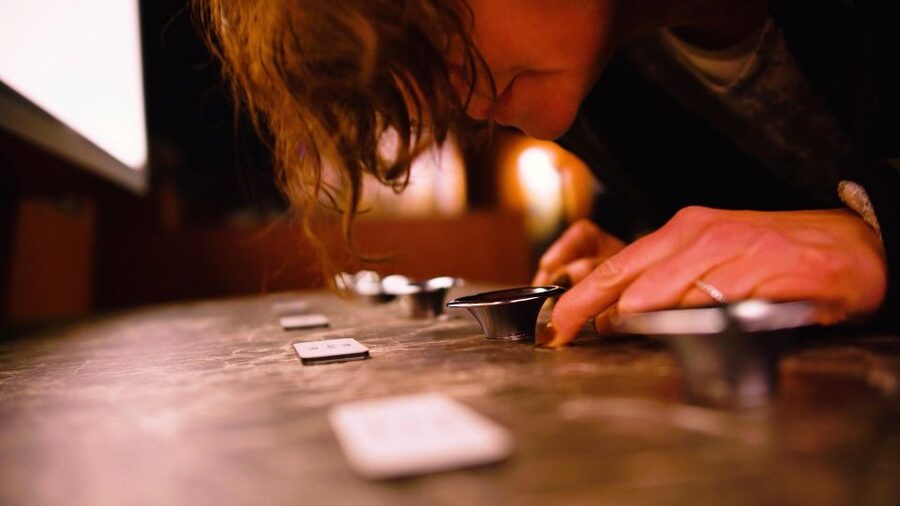
One of the clearest reasons the ticket gets such strong satisfaction is food involved during the route. The museum includes chocolate samples throughout the self-guided visit, and the experience highlights learning how to make chocolate sweets.
You can expect tastings tied to classic preparations, including praliné and ganache. Even if you’re not a dessert expert, those names give you something to anchor to while you taste. You’ll be able to connect what you’re tasting to what the museum is explaining about texture and ingredients.
In practical terms: don’t plan this like a quick stop. If you try to rush, you’ll miss the point of having tastings threaded into the story. I’d treat it like a slower snack-and-learn museum session, not a hit-and-run photo stop.
Also, keep in mind that some add-ons can pop up around beverages. In the experience title you may see hot chocolate called out, and a few people reported an extra cost per cup. So if you’re budgeting tightly, plan for the drink area to be optional.
Virtual Demo by 2 Meilleurs Ouvriers de France: The Shine Secret
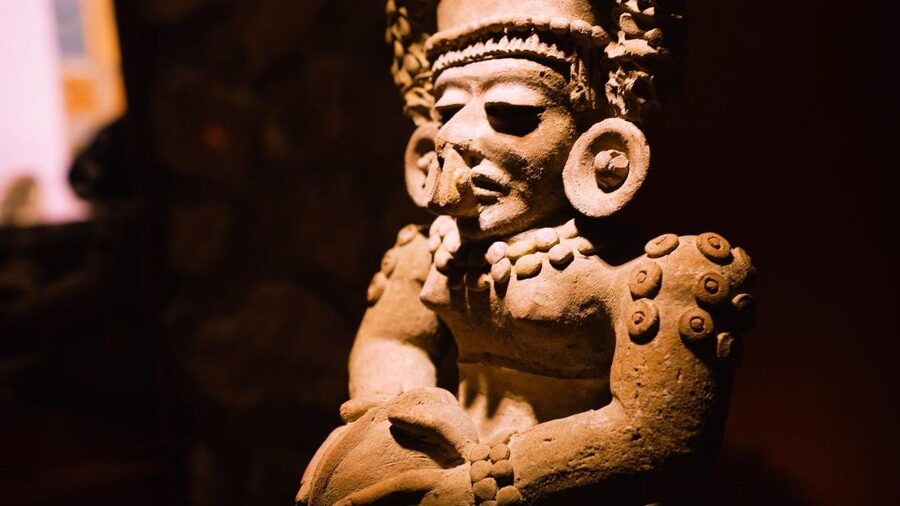
The museum includes a virtual demonstration connected to 2 Meilleurs Ouvriers de France, and this is one of the most practical parts of the ticket.
Why? Because it answers the kind of question you don’t realize you have until you see it: how do chocolatiers get that shiny outer coat on treats? The demonstration is about technique, and it ties directly into what you see in displays and what you taste later.
Even if you don’t care about tempering or industrial steps, the demo gives you a mental model for why chocolate looks and feels a certain way. That’s the difference between tasting as a gimmick and tasting with context.
Regional Chocolate Flavor Notes: Costa Rica, Peru, Vanuatu, and More
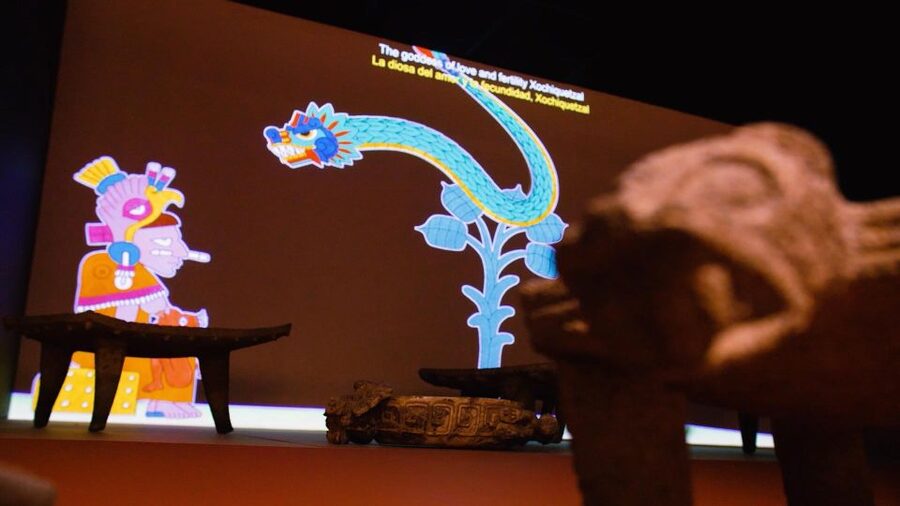
A highlight of the tasting side is that the museum doesn’t just serve one generic chocolate. The experience includes chocolate from different origins, with flavor descriptions you can use while you sip and sample.
You’ll learn about Costa Rican chocolate described as milky smooth, Peruvian chocolate described as melt-in-your-mouth and fruit-forward, and Vanuatu cocoa beans described with sweet cocoa aromas. Those labels are useful because they teach you what to notice.
This is especially valuable in Paris, where it’s easy to fall into the habit of buying chocolate by brand name only. Here, you’re encouraged to think about origin and flavor character, which makes your later shopping more intentional.
If you’re the type who likes to compare tastes, this portion turns into a mini tasting lab—without needing any extra tools.
Worth weighing up next to this Paris pick

For Families: Treasure Hunt Energy That Actually Works
This is one of those rare Paris stops where kids don’t just endure the adults’ interests. The museum includes children’s activities, including a treasure hunt.
The treasure hunt and the kid-focused materials are designed to keep younger visitors engaged while adults read and sample. It’s also a nice reset if your day in Paris includes a lot of walking in historic neighborhoods and you need something more hands-on.
I also like that the museum’s layout supports mixed-age groups. You can split your attention: parents can follow the tasting and story route while kids search, collect, and finish the scavenger-style activity.
For families, it’s a solid one-day plan because it’s self-guided. You don’t have to match a strict group tour pace when kids start to wobble.
Audio Guide and Panels: How to Make a Self-Guided Visit Feel Effortless
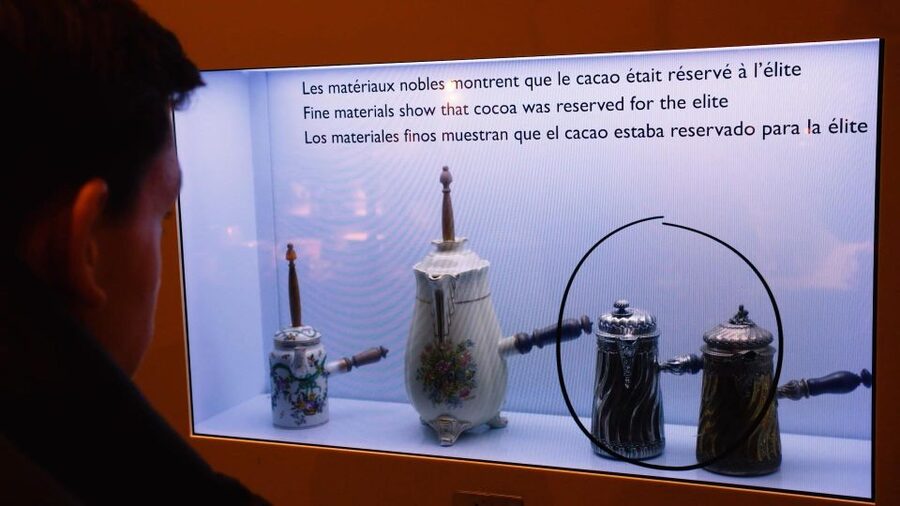
This is a self-guided museum, with descriptive panels available in English, French, and Spanish. You can absolutely do it just by reading, but if you want more help, the welcome desk offers an audio guide for 3 euros per person.
My advice is simple: decide how you like to learn. If you enjoy reading and moving at your pace, stick with the panels. If you’d rather listen while you taste, grab the audio guide and let it pace you.
Also, the visit includes demonstrations and virtual content, so you’ll want to leave enough time to pause. If you treat each gallery like a hallway, you’ll end up skipping the best “learn and taste” moments.
Practical Logistics: Last Admission at 4:30 PM and Bag Rules
Plan your day around the museum’s schedule. The last admission is at 4:30 PM, so avoid making this a last-minute stop. If you’re walking around central Paris later in the day, I’d aim to arrive earlier so you’re not squeezing tastings and demos into the final hour.
Location-wise, the meeting point is 28 Boulevard de Bonne Nouvelle, 75010 Paris. It’s straightforward to find and fits well into an “eats and sights” day.
One practical rule: luggage or large bags aren’t allowed. If you’re carrying more than a small daypack, you’ll want to rethink your load before you show up.
Wheelchair accessibility is listed as available, which is helpful if you’re traveling with mobility needs.
Museum Shop: Turn What You Learned Into a Real Chocolate Take-Home
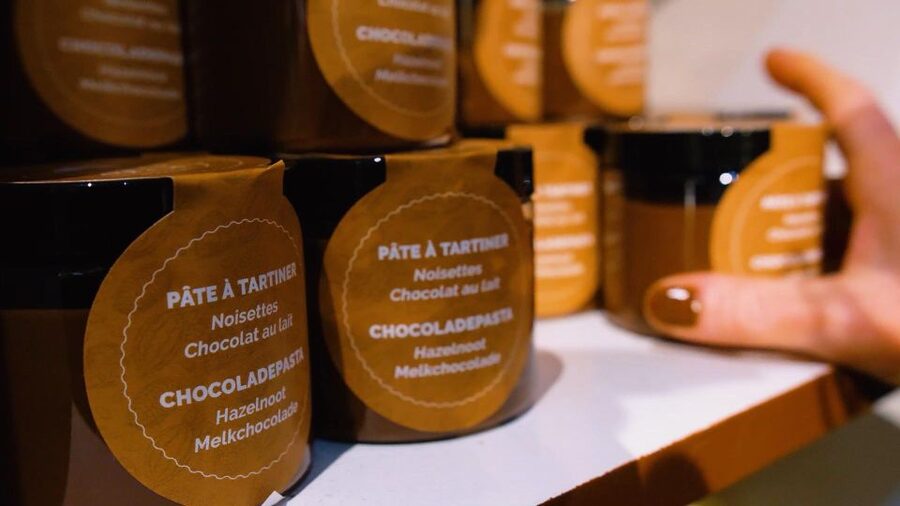
The visit ends with time to browse the museum shop. This is where you can convert tasting knowledge into purchases—books, souvenirs, and chocolate-related products.
Because the museum focuses on origin and technique, you’ll have a better sense of what to look for beyond “this is a famous brand.” Think of the shop as your homework moment: after you’ve tasted different styles, you can shop with fewer regrets.
If you’re buying for someone who likes chocolate, this shop can be a fun stop because it feels connected to what you just experienced, not an unrelated retail wall.
Should You Book This Chocolate Museum Ticket?
I think you should book if you want a short, high-reward Paris activity where history and tastings are tied together. For families, it’s especially strong because the kids’ treasure hunt gives structure without feeling like a chore.
You might skip it if you only enjoy large, guided museums with deep lectures. This isn’t built that way. It’s self-guided, and the value comes from your willingness to read panels, watch the demo content, and slow down for tastings.
If you go in with the right mindset—one day, flexible pace, expect food-related learning—you’ll likely feel like you got your money’s worth.
FAQ
Where is the Chocolate Museum in Paris?
The meeting point is Chocolate Museum (Le Musee Gourmand du Chocolat), 28 Boulevard de Bonne Nouvelle, 75010 Paris.
How long does the visit take?
The experience is valid for 1 day.
Is the tour self-guided?
Yes. It’s a self-guided visit, and you’ll receive an audio guide option at the welcome desk if you want it.
Is an audio guide available, and how much does it cost?
An audio guide is available at the welcome desk for 3 euros per person. It’s listed as available in multiple languages.
What time is the last admission?
The last admission to the museum is at 4:30 PM.
What languages are the museum panels in?
The descriptive panels are listed as in English, French, and Spanish.
Is the museum wheelchair accessible?
Yes, the activity is listed as wheelchair accessible.
Are large bags or luggage allowed inside?
No. Luggage or large bags are not allowed.
Are there activities for kids?
Yes. The experience includes a treasure hunt and children’s activities.
More Museums in Paris
- Paris: Louvre Museum Timed-Entrance Ticket
★ 4.6 · 71,977 reviews - Paris: Orsay Museum Entry Ticket
★ 4.7 · 25,647 reviews - Louvre Museum Masterpieces Guided Tour with Access
★ 4.5 · 12,023 reviews - Paris: Louvre Museum Entry Ticket With Host and River Cruise
★ 4.6 · 9,926 reviews - Les Invalides: Napoleon’s Tomb & Army Museum Entry
★ 4.6 · 9,185 reviews
More Tickets in Paris
- Paris: Louvre Museum Timed-Entrance Ticket
★ 4.6 · 71,977 reviews - Disneyland® Paris 1-Day Ticket
★ 4.6 · 49,412 reviews - Paris: Versailles Palace and Gardens Full Access Ticket
★ 4.6 · 41,579 reviews - Paris: Arc de Triomphe Rooftop Tickets
★ 4.6 · 34,264 reviews - Paris: Orsay Museum Entry Ticket
★ 4.7 · 25,647 reviews
More Tour Reviews in Paris
- Paris: 1-Hour Seine Cruise departing from the Eiffel Tower
★ 4.4 · 77,472 reviews - Paris: Louvre Museum Timed-Entrance Ticket
★ 4.6 · 71,977 reviews - Disneyland® Paris 1-Day Ticket
★ 4.6 · 49,412 reviews - Paris: Versailles Palace and Gardens Full Access Ticket
★ 4.6 · 41,579 reviews - Paris: Arc de Triomphe Rooftop Tickets
★ 4.6 · 34,264 reviews
Fresh off the review desk in Paris
- Secrets of Paris Bike Tour in English or Dutch★ 5.0 · 5 reviews
- Paris: Mont Saint-Michel Day Tour with Chinese Tour Guide★ 5.0 · 5 reviews
- Private Street Art 2-Hour Guided Tour in Paris★ 4.5 · 5 reviews
- Orsay Museum Tour: 2h Highlights (Private & Small Group)★ 5.0 · 5 reviews
- Discover Paris in electric golf carts★ 4.0 · 5 reviews
- Paris Private Boat Tour with your own Captain Guide★ 5.0 · 5 reviews
Dessert Tours, compared.
 ★ 4.4Day or Sunset Cruise with Drink, Ice Cream or DessertFrom $224,225 reviews
 ★ 5.0Private Montmartre Food Tour with Wine, Cheese & PastriesFrom $3021,027 reviews
 ★ 4.5Paris French Sweets Tasting Tour with Pastries and ChocolatesFrom $168947 reviews
 ★ 4.6Brussels and Bruges Tour & Optional Chocolate TastingFrom $234643 reviews
 ★ 5.0A Morning in Paris Food Tour: Croissants, Baguettes & ChocolateFrom $125556 reviews
 ★ 4.8Saint-Germain: Gourmet Chocolate & Pastry Walking Food TourFrom $105495 reviews
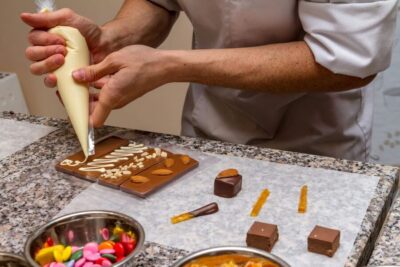 ★ 4.445-minute Chocolate Making Workshop at Choco-StoryFrom $58444 reviews
 ★ 4.7Le Marais Walking Food Tour with Cheese, Wine & PastriesFrom $153339 reviews
Browse the lists this tour appears in