

Reviewed · SELF-GUIDED TOURS
Paris: Rodin Museum Ticket & Optional Digital AudioGuide App
Rodin feels close enough to touch. I love walking through Hôtel Biron and finding The Thinker and The Gates of Hell in full, careful detail, then pairing it with an in-depth digital audio guide. The museum setting also helps you connect Rodin’s early ideas to his later masterpieces. One catch: the audio guide may not cover every garden area as well as you’d hope, so plan to do some quiet looking too.
You’re in charge of your own pace here. Since this is self-guided, you’ll want to bring your own headphones and a charged smartphone, because the guide is delivered via a separate link and museum staff can’t troubleshoot it for you.
In This Review
- Key things I’d center in your plan
- How your Musée Rodin ticket works at Hôtel Biron
- What you’ll see: The Thinker, The Gates of Hell, and Rodin’s full range
- Hôtel Biron: why the setting matters as much as the sculptures
- Early plasters and the making of Rodin
- The digital audio guide: how to use it (and how not to get stuck)
- Garden time and photos: what’s actually allowed
- Timing your one-day visit without feeling rushed
- Price and value: is this $23 Rodin Museum ticket worth it?
- Who should book this Rodin Museum experience
- Should you book this Rodin Museum ticket?
- FAQ
- Do I need headphones for the Rodin Museum digital audio guide?
- Is this visit guided by a person?
- Can I use the museum staff to help with the audio guide app?
- What time is the last entry and when do rooms close?
- Can I leave the museum and come back in with the same ticket?
- What is included in the $23 ticket?
- What languages are available for the audio guide?
Key things I’d center in your plan
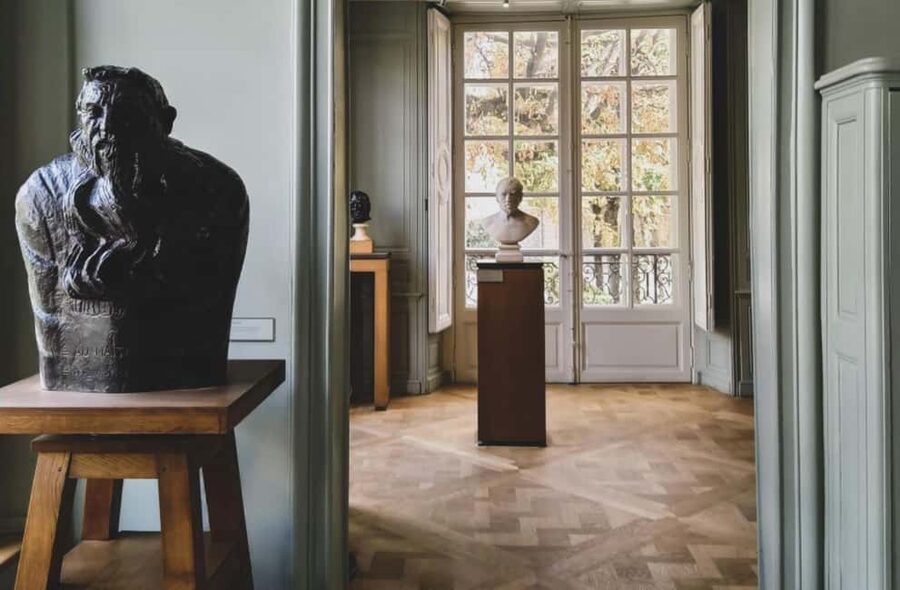
- Hôtel Biron (Rodin’s home and studio) in an actual 18th-century mansion setting
- Iconic works like The Thinker and The Gates of Hell up close
- A huge collection of works and sketches, including early plasters
- Camille Claudel’s presence through works displayed alongside Rodin’s
- A digital audio guide in many languages, accessed by link on your phone
- Free photo-taking in both museum and garden areas
How your Musée Rodin ticket works at Hôtel Biron
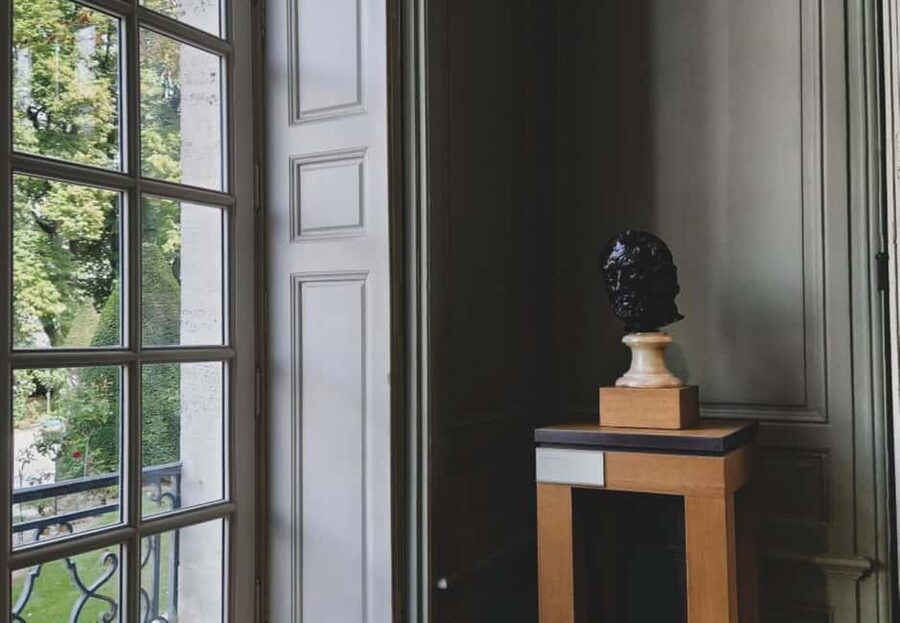
This is a one-day ticket for the Musée Rodin at 77 Rue de Varenne. There’s no meeting point and no in-person group to wait for. You enter on your own at the address, then stay as long as you like inside the site.
Important: once you go in, you can’t leave and re-enter with the same ticket. So before you step into the museum, make sure you’ve got what you need for the day: water, a charged phone, and your own headphones. The ticket is valid for 1 day, and you should check availability for the starting time you want.
Also note the rhythm of the place. It’s open Tuesday through Sunday from 10:00 AM to 6:30 PM, with last entry at 5:45 PM. Rooms close at 6:15 PM, so if you like to linger in galleries, aim to start earlier rather than later.
Finally, this experience includes the entrance ticket and a digital audio guide app. You still need to supply the headphones, and the guide is not run by museum staff.
Worth weighing up next to this Paris pick
- Paris: Louvre Museum Timed-Entrance Ticket
★ 4.6 · 71,977 reviews - Disneyland® Paris 1-Day Ticket
★ 4.6 · 49,412 reviews - Paris: Versailles Palace and Gardens Full Access Ticket
★ 4.6 · 41,579 reviews - Paris: Arc de Triomphe Rooftop Tickets
★ 4.6 · 34,264 reviews
What you’ll see: The Thinker, The Gates of Hell, and Rodin’s full range
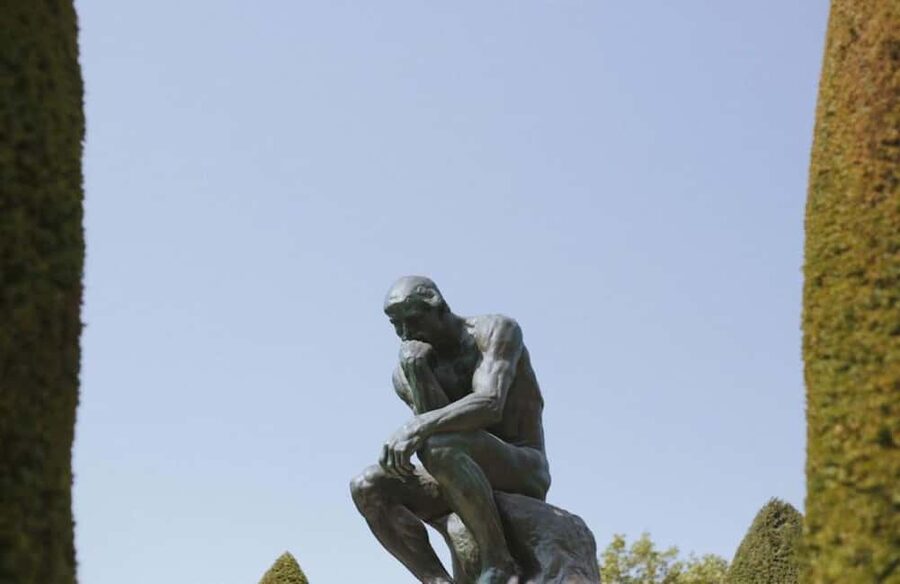
The big draw is obvious: you come for Rodin’s most famous sculptures, and you really do get to see them in the way you always imagined. The Thinker is there for you to walk around and study, and The Gates of Hell is also part of the must-see lineup. Seeing them as physical objects in a real collection beats just reading captions.
What’s less obvious, and what I’d treat as the real payoff, is how the museum shows Rodin’s development over time. There are over 6,000 sculptures spread through elegant rooms, so you’re not just hitting one highlight and moving on. You can look for recurring themes—figures, tension, motion, unfinished surfaces—and watch how his approach changes.
You’ll also see how Rodin’s creative world connects to others. Works connected to Camille Claudel appear alongside Rodin’s output. Even if you only know Claudel by name, this is one of those museum experiences where seeing the connection matters more than memorizing facts.
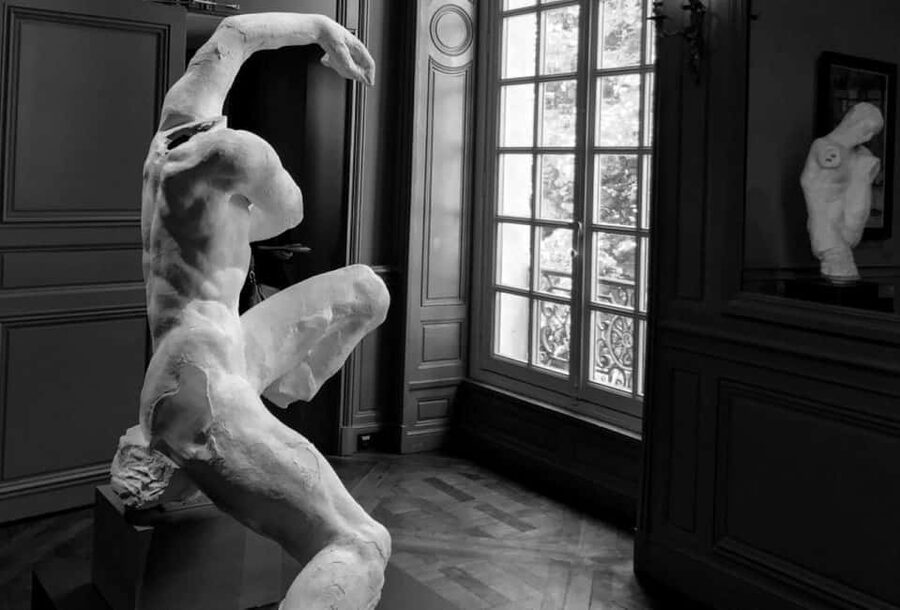
And don’t miss the early works. The museum includes early plasters that reveal his start as an artist—this is where Rodin’s experimentation feels tangible, not abstract.
Hôtel Biron: why the setting matters as much as the sculptures
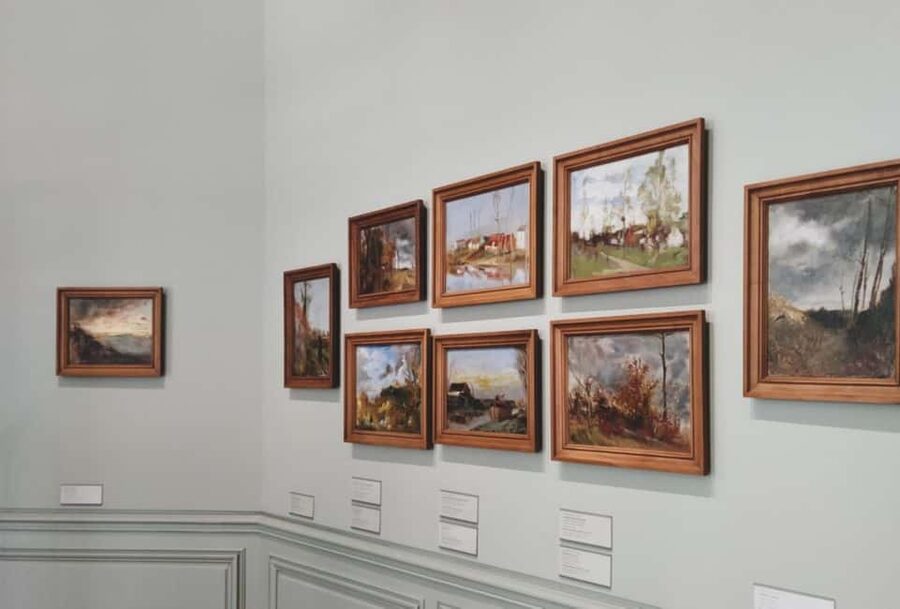
Rodin didn’t just rent space. His legacy is housed in Hôtel Biron, an 18th-century mansion that once served as his home and studio. That detail isn’t trivia. It changes how you experience the art.
In a typical museum, sculptures sit in white rooms. Here, you’re moving through rooms that feel like they were built for creative work—so when you see sculptures, sketches, and process-oriented pieces, the environment quietly reinforces what Rodin was doing: testing form, revising ideas, and working with materials over time.
You also get the sense of the museum as a whole site, not just an indoor gallery. The grounds and garden areas give you a natural pause from the concentration of galleries. That matters because Rodin’s style can be intense if you rush. Slow down and let your eyes reset between rooms.
If you like architecture that supports art (not just decor around it), you’ll probably appreciate this mansion setting more than you expect.
Early plasters and the making of Rodin
One of the best ways to understand Rodin is to look for evidence of process. This museum gives you that chance through early plasters—pieces that show Rodin’s artistic start and how he built his approach.
Plaster is different from bronze. It can look raw, provisional, and close to the moment an idea took shape. That’s why these early works feel like a cheat code for understanding him: you see the thinking behind the finished reputation.
Pair that with the later works in the collection, and the story becomes clearer. Rodin wasn’t moving in a straight line toward famous masterpieces. He was exploring, adjusting, and returning to themes. When you catch those shifts, his famous figures start to make more sense, not less.
The digital audio guide is designed to help you connect those dots. It includes narratives about Rodin’s life and works, plus commentary on techniques and historical context. If you usually skip audio guides, this one is still worth using here because the collection is large enough that a little structure helps you see patterns.
The digital audio guide: how to use it (and how not to get stuck)
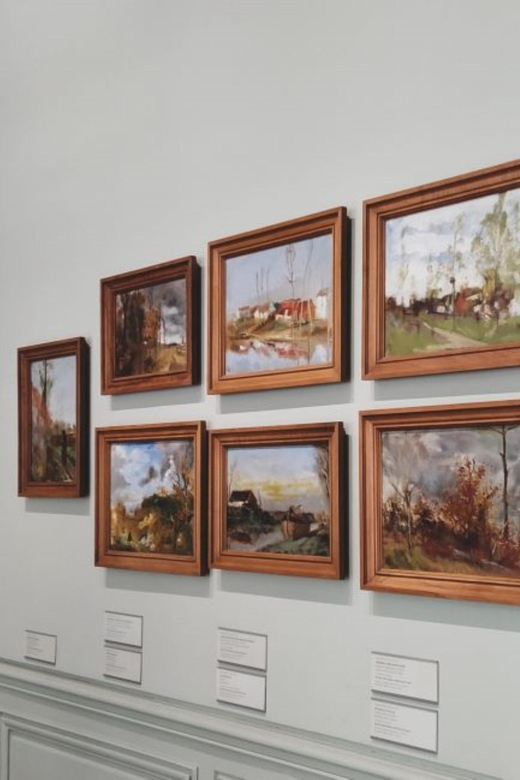
The audio guide is optional and comes through a downloadable digital app experience accessed via a link. It’s available in a long list of languages, including English, German, French, Italian, Japanese, Spanish, Chinese, Korean, Dutch, Portuguese, Hindi, Arabic.
A few things to know before you rely on it:
- It’s an independent service, not an official museum audio guide.
- Museum staff can’t assist you with the app if you run into trouble.
- The guide link is sent the day before your visit and also appears on your voucher.
- You should provide a valid email when booking so you actually receive that link.
This is why I treat headphones and smartphone readiness as part of your plan, not an afterthought. You’re expected to bring your own earphones, and you should show up with a charged phone. If your battery dies midway, you’ll have to keep moving without it.
What you might want to watch for: the audio guide may not cover every area equally. One review noted the audiovisual guide doesn’t cover the gardens, so you shouldn’t expect it to carry you through the whole property step-by-step. If you want full narration in outdoor areas, plan for some time where you just look and wander.
Also, the audio guide may not include information about temporary exhibitions. That’s a real consideration if the schedule is important to your visit.
Garden time and photos: what’s actually allowed
Good news for anyone who loves documenting a place: you can take your own photos freely in the museum and garden areas. That’s a simple comfort. You don’t need to second-guess whether your camera habit is welcome.
The gardens are also where you can reset mentally. Rodin’s work can feel heavy with emotion and physical strain, so moving into outdoor space helps you breathe. Think of it as a pacing tool: a short loop outside after a long indoor gallery keeps your attention sharp for the next room.
One practical tip: since the audio guide coverage of the gardens may be spotty, treat outdoor time as mostly visual. Slow down, look at how the sculptures’ shapes relate to the setting, and take a few photos you’ll actually want later.
If you come on a nice day, this combination of mansion rooms plus outdoor space can turn a museum visit into more of a half-day experience than a quick stop.
Worth weighing up next to this Paris pick




Timing your one-day visit without feeling rushed
You’ve got a single-day window, and the museum has a clear closing structure. With open hours Tuesday–Sunday from 10:00 AM to 6:30 PM (last entry 5:45 PM; rooms close at 6:15 PM), you can plan a visit that’s both thorough and not frantic.
Here’s the pacing logic I’d use:
- Spend your first stretch orienting yourself indoors so you understand how the collection flows.
- Then break for garden time or slower wandering once you’ve seen the major highlights.
- Finish by returning to any works that grabbed you on the first pass.
Because you can’t re-enter after leaving, decide ahead of time where your breaks happen. If you step outside for a break, do it knowing you’re still inside the same visit window.
If you’re using the digital audio guide, your pace will naturally slow down. That’s good here. The museum has enough works that you can easily miss what makes Rodin special if you rush.
Price and value: is this $23 Rodin Museum ticket worth it?
At about $23 per person, you’re paying for two main things: the entrance ticket and the digital audio guide app. In value terms, the ticket makes the most sense if you’ll actually use the guide and stick with the museum long enough to feel like it’s more than a photo stop.
Also, remember what’s not included:
- Earphones/headphones are not included.
- The audio guide may not cover temporary exhibitions.
That’s why I’d budget a few extra minutes to get your tech ready. Bring your headphones, and make sure your phone is charged. If you show up without those, the experience becomes more “walk around and read signage” than “guided, structured understanding of the art.”
On the other hand, if you like to learn while you look, the guide helps connect big themes: Rodin’s life, his artistic techniques, and historical context. For many people, that’s what turns famous sculptures into something more memorable.
One more value note: visitors under 18 and EU residents under 26 can enter for free with a valid ID. If that applies to you, the same visit becomes an even better deal.
Who should book this Rodin Museum experience
I’d put this ticket at the top of the list for people who want to see Rodin’s best-known sculptures and understand how his process shaped his style. The museum’s scale (6,000+ sculptures) makes self-guided audio support especially useful.
It’s also a strong fit if you like independent travel. There’s no in-person guide telling you where to stand or how fast to move. You can linger with The Thinker, then drift toward early plasters, then return to later works.
You should also consider it if you’re comfortable using a smartphone as your guide. The audio is separate from the museum’s own paid audio options, and museum staff won’t help with app issues—so you’ll want to feel okay handling your own tech.
Finally, it’s not a good match if you’re traveling with unaccompanied minors. Unaccompanied minors aren’t allowed, and children must be accompanied by an adult.
Should you book this Rodin Museum ticket?
Book it if you want a high-quality, independent way to experience Musée Rodin at Hôtel Biron with a multi-language digital audio guide. At this price, it’s best value when you’re the type of visitor who pauses, looks closely, and likes to connect artwork to context rather than just snapping photos.
Skip or reconsider if you hate app-based guidance, forget headphones often, or expect the audio guide to narrate every part of the property—especially the gardens. The garden coverage can be uneven, so plan for at least some time where you don’t rely on audio at all.
If you’re planning one day in Paris and want a focused art visit that feels tied to the artist’s actual workspace, this one is a smart use of time.
FAQ
Do I need headphones for the Rodin Museum digital audio guide?
Yes. Earphones or headphones are not included, so bring your own. The app also requires a charged smartphone.
Is this visit guided by a person?
No. It’s self-guided with the digital audio guide app. There is no in-person guide.
Can I use the museum staff to help with the audio guide app?
No. The digital audio guide is an independent service, and museum staff cannot assist you with it.
What time is the last entry and when do rooms close?
The museum is open Tuesday–Sunday, 10:00 AM to 6:30 PM. Last entry is 5:45 PM, and rooms close at 6:15 PM.
Can I leave the museum and come back in with the same ticket?
No. Once you enter, you can stay as you like, but you can’t leave and re-enter with the same ticket.
What is included in the $23 ticket?
The entrance ticket to Paris Musée Rodin and the digital audio guide app are included.
What languages are available for the audio guide?
The audio guide app is available in English, German, French, Italian, Japanese, Spanish, Chinese, Korean, Dutch, Portuguese, Hindi, and Arabic.
More Museums in Paris
- Paris: Louvre Museum Timed-Entrance Ticket
★ 4.6 · 71,977 reviews - Paris: Orsay Museum Entry Ticket
★ 4.7 · 25,647 reviews - Louvre Museum Masterpieces Guided Tour with Access
★ 4.5 · 12,023 reviews - Paris: Louvre Museum Entry Ticket With Host and River Cruise
★ 4.6 · 9,926 reviews - Les Invalides: Napoleon’s Tomb & Army Museum Entry
★ 4.6 · 9,185 reviews
More Tickets in Paris
- Paris: Louvre Museum Timed-Entrance Ticket
★ 4.6 · 71,977 reviews - Disneyland® Paris 1-Day Ticket
★ 4.6 · 49,412 reviews - Paris: Versailles Palace and Gardens Full Access Ticket
★ 4.6 · 41,579 reviews - Paris: Arc de Triomphe Rooftop Tickets
★ 4.6 · 34,264 reviews - Paris: Orsay Museum Entry Ticket
★ 4.7 · 25,647 reviews
More Tour Reviews in Paris
- Paris: 1-Hour Seine Cruise departing from the Eiffel Tower
★ 4.4 · 77,472 reviews - Paris: Louvre Museum Timed-Entrance Ticket
★ 4.6 · 71,977 reviews - Disneyland® Paris 1-Day Ticket
★ 4.6 · 49,412 reviews - Paris: Versailles Palace and Gardens Full Access Ticket
★ 4.6 · 41,579 reviews - Paris: Arc de Triomphe Rooftop Tickets
★ 4.6 · 34,264 reviews
Fresh off the review desk in Paris
- Secrets of Paris Bike Tour in English or Dutch★ 5.0 · 5 reviews
- Paris: Mont Saint-Michel Day Tour with Chinese Tour Guide★ 5.0 · 5 reviews
- Private Street Art 2-Hour Guided Tour in Paris★ 4.5 · 5 reviews
- Orsay Museum Tour: 2h Highlights (Private & Small Group)★ 5.0 · 5 reviews
- Discover Paris in electric golf carts★ 4.0 · 5 reviews
- Paris Private Boat Tour with your own Captain Guide★ 5.0 · 5 reviews
Self-Guided Tours, compared.
 ★ 4.3Illuminations River Cruise with Audio CommentaryFrom $2012,340 reviews
 ★ 4.4Orsay Museum Entry Ticket and Digital Audio Guide AppFrom $313,170 reviews
 ★ 4.3From Paris: Giverny Day Trip with Audio Guide or Live GuideFrom $932,372 reviews
 ★ 4.0Giverny and Monet’s House Half Day Trip from Paris Guide or AudioFrom $1021,319 reviews
 ★ 4.4Catacombs Entry & Seine River Cruise with Audio GuideFrom $1351,150 reviews
 ★ 4.4From Paris: Versailles Palace Self Guided & Gardens ticketsFrom $1121,100 reviews
 ★ 4.6Catacombs, Audio Guide, and River Cruise OptionFrom $94966 reviews
 ★ 3.5Openair Double Decker Bus Audio-Guided City TourFrom $34938 reviews
Browse the lists this tour appears in