
Reviewed · SEINE RIVER CRUISES
Paris Seine River Hop-On Hop-Off Sightseeing Cruise by Batobus
Floating past Paris landmarks is the easy win. With Batobus, you get a hop-on hop-off ride along the UNESCO-listed Seine banks, catching views of the Eiffel Tower and Notre-Dame while you decide how long to linger on land. I love the flexibility of a 24/48-hour pass and the calm, back-terrace cruising for photos without getting stuck in city traffic. One possible drawback is the stairs and limited onboard conveniences, so if you’re sensitive to steps or bathroom needs, plan ahead.
You’ll board at nine well-placed stops, from Port de la Bourdonnais to Quai du Louvre, and hop off when something grabs you, like Musée d’Orsay or Saint-Germain. The audio guide runs through a webapp in English (plus French, Spanish, German, and Italian), and you get an interactive map to help you connect each stop to nearby sights. Just don’t expect a live, story-telling guide on board—this is practical sightseeing transport first.
In This Review
- Key things that make the Batobus Seine cruise worth your time
- Price and value: how $27.56 turns into real sightseeing time
- Before boarding: tickets, the audio webapp, and the bag check
- What it’s like on the Seine: calm cruising plus big views
- Your route in order: nine hop-on stops tied to real Paris neighborhoods
- Port de la Bourdonnais (Eiffel Tower area)
- Port des Invalides (near Les Invalides)
- Quai de Montebello (Musée d’Orsay and the Left Bank)
- Quai Malaquais (Saint-Germain-des-Prés connection)
- Quai de Montebello again (Saint-Michel / Notre-Dame zone)
- Quai Saint-Bernard (Latin Quarter energy and river-side access)
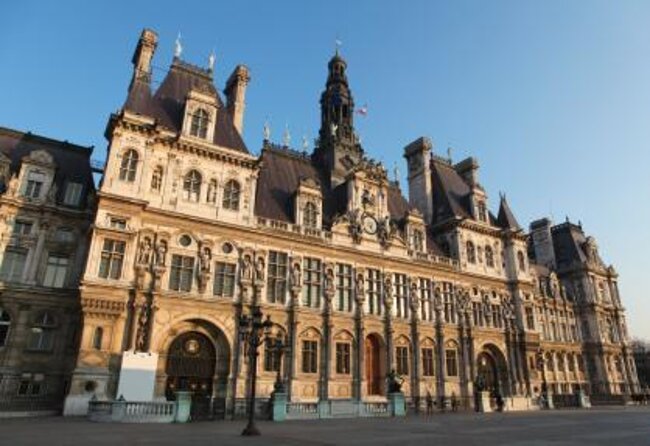
- Quai de l’Hôtel de ville (City Hall area)
- Quai du Louvre (Palais Royal and the Louvre)
- Port des Champs-Élysées (Concorde / Tuileries / Champs-Élysées area)
- How to plan 24 hours vs 48 hours without wasting time
- Comfort and photo tips for an open-deck boat day
- When this is a great choice (and when it’s not)
- Should you book the Batobus Seine hop-on hop-off cruise?
- FAQ
- How long is the Batobus Seine cruise?
- Do I have to stay on the boat for the whole time?
- What stops are included on the route?
- Do you get audio commentary, and what language options are available?
- Is hotel pickup or drop-off included?
- What kind of ticket do I receive?
- Are service animals allowed?
- Are there any restrictions on bags or luggage?
- Can I store a bicycle on board?
- Is there a toilet on the boat?
- FAQ
- What’s the cancellation policy?
- Is the cruise dependent on weather?
- Are departure times posted in real time?
- Do hours change on July 14?
Key things that make the Batobus Seine cruise worth your time
- Hop-on hop-off freedom with unlimited rides for 24 or 48 consecutive hours
- Open back terrace for sitting, sun, and river photos
- Multilingual audio via a webapp so you can learn while you ride
- Nine stops near major sights like Eiffel Tower, Musée d’Orsay, Notre-Dame area, and the Louvre
- Plan for stairs and no onboard toilets if you’re timing bathroom breaks
- Check real-time departures on the Batobus site, especially on special dates like July 14
Price and value: how $27.56 turns into real sightseeing time
At about $27.56 per person, the Batobus Seine cruise isn’t priced like a one-and-done boat ride. The value comes from the structure: you get unlimited hop-on cruising for 24 or 48 consecutive hours. That matters in Paris, where moving between sights can eat half a day once you factor in crowds, connections, and time to and from stops.
What you’re really buying is time and control. You can do a quick orientation loop first, then return to the neighborhoods you like most. If you’re the type who hates being rushed, the pass format fits your pace. If you’d rather sit down often and let the city come to you, you’ll appreciate how much you get from the water without crisscrossing the river with trains and taxis.
The tradeoff is timing. This is not the kind of tour that guarantees you arrive at a museum door at a specific minute. There’s no hotel pickup, and you’ll still need to hop off, walk a bit, and climb back up at each stop. If you have very strict reservations (the kind that don’t forgive delays), build slack into your day.
More time out on the Seine, compared
- Paris: 1-Hour Seine Cruise departing from the Eiffel Tower
★ 4.4 · 77,472 reviews - Paris: Seine Cruise & Crepe Tasting near the Eiffel Tower
★ 4.4 · 11,231 reviews - Paris: Seine River Panoramic Views Dinner Cruise
★ 4.3 · 10,611 reviews - Paris: Eiffel Tower Access by Elevator & Seine River Cruise
★ 4.6 · 7,329 reviews
Before boarding: tickets, the audio webapp, and the bag check
This cruise is modern in two ways: mobile ticketing and audio through a webapp. That’s convenient, but it means you should treat the app like part of the tour, not an afterthought. Make sure you can access your ticket before you reach the dock area, and double-check that you can play the audio once you’re on the boat. If your phone is low on battery, bring a backup.
There’s also a systematic bag control at the entrance. Jackets and coats must be opened at the entrance, and bigger items don’t make it onto the boat. Passengers with bulky luggage over 16 liters (small backpacks and handbags aren’t counted the same way) aren’t allowed. It’s worth traveling light even if you’re not normally picky about rules—nothing slows you down like rearranging your belongings while a line moves.
A few practical extras are helpful:
- Bicycle storage is available on board.
- Drinks and snacks can be purchased from vending machines.
One more heads-up: there are reports of no toilets on the boat. That can turn a relaxing cruise into an anxious scavenger hunt at stops. If you’re prone to waiting too long, use the time between hops on purpose.
What it’s like on the Seine: calm cruising plus big views
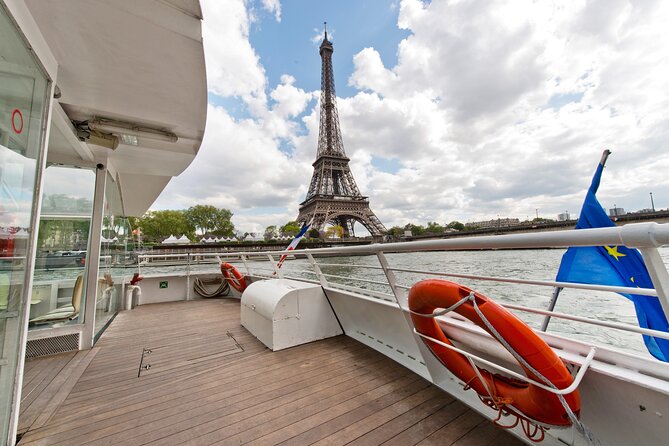
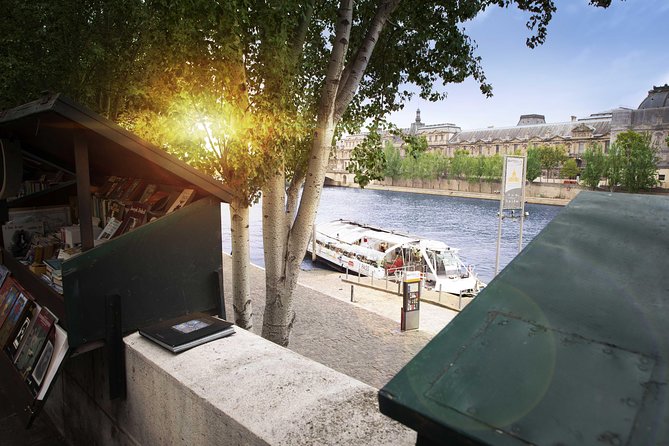
The ride itself is the star. You cruise along the Seine’s iconic riverbanks—gliding under bridges and past famous facades—while you can sit and watch the city move. The experience is designed for lingering, with an open back terrace where you can relax and take in views.
The full loop is a bit over two hours, so your first circuit can act like a visual map of Paris. Then you get to make better choices about where to spend extra time. This is one of those “worth it even if it’s just to sit” experiences.
Staff are present on board, including deckhand staff, which helps if you need to understand where you are or how boarding works at the next stop. Just keep expectations realistic: this isn’t a guided walking tour. You’ll be outside seeing sights, but the learning happens through your webapp audio, not through an on-the-boat host.
Your route in order: nine hop-on stops tied to real Paris neighborhoods
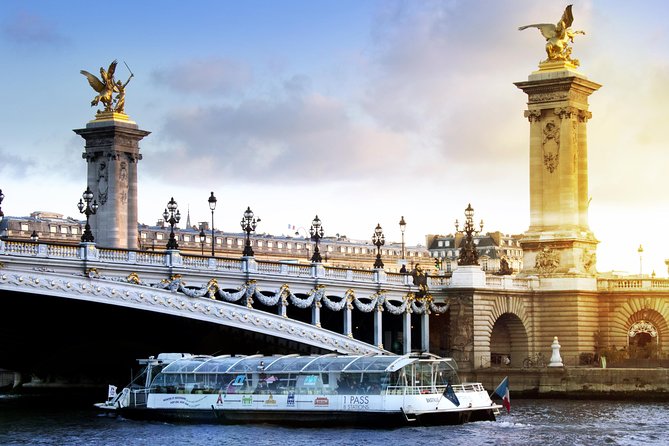
Batobus runs a hop-on hop-off route with nine stops along the Seine. The itinerary loop works well for building a day plan: ride until you see what you want, then hop off and explore at your own speed.
Here’s how I’d think about each stop, including what it’s best for and what transit connections it gives you.
Port de la Bourdonnais (Eiffel Tower area)
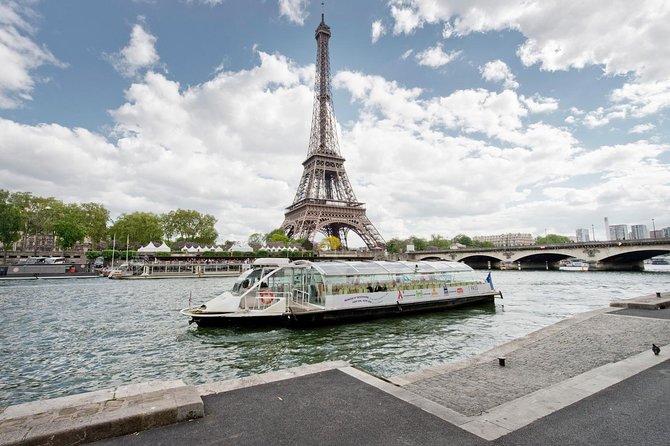
This stop is at Port de la Bourdonnais. Use Metro Bir-Hakeim (line 6) or Trocadéro (lines 6 and 9), or RER Champ de Mars – Tour Eiffel (line C).
Why it’s great: you’re in the Eiffel Tower orbit, which is the most obvious landmark match for a Seine cruise. Even if you don’t go up the tower, the area is ideal for photos and a quick break from sightseeing-on-foot.
Drawback to plan for: once you’re there, you’re in a high-energy tourist zone. If you want calmer walking, pick a shorter time here and spend more time at the other stops later.
Port des Invalides (near Les Invalides)
Stop two is Port des Invalides. Transit options include Metro Invalides (lines 8 and 13) and RER Invalides (line C).
Why it’s great: it’s a smart stop if you want to explore the Invalides area without doing a long river-side trek.
Consideration: if you’re visiting multiple museums in one day, you’ll still be moving on land for any attraction you want to actually enter.
Other hop-on hop-off passes worth the fare

Quai de Montebello (Musée d’Orsay and the Left Bank)
Stop three is Quai de Montebello, with Metro Assemblée Nationale (line 12) or RER Musée d’Orsay (line C).
Why it’s great: it’s the Musée d’Orsay pairing. If you want art museum time, this stop is a practical bridge between river views and a major indoor visit.
Also, Montebello sits in a part of Paris where you can mix museum time with wandering. If you like to see how neighborhoods feel after the main monuments, this is a good place to do it.
Quai Malaquais (Saint-Germain-des-Prés connection)
Stop four is Quai Malaquais. You can use Metro Saint-Germain-des-Prés (line 4).
Why it’s great: this lines you up with the classic Saint-Germain area. If your goal is to hop off for a café break and enjoy the Left Bank vibe, it works well.
Practical drawback: Saint-Germain can be busy. If you’re trying to avoid crowds, go earlier in the day, or spend less time in the busiest streets and more time in the side lanes.
Quai de Montebello again (Saint-Michel / Notre-Dame zone)
Stop five again lists Quai de Montebello, with Metro Saint-Michel (line 4) or Maubert-Mutualité (line 10), and RER Saint-Michel Notre-Dame (lines B and C).
Why it’s great: this is your Notre-Dame area connection. If you want to see the Gothic architecture up close, this is one of the stops built for it.
Timing tip: plan extra time here if you want photos plus wandering. This is where the river cruise turns into “walk around and get absorbed” time.
Quai Saint-Bernard (Latin Quarter energy and river-side access)
Stop six is Quai Saint-Bernard, with Metro Jussieu or Cardinal-Lemoine (line 10) and RER Gare d’Austerlitz (line C).
Why it’s great: it’s a solid option for the left-river side districts and for mixing sightseeing with local streets.
This can also be a good “lighter day” stop. If you want to get off, stretch your legs, and keep your day less structured, this fits.
Quai de l’Hôtel de ville (City Hall area)
Stop seven is Quai de l’Hôtel de ville, with Metro Hôtel de Ville (lines 1 and 11).
Why it’s great: you’re positioned for the central Paris core. This stop is useful when you want easier connections to downtown sights.
Consideration: central stops can mean crowds at popular streets. If you’re photo-focused, try to time your hop-off when you can get clear sightlines.
Quai du Louvre (Palais Royal and the Louvre)
Stop eight is Quai du Louvre. Transit includes Metro Palais Royal – Musée du Louvre (lines 1 and 7).
Why it’s great: this is the clean, obvious match for the Louvre area. If you’re planning major museum time, you’ll like how directly this stop connects you to the zone.
Drawback: once you’re near the Louvre, walking can feel endless. The cruise helps you arrive with less hassle, but the museum area itself still demands real time.
Port des Champs-Élysées (Concorde / Tuileries / Champs-Élysées area)
Stop nine is Port des Champs-Élysées, with Metro Champs-Élysées – Clemenceau (lines 1 and 13) or Concorde (lines 1, 8, and 12).
Why it’s great: this puts you near the Concorde and Tuileries end of the main sights, plus access toward the Champs-Élysées corridor.
This stop is often where your day plan gets flexible. If you want to end with a big boulevard stroll or a scenic river-side finish, this is the kind of stop that works.
How to plan 24 hours vs 48 hours without wasting time
A 24-hour pass is great if your goal is: see the big hits, pick one or two neighborhoods to return to, and keep moving. I’d use it like this—do one full loop for orientation, then choose your top 2 stops for deeper exploring.
A 48-hour pass is where the flexibility really pays off. You can spread your sightseeing so you don’t burn out. You can return to the Eiffel Tower zone for photos at a different time of day, or shift from museums one day to riverbank wandering the next.
One smart strategy: don’t try to do every stop equally. Most people feel tempted to “collect them all.” The better approach is to use the boat as a sampler, then spend longer where the neighborhood works for you.
Two extra planning realities:
- The full loop is about a bit over two hours, so your day should be built around that rhythm.
- You’ll climb down to the river bank at boarding areas and climb back up when you rejoin the route.
Comfort and photo tips for an open-deck boat day
If you want great photos, you’ll use the boat time wisely:
- Sit toward the open back terrace when the weather is good. That space is meant for looking and relaxing.
- Expect the city to look different from the water once you’re moving under bridges. The best photo angles often come right before or right after the bridge crossings.
Comfort is mostly about managing the “mini-hikes” between boat and stops. Since there are stairs to reach the river, wear shoes that don’t fight you. If it’s windy or cool, bring a layer—just remember that coats and jackets may need to be opened during bag control.
And if bathrooms are important to your pace: since there are no toilets on the boat (per reports), treat each hop as your chance to handle needs before the next ride segment.
When this is a great choice (and when it’s not)
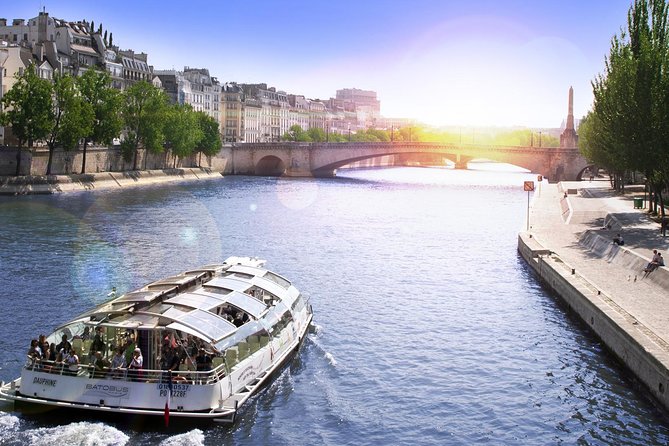
This works best if you want:
- a low-effort way to connect major sights along the Seine,
- easy hop-on and hop-off access near big attractions,
- a relaxed cruise time that still gets you close to monuments.
It’s also helpful for first-time planning. The boat gives you a clear sense of where things are, so later, you can walk more confidently.
It may not be the best fit if:
- you need to be at reservations on a strict schedule,
- you dislike using a phone webapp for audio,
- you have mobility concerns due to stairs at stops,
- you’re sensitive to limited onboard facilities like toilets.
If you go in knowing it’s “transport with views,” your expectations stay aligned and you’ll feel happier with what you paid for.
Should you book the Batobus Seine hop-on hop-off cruise?
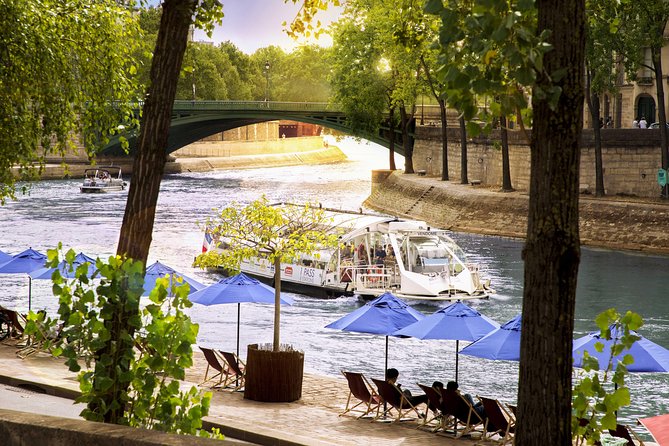
Yes—if you want a flexible, scenic way to cover the Seine’s top sights without burning energy on cross-city transit. The big value is the unlimited 24/48-hour pass paired with nine stops that put you near major landmarks like the Eiffel Tower, Musée d’Orsay, the Notre-Dame area, and the Louvre.
I’d especially book this when you’re traveling with a mix of interests—some days you’ll want museums, other days you’ll want wandering and river views. The cruise acts like a moving base.
Skip or reconsider if you depend on live guiding, require strict arrival times, or need easy onboard bathroom access. In that case, you might prefer a different format.
FAQ
How long is the Batobus Seine cruise?
The experience time is listed at about 2 hours, though your ticket is valid for unlimited hopping for 24 or 48 consecutive hours.
Do I have to stay on the boat for the whole time?
No. This is hop-on hop-off, and you can get off at any of the listed stops during your ticket validity.
What stops are included on the route?
The route includes these stop areas: Eiffel Tower, L’Académie Lime, Musée d’Orsay, Quai Malaquais, Quai de Montebello, Quai Saint-Bernard, Quai de l’Hôtel de ville, Quai du Louvre, and Concorde – Quai des Tuileries.
Do you get audio commentary, and what language options are available?
Yes. Audio commentary is available through a webapp in French, English, Spanish, German, and Italian.
Is hotel pickup or drop-off included?
No. Hotel pickup and drop-off are not included.
What kind of ticket do I receive?
You receive a mobile ticket.
Are service animals allowed?
Yes, service animals are allowed.
Are there any restrictions on bags or luggage?
Yes. There is systematic bag control, jackets and coats must be opened at the entrance, and passengers with bulky luggage over 16 liters are not allowed.
Can I store a bicycle on board?
Bicycle storage is available on board.
Is there a toilet on the boat?
There are reports that there are no toilets on the boat.
FAQ
What’s the cancellation policy?
Free cancellation is available up to 24 hours in advance for a full refund.
Is the cruise dependent on weather?
Yes. The experience requires good weather; if canceled due to poor weather, you’ll be offered a different date or a full refund.
Are departure times posted in real time?
Yes. Real-time departure times are available on the Batobus website.
Do hours change on July 14?
Yes. On July 14 (French National Day), the last departure is at 5:00 PM.
More Tour Reviews in Paris
- Paris: 1-Hour Seine Cruise departing from the Eiffel Tower
★ 4.4 · 77,472 reviews - Paris: Louvre Museum Timed-Entrance Ticket
★ 4.6 · 71,977 reviews - Disneyland® Paris 1-Day Ticket
★ 4.6 · 49,412 reviews - Paris: Versailles Palace and Gardens Full Access Ticket
★ 4.6 · 41,579 reviews - Paris: Arc de Triomphe Rooftop Tickets
★ 4.6 · 34,264 reviews
More Hop-On Hop-Off Passes
- Paris: Tootbus Hop-on Hop-off (Optional River Cruise)
★ 4.3 · 15,279 reviews - Paris: Big Bus Hop-On Hop-Off Tour with Optional Cruise
★ 4.4 · 13,279 reviews - Paris Big Bus Hop-On Hop-Off Tour with Optional River Cruise
★ 4.0 · 6,534 reviews - Paris: Hop-On Hop-Off Seine Cruise Pass with 9 Stops
★ 4.4 · 5,645 reviews - Paris: Big Bus Panoramic Night Tour by Open-Top Bus
★ 4.4 · 4,168 reviews
More Cruises on the Seine
- Paris: 1-Hour Seine Cruise departing from the Eiffel Tower
★ 4.4 · 77,472 reviews - Paris: Seine Cruise & Crepe Tasting near the Eiffel Tower
★ 4.4 · 11,231 reviews - Paris: Seine River Panoramic Views Dinner Cruise
★ 4.3 · 10,611 reviews - Paris: Eiffel Tower Access by Elevator & Seine River Cruise
★ 4.6 · 7,329 reviews - Paris: 3-Course-Dinner Cruise on the Seine with live music
★ 4.7 · 7,248 reviews
Fresh off the review desk in Paris
- Secrets of Paris Bike Tour in English or Dutch★ 5.0 · 5 reviews
- Paris: Mont Saint-Michel Day Tour with Chinese Tour Guide★ 5.0 · 5 reviews
- Private Street Art 2-Hour Guided Tour in Paris★ 4.5 · 5 reviews
- Orsay Museum Tour: 2h Highlights (Private & Small Group)★ 5.0 · 5 reviews
- Discover Paris in electric golf carts★ 4.0 · 5 reviews
- Paris Private Boat Tour with your own Captain Guide★ 5.0 · 5 reviews
Seine River Cruises, compared.
 ★ 4.41-Hour Seine Cruise departing from the Eiffel TowerFrom $2077,472 reviews
 ★ 4.4Seine Cruise & Crepe Tasting near the Eiffel TowerFrom $2311,231 reviews
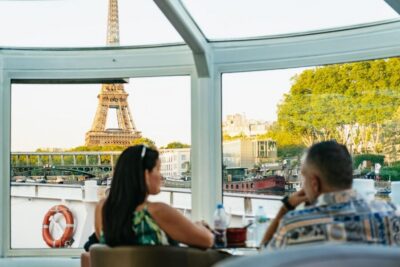 ★ 4.3Seine River Panoramic Views Dinner CruiseFrom $6410,611 reviews
 ★ 4.6Eiffel Tower Access by Elevator & Seine River CruiseFrom $797,329 reviews
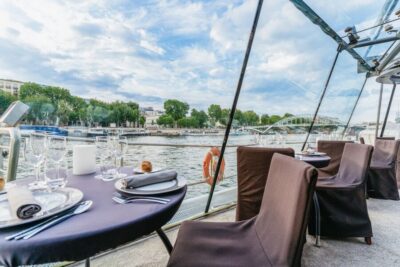 ★ 4.73-Course-Dinner Cruise on the Seine with live musicFrom $1357,248 reviews
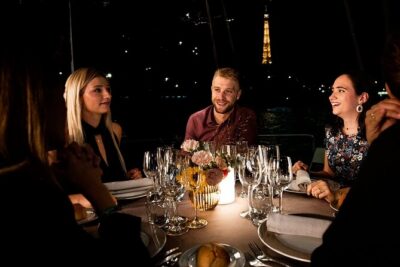 ★ 4.5Bateaux Parisiens Seine River Gourmet Dinner & Sightseeing CruiseFrom $1506,930 reviews
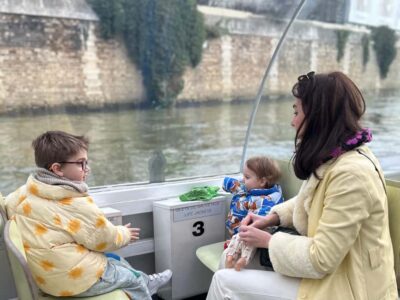 ★ 4.4Hop-On Hop-Off Seine Cruise Pass with 9 StopsFrom $275,645 reviews
 ★ 4.2Seine River Bistronomic Dinner CruiseFrom $695,272 reviews
Browse the lists this tour appears in