
Reviewed · PARIS
Welcome to Paris
Paris is at your feet fast.
This quick walking loop gives you a real sense of the city’s layout while you clock the big sights without getting lost. I especially like the way it mixes famous stops with street-level context, so the landmarks start to make sense.
Two things I really love: the professional guide (Guillaume is a standout example) with a knack for clear explanations, and the efficient route that takes you from the Tuileries Garden area to Notre-Dame in one go. You also benefit from a small group size, so questions feel normal, not rushed.
One thing to think about: you’ll stay outside the Louvre, and Notre-Dame viewing is limited because of the fire situation. If you want inside-the-museum time, this is not the right format on its own.
In This Review
- Key things to know before you go
- A 2.5-hour Paris walk that makes the map click
- Starting at 258 Rue Saint-Florentin: where the tour gets you moving
- Jardin des Tuileries: the calm start before the glamour
- Place Vendôme: luxury square, and why the geometry matters
- Opera / Bourse: the grand buildings behind the street life
- Louvre Museum from the outside: smart if you want impact fast
- Place Dauphine: Henri IV-era vibe without the crowds
- Notre-Dame de Paris: seeing it even when you can’t get close
- The guide factor: why Guillaume’s style works on a short route
- Price and value: what $325.11 buys you (and what it doesn’t)
- What to wear, bring, and plan so the walk feels easy
- Who should book this tour?
- When this might not be your best fit
- Should you book this Paris walking tour?
- FAQ
- How long is the Welcome to Paris walking tour?
- Where does the tour start?
- What’s included in the price?
- Are admission tickets included for all stops?
- What languages are offered?
- Does the tour run in bad weather?
Key things to know before you go
- Small group feel: maximum of 20 people, so you’re not stuck behind a wall of heads.
- Major sights, short stops: about 10–15 minutes each, built for time-pressed first timers.
- Louvre stays outside: you get the impact and positioning without needing to plan an in-museum visit.
- Notre-Dame is view-focused: you’ll see it, but you can’t get too close.
- All-weather planning: it runs in rain, so dress for it and bring sensible footwear.
- You’ll walk the center: no transportation included, so be ready for a steady pace.
A 2.5-hour Paris walk that makes the map click
If Paris feels like a maze, this kind of tour is gold. You start in the 1st arrondissement and walk a tight line through the postcard core: gardens, grand squares, opera-area architecture, then straight into the Louvre and Notre-Dame zone. It’s the fastest way I know to make sense of where everything sits relative to everything else.
The format is also practical. Each stop is short—think 10 to 15 minutes—so you get the key facts and visuals without eating your whole day. This is a smart pick if your schedule is tight, you’re jet-lagged, or you just want a confident orientation walk before you start roaming.
The other reason this works is the guide. You’re not just hearing names. You’re getting context and story. In the best moments, that context helps you look at a building and understand why it’s placed where it is, and what mattered at the time.
Still deciding? Here is how it stacks up against a few Paris favourites we have booked and reviewed.
- Paris: 1-Hour Seine Cruise departing from the Eiffel Tower
★ 4.4 · 77,472 reviews - Paris: Louvre Museum Timed-Entrance Ticket
★ 4.6 · 71,977 reviews - Disneyland® Paris 1-Day Ticket
★ 4.6 · 49,412 reviews - Paris: Versailles Palace and Gardens Full Access Ticket
★ 4.6 · 41,579 reviews
Starting at 258 Rue Saint-Florentin: where the tour gets you moving
The meeting point is at 258 Rue Saint-Florentin, 75001 Paris. That’s a very central starting area, and it puts you in position to reach both the Tuileries zone and the Louvre/Notre-Dame area without a long transit shuffle.
The tour runs about 2 hours 30 minutes, and it’s offered in English (with a guide who can also speak French and Spanish). You’ll want a moderate fitness level, and since the plan is walking-first, good shoes matter. Paris sidewalks are great—until you’re on them for 2+ hours.
Also note: the tour ends in a different location. That’s normal for a city-walk, but it means you should plan a loose end-game. Have your next stop in mind, or at least know what neighborhood you’ll be dropped into.
Jardin des Tuileries: the calm start before the glamour
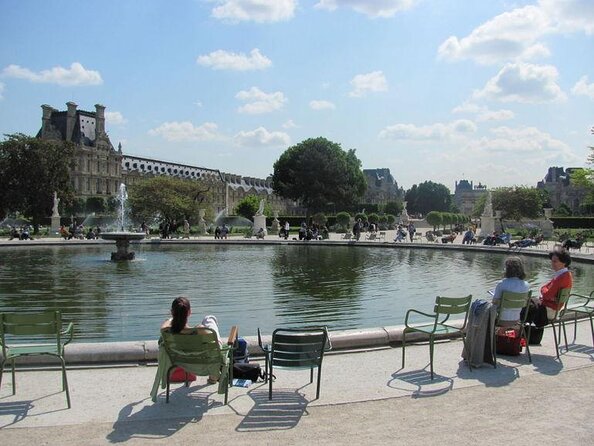
Stop one is Jardin des Tuileries. This is where Paris slows down just enough for your eyes to adjust. It’s a French-style garden with big formal lines, and it’s the kind of place where you can spot how the city plans “showpieces” in the middle of daily life.
You’ll only be there about 10 minutes, so think of it as a quick orientation moment: where the garden sits, how it frames views, and why it matters in the center-city layout.
Important detail: admission is not included for this stop. That doesn’t automatically mean you’ll be paying, but you should know the ticket situation ahead of time so you’re not surprised. If you’re the type who hates last-minute decisions, check what you’ll need before you arrive.
Place Vendôme: luxury square, and why the geometry matters
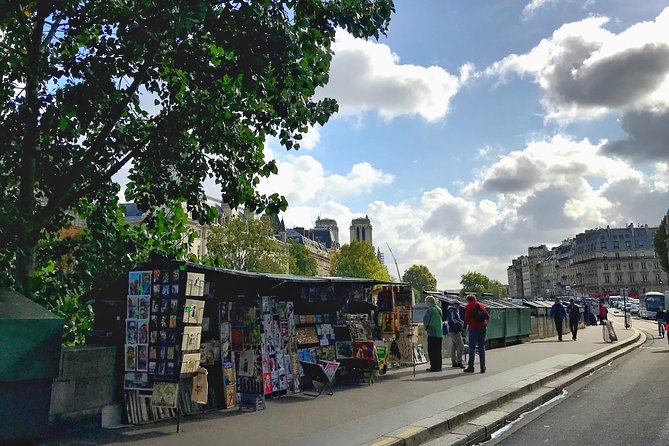
Next comes Place-Vendome, the luxury square of Paris. Even if you’re not shopping (and you might not be), it’s still a great stop because the design does a job. The square’s form shapes how you see the surrounding buildings, and it creates a clean visual “stage” for the city.
Again, you’re there about 10 minutes, which is enough to get your bearings and learn what to notice. This stop also works well because it’s a breather between heavier sights. It’s a place where you can look, take photos, and listen for the details that turn a pretty square into a real history-and-planning story.
Admission is listed as free here, so you won’t need to think about ticket logistics at this stop.
Opera / Bourse: the grand buildings behind the street life
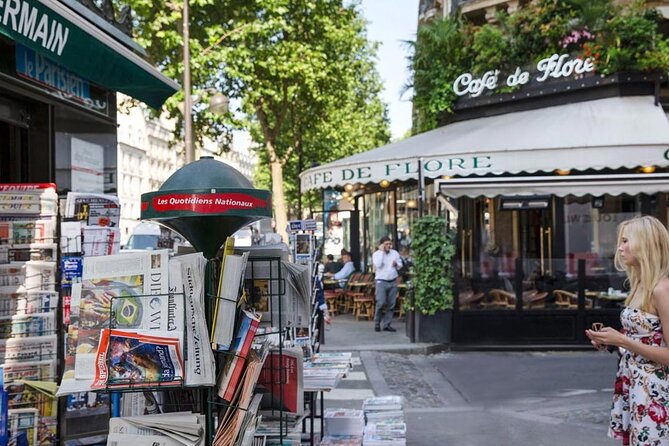
Then you’ll move to the Opera / Bourse area. Even in a short time, this part of Paris feels like it runs on culture and commerce. You’ll be able to connect the dots between how the city advertises itself—through architecture—and how people actually use the space around it.
This stop is only 10 minutes, so it’s not about lingering. It’s about learning what to look for. A good guide helps you see the “why” behind the façade and how this area became a magnet for major public life.
Entry is marked as free, so you’re mostly dealing with sightseeing and interpretation, not payment.
Louvre Museum from the outside: smart if you want impact fast
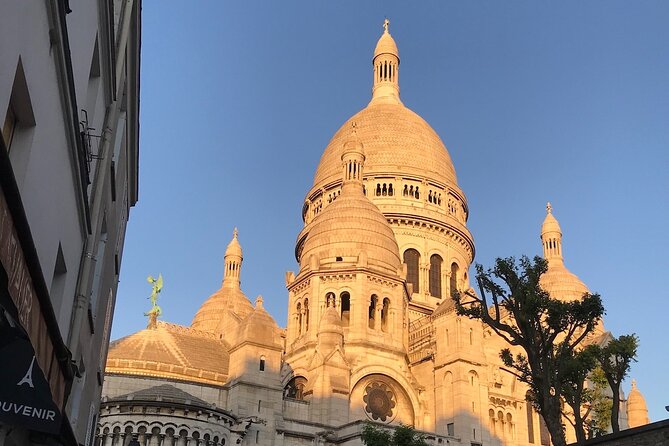
Stop four is Louvre Museum, but you’ll stay outside for about 15 minutes. For some people, that’s a dealbreaker. For others, it’s the perfect compromise.
Here’s how I’d think about it:
- If you’re short on time, the exterior stop still gives you the biggest visual references—where the museum sits, the scale, and how it anchors the whole area.
- If you love museums and want to go inside, you’ll need a separate plan anyway. Since admission isn’t included for this stop, you should treat it as an orientation and photo moment first, then decide later if you want to buy an entry ticket for a deeper visit.
This structure also helps with energy management. Louvre interiors can swallow hours. Staying outside keeps the tour moving and keeps it in line with the “time-pressed” promise.




Place Dauphine: Henri IV-era vibe without the crowds
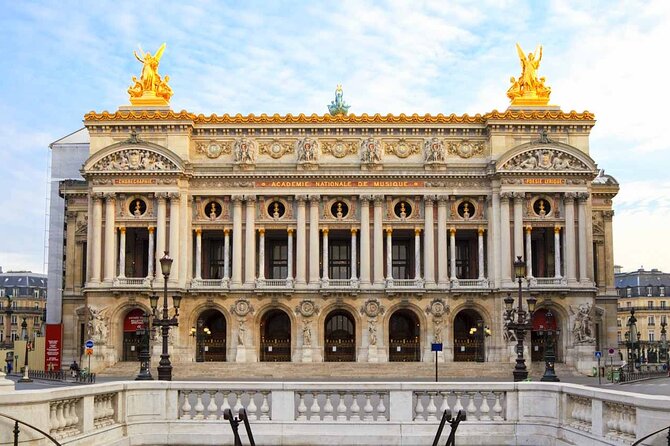
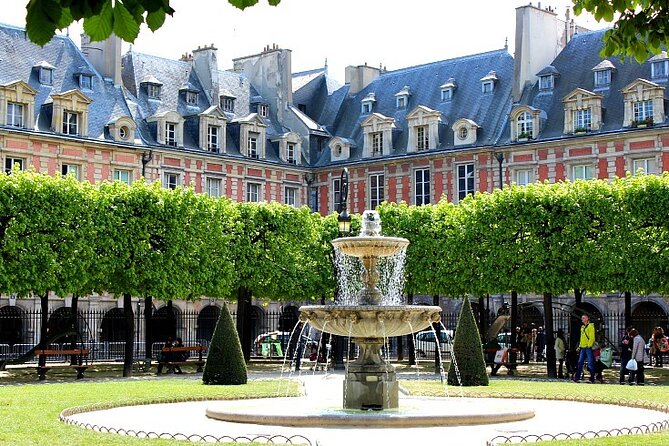
Next is Place Dauphine, a perfect example of a French square from the time of Henri IV. This stop is a great reminder that not all Paris highlights are one-size-fits-all monuments. Squares like this are where you see how power, planning, and everyday life can share the same stage.
You’ll be there about 10 minutes. That’s enough to absorb the look and learn what makes this particular square feel distinct compared to others you may pass later on your own.
Admission is free, so you can enjoy the space without ticket thinking.
Notre-Dame de Paris: seeing it even when you can’t get close
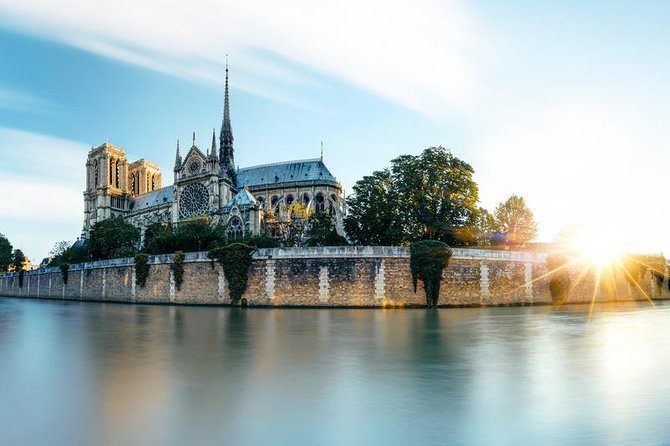
Finally, you’ll reach Cathedrale Notre-Dame de Paris. The tour notes that due to the fire situation, you can’t get too close, but you can still see it. That’s a key detail. If your dream is a close-up stroll around the cathedral, you may have to adjust your expectations and plan another visit at a later date if access changes.
Still, even from a distance, Notre-Dame is one of those buildings that instantly gives you scale and drama. The guide time matters here. When someone explains what you’re looking at, you’re not just snapping a photo—you’re actually reading the building.
This stop is 10 minutes, free to view, and it brings the walk to a memorable end point for first timers who want a clear “I saw it” moment.
The guide factor: why Guillaume’s style works on a short route
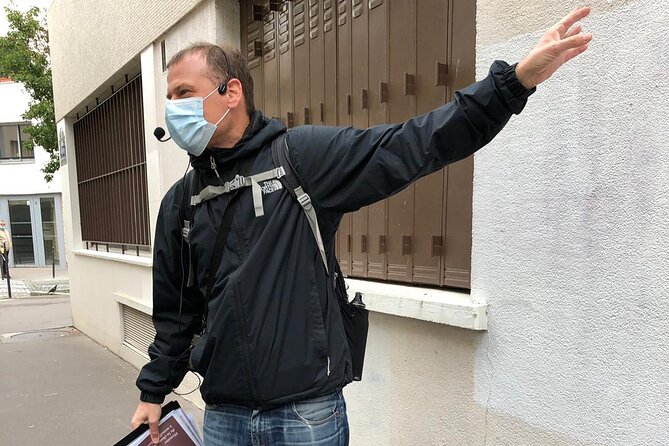
One of the most praised parts of this experience is the guide. People mention Guillaume specifically as insightful, passionate, and able to explain both big-picture themes and small details in a way that sticks. That’s exactly what you want on a 2.5-hour walk.
A guide like this does two helpful things:
- Turns landmarks into understanding. You learn what to look for, not just what something is called.
- Keeps the pace friendly. Short stops can feel rushed, but a good guide times the conversation so you’re not falling behind or waiting on the group.
You’ll also like the multi-lingual nature if your group has mixed language needs. The tour is offered in English, but the guide can also speak French and Spanish.
And with a maximum of 20 people, you’re not fighting for attention at each corner.
Price and value: what $325.11 buys you (and what it doesn’t)
At $325.11 per person for about 2 hours 30 minutes, you’re paying for a guided, curated walking experience with a professional guide (10 years of guiding experience). That cost isn’t “just for the walking.” It’s for the interpretation, the route planning, and the time saved.
You should also read the fine print on what’s not included:
- Drinks and food aren’t included.
- Transportation to/from attractions isn’t included.
- Admission tickets aren’t included for Jardin des Tuileries and the Louvre Museum (notably, the Louvre is outside).
So the value calculation depends on what you want from the day:
- If you want an orientation walk plus context, the price can feel fair because the guide does the heavy lifting.
- If you want multiple paid entrances and a long museum visit, you’ll likely spend extra anyway, and you might do better with a different format.
What to wear, bring, and plan so the walk feels easy
This is an all-weather tour, so dress appropriately. That means you should be ready for wind, rain, or sudden changes. Wear shoes that handle cobblestones and long sidewalk stretches without complaint.
You’ll also want to manage time expectations. Each stop is short on purpose. The goal is to help you see and understand quickly, not to linger like you’re on a slow stroll.
A couple more practical notes from the experience details:
- Mobile ticket: you’ll want your phone charged and easy to access.
- Moderate physical fitness: plan for continuous walking and frequent standing.
- Kids must be with an adult: if you’re traveling with children, keep the pace in mind.
Who should book this tour?
This one is a strong match if:
- you’re in Paris for the first time and want fast orientation
- you’re short on time and want the central sights in one route
- you learn better with a guide who explains what you’re seeing as you go
It’s also useful if you want a guided foundation before you start planning your own self-guided day. Once you understand where the Tuileries, Louvre, and Notre-Dame zone sit relative to each other, your later wandering gets easier.
When this might not be your best fit
Consider another option if:
- you specifically want inside-the-Louvre time as part of your tour
- you need a close-up Notre-Dame visit right now (the tour notes limited access because of the fire situation)
- you don’t like walking for 2+ hours, even if stops are short
Outside viewing can still be excellent—but it’s not the same as full museum or cathedral entry.
Should you book this Paris walking tour?
If you’re trying to make the most of a tight Paris schedule, I think this is a smart buy. The route hits the big anchor points—Tuileries, Place Vendôme, the Opera/Bourse area, Louvre exterior, Place Dauphine, and Notre-Dame—without turning your day into a transport marathon.
I’d book it if you want to get your bearings fast and leave with a clearer mental map and better-looking photos (because you’ll know what to frame and why). The guide quality is the real prize here, and the small group size helps a lot.
If your top priority is museum time inside the Louvre, or if you must get very close to Notre-Dame, then treat this as an orientation tour rather than the full-ticket sightseeing day.
FAQ
How long is the Welcome to Paris walking tour?
It lasts about 2 hours 30 minutes.
Where does the tour start?
The meeting point is 258 Rue Saint-Florentin, 75001 Paris, France.
What’s included in the price?
You get a private walking tour with a professional Parisian guide (10 years of experience). Drinks, food, and transportation are not included.
Are admission tickets included for all stops?
No. Jardin des Tuileries and the Louvre Museum have admission tickets not included. Place-Vendôme, Opera/Bourse, Place Dauphine, and Notre-Dame de Paris are listed as free.
What languages are offered?
The tour is offered in English, and the guide is multi-lingual (French, English, Spanish).
Does the tour run in bad weather?
Yes. It operates in all weather conditions, so you should dress appropriately.
More Tour Reviews in Paris
- Paris: 1-Hour Seine Cruise departing from the Eiffel Tower
★ 4.4 · 77,472 reviews - Paris: Louvre Museum Timed-Entrance Ticket
★ 4.6 · 71,977 reviews - Disneyland® Paris 1-Day Ticket
★ 4.6 · 49,412 reviews - Paris: Versailles Palace and Gardens Full Access Ticket
★ 4.6 · 41,579 reviews - Paris: Arc de Triomphe Rooftop Tickets
★ 4.6 · 34,264 reviews
Fresh off the review desk in Paris
- Secrets of Paris Bike Tour in English or Dutch★ 5.0 · 5 reviews
- Paris: Mont Saint-Michel Day Tour with Chinese Tour Guide★ 5.0 · 5 reviews
- Private Street Art 2-Hour Guided Tour in Paris★ 4.5 · 5 reviews
- Orsay Museum Tour: 2h Highlights (Private & Small Group)★ 5.0 · 5 reviews
- Discover Paris in electric golf carts★ 4.0 · 5 reviews
- Paris Private Boat Tour with your own Captain Guide★ 5.0 · 5 reviews