
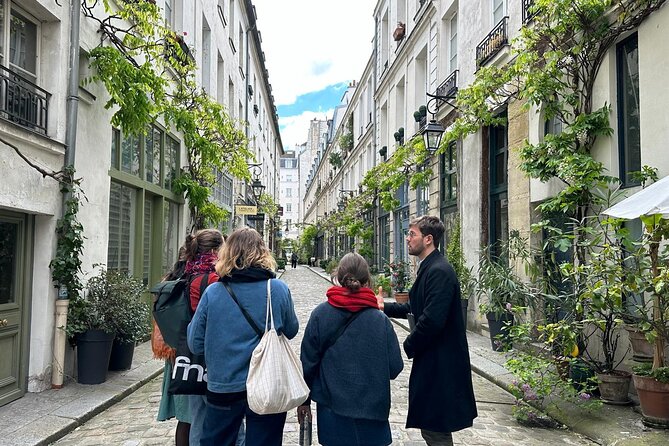
Reviewed · TOURS
French Revolution Tour. Relive the 14th July 1789
A French Revolution story starts on a street corner. This 1 hour 30 minute walk guides you through key locations tied to 14 July 1789, with an English-speaking local history professor who can answer your questions as you go. I especially like the small-group feel (max 15) and the way the route uses real neighborhood streets, not just big-name photos. One thing to consider: it ends at Place de la Bastille, so you’ll want a plan for where you go next on foot or by metro.
If you’re the type who likes your history connected to the city around it, this format works well. You’ll cover three distinct stops, moving from the neighborhood framing the revolution to the square tied to the storming of the Bastille. It’s not a long day tour, so come with curiosity and questions, not a need to linger at every wall and doorway.
In This Review
- Key highlights before you go
- Rue du Faubourg Saint-Antoine: the revolution’s opening scene
- Sainte-Marguerite church and the streets behind the constitution
- Place de la Bastille: closing the loop on 14 July 1789
- The 1h30 format: how to make it feel like more
- Price and value: what $42.14 buys you in Paris time
- Where you meet and how the ending helps your metro plan
- Who this tour fits best
- Should you book the French Revolution Tour?
- FAQ
- How long is the French Revolution Tour?
- How much does it cost?
- What language is the tour offered in?
- Where do I start the tour?
- Where does the tour end?
- Is the tour ticket mobile?
- Is there an admission fee for the stops?
- What are the cancellation rules?
- Is the tour group small?
Key highlights before you go
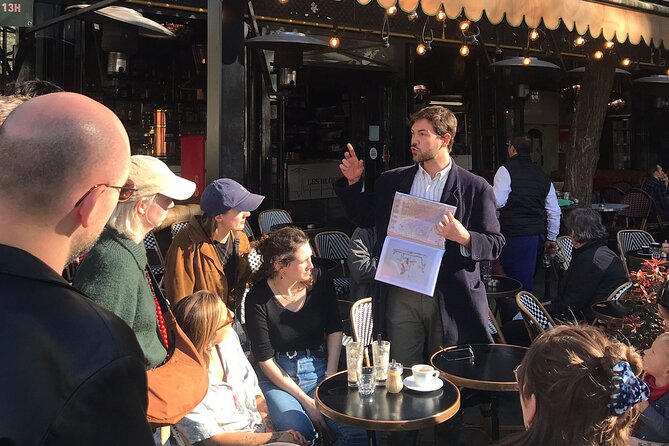
- Small group size (max 15) means more time to ask questions and get clear answers
- Rue du Faubourg Saint-Antoine as the starting point sets the timeline toward Bastille Day
- Sainte-Marguerite stop focuses on the church and the little streets tied to revolutionary deputies and a new constitution
- Place de la Bastille ending brings you right to the Column of July area and easy metro access
- Mobile ticket in English keeps things simple once you’re on site
Rue du Faubourg Saint-Antoine: the revolution’s opening scene

The tour begins at 186 Rue du Faubourg Saint-Antoine. That matters, because this walk doesn’t start with a grand monument and work backward. It starts with a neighborhood link to the story, the Faubourg Saint-Antoine and the Bastille, and then builds the case step by step toward Bastille Day.
You’ll spend about 30 minutes here, with the focus on why this part of Paris is treated as the starting point of the French Revolution until 14 July 1789. The practical payoff is that you get context fast. Even if your knowledge is basic, the route is designed to help you follow a timeline without feeling lost in lectures.
What I like about this opening stop is the way it trains your eye for street-level history. You’re not only looking at a view; you’re learning how streets and local geography can become part of a bigger turning point. And because the group stays small, you can ask questions the moment something clicks or doesn’t.
One small consideration: if you expect a long sit-down briefing, this isn’t that kind of tour. The style is walking with short segments. You’ll want to pay attention early, since the story arc is set from the start.
Still deciding? Here is how it stacks up against a few Paris favourites we have booked and reviewed.
- Paris: 1-Hour Seine Cruise departing from the Eiffel Tower
★ 4.4 · 77,472 reviews - Paris: Louvre Museum Timed-Entrance Ticket
★ 4.6 · 71,977 reviews - Disneyland® Paris 1-Day Ticket
★ 4.6 · 49,412 reviews - Paris: Versailles Palace and Gardens Full Access Ticket
★ 4.6 · 41,579 reviews
Sainte-Marguerite church and the streets behind the constitution
Next comes Sainte-Marguerite, another 30-minute chapter. Here, the emphasis shifts to the church and the little streets where revolutionary deputies are connected to drafting the new French constitution.
This stop is valuable because it adds a different angle than the more famous barricade-and-storming stories. You’re still in the revolution, but you’re seeing it through the lens of planning and writing, not just conflict. If you like learning how major political change involves paperwork, debate, and big decisions made by real people, you’ll likely find this pause especially satisfying.
I also like that this segment stays grounded. The description points you toward a church and nearby lanes, which naturally encourages slow looking: the kind of attention you can’t do if you’re just rushing between landmarks.
A possible drawback: the “little streets” approach can feel tight if you’re hoping for wide-open sight lines or lots of space to stop and photo. You’ll likely be moving at a walk-friendly pace, so wear shoes you’re comfortable in for city sidewalks and slight turns.
Place de la Bastille: closing the loop on 14 July 1789
The final stop is Place de la Bastille, again about 30 minutes. This is where the walk ties everything together by following the passages and narrow streets from the 18th century toward the story of the revolutionaries and the storming of the Bastille.
Why end here? Because it gives your brain a clean finish line. You can trace how the tour’s earlier ideas flow into the climax tied to 14 July 1789. The ending also has a practical bonus: you finish in front of the Column of July in Bastille square, where Metro lines 1, 5, and 8 are easy to reach.
So after the walk, you’re not stuck. You can pivot quickly to lunch, a museum, or a next neighborhood plan. I’d treat the ending as a launch pad, not a dead end.
One thing to keep in mind: the ending is a busy central square area compared to side streets. If you’re sensitive to crowd noise, time your metro ride right after the tour and avoid lingering too long at peak congestion.
The 1h30 format: how to make it feel like more
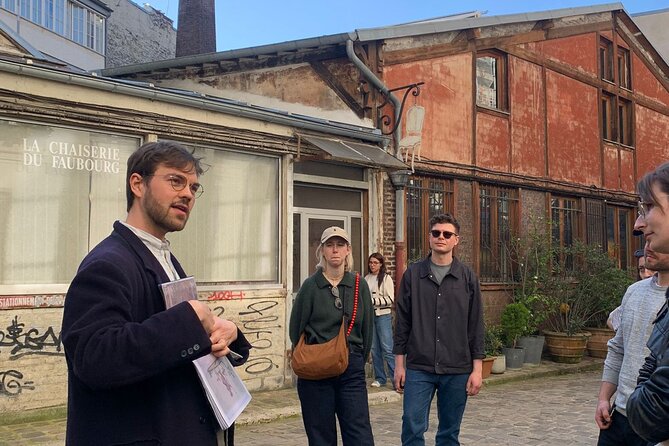
At about 1 hour 30 minutes, this tour is built for people who want a strong story arc without eating an entire morning or afternoon. The math is straightforward: three main stops, each about 30 minutes, with walking between them.
That structure is a plus because you don’t have to guess how long you’ll spend at each location. It also helps if you have other plans in Paris. You can fit this into a day of museums, parks, or long café breaks without the stress of a half-day commitment.
Here’s how I’d get the most out of the time:
- Come with 2 or 3 questions ready. The tour format is fast, so you’ll get more value if your questions are clear.
- Pay attention to the transitions between stops. The story is designed like a timeline, and the “why” is often in the shift.
- Take short notes. Even a few bullet points help you remember what connects the neighborhoods to the larger event.
Also, the tour runs with a maximum of 15 travelers. That’s a real factor in how conversations work. In smaller groups, you’re less likely to get lost, and your questions have a better chance of being answered directly.
Price and value: what $42.14 buys you in Paris time
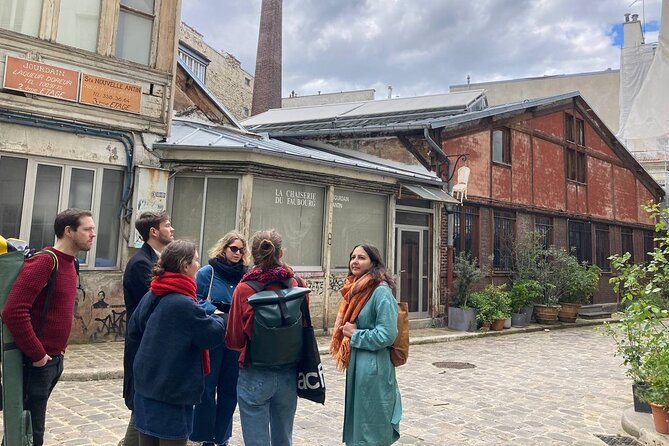
The price is $42.14 per person for about 1 hour 30 minutes. On paper, it’s not “cheap.” But value in Paris usually comes down to a few things: guide quality, group size, and whether the route helps you see more than you could alone.
This tour’s value case is strong because:
- You get guided context tied to 14 July 1789 across three specific locations
- It’s in English, so you can actually follow the nuance without guessing
- You’re in a small group (max 15), which tends to improve the quality of Q&A
- You receive a mobile ticket, so you’re not dealing with printouts or scanning hassles
There’s also a scheduling signal: it’s booked an average of 274 days in advance. That’s not a guarantee you’ll have trouble, but it’s a hint that popular dates sell out early. If your trip has fixed days, book sooner rather than later.
One more practical detail: each stop indicates admission ticket free, so you’re mainly paying for the guided experience and the walking route. That makes it easier to say yes without worrying about extra museum or site fees popping up mid-tour.
Where you meet and how the ending helps your metro plan
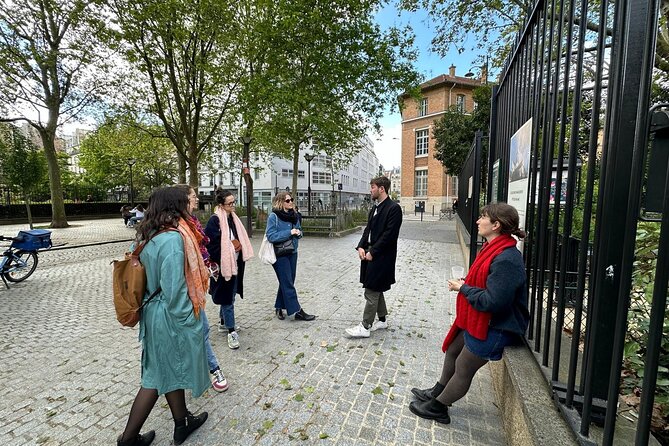
You’ll meet at 186 Rue du Faubourg Saint-Antoine, 75012 Paris. The tour ends at Place de la Bastille, right by the Column of July in the square.
For logistics, the best part is what happens at the end. The description says the Bastille square stations—Line 1, 5, and 8—are easy to access. That’s huge for a short tour, because you can move quickly after you finish. Paris has good transit, but not every landmark ends in a place with multiple metro options. This one does.
My practical tip: plan your next stop before you start. With only 1 hour 30 minutes, you don’t want to waste the final minutes figuring out which way you’ll go for lunch.




Who this tour fits best
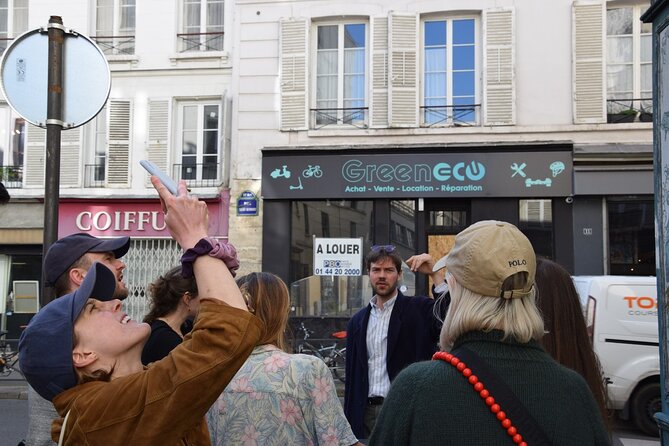
This is an excellent choice for:
- History buffs who want a focused story tied to real streets and places
- People who like asking questions and getting straight answers during the walk
- Visitors who want a small-group experience rather than a large bus-style tour
It’s also a smart pick if you like the idea of connecting major events to daily urban space. The route is designed to help you see how a neighborhood becomes part of a turning point, then how streets and lanes connect to the bigger climax in Bastille square.
If you’re bringing kids, this is more manageable than long walking marathons, since the tour keeps moving in set chunks. That said, it may still require attention and some walking comfort because the stops include “little streets” and narrow passages.
From the tone of the experience, it sounds like the guide approach includes conversation. One detail that stood out in the feedback is that the professor guide was able to answer questions and connect the spirit of the past to modern France. That’s the kind of explanation that makes history feel less like memorizing dates and more like understanding a thread.
Should you book the French Revolution Tour?
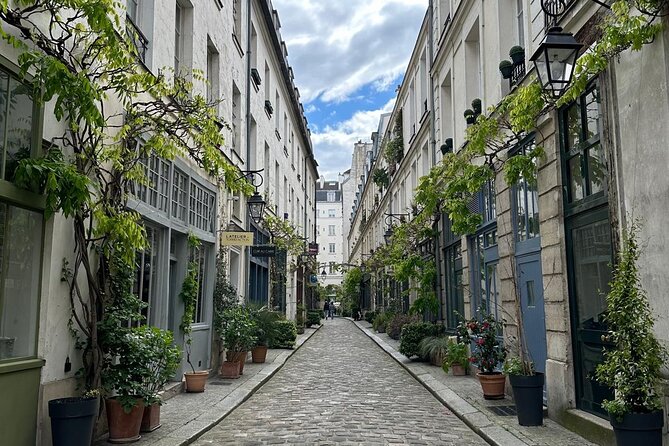
Yes—if you want a tight, story-driven introduction to 14 July 1789 that doesn’t sprawl across half a day. The combination of three focused stops, a small group cap, and English guidance makes it a good value for the time.
Book it if:
- You’re a history-minded visitor who likes walking-based learning
- You want a practical end point with easy metro connections at Bastille square
- You prefer small-group Q&A over listening from a distance
Skip it if:
- You need lots of free time at each site for extended lingering
- You hate city walking on narrow lanes and changing street corners
If your goal is to understand the French Revolution through the streets that connect the story, this is a solid pick.
FAQ
How long is the French Revolution Tour?
The tour lasts about 1 hour 30 minutes.
How much does it cost?
The price is $42.14 per person.
What language is the tour offered in?
The tour is offered in English.
Where do I start the tour?
The meeting point is 186 Rue du Faubourg Saint-Antoine, 75012 Paris, France.
Where does the tour end?
The tour ends at Place de la Bastille, in front of the Column of July.
Is the tour ticket mobile?
Yes, you’ll get a mobile ticket.
Is there an admission fee for the stops?
The provided details for the stops list admission ticket free.
What are the cancellation rules?
You can cancel for a full refund up to 24 hours in advance of the experience start time.
Is the tour group small?
Yes, it has a maximum of 15 travelers.
More Tours in Paris
- Paris: Louvre Guided Tour with Reserved Access & Boat Cruise
★ 4.3 · 16,353 reviews - Paris: Big Bus Hop-On Hop-Off Tour with Optional Cruise
★ 4.4 · 13,279 reviews - Louvre Museum Masterpieces Guided Tour with Access
★ 4.5 · 12,023 reviews - Versailles: Skip-the-Line Tour of Palace and Gardens Access
★ 4.7 · 10,429 reviews - Paris: Louvre Overview, Exploration tour and Reserved Entry
★ 4.1 · 10,145 reviews
More Tour Reviews in Paris
- Paris: 1-Hour Seine Cruise departing from the Eiffel Tower
★ 4.4 · 77,472 reviews - Paris: Louvre Museum Timed-Entrance Ticket
★ 4.6 · 71,977 reviews - Disneyland® Paris 1-Day Ticket
★ 4.6 · 49,412 reviews - Paris: Versailles Palace and Gardens Full Access Ticket
★ 4.6 · 41,579 reviews - Paris: Arc de Triomphe Rooftop Tickets
★ 4.6 · 34,264 reviews
Fresh off the review desk in Paris
- Secrets of Paris Bike Tour in English or Dutch★ 5.0 · 5 reviews
- Paris: Mont Saint-Michel Day Tour with Chinese Tour Guide★ 5.0 · 5 reviews
- Private Street Art 2-Hour Guided Tour in Paris★ 4.5 · 5 reviews
- Orsay Museum Tour: 2h Highlights (Private & Small Group)★ 5.0 · 5 reviews
- Discover Paris in electric golf carts★ 4.0 · 5 reviews
- Paris Private Boat Tour with your own Captain Guide★ 5.0 · 5 reviews
Tours, compared.
 ★ 4.3Louvre Guided Tour with Reserved Access & Boat CruiseFrom $8116,353 reviews
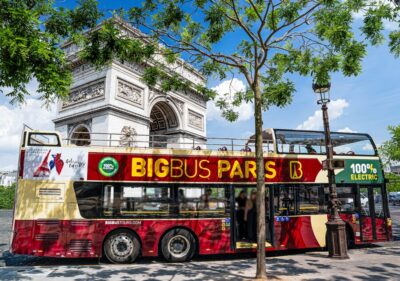 ★ 4.4Big Bus Hop-On Hop-Off Tour with Optional CruiseFrom $4313,279 reviews
 ★ 4.5Louvre Museum Masterpieces Guided Tour with AccessFrom $8612,023 reviews
 ★ 4.7Versailles: Skip-the-Line Tour of Palace and Gardens AccessFrom $7610,429 reviews
 ★ 4.1Louvre Overview, Exploration tour and Reserved EntryFrom $6010,145 reviews
 ★ 4.6Mona Lisa & Louvre Masterpieces Tour with Reserved AccessFrom $806,812 reviews
 ★ 4.0Paris Big Bus Hop-On Hop-Off Tour with Optional River CruiseFrom $466,534 reviews
 ★ 5.0Louvre Museum – Exclusive Guided Tour (Entry Included)From $1816,296 reviews