
Reviewed · LOUVRE MUSEUM TOURS
From Louvre to Street Art – original museum guided tour (skip the line!)
Art history meets street-level creativity at the Louvre. This private tour uses iconic paintings to show how today’s artists remix the past. You’ll move through the museum with a guide who keeps the conversation modern without losing the original meaning.
Two things I really like: first, the skip-the-line admission included in the price saves you from that early chaos. Second, the tour’s concept works for mixed groups, including teenagers, because it gives familiar landmarks a new frame of reference.
One thing to consider: the Louvre is big, and this visit is about a focused route rather than trying to cover everything. If your goal is to see dozens of masterpieces on your own, you may feel slightly constrained by the street-art theme and the time limit.
In This Review
- Key highlights worth knowing
- Why this Louvre tour uses street art to teach you how to look
- Getting in fast: Cour Napoléon, skip-the-line, and a smooth start
- Touring with Kasia: how the guide keeps the art-to-today link clear
- Inside the Louvre: what you’ll see and how the street-art pairing works
- A 2.5-hour private plan that avoids museum fatigue
- Who this tour fits best (and who might want something else)
- Value check: is $297.03 per person a smart buy?
- Practical tips so you get the most from the tour
- Should you book From Louvre to Street Art?
- FAQ
- How long is the Louvre to Street Art guided tour?
- What is the meeting point for the tour?
- Is skip-the-line admission included?
- Is this a private tour?
- How much does it cost?
- Will I receive a ticket on my phone?
- When will I get confirmation after booking?
- Where is the meeting point in relation to transit?
- Can most people participate?
- Is the booking refundable if I need to cancel?
Key highlights worth knowing
- Private group experience where the route can match your pace, not a crowded bus plan
- Skip-the-line ticket included so you spend more time looking, less time waiting
- Kasia’s street-art storytelling that ties famous works to modern creators
- Teen-friendly angle that makes classic art feel relevant instead of distant
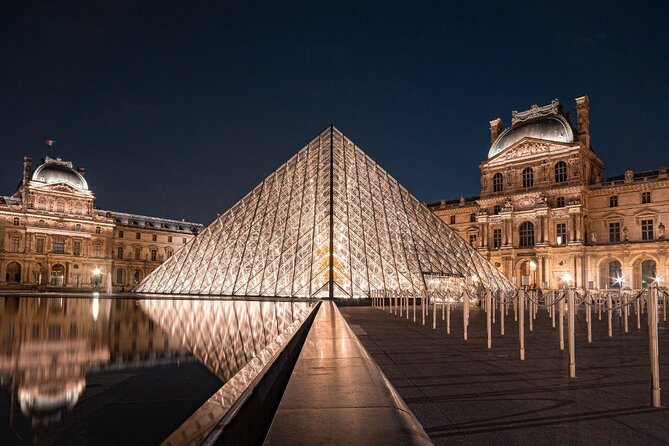
- Cour Napoléon meeting point with an easy start and a clear return to the same spot
Why this Louvre tour uses street art to teach you how to look
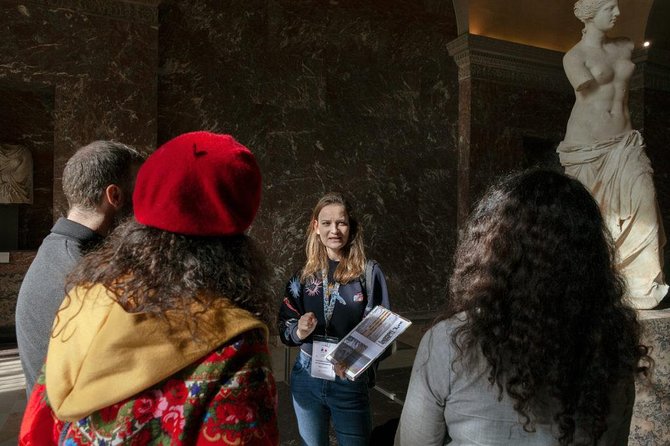
The best part of this experience is the lens. Instead of treating the Louvre like a quiet temple where everything is untouchable, you’re encouraged to think about how art travels through time. The guide keeps a simple idea in play: artists borrow from what came before, even when the results look totally different.
You’ll start with famous works like the Mona Lisa and La Grande Odalisque, then follow how those images show up again in contemporary street-art interpretations. That shift matters. It turns “Do I get it?” into “What did the artist choose, and why does that message land today?”
I also like how the approach respects different tastes in the same group. Families and friend groups often split into art lovers and people who just want to see the big names. Here, both sides get something. Classic works give structure, and street art gives permission to react more personally.
And yes, the tour stays fun. Not dumb-fun. More like, you’ll catch yourself paying attention because the guide connects the old image to the modern one using clear stories.
Still chasing the Mona Lisa? More Louvre visits
- Paris: Louvre Museum Timed-Entrance Ticket
★ 4.6 · 71,977 reviews - Paris: Louvre Guided Tour with Reserved Access & Boat Cruise
★ 4.3 · 16,353 reviews - Louvre Museum Masterpieces Guided Tour with Access
★ 4.5 · 12,023 reviews - Paris: Louvre Overview, Exploration tour and Reserved Entry
★ 4.1 · 10,145 reviews
Getting in fast: Cour Napoléon, skip-the-line, and a smooth start
Your tour begins at Cour Napoléon and the Pyramide du Louvre area, at Louis XIV sous les traits de Marcus Curtius (copie). That matters because it puts you at the heart of the visitor flow. You’re not hunting for a meeting point across multiple entrances while your group does the “Are we late?” dance.
The ticket is built in, and it’s a skip-the-line admission. In practice, that translates to fewer minutes stuck in queues and more minutes inside where the real value is. This is especially important at the Louvre, because delays there can snowball into a rushed tour later.
You’ll also get a mobile ticket, which is one less thing to manage while you’re navigating your day. The tour’s confirmation is handled after booking, with a confirmation message typically received within 48 hours (as long as spots are available).
One more detail I appreciate: the tour ends back at the meeting point. That keeps your logistics simple. You don’t need a second plan to get everyone moving in different directions right at the end.
Touring with Kasia: how the guide keeps the art-to-today link clear
The experience is private, so you’re not getting the “everyone look here” treatment. You get a guide who can adjust pacing and explanations to your group. In the feedback, Kasia comes up again and again for her ability to blend historic art with street-art references in a way that feels natural.
A big compliment in the comments is that Kasia connects history to today’s artists, not just by mentioning street art, but by explaining why certain themes keep coming back. That’s the difference between a gimmick and a real learning moment. You’re not just seeing that street artists reference the Louvre. You’re learning what gets carried forward: ideas about beauty, power, identity, and storytelling.
Another practical win: Kasia is described as someone who navigated people through the museum effectively. That matters because the Louvre can feel like a maze if you’re trying to be “self-guided” and also keep an eye on the group.
And for families and groups with teenagers, that style is gold. The street-art angle gives younger visitors a reason to stay engaged, but the guide still respects the art itself. You’re not skipping the classics; you’re translating them.
Inside the Louvre: what you’ll see and how the street-art pairing works
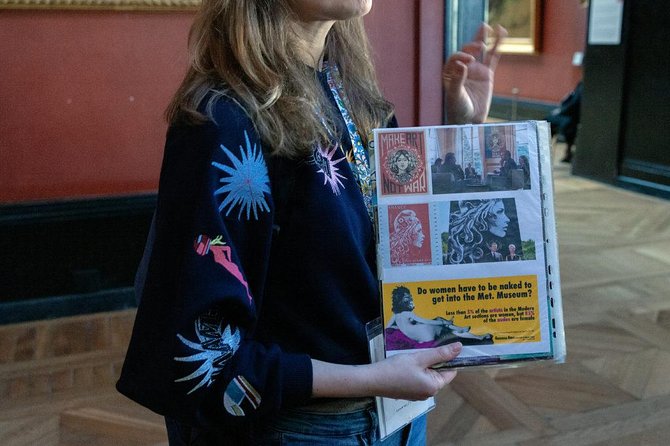
This tour focuses on one main stop: the Louvre Museum. Within that time, the guide brings you through key highlights—especially famous paintings that are recognizable even if you’ve never studied art history.
The core pairing concept is straightforward:
- You stop at an iconic work.
- Then you see how the same visual ideas show up in street-art interpretations from around the world.
- You discuss the connection, so it clicks rather than just feeling random.
For example, the Mona Lisa is one of the expected anchor points. Seeing it in the Louvre already feels like standing near a global icon. The street-art connection changes the experience from passive looking to active noticing. You start thinking about repetition, remix culture, and why an image becomes a symbol people feel free to reinterpret.
La Grande Odalisque is another name that comes up in the tour description. That’s a work that already carries strong visual storytelling. When it gets tied to contemporary interpretations, it encourages you to look at style choices—pose, framing, and how artists communicate mood.
The guide also covers other iconic paintings beyond those two mentioned highlights. Even when the subject shifts, the same method stays in place: the museum work is the starting point, and street art is the commentary on it.
One important consideration: this isn’t a free-for-all tour where you wander wherever your curiosity pulls you. The route is designed to support the street-art theme in a limited time window. If you’re the type who likes to linger forever at one canvas, plan for the fact that you’ll move on. But if you like momentum and clear takeaways, the pacing can feel very satisfying.
A 2.5-hour private plan that avoids museum fatigue
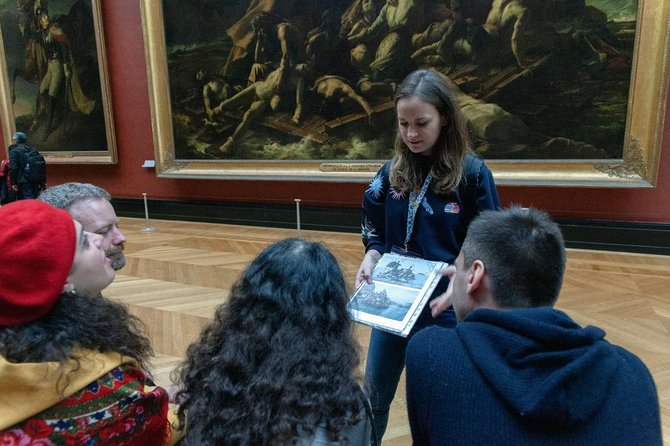
The tour runs about 2 hours 30 minutes. That’s a sweet spot at the Louvre for a structured experience. It’s long enough to have real conversations and see major works, but short enough that you can still enjoy the rest of your day afterward.
The time estimate also affects your expectations. You should think of it as a curated focus on key highlights through a specific modern lens, not as a full museum survey. The benefit is that you don’t waste time trying to figure out what matters. The guide does that work by selecting pairings that help you understand the art-to-today connection.
In real terms, this kind of tour works well when you have limited vacation time. It also helps if your group doesn’t all want the same pace. Private format means no one is forced to keep up with the fastest walker or the slowest reader.
And because it’s private, you can ask questions. You’ll get answers that connect to the street-art angle, which makes those questions feel useful rather than like you’re interviewing your guide with random curiosities.
Who this tour fits best (and who might want something else)
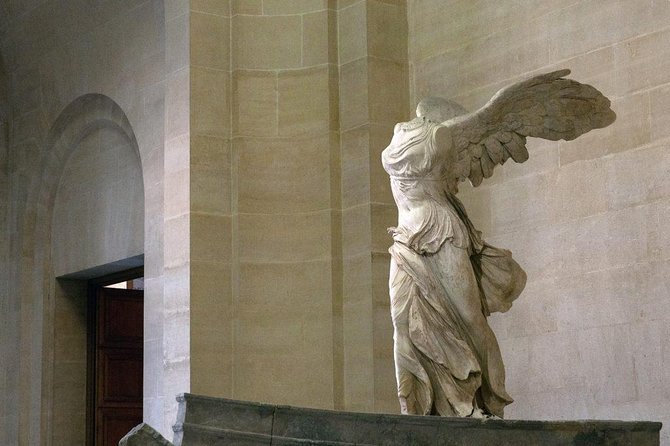
This tour is designed for families and friend groups where people might disagree on what makes something art. That’s a rare strength. Some art tours are either too academic or too trendy. This one aims for the middle: you still learn and you still look closely, but the street-art framing keeps it relatable.
If you have teenagers, this is one of the better ways to keep attention without insulting anyone’s intelligence. The combination of well-known Louvre names and modern visual language can make art feel less like school and more like culture.
It also works for people who love street art but haven’t spent time with museum masterpieces. You’ll get a guided route through the Louvre highlights, but with a reason to keep connecting the dots.
If you’re only interested in seeing the widest range of art possible, you might be happier with a general Louvre visit or a longer guided plan. This one is focused. The theme is the product.
Worth weighing up next to this Paris pick



Value check: is $297.03 per person a smart buy?
At $297.03 per person, this isn’t a budget activity. But value isn’t just the sticker price. Here, you’re paying for three things that are hard to replicate on your own:
- Private time with your own guide
You’re not competing with other groups to ask questions or to take a pause.
- Skip-the-line admission included
At a museum like the Louvre, time is money and sanity. If the skip-the-line element lets you start smoothly, that alone can justify the cost.
- A focused interpretive framework
The street-art pairing turns famous paintings into something you can talk about. That’s where the learning happens, and it’s hard to recreate just by wandering.
Also, there’s a practical upside: it’s easy to plan because it runs about 2.5 hours, with a clear meeting point and a return to the same spot. That helps you avoid the expense of “extra planning time” later, like buying additional tickets, regrouping, or losing the day to confusion.
If your group includes even one person who usually tunes out on art history, this theme can be a real win. I’d treat that as part of the value math. Keeping everyone engaged can make the whole trip feel more worth it.
Practical tips so you get the most from the tour
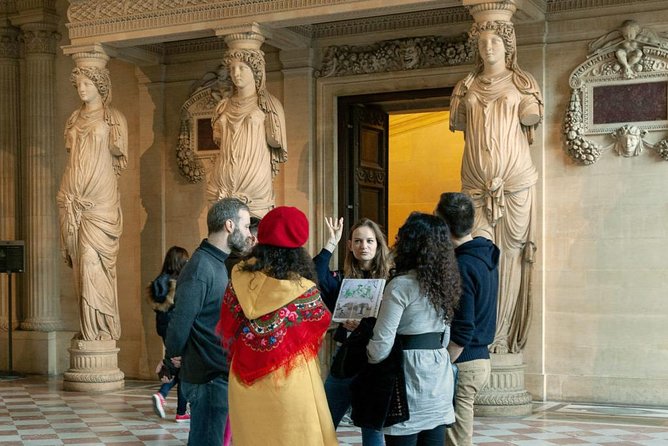
A few things will help you enjoy this experience even more:
- Wear comfortable shoes. The Louvre involves walking, and you’ll want your feet to be happy.
- Keep expectations focused. The tour is about highlights and modern connections, not museum completion.
- Bring curiosity. When you hear a comparison between a Louvre work and a street-art interpretation, ask yourself what message changed and what stayed the same.
- If your group includes teens, ask the guide to explain the link in plain language. Kasia’s style is already described as easy to follow, and the street-art angle naturally supports it.
Also, don’t underestimate the benefit of a guided route. Even if you’ve been to the Louvre before, a structured plan can help you see things in a new order and with new meaning.
Should you book From Louvre to Street Art?
If you want the Louvre experience but you don’t want it to feel like a checklist, I think this is a strong choice. The street-art concept is more than decoration. It gives you a way to connect with famous paintings through themes that still matter today.
Book it if:
- Your group includes different ages or different art preferences.
- You want skip-the-line entry without extra hassle.
- You like the idea of seeing classics through a modern cultural lens.
- You value a guide who can translate history to the present in a way that actually lands, like Kasia is praised for doing.
Skip it if:
- You want maximum coverage of the entire museum in one go.
- You’d rather wander freely without a theme guiding where you go.
Bottom line: this tour is a focused, private way to make the Louvre feel current. If you enjoy art that talks to other art, you’ll have a lot to think about long after you leave the gallery.
FAQ
How long is the Louvre to Street Art guided tour?
It lasts about 2 hours 30 minutes (approx.).
What is the meeting point for the tour?
The start is at Louis XIV sous les traits de Marcus Curtius (copie), Cour Napoléon et Pyramide du Louvre, 75001 Paris, France. The tour ends back at the meeting point.
Is skip-the-line admission included?
Yes. The tour includes a skip-the-line ticket.
Is this a private tour?
Yes. It’s a private tour/activity, and only your group participates.
How much does it cost?
The price is $297.03 per person.
Will I receive a ticket on my phone?
Yes. The tour includes a mobile ticket.
When will I get confirmation after booking?
Confirmation is received within 48 hours of booking, subject to availability.
Where is the meeting point in relation to transit?
It’s near public transportation.
Can most people participate?
The information says most people can participate.
Is the booking refundable if I need to cancel?
No. The experience is non-refundable and cannot be changed for any reason.
More Tours in Paris
- Paris: Louvre Guided Tour with Reserved Access & Boat Cruise
★ 4.3 · 16,353 reviews - Paris: Big Bus Hop-On Hop-Off Tour with Optional Cruise
★ 4.4 · 13,279 reviews - Louvre Museum Masterpieces Guided Tour with Access
★ 4.5 · 12,023 reviews - Versailles: Skip-the-Line Tour of Palace and Gardens Access
★ 4.7 · 10,429 reviews - Paris: Louvre Overview, Exploration tour and Reserved Entry
★ 4.1 · 10,145 reviews
More Tour Reviews in Paris
- Paris: 1-Hour Seine Cruise departing from the Eiffel Tower
★ 4.4 · 77,472 reviews - Paris: Louvre Museum Timed-Entrance Ticket
★ 4.6 · 71,977 reviews - Disneyland® Paris 1-Day Ticket
★ 4.6 · 49,412 reviews - Paris: Versailles Palace and Gardens Full Access Ticket
★ 4.6 · 41,579 reviews - Paris: Arc de Triomphe Rooftop Tickets
★ 4.6 · 34,264 reviews
Back to the Louvre: More Ways In
- Paris: Louvre Museum Timed-Entrance Ticket
★ 4.6 · 71,977 reviews - Paris: Louvre Guided Tour with Reserved Access & Boat Cruise
★ 4.3 · 16,353 reviews - Louvre Museum Masterpieces Guided Tour with Access
★ 4.5 · 12,023 reviews - Paris: Louvre Overview, Exploration tour and Reserved Entry
★ 4.1 · 10,145 reviews - Paris: Louvre Museum Entry Ticket With Host and River Cruise
★ 4.6 · 9,926 reviews
Fresh off the review desk in Paris
- Secrets of Paris Bike Tour in English or Dutch★ 5.0 · 5 reviews
- Paris: Mont Saint-Michel Day Tour with Chinese Tour Guide★ 5.0 · 5 reviews
- Private Street Art 2-Hour Guided Tour in Paris★ 4.5 · 5 reviews
- Orsay Museum Tour: 2h Highlights (Private & Small Group)★ 5.0 · 5 reviews
- Discover Paris in electric golf carts★ 4.0 · 5 reviews
- Paris Private Boat Tour with your own Captain Guide★ 5.0 · 5 reviews
Louvre Museum Tours, compared.
 ★ 4.6Louvre Museum Timed-Entrance TicketFrom $2671,977 reviews
 ★ 4.3Louvre Guided Tour with Reserved Access & Boat CruiseFrom $8116,353 reviews
 ★ 4.5Louvre Museum Masterpieces Guided Tour with AccessFrom $8612,023 reviews
 ★ 4.1Louvre Overview, Exploration tour and Reserved EntryFrom $6010,145 reviews
 ★ 4.6Louvre Museum Entry Ticket With Host and River CruiseFrom $1009,926 reviews
 ★ 4.6Mona Lisa & Louvre Masterpieces Tour with Reserved AccessFrom $806,812 reviews
 ★ 5.0Louvre Museum – Exclusive Guided Tour (Entry Included)From $1816,296 reviews
 ★ 4.0Louvre Reserved Ticket and River Cruise ComboFrom $376,054 reviews
Browse the lists this tour appears in