
Reviewed · CYCLING TOURS
Highlights of Paris Bike Tour in English or Dutch
Paris on two wheels keeps you moving.
This 3-hour loop strings together some of the city’s most famous landmarks without making you slog on foot, with a local English or Dutch guide steering you toward the best angles and stories. You’ll start near 24 Rue Edgar Faure, then roll through the spine of central Paris, stopping often enough to absorb what you’re seeing. One thing to keep in mind: it’s rain or shine, so you’ll want weather-ready layers.
What I like most is how much ground you cover for the price—$53 for a guided ride that hits the big-ticket sights fast. I also like the pacing: you get short bike segments that keep the energy up, plus a few guided stretches that slow you down at the right moments for photos and history.
The only real drawback is logistical: you must be comfortable riding a bike (and if you’re under 18, you need an adult with you). Plus, water isn’t included, so bring a bottle or you’ll feel it on a warm day.
In This Review
- Key points before you go
- Where to start: 24 Rue Edgar Faure and Dupleix Metro
- École-Militaire to Napoleon’s Tomb: a fast history beat
- Place de la Concorde to the Louvre: seeing power and design up close
- Tuileries Garden and Musée d’Orsay: art and park time without the foot slog
- Champs-Élysées, Grand Palais and Petit Palais: the grand avenue moment
- Pont Alexandre III and the Seine: the best kind of break for photos
- Eiffel Tower finale: how to end strong
- Price and logistics: is $53 a good deal?
- Who this tour suits best (and who should pass)
- About the guide: English and Dutch, with real energy
- Practical tips so you enjoy every stop
- Should you book this Paris bike tour or skip it?
Key points before you go
- Small-group feel: feedback points to groups around eight riders, which helps you stay together.
- Bikes and helmets included: no rental scramble, no guesswork about gear.
- Big landmarks, tight timing: Concorde, Louvre, Orsay, Seine, Eiffel Tower—connected in one route.
- Audio/guide clarity can be strong: some guests mention personal sound systems, which helps in noisy areas.
- Lots of photo stops: Eiffel Tower views and Seine river moments are built into the flow.
- Rain-ready by design: the tour runs in bad weather too, so plan accordingly.
Where to start: 24 Rue Edgar Faure and Dupleix Metro
The meeting point is simple: 24 Rue Edgar Faure. For the easiest arrival, plan on using Dupleix (Line 6), then walk to the start. This matters more than it sounds, because the first few minutes set the tone. If you arrive stressed, the whole ride feels harder.
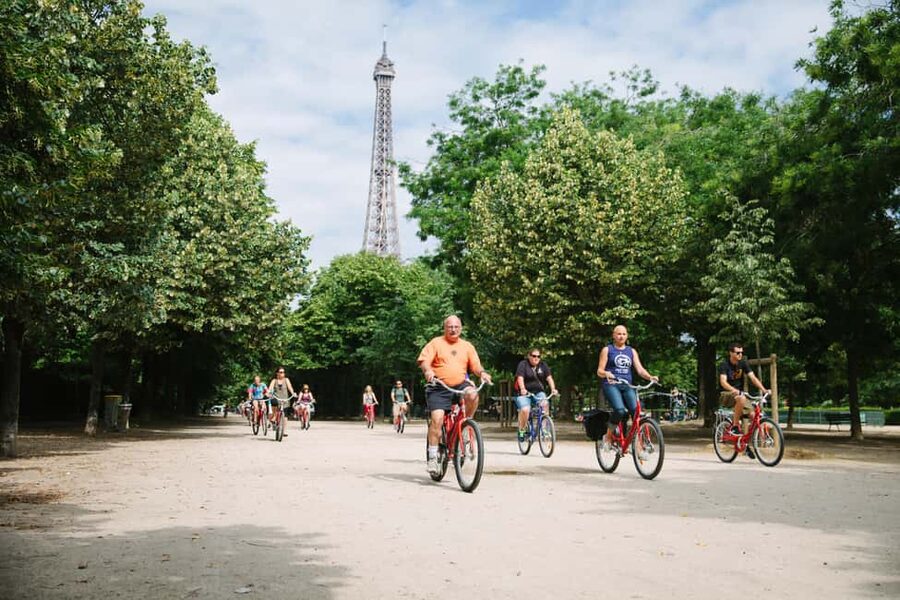
From there, you’ll be matched up with your bike and helmet. The tour includes both, which is a big practical win. Paris bikes aren’t exactly scary-smart, so it’s good the tour gives you what you need and you don’t spend your vacation hunting for a rental shop.
Also, keep your packing light. Luggage and large bags aren’t allowed, and that nudges you toward a daypack or small crossbody. You don’t want to be fighting straps or stuffing your hands at every stop when the group is ready to roll again.
Worth weighing up next to this Paris pick
- Versailles Palace Bike Tour with Market & Marie-Antoinette hamlet
★ 5.0 · 2,680 reviews - Paris: Charming Nooks and Crannies Bike Tour
★ 4.8 · 2,585 reviews - From Paris: Versailles Bike Tour w/ Palace, Gardens, & Picnic
★ 5.0 · 2,150 reviews - Paris: City Highlights Bike Tour
★ 4.7 · 1,835 reviews
École-Militaire to Napoleon’s Tomb: a fast history beat
One of the smartest choices on this ride is the way it begins with context. After a short roll from the first stop, you reach École-Militaire. Even if you’re not a military-history person, it’s a good “Paris calibration” moment. You get a sense of the city’s grand scale right away, before the ride becomes a full-on greatest-hits tour.
Then you move to Napoléon Bonaparte’s Tomb. This stop is brief by design—around eight minutes—but the value is in the guide’s framing. Napoleon isn’t just a statue topic; he’s tied to how modern France learned to brand itself, how monuments became statements, and how power got turned into architecture.
The practical side: this is an easy spot to keep your eyes up and your bike steady. It’s not a long walk, so you spend more time riding and less time trying to find the entrance while the rest of the group waits.
Place de la Concorde to the Louvre: seeing power and design up close
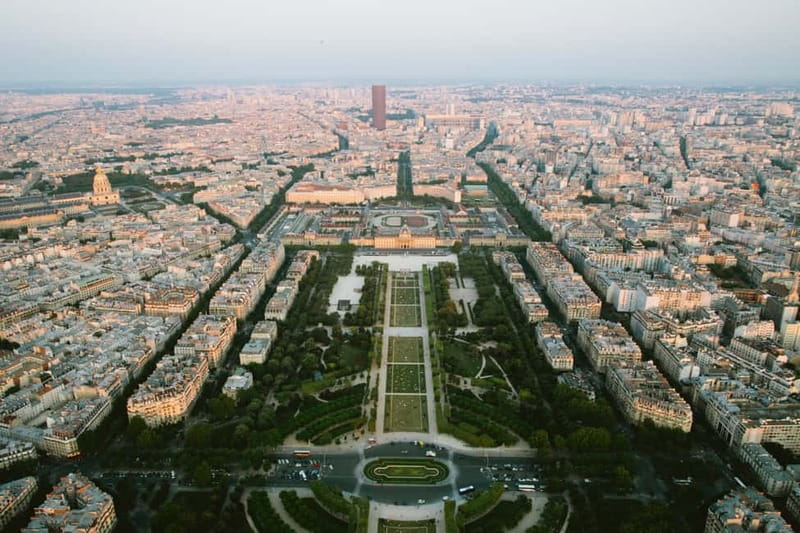
Next comes Place de la Concorde, a centerpiece that feels like a turning point in the ride. The tour calls out this area as a key historical stop for a reason: Concorde is where Paris shows off its ability to be both theatrical and orderly.
Then you’re headed toward the Louvre Museum. The bike format changes how you experience it. Instead of approaching as one big building you hope to understand, you see it as part of a wider urban stage—streets, sightlines, and the flow of people moving around it.
Here’s a small caution: major sites like this can be crowded and loud. That’s where having a guide who can point out what matters helps. If you find yourself zoning out, you’ll miss the details that make the ride feel worth it. I’d treat each stop like a short “spotting mission”: find the landmark, then note one thing you wouldn’t notice if you were there alone.
Tuileries Garden and Musée d’Orsay: art and park time without the foot slog
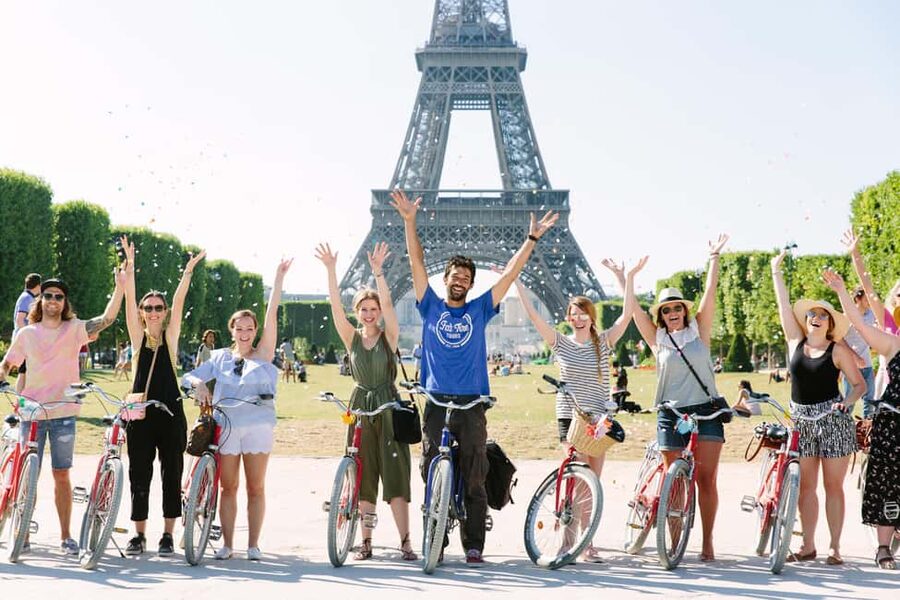
The route flows to Tuileries Garden, where you shift into a guided moment on foot before getting back on the bike for the next stretch. This is a smart balance. The garden gives you breathing room, and it’s also where you can reset your legs after a few quicker bike segments.
Then comes Musée d’Orsay. Even though you won’t have hours to wander inside on this kind of tour, the stop still works because the building itself is part of the story. The guide can connect what you’re seeing to how Paris reuses industrial-era forms for culture—an idea that’s all over the city once you start noticing it.
If you’re the type who wants to spend time inside, the tour’s short stop can feel limiting. But if you’re aiming for orientation and standout photo moments, this section hits the sweet spot. You’ll leave with enough context to decide whether you want a deeper museum day later.
Champs-Élysées, Grand Palais and Petit Palais: the grand avenue moment
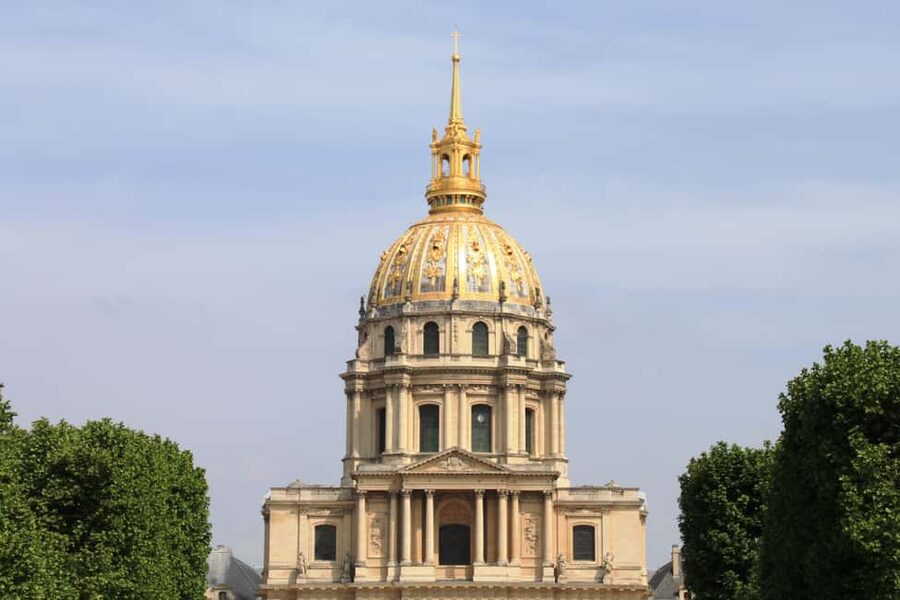
One of the most recognizable sequences in the tour is the run toward Champs-Élysées, followed by stops connected to the Grand Palais and Petit Palais area. This part of the ride is built for classic Paris vibes: wide avenues, polished stone, and architecture that looks like it belongs on a postcard because it’s designed to be seen from far away.
There’s also a guided component in this zone, which helps because this area can feel repetitive if you treat it like just another street. With the right guide, it becomes a study in how Paris puts elegance and spectacle into the street plan itself—how buildings frame walking routes and how crowds become part of the scene.
A practical thought: after riding, your body might want to stop more often than the schedule allows. Try to resist the urge to linger too long at one corner. This tour is short—if you miss the flow once, you’ll feel it later.
Pont Alexandre III and the Seine: the best kind of break for photos
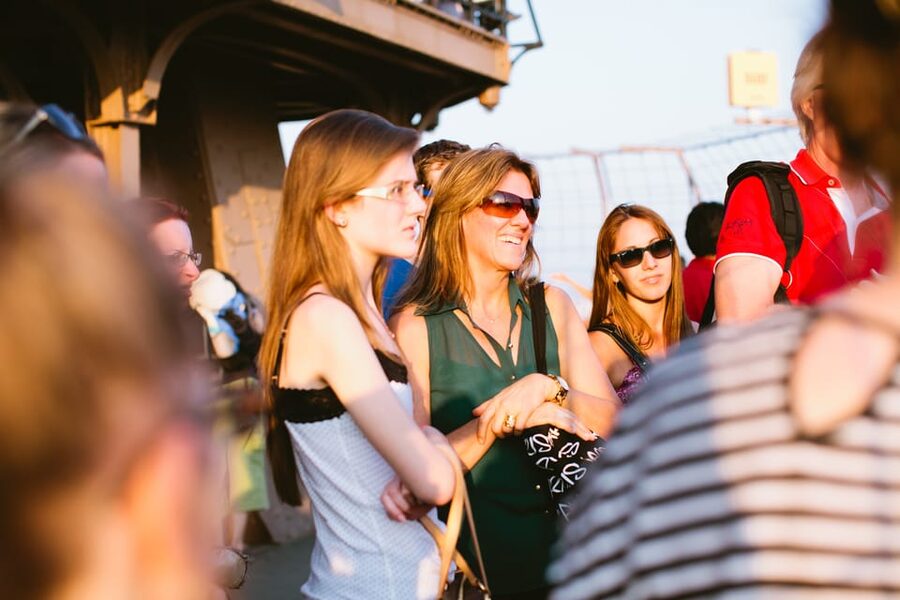
The ride gives you a scenic payoff with Pont Alexandre III and then the Seine River segment. This is where the city goes from “landmark viewing” to “Paris mood.” Bridges in Paris aren’t just crossings; they’re viewpoints and photo platforms, and the Seine turns that into a moving backdrop.
The guided portion on the Seine is about more than the water view. It’s about understanding why the river matters for the city’s shape—how it functions as an axis for movement, how it influences where people gather, and how it ties monuments into one visual story.
If you want the cleanest photos, watch for timing. Even if you can’t control crowds, you can control your position and direction. Stand where the light hits the bridge lines, then let the guide point out one or two visual cues you can use later when you’re on your own.




Eiffel Tower finale: how to end strong
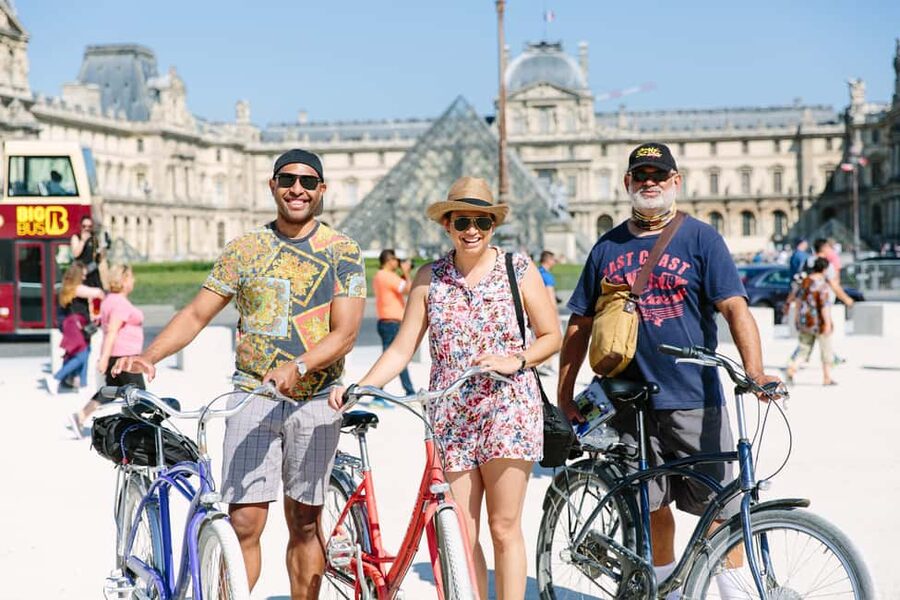
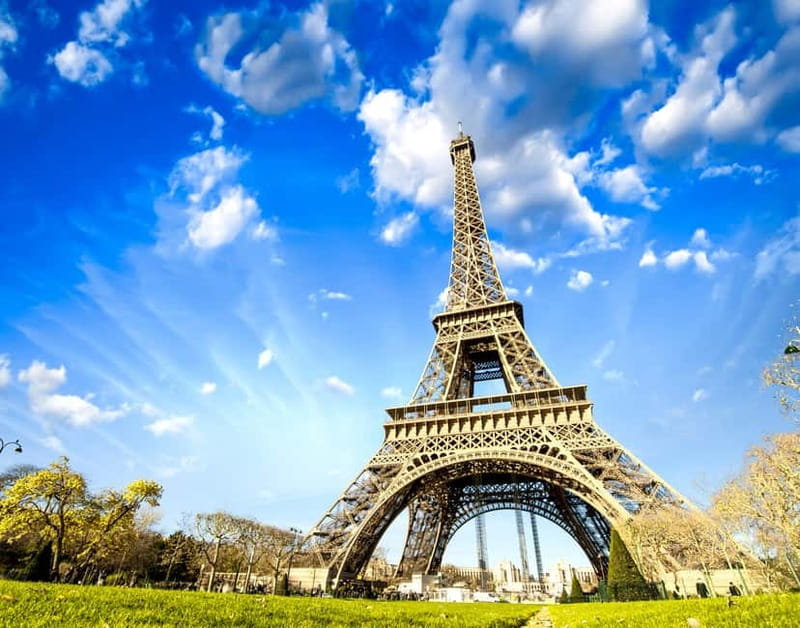
The tour’s last big star is the Eiffel Tower, reached after the Seine. The guide portion here is long enough to let you really lock in what you’re seeing and how it connects back to the earlier stops. It’s not just a moment to point and shoot—it’s a way to understand why the Eiffel Tower became a symbol of modern France.
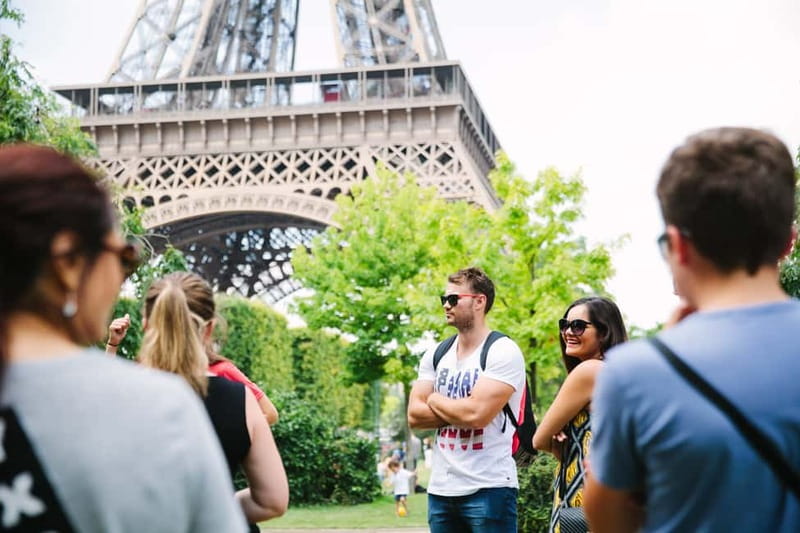
Expect this area to feel intense—people everywhere, constant motion, and lots of competing viewpoints. The key is to let the guide settle you first, then take your time with photos from the most useful angles. If you’re tempted to rush to the front, don’t. The most satisfying views usually come from a calm stance where the architecture lines up.
Also, remember: the tour is bike-based, so you’re not touring the tower interior in this experience. Your win is the viewpoint and the context, not a ticketed climb.
Price and logistics: is $53 a good deal?
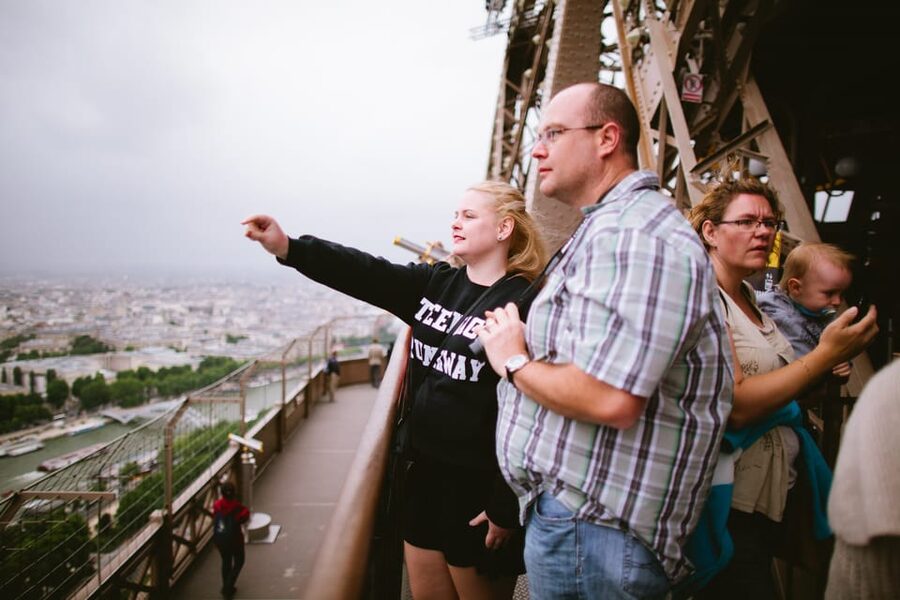
At $53 per person for a 3-hour guided bike tour, the value is in time and structure. You’re not just paying for movement—you’re paying for someone local to connect the dots between sites that otherwise feel like separate postcard stops.
What makes it feel fair:
- Bike and helmet included, so you don’t pay extra for basic gear.
- A guide in English or Dutch, which matters when you want context, not just directions.
- A tight loop that hits major landmarks in one sitting.
What can make it feel less like a bargain:
- It’s not a full museum day. If your priority is spending hours inside the Louvre or Orsay, you’ll likely still need separate time.
- Water isn’t included. That’s minor, but it’s the kind of detail that becomes annoying if you forget.
My take: this is a strong choice when you want to see a lot quickly and you like learning through a live guide, not through a phone app.
Who this tour suits best (and who should pass)
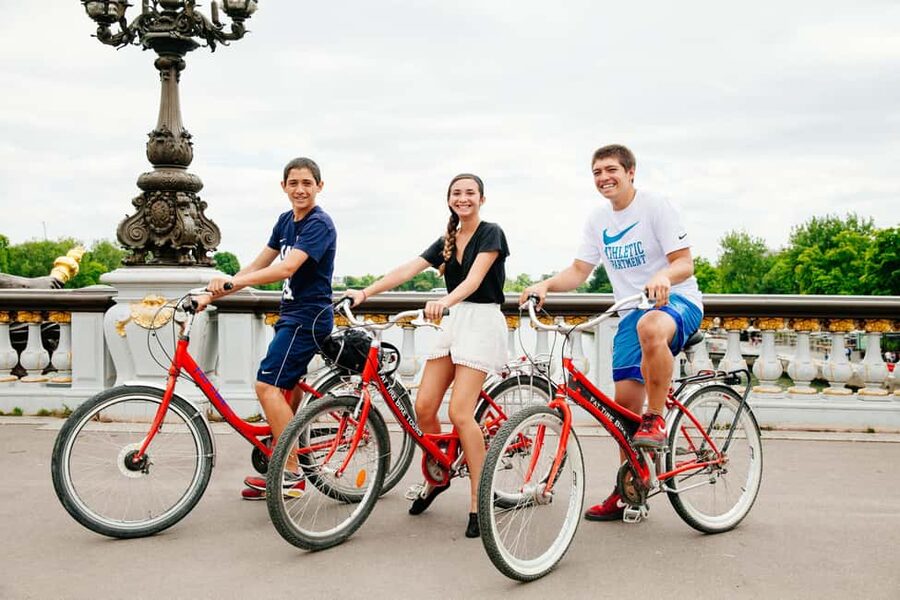
This bike tour fits best if you:
- Want an efficient overview for a first visit to Paris
- Like photos, but also want to understand what you’re photographing
- Are comfortable riding a bike and staying with the group
- Prefer a guided route over wandering in traffic and crowds
It’s less ideal if:
- You’re not confident on a bike (the tour requires riders over 12 to be able to bike)
- You’re traveling with very bulky items (luggage and large bags aren’t allowed)
- You dislike outdoor walking breaks and stop-and-start pacing
One more family note from the rules: participants under 18 must be accompanied by an adult, and child bikes/equipment must be requested in advance. Plan that early if you’re traveling with kids.
About the guide: English and Dutch, with real energy
A big part of why this tour gets high marks is the guide experience. In past rides connected to this provider, guests have called out guides like Toby, Blue, Andy, George, Karina, Sonia, and Millicent for being engaging and keeping the group moving with humor and good question-handling.
You may also notice that good sound setup can make a difference in Paris. Some guests talk about personal audio support, which helps when you’re near busy streets and the guide is trying to explain details while keeping safety first.
Even if your guide style is different day to day, the overall format stays the same: you’ll get stories and historical framing, then you’ll get a chance to see the landmark again through your own eyes from a great angle.
Practical tips so you enjoy every stop
Bring what the tour asks for: passport or ID card, comfortable shoes, and a credit card. (Yes, it’s oddly specific, but it’s in the requirements, so follow it.) Dress for the weather. Since the tour runs rain or shine, plan layers you can move in.
Don’t forget the one item they don’t include: water. Paris can drain you faster than you expect, especially if you’re moving constantly and stopping often for photos.
Finally, keep your stuff small. No luggage, no large bags. This isn’t about being strict; it’s about making sure you can pedal, stop, and mount the bike quickly without turning the group meetup into a closet-management exercise.
Should you book this Paris bike tour or skip it?
Book it if you want the easiest way to connect Paris’s top landmarks in a single 3-hour guided ride. You’ll get a strong sense of the city’s layout, you’ll see the Eiffel Tower and the Seine with a guide’s framing, and you won’t waste half your day figuring out logistics.
Skip it if you prefer slow museum time and you know you’ll spend hours inside the big names. In that case, you might get more joy out of a museum ticket day plus separate strolls—less structure, more wandering.
If you’re on the fence, use this rule: if you want a guided route that helps you hit the highlights without the foot fatigue, this is a smart pick for $53. If you want deep indoor time, plan that separately and use this ride for orientation and photos.
More Cycling Tours in Paris
- Versailles Palace Bike Tour with Market & Marie-Antoinette hamlet
★ 5.0 · 2,680 reviews - Paris: Charming Nooks and Crannies Bike Tour
★ 4.8 · 2,585 reviews - From Paris: Versailles Bike Tour w/ Palace, Gardens, & Picnic
★ 5.0 · 2,150 reviews - Paris: City Highlights Bike Tour
★ 4.7 · 1,835 reviews - Electric Bike Tour of Paris’ Hidden Gems
★ 4.9 · 1,377 reviews
More Tours in Paris
- Paris: Louvre Guided Tour with Reserved Access & Boat Cruise
★ 4.3 · 16,353 reviews - Paris: Big Bus Hop-On Hop-Off Tour with Optional Cruise
★ 4.4 · 13,279 reviews - Louvre Museum Masterpieces Guided Tour with Access
★ 4.5 · 12,023 reviews - Versailles: Skip-the-Line Tour of Palace and Gardens Access
★ 4.7 · 10,429 reviews - Paris: Louvre Overview, Exploration tour and Reserved Entry
★ 4.1 · 10,145 reviews
More Tour Reviews in Paris
- Paris: 1-Hour Seine Cruise departing from the Eiffel Tower
★ 4.4 · 77,472 reviews - Paris: Louvre Museum Timed-Entrance Ticket
★ 4.6 · 71,977 reviews - Disneyland® Paris 1-Day Ticket
★ 4.6 · 49,412 reviews - Paris: Versailles Palace and Gardens Full Access Ticket
★ 4.6 · 41,579 reviews - Paris: Arc de Triomphe Rooftop Tickets
★ 4.6 · 34,264 reviews
Fresh off the review desk in Paris
- Secrets of Paris Bike Tour in English or Dutch★ 5.0 · 5 reviews
- Paris: Mont Saint-Michel Day Tour with Chinese Tour Guide★ 5.0 · 5 reviews
- Private Street Art 2-Hour Guided Tour in Paris★ 4.5 · 5 reviews
- Orsay Museum Tour: 2h Highlights (Private & Small Group)★ 5.0 · 5 reviews
- Discover Paris in electric golf carts★ 4.0 · 5 reviews
- Paris Private Boat Tour with your own Captain Guide★ 5.0 · 5 reviews
Cycling Tours, compared.
 ★ 5.0Versailles Palace Bike Tour with Market & Marie-Antoinette hamletFrom $1312,680 reviews
 ★ 4.8Charming Nooks and Crannies Bike TourFrom $532,585 reviews
 ★ 5.0Versailles Full Day Bike Tour with Palace, Gardens, & PicnicFrom $1312,217 reviews
 ★ 5.0From Paris: Versailles Bike Tour w/ Palace, Gardens, & PicnicFrom $1142,150 reviews
 ★ 4.7City Highlights Bike TourFrom $501,835 reviews
 ★ 4.9Electric Bike Tour of Paris’ Hidden GemsFrom $581,377 reviews
 ★ 5.0Paris Local Districts and Stories Off the Beaten Track Guided Bike TourFrom $541,264 reviews
 ★ 5.0Best of Paris Electric Bike TourFrom $781,179 reviews
Browse the lists this tour appears in