

Reviewed · LOUVRE MUSEUM TOURS
LOUVRE, Small Group Guided Tour in French (TOP SALES)
Paris can swallow your whole day. This tour helps you steer it. In French, you’ll do a 2-hour guided run through the Louvre’s biggest crowd magnets and key “how to read this museum” moments—think Mona Lisa, Venus de Milo, Victory of Samothrace, the Gallery of Apollo, and the coronation of Napoleon. What makes it interesting is the combination of a small group (max 6) and skip-the-line entry, so you get guidance fast instead of spending precious minutes queueing.
I especially like that the tour gives you the essential hits without pretending you can see everything in two hours. I also like the built-in payoff: your admission ticket is valid for the full day, so after the guided portion you can roam the Louvre at your own pace until closing. The main drawback to consider is that this is a highlights plan—if you’re the type who wants to linger for a long time in one wing, you may feel time is tight during the guided segment.
In This Review
- Key things to love about this Louvre small-group tour
- Why a French Small-Group Louvre Tour Works So Well
- The Small-Group Advantage: Max 6 Means You’ll Actually Connect
- Meeting at 6 Rue de l’Amiral de Coligny and Getting In Fast
- Stop by Stop: The Louvre Essentials You’ll See (and How to Use the Time)
- Mona Lisa: The Crowd Magnet, Managed
- Venus de Milo: What a Guide Adds in Two Hours
- Victory of Samothrace: Big Impact in Real Space
- Gallery of Apollo: A Whole Room to “Read”
- The coronation of Napoleon: Meaning Beyond the Icon
- What to expect during the stops
- Free Time After the Tour: How to Keep Exploring Without Spinning
- Guide Quality: When Élie or Loïc Sets the Museum Off
- Price and Value: What You’re Paying For at $87.13
- Who This Tour Suits Best (and Who Should Rethink It)
- Practical Tips to Make the Most of Your 2 Hours
- Should You Book This Louvre Tour?
- FAQ
- Is the Louvre ticket included in this tour?
- Do I get skip-the-line access?
- How long is the guided part?
- How many people are in the group?
- Is the tour conducted in French?
- What works are covered during the tour?
- Can I stay in the museum after the tour ends?
- What’s the cancellation policy?
Key things to love about this Louvre small-group tour
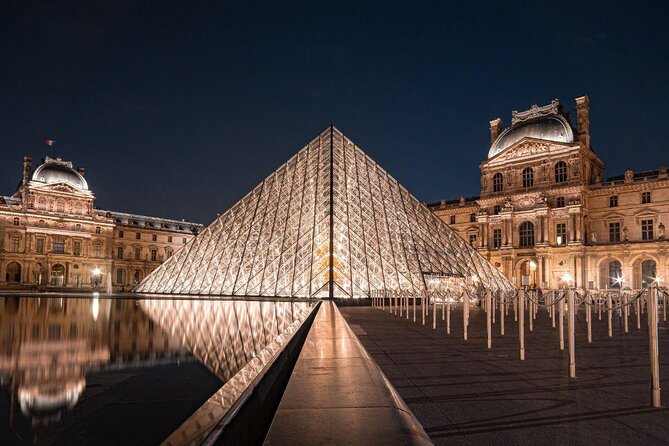
- Max 6 participants for questions that don’t get drowned out
- French-language guiding focused on the works that matter most
- Skip-the-line access so you start seeing art sooner
- Admission ticket included, valid for the full day
- 2 hours guided + free time after, ending when you choose to stop
Why a French Small-Group Louvre Tour Works So Well
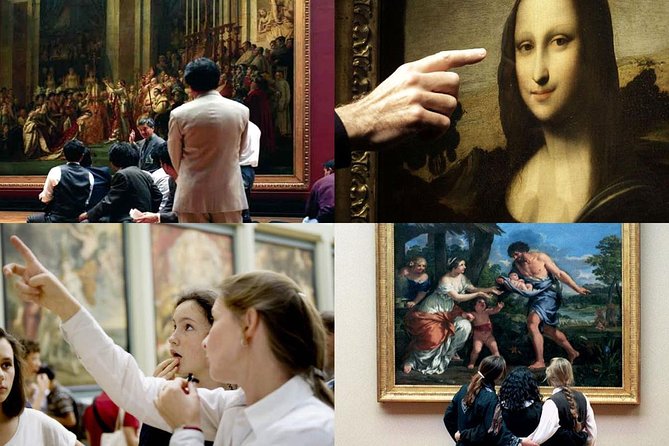
If you’ve ever tried to “wing it” inside the Louvre, you know the problem: it’s enormous, and your feet will make the decisions before your brain does. This experience is built to fix that. You’re not chasing random rooms—you’re getting a guided path designed to cover the essential works people actually come to see, with enough structure that you don’t waste your energy.
The tour language matters too. When it’s in French, you’ll get context in a way that feels connected to the place. Even if your French is only “survival level,” the guide’s pacing and explanations usually make the story land. And since the group is capped at 6, the guide can keep an eye on the room dynamics and adapt when people ask questions.
Still chasing the Mona Lisa? More Louvre visits
- Paris: Louvre Museum Timed-Entrance Ticket
★ 4.6 · 71,977 reviews - Paris: Louvre Guided Tour with Reserved Access & Boat Cruise
★ 4.3 · 16,353 reviews - Louvre Museum Masterpieces Guided Tour with Access
★ 4.5 · 12,023 reviews - Paris: Louvre Overview, Exploration tour and Reserved Entry
★ 4.1 · 10,145 reviews
The Small-Group Advantage: Max 6 Means You’ll Actually Connect
A big museum tour can feel like a lecture with a hat on. The value here is the size: no more than 6 people. That changes everything about how you experience the art. It’s easier to hear, easier to ask, and easier to adjust when something catches your attention.
From the way the experience is described, the guide is there as a true speaker who can interact with the group—not just read facts off a card. That’s also why this kind of tour can feel more personal even though it’s still a “highlights” format.
And it’s not just theory. In the feedback connected to this tour, guides such as Élie and Loïc are praised for being engaging, attentive, and genuinely interested in answering questions. That’s the kind of guiding that makes the museum feel less like a checklist and more like a conversation.
Meeting at 6 Rue de l’Amiral de Coligny and Getting In Fast
You’ll start at 6 Rue de l’Amiral de Coligny, 75001 Paris. The payoff is that you’re not just showing up and hoping for the best. The tour includes skip-the-line access, which is a huge deal at the Louvre because waiting can eat your best hours.
You’ll also be near public transportation, so getting to the meeting point doesn’t have to be a mini-adventure of its own. If you’re doing this on a busy trip day, that matters. You want your energy to go toward art, not logistical stress.
Most travelers can participate, which usually means the format is straightforward: you’re meeting, you’re guided through major highlights, then you’re set loose with a ticket that keeps working after the tour.
Stop by Stop: The Louvre Essentials You’ll See (and How to Use the Time)
This is a 2-hour guided tour of essential works inside the Louvre. It’s built around the items with the strongest pull—so you leave with the feeling that you saw the core of the museum, not just a few random rooms.
Mona Lisa: The Crowd Magnet, Managed
You’ll cover Mona Lisa, one of the most famous works on earth. The best part of having a guide here is not the fame—it’s the way you’re guided to look. With a short, focused explanation, it’s easier to move from attraction to understanding, and to notice what you might otherwise miss when you’re staring at a distance.
Venus de Milo: What a Guide Adds in Two Hours
Next is Venus de Milo. A highlights tour is perfect for sculpture because you can get the big picture quickly: you see the figure, you get context, and you’re nudged toward the details that make it memorable. Don’t expect a long study session—do expect clarity on why it’s significant.
Worth weighing up next to this Paris pick



Victory of Samothrace: Big Impact in Real Space
Then comes Victory of Samothrace, a work that hits differently in person than it does on screens. With a guided stop, you get a sense of what the work is doing visually—how the composition reads, how the space influences how you experience it. In a museum as large as the Louvre, that kind of direction saves you time.
Gallery of Apollo: A Whole Room to “Read”
The tour also includes the Gallery of Apollo. This isn’t just a single object stop; it’s a chance to understand that the Louvre isn’t only a collection of standalone masterpieces. It’s also about how galleries themselves work—how you move, what you notice across a long space, and how art is presented as part of a bigger idea.
The coronation of Napoleon: Meaning Beyond the Icon
You’ll also visit the coronation of Napoleon. This is where a guide helps you avoid the trap of treating the Louvre like a wallpaper museum. Even when you’re rushing, getting even a basic interpretive frame can make the scene feel less like a famous painting and more like a statement from its time.
What to expect during the stops
The overall rhythm is designed for a tight timeline. You’ll be moving through key areas with the guide setting the order and emphasis. Your job is simple: listen, look, and ask questions when something sparks. If you want to linger, save that for your free time after the tour.
Free Time After the Tour: How to Keep Exploring Without Spinning
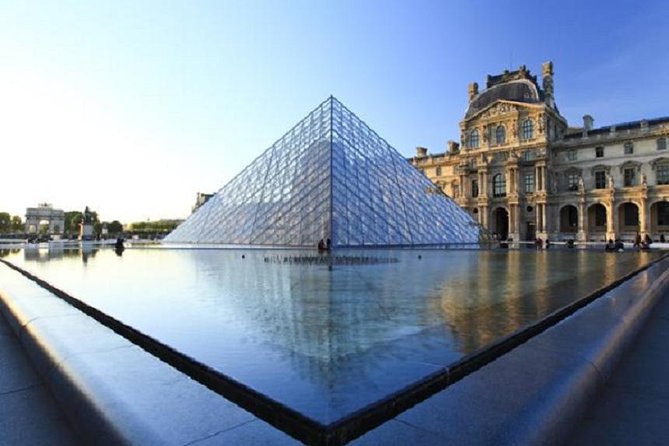
After the guided portion, you get free time to continue exploring the Louvre until closing time. The big advantage: your Louvre admission ticket is included and valid for the full day. That means you’re not stuck with “tour is over, now go home” energy.
Here’s how I’d use that free time smartly:
- Go back to one or two of the stops you liked most during the tour and re-look with your new frame.
- If you’re overwhelmed, pick a single area you want to revisit rather than trying to cover everything.
- If your group splits into mini-interests, stick to your plan for the day so you don’t wander for hours without purpose.
This format works especially well because the guide gives you a starting map—then you get to choose what happens next.
Guide Quality: When Élie or Loïc Sets the Museum Off
The most praised aspect tied to this experience is the guide. Multiple comments highlight that the guide made a real difference in how the museum felt—competent, passionate, and attentive to questions. Names that come up include Élie and Loïc, and the consistent theme is that the explanations aren’t just informative; they’re engaging.
That’s what you should look for in a Louvre guide: someone who can turn a famous collection into something you actually understand in the time you have. With this tour, the short duration forces the guide to focus on what matters most, so you’re less likely to drift through rooms feeling lost.
Price and Value: What You’re Paying For at $87.13
At $87.13 per person, this is not the cheapest way to do the Louvre. But it isn’t priced like a generic bus tour either. The value comes from three things working together:
- Skip-the-line access, which saves time you can’t really replace
- A guided path in French that helps you see the core works without guesswork
- Admission ticket included, and valid all day, so the guided hours don’t “expire” when the tour ends
Think of it this way: you’re buying a structured experience plus a full-day ticket. If you were to try to navigate the Louvre alone, you’d still pay for entry, and you’d likely spend more time trying to figure out where to go next.
If you want a fast, high-impact Louvre day and you value guidance, this price can feel fair. If you want a slow, self-directed wander, you might feel boxed into a highlights schedule.
Who This Tour Suits Best (and Who Should Rethink It)
This tour is a strong match if you:
- Want the Louvre’s headline masterpieces—without spending hours planning
- Prefer learning in French with a live guide
- Like small groups where you can ask questions and hear the answers
- Want a clear “Louvre starter kit” plus time to roam afterward
It may be less ideal if you:
- Know you’ll spend most of your time reading labels and going at a museum-librarian pace
- Want to build a very personal route that avoids the famous works entirely
- Need long, unhurried time in one gallery during the guided portion
For many first-timers, though, this is a practical way to avoid the classic mistake: seeing too little because you’re unsure where to go, or seeing too much randomly and forgetting what you saw.
Practical Tips to Make the Most of Your 2 Hours
Even with a guide, your attitude matters. You’ll get the best results if you:
- Arrive ready to move (comfortable shoes help because the Louvre is big)
- Keep your questions short, so the guide can answer without breaking flow
- Pay attention during the stops, then use your free time to revisit what stuck
If you’re traveling with someone who loves details and another person who just wants the highlights, this format can balance both. The guided route handles the essentials; your free time can handle the preferences.
Should You Book This Louvre Tour?
I’d book it if your goal is simple: see the Louvre’s must-sees with skip-the-line speed, learn enough to make the works meaningful, and still have time to wander afterward. The max-6 group size is the real differentiator because it keeps the experience from feeling generic.
You might skip it if you don’t want a structured highlights plan or you’re the type who needs long, quiet time to study. In that case, you may be happier buying your ticket and mapping your own route.
Overall, this is a smart, time-efficient way to get your bearings and hit the famous works—then build the rest of your day your way.
FAQ
Is the Louvre ticket included in this tour?
Yes. Admission ticket is included, and it’s valid for the full day.
Do I get skip-the-line access?
Yes, the tour includes skip-the-line access to enter the museum.
How long is the guided part?
The guided tour is about 2 hours.
How many people are in the group?
The tour is limited to a maximum of 6 participants.
Is the tour conducted in French?
Yes, it’s a guided tour in French.
What works are covered during the tour?
The tour focuses on essential works including Mona Lisa, Venus de Milo, Victory of Samothrace, the Gallery of Apollo, and the coronation of Napoleon.
Can I stay in the museum after the tour ends?
Yes. After the guided tour, you have free time to continue exploring until closing time.
What’s the cancellation policy?
This experience is non-refundable and cannot be changed for any reason.
More Tours in Paris
- Paris: Louvre Guided Tour with Reserved Access & Boat Cruise
★ 4.3 · 16,353 reviews - Paris: Big Bus Hop-On Hop-Off Tour with Optional Cruise
★ 4.4 · 13,279 reviews - Louvre Museum Masterpieces Guided Tour with Access
★ 4.5 · 12,023 reviews - Versailles: Skip-the-Line Tour of Palace and Gardens Access
★ 4.7 · 10,429 reviews - Paris: Louvre Overview, Exploration tour and Reserved Entry
★ 4.1 · 10,145 reviews
More Tour Reviews in Paris
- Paris: 1-Hour Seine Cruise departing from the Eiffel Tower
★ 4.4 · 77,472 reviews - Paris: Louvre Museum Timed-Entrance Ticket
★ 4.6 · 71,977 reviews - Disneyland® Paris 1-Day Ticket
★ 4.6 · 49,412 reviews - Paris: Versailles Palace and Gardens Full Access Ticket
★ 4.6 · 41,579 reviews - Paris: Arc de Triomphe Rooftop Tickets
★ 4.6 · 34,264 reviews
Back to the Louvre: More Ways In
- Paris: Louvre Museum Timed-Entrance Ticket
★ 4.6 · 71,977 reviews - Paris: Louvre Guided Tour with Reserved Access & Boat Cruise
★ 4.3 · 16,353 reviews - Louvre Museum Masterpieces Guided Tour with Access
★ 4.5 · 12,023 reviews - Paris: Louvre Overview, Exploration tour and Reserved Entry
★ 4.1 · 10,145 reviews - Paris: Louvre Museum Entry Ticket With Host and River Cruise
★ 4.6 · 9,926 reviews
Fresh off the review desk in Paris
- Secrets of Paris Bike Tour in English or Dutch★ 5.0 · 5 reviews
- Paris: Mont Saint-Michel Day Tour with Chinese Tour Guide★ 5.0 · 5 reviews
- Private Street Art 2-Hour Guided Tour in Paris★ 4.5 · 5 reviews
- Orsay Museum Tour: 2h Highlights (Private & Small Group)★ 5.0 · 5 reviews
- Discover Paris in electric golf carts★ 4.0 · 5 reviews
- Paris Private Boat Tour with your own Captain Guide★ 5.0 · 5 reviews
Louvre Museum Tours, compared.
 ★ 4.6Louvre Museum Timed-Entrance TicketFrom $2671,977 reviews
 ★ 4.3Louvre Guided Tour with Reserved Access & Boat CruiseFrom $8116,353 reviews
 ★ 4.5Louvre Museum Masterpieces Guided Tour with AccessFrom $8612,023 reviews
 ★ 4.1Louvre Overview, Exploration tour and Reserved EntryFrom $6010,145 reviews
 ★ 4.6Louvre Museum Entry Ticket With Host and River CruiseFrom $1009,926 reviews
 ★ 4.6Mona Lisa & Louvre Masterpieces Tour with Reserved AccessFrom $806,812 reviews
 ★ 5.0Louvre Museum – Exclusive Guided Tour (Entry Included)From $1816,296 reviews
 ★ 4.0Louvre Reserved Ticket and River Cruise ComboFrom $376,054 reviews
Browse the lists this tour appears in