
Reviewed · TOURS
Medieval Paris & the Knights Templar Tour
Templars are never far from Paris. This 2-hour walk stitches together Knights Templar legend, medieval architecture, and a surprisingly human story of power, fear, and downfall. It’s not a museum shuffle. It’s street-level history with sharp stops and good pacing.
I love how the route connects major landmarks into one timeline: Notre-Dame sets the spiritual stage, then you move on to gothic artistry and the darker courtroom-adjacent corners of medieval Paris. I also like the ending at Auberge Nicolas Flamel, where myth and old stone meet in a place that feels instantly more real than a textbook.
One thing to consider: this is a tight, mostly walking-heavy experience with cobblestones and lots of storytelling. If you want lots of breaks, step-free routes, or museum-style wandering, the format may feel fast.
In This Review
- Key things I’d circle before you go
- The Templar angle makes medieval Paris easier to follow
- Starting at Notre-Dame: where the story gets its spine
- Sainte-Chapelle from the outside: Gothic detail you can read
- Conciergerie and the execution site: a grim stop with clear context
- Hôtel de Sens and the older streets: Paris gets hands-on real
- Temple district storytelling: rise, wealth, downfall, and lingering myths
- Auberge Nicolas Flamel: the finale that feels like a payoff
- Price and value: what $116 buys in real terms
- Who should book this tour (and who might not)
- What to bring so the 2 hours feel easy
- Should you book the Medieval Paris & the Knights Templar Tour?
Key things I’d circle before you go
- Notre-Dame to Templar territory in one coherent storyline: faith, power, and collapse, linked stop by stop
- Sainte-Chapelle as a guided visual moment: expect clear context even if you’re not spending hours inside
- Conciergerie with the Jacques de Molay setting: a focused, grim chapter tied to place
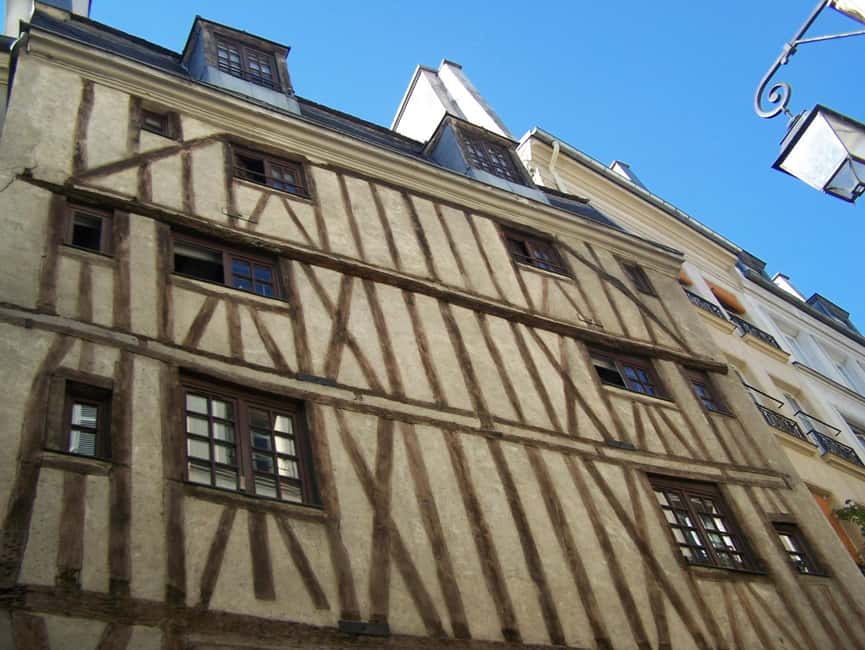
- Old medieval houses you can actually point at: Hôtel de Sens and half-timbered streets like Rue François-Miron
- A guide-led take on alchemy and secret societies: you get the legend angle with historical framing
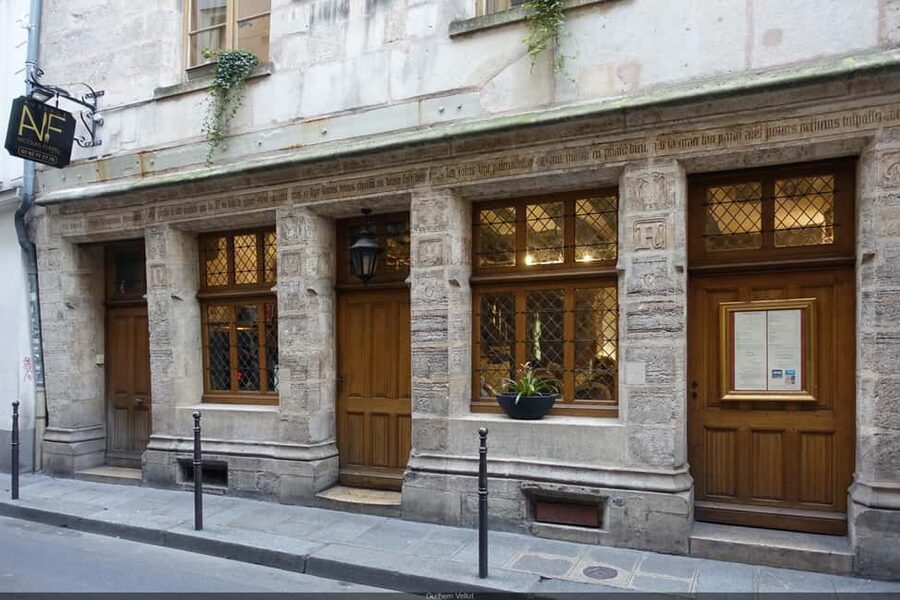
- A finale at Auberge Nicolas Flamel: an “ending” you can feel, not just another photo stop
The Templar angle makes medieval Paris easier to follow
Paris can feel like a patchwork. This tour gives you a thread. You start where medieval Paris defined itself—around Notre-Dame—then you keep moving until the Knights Templar story becomes the city’s story. That matters because the Middle Ages aren’t just “old stuff.” They’re a set of beliefs, institutions, and conflicts that shaped what people built, prayed to, and feared.
You’ll also notice how the tour handles the legends. It doesn’t ask you to “believe” in everything. Instead, it shows you why people attach mystery to real places. That’s how you end up talking about alchemy, Freemasonry, and other ancient-secret themes without losing the plot of medieval Paris.
And the time format helps. At 2 hours, you’re not asked to memorize a syllabus. You’re given a sequence of scenes. You can walk away feeling like you saw the medieval city, not just heard about it.
Still deciding? Here is how it stacks up against a few Paris favourites we have booked and reviewed.
- Paris: 1-Hour Seine Cruise departing from the Eiffel Tower
★ 4.4 · 77,472 reviews - Paris: Louvre Museum Timed-Entrance Ticket
★ 4.6 · 71,977 reviews - Disneyland® Paris 1-Day Ticket
★ 4.6 · 49,412 reviews - Paris: Versailles Palace and Gardens Full Access Ticket
★ 4.6 · 41,579 reviews
Starting at Notre-Dame: where the story gets its spine
You begin at Cathédrale Notre-Dame de Paris, and that first step matters more than you might expect. Notre-Dame isn’t only famous for its scale. In this kind of tour, it’s your anchor for the medieval mindset: faith, authority, and architecture as public messaging.
From there, you’re set up to understand why the later stops hit harder. The tour isn’t treating the Knights Templar as a random medieval rumor. It frames them as part of a wider world of power and belief—exactly the world that produced (and judged) major institutions.
Tip: come with comfortable walking shoes. Not because you’ll be running, but because medieval streets can be uneven, and you’ll cover ground steadily from stop to stop.
Sainte-Chapelle from the outside: Gothic detail you can read
Next is Sainte-Chapelle. You’ll get a guided visit centered on the building itself, with time for you to look closely and make sense of its Gothic language. Even when you’re not fully inside, Sainte-Chapelle can hit hard because the design is so focused on light, structure, and symbolism.
What you’ll take away: why gothic wasn’t just “pretty.” It was meant to express a worldview—one that fits the Notre-Dame start perfectly. If you like architecture, this stop is a good breather before the tone turns darker.
Photo tip: early in the tour, your phone camera and your eyes are still fresh. Use this moment to capture the vibe before the story intensifies.
Conciergerie and the execution site: a grim stop with clear context
The mood changes at the Conciergerie. This is where the tour leans into the hard chapter tied to Jacques de Molay, the last Grand Master of the Knights Templar, and where he met his fate. The point isn’t shock value. It’s understanding how medieval justice worked when politics and religion collided.
I like that this part is guided and structured. You’re not just standing near a site and guessing. The tour gives you enough explanation to connect the place to the person and the era. Even if you’re not obsessed with medieval law, you’ll grasp the stakes: power doesn’t just vanish. It gets dismantled publicly.
Practical note: this is not the segment for hanging back. Keep up with your guide so you don’t miss the narrative beats that make the Conciergerie stop land.
Hôtel de Sens and the older streets: Paris gets hands-on real
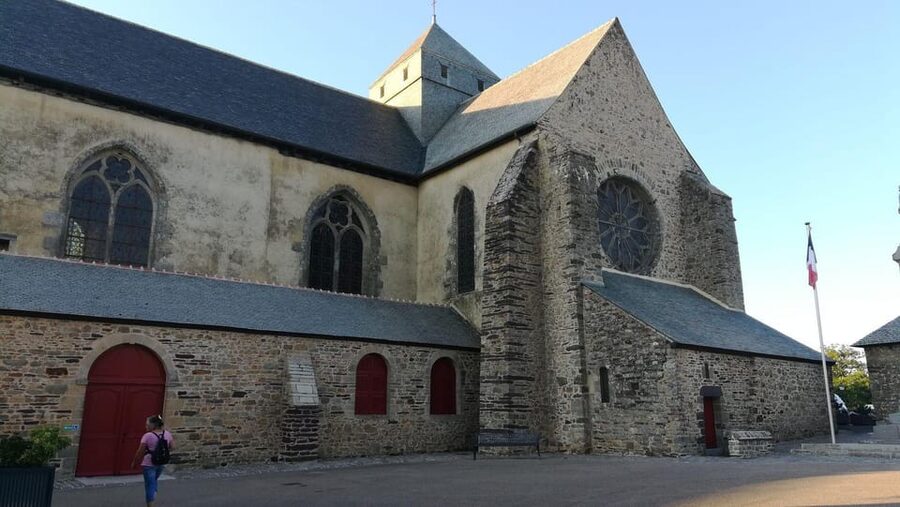
After the dark center of the story, you shift back to the city’s body. Hôtel de Sens is one of those stops that makes history feel touchable, because it’s about a building you can visually “read.” You’ll get a guided look at what makes it important, and then you’ll move through cobbled lanes tied to medieval Paris’s long memory.
You’ll also encounter details like:
- the Hôtel de Sens
- half-timbered houses in the Rue François-Miron area
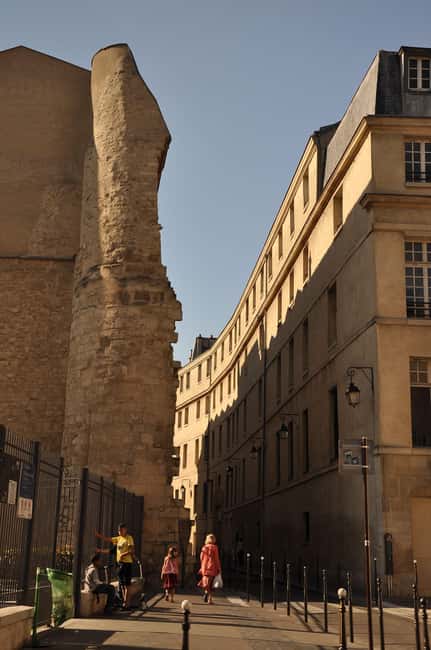
- remnants associated with Philippe Auguste’s city walls
This is where the tour earns its name “Medieval Paris.” It isn’t only about big monuments. It’s about the smaller-scale survival of old neighborhoods—structures that show how Paris once looked and why the city grew in the way it did.
If you love walking through places that still hold original street bones, this part is a highlight. You can mentally map medieval Paris without needing special effects.
Temple district storytelling: rise, wealth, downfall, and lingering myths
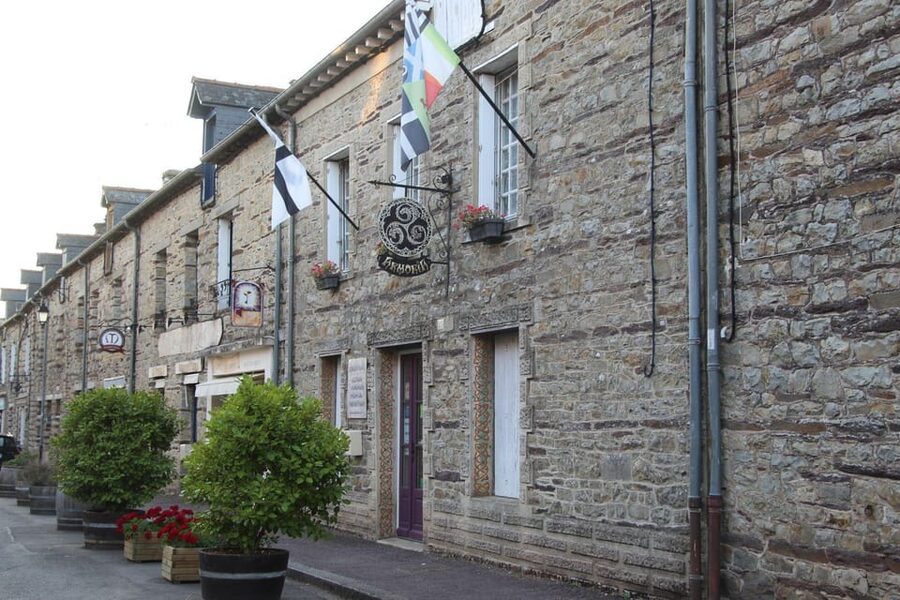
In the Temple district, the tour brings the Knights Templar story into sharper focus—how the order grew in power and wealth, and how it eventually faced a violent downfall. This is also where the tour connects to the “ancient secrets” angle.
Here’s the value: the tour explains why mystery attached itself to the Templars in popular imagination. Whether you take those stories literally or not, you’ll understand what people were really responding to—wealth, secrecy, political targeting, and the human need to give meaning to sudden collapse.
The tour’s handling of alchemy and secret-society themes also works best when you treat them as cultural echoes rather than courtroom evidence. You’re learning the story behind the story: why later groups and writers linked concepts like alchemy and Freemasonry to medieval settings.
If you’re the type of traveler who likes myth with a grounding layer, you’ll probably enjoy this segment.




Auberge Nicolas Flamel: the finale that feels like a payoff
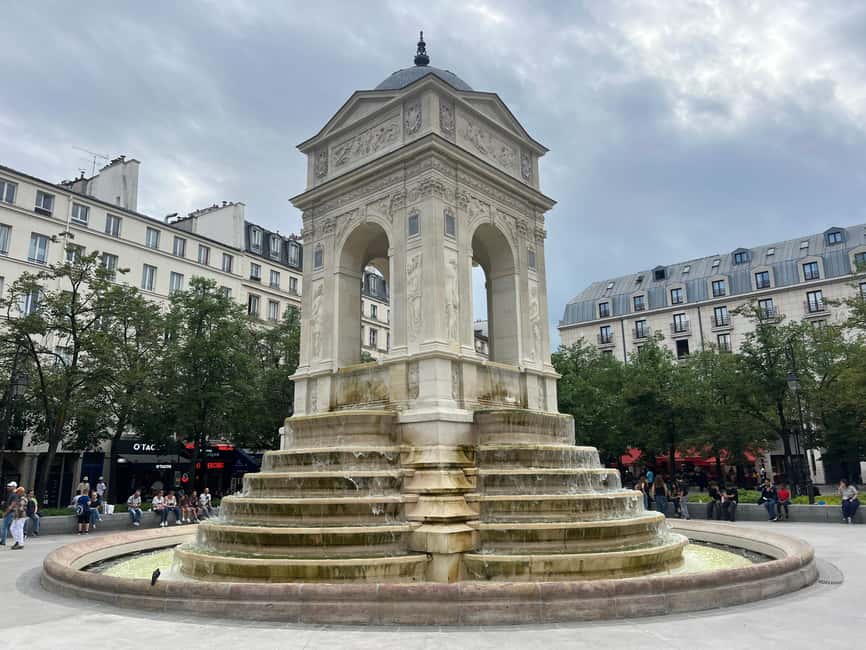
The walk ends at Auberge Nicolas Flamel, described as Paris’s oldest house. More important than that claim is the feeling you get here: an ending place with character.
This is where the tour makes its “myth meets history” pitch feel concrete. You’re not leaving medieval Paris as a blur of facts. You’re stepping into a named, specific location that gives the tour an “okay, I get it” closure.
I’d also think of this as your chance to slow down and actually look. At this point, you’ve built the mental framework, so details you might have missed earlier start to click. It’s a good final stop for photos, but also a good moment to let the story sit in your head.
Price and value: what $116 buys in real terms
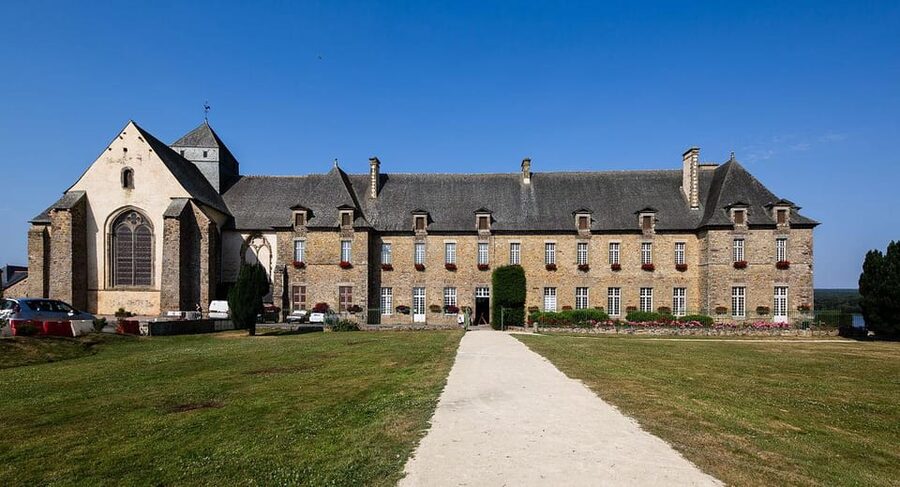
At $116 per person for a 2-hour private walking tour, you’re paying for two things: a guided narrative and the ability to move through multiple medieval-relevant locations without planning the connections yourself.
Is it worth it? If you enjoy:
- guided storytelling in an urban setting,
- architectural context around big gothic landmarks,
- and a specific theme (the Knights Templar) that ties several stops together,
then the price is easier to justify. You’re essentially buying interpretation. Paris has endless sights; tours like this help you choose what matters and why.
But there’s also a reality check. This experience is heavily dependent on guide delivery, because the magic is in the spoken details and transitions between stops. One booking feedback I saw noted a guide reading the story from a smartphone and using maps to locate key points, and it also mentioned trouble finding the Flamel house correctly. That’s the rare downside you should take seriously: with a story-driven tour, competence and familiarity matter.
So if you’re book-and-go only, you might want to look for a tour format that explicitly supports strong live narration by the guide. If you care about the atmosphere as much as the landmarks, you’ll feel the difference.
Who should book this tour (and who might not)
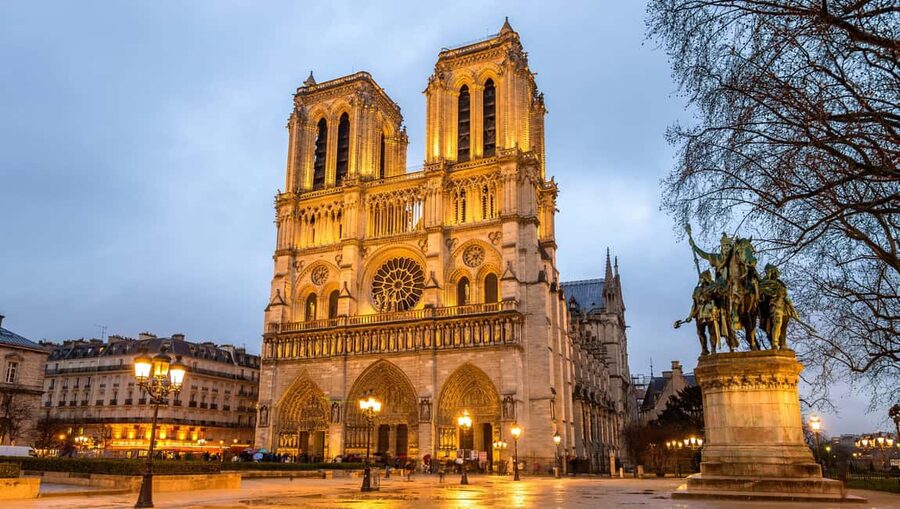
This tour fits best if you’re a history-and-streets traveler. You’ll likely enjoy it if you want:
- a guided walk connecting Notre-Dame, Sainte-Chapelle, Conciergerie, and medieval neighborhoods
- story-led explanations of the Knights Templar rise and fall
- a themed take on legends involving alchemy and secret societies
It might be less ideal if you:
- need a step-free, low-cobblestone route (the tour isn’t suitable for wheelchair users or people with mobility impairments)
- dislike fast pacing, since the whole experience is designed to be compact
- prefer long time inside museums or churches, because the structure is guided walking with short-to-medium stops
What to bring so the 2 hours feel easy
Bring the basics the tour requests:
- comfortable shoes (cobbled streets happen)
- a hat and sunscreen for daytime sun
- a camera for Notre-Dame and Sainte-Chapelle viewpoints
- your curiosity for the story turns, especially at the Conciergerie
And one simple rule: no smoking.
Should you book the Medieval Paris & the Knights Templar Tour?
If you want medieval Paris with a storyline you can hold onto, I think this is a strong pick. The stops are memorable, the theme is specific, and the ending at Auberge Nicolas Flamel gives you a satisfying wrap-up.
I’d book it if you’re okay with a walking-focused format and you value a live guide more than extra free time. I’d hesitate if you’re sensitive to navigation hiccups or you’re expecting the tour to feel perfectly smooth every time, because guide familiarity can make a difference in a story-heavy route.
If you’re the type who loves turning a city into a narrative map, this one is made for you.
More Tours in Paris
- Paris: Louvre Guided Tour with Reserved Access & Boat Cruise
★ 4.3 · 16,353 reviews - Paris: Big Bus Hop-On Hop-Off Tour with Optional Cruise
★ 4.4 · 13,279 reviews - Louvre Museum Masterpieces Guided Tour with Access
★ 4.5 · 12,023 reviews - Versailles: Skip-the-Line Tour of Palace and Gardens Access
★ 4.7 · 10,429 reviews - Paris: Louvre Overview, Exploration tour and Reserved Entry
★ 4.1 · 10,145 reviews
More Tour Reviews in Paris
- Paris: 1-Hour Seine Cruise departing from the Eiffel Tower
★ 4.4 · 77,472 reviews - Paris: Louvre Museum Timed-Entrance Ticket
★ 4.6 · 71,977 reviews - Disneyland® Paris 1-Day Ticket
★ 4.6 · 49,412 reviews - Paris: Versailles Palace and Gardens Full Access Ticket
★ 4.6 · 41,579 reviews - Paris: Arc de Triomphe Rooftop Tickets
★ 4.6 · 34,264 reviews
Fresh off the review desk in Paris
- Secrets of Paris Bike Tour in English or Dutch★ 5.0 · 5 reviews
- Paris: Mont Saint-Michel Day Tour with Chinese Tour Guide★ 5.0 · 5 reviews
- Private Street Art 2-Hour Guided Tour in Paris★ 4.5 · 5 reviews
- Orsay Museum Tour: 2h Highlights (Private & Small Group)★ 5.0 · 5 reviews
- Discover Paris in electric golf carts★ 4.0 · 5 reviews
- Paris Private Boat Tour with your own Captain Guide★ 5.0 · 5 reviews
Tours, compared.
 ★ 4.3Louvre Guided Tour with Reserved Access & Boat CruiseFrom $8116,353 reviews
 ★ 4.4Big Bus Hop-On Hop-Off Tour with Optional CruiseFrom $4313,279 reviews
 ★ 4.5Louvre Museum Masterpieces Guided Tour with AccessFrom $8612,023 reviews
 ★ 4.7Versailles: Skip-the-Line Tour of Palace and Gardens AccessFrom $7610,429 reviews
 ★ 4.1Louvre Overview, Exploration tour and Reserved EntryFrom $6010,145 reviews
 ★ 4.6Mona Lisa & Louvre Masterpieces Tour with Reserved AccessFrom $806,812 reviews
 ★ 4.0Paris Big Bus Hop-On Hop-Off Tour with Optional River CruiseFrom $466,534 reviews
 ★ 5.0Louvre Museum – Exclusive Guided Tour (Entry Included)From $1816,296 reviews