

Reviewed · GUIDED
Napoleon Bonaparte: Life & Legacy Guided Tour + Visit to his Tomb
Napoleon’s Paris starts on a victory column. This guided walk strings together street corners, arches, and gardens that explain how he stamped his image across the city. You also get a concierge-style guide service for Paris questions before and after the tour, plus included entry to Les Invalides so you don’t waste time hunting tickets.
I love the mix of guided storytelling and free time inside the museum. The walking portion is designed to get your bearings fast, and the Les Invalides stop gives you room to go at your own pace. From the feedback I saw, guides like Elizabeth and Linda add personality and solid clarity while you’re out on the streets.
One drawback to consider: it’s built as a 2–3 hour loop, so you get a focused overview rather than an hour-by-hour Napoleon biography. Also, you’re walking through central Paris highlights, so if you want lots of quiet time on every stop, you may find the pace a bit brisk.
In This Review
- Key highlights at a glance
- The value play: a $52.10 Napoleon overview that stays practical
- Place Vendôme: start where Napoleon’s image is already carved in stone
- Rue de Rivoli and the Napoleon street connection
- Arc de Triomphe du Carrousel: 1805 victories, a calmer warm-up arch
- The big Arc de Triomphe and the funeral procession angle
- Place de la Concorde: where complicated French history gets air and space
- Tuileries Garden and the Napoleon backyard feeling
- A quick Louvre detour: Napoleon’s museum name nod
- A bridge crossing with strategic defenses in mind
- Reaching Les Invalides: the museum entry that makes the day easier
- Napoleon’s Tomb at Les Invalides: why this ending hits
- Guides and service: Elizabeth and Linda set a strong tone
- What can go wrong (and how to protect your day)
- Price and timing: who this fits best
- Should you book this Napoleon tour?
- FAQ
- How long is the Napoleon walking tour?
- What does the $52.10 price include?
- Is entry to the Army Museum included?
- Will I have guided time or do I explore on my own?
- Where does the tour start and what time is it?
- Where does the tour end?
- How big is the group?
- Does the tour include transportation?
- What is the cancellation and weather situation?
- Do I receive confirmation after booking?
Key highlights at a glance

- 90-minute guided exploration that ties the sites together into one clear Napoleon story
- Entry included for Les Invalides, with no separate museum ticket needed
- Self-guided time inside the Army Museum, so you can linger where you care most
- Small group size (max 22 people) for a more human, easier experience
- Concierge-style Paris Q&A both before and after the tour
The value play: a $52.10 Napoleon overview that stays practical

At $52.10 per person for about 2 to 3 hours, this tour is aimed at people who want the main Napoleon hits without turning your day into ticket logistics. The key value isn’t just that it includes admission to Les Invalides. It’s that you get a guided street loop that sets context, so when you reach the museum and tomb you’re not looking at artifacts like they’re random props.
You’re also not stuck following a guide the entire time. The Army Museum portion is partly self-guided, which matters because museum interests vary. Some people want uniforms and battle objects; others want to understand why Napoleon is still such a big deal in Paris.
Group size helps too. With a cap of 22, you’re more likely to ask a question and get an answer that actually fits your moment—not a generic script shouted across a crowd.
Worth weighing up next to this Paris pick
- Paris: Louvre Guided Tour with Reserved Access & Boat Cruise
★ 4.3 · 16,353 reviews - Louvre Museum Masterpieces Guided Tour with Access
★ 4.5 · 12,023 reviews - Louvre Museum – Exclusive Guided Tour (Entry Included)
★ 5.0 · 6,296 reviews - Versailles: Skip-the-Line Guided Palace Tour and Full Access
★ 4.6 · 5,214 reviews
Place Vendôme: start where Napoleon’s image is already carved in stone
You begin at 26 Place Vendôme, by the shops and the grandeur—then immediately hit one of the most direct “Napoleon in public art” statements in the city: the Vendôme Column. The column’s bas-reliefs narrate military victories in a visual sequence, and that’s the trick for getting value out of this stop. You’re not just seeing a monument. You’re being shown how a ruler used art to brand power.
What I like about starting here is that it anchors the rest of the walk. Once you’ve seen how the column tells a story, the next arches and boulevards make more sense as deliberate political messaging.
If you’re prone to speed-reading monuments, slow down for this one. Even a few minutes here helps the rest of the route click into place.
Rue de Rivoli and the Napoleon street connection
Next comes Rue de Rivoli, a grand avenue commissioned by Napoleon. This part of the tour is more about interpretation than “wow, look at this exact detail.” You’re asked to connect the architecture and urban planning with his push toward European prominence.
This is where the guide’s job matters. Without commentary, Rue de Rivoli can feel like just another big Paris street. With it, you start spotting how streets can be political tools, not just convenient routes.
Practical tip: Rue de Rivoli is wide and busy. Keep an eye on your group’s meeting point and don’t wander to the far curb while taking photos.
Arc de Triomphe du Carrousel: 1805 victories, a calmer warm-up arch
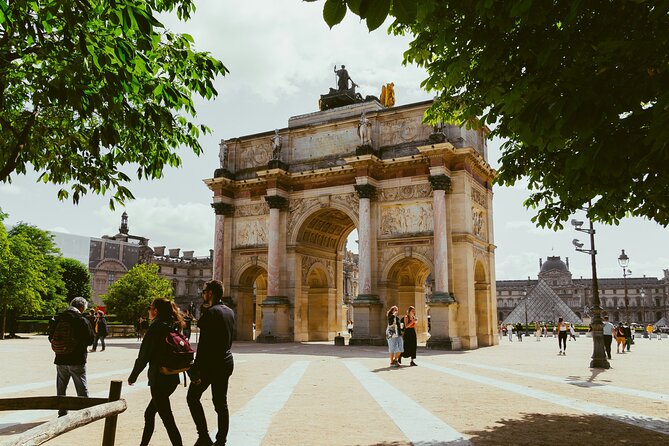
You’ll visit the Arc de Triomphe du Carrousel, originally envisioned as a grand entrance to the Tuileries Palace. It’s a Napoleonic victory arch tied to 1805, and it works well as a “warm-up” to the bigger Arc de Triomphe later.
The difference is mood and scale. The first arch helps you understand the language—victory, ceremony, and imperial branding—without the full drama pressure of the most famous one in Paris.
The big Arc de Triomphe and the funeral procession angle
Then it’s time for the Arc de Triomphe proper, a symbol of French pride and military glory. Here, the tour adds an important twist: you’ll hear about how it played a role during Napoleon’s funeral procession.
That small historical frame can change your whole experience. Instead of treating the arch as only a monument to battles, you start thinking about it as a stage for national theater—memory, mourning, and politics all at once.
If you’re the type who likes to know why something mattered historically, this stop tends to deliver. If you’re only after photos, you might not get as much out of it as you expected.
Place de la Concorde: where complicated French history gets air and space
Place de la Concorde is the kind of stop that makes you pause because it’s big, open, and loaded with meaning. The tour points you toward the complex layers of French history tied to the square, including royal executions and how Napoleon’s era shows up in film portrayals.
This isn’t about turning you into a French history scholar in 10 minutes. It’s about giving you a sense of what you’re looking at when the city shifts from imperial imagery back into broader national upheaval.
Tip: This is a great spot to take a breath. If you’ve been keeping a fast walking pace since Vendôme, Concorde gives you a reset.




Tuileries Garden and the Napoleon backyard feeling
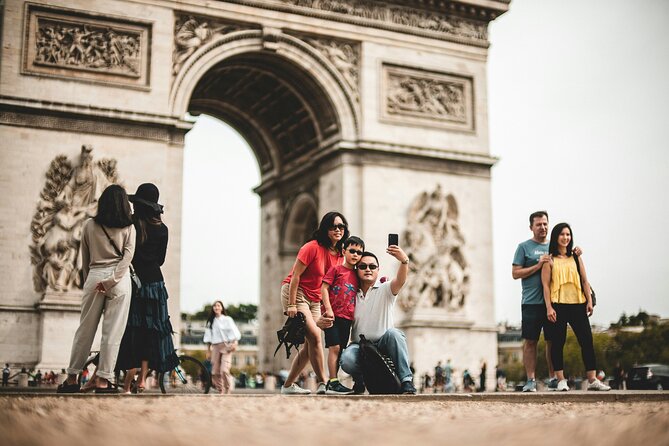
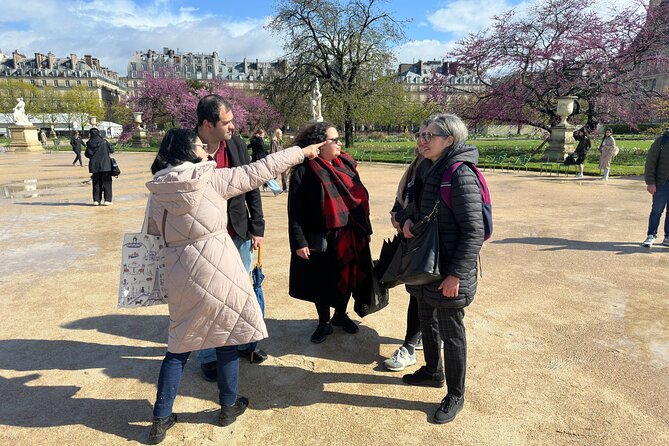
You’ll stroll through the Tuileries Garden, once the backyard of kings and emperors, including Napoleon. This part of the tour is softer and greener than the street monuments, and it helps your brain store what you’ve just learned.
Gardens matter on walking tours. You get a visual and sensory break, and you also get a better sense of how “imperial life” was lived beyond battles and parades.
Also, it’s an easy mood shift before you hit Les Invalides.
A quick Louvre detour: Napoleon’s museum name nod
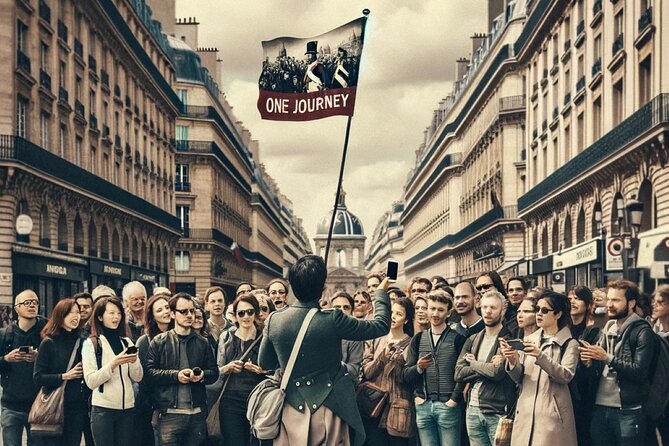
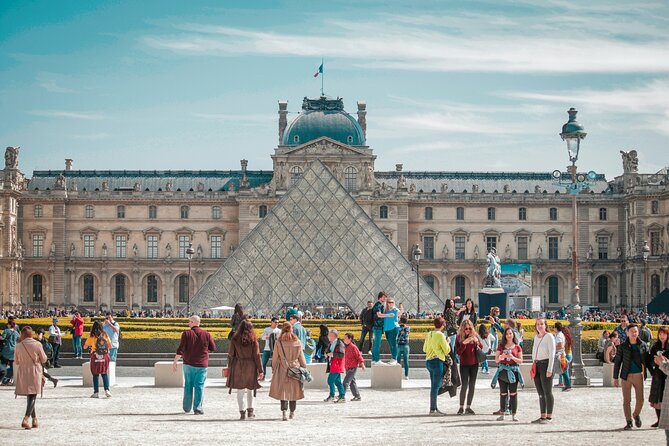
There’s a brief detour to the Louvre, called the Napoleon Museum at one time. This is short, but it’s a useful reminder that Napoleon’s influence wasn’t only military. It touched public institutions too—art, display, and what the state chooses to put on show.
If you’re museum-minded, you may feel the urge to keep exploring the Louvre on your own after the tour. That urge is part of the point: the tour gives you a breadcrumb.
A bridge crossing with strategic defenses in mind
You’ll cross a historical bridge where Napoleon’s strategic military defenses were once placed, specifically connected to protecting the Tuileries Palace. Again, this is interpretive walking: you’re learning to see the city as a designed system, not just scenic views.
If you’ve ever wondered why certain buildings or positions seem “too deliberate,” this stop helps explain the logic. It also keeps the tour from being only about monuments that sit still and pose for cameras.
Reaching Les Invalides: the museum entry that makes the day easier
Your final stop is Musee de l’Armee des Invalides at Les Invalides. This is the heart of the experience because it’s where Napoleon’s story shifts from public image to personal legacy.
Here’s what you’ll enjoy from a logistics standpoint:
- Admission is included, so you don’t need to pre-book museum tickets
- You’ll get 90 minutes of guided exploration, then can keep going on your own inside the Army Museum
- You end your tour at Hôtel des Invalides in central Paris
Because you start your day at 11:00 am, you’re likely hitting the museum when the crowds aren’t at peak late-afternoon levels. Still, it’s a major sight, so plan for some walking inside.
Napoleon’s Tomb at Les Invalides: why this ending hits
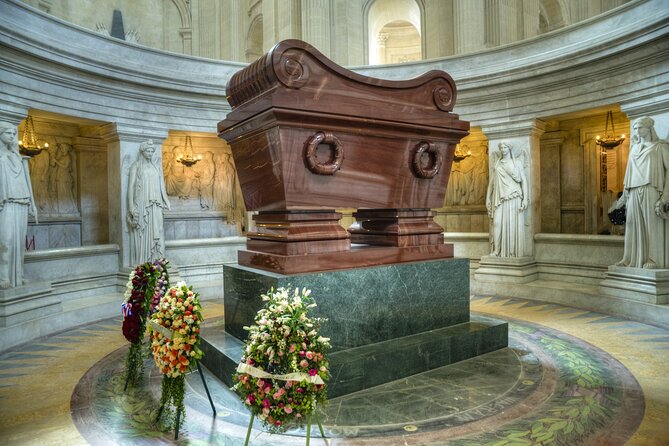
At Les Invalides, you’ll pay respects at Napoleon’s final resting place and explore artifacts that illuminate his life and legacy. This is the part that often lands emotionally for people, even if they came in mostly for architecture and street scenes.
The self-guided time is important here. You can choose how long to stay with the tomb and how much time to spend on the artifacts around it. That flexibility is one of the best parts of the tour design.
If you’re the type who likes to understand the “why” behind a monument, spend a few extra minutes reading and looking around rather than rushing straight through.
Guides and service: Elizabeth and Linda set a strong tone
The best experiences often come down to the guide. In the feedback I saw, Elizabeth stood out for being personable and well-prepared, and Linda was praised for being friendly, punctual, and clear while explaining the key sites along the way to Les Invalides.
One small detail that you might appreciate: Linda called ahead about 10 minutes before the tour start time to check in. That kind of proactive timing can save you from standing around wondering if you’re in the right place.
The tour also includes a concierge-style service to answer your Paris questions before and after. That’s handy for people juggling museum days, transit questions, or timing decisions.
What can go wrong (and how to protect your day)
No tour is immune to problems. One issue that appears in the feedback was a last-minute cancellation, with notice arriving shortly before the start time and a refund taking longer than expected. It’s not the norm implied by the overall rating, but it’s worth taking seriously.
My practical advice:
- Build in a little buffer on your calendar around this tour.
- Double-check your confirmation details shortly before you head out.
- If your plan is time-tight for other Paris reservations, keep them more flexible on the same day.
Also, the experience requires good weather. If rain or other conditions interfere, you may be offered a different date or a full refund.
Price and timing: who this fits best
This tour makes sense if you:
- Want a high-impact Napoleon day without spending hours booking and planning entry tickets
- Prefer a structured route that still gives you breathing room in the museum
- Like the idea of linking battles, urban planning, and public monuments
It may be less ideal if you:
- Want a deep Napoleon biography in one sitting
- Need a lot of time at each outdoor stop for slow reading and quiet contemplation
- Are expecting a full-day museum experience
Group size (up to 22) is a sweet spot for many people: big enough that you don’t feel singled out, small enough that it’s usually manageable.
Should you book this Napoleon tour?
I think this is a solid pick if you want a first stop for Napoleon’s influence in Paris: the column, the arcs, Concorde, the Tuileries, and then a clear ending at Les Invalides with Napoleon’s tomb.
Book it if you like practical structure plus self-guided time, and if you want a day that feels like sightseeing with purpose, not just photo stops. Skip it only if you already know you’ll need much more museum time than a roughly 2–3 hour tour can offer, or if you’re choosing only one Napoleon experience and you want the most exhaustive version possible.
If you can, book ahead. The tour is typically reserved about 36 days in advance on average, which is often a sign it’s popular when schedules are tight.
FAQ
How long is the Napoleon walking tour?
It runs about 2 to 3 hours (approximately).
What does the $52.10 price include?
The price includes admission to Les Invalides, 90 minutes of guided exploration, self-guided time inside the Army Museum, and a guide concierge service for Paris questions before and after.
Is entry to the Army Museum included?
Yes. Entry to the Army Museum at Les Invalides is included, so you don’t need to book tickets in advance for that part.
Will I have guided time or do I explore on my own?
You get about 90 minutes of guided exploration on the street route and at the museum area, plus self-guided time inside the Army Museum so you can explore at your own pace.
Where does the tour start and what time is it?
The meeting point is Boucheron at 26 Place Vendôme, 75001 Paris. The start time is 11:00 am.
Where does the tour end?
The tour ends at Hôtel des Invalides, 75007 Paris.
How big is the group?
The maximum group size is 22 people.
Does the tour include transportation?
No. Transportation to the meeting point is not included.
What is the cancellation and weather situation?
Cancellation is free up to 24 hours in advance for a full refund. The experience requires good weather, and if it’s canceled due to poor weather you’ll be offered a different date or a full refund.
Do I receive confirmation after booking?
Yes. Confirmation is received at the time of booking.
More Guided in Paris
- Paris: Louvre Guided Tour with Reserved Access & Boat Cruise
★ 4.3 · 16,353 reviews - Louvre Museum Masterpieces Guided Tour with Access
★ 4.5 · 12,023 reviews - Louvre Museum – Exclusive Guided Tour (Entry Included)
★ 5.0 · 6,296 reviews - Versailles: Skip-the-Line Guided Palace Tour and Full Access
★ 4.6 · 5,214 reviews - Louvre Access with Mona Lisa Escort or Guided Option
★ 4.0 · 4,588 reviews
More Tours in Paris
- Paris: Louvre Guided Tour with Reserved Access & Boat Cruise
★ 4.3 · 16,353 reviews - Paris: Big Bus Hop-On Hop-Off Tour with Optional Cruise
★ 4.4 · 13,279 reviews - Louvre Museum Masterpieces Guided Tour with Access
★ 4.5 · 12,023 reviews - Versailles: Skip-the-Line Tour of Palace and Gardens Access
★ 4.7 · 10,429 reviews - Paris: Louvre Overview, Exploration tour and Reserved Entry
★ 4.1 · 10,145 reviews
More Tour Reviews in Paris
- Paris: 1-Hour Seine Cruise departing from the Eiffel Tower
★ 4.4 · 77,472 reviews - Paris: Louvre Museum Timed-Entrance Ticket
★ 4.6 · 71,977 reviews - Disneyland® Paris 1-Day Ticket
★ 4.6 · 49,412 reviews - Paris: Versailles Palace and Gardens Full Access Ticket
★ 4.6 · 41,579 reviews - Paris: Arc de Triomphe Rooftop Tickets
★ 4.6 · 34,264 reviews
Fresh off the review desk in Paris
- Secrets of Paris Bike Tour in English or Dutch★ 5.0 · 5 reviews
- Paris: Mont Saint-Michel Day Tour with Chinese Tour Guide★ 5.0 · 5 reviews
- Private Street Art 2-Hour Guided Tour in Paris★ 4.5 · 5 reviews
- Orsay Museum Tour: 2h Highlights (Private & Small Group)★ 5.0 · 5 reviews
- Discover Paris in electric golf carts★ 4.0 · 5 reviews
- Paris Private Boat Tour with your own Captain Guide★ 5.0 · 5 reviews
Guided, compared.
 ★ 4.3Louvre Guided Tour with Reserved Access & Boat CruiseFrom $8116,353 reviews
 ★ 4.5Louvre Museum Masterpieces Guided Tour with AccessFrom $8612,023 reviews
 ★ 5.0Louvre Museum – Exclusive Guided Tour (Entry Included)From $1816,296 reviews
 ★ 4.6Versailles: Skip-the-Line Guided Palace Tour and Full AccessFrom $885,214 reviews
 ★ 4.0Louvre Access with Mona Lisa Escort or Guided OptionFrom $1004,588 reviews
 ★ 4.0Louvre Priority Access with Mona Lisa Escort or Guided OptionFrom $744,420 reviews
 ★ 4.6Louvre Museum: Skip-the-Line Small Group Guided TourFrom $1294,268 reviews
 ★ 5.0Louvre Museum Paris Essential Guided Tour Semi-Private 6ppl MaxFrom $1813,807 reviews