
Reviewed · WINE TOURS
Paris: Cheese and Wine Class in a 17th Century Cellar
Cheese underground beats sightseeing every time. In a 17th-century Paris cellar, I love the seven-cheeses-and-three-wines format and the way guides explain maturing without sounding like a textbook, so you leave with real pairing instincts. One key consideration: this class is not suitable for lactose intolerance, and wine tastings require a minimum drinking age of 18.
You meet at the Musée Vivant du Fromage on Île Saint-Louis, then step into the cool hush of a cellar where cheese is not a prop—it’s the star. It’s also a small-group workshop, so you can ask questions and actually connect the smells, textures, and flavors on your plate.
Price-wise, at about $82 for 90 minutes, you’re paying for the guided tastings, not just food. That’s the good value angle here: you get multiple tastings plus bread, with an English-speaking host walking you through what you’re tasting.
In This Review
- Why This 17th-Century Cellar Tasting Works So Well
- Where You Go in Paris: Musée Vivant du Fromage (Île Saint-Louis)
- The 90-Minute Plan: How the Workshop Unfolds
- What You Learn About Traditional Cheese Production (Without the Confusing Parts)
- The Main Event: 7 Cheeses, 3 Wines, and Baguette
- Your cheese lineup (what to expect)
- Your wine pairing (what the sips are doing)
- Baguette for the in-between moments
- Small-Group Size: Why It Feels Personal
- Wine-and-Cheese Pairing Skills You Can Reuse Afterward
- Is It Worth $82? Value vs. What You Get
- Logistics That Matter (And the Things to Watch)
- Who Should Book This Cheese-and-Wine Workshop?
- Should You Book It?
- FAQ
- What’s included in the class?
- How long is the Paris cheese and wine class?
- Is the instructor available in English?
- Where is the meeting point?
- Are pets allowed during the workshop?
- Is this class suitable if I have lactose intolerance?
- What are the main age and cancellation rules?
Why This 17th-Century Cellar Tasting Works So Well
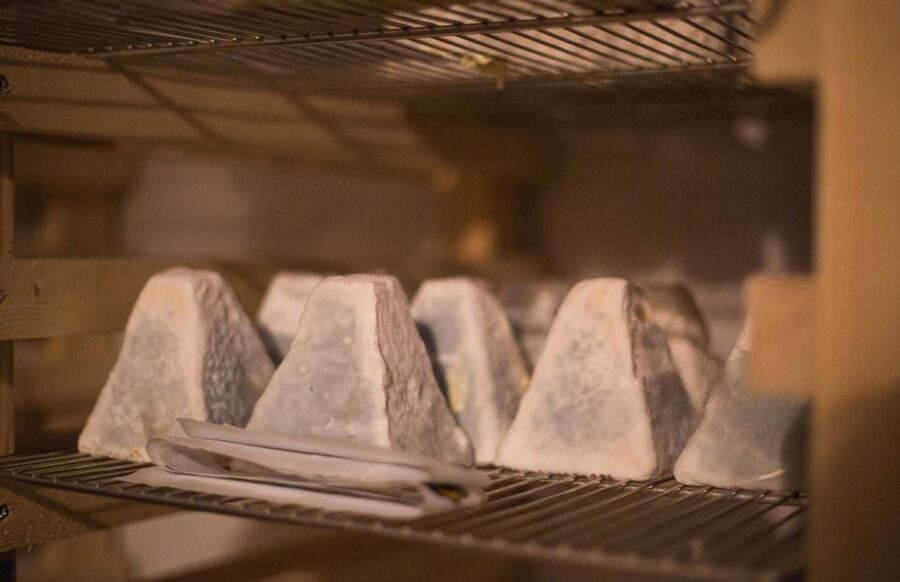
Paris has no shortage of food tours, but this one has a different feel because it’s built around a cheese cellar experience. You’re not only tasting; you’re learning how cheese becomes itself over time. That changes how you eat afterward.
I like that the workshop moves fast but stays clear. In about an hour and a half, you’ll cycle through seven distinct French cheeses and three paired wines, with baguette to reset your palate. It’s structured enough to be easy, but not so scripted that you feel like you’re being rushed.
One more thing I appreciate: you’re in an atmosphere designed for cheese—cool, quiet, and focused. The cellar setting helps you notice details you’d miss in a bright tasting room.
Where You Go in Paris: Musée Vivant du Fromage (Île Saint-Louis)
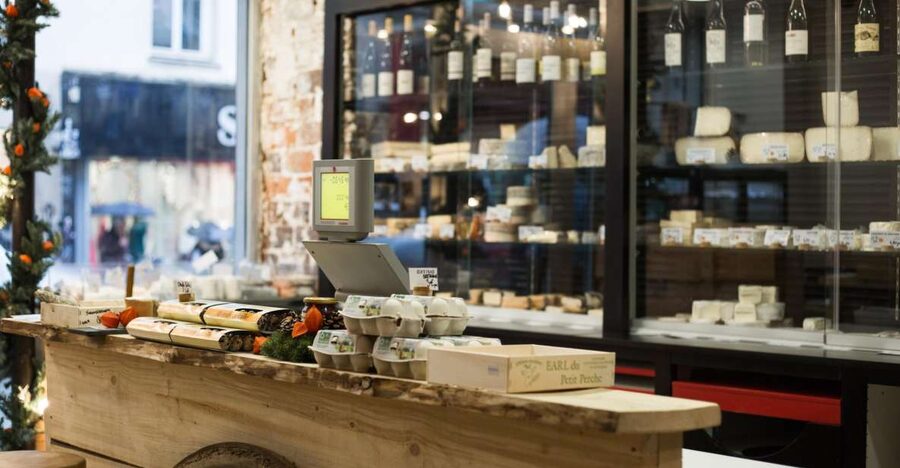
Your meeting point is the Musée Vivant du Fromage, 39 rue Saint Louis en l’île, 75004 Paris. This puts you on Île Saint-Louis, which is a very handy area for getting around on foot once you’re done.
Plan to arrive a few minutes early so you can settle in without stress. You’ll also want to be ready for a wine-and-cheese environment: the tastings include alcohol, and you must be 18+ to participate in the wine part.
No pickup or drop-off is included, so treat this as a “go meet the group” experience.
Worth weighing up next to this Paris pick
- Paris: Moulin Rouge Cabaret Show Ticket with Champagne
★ 4.7 · 16,088 reviews - Authentic Parisian Gourmet Food Tour with 10 Local Dishes & Wines
★ 5.0 · 4,754 reviews - Loire Valley Castles Day Trip from Paris with Complementary Wine
★ 4.5 · 3,907 reviews - Montmartre Hill French Gourmet Food and Wine Tasting Walking Tour
★ 5.0 · 2,588 reviews
The 90-Minute Plan: How the Workshop Unfolds
This is a 90-minute cheese and wine class centered on tasting and explanation. You start by meeting the team at the cheese museum, then you head into the cellar to see the cheese supply and learn the basics of traditional production.
In the cellar, the experience focuses on three learning goals:
- what goes into making cheese (milk, type, and process)
- what happens during maturation (ageing and development)
- how to taste like a pro (texture, aroma, and pairing)
Then the food portion takes over: you alternate bites of cheese with sips of wine, so you can feel how the flavors interact rather than tasting items separately.
As you taste, bread (fresh baguette) is there to keep your palate from getting overwhelmed. That matters, because when you’re sampling different textures and intensities back-to-back, your mouth needs breaks.
What You Learn About Traditional Cheese Production (Without the Confusing Parts)
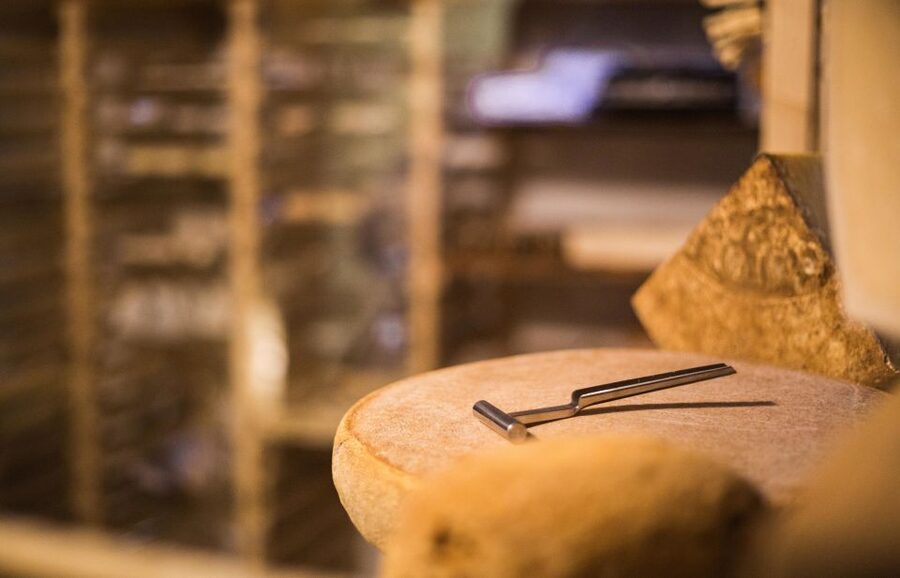
The core education here is traditional cheesemaking and why maturation matters. Guides explain the art of turning simple ingredients into something with layers—firm or creamy textures, stronger aromas, and changing flavor as the cheese ages.
I like that the pacing supports understanding. Instead of a lecture that’s detached from your senses, the explanations connect directly to what’s in front of you. You taste a cheese, then you learn what makes it that way.
You’ll also learn to think beyond “good or not good.” The pairing portion encourages you to notice:
- how fat content can soften sharp flavors
- how aromas can show up as fruit, nuts, grass, or earth notes
- how the finish of the cheese can steer what wine tastes best next
If you enjoy food as a craft, this workshop gives you a practical framework you can use later with French cheeses you buy at shops.
The Main Event: 7 Cheeses, 3 Wines, and Baguette
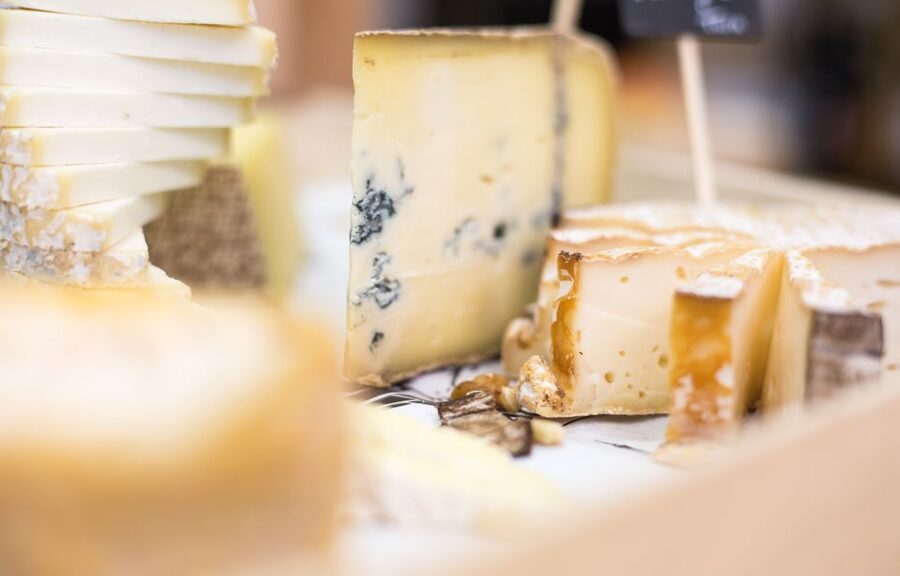
This class is built around a simple logic: taste more varieties, then pair intentionally.
Your cheese lineup (what to expect)
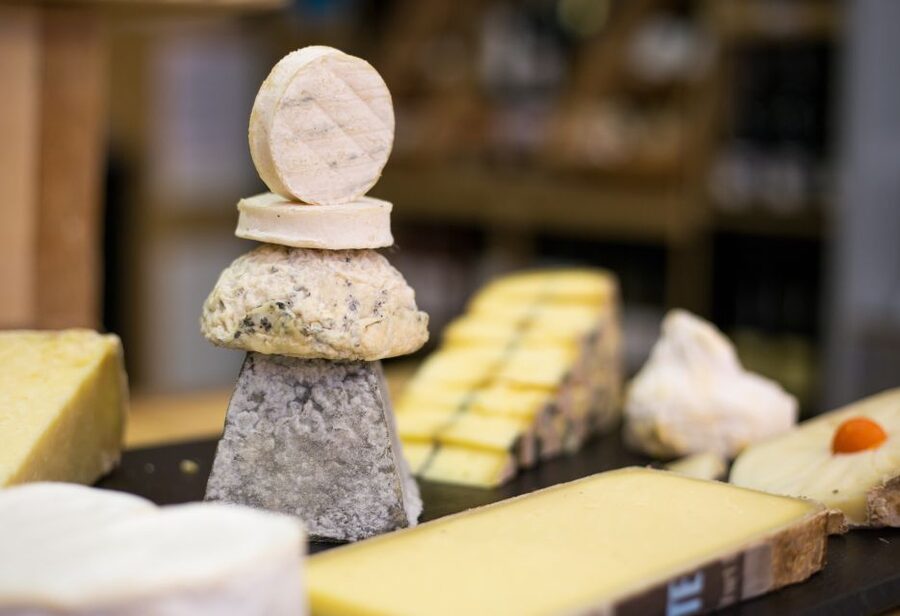
You’ll sample seven cheeses from different regions, with variation across type, texture, and milk. That variety is the point. It helps you understand that French cheese isn’t one style—it’s many styles shaped by region and process.
You’ll likely notice contrast quickly. Some cheeses feel creamy and mellow, while others come with stronger character. That’s why the pairing is such a good teaching tool: you learn what changes when you match a cheese with the right wine.
Your wine pairing (what the sips are doing)
You’ll taste three French wines, paired to complement the cheeses. The goal isn’t “pick the fancy wine.” The goal is to learn what wine does for a cheese and what cheese does to wine.
I find the wine pairing most valuable when you think of it like seasoning. The wine can bring out fruit notes, reduce harsh edges, or support the cheese’s richness. When you pay attention to that cause-and-effect, your tasting skills improve fast.
Worth weighing up next to this Paris pick

Baguette for the in-between moments
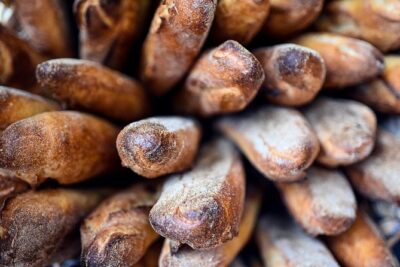
Fresh baguette is included, and it’s not an afterthought. Between different cheeses, it gives you a neutral bite so you can reset.
Small-Group Size: Why It Feels Personal
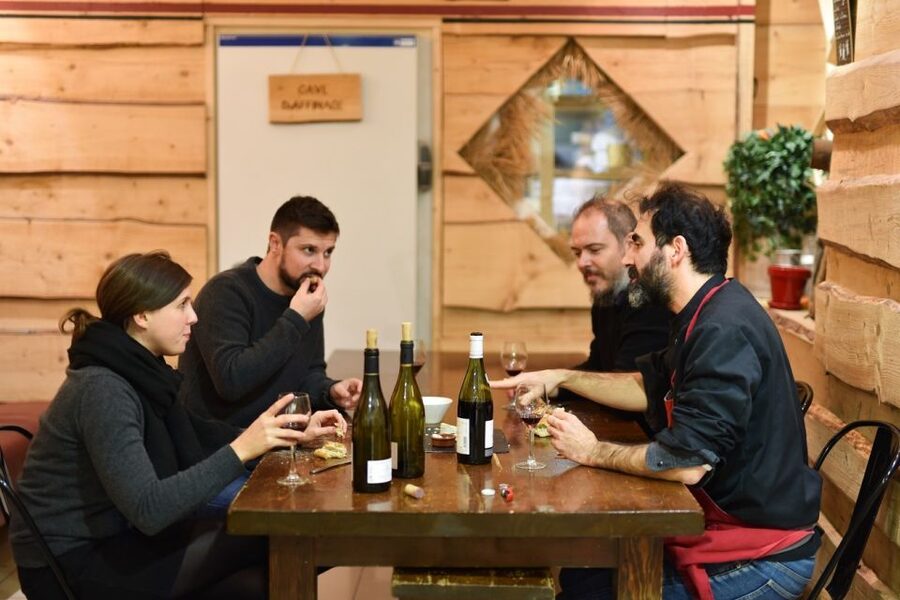
This workshop is designed as a small-group experience. One recent group-size example listed was 12 people, which is small enough to keep questions from getting lost.
That size makes a difference. You don’t just sit and listen. You can ask why a particular cheese tastes the way it does, and you can get straight answers instead of generic explanations.
Also, you’ll meet English-speaking hosts. Based on the guide names seen in past participants, you might be hosted by people such as Pierre, Agathe, Guillaume, Gala, or Marie.
Wine-and-Cheese Pairing Skills You Can Reuse Afterward
The best part isn’t memorizing facts. It’s learning a way to taste that you can carry into a cheese shop later.
Here are pairing ideas this kind of class helps you practice:
- Match creamy textures with wines that feel balanced, not overly thin.
- When a cheese gets intense, let the wine bring structure (not just sweetness).
- Use your own palate as the guide: if a pairing feels harsh, it likely means the flavors aren’t talking kindly yet.
Even if you don’t remember every detail, you’ll leave with instincts. And in Paris, that’s huge. You’ll be able to walk into a shop and make choices with confidence instead of guessing.
Is It Worth $82? Value vs. What You Get
At $82 per person for 90 minutes, you’re paying for three things at once:
- guided interpretation of cheesemaking and maturation
- multiple tastings (7 cheeses and 3 wines)
- bread as a palate reset
That’s different from paying for a general walking tour where food is one stop among many. Here, the entire time is focused on eating, tasting, and learning.
The cost makes more sense if you actually plan to do tasting-style eating in Paris. If you love food experiences and want a structured way to expand your cheese and wine knowledge, this hits the sweet spot.
If you’re only looking for a light snack, it may feel heavy for your schedule, because it’s designed as a real workshop with alcohol tastings.
Logistics That Matter (And the Things to Watch)
A few practical points can save you from last-minute surprises.
- English instruction: good if you want a clear explanation without language friction.
- No pets allowed: plan accordingly if you’re traveling with an animal.
- Not suitable for lactose intolerance: the tasting format includes cheeses, so it’s best to skip this if lactose is an issue for you.
- 18+ for the wine: the minimum drinking age is 18, and you should be ready for ID checks.
If you don’t drink alcohol, this experience may still be enjoyable for the cheese education, but you should confirm what participation looks like in that case before you book.
Who Should Book This Cheese-and-Wine Workshop?
This is a great fit for you if:
- you love French food and want more than casual tasting
- you want to learn how maturation affects flavor
- you like small groups and conversation
- you want a structured foodie activity that doesn’t require heavy planning
It’s a tougher fit if:
- you’re lactose intolerant
- you’re under 18 and want to join the wine pairing
- you’re looking for a mostly passive sightseeing activity
It’s also a smart choice on a day when you already have museums or walking plans. It gives you a slower, sensory experience in the heart of Paris.
Should You Book It?
I think you should book this if you enjoy tasting-based learning and want to come away with real pairing instincts. For many people, the value is in the combination: seven cheeses + three wines, plus a guide who helps you connect the dots between texture, aroma, and maturation.
I’d skip it if lactose intolerance is a concern or if you need a non-alcohol experience. For everyone else, it’s a well-paced, small-group workshop in a setting that actually makes sense for cheese.
FAQ
What’s included in the class?
You get a professional cheese and wine guide, tastings of 7 cheeses and 3 wines, and bread.
How long is the Paris cheese and wine class?
The experience lasts 90 minutes.
Is the instructor available in English?
Yes. The instructor is listed as English-speaking.
Where is the meeting point?
The meeting point is Musée Vivant du Fromage, 39 rue Saint Louis en l’île, 75004 Paris.
Are pets allowed during the workshop?
No, pets are not allowed.
Is this class suitable if I have lactose intolerance?
No, it’s listed as not suitable for people with lactose intolerance.
What are the main age and cancellation rules?
The minimum drinking age is 18. You can cancel up to 24 hours in advance for a full refund, and you can reserve now and pay later (pay nothing today).
More Cheese in Paris
- Paris: Montmartre Cheese, Wine & Pastry Guided Walking Tour
★ 4.8 · 2,255 reviews - Private Montmartre Food Tour with Wine, Cheese & Pastries
★ 5.0 · 1,027 reviews - Paris Le Marais Food Tour With 10+ Tastings, Cheese, Wine & More
★ 5.0 · 985 reviews - Paris: Wine and Cheese Lunch
★ 4.9 · 596 reviews - Cheese & Wine Tasting in Montmartre with Local Cheesemonger
★ 5.0 · 470 reviews
More Wine Tours in Paris
- Paris: Moulin Rouge Cabaret Show Ticket with Champagne
★ 4.7 · 16,088 reviews - Authentic Parisian Gourmet Food Tour with 10 Local Dishes & Wines
★ 5.0 · 4,754 reviews - Loire Valley Castles Day Trip from Paris with Complementary Wine
★ 4.5 · 3,907 reviews - Montmartre Hill French Gourmet Food and Wine Tasting Walking Tour
★ 5.0 · 2,588 reviews - Paris: Montmartre Cheese, Wine & Pastry Guided Walking Tour
★ 4.8 · 2,255 reviews
More Tour Reviews in Paris
- Paris: 1-Hour Seine Cruise departing from the Eiffel Tower
★ 4.4 · 77,472 reviews - Paris: Louvre Museum Timed-Entrance Ticket
★ 4.6 · 71,977 reviews - Disneyland® Paris 1-Day Ticket
★ 4.6 · 49,412 reviews - Paris: Versailles Palace and Gardens Full Access Ticket
★ 4.6 · 41,579 reviews - Paris: Arc de Triomphe Rooftop Tickets
★ 4.6 · 34,264 reviews
Fresh off the review desk in Paris
- Secrets of Paris Bike Tour in English or Dutch★ 5.0 · 5 reviews
- Paris: Mont Saint-Michel Day Tour with Chinese Tour Guide★ 5.0 · 5 reviews
- Private Street Art 2-Hour Guided Tour in Paris★ 4.5 · 5 reviews
- Orsay Museum Tour: 2h Highlights (Private & Small Group)★ 5.0 · 5 reviews
- Discover Paris in electric golf carts★ 4.0 · 5 reviews
- Paris Private Boat Tour with your own Captain Guide★ 5.0 · 5 reviews
Wine Tours, compared.
 ★ 4.7Moulin Rouge Cabaret Show Ticket with ChampagneFrom $11516,088 reviews
 ★ 5.0Authentic Parisian Gourmet Food Tour with 10 Local Dishes & WinesFrom $1024,754 reviews
 ★ 4.5Loire Valley Castles Day Trip from Paris with Complementary WineFrom $1493,907 reviews
 ★ 5.0Montmartre Hill French Gourmet Food and Wine Tasting Walking TourFrom $1452,588 reviews
 ★ 4.8Montmartre Cheese, Wine & Pastry Guided Walking TourFrom $1272,255 reviews
 ★ 4.6Paradis Latin Cabaret Show with Optional ChampagneFrom $1062,231 reviews
 ★ 4.6From Paris: Loire Valley Castles Day Trip With Wine TastingFrom $1041,727 reviews
 ★ 4.0Paris 3-Courses Gourmet Dinner Seine River Cruise with ChampagneFrom $1361,659 reviews
Browse the lists this tour appears in