
Reviewed · CITY TOURS
Paris crime city
Paris crime in the City of Light has teeth. This 1.5-hour walk links major judicial sites to the people who made history through betrayal and violence. If you like your sightseeing with a mystery-flavored edge, you’ll get plenty to think about.
I love how the tour uses place-based storytelling—you’re not just hearing names, you’re walking near the spaces where power, punishment, and fear played out. I also like the guide-led energy; several guides are praised for making the facts feel clear and listenable, including Lionel, Franck, Aurélien, and Nicolas. One possible drawback: the tone can lean very historical and detail-heavy, and if you’re expecting only the biggest “assassins” headline cases, you may feel the focus spreads wider than you hoped.
Because it’s mostly an outdoor walking experience, the weather matters. Cold rain can turn an atmospheric stroll into a miserable shuffle, and that showed up in feedback more than once.
In This Review
- Key things to know before you go
- Why the Palace of Justice and Conciergerie are perfect for a crime-walk
- Meeting at the Louvre Pyramid, then gearing up for Quai des Orfèvres vibes
- From the Seine’s edge to the Palace of Justice: how the story moves
- Conciergerie and the psychology of fear behind stone walls
- The guide is the product: what the best versions get right
- What’s it like on the ground: timing, distance, and weather reality
- Price and value: is $17.02 a fair deal?
- Where this tour fits best in your Paris plan
- Should you book the Paris crime city walk?
- FAQ
- FAQ
- How long is the Paris crime city walking tour?
- What does it cost?
- Where do I meet the guide?
- Where does the tour end?
- What’s included in the price?
- Do I need to print a ticket?
- What areas does the tour focus on?
- Is the group size large?
- Does the tour run in any weather?
- Can I cancel for a refund?
Key things to know before you go
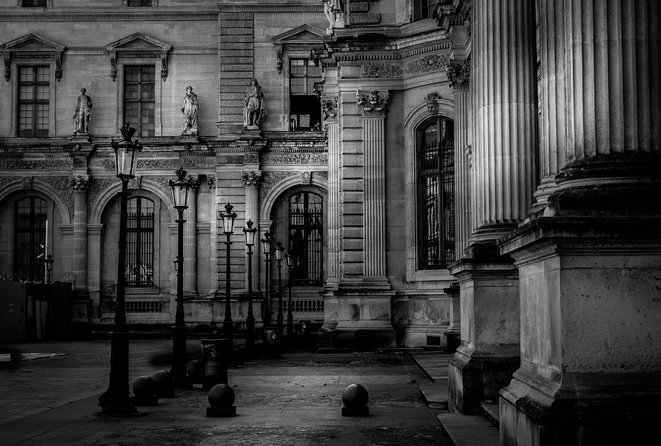
- Palais de Justice to Conciergerie route: You’ll move through the core court-and-prison story of Paris, with the Seine’s influence in the background.
- Short, guided, and mobile-ticket friendly: About 1 hour 30 minutes, with a guide included and a mobile ticket you can keep handy.
- True crime, but history stays in the driver’s seat: You’ll hear about famous figures from Catherine de Medici to Jacques Mesrine, plus several lesser-known threads.
- Small groups (max 25): Easier to stay together and actually follow the narration without getting lost in the crowd.
- Weather can make or break the vibe: Expect an outdoor walk that you’ll want to dress for.
Why the Palace of Justice and Conciergerie are perfect for a crime-walk
Paris has plenty of museums. This is different. Instead of a ticketed gallery experience, you’re working your way through real institutions that shaped how the city handled crime, reputation, and punishment.
The big win is the pairing: the Palace of Justice represents authority and formal power, while the Conciergerie brings you closer to the prison reality—waiting rooms of fate, not just courtroom drama. Put together, the story feels more complete than hearing about cases in isolation.
And the theme isn’t just modern slang for crime. You’re guided through cases spanning centuries, with links to famous names like Catherine de Medici, and later criminal figures such as Jacques Mesrine. That time-jump is part of what makes this tour feel like you’re “following clues” through the city’s layers.
Worth weighing up next to this Paris pick
- Eiffel Tower Summit Option with Seine River Cruise and City Tour
★ 3.5 · 2,176 reviews - Paris in a Day: Louvre or Orsay, Eiffel Tower, City Walk & Cruise
★ 5.0 · 1,956 reviews - Paris: City Highlights Bike Tour
★ 4.7 · 1,835 reviews - Paris: Eiffel Tower Hosted Tour, Seine Cruise and City Tour
★ 4.0 · 1,507 reviews
Meeting at the Louvre Pyramid, then gearing up for Quai des Orfèvres vibes
Your official start point is the Louvre Pyramid (75001), with the walk continuing toward Rue Chanoinesse (75004) at the end. The route is designed so you end up back in the heart of old Paris, near the areas that naturally connect to the courthouse-and-prison story.
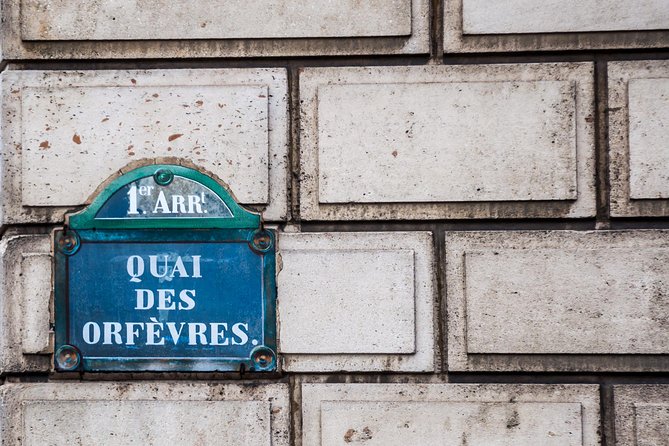
A key staging detail: the experience explicitly begins a few steps from the Quai des Orfèvres area. That matters because this tour isn’t random wandering. The narration is tied to specific corridors of power near the Seine—so when you reach those street corners, the guide’s story can snap into place fast.
Here’s the practical mindset I’d suggest: arrive ready to look up as well as down. Courthouses, old walls, and narrow lanes all change how sound carries and how scenes feel. When you treat it like a “site walk” instead of a typical walking tour, the facts land harder.
From the Seine’s edge to the Palace of Justice: how the story moves
Early on, you’re taken through the court-centered geography of Paris. The experience frames it like an investigation: you’re looking at places along the Seine’s course and working through what each era’s justice system likely meant in real life.
At the Palace of Justice, the guide focuses on the darker side of governance—how betrayals and violence weren’t only private matters. They became public, recorded, judged, and sometimes used as political tools. That’s the “crime city” angle that makes this more than gossip. You’re seeing how crime and power braided together.
One thing I’d watch for: the narrative can include plenty of dates, names, and overlapping threads. Some people are happy with that structure. Others want a tighter focus on a narrower set of the most infamous killers. If you’re the second type, you’ll still find the stop compelling, but you may wish you had your phone notes app ready to capture names as you go.
Conciergerie and the psychology of fear behind stone walls
The tour’s second major anchor is the Conciergerie. This is where the tone tends to shift from official to intimate. You’re moving from “justice as an institution” to “justice as a human experience”—waiting, confinement, and the cold reality of what happens once you’re in the system.
This stop is especially valuable if you like true-crime stories that explain motivations, not just outcomes. The framing here is about what drove people to act—jealousy, ambition, revenge, power struggles—then tying that to how Paris handled the consequences.
If you prefer your stories with a strong atmosphere, this is the part you’ll likely remember. One review called out how “crime history” felt effective under the atmosphere of the walk—though, fair warning, atmosphere can also mean cold weather, if the day goes sideways.
Also: feedback includes notes that walking can be modest. That’s good news for your energy level, but it also means the guide’s storytelling quality becomes the main event. If you’re hoping for mostly visuals, bring your curiosity—this isn’t a slideshow tour.
The guide is the product: what the best versions get right
This experience includes a guide, and the difference between a good and a great version really shows in the feedback. Several guides are specifically praised for making the facts readable and the walk enjoyable.
I’m glad the tour seems to work in a guided “story arc.” People describe it as interesting and excellent, and they highlight the value of anecdotes—the smaller details that connect famous figures to the streets in front of you. Names called out in feedback include Lionel, Franck, Aurélien, and Nicolas, and those mentions matter because they point to consistent strengths: clarity, organization, and an ability to hold attention.
That said, the tour can still feel “very historical” to some. If your idea of a crime tour is pure killer-focused adrenaline—like only the most notorious assassins—then the balance might not match your expectations. You can reduce disappointment by approaching it as crime plus judicial context, not as a best-of true-crime hits playlist.
What’s it like on the ground: timing, distance, and weather reality
The experience runs about 1 hour 30 minutes. That’s a sweet spot for a focused walk: long enough for meaningful storytelling, short enough that you don’t feel trapped if you need to bail early.
The group size is capped at 25, which usually helps you stay together and follow directions. With a theme like this, staying in sync matters, because the guide is linking stories to specific places. If you wander off, you’ll miss the connections.
Now the annoying-but-important part: the tour requires good weather. Several comments mention cold and rain affecting enjoyment, and one even suggested reconsidering the choice in harsh conditions. I agree with that logic. Dress for wind and wet surfaces, and plan for the fact that Paris can feel extra sharp when you’re standing still to listen.
Practical tip: bring a hat or hood you can trust, not just a paper-thin umbrella that gives up at the first gust. And if you’re traveling with kids or someone who hates being cold, consider swapping to a warmer day—because this tour’s mood depends on attention, not shivering.




Price and value: is $17.02 a fair deal?
At $17.02 per person, this tour is positioned as a budget-friendly way to add a “dark Paris” layer to your visit. For that price, you get a guide and a structured route across major judicial and prison-linked locations. You also get a mobile ticket, which keeps friction low.
What makes it feel like value is the setting. The locations are central and famous—Palace of Justice and Conciergerie areas—so you’re not paying for transportation or complicated logistics. You’re paying for someone to connect the history, the names, and the crime theme to specific street-level sightlines.
Where value can dip (still not a deal-breaker, just a match question) is in expectation. If you want a narrow list of the most shocking killers and assassins only, you may feel the tour spreads its time across broader historical threads. If you’re okay with crime stories that include political motives and court context, then $17.02 is likely a steal for the time and guidance you get.
Also, bookings happen relatively in advance—on average about 16 days—so don’t wait until the last minute if your schedule is tight.
Where this tour fits best in your Paris plan
This is one of those activities that works well as either:
- A standalone “old Paris” experience if you want something different from the Eiffel Tower loop.
- A complement to a day already centered around central historic landmarks.
It’s also a smart pick if you’re the type who likes short, focused tours where you leave with names to think about—not just photos.
Who would I steer toward this?
- People who enjoy true-crime history with real places attached.
- Visitors who like a guide-led narrative and don’t mind facts-heavy storytelling.
- Anyone curious about how Paris institutions shaped outcomes for accused people across centuries.
Who might want to think twice?
- Anyone who wants only the most notorious killer stories with minimal context.
- People who hate weather-dependent outdoor walks, especially in cold rain.
Should you book the Paris crime city walk?
I think you should book it if you want a compact, guided walk through Paris’s justice-and-prison geography, where the theme connects famous names to the streets and buildings you’re actually seeing. The best versions seem to come down to guide quality, clear organization, and strong anecdote work—those are repeat strengths.
Skip or reschedule if you’re going on a miserable-weather day or if you’re expecting a tightly focused “major criminals only” hit parade. This tour works best when you’re willing to follow the story through history, not just skim for the biggest shocks.
If you check your day forecast, wear layers, and show up ready to listen, this $17.02 walk can add a memorable, darker angle to your Paris days—without eating half your schedule.
FAQ
FAQ
How long is the Paris crime city walking tour?
It’s approximately 1 hour 30 minutes.
What does it cost?
The price is $17.02 per person.
Where do I meet the guide?
Meet at the Louvre Pyramid, 75001 Paris, France.
Where does the tour end?
The tour ends at Rue Chanoinesse, 75004 Paris, France.
What’s included in the price?
A guide is included.
Do I need to print a ticket?
No. You’ll use a mobile ticket.
What areas does the tour focus on?
It centers on Paris justice and imprisonment places, specifically the Palace of Justice and the Conciergerie, starting near the Quai des Orfèvres.
Is the group size large?
The tour has a maximum of 25 travelers.
Does the tour run in any weather?
It requires good weather. If it’s canceled due to poor weather, you’ll be offered a different date or a full refund.
Can I cancel for a refund?
Yes. You can cancel up to 24 hours in advance for a full refund.
More City Tours in Paris
- Eiffel Tower Summit Option with Seine River Cruise and City Tour
★ 3.5 · 2,176 reviews - Paris in a Day: Louvre or Orsay, Eiffel Tower, City Walk & Cruise
★ 5.0 · 1,956 reviews - Paris: City Highlights Bike Tour
★ 4.7 · 1,835 reviews - Paris: Eiffel Tower Hosted Tour, Seine Cruise and City Tour
★ 4.0 · 1,507 reviews - Paris City Center Free Walking Tour (Tip-Based)
★ 5.0 · 1,340 reviews
More Tour Reviews in Paris
- Paris: 1-Hour Seine Cruise departing from the Eiffel Tower
★ 4.4 · 77,472 reviews - Paris: Louvre Museum Timed-Entrance Ticket
★ 4.6 · 71,977 reviews - Disneyland® Paris 1-Day Ticket
★ 4.6 · 49,412 reviews - Paris: Versailles Palace and Gardens Full Access Ticket
★ 4.6 · 41,579 reviews - Paris: Arc de Triomphe Rooftop Tickets
★ 4.6 · 34,264 reviews
Fresh off the review desk in Paris
- Secrets of Paris Bike Tour in English or Dutch★ 5.0 · 5 reviews
- Paris: Mont Saint-Michel Day Tour with Chinese Tour Guide★ 5.0 · 5 reviews
- Private Street Art 2-Hour Guided Tour in Paris★ 4.5 · 5 reviews
- Orsay Museum Tour: 2h Highlights (Private & Small Group)★ 5.0 · 5 reviews
- Discover Paris in electric golf carts★ 4.0 · 5 reviews
- Paris Private Boat Tour with your own Captain Guide★ 5.0 · 5 reviews
City Tours, compared.
 ★ 3.5Eiffel Tower Summit Option with Seine River Cruise and City TourFrom $1202,176 reviews
 ★ 5.0Paris in a Day: Louvre or Orsay, Eiffel Tower, City Walk & CruiseFrom $1571,956 reviews
 ★ 4.7City Highlights Bike TourFrom $501,835 reviews
 ★ 4.0Eiffel Tower Hosted Tour, Seine Cruise and City TourFrom $1161,507 reviews
 ★ 5.0Paris City Center Free Walking Tour (Tip-Based)From $31,340 reviews
 ★ 5.0Golf Cart in Paris – Private Guided City Tour – Pickup IncludedFrom $1691,164 reviews
 ★ 4.6City and River Seine Tour on an Amphibious BusFrom $461,052 reviews
 ★ 3.5Eiffel Tower and City Tour by Bus with Seine River Cruise OptionFrom $1001,013 reviews
Browse the lists this tour appears in