
Reviewed · STREET ART
Paris: Graffiti and Street Art Workshop
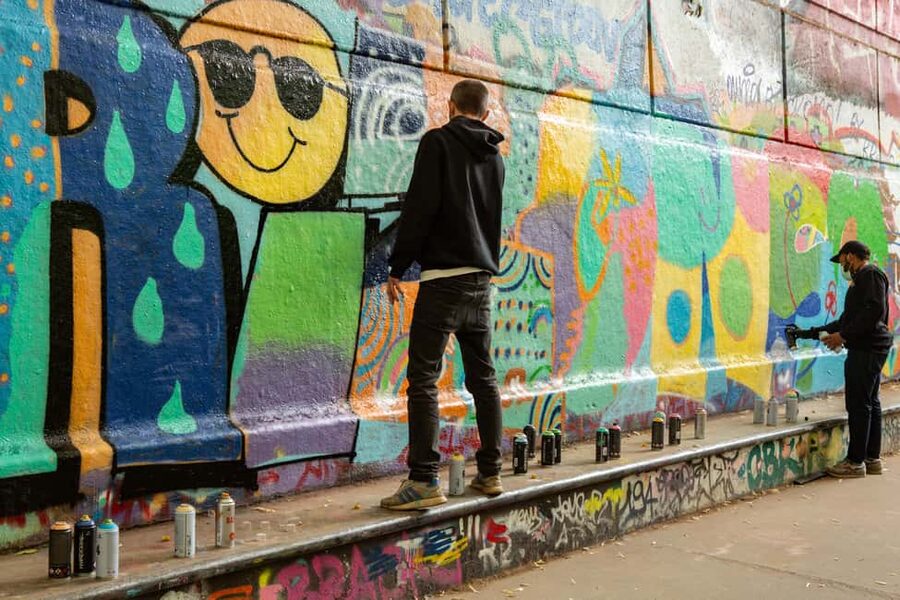
Spray cans in hand, Paris turns into your canvas. I love that you learn directly from real street art artists, and you end with a collective mural that feels genuinely Parisian. A fair heads-up: it’s an outdoor, hands-on activity, so wear clothes that can handle a little paint risk.
In about two hours, you’ll go from the basics of holding a spray can to the wall to practicing clean effects like fine lines, stripes, and lettering styles. In one class example, Benjamin broke down how to get sharper lines by holding the can at the right distance, then guided people as they tested the technique.
You’ll also choose a lettering design with help from the instructor, then add the last details to a large mural as part of the team. If you’re bringing kids, keep expectations realistic—one parent warned that spray control can be tough for younger kids with smaller fingers, even if they’re excited.
In This Review
- Key points before you pick your spot
- Meet Opposite Café Poinçon and Start With the Right Gear
- The Spray Can Lesson: Clean Lines Come From Distance, Not Luck
- Lettering Design: From Basic Ideas to a Piece You’ll Recognize
- Refining With Effects: What Makes a Piece Look Like Street Art
- The Collective Mural: Teamwork That Still Feels Personal
- Price and Value for a 2-Hour Paris Spray Workshop
- What to Wear, What to Bring, and How to Make This Go Smoothly
- Who This Paris Workshop Is Best For
- Should You Book This Paris Graffiti and Street Art Workshop?
- FAQ
- Where is the meeting point?
- How long does the workshop last?
- How much does it cost?
- Who can join and what age range is allowed?
- Do I need previous experience with graffiti?
- What materials are provided?
- What languages do the instructors speak?
- Is there a cancellation policy?
- Is there a reserve and pay later option?
Key points before you pick your spot
- Meet street artists face-to-face and learn how they actually build a piece
- Spray control basics that make clean lines possible (distance and angle matter)
- Lettering design with guidance, even if you’ve never held a spray can
- Effects practice like stripes and special lettering finishes to refine your work
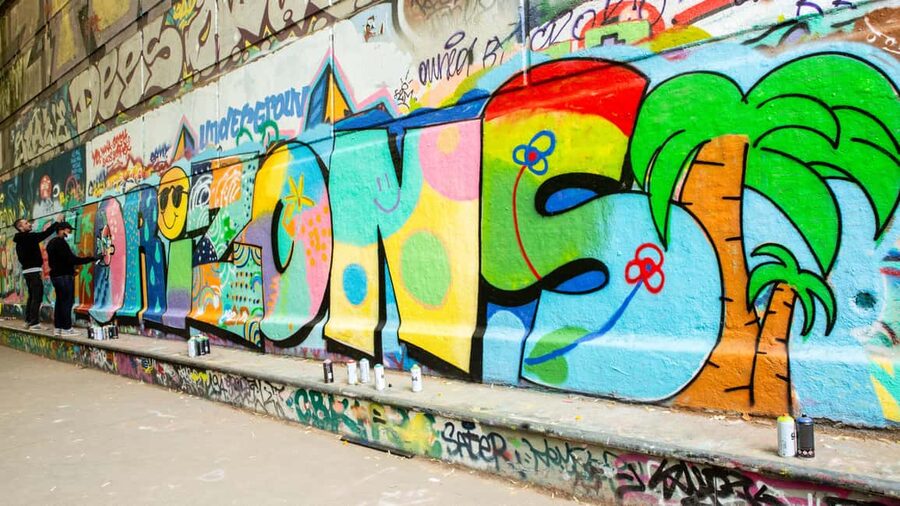
- A shared final mural, so your effort lands on something big
Meet Opposite Café Poinçon and Start With the Right Gear
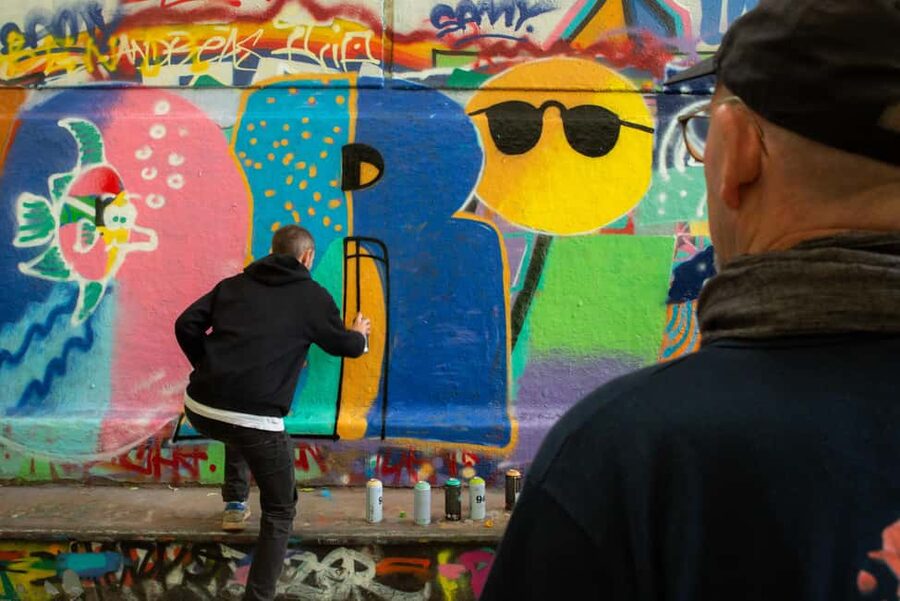
This workshop runs in a very practical way: you meet outside at Opposite Café Poinçon (you don’t go into the building). The artist presents themselves in front, and you’ll get straight into setup.
What I like here is that you’re not wandering around hunting for the right spot or waiting for a long “tour” lecture. Once you’re together, the focus shifts fast to making art: you get protective gloves and a mask, and the tools appear so you can start learning right away.
You should plan to treat this like an outdoor studio. One of the simplest ways to make the experience better is also the least glamorous: wear comfortable clothes you won’t stress about if a little paint gets on you. It’s not a museum setting. You’re here to create.
The instructors are listed as English and French. In real life, that can matter a lot if you’re not fluent. In one class example, Benjamin navigated between languages while explaining techniques, which made the steps feel doable instead of mysterious.
Worth weighing up next to this Paris pick
- Belleville Street Art Tour with an Artist
★ 5.0 · 237 reviews - Montmartre Street Art Tour with an Artist
★ 5.0 · 144 reviews - Street Art tour in Paris – Discover Paris murals !
★ 5.0 · 130 reviews - Murals XXL Street Art Tour
★ 5.0 · 98 reviews
The Spray Can Lesson: Clean Lines Come From Distance, Not Luck
This is the part that turns graffiti from a cool idea into something you can actually control. You start by learning how to use spray paint, then you move into wall exercises.
The techniques you’ll practice are specific:
- lettering and lettering effects
- fine lines
- stripes and simple striping effects
- general spray can handling
One review highlighted a key tip that I’d treat as gospel: how close you hold the spray can to the wall changes the sharpness of your line. That sounds obvious when someone says it, but it’s the difference between a blob and something crisp.
And this is where having a real street artist matters. People praised instructors for explaining the mechanics in a way that made sense, not just telling you to copy a picture. In another example, Walter was praised for being patient while helping people shape a piece.
Also, you’ll be using materials designed for this kind of work. One review mentioned learning about specialized spray paints used by artists. That’s important because cheap paint behaves differently, and the “hand feel” changes.
If you’re the type who worries you’ll be terrible, that worry usually fades once you realize the class is set up for learning—not performance. Your first attempts are not graded as art masterpieces. They’re part of the training.
Lettering Design: From Basic Ideas to a Piece You’ll Recognize
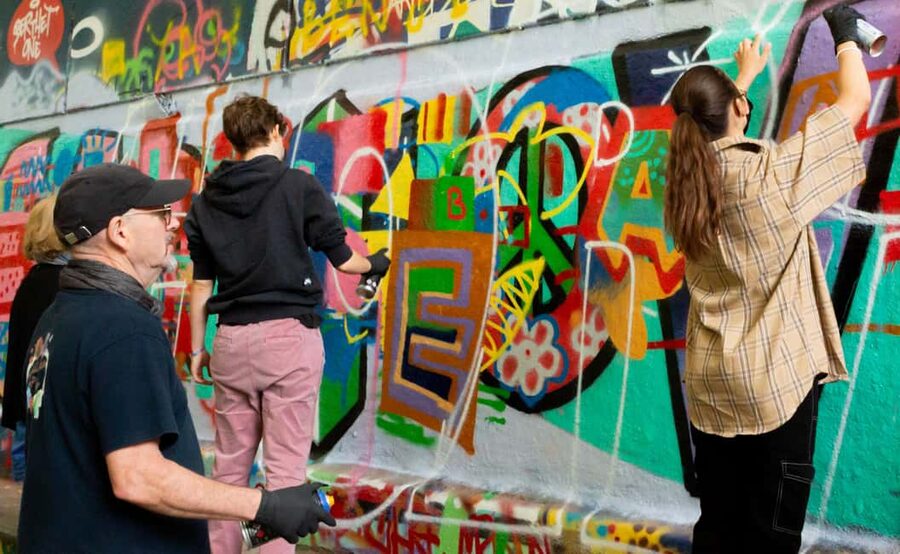
After the spray basics, you shift into design. You don’t just get handed a stencil and told to follow it. You’ll choose a lettering design with help from the artists, and that guidance is what helps beginners finish something that feels like their own.
This phase matters because lettering is where most people get stuck if they’re self-taught. One reason the workshop works well for beginners is that the instructor supports the decisions: you start with an idea, then you refine it into a layout that can live on a wall.
Expect to build toward a final that looks intentional. You’ll be learning effects and how they change the look of your letters. That could mean:
- adjusting style for readability
- adding detail lines
- using stripes or other finishing touches to make your letters pop
You’ll also practice on wall exercises before you commit to the bigger mural work. That sequencing is smart. It reduces the chance that you spend the whole session fighting your own tools.
If you’re more experienced, you’ll still get value. You’ll likely notice the instructor’s feedback on line control and finishing techniques, which is the difference between something that looks “sprayed” and something that looks made.
Refining With Effects: What Makes a Piece Look Like Street Art
Graffiti isn’t only about color. It’s about the rules behind the look. That’s what this workshop spends time on.
You’ll learn different effects and use them to refine your creation. Even if you’re not sure what effects you like yet, you’ll get enough practice to experiment with:
- stripes
- fine-line details
- lettering effects
This is also where the workshop earns high marks for being supportive. People repeatedly mention instructors being patient and friendly. One review described Marianne as fantastic while guiding a 12-year-old niece through the process. Another praised Burns as amazing and highlighted how much fun the experience was in a very straightforward way.
There’s a practical takeaway for you here: street art style is built from small choices. A slight change in line width. A careful highlight. A stripe that adds rhythm. The workshop gives you enough time and instruction to make those choices without feeling lost.
One more detail: the workshop structure encourages teamwork, so you’re not isolated. Even if your style is different from the rest of the group, your piece can still fit into the bigger mural plan.
The Collective Mural: Teamwork That Still Feels Personal
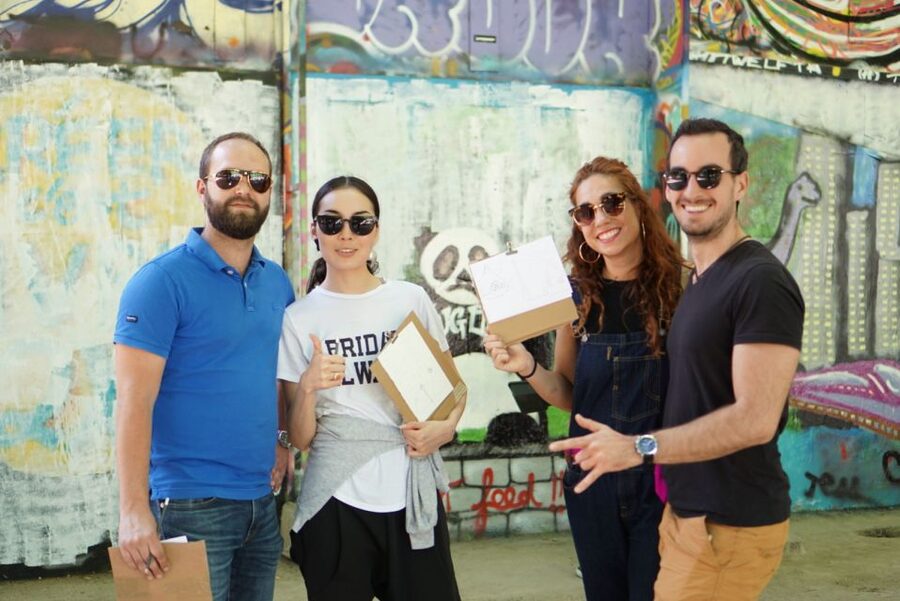
The final goal is a large mural made together. You’ll add your last details on the big piece, after designing and practicing your lettering.
This is the heart of the value. You’re not just trying paint at a wall and then leaving. You contribute to a shared result that lasts as something concrete—something the group builds through the session.
That shared project also helps with the social side. Several reviews mention it as a fun team-building experience, including one where a parent went with their mother and both had a blast. Another pointed out that even people who were worried they’d be bad still ended up with a wall section that looked good and fit the mural.
There is one potential wrinkle to consider. One review wished there was an option for individual art at the end. That suggestion tells me this workshop leans heavily toward the collective outcome, so if you’re seeking a final moment where everyone makes a standalone piece, you might find the shared focus more prominent than you expected.
Price and Value for a 2-Hour Paris Spray Workshop
At $70 per person for 2 hours, the price sits in a zone where you should ask: what are you actually paying for?
Here, you’re paying for three things:
- real instruction from practicing street art artists
- all the tools and safety gear (including spray cans, mask, gloves, and other materials)
- a complete process, from technique practice to lettering to a mural contribution
That last part is key. You’re not paying for a short demo. You’re paying for guided practice with a finish you can point to at the end.
Also, the materials being provided matters more than it sounds. Spray work is messy and tool-dependent. A workshop that supplies the basics removes friction, so you don’t arrive worrying about what you forgot.
If you’re trying to choose between this and a typical “things to see” activity, think about time and memory. Paris is full of monuments. This is different: you leave with a new skill and the satisfaction of adding your effort to a real mural.
Worth weighing up next to this Paris pick


What to Wear, What to Bring, and How to Make This Go Smoothly
Based on the workshop info, the big clothing rule is simple: wear comfortable clothing suitable for an outdoor artistic activity.
The class provides protective gloves and a mask, plus paint tools (spray cans and brushes). So you don’t need to bring your own supplies.
If you want to feel ready without overthinking, here are the practical habits that tend to help:
- Wear clothes you don’t mind getting paint on
- Tie back long hair if you have it
- Expect to hold and spray for periods, so bring a mindset of practice, not perfection
- Bring curiosity. Techniques like fine lines and stripes require small adjustments
Language shouldn’t slow you down. English and French guidance is included, and in at least one example the instructor moved between languages to keep people following the steps.
For families, there’s a useful caution from reviews: one parent said it’s not ideal for children under about 9–10 because of small fingers and handling spray paints. The workshop is also described as open to ages 12 and up, so if you’re traveling with younger kids, check fit carefully.
Who This Paris Workshop Is Best For
This is a great pick if you want something hands-on and a bit bold, but you still want structure. You’ll get guidance through each step, which keeps the experience from turning into random spray chaos.
It’s especially good for:
- beginners who want to learn technique instead of copying
- people traveling with teens or older kids who like creative activities
- anyone looking for an authentic street art angle, not just a photo stop
If you’re someone who hates mess, this might feel challenging. It’s paint. It’s outdoors. You’re wearing gloves and a mask, but you should still be mentally prepared for the reality of creating art with spray paint.
Should You Book This Paris Graffiti and Street Art Workshop?
Book it if you want a short, focused Paris experience with real instruction and a final payoff: a collective mural where your lettering and details actually belong.
Skip it (or at least reconsider) if you’re very sensitive to outdoor painting mess, or if you’re hoping for a session that ends with fully independent, individual artwork rather than contributing to a group mural.
For most people, the decision is easy: two hours of guided spray techniques plus a team project in the middle of Paris is hard to beat for the price, especially when the materials and safety gear are included.
FAQ
Where is the meeting point?
You meet opposite Café Poinçon. The artist will present themselves in front, and you do not enter the building.
How long does the workshop last?
The workshop duration is 2 hours.
How much does it cost?
The price is $70 per person.
Who can join and what age range is allowed?
The workshop is open to budding artists and beginners alike and is suitable for ages 12 and up.
Do I need previous experience with graffiti?
No. It’s designed for beginners and budding artists, and the instructors guide you step by step.
What materials are provided?
Materials are provided, including spray cans, masks, gloves, pencils, and you’ll also get paint and brushes.
What languages do the instructors speak?
Instructors provide English and French guidance.
Is there a cancellation policy?
Yes. There is free cancellation available up to 24 hours in advance for a full refund.
Is there a reserve and pay later option?
Yes. You can reserve now & pay later, meaning you can book your spot and pay nothing today.
More Workshops in Paris
- Fragonard Paris: Mini Perfume Workshop
★ 4.5 · 1,924 reviews - Paris: Macaron Class at Galeries Lafayette
★ 4.2 · 1,196 reviews - Paris Cooking Class and Lunch with Wine plus Market Visit Option
★ 5.0 · 1,024 reviews - Paris Croissant Small-Group Baking Class with a Chef
★ 5.0 · 910 reviews - Paris: 2-Hour Perfume Creation Workshop
★ 4.8 · 731 reviews
More Street Art in Paris
- Belleville Street Art Tour with an Artist
★ 5.0 · 237 reviews - Montmartre Street Art Tour with an Artist
★ 5.0 · 144 reviews - Street Art tour in Paris – Discover Paris murals !
★ 5.0 · 130 reviews - Murals XXL Street Art Tour
★ 5.0 · 98 reviews - Paris: Street Art Open-Air Museum Bike Tour
★ 4.8 · 51 reviews
More Tour Reviews in Paris
- Paris: 1-Hour Seine Cruise departing from the Eiffel Tower
★ 4.4 · 77,472 reviews - Paris: Louvre Museum Timed-Entrance Ticket
★ 4.6 · 71,977 reviews - Disneyland® Paris 1-Day Ticket
★ 4.6 · 49,412 reviews - Paris: Versailles Palace and Gardens Full Access Ticket
★ 4.6 · 41,579 reviews - Paris: Arc de Triomphe Rooftop Tickets
★ 4.6 · 34,264 reviews
Fresh off the review desk in Paris
- Secrets of Paris Bike Tour in English or Dutch★ 5.0 · 5 reviews
- Paris: Mont Saint-Michel Day Tour with Chinese Tour Guide★ 5.0 · 5 reviews
- Private Street Art 2-Hour Guided Tour in Paris★ 4.5 · 5 reviews
- Orsay Museum Tour: 2h Highlights (Private & Small Group)★ 5.0 · 5 reviews
- Discover Paris in electric golf carts★ 4.0 · 5 reviews
- Paris Private Boat Tour with your own Captain Guide★ 5.0 · 5 reviews
Street Art, compared.
 ★ 5.0Belleville Street Art Tour with an ArtistFrom $48237 reviews
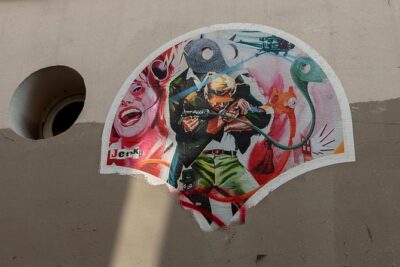 ★ 5.0Montmartre Street Art Tour with an ArtistFrom $48144 reviews
 ★ 5.0Street Art tour in Paris – Discover Paris murals !From $71130 reviews
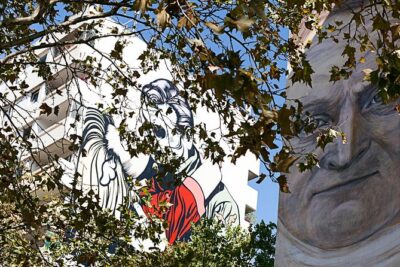 ★ 5.0Murals XXL Street Art TourFrom $6898 reviews
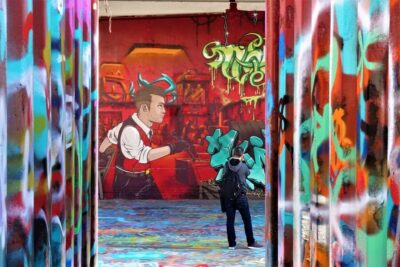 ★ 4.8Street Art Open-Air Museum Bike TourFrom $5451 reviews
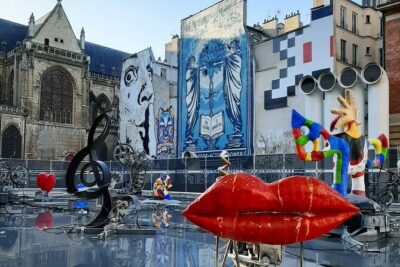 ★ 5.0Invader Hunt – Street Art Tour of le MaraisFrom $4739 reviews
 ★ 4.5Street Art Walking Tour with a Street Artist GuideFrom $4739 reviews
 ★ 4.52-Hour Street Art TourFrom $9436 reviews
Browse the lists this tour appears in