
Reviewed · SEINE RIVER CRUISES
Paris: Historical Guided Tour of the Seine Riverbanks with Virtual Reality
Seeing the Seine shift through time feels unreal.
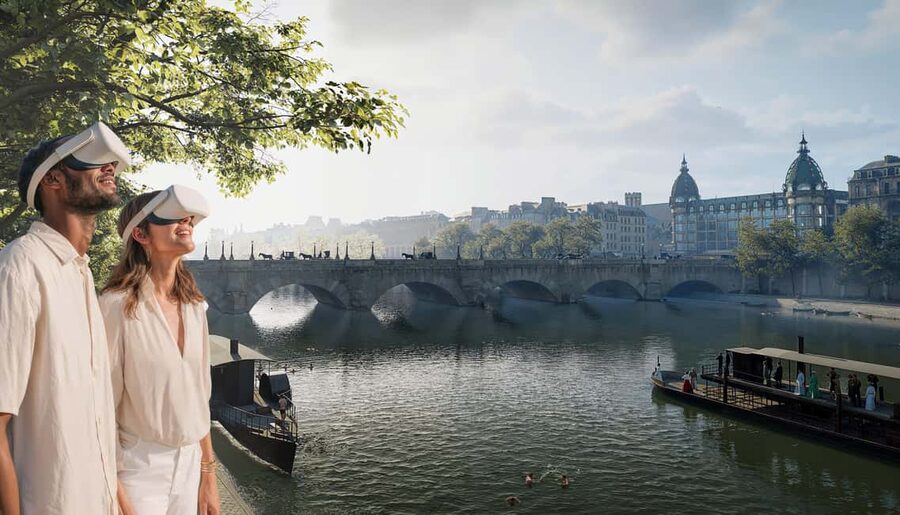
This Seine riverbanks VR tour lets you stand in real places on the UNESCO-listed quays while a 360° timeline unfolds around you, so today’s view suddenly explains yesterday’s. I love how the guide keeps the story grounded, not tech-gimmicky.
I also really like the pacing: it’s a 1.2 km walk that lasts about 1 hour, with a calm tempo that gives the scenes time to land. You get multiple short VR moments (15-plus) tied to key eras, and the sound and visuals do a lot of the heavy lifting.
One thing to think about: some quay sections can be tricky if you have reduced mobility, so it may not feel comfortable for everyone. If it’s rainy, you’ll also be juggling your umbrella or bag while wearing the headset.
In This Review
- Quick hits before you go
- Berges Rive Droite start point: where the story begins
- How the open-air VR walk works (and why it makes sense)
- The 2,000-year Seine timeline: eras you’ll connect to the river
- The 15+ VR capsules: what you experience moment to moment
- Guide-led storytelling in French, English, or Spanish
- Walking route tips: shoes, weather, and managing the headset
- Who this Seine VR tour fits best
- Price and value: is $34 worth the hour?
- Quick practical info: timing, languages, and what to expect
- Should you book this Seine riverbanks VR tour?
- FAQ
- How long is the Paris Seine historical guided tour with virtual reality?
- Where does the tour start?
- Is the tour open-air or indoors?
- What languages are available?
- Do I need any virtual reality experience?
- What is the minimum age?
- How much walking is involved?
- Is it accessible for people with reduced mobility?
- Can I cancel for free or pay later?
Quick hits before you go
- Open-air VR: You stay outside on the riverbank while history plays in 360°.
- 15+ VR capsules: Short, focused moments instead of one long film.
- 1.2 km, about 1 hour: A manageable walking distance in central Paris.
- Seine UNESCO setting: The locations are real, not just a backdrop.
- Multi-language guide: Live narration in French, English, or Spanish.
- Ages 8+: Built for kids old enough to follow the timeline.
Berges Rive Droite start point: where the story begins
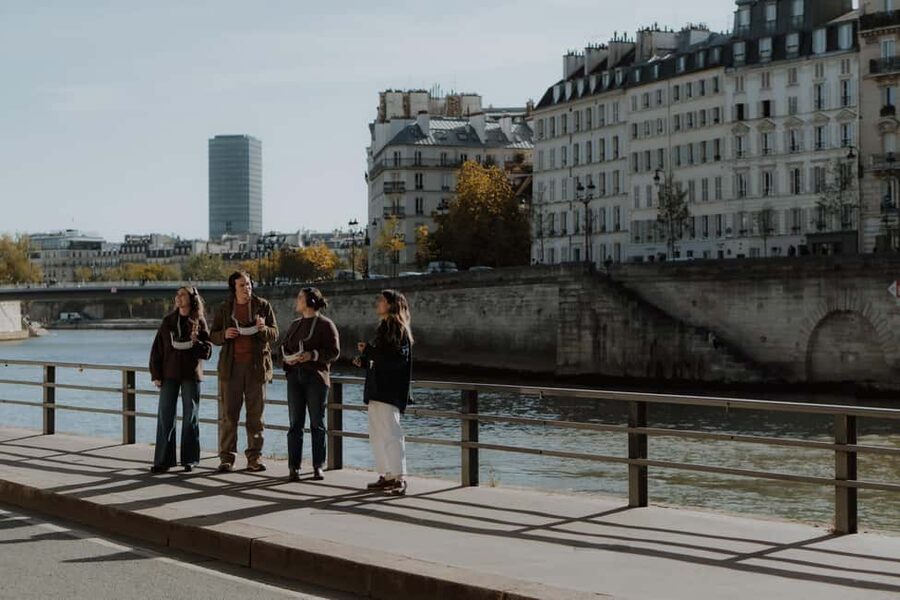
This tour starts on the Berges Rive Droite, on the Voie Georges Pompidou, under Pont Louis-Philippe in Paris’s 4th arrondissement. It’s a central spot near Hôtel de Ville, which is handy if you’re pairing it with other sightseeing afterward.
I like that the meeting point is specific. When you’re trying to meet a group with VR gear, “somewhere near the river” can turn into a little scavenger hunt. Here, you’ve got a clear landmark and a narrow stretch along the quay.
You’ll be walking as part of the experience. The route is about 1.2 km on foot, so you’ll get movement and variety along the riverbank rather than standing still for the whole hour. It’s also one of those good setups for first-time visitors: you’re on the Seine, but you’re not stuck inside a museum that demands a different kind of energy.
More time out on the Seine, compared
- Paris: 1-Hour Seine Cruise departing from the Eiffel Tower
★ 4.4 · 77,472 reviews - Paris: Seine Cruise & Crepe Tasting near the Eiffel Tower
★ 4.4 · 11,231 reviews - Paris: Seine River Panoramic Views Dinner Cruise
★ 4.3 · 10,611 reviews - Paris: Eiffel Tower Access by Elevator & Seine River Cruise
★ 4.6 · 7,329 reviews
How the open-air VR walk works (and why it makes sense)
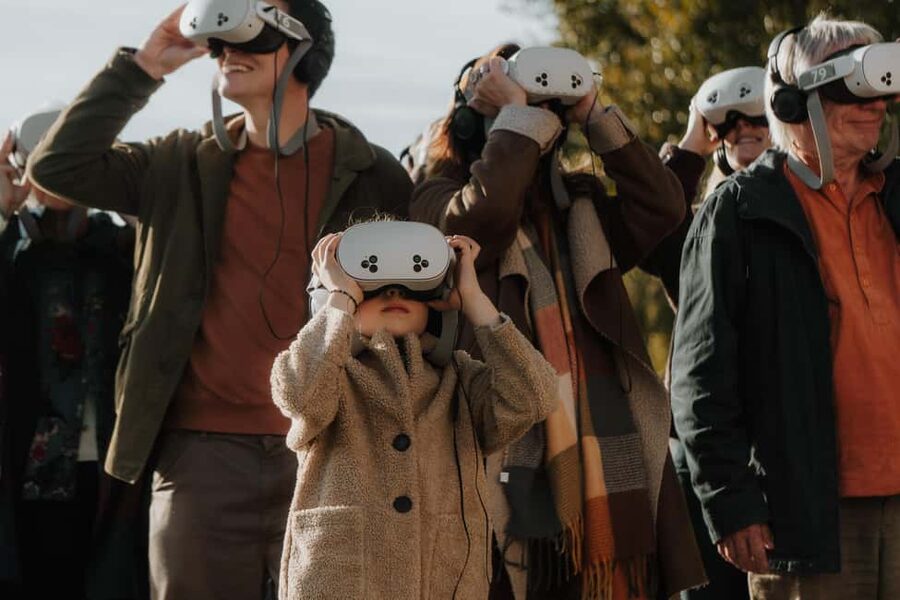
The core idea is simple: you’re on the real riverbanks, wearing a virtual reality headset, and your guide leads you as the past “appears” around you in 360° views with sound. The tour is designed so you don’t need prior VR experience. The guide handles the practical side so you can focus on what you’re seeing.
What I really like is the balance between motion and immersion. Since you’re outdoors, you still feel like you’re in Paris. You’re not sealed away in a dark room the whole time. The walking also helps you build a mental map: you connect what you hear and see to the quay you’re standing on.
There’s also a helpful rhythm to how these tours usually work in practice: short VR “capsules” paired with guided explanation. That matters because your attention is split between two worlds. A good format keeps you from getting tired of the headset or waiting too long between story beats.
A small practical consideration: VR gear and small bags can be awkward together. One comment that stuck with me was how hard it can be to manage an umbrella while wearing the virtual reality glasses and carrying a day bag. If weather is unpredictable, I’d plan for that. A lightweight rain layer or using a compact bag you can keep close can make the hour less stressful.
The 2,000-year Seine timeline: eras you’ll connect to the river
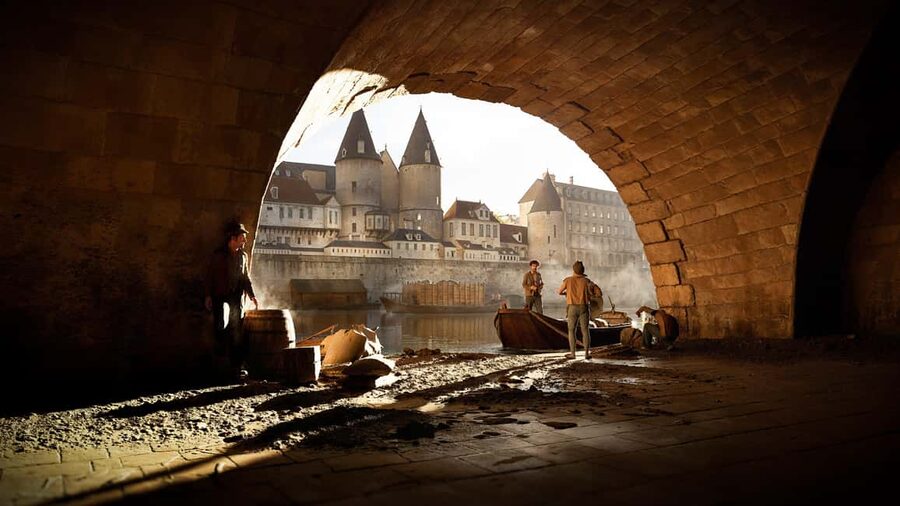
The tour’s big promise is 2,000 years of history along the banks of the Seine, and it tries to make the timeline feel location-based. Today’s decor gives way to yesterday’s, so the river isn’t just a pretty backdrop. It becomes a stage where power, conflict, and change happened.
Here are the kinds of moments the tour focuses on, in the order of big historical beats:
- Early settlement era: the story begins with the first Parisii settlements, tying the city’s origin to the river environment that supported community and movement.
- Major turning points in the medieval-to-modern arc: the narration carries you through eras that shaped Paris’s identity.
- The Viking siege: a dramatic episode that reminds you the Seine corridor was strategic long before modern maps existed.
- The French Revolution: you get the sense of how political upheaval can reshape a city’s streets, landmarks, and public life.
- Later landmarks, including the Eiffel Tower: the tour reaches into more modern Paris, though you might notice time jumping as the story moves toward recognizable 19th-century imagery.
The practical value of this approach is that it helps you connect separate guidebook facts into a single narrative. When you later walk along the Seine on your own, you’ll be less likely to see it as a flat postcard view. You’ll start pointing out riverbank clues: why certain bridges and districts matter, how the city’s story grew along the water, and how events reshaped the built environment.
If you’re the type who wants a very detailed breakdown of the 19th and 20th centuries, you may find the hour is more of a broad timeline than a deep lecture. In that case, I’d treat it as your spark, then add a follow-up—another guided walk or a museum visit—if you want tighter dates and more context.
The 15+ VR capsules: what you experience moment to moment
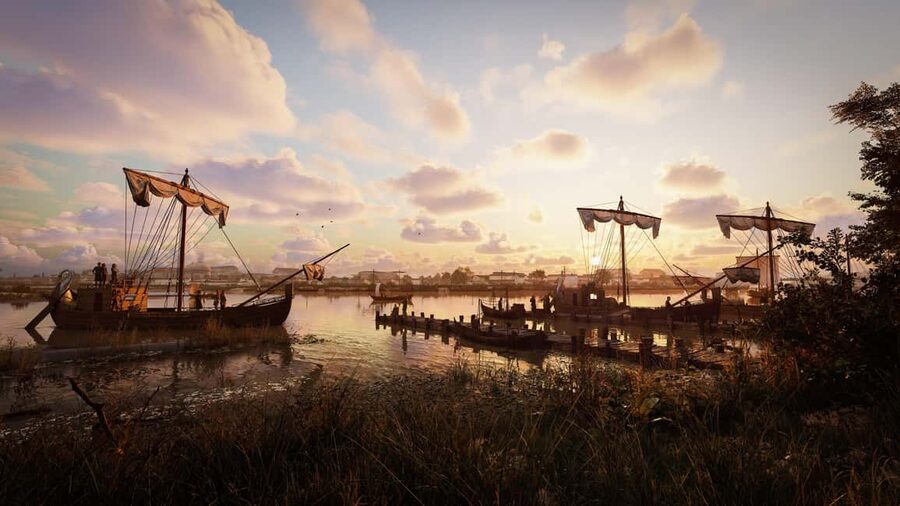
The format uses over 15 unique VR capsules, each highlighting a key moment in the history of Paris. The scenes are 360° and paired with sound, with reconstructions said to be validated by historians and experts. That’s a big deal for a tech-based tour: you’re not just watching “cool effects,” you’re trying to match the visuals to a credible story.
In plain terms, you should expect a series of short transitions rather than one continuous ride. That keeps your brain engaged. It also reduces “headset fatigue,” which is real on a rainy day or if you’re sensitive to visual weight.
One detail I appreciated from real-world comments: people often feel the walking speed is just right. It doesn’t feel like you’re being rushed down the quay. Instead, the pace gives you time to look, listen, and then absorb what you saw once you remove the headset. If you like calm, thoughtful travel, that pacing can be a big part of the value.
Also, there’s support for comfort. One person specifically noted gloves being lent, which suggests they’re thinking about handling and fit, not only storytelling. If you’re the kind of traveler who hates being uncomfortable, that’s a good sign. Still, bring common sense: wear comfortable shoes, and keep your hands free enough to manage the gear.
Guide-led storytelling in French, English, or Spanish
This tour includes a live guide and is available in English, Spanish, and French. You’ll also hear that some content may be shown in its original language. That’s normal for history storytelling, but it’s worth knowing if you’re counting on everything being fully translated.
Because it’s guide-led, you get something VR-only experiences often miss: the ability to ask, clarify, and follow the “why” behind the “what.” A good guide can also help you reconcile what you’re seeing. Paris has layered history, and not every visual will match a single street corner perfectly. The guide’s job is to keep the story coherent.
If you’re traveling with a mixed group—say someone who knows Paris well and someone who doesn’t—this format can work. The VR does the visual grounding for beginners. The guide adds the structure for everyone. It’s less about memorizing and more about forming a timeline that sticks.
Walking route tips: shoes, weather, and managing the headset
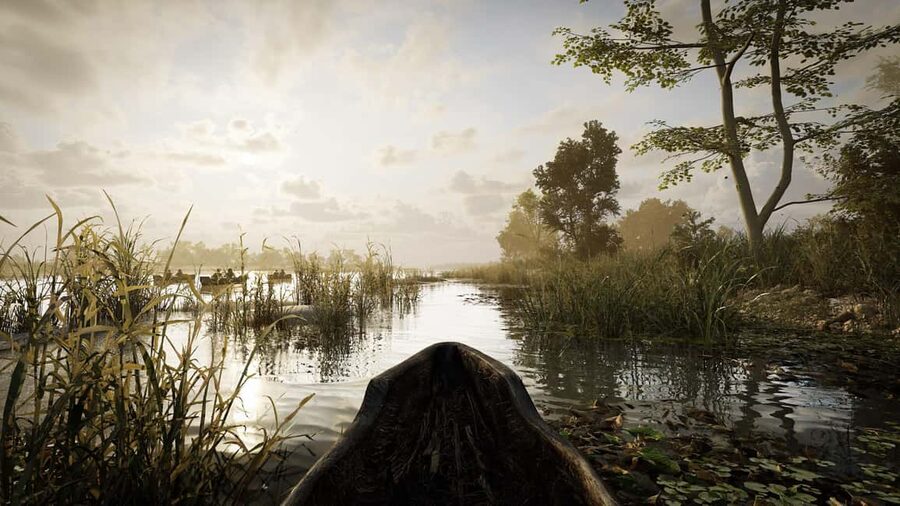
The experience is 1.2 km on foot, and the duration is about 1 hour. That’s not a long walk, but it’s enough time to matter what you wear. I’d treat this like a short city stroll with a wearable tech layer.
Here’s what to focus on:
- Comfortable shoes: the tour recommends them, and you’ll thank yourself when you’re wearing the headset and trying to stay balanced on quay surfaces.
- Weather planning: if it’s raining, managing an umbrella can be awkward with the virtual reality glasses and a small bag.
- Keep your bag simple: a smaller, more secure bag makes the “stop, put on headset, look around, keep moving” rhythm easier.
Also, the tour is outdoors and starts near a busy central area. You’ll likely want to arrive a few minutes early so you’re not rushing while you’re getting headset gear fitted.
Worth weighing up next to this Paris pick




Who this Seine VR tour fits best
This is a strong choice if you want history in a format that moves. You’re not just reading plaques or listening to a standard lecture while standing still.
You’ll likely enjoy it if:
- You like technology that supports storytelling, not technology for its own sake.
- You want to grasp big historical eras quickly and then explore more on your own.
- You’re visiting Paris for the first time and want a way to understand why the Seine matters.
It’s also a good match for families with older kids. The minimum age is 8 years old, which tells you the pacing and content are meant to be followed. VR can be a fantastic tool for kids who struggle with traditional museum-style tours, as long as they’re old enough to stay engaged and handle the headset time.
On the flip side, it may be a poor fit if you:
- Are very mobility-limited (some portions may be difficult).
- Have concerns about time in VR hardware for any reason.
- Want deep detail for every century in exactly the order you’d see in a textbook.
Price and value: is $34 worth the hour?
At $34 per person, you’re paying for three things at once: a guided walking tour, open-air VR content, and a structured timeline that spans 2,000 years. That’s the value equation.
A standard walking tour might be cheaper, but it typically can’t reproduce Viking-era streets or Revolution-era scenes with 360° placement. A pure museum visit might go deep, but it won’t connect eras to the riverbank outside your window. This sits between those options: it’s short enough for a tight schedule, and it uses VR to compress time without requiring long indoor stops.
The best way to judge value is by how you like to learn. If you’re the kind of traveler who remembers more from images and sound than from facts alone, this VR format can feel worth it even if you feel the price is not “budget Paris.” If you prefer quiet, self-guided exploring with reading and photos, you might find the hour too structured.
I’d personally see it as a smart first move on a Paris trip, because it creates a reference timeline. Then you can spend the rest of your time choosing exactly what you want to see up close.
Quick practical info: timing, languages, and what to expect
The tour is 1 hour, and you select your time slot when booking. It runs with a live guide in French, English, and Spanish. Some content may be shown in its original language.
As for timing and flexibility, free cancellation is available up to 24 hours in advance for a full refund, and there’s a reserve-and-pay-later option (you can book and pay nothing today). That’s useful in Paris, where plans shift based on weather, energy, and what you decide to do after lunch.
If you’re planning multiple activities in one day, treat this as a high-impact hour early on. After, you’ll have more context for what you see around Pont Louis-Philippe and the rest of the Seine riverbanks.
Should you book this Seine riverbanks VR tour?
Book it if you want a fast, visual way to understand why the Seine is the backbone of Paris. The open-air VR format adds energy without pulling you indoors, and the guided 1.2 km walk keeps it grounded in real streets and river views. The multi-language guide also makes it easier for mixed groups.
Skip it (or switch to a different type of tour) if you need a lot of physical accessibility support, if you’re uncomfortable with VR headsets, or if you only care about the very granular details of the 19th and 20th centuries. This is built for a broad timeline and clear connections, not for every single date and footnote.
If you’re on the fence, I’d think of it like this: you’re buying a guided “time switch” that makes the Seine feel alive. Then you can spend the rest of your trip walking the real river with better context.
FAQ
How long is the Paris Seine historical guided tour with virtual reality?
The tour lasts about 1 hour.
Where does the tour start?
It departs from Berges Rive Droite, Voie Georges Pompidou, under Pont Louis-Philippe (Paris 4th arrondissement), near Hôtel de Ville.
Is the tour open-air or indoors?
It’s an open-air virtual reality tour along the riverbanks.
What languages are available?
The live guide is available in French, English, and Spanish. Some content may be shown in its original language.
Do I need any virtual reality experience?
No. The guide takes care of what you need.
What is the minimum age?
The tour is not suitable for children under 8 years old.
How much walking is involved?
The guided route is about 1.2 km on foot. Comfortable shoes are recommended.
Is it accessible for people with reduced mobility?
Some portions may be difficult to access for people with reduced mobility.
Can I cancel for free or pay later?
You can cancel up to 24 hours in advance for a full refund. There is also a reserve-and-pay-later option, where you pay nothing today.
More Tours in Paris
- Paris: Louvre Guided Tour with Reserved Access & Boat Cruise
★ 4.3 · 16,353 reviews - Paris: Big Bus Hop-On Hop-Off Tour with Optional Cruise
★ 4.4 · 13,279 reviews - Louvre Museum Masterpieces Guided Tour with Access
★ 4.5 · 12,023 reviews - Versailles: Skip-the-Line Tour of Palace and Gardens Access
★ 4.7 · 10,429 reviews - Paris: Louvre Overview, Exploration tour and Reserved Entry
★ 4.1 · 10,145 reviews
More Tour Reviews in Paris
- Paris: 1-Hour Seine Cruise departing from the Eiffel Tower
★ 4.4 · 77,472 reviews - Paris: Louvre Museum Timed-Entrance Ticket
★ 4.6 · 71,977 reviews - Disneyland® Paris 1-Day Ticket
★ 4.6 · 49,412 reviews - Paris: Versailles Palace and Gardens Full Access Ticket
★ 4.6 · 41,579 reviews - Paris: Arc de Triomphe Rooftop Tickets
★ 4.6 · 34,264 reviews
More Cruises on the Seine
- Paris: 1-Hour Seine Cruise departing from the Eiffel Tower
★ 4.4 · 77,472 reviews - Paris: Seine Cruise & Crepe Tasting near the Eiffel Tower
★ 4.4 · 11,231 reviews - Paris: Seine River Panoramic Views Dinner Cruise
★ 4.3 · 10,611 reviews - Paris: Eiffel Tower Access by Elevator & Seine River Cruise
★ 4.6 · 7,329 reviews - Paris: 3-Course-Dinner Cruise on the Seine with live music
★ 4.7 · 7,248 reviews
Fresh off the review desk in Paris
- Secrets of Paris Bike Tour in English or Dutch★ 5.0 · 5 reviews
- Paris: Mont Saint-Michel Day Tour with Chinese Tour Guide★ 5.0 · 5 reviews
- Private Street Art 2-Hour Guided Tour in Paris★ 4.5 · 5 reviews
- Orsay Museum Tour: 2h Highlights (Private & Small Group)★ 5.0 · 5 reviews
- Discover Paris in electric golf carts★ 4.0 · 5 reviews
- Paris Private Boat Tour with your own Captain Guide★ 5.0 · 5 reviews
Seine River Cruises, compared.
 ★ 4.41-Hour Seine Cruise departing from the Eiffel TowerFrom $2077,472 reviews
 ★ 4.4Seine Cruise & Crepe Tasting near the Eiffel TowerFrom $2311,231 reviews
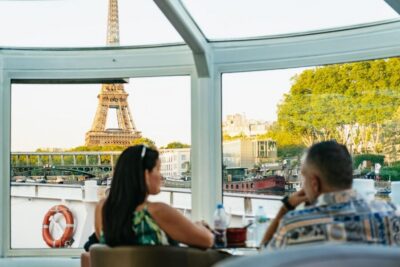 ★ 4.3Seine River Panoramic Views Dinner CruiseFrom $6410,611 reviews
 ★ 4.6Eiffel Tower Access by Elevator & Seine River CruiseFrom $797,329 reviews
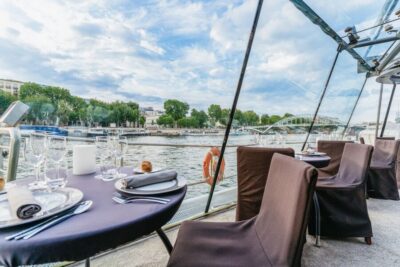 ★ 4.73-Course-Dinner Cruise on the Seine with live musicFrom $1357,248 reviews
 ★ 4.5Bateaux Parisiens Seine River Gourmet Dinner & Sightseeing CruiseFrom $1506,930 reviews
 ★ 4.4Hop-On Hop-Off Seine Cruise Pass with 9 StopsFrom $275,645 reviews
 ★ 4.2Seine River Bistronomic Dinner CruiseFrom $695,272 reviews
Browse the lists this tour appears in