
Reviewed · GUIDED
Paris: Pompidou Centre Private Guided Tour
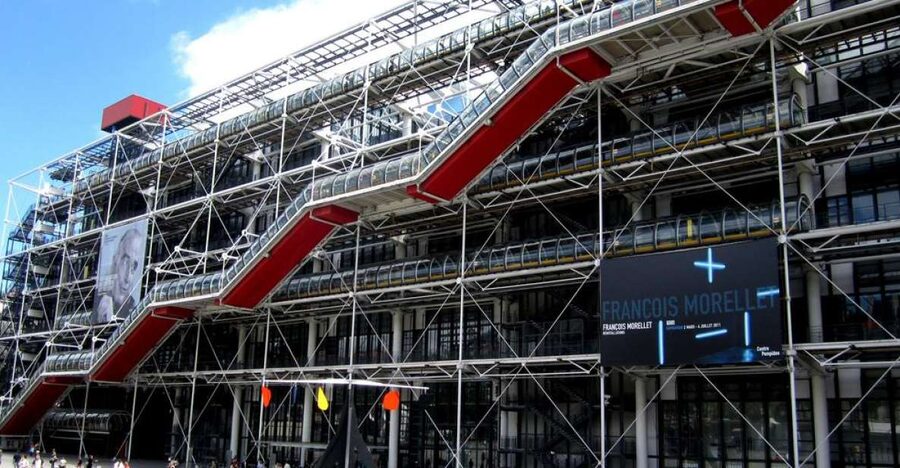
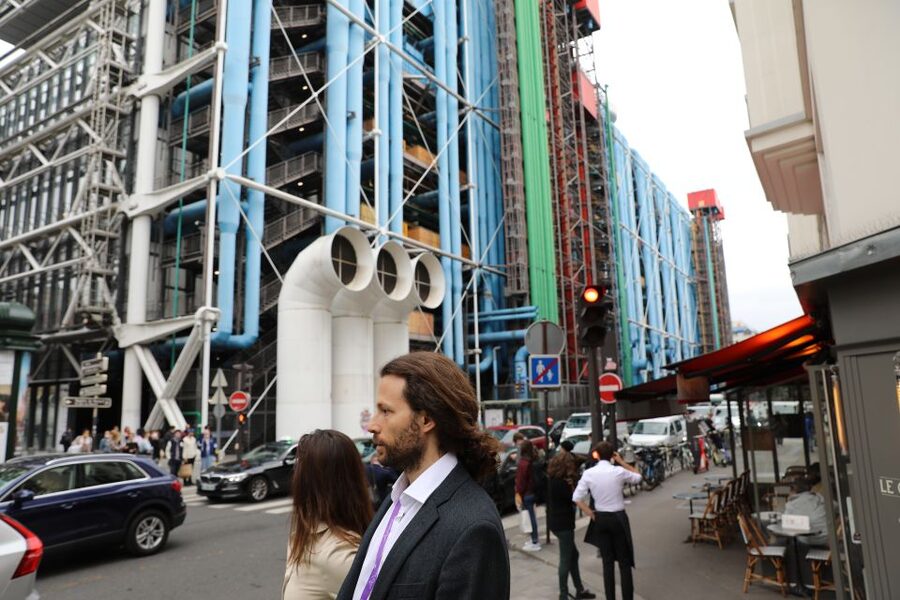
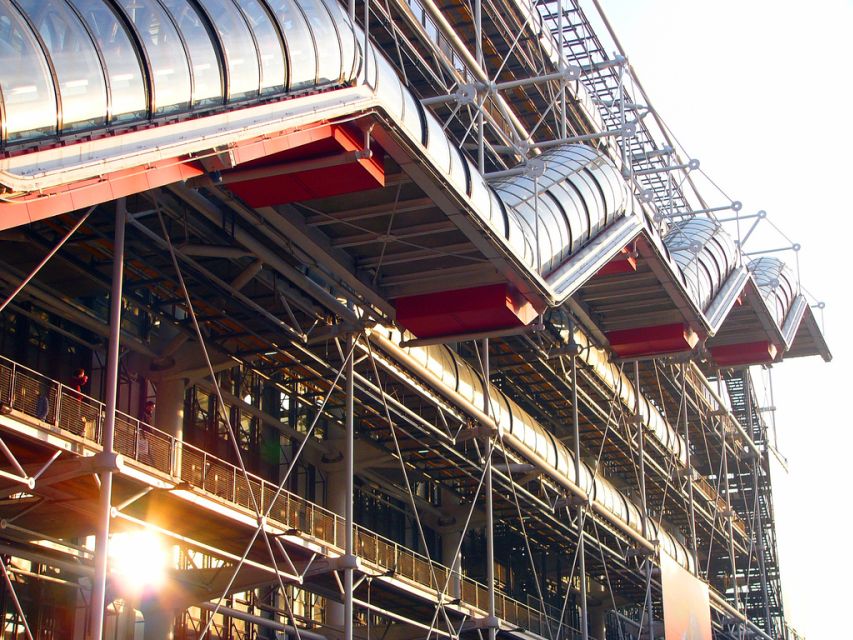
Pipes, steel, and modern art logic. This private 90-minute tour at the Centre Pompidou is interesting because it treats the architecture as the main story, including why locals call it the Notre Dame of Pipes.
I love how it connects the look of the building to big city shifts, especially gentrification and how Paris changed in the 1970s. I also like the way the tour brings 20th-century art into the conversation, not as trivia, but as context you can actually use.
One consideration: during reconstruction periods, the museum collection may be closed, so you’ll spend more time on the building and its meaning than on browsing galleries.
In This Review
- Key things to know before you go
- Meeting at Stravinsky Fountain: start with the right landmark
- When the museum is closed, the building becomes the art
- The 20th-century art context your guide makes practical
- A guided walk through construction, provocation, and Paris’s changing mood
- Postmodern architecture, with new eyes
- Value check: is $176 per person fair for a private 90-minute guide?
- Who this tour suits best (and who should think twice)
- Small practical tips to make the most of it
- Should you book this Pompidou private guided tour?
- FAQ
- How long is the Pompidou Centre private guided tour?
- Where do I meet the guide?
- How much does it cost?
- What languages are available?
- Is the tour private, and is it wheelchair accessible?
- What’s the cancellation policy?
Key things to know before you go
- A building-first tour that explains why the Centre Pompidou matters even when collections aren’t the focus
- Urban planning and gentrification explained in plain language, tied to what you see around you
- Modern art timeline support, with guides using a wide spread of styles as you go
- Great for kids and questions, with guides reported as good at including a 12-year-old (and anyone else curious)
- Private-group pacing with a live guide in English, French, or Serbo-Croatian
Meeting at Stravinsky Fountain: start with the right landmark
You’ll meet your guide at the Stravinsky Fountain on Rue Saint Merri, 75004 Paris. Your guide will be holding a red tote canvas bag, which is handy when you’re juggling maps, weather, and a busy neighborhood.
This is a tour where the meeting point matters because the point isn’t just to reach a museum door. It’s to get you oriented—so you can start “reading” the area like a city, not like a postcard.
Good news: the tour runs rain or shine. That doesn’t mean you’ll be miserable. It just means you should plan for quick weather changes with a light layer and shoes that won’t hate wet sidewalks.
Worth weighing up next to this Paris pick
- Paris: Louvre Guided Tour with Reserved Access & Boat Cruise
★ 4.3 · 16,353 reviews - Louvre Museum Masterpieces Guided Tour with Access
★ 4.5 · 12,023 reviews - Louvre Museum – Exclusive Guided Tour (Entry Included)
★ 5.0 · 6,296 reviews - Versailles: Skip-the-Line Guided Palace Tour and Full Access
★ 4.6 · 5,214 reviews
When the museum is closed, the building becomes the art
Here’s the twist that makes this experience worth considering: during reconstruction, the museum itself can be closed. Instead of switching to a watered-down plan, the tour focuses on the Pompidou Centre as an artefact—something art historians and architects often consider more important than the works it normally houses.
That shift changes how you see everything. Without the collection pulling your attention, the building takes over. You start noticing structure, lines, and the bold idea behind the design. And because modern art is often about “how to look,” removing the distraction helps you practice that skill.
The 20th-century art context your guide makes practical
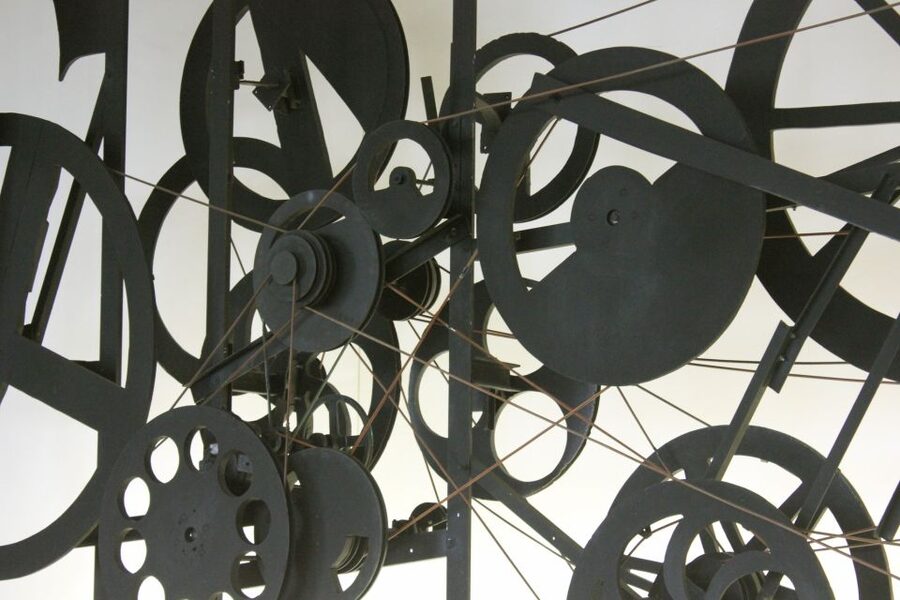
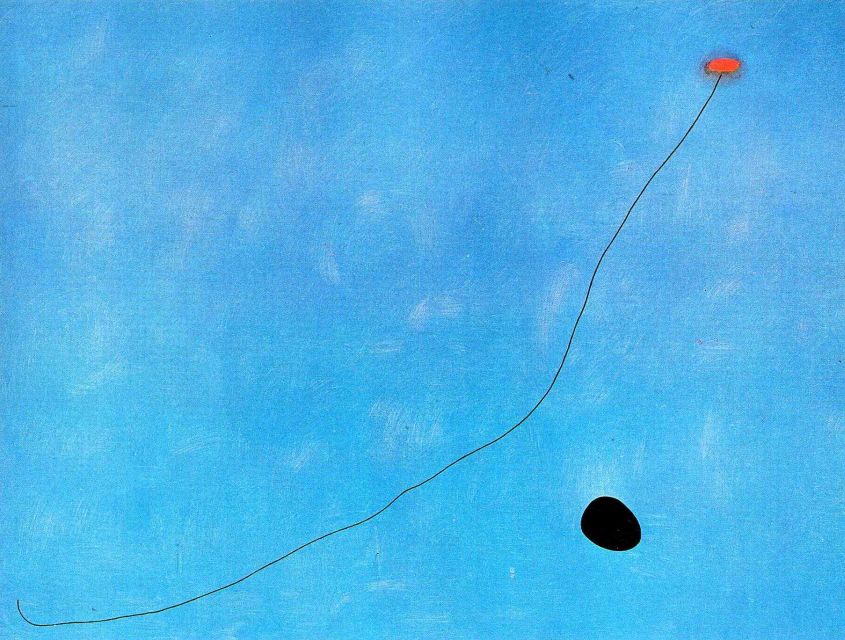
Even though the tour centers on architecture, you still get modern art groundwork. In reviews, guides are praised for explaining the evolution of modern art in a way that doesn’t feel like a lecture—more like a guided sense-making process.
One standout example: Milica (mentioned in a review) was described as providing a strong run from the end of the 19th century through the end of the 1980s. That’s a huge span, but it’s also the period where modern art’s language really starts to click: style changes, attitudes shift, and artists respond to the world around them.
A second review highlights Bella’s approach: context for artworks and historical information that makes understanding easier. Boris is also noted for giving a lot of background and putting things in perspective, while still being approachable. Another review mentions Stephanie and how the explanation helped deepen understanding of art movements.
If you like modern art but often leave museums feeling like you missed the point, this kind of “translation” can be gold. You’re not just learning what something is. You’re learning why it exists—and what made it possible.
A guided walk through construction, provocation, and Paris’s changing mood
This tour’s core payoff is the way it connects three things you might normally keep separate: the Pompidou’s construction story, the building’s relationship to the neighborhood, and the wider city changes of the 1970s.
You’ll explore:
- the history of how the Pompidou was built
- how it integrates in the neighborhood
- and, crucially, how it defies it
That “integrates but defies” part is the heart of the architecture-as-provocation idea. The Centre Pompidou isn’t presented as a polite addition. It’s presented as a statement—almost confrontational in its confidence. And that attitude matters when you connect it to urban planning. Cities don’t only change through laws and budgets. They change through bold projects that reshape what people think is possible.
The tour also covers how the history of gentrification shaped the museum. That’s important because a museum isn’t just a building. It’s an institution with social consequences. When a museum arrives in a changing area, it can accelerate interest, raise stakes, and push the neighborhood into a new era.
And yes, you’ll get the local nickname piece: it’s commonly called the Notre Dame of Pipes. Even if you don’t care about architecture trivia, nicknames are useful clues. People name things when they feel something—admiration, irritation, or both.
Postmodern architecture, with new eyes
You’re going to look at postmodern architecture differently after this. The tour frames the Centre Pompidou as a model of architectural provocation—an example of how design can challenge its surroundings instead of politely blending in.
That’s a big deal for two kinds of visitors:
- If you think modern buildings are either ugly or cool but you can’t explain why, this gives you language for the argument.
- If you love seeing how art and politics tangle, this shows you the overlap between aesthetics and city-making.
Also, this is reported as a good setup for different ages. One review specifically notes that the guide was great with young kids and explained well to a 12-year-old. If you’re traveling with family and want something that doesn’t talk down, this is the type of tour that can work.
Value check: is $176 per person fair for a private 90-minute guide?

At $176 per person for a private 90-minute tour, the value question is simple: are you getting a guided explanation that’s worth paying for, or just a quick walk-by?
Based on the experience description, you’re paying for interpretation. This isn’t a casual exterior photo stop. You’re getting a guided story about construction, urban planning connections, gentrification impacts, and the modern art context that helps you understand what you’re seeing.
You’re also buying time. Ninety minutes is short enough to fit into a busy Paris schedule, but long enough for a real guided arc. In reviews, guides are praised for providing background and context without being stiff or repetitive, which is the kind of private-tour skill that makes the price feel more justified.
One practical note: food and beverages are not included. Since you’re only on the tour for 90 minutes, it usually works best to plan a meal either before or after, based on your day’s itinerary.
Worth weighing up next to this Paris pick



Who this tour suits best (and who should think twice)
This is a great fit if you:
- want 20th-century art context without needing to know everything already
- enjoy architecture explanations that connect to real city change
- like a guided pace where you can ask questions
- want a private group experience with a live guide in English, French, or Serbo-Croatian
It might be less ideal if you:
- mainly came to see the museum collections and would feel disappointed if the galleries are closed during your visit
- expect a standard “see the highlights inside” museum tour rather than a building-first perspective
That said, even with collection closures, the tour’s whole point is that the Centre Pompidou building is worth your attention on its own.
Small practical tips to make the most of it
Because this is a private guided experience tied to explanation, your best strategy is mental, not physical:
- Bring a flexible attitude. This tour rewards curiosity more than art-history memorization.
- Wear comfy shoes and be ready for rain, since it runs rain or shine.
- If you’re traveling with kids, this is the kind of tour that can work well when the guide tailors explanations.
And because it’s wheelchair accessible, it’s also worth feeling confident if you want a guided experience with that in mind.
Should you book this Pompidou private guided tour?
If you like modern art but want understanding, and you’re intrigued by how architecture can drive city change, I think you should book it. The best reason is simple: you’re not just looking at a famous building. You’re learning how it fits into Paris’s story—especially the 1970s energy, the gentrification context, and the provocation behind the pipes.
If your top goal is museum galleries and you’d be unhappy if collections aren’t the focus during reconstruction, then you should check the current museum status for your travel dates. Otherwise, this tour offers a strong, well-explained alternate way to experience the Centre Pompidou—through ideas, structure, and the city around it.
FAQ
How long is the Pompidou Centre private guided tour?
The tour lasts 90 minutes.
Where do I meet the guide?
Meet your guide at the Stravinsky Fountain on Rue Saint Merri, 75004 Paris. The guide will be carrying a red tote canvas bag.
How much does it cost?
The price is $176 per person.
What languages are available?
The live tour guide is available in English, French, and Serbo-Croatian.
Is the tour private, and is it wheelchair accessible?
Yes, it’s a private group, and it is wheelchair accessible.
What’s the cancellation policy?
You can cancel up to 24 hours in advance for a full refund. The tour also operates rain or shine.
More Guided in Paris
- Paris: Louvre Guided Tour with Reserved Access & Boat Cruise
★ 4.3 · 16,353 reviews - Louvre Museum Masterpieces Guided Tour with Access
★ 4.5 · 12,023 reviews - Louvre Museum – Exclusive Guided Tour (Entry Included)
★ 5.0 · 6,296 reviews - Versailles: Skip-the-Line Guided Palace Tour and Full Access
★ 4.6 · 5,214 reviews - Louvre Access with Mona Lisa Escort or Guided Option
★ 4.0 · 4,588 reviews
More Tours in Paris
- Paris: Louvre Guided Tour with Reserved Access & Boat Cruise
★ 4.3 · 16,353 reviews - Paris: Big Bus Hop-On Hop-Off Tour with Optional Cruise
★ 4.4 · 13,279 reviews - Louvre Museum Masterpieces Guided Tour with Access
★ 4.5 · 12,023 reviews - Versailles: Skip-the-Line Tour of Palace and Gardens Access
★ 4.7 · 10,429 reviews - Paris: Louvre Overview, Exploration tour and Reserved Entry
★ 4.1 · 10,145 reviews
More Tour Reviews in Paris
- Paris: 1-Hour Seine Cruise departing from the Eiffel Tower
★ 4.4 · 77,472 reviews - Paris: Louvre Museum Timed-Entrance Ticket
★ 4.6 · 71,977 reviews - Disneyland® Paris 1-Day Ticket
★ 4.6 · 49,412 reviews - Paris: Versailles Palace and Gardens Full Access Ticket
★ 4.6 · 41,579 reviews - Paris: Arc de Triomphe Rooftop Tickets
★ 4.6 · 34,264 reviews
Fresh off the review desk in Paris
- Secrets of Paris Bike Tour in English or Dutch★ 5.0 · 5 reviews
- Paris: Mont Saint-Michel Day Tour with Chinese Tour Guide★ 5.0 · 5 reviews
- Private Street Art 2-Hour Guided Tour in Paris★ 4.5 · 5 reviews
- Orsay Museum Tour: 2h Highlights (Private & Small Group)★ 5.0 · 5 reviews
- Discover Paris in electric golf carts★ 4.0 · 5 reviews
- Paris Private Boat Tour with your own Captain Guide★ 5.0 · 5 reviews
Guided, compared.
 ★ 4.3Louvre Guided Tour with Reserved Access & Boat CruiseFrom $8116,353 reviews
 ★ 4.5Louvre Museum Masterpieces Guided Tour with AccessFrom $8612,023 reviews
 ★ 5.0Louvre Museum – Exclusive Guided Tour (Entry Included)From $1816,296 reviews
 ★ 4.6Versailles: Skip-the-Line Guided Palace Tour and Full AccessFrom $885,214 reviews
 ★ 4.0Louvre Access with Mona Lisa Escort or Guided OptionFrom $1004,588 reviews
 ★ 4.0Louvre Priority Access with Mona Lisa Escort or Guided OptionFrom $744,420 reviews
 ★ 4.6Louvre Museum: Skip-the-Line Small Group Guided TourFrom $1294,268 reviews
 ★ 5.0Louvre Museum Paris Essential Guided Tour Semi-Private 6ppl MaxFrom $1813,807 reviews