
Reviewed · TOURS
Paris: Stade de France Behind the Scenes Tour
Stade de France feels like real football backstage. I like the mix of big-view stadium seating with the chance to walk the player tunnel and see areas most fans never reach, and I also love how the tour finishes at the Stade de France Museum with tangible memorabilia. One thing to plan around: in winter the pitch may not be visible, and security or event setups can change what you see that day.
This is an easy win for a rainy day (or a “no match scheduled” day) because you still get the drama of football. You’ll hear what made the stadium famous, why it looks the way it does, and how major moments like the 1998 World Cup and high-profile music concerts shaped its identity.
In This Review
- Quick Highlights You’ll Actually Remember
- Stade de France: Paris’s World Cup Machine (Even When No Game’s On)
- 90 Minutes, Real Backstage: How the Tour Flows
- From the Seats to the Tunnel: The Pitch-Side Part
- Locker Rooms, Private Boxes, and Other Player-Only Spaces
- The Museum Stop That Turns Photos Into Meaning
- Guides Who Make It Fun, Not Just Informational
- Price and Value: Why Around $21 Makes Sense
- Getting There at Gate H Without Losing Time
- When the Pitch Isn’t Visible: How to Handle the Reality
- Should You Book This Stade de France Tour?
- FAQ
- How long is the Stade de France behind-the-scenes tour?
- Where do I meet, and which entrance should I use?
- What parts of the stadium will I visit?
- Is the pitch always visible?
- What language options are available?
- What can’t I bring?
Quick Highlights You’ll Actually Remember
- Walk the same route players use to get from tunnel to pitch-side areas
- Locker rooms and private boxes give you the true behind-the-scenes feel
- Stade de France Museum entry is included, so you leave with more than photos
- Guides add context about architecture and legendary events on the pitch
- Good value for families and teens, since the experience is interactive
Stade de France: Paris’s World Cup Machine (Even When No Game’s On)
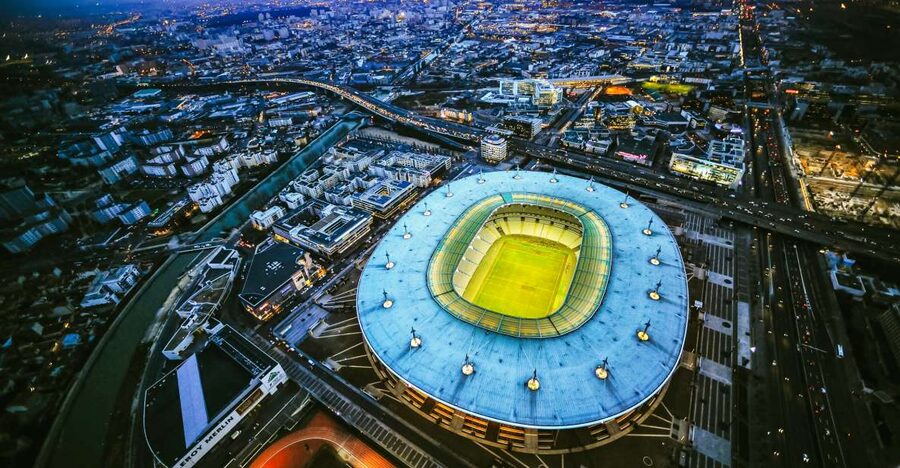
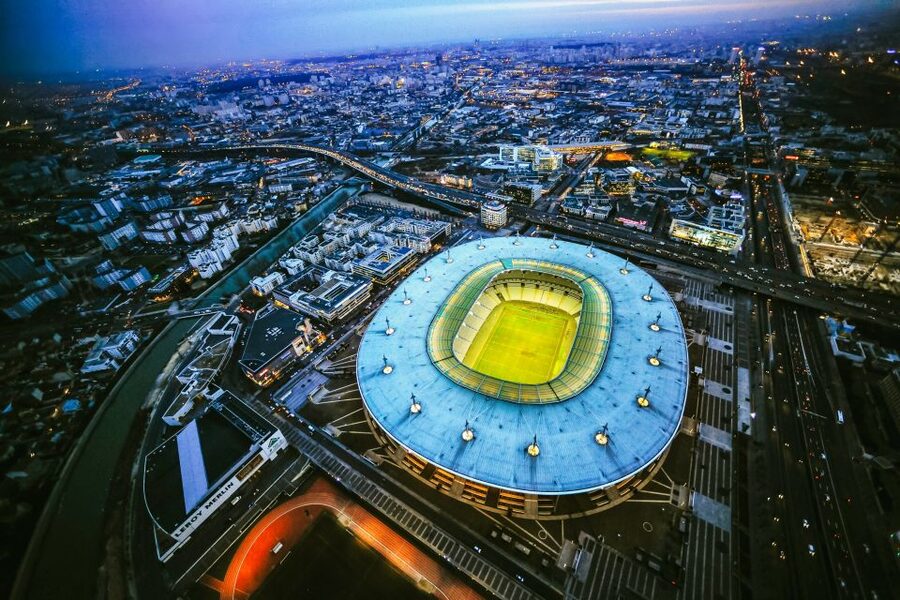
The Stade de France sits just outside central Paris, and it’s one of those landmarks that instantly makes you understand why people treat it like a destination. It’s France’s largest stadium, and it’s closely tied to the 1998 FIFA World Cup, including the final where Zidane and Ronaldo starred. Even if you’re not hunting for a scoreline that day, the stadium has the built-in atmosphere of major events.
What I like is that you don’t just get to look at a big bowl from the outside. This tour aims to show you how the venue works for the people who run the show—players first, then VIPs, then the public from the stands. It’s a more practical kind of sightseeing, where architecture, logistics, and fandom all connect.
There’s also the music side. The Rolling Stones were the first group to perform here, and later international stars like Madonna and AC/DC drew huge crowds for concerts. That matters because it explains the stadium’s scale and why it can switch gears from football to large-scale shows.
Still deciding? Here is how it stacks up against a few Paris favourites we have booked and reviewed.
- Paris: 1-Hour Seine Cruise departing from the Eiffel Tower
★ 4.4 · 77,472 reviews - Paris: Louvre Museum Timed-Entrance Ticket
★ 4.6 · 71,977 reviews - Disneyland® Paris 1-Day Ticket
★ 4.6 · 49,412 reviews - Paris: Versailles Palace and Gardens Full Access Ticket
★ 4.6 · 41,579 reviews
90 Minutes, Real Backstage: How the Tour Flows
This is a 90-minute guided tour, and that time is used in a smart way. You’re not wandering for hours with “maybe we’ll see this” energy. You’ll start with the stadium store meeting point, pass security, then move through a sequence that mirrors how match-day would feel for someone with access.
You’ll walk about 1.2 km, so wear comfortable shoes. The route includes both indoor and outdoor segments, and the walking distance is short enough that it usually works well for most visitors—even families with strollers (strollers are permitted). If you’re the type who gets restless on long tours, this one’s a manageable length.
Also, because this is a working sports and events venue, the tour can shift depending on what’s happening on-site and what security needs to be in place. The tour provider clearly warns that access and pitch visibility can’t be guaranteed, so I treat that as a feature, not a bug. You’re touring a real stadium, not a museum set dressed to be unchanging.
From the Seats to the Tunnel: The Pitch-Side Part

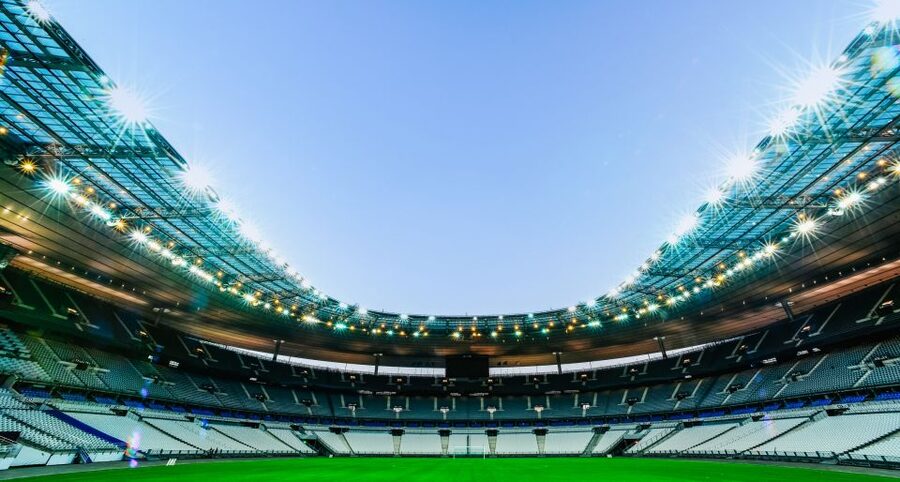
One of the best parts is getting to sit in a spectator’s seat and take in the panorama. From there, the stadium makes sense fast. You start to understand sightlines, the bowl shape, and how a venue can feel huge even when you’re standing close enough to see details.
Then you get the behind-the-scenes payoff: you walk through the same tunnel players use to access the pitch. That stretch is where the stadium stops being “just a structure” and starts feeling like a stage. It’s not just a photo stop; it’s a route with purpose, and you’ll hear stories that connect the space to legendary moments.
Now, about the pitch itself: during the winter period, the pitch may not be visible. Also, if there’s an event being prepared, the tour may have limited views. If you’re coming specifically for grass-level photos, keep your expectations flexible. You can still get a strong view of the stadium atmosphere and the player-focused areas even when the pitch setup changes.
Locker Rooms, Private Boxes, and Other Player-Only Spaces
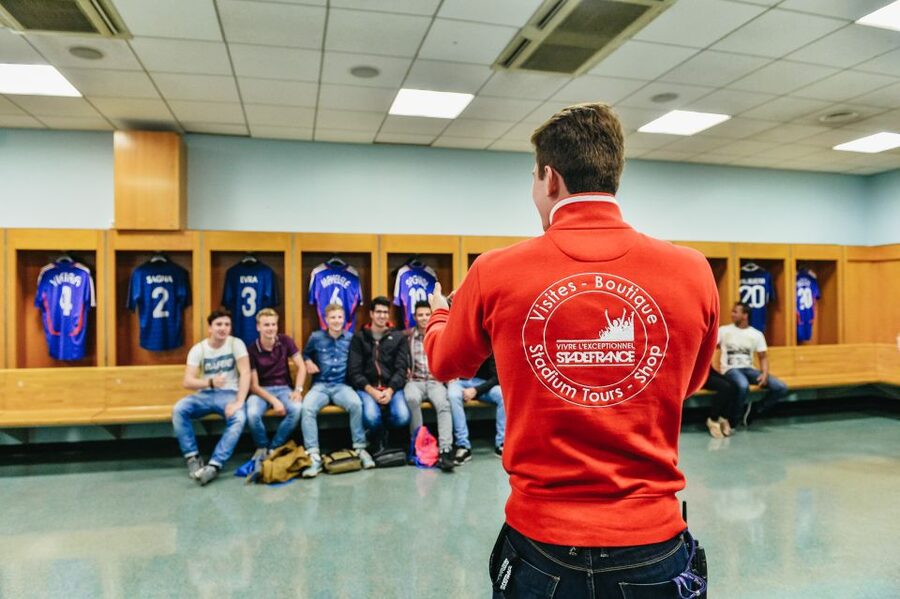
The tour’s core promise is access to areas that feel private for a reason. You’ll go inside the locker room, and you’ll also see private boxes and other behind-the-scenes spaces. For me, this is the difference between a stadium tour and a “look around the stadium” walk. Locker rooms are where the emotion is stored, and seeing them makes the match-day story feel real.
You’ll also get a view of the VIP world through private boxes. Even if you don’t care about VIP culture, it helps you understand the stadium’s layout and how different roles share the same venue without mixing. It’s one of those “now I get it” moments.
And because this tour is guided, you’re not just looking at rooms—you’re learning why they’re built this way. Expect explanations tied to stadium design and the kind of big events that have taken place here. That includes the World Cup legacy and the stadium’s evolution into a concert venue as well.
The Museum Stop That Turns Photos Into Meaning
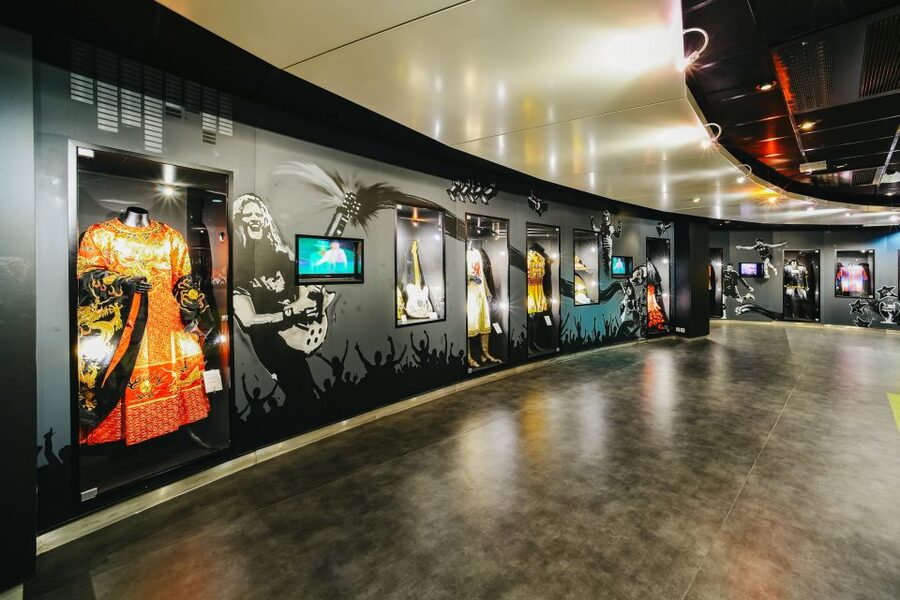
The experience doesn’t end when you leave the stadium floor. You finish at the Stade de France Museum, and that museum time is where the stories start sticking. Since free entry is included, you’re not paying extra for the “second act,” and you get to slow down.
Inside, you’ll find archives and models, plus memorabilia that connects to the stadium’s legendary moments. The museum includes items like autographed guitars, jerseys, and other pieces that show how this place lives beyond football. That’s a big deal if you’re visiting with mixed interests—someone can be all about the sport, while someone else appreciates the pop-culture and concert history.
In winter or on event days when the pitch isn’t visible, the museum helps carry the day. Even if you don’t get grass-level views, you still leave with context and physical reminders of what happened here.
Guides Who Make It Fun, Not Just Informational
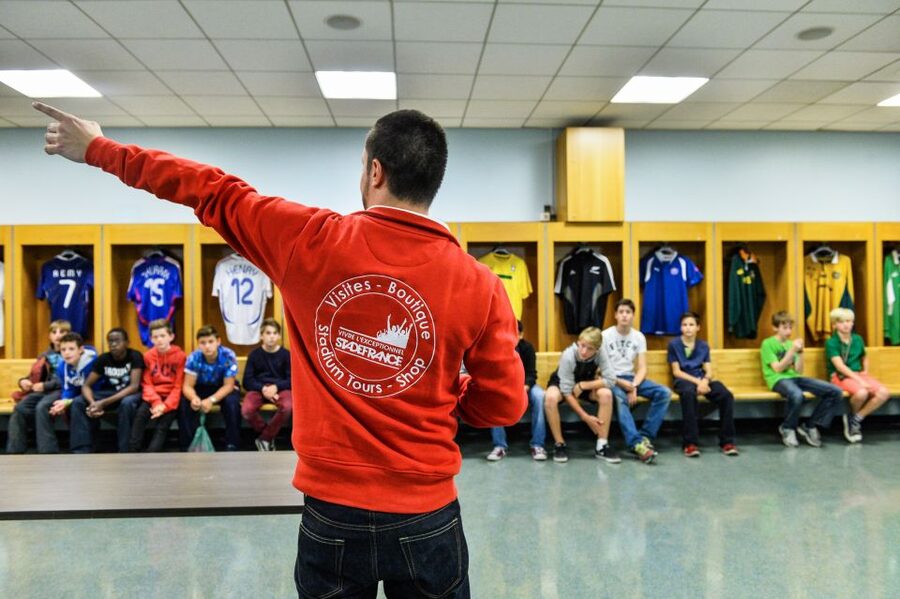
The tour is led by live guides in multiple languages (English, Spanish, French, German). That matters because the best stadium storytelling isn’t just facts—it’s pacing, clarity, and a sense of humor. From the way guides are described in past bookings, the guides often handle mixed ages well and keep the group active, not passive.
Names that show up include Nina, Sam, Amir, Thai, Sylvia, and Tyrelle. I can’t promise you’ll get one of these exact guides, but the bigger point is this: the tour tends to be guided by people who care about the stadium and know how to keep it moving. Some tours include interactive moments like games (one example is a crossbar challenge), which helps the experience land with kids and teens.
If you’re bringing children, this is a strong option because the tour’s structure is short, varied, and designed to hold attention. If you’re an adult who just wants football, you’ll still get plenty to chew on—World Cup connections, architecture stories, and the practical reality of player-only spaces.


Price and Value: Why Around $21 Makes Sense
At about $21 per person for a 90-minute guided visit with behind-the-scenes access and museum entry included, this is one of the more reasonable ways to experience a major Paris-area sports venue. You’re not just buying entry to a view—you’re paying for access to locker rooms, private areas, and the tunnel route, plus a guide who turns the space into a story.
The free museum addition is a real value booster. It’s a chance to spend time with memorabilia and archives after the walking portion, and it gives the tour staying power. If your day in Paris is packed and you’re trying to fit one “big venue” item in without a match schedule, this is a clean solution.
The main reason it still feels like good value even when the pitch isn’t visible is that the tour’s payoff isn’t only grass. It’s the player experience spaces—where the stadium is most personal.
Getting There at Gate H Without Losing Time
You meet at the welcome desk of the official Stade de France shop. Your voucher gets checked before the tour starts, and the entrance is at Gate H, near the museum. You’ll have to pass a security checkpoint, so don’t arrive at the exact start time.
For security reasons, the administration may inspect visitors’ bags. I suggest arriving 15 minutes early to avoid stress. The tour begins at the scheduled time, and latecomers can miss the experience without compensation or rescheduling, so treat punctuality like part of the ticket.
Public transport is straightforward. You can use Metro Saint Denis Porte de Paris (line 13), RER B at La Plaine Stade de France, or RER D at Saint Denis La Plaine. That’s helpful if you’re staying in northern Paris and want to avoid complicated transfers.
When the Pitch Isn’t Visible: How to Handle the Reality
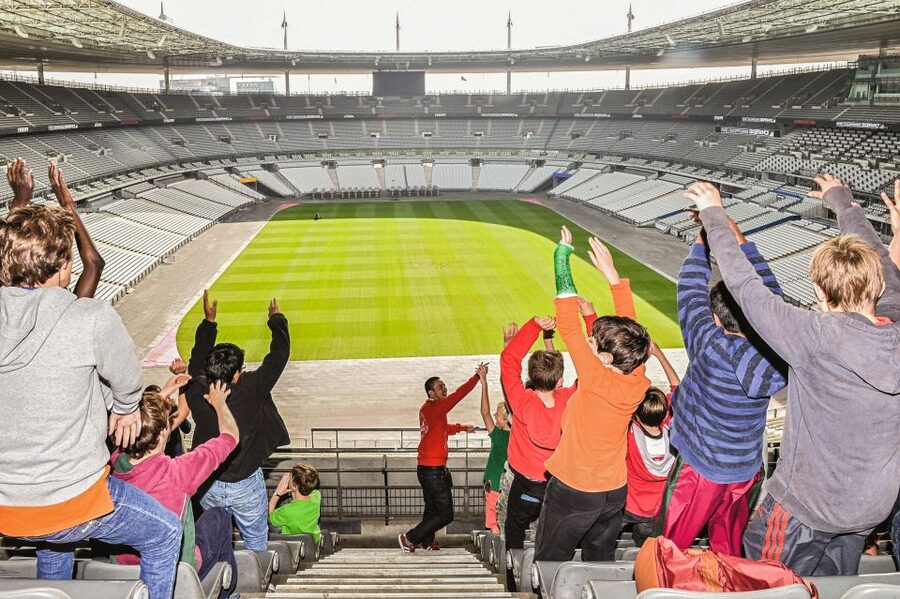
The pitch situation is the one major variable you should plan for. During winter, the tour notes that the pitch won’t be visible. On top of that, if the stadium is preparing for an event, it may affect what you can see.
On days when access is adjusted, you can still expect to get into key behind-the-scenes spaces like locker rooms and private boxes, plus the tunnel experience. The stadium still provides panorama views from spectator areas, and the museum remains open as the guaranteed finish.
So if you’re deciding whether this tour is worth it, I’d base your decision on the access to player areas and the museum rather than on guaranteed pitch visuals. That mindset keeps the day satisfying even when the stadium is mid-transition.
Should You Book This Stade de France Tour?
Book it if you want a high-value stadium experience that works without a match date. It’s especially smart for families and teens who like sports, because the pacing, guided storytelling, and interactive moments make it easier to stay engaged. It’s also a good fit if you’re traveling with mixed interests, since the stadium’s concert history shows up in the museum and guide narratives.
Don’t book it as a pitch-spotting mission. If seeing grass-level action is your top priority, winter and event schedules can limit what you’ll get. If you’re okay swapping pitch views for tunnel access, locker rooms, VIP spaces, and museum time, this tour is a strong choice.
FAQ
How long is the Stade de France behind-the-scenes tour?
The tour lasts 90 minutes.
Where do I meet, and which entrance should I use?
You present your voucher at the welcome desk of the official Stade de France shop. The entrance is at Gate H, and you’ll pass a security checkpoint.
What parts of the stadium will I visit?
You’ll sit in spectator seating for views, then see behind-the-scenes areas such as the locker room and private boxes. You’ll also walk through the player tunnel and finish at the Stade de France Museum.
Is the pitch always visible?
No. During the winter period, the pitch may not be visible. The tour can also change based on security requirements, and pitch visibility cannot be guaranteed.
What language options are available?
The guided tour is available in English, Spanish, French, or German, depending on the option you choose.
What can’t I bring?
Pets are not allowed, and you should avoid bringing luggage or large bags, since visitors’ bags may be inspected. You should also wear comfortable shoes for the walking.
If you want, tell me your travel month and whether you’re going with kids or teens, and I’ll suggest what to prioritize during the 90 minutes so you leave happiest.
More Tours in Paris
- Paris: Louvre Guided Tour with Reserved Access & Boat Cruise
★ 4.3 · 16,353 reviews - Paris: Big Bus Hop-On Hop-Off Tour with Optional Cruise
★ 4.4 · 13,279 reviews - Louvre Museum Masterpieces Guided Tour with Access
★ 4.5 · 12,023 reviews - Versailles: Skip-the-Line Tour of Palace and Gardens Access
★ 4.7 · 10,429 reviews - Paris: Louvre Overview, Exploration tour and Reserved Entry
★ 4.1 · 10,145 reviews
More Tour Reviews in Paris
- Paris: 1-Hour Seine Cruise departing from the Eiffel Tower
★ 4.4 · 77,472 reviews - Paris: Louvre Museum Timed-Entrance Ticket
★ 4.6 · 71,977 reviews - Disneyland® Paris 1-Day Ticket
★ 4.6 · 49,412 reviews - Paris: Versailles Palace and Gardens Full Access Ticket
★ 4.6 · 41,579 reviews - Paris: Arc de Triomphe Rooftop Tickets
★ 4.6 · 34,264 reviews
Fresh off the review desk in Paris
- Secrets of Paris Bike Tour in English or Dutch★ 5.0 · 5 reviews
- Paris: Mont Saint-Michel Day Tour with Chinese Tour Guide★ 5.0 · 5 reviews
- Private Street Art 2-Hour Guided Tour in Paris★ 4.5 · 5 reviews
- Orsay Museum Tour: 2h Highlights (Private & Small Group)★ 5.0 · 5 reviews
- Discover Paris in electric golf carts★ 4.0 · 5 reviews
- Paris Private Boat Tour with your own Captain Guide★ 5.0 · 5 reviews
Tours, compared.
 ★ 4.3Louvre Guided Tour with Reserved Access & Boat CruiseFrom $8116,353 reviews
 ★ 4.4Big Bus Hop-On Hop-Off Tour with Optional CruiseFrom $4313,279 reviews
 ★ 4.5Louvre Museum Masterpieces Guided Tour with AccessFrom $8612,023 reviews
 ★ 4.7Versailles: Skip-the-Line Tour of Palace and Gardens AccessFrom $7610,429 reviews
 ★ 4.1Louvre Overview, Exploration tour and Reserved EntryFrom $6010,145 reviews
 ★ 4.6Mona Lisa & Louvre Masterpieces Tour with Reserved AccessFrom $806,812 reviews
 ★ 4.0Paris Big Bus Hop-On Hop-Off Tour with Optional River CruiseFrom $466,534 reviews
 ★ 5.0Louvre Museum – Exclusive Guided Tour (Entry Included)From $1816,296 reviews