
Reviewed · CITY TOURS
Paris: The vibrant city center and Le Marais in German
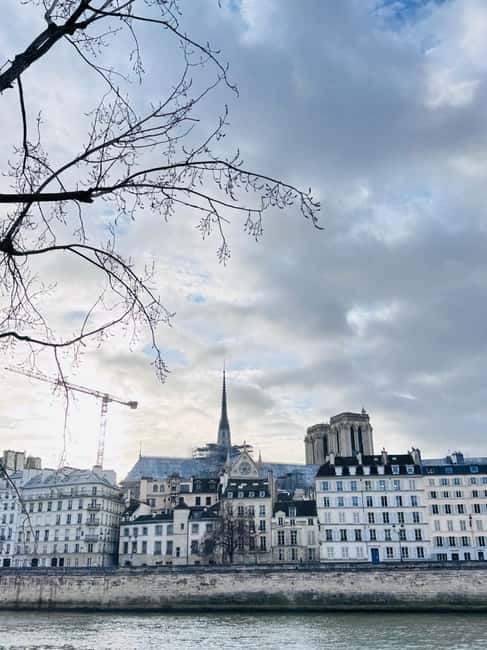
Old Paris hides in plain sight. With Nadine, a German guide, you’ll trace the oldest parts of Paris from the newly reopened Notre-Dame area toward Le Marais, mixing French Gothic ideas with what the neighborhood feels like today.
I love two things most: the way the tour turns famous names into real street moments, and the calm pockets you only notice when someone points them out. The secret courtyards and oasis-like spots are a highlight, and the small group of up to 8 keeps the pace human—questions don’t get lost.
One heads-up: this is an on-foot walk, so wear comfortable shoes, and it’s not suitable for wheelchair users. Also, the church visit isn’t included, so you’re there for views and guided context rather than entering the church.
In This Review
- Key highlights worth showing up for
- Two hours, eight people: the feel of this walk
- Starting at 37 Rue de la Bûcherie and the Shakespeare and Company landmark
- Notre-Dame reopening area: Gothic architecture, but no church entry
- Walking the oldest Paris layers: Middle Ages to Renaissance
- Le Marais on foot: secret courtyards and tranquil pocket parks
- The squares you’ll recognize: First King’s Square and landmark moments
- Photo stops that don’t feel like filler
- What you gain from Nadine’s German outsider/insider perspective
- Price and value: is $42 worth 2 hours?
- Practical considerations before you go
- Who this tour suits best (and who should choose differently)
- Should you book it?
- FAQ
- Where does the tour start and how do I find it?
- How long is the tour and how many people are in the group?
- What language is the guide?
- Is the cathedral or church entrance included?
- Is the tour wheelchair accessible?
- What should I bring or wear?
Key highlights worth showing up for
- Meet right outside Shakespeare and Company at the Wallace fountain, a super easy landmark.
- Notre-Dame area context without the cathedral entrance—you’ll get the architecture talk from the outside.
- From flamboyant Gothic to Middle Ages and Renaissance building styles along the way.
- Hidden courtyards and secret parks that feel like Paris taking a quiet breath.
- First King’s Square and other landmark squares built into the walk.
- Le Marais street life with balcony details and plenty of places to stop and look.
Two hours, eight people: the feel of this walk
This tour is built for a small group (limited to 8), which changes how Paris feels. Big walking tours can move like a conveyor belt; here, the pace lets you actually ask why something is the way it is. Nadine’s German background also brings an outsider/insider angle—she knows what Paris looks like to people who already love it, and what needs explaining from the first minute.
You’ll be on foot for about 2 hours, with frequent short stops for photo pauses and guided viewing. That matters because the best parts of older Paris aren’t only buildings—they’re doorways, textures, street corners, and the way courtyards sit behind busy facades.
Worth weighing up next to this Paris pick
- Eiffel Tower Summit Option with Seine River Cruise and City Tour
★ 3.5 · 2,176 reviews - Paris in a Day: Louvre or Orsay, Eiffel Tower, City Walk & Cruise
★ 5.0 · 1,956 reviews - Paris: City Highlights Bike Tour
★ 4.7 · 1,835 reviews - Paris: Eiffel Tower Hosted Tour, Seine Cruise and City Tour
★ 4.0 · 1,507 reviews
Starting at 37 Rue de la Bûcherie and the Shakespeare and Company landmark
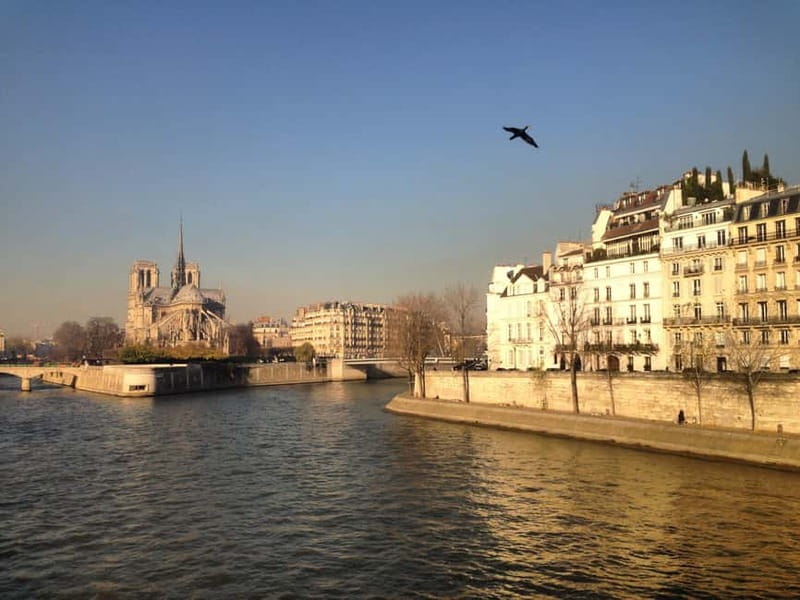
The meeting point is simple: at Shakespeare and Company, at the Wallace fountain right outside the shop. It also matches the tour’s theme—this walk threads literature-town energy into very old Paris stone. Once you’re with the group, you move from the meeting area toward the oldest streets around the Notre-Dame side of the city.
The tour begins with a photo stop and guided sightseeing, then you start walking on foot. That first stretch is about orientation: you learn where you are in relation to the Seine-side Paris you’ve probably seen in photos, and you get a sense of what’s actually around you before you get deeper into the maze of older streets.
Notre-Dame reopening area: Gothic architecture, but no church entry
You’ll start from the newly renovated/reopened Notre-Dame de Paris area, but the cathedral entrance is not part of the experience. That’s useful because it keeps the tour focused: you’re not spending time queued inside; you’re learning how to read the building from the outside and understand why it’s considered one of the finest examples of French Gothic architecture.
Nadine’s approach here is less about asking you to worship at a viewpoint and more about giving you a mental map. Once you know what Gothic style is trying to do—height, rhythm, detail—you start spotting similar ideas in the older streets you’ll walk through next.
Walking the oldest Paris layers: Middle Ages to Renaissance

After that opening, the tour shifts into the “how this city grew” part. You’ll see houses from the Middle Ages, flamboyant times (with a style-and-time vibe), and Renaissance city-castle influences. The key is that these aren’t presented like random photos you’ll forget after lunch; they’re connected to how Paris kept building on itself.
The walk includes another on-foot segment before you reach Le Marais, so you get that gradual feel of transition. It’s the difference between jumping straight into a neighborhood and actually noticing how the streets change as you go.
A small practical note: you can expect pass-by moments and scenic views on the way—great for photos, but also a chance to rest your feet briefly. If you’re the type who likes to stop and look up, this tour rewards that habit.
Le Marais on foot: secret courtyards and tranquil pocket parks
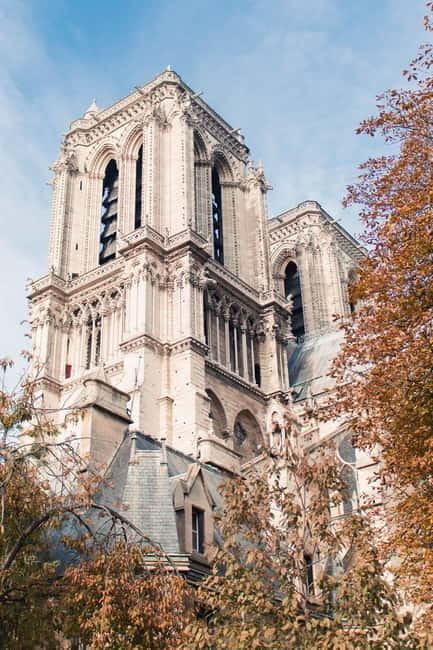
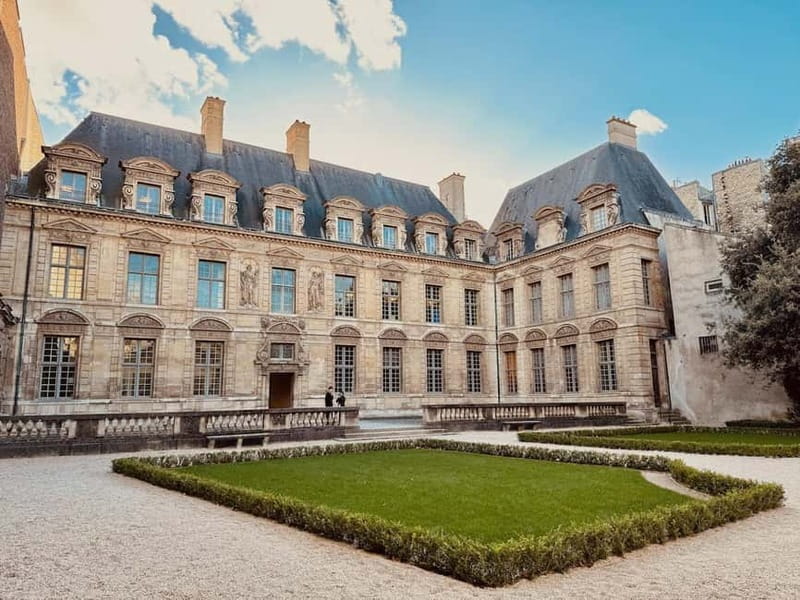
Le Marais is where the tour really earns its keep. The streets are lively, but what Nadine helps you notice are the calm breaks inside the noise: secret parks and quieter oasis-like spots tucked between buildings. Those are the places you’d miss if you only followed the biggest signage.
There’s a dedicated Le Marais block with photo stops, guided walking, and sightseeing for about 30 minutes. During that time, you’ll also encounter architecture and street details you can actually use to orient yourself later—especially if you plan to return on your own after the tour.
One detail worth calling out: balconies. Several people highlight how much fun that kind of Paris detail becomes when someone explains what you’re seeing. It makes Le Marais feel less like a postcard district and more like a lived-in neighborhood with stories attached to everyday features.
The squares you’ll recognize: First King’s Square and landmark moments
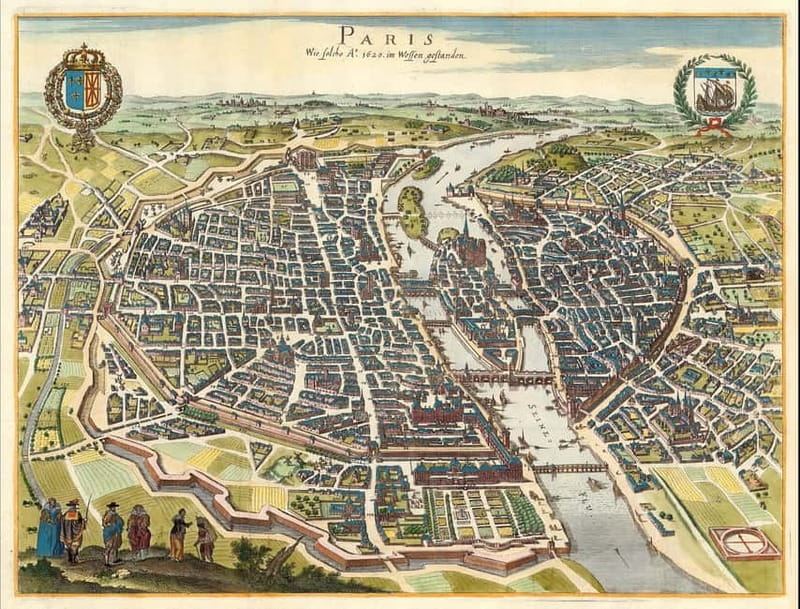
The tour includes major “you should know this” places, including the first King’s Square. Even if you’ve walked around Paris before, squares like this work best when you understand their role in the city’s development rather than treating them like a photo stop.
This is one reason I like this style of tour: it doesn’t force you to memorize dates. Instead, it gives you anchors—spaces where you can later connect the story to the feel of the place. When you leave, you don’t just know where you took pictures; you know where Paris’s social and architectural layers show up in real space.




Photo stops that don’t feel like filler

This walk includes multiple photo stops across the route—at the start, in Le Marais, and later before finishing. Photo stops are sometimes annoying on tours, but here they make sense because the route is built around visual clues.
In older Paris, the best angles are often not the obvious ones. A guide who knows where to pause can save you the effort of wandering with your phone held up. You’ll get scenic views on the way, plus guided pacing that helps you stop at the right moments rather than just when the crowd is stopping.
What you gain from Nadine’s German outsider/insider perspective

The guide is German, and that shapes the entire experience in a helpful way. Nadine has lived in Paris for many years, but as a German speaker she also notices the parts of Paris that need translation—how people live here, how the past still shows up in ordinary streets, and why the city feels globally unique.
The tour also balances famous architectural themes (French Gothic, older building styles) with present-day neighborhood life. That blend is what makes Le Marais fun even if you’ve already seen the headline monuments elsewhere. You’re not only looking at history; you’re learning how history and daily life sit side by side.
If you like walking tours that treat the neighborhood like a living thing, not a museum hallway, you’ll probably click with this one fast. You can also check Nadine on Instagram for inspiration: paristhroughmyeyes_nadine.
Price and value: is $42 worth 2 hours?
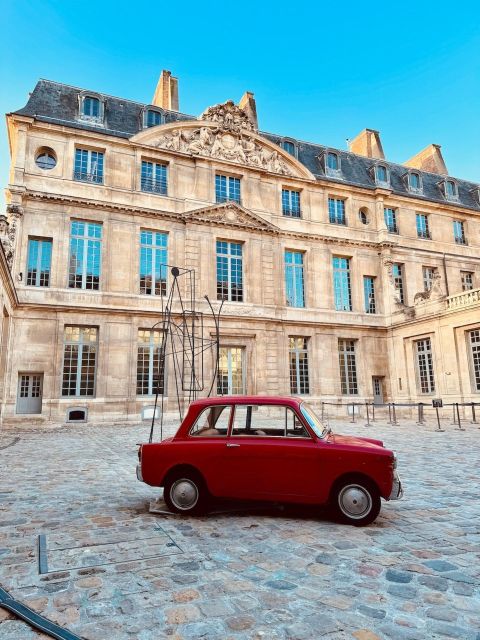
At $42 per person for a 2-hour guided walking tour with a small group size (up to 8), you’re paying for three things: specialist focus, on-foot time, and a guide who can connect architectural details to how you experience the streets.
If you’ve been in Paris long enough to feel bored by generic “stand here, then here” tours, the value can be strong. The tour isn’t just a route; it’s a guide to seeing. You’ll leave with places you can revisit—especially quiet courtyards and pocket parks—and with a clearer understanding of what you’re looking at when you glance up at older facades.
Practical considerations before you go
This is a guided walking tour, so comfortable shoes are a must. The route isn’t listed as suitable for wheelchair users, and you should plan around lots of walking plus short stops.
Also, the visit of the church is not included, and the cathedral entrance is not part of the experience. So if you’re hoping for indoor access, plan something else for your cathedral time and treat this tour as your “how to read the area” walk.
Finally, standard rules apply: weapons or sharp objects aren’t allowed.
Who this tour suits best (and who should choose differently)
This tour is ideal if you want:
- Old Paris streets with context, not just famous landmarks
- Le Marais with quiet pockets, not only the main drag
- A guide who blends architecture and everyday life
- A small group where questions are easy to ask and answer
It may be less ideal if:
- You need wheelchair accessibility
- You specifically want a church interior visit (that’s not included)
- You dislike walking and prefer mostly indoor stops
Should you book it?
If you like Paris when it’s quiet, specific, and local—especially old neighborhoods like Le Marais—this is a strong pick. The small group size, Nadine’s history-plus-today way of explaining things, and the focus on courtyards and calm parks make it more than a sightseeing loop.
Book it if you’re the type who enjoys looking up, stepping aside from the main crowds, and learning how a city grew by watching what’s still standing.
FAQ
Where does the tour start and how do I find it?
You meet at Shakespeare and Company, at the Wallace fountain right outside the shop.
How long is the tour and how many people are in the group?
The tour lasts about 2 hours, and it’s a small group limited to 8 participants.
What language is the guide?
The live tour guide speaks German.
Is the cathedral or church entrance included?
No. The entrance to Notre-Dame is not part of the experience, and the visit of the church is not included.
Is the tour wheelchair accessible?
No. It is not suitable for wheelchair users.
What should I bring or wear?
Wear comfortable shoes since this is a walking tour, and avoid bringing weapons or sharp objects.
More City Tours in Paris
- Eiffel Tower Summit Option with Seine River Cruise and City Tour
★ 3.5 · 2,176 reviews - Paris in a Day: Louvre or Orsay, Eiffel Tower, City Walk & Cruise
★ 5.0 · 1,956 reviews - Paris: City Highlights Bike Tour
★ 4.7 · 1,835 reviews - Paris: Eiffel Tower Hosted Tour, Seine Cruise and City Tour
★ 4.0 · 1,507 reviews - Paris City Center Free Walking Tour (Tip-Based)
★ 5.0 · 1,340 reviews
More Tour Reviews in Paris
- Paris: 1-Hour Seine Cruise departing from the Eiffel Tower
★ 4.4 · 77,472 reviews - Paris: Louvre Museum Timed-Entrance Ticket
★ 4.6 · 71,977 reviews - Disneyland® Paris 1-Day Ticket
★ 4.6 · 49,412 reviews - Paris: Versailles Palace and Gardens Full Access Ticket
★ 4.6 · 41,579 reviews - Paris: Arc de Triomphe Rooftop Tickets
★ 4.6 · 34,264 reviews
Fresh off the review desk in Paris
- Secrets of Paris Bike Tour in English or Dutch★ 5.0 · 5 reviews
- Paris: Mont Saint-Michel Day Tour with Chinese Tour Guide★ 5.0 · 5 reviews
- Private Street Art 2-Hour Guided Tour in Paris★ 4.5 · 5 reviews
- Orsay Museum Tour: 2h Highlights (Private & Small Group)★ 5.0 · 5 reviews
- Discover Paris in electric golf carts★ 4.0 · 5 reviews
- Paris Private Boat Tour with your own Captain Guide★ 5.0 · 5 reviews
City Tours, compared.
 ★ 3.5Eiffel Tower Summit Option with Seine River Cruise and City TourFrom $1202,176 reviews
 ★ 5.0Paris in a Day: Louvre or Orsay, Eiffel Tower, City Walk & CruiseFrom $1571,956 reviews
 ★ 4.7City Highlights Bike TourFrom $501,835 reviews
 ★ 4.0Eiffel Tower Hosted Tour, Seine Cruise and City TourFrom $1161,507 reviews
 ★ 5.0Paris City Center Free Walking Tour (Tip-Based)From $31,340 reviews
 ★ 5.0Golf Cart in Paris – Private Guided City Tour – Pickup IncludedFrom $1691,164 reviews
 ★ 4.6City and River Seine Tour on an Amphibious BusFrom $461,052 reviews
 ★ 3.5Eiffel Tower and City Tour by Bus with Seine River Cruise OptionFrom $1001,013 reviews
Browse the lists this tour appears in