
Reviewed · TOURS
Paris: UNESCO Headquarters Tour
UNESCO’s Paris HQ feels surprisingly human. In 90 minutes, I loved getting exclusive access inside the UNESCO headquarters and seeing how the place works, not just how it looks. You’ll also move through striking spaces shaped by 20th-century architecture heavyweights, which makes the tour feel like walking inside an idea, not a checklist.
What could be a drawback? If you’re craving a long, super-deep site visit, the pacing may feel a bit brisk.
In This Review
- Key moments that make this tour worth your time
- UNESCO House in the 7th: what this tour is really about
- Entering through security and finding the meeting point
- The architectural circuit: Zehrfuss, Breuer, and Nervi corridors
- Conference rooms and UNESCO’s work: why this place feels purposeful
- The Japanese garden and the mood shift you’ll remember
- Meditation space by Tadao Ando: quiet meets modern design
- The art collection: major names, and a surprising scale
- Your guide matters: clear explanations, personal tone, and pacing
- Price and logistics: $23 for access, context, and a timed route
- Who this UNESCO headquarters tour is best for
- Should you book this UNESCO Headquarters Tour?
- FAQ
- How long is the Paris UNESCO Headquarters Tour?
- What does the ticket price include?
- Where is the meeting point?
- What languages is the tour guide available in?
- Is the tour wheelchair accessible?
- What should I bring to enter?
Key moments that make this tour worth your time

- Exclusive access to UNESCO House in the 7th arrondissement
- Architectural circuit through spaces connected to Bernard Zehrfuss, Marcel Breuer, and Luigi Nervi
- Japanese garden in Paris, plus a calmer pause in a meditation space
- Tadao Ando-designed meditation space that changes the mood fast
- A modern art walk featuring works by Miró, Picasso, Giacometti, and Calder
- A clear guide-led explanation of UNESCO’s mission, values, and day-to-day role
UNESCO House in the 7th: what this tour is really about
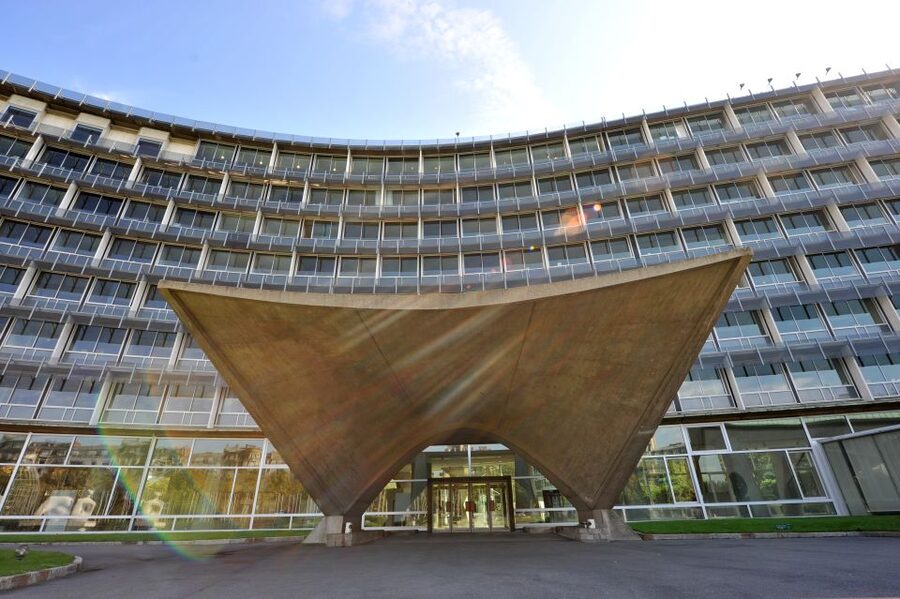
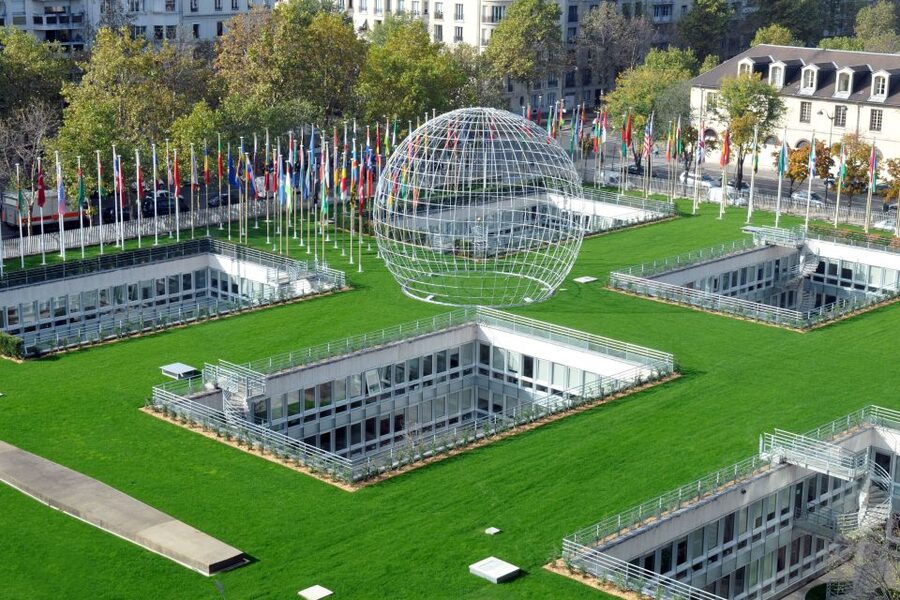
UNESCO House is the kind of place that sounds formal before you step inside. Then you realize it’s built for work: meetings, decisions, ideas traveling across borders. Since 1958, it’s been the headquarters for UNESCO, a specialized agency of the United Nations focused on education, science, and culture.
You’re not visiting a museum in the usual sense. This tour is more like a guided walkthrough of how an international organization shows its values through spaces. I like that it connects mission to design: the corridors, conference rooms, quiet garden, and art collection all support the story of UNESCO’s purpose.
At $23 per person for a 90-minute guided visit, the value is mostly in two things: (1) the access and (2) a guide who ties it together. In Paris, you can spend that kind of money fast on entrances where you mostly wander on your own. Here, you’re given context while you move through the building.
Still deciding? Here is how it stacks up against a few Paris favourites we have booked and reviewed.
- Paris: 1-Hour Seine Cruise departing from the Eiffel Tower
★ 4.4 · 77,472 reviews - Paris: Louvre Museum Timed-Entrance Ticket
★ 4.6 · 71,977 reviews - Disneyland® Paris 1-Day Ticket
★ 4.6 · 49,412 reviews - Paris: Versailles Palace and Gardens Full Access Ticket
★ 4.6 · 41,579 reviews
Entering through security and finding the meeting point
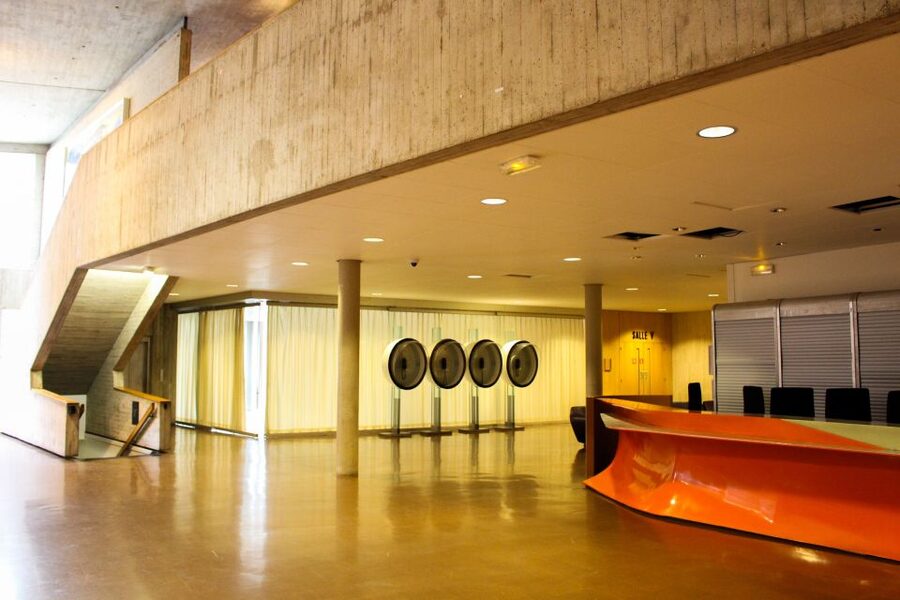
You’ll enter at 7 Place de Fontenoy, 75007 Paris, and the meeting point is inside the building, in front of the shop on the left side of reception. Since you’ll pass through a security check, you’ll want to arrive 15 minutes early.
That small bit of prep matters. When you’re on a schedule, you don’t want to be asking where to go while you’re getting screened. Once you’re inside, you’re set up for a smooth 90-minute flow.
Practical tip: bring your passport or ID card, since it’s required. And if you’re traveling with someone who needs extra time, plan a little buffer—security is the one part you can’t speed up.
The architectural circuit: Zehrfuss, Breuer, and Nervi corridors
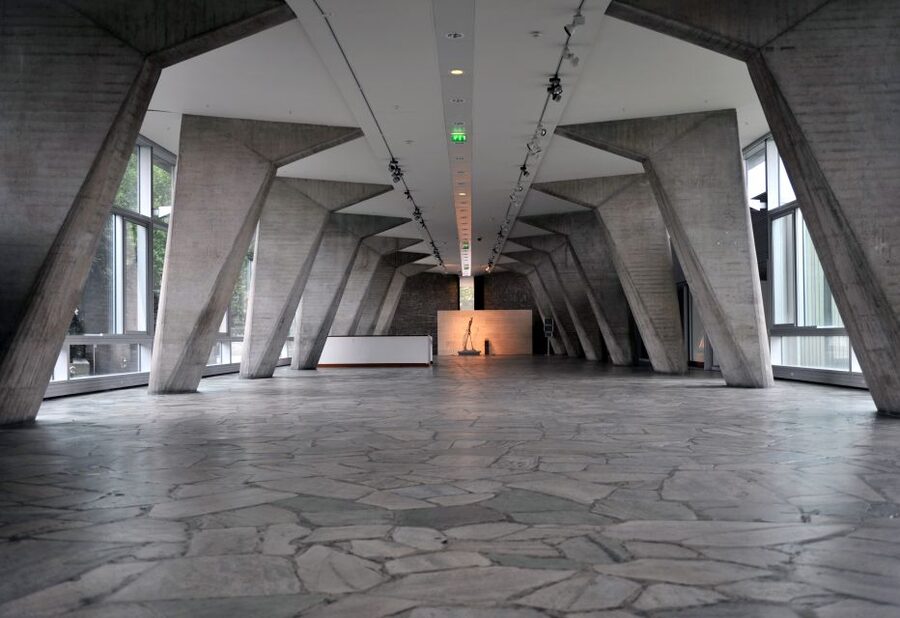
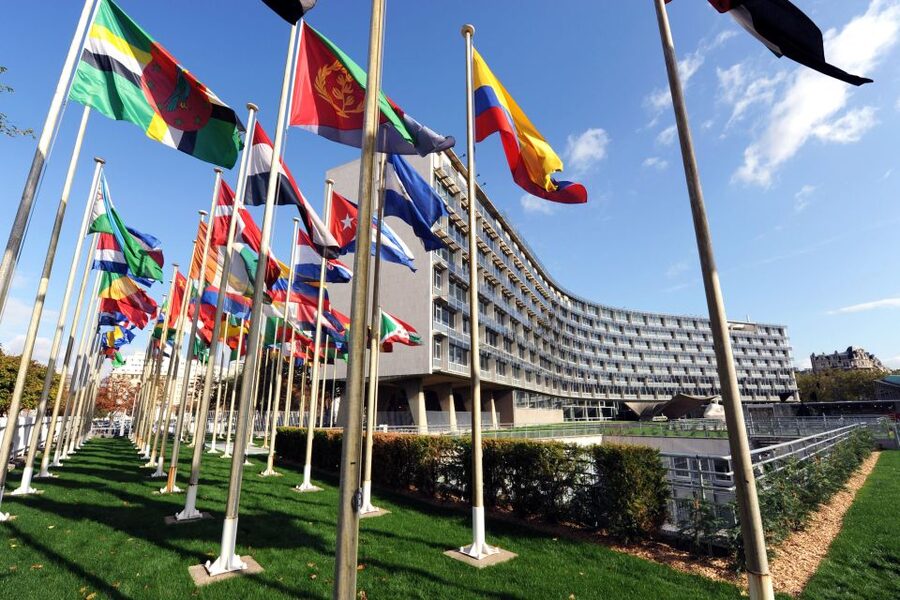
A big reason I recommend this tour to people who like buildings is that you’re not stuck in one room. The experience is built around movement—walkways, corridors, and spaces shaped by Bernard Zehrfuss, Marcel Breuer, and Luigi Nervi.
In plain terms, you’re getting to see how different modernist minds interpreted function. UNESCO isn’t just housed in architecture; it’s staged through it. Wide concrete corridors can feel purposeful instead of gloomy because you’re walking toward a destination: a conference space, a walkway view, a quieter interior moment.
This kind of guided walkthrough also helps you “read” the building. Without someone’s explanations, you might just notice texture and geometry. With a guide, you start spotting how form supports flow—where people gather, where discussions happen, and where you get a break from the intensity of work.
Conference rooms and UNESCO’s work: why this place feels purposeful
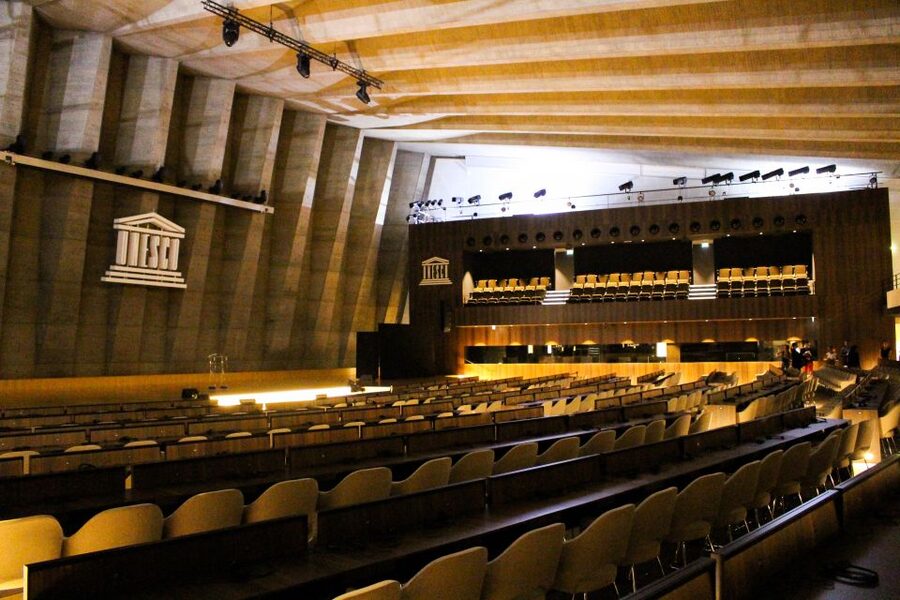
The heart of UNESCO House is about meetings and decisions. During your guided route, you’ll pass through impressive conference rooms and other institutional spaces where UNESCO’s work is carried out.
This is where the tour earns its keep. A lot of Paris tours deliver scenery. This one explains what the organization does and why it matters. You’ll hear about UNESCO’s actions and impact, and how its values shape what it tries to support across education, scientific collaboration, and cultural preservation.
If you’re the type who likes international organizations but finds the jargon intimidating, this tour is a good entry point. You don’t need a background in policy. You can follow the “what they do” story while tying it back to the physical spaces you’re walking through.
One more angle: conference rooms can easily feel intimidating to visitors, like you’re intruding. The guide-led format helps you understand the atmosphere—these rooms exist for discussion, not for spectacle. That makes the experience feel respectful and more accessible.
The Japanese garden and the mood shift you’ll remember
Then comes one of the most distinctive features: the only Japanese garden in Paris located within UNESCO House. It’s not there just for decoration. It’s a contrast panel—somewhere between civic work and personal calm.
You’ll walk through this space as part of the tour, and it offers that quick reset that cities rarely give you. Instead of constantly moving through Paris streets, here you get an interior pause inside a major international institution.
A quick consideration: garden expectations can vary. In one case, a visitor found the garden less impressive due to dried-up fountain elements. So if you’re picturing a fully theatrical garden scene, keep your expectations flexible. The value is still in the setting and the idea of it—just don’t count on every water feature always looking like a postcard.
Meditation space by Tadao Ando: quiet meets modern design
After the garden, the tour moves into something even calmer: a meditation space designed by Tadao Ando.
This is the part that tends to stick with people because it feels different from the rest of the building. Ando’s style is all about controlled light and focused geometry. Even if you’re not an architecture expert, you’ll likely notice how the atmosphere changes once you enter.
I like that this stop doesn’t feel random. UNESCO is about shaping human development through knowledge and culture, and this space acts like a physical reminder that thinking needs quiet, not just activity. It turns the tour into something more balanced—work and reflection in the same route.




The art collection: major names, and a surprising scale
UNESCO House also has an art collection that changes how you experience the building. Along the way, you’ll see major modern and contemporary works, with names like Miró, Picasso, Giacometti, and Calder.
The most helpful detail here is the scale: you’re walking through a collection of more than 600 masterpieces. That’s big. But you don’t need to be an art scholar to enjoy it, because the guide helps you understand what you’re looking at and where it sits in the tour’s flow.
Here’s what makes the art stop valuable: it reframes UNESCO’s mission as something cultural, not just bureaucratic. Education, science, and culture aren’t separate compartments when you can literally see culture translated into art inside the headquarters.
If you’re someone who usually skips art inside office-like buildings, this is one that’s worth paying attention to. The works are major, and the setting keeps them from feeling like a detached gallery visit.
Your guide matters: clear explanations, personal tone, and pacing
This tour is led by a live guide in French or English. That’s important because you’re in a working headquarters, not a typical open museum. A good guide makes the spaces understandable—what you’re seeing, why UNESCO cares, and how the building’s design supports its mission.
One session was praised for a guide named Joao, specifically for deep subject knowledge and an obvious attachment to what UNESCO represents. Another session included Valérie, noted for being available and giving explanations that were very clear. There’s also a caution: a visitor felt the tour wasn’t as in-depth as expected.
So here’s how to handle that as a practical decision:
- If you want architecture + mission + a well-paced route, you’ll probably enjoy it.
- If you want long, deep exploration of every room, treat this as an introduction that’s intentionally structured into a 90-minute format.
Price and logistics: $23 for access, context, and a timed route
Let’s talk value in realistic terms. For $23, you’re getting:
- Guided access inside UNESCO headquarters
- Entrance tickets
- A route that combines architecture, organizational context, a Japanese garden, a meditation space, and major modern art
The “hidden cost” of tours like this is often the time. You’re booking a set 90-minute slot, and you’ll be expected to move with the group. If you’re the kind of traveler who likes to linger and drift, you might feel slightly rushed.
Also note what isn’t included: transfers. So you’ll want to plan your own way to 7 Place de Fontenoy.
If you’re on a tight Paris schedule, this is exactly the kind of experience that fits: it’s long enough to feel substantial, but short enough that you won’t lose an entire day.
Who this UNESCO headquarters tour is best for
I’d especially recommend it if you’re any of these:
- You like modern architecture and want a guided way to understand it
- You want to see how a big international organization connects mission to real spaces
- You enjoy major modern art but don’t want to commit to a full museum day
- You like having at least one calm stop in a city tour (garden + meditation space)
It’s also a smart option if you’re traveling with someone who doesn’t want only “look at buildings” or only “look at paintings.” This tour mixes both, with an explanation thread running through it.
Should you book this UNESCO Headquarters Tour?
I think it’s a good pick if you want a focused, meaningful visit rather than a long wandering day. The best reasons to book are the exclusive access, the architecture-focused route, and the combination of a Japanese garden plus a Tadao Ando meditation space—paired with major names in modern art.
If you’re the type who needs lots of time to linger, or you’re hoping for a very deep, room-by-room exploration, you may want to mentally downgrade expectations. Think of this as a strong guided introduction, not a slow, self-directed “all day” experience.
My bottom line: at $23 for 90 minutes, you’re paying for access and context. If that’s your goal, book it. If your goal is maximum time on-site per euro, you may prefer a longer museum-style plan elsewhere in Paris.
FAQ
How long is the Paris UNESCO Headquarters Tour?
The tour lasts 90 minutes.
What does the ticket price include?
It includes a guide and entrance tickets.
Where is the meeting point?
Meet inside the building in front of the shop on the left of the reception desk, at 7 Place de Fontenoy, 75007 Paris.
What languages is the tour guide available in?
The live guide is available in French and English.
Is the tour wheelchair accessible?
Yes, the tour is wheelchair accessible.
What should I bring to enter?
Bring a passport or an ID card.
More Tours in Paris
- Paris: Louvre Guided Tour with Reserved Access & Boat Cruise
★ 4.3 · 16,353 reviews - Paris: Big Bus Hop-On Hop-Off Tour with Optional Cruise
★ 4.4 · 13,279 reviews - Louvre Museum Masterpieces Guided Tour with Access
★ 4.5 · 12,023 reviews - Versailles: Skip-the-Line Tour of Palace and Gardens Access
★ 4.7 · 10,429 reviews - Paris: Louvre Overview, Exploration tour and Reserved Entry
★ 4.1 · 10,145 reviews
More Tour Reviews in Paris
- Paris: 1-Hour Seine Cruise departing from the Eiffel Tower
★ 4.4 · 77,472 reviews - Paris: Louvre Museum Timed-Entrance Ticket
★ 4.6 · 71,977 reviews - Disneyland® Paris 1-Day Ticket
★ 4.6 · 49,412 reviews - Paris: Versailles Palace and Gardens Full Access Ticket
★ 4.6 · 41,579 reviews - Paris: Arc de Triomphe Rooftop Tickets
★ 4.6 · 34,264 reviews
Fresh off the review desk in Paris
- Secrets of Paris Bike Tour in English or Dutch★ 5.0 · 5 reviews
- Paris: Mont Saint-Michel Day Tour with Chinese Tour Guide★ 5.0 · 5 reviews
- Private Street Art 2-Hour Guided Tour in Paris★ 4.5 · 5 reviews
- Orsay Museum Tour: 2h Highlights (Private & Small Group)★ 5.0 · 5 reviews
- Discover Paris in electric golf carts★ 4.0 · 5 reviews
- Paris Private Boat Tour with your own Captain Guide★ 5.0 · 5 reviews
Tours, compared.
 ★ 4.3Louvre Guided Tour with Reserved Access & Boat CruiseFrom $8116,353 reviews
 ★ 4.4Big Bus Hop-On Hop-Off Tour with Optional CruiseFrom $4313,279 reviews
 ★ 4.5Louvre Museum Masterpieces Guided Tour with AccessFrom $8612,023 reviews
 ★ 4.7Versailles: Skip-the-Line Tour of Palace and Gardens AccessFrom $7610,429 reviews
 ★ 4.1Louvre Overview, Exploration tour and Reserved EntryFrom $6010,145 reviews
 ★ 4.6Mona Lisa & Louvre Masterpieces Tour with Reserved AccessFrom $806,812 reviews
 ★ 4.0Paris Big Bus Hop-On Hop-Off Tour with Optional River CruiseFrom $466,534 reviews
 ★ 5.0Louvre Museum – Exclusive Guided Tour (Entry Included)From $1816,296 reviews