
Reviewed · PHOTOGRAPHY SESSIONS
Photography workshop in Paris
Paris has a funny way of teaching you to look harder. This photo workshop turns that habit into real camera skill at places like the Seine River and Montmartre streets.
Two things I really like: the maximum of four people means you’re not fighting for attention, and the teacher-led feedback helps you move from auto to confident settings fast. One thing to consider: you’ll want your own camera body and lens (it’s not included), and day-to-night options mean you may be walking a lot in changing light.
In This Review
- Key Photo Workshop Highlights You’ll Actually Use
- A Small-Group Paris Photo Lesson That Feels Personal
- What You Learn: Technique, Composition, and Light Tactics
- How Long Is It, Really? Day Focus, Night Focus, and Day-to-Night Runs
- Bastille: Courtyards, Trades, and a Different Paris Perspective
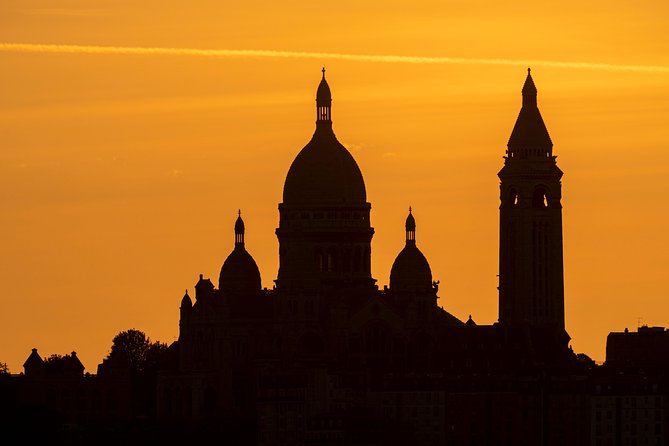
- Montmartre’s Butte: Cobblestones, Staircases, and Sacré-Cœur Shadow Play
- Canal Saint-Martin: Footbridges, Tree Lines, and Long-Lens Possibilities
- Quartier Latin: Luxembourg Gardens, Pantheon Views, and Street-Level Discoveries
- Olympiades: Brutalism, 1960s Housing Vision, and Chinatown Energy
- Paris by Day and Night: The Light Lesson Built Into the Route
- Gear Reality Check: Camera Needed, Lenses Optional
- Price and Value: What $172 Buys You in Paris
- Who This Workshop Is Best For
- Should You Book This Paris Photography Workshop?
- FAQ
- How many people are in the group?
- How long is the photography experience?
- What’s included in the price?
- Do I need to bring a camera?
- Does it run in bad weather?
- Where does the tour take place?
- What’s the cancellation policy?
Key Photo Workshop Highlights You’ll Actually Use
- Small group of four: quick feedback while you shoot, not after the fact
- Day-to-night practice: learn light tactics for both Paris daytime and evening scenes
- Targeted neighborhood stops: Bastille, Montmartre, Canal Saint-Martin, the Latin Quarter, and Olympiades
- Professional photographer coaching: technique and composition tips tied to what you’re seeing
- Multiple departure times: pick a route that matches your schedule and lighting goals
A Small-Group Paris Photo Lesson That Feels Personal
Paris photography is easy to overcomplicate. You see a postcard view and think you need the perfect gear. This workshop takes a simpler approach: practice in real places, with real guidance, until you understand why a photo works.
The sweet spot here is the group size. With a maximum of four people, your instructor can watch what you’re doing, suggest changes, and help you troubleshoot on the spot. That matters when you’re trying to set shutter speed, handle shadows, or frame cobblestone streets without everything looking flat.
Another plus is the teaching style behind the scenes. The guides called out in past groups—like Clara and Julia—are repeatedly described as patient and encouraging, especially for people learning the basics and trying to get off auto mode. And William is noted for showing up prepared and keeping momentum going on longer day-to-night sessions. If you want a calm, friendly lesson that doesn’t rush you, that tone is a big part of the value.
Worth weighing up next to this Paris pick
- Paris: Private Photoshoot at the Eiffel Tower
★ 4.7 · 2,636 reviews - Paris: Eiffel Tower Photoshoot
★ 4.7 · 2,351 reviews - Paris: Photoshoot Around Eiffel Tower with 55 Edited Photos
★ 4.8 · 702 reviews - Paris: Professional Photoshoot with the Eiffel Tower
★ 4.9 · 565 reviews
What You Learn: Technique, Composition, and Light Tactics
This isn’t just a walk with a camera. It’s a coaching session with multiple opportunities to test what you just learned.
Expect the instructor to focus on practical photography skills, including:
- How to use your camera settings to control exposure instead of guessing
- Composition choices like angle, framing, and what to include or leave out
- Different ways to work with daytime light versus night light
- How to adjust your approach when scenes are busy or visually complex (Paris loves that)
The workshop emphasizes angles and light tactics. That’s the difference between taking another snapshot and making an image that feels intentional. Even if you’ve only used auto mode so far, you’ll likely leave with a small toolbox you can apply instantly back home.
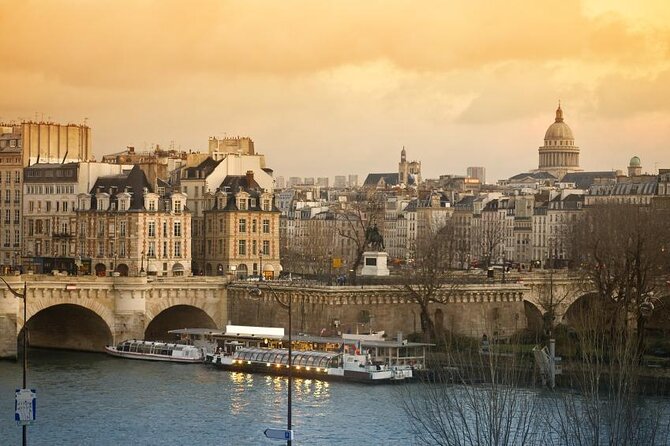
Also, the tour is designed for real-world shooting. You’ll be moving through neighborhoods with textured streets, varied architecture, and changing light, including spots that connect with iconic Paris sights such as the Notre Dame area and the Seine River viewpoints.
How Long Is It, Really? Day Focus, Night Focus, and Day-to-Night Runs
The duration depends on the departure you choose. The overall experience is listed at about 3 hours, and the highlights also describe longer daytime and nighttime shooting in a private format.
One real-life example from a past day-to-night schedule: a group ran from 5pm until midnight. That kind of timing is valuable because it lets you watch the shift from golden evening light into full night contrast, when street lamps and reflections start doing their best work.
So here’s how to choose your timing:
- If you’re new or want a gentler pace, pick a shorter session that emphasizes daytime composition.
- If you already understand basic settings or want more practice with low light, go for the day-to-night departure and give yourself time to experiment.
Because it operates in all weather conditions, you should also dress for walking in rain or wind. If you’ve ever tried to shoot in Paris at dusk without good layers, you know why this matters.
Bastille: Courtyards, Trades, and a Different Paris Perspective
Bastille can be postcard-warm, but it can also feel quietly local. That’s why it’s a strong place to practice framing: you can photograph architecture and street details without constant tourist interruptions.
A typical Bastille-style shoot area includes:
- Views near Place de la Bastille
- The Faubourg Saint-Antoine zone, tied to old workshops and craft traditions
- Photo opportunities around interior courtyards, where lines, windows, and shadows create strong compositions
- A vantage point from an old railway line turned park, which gives you a different elevation perspective
- Easy add-ons like the Arsenal surroundings and Marché d’Aligre area vibes
The photography value here is texture. Courtyards and back passages teach you how to use geometry—arches, repeated windows, and layered depth. It also helps beginners learn how to spot backgrounds that don’t steal focus from your main subject.
Potential drawback: if your route leans more “quiet streets” than “big landmarks,” you’ll want to be comfortable making pictures without relying on one famous building in the frame.
Montmartre’s Butte: Cobblestones, Staircases, and Sacré-Cœur Shadow Play
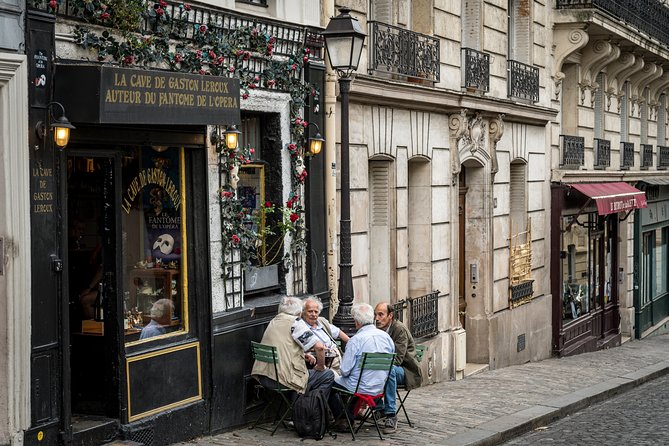
Montmartre is famous for a reason, but it can turn into a photo bottleneck if you only aim for the obvious spots. The workshop’s Montmartre approach is about turning fame into craft—using smaller streets, textures, and angles around the Butte-Montmartre area and the shadow line of Sacré-Cœur.
Look for photo-friendly elements like:
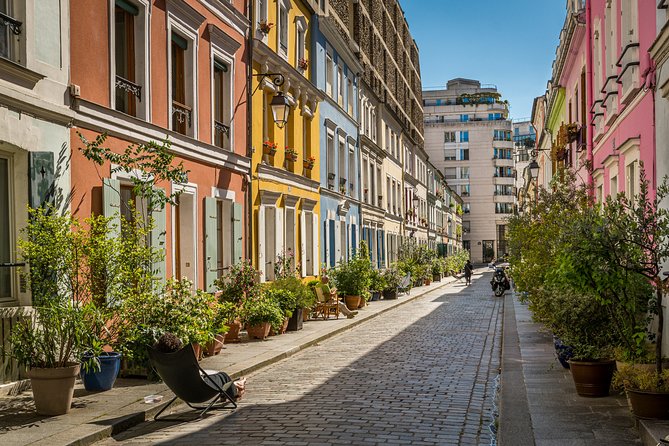
- Narrow streets with wooden shutters
- Winding alleys on cobbled ground
- A “peaceful staircase” feel as you climb and reframe
- Smaller, quieter corners such as secret garden spaces and a cemetery hidden under a bridge
- The classic overlook view of Paris from the Butte area
Why this is great for learning: slopes and staircases force you to think in layers. Foreground, midground, and background matter more when the street itself is rising. Montmartre also gives you natural practice with light direction—morning sun behaves differently than evening glow, and shadows will help you shape the image.
Possible consideration: Montmartre means walking uphill. If you’re choosing a day-to-night option, wear supportive shoes and pace yourself, because you’ll want energy left for night frames.
Canal Saint-Martin: Footbridges, Tree Lines, and Long-Lens Possibilities
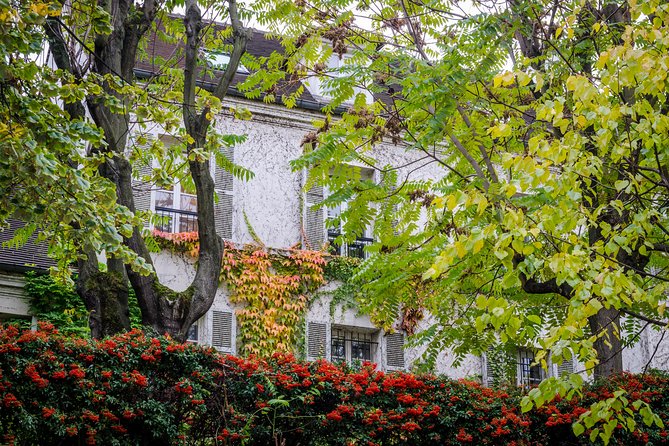
If you want “Paris but not always famous-spot busy,” Canal Saint-Martin is a smart choice. It’s photogenic in the daytime and even better as the light softens because you get reflective surfaces and quiet water-level compositions.
This area’s strengths for photographers include:
- The stretch around Place de la République into the canal districts
- Footbridges that create strong leading lines
- Rows of trees along the canal, useful for repeating patterns in frames
- The way locals use the waterfront space, giving you everyday scenes to compose (even if you don’t photograph people directly)
A practical bonus mentioned in the plan: with a long lens, you can potentially shoot views toward Montmartre and the Eiffel Tower from a neighborhood setting closer to Quartier Haut.
That’s a useful concept even if you don’t carry a long lens. It teaches you to think about “compression” in city photography—how far objects can appear closer and how that changes the mood of your image.
Potential drawback: if your camera setup doesn’t handle low light well, night shooting on the canal can get tricky. You’ll be learning techniques to cope, but having a plan for steady shots helps a lot.
Worth weighing up next to this Paris pick


Quartier Latin: Luxembourg Gardens, Pantheon Views, and Street-Level Discoveries
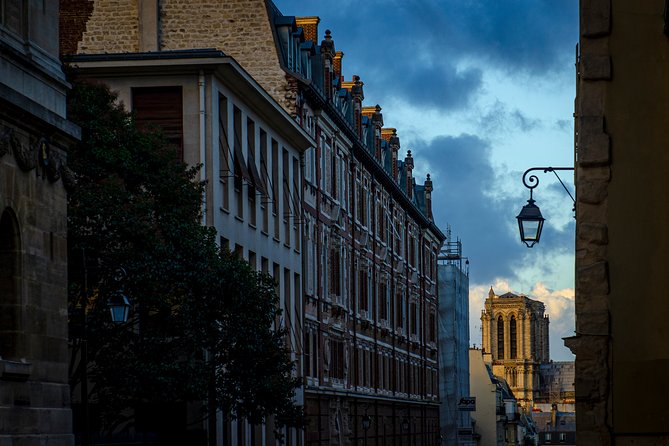
The Latin Quarter is a classic for photos, but the workshop angle here isn’t just about landmark views. It focuses on hidden-feeling alleys and intersections where modern and older Paris sit side by side.
Expect photo moments like:
- The busy sweep near Jardin du Luxembourg
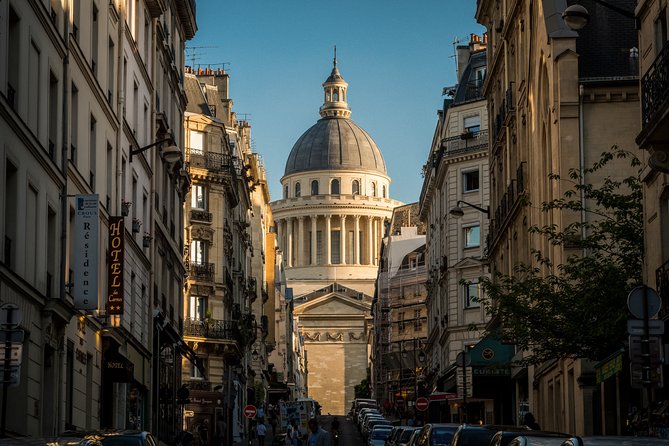
- Pantheon view lines when the streets open up
- Old-world street corners and smaller alleys where you can frame without big crowds
- Photo interest near Arènes de Lutèce, close to the Institut du Monde Arabe modern structure
Why this works for learning: the Latin Quarter gives you contrast. You can practice compositions that juxtapose time periods, and you can practice “background control,” because streets here often offer multiple layers behind your subject.
Possible consideration: with so much to see, it’s easy to scatter your attention. This is one place where an instructor’s guidance helps you pick a direction and make coherent images instead of random shots.
Olympiades: Brutalism, 1960s Housing Vision, and Chinatown Energy
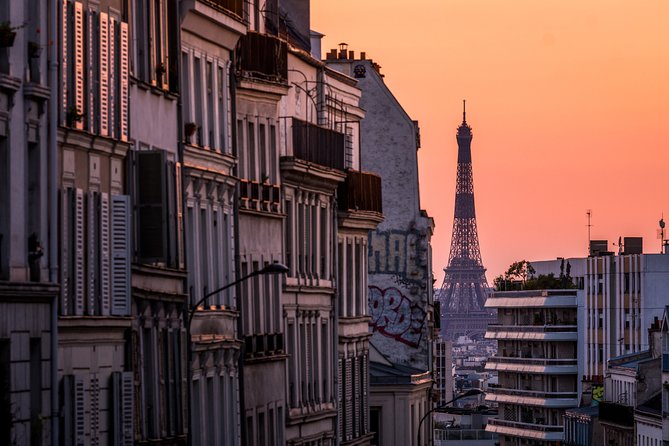
Most photography tours stick to the same core areas. Olympiades adds a different texture: the Italy XIII housing project concept started in the 1960s and was designed for urban renewal. The architecture is known for brutalism, and the area has an active Chinatown feel.
From a photography point of view, Olympiades is useful because it teaches you to photograph “less expected” Paris:
- Brutalist shapes that make strong geometric frames
- Everyday street scenes that don’t revolve around a single viewpoint
- A neighborhood identity you won’t get just by chasing the most famous skyline shots
It can also be a relief if you’re tired of shooting the same angles as everyone else. And if you want a night sequence, the high-contrast surfaces can be fun once street lighting hits the stone textures.
Potential drawback: if your heart is set on only the top headline monuments, this stop may feel more “local and artsy” than “instantly iconic.” That’s exactly why it’s valuable for learning, but it’s worth knowing upfront.
Paris by Day and Night: The Light Lesson Built Into the Route
The tour’s concept of day and night shooting is practical. You’re not just told to shoot at night—you’re guided through how to think about it.
Here’s the mindset shift you’ll likely practice:
- In daylight, composition often wins: clean lines, clear subjects, and thoughtful framing.
- At night, exposure decisions become more important: you control how light spills, how shadows hold detail, and how street reflections shape the scene.
The same neighborhoods change character after sunset. Cobblestone can turn from busy texture into cinematic pattern. Courtyards can deepen. Bridges and canal surfaces can reflect light and create leading lines.
If you’re trying to get off auto mode, a day-to-night session gives you a natural reason to learn. You’ll quickly see why the camera behaves differently at each stage of the evening.
Also, it helps that the instruction is built around where you are. Instead of generic advice, you’ll apply technique right then, which makes it stick.
Gear Reality Check: Camera Needed, Lenses Optional
One clear detail: the workshop does not include a camera. So you’ll want your own kit—ideally with whatever lens you already use most, plus any lens that helps you with low light or longer distance framing.
If you have a flexible zoom, you’ll likely enjoy the variety of angles across different neighborhoods. If you have a long lens, it may open up extra options like the potential to compress distant viewpoints in the canal area plan.
Don’t worry if you’re a beginner. The workshop is designed so you can participate without advanced knowledge. The point is learning the camera you already own.
Price and Value: What $172 Buys You in Paris
At $172, this workshop sits in the “small-group skills lesson” category—not a cheap street stroll, not a full private custom production. The value is in three places:
- Instructor time: a professional photographer teacher and local guide working with you directly.
- Small-group format: with up to four people, guidance is more personal and you spend less time waiting for your turn.
- Practice across multiple photo styles: courtyards and craft textures, hillside streets and viewpoints, canal reflections, Latin Quarter angles, plus brutalist architecture.
If you’re the type who learns fast by doing (and adjusting while you walk), you’ll likely feel this is worth it. If you only want a one-time souvenir photo and you’re not interested in improving technique, a standard sightseeing walk might feel cheaper.
Who This Workshop Is Best For
This is a great fit if:
- You’re a beginner who wants to use settings beyond auto
- You want feedback while you’re shooting
- You like the idea of Paris neighborhoods that include both famous and quieter corners
- You want to practice daylight and night photography concepts
It may be less ideal if:
- You want minimal walking and zero stairs (some neighborhoods include climbing)
- You’re hoping the tour provides a camera or specialized gear
- You only care about one single landmark from one angle
Should You Book This Paris Photography Workshop?
I’d book it if you want a structured way to improve your photography in Paris without turning it into a stressful gear test. The best part is the combination of small-group attention and real technique coaching, especially for people who want to learn how to shoot intentionally in both daytime and at night.
Skip it only if your goal is purely sightseeing photos with no interest in learning settings. Otherwise, this workshop gives you both the places and the guidance to turn Paris light into images you can actually repeat at home.
FAQ
How many people are in the group?
The workshop is limited to a maximum of four people per booking, and it’s private for your group.
How long is the photography experience?
It runs about 3 hours on the schedule, and there are also day-to-night options described as longer sessions.
What’s included in the price?
You get a private workshop with a professional photographer teacher and a local guide. Admission tickets are listed as free for the stops described.
Do I need to bring a camera?
Yes. A camera is not included, so you’ll need to bring your own.
Does it run in bad weather?
Yes, it operates in all weather conditions. You’re advised to dress appropriately.
Where does the tour take place?
It takes place in Paris, France, with shooting stops across multiple neighborhoods.
What’s the cancellation policy?
You can cancel for a full refund if you cancel up to 24 hours in advance of the experience’s start time.
More Workshops in Paris
- Fragonard Paris: Mini Perfume Workshop
★ 4.5 · 1,924 reviews - Paris: Macaron Class at Galeries Lafayette
★ 4.2 · 1,196 reviews - Paris Cooking Class and Lunch with Wine plus Market Visit Option
★ 5.0 · 1,024 reviews - Paris Croissant Small-Group Baking Class with a Chef
★ 5.0 · 910 reviews - Paris: 2-Hour Perfume Creation Workshop
★ 4.8 · 731 reviews
More Photography Sessions in Paris
- Paris: Private Photoshoot at the Eiffel Tower
★ 4.7 · 2,636 reviews - Paris: Eiffel Tower Photoshoot
★ 4.7 · 2,351 reviews - Paris: Photoshoot Around Eiffel Tower with 55 Edited Photos
★ 4.8 · 702 reviews - Paris: Professional Photoshoot with the Eiffel Tower
★ 4.9 · 565 reviews - Paris: Eiffel Tower Premium Photoshoot
★ 4.9 · 425 reviews
More Tour Reviews in Paris
- Paris: 1-Hour Seine Cruise departing from the Eiffel Tower
★ 4.4 · 77,472 reviews - Paris: Louvre Museum Timed-Entrance Ticket
★ 4.6 · 71,977 reviews - Disneyland® Paris 1-Day Ticket
★ 4.6 · 49,412 reviews - Paris: Versailles Palace and Gardens Full Access Ticket
★ 4.6 · 41,579 reviews - Paris: Arc de Triomphe Rooftop Tickets
★ 4.6 · 34,264 reviews
Fresh off the review desk in Paris
- Secrets of Paris Bike Tour in English or Dutch★ 5.0 · 5 reviews
- Paris: Mont Saint-Michel Day Tour with Chinese Tour Guide★ 5.0 · 5 reviews
- Private Street Art 2-Hour Guided Tour in Paris★ 4.5 · 5 reviews
- Orsay Museum Tour: 2h Highlights (Private & Small Group)★ 5.0 · 5 reviews
- Discover Paris in electric golf carts★ 4.0 · 5 reviews
- Paris Private Boat Tour with your own Captain Guide★ 5.0 · 5 reviews
Photography Sessions, compared.
 ★ 4.7Private Photoshoot at the Eiffel TowerFrom $412,636 reviews
 ★ 4.7Eiffel Tower PhotoshootFrom $382,351 reviews
 ★ 4.8Photoshoot Around Eiffel Tower with 55 Edited PhotosFrom $100702 reviews
 ★ 4.9Professional Photoshoot with the Eiffel TowerFrom $47565 reviews
 ★ 4.9Eiffel Tower Premium PhotoshootFrom $44425 reviews
 ★ 5.0Photo Session in Paris – Photographer at the Eiffel TowerFrom $66422 reviews
 ★ 5.0Professional Photoshoot by the Eiffel TowerFrom $29415 reviews
 ★ 5.0Private Guided Professional Photoshoot by the Eiffel TowerFrom $108388 reviews
Browse the lists this tour appears in