
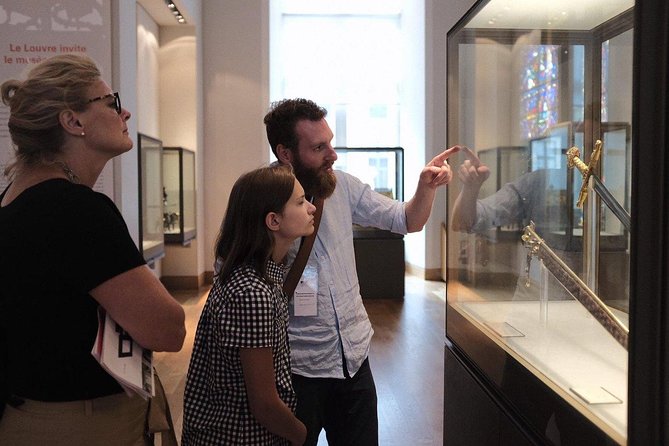
Reviewed · LES INVALIDES TOURS
Skip-the-line Les Invalides World War Museum Guided Tour – Exclusive Guided Tour
World War history is clearer when you have a guide. At Les Invalides, this skip-the-line Musée de l’Armée tour is a 2-hour walk through the events that shaped Europe, with an English guide leading you from highlight to highlight. One thing to watch: the dome/museum can face occasional closures, and if that pushes things more than an hour, refunds or discounts may not be possible.
I like that you’re not wandering around hunting for the good stuff. You get your admission included, and you follow the guide straight to key exhibits (gear, uniforms, weapons, and big story anchors). I also like that private-style options exist, so you can match the experience to your group—no awkward forced mingling. The main trade-off is that security rules still apply, so even with skip-the-line access you may see some queues in certain spots.
In This Review
- Key Points You’ll Care About
- Why Les Invalides Makes World War History Feel Real
- Skip-The-Line Admission: What It Actually Buys You
- The Start Point: Hôtel des Invalides (and How to Find Your Rhythm)
- Following the Guide to the Collection Highlights
- From 19th-Century Roots to World War I’s Spark
- Battle Gear and Uniforms: What to Look For (and Why)
- The Battle of the Marne and That Iconic Taxi
- Treaty of Versailles and the Armistice Car
- From Versailles to Hitler: The WWII Setup in One Route
- Normandy and the Liberation of Paris: Why Preservation Still Matters
- How the 2 Hours Work: Pacing, Quiet Rooms, and Photo Reality
- Price and Value: Is $159.39 Worth It?
- Accessibility and Comfort Notes You Should Know
- Who Should Book This Tour—and Who Might Skip
- Quick Checklist Before You Go
- Should You Book This Les Invalides Guided Tour?
- FAQ
- How long is the skip-the-line Les Invalides World War Museum guided tour?
- What is included in the ticket price?
- Is this tour private?
- Do I need to provide a mobile phone number for the tour?
- Is the tour wheelchair friendly?
- What should I know about bags and dress?
Key Points You’ll Care About

- Skip-the-line admission to Musée de l’Armée included, saving you the headache of museum entry lines
- Straight-to-the-highlights route, not a random museum stroll
- Big turning points, clearly explained, from the Franco-Prussian War through WWII’s build-up
- Real artifacts and story props (including battle-linked equipment and an iconic Marne-era taxi)
- Guides add context, with named guides like Pierre and Anatolle highlighted for making events understandable
- Plan for rules on site, including bag size limits and some rooms where you must keep quiet
Why Les Invalides Makes World War History Feel Real

Les Invalides isn’t just a museum you visit. It’s the kind of place where the building itself adds weight. The Musée de l’Armée sits inside this historic complex at Hôtel des Invalides, so you’re surrounded by a military setting while you learn the human, political, and technological side of conflict.
What I like most about this tour is the way it treats World War history like a chain of causes and effects, not a list of battles. You start with 19th-century roots, then you watch the story accelerate toward World War I—assassinations, alliances, and the political spark that turns into a global fire. After that, the guide pulls you forward into the next crisis era: Versailles, the armistice, and the conditions that let Adolf Hitler’s threat become real.
You should also know this tour is offered in English, and the tone is designed for understanding, not name-dropping. When guides such as Pierre or Anatolle lead, the emphasis is on clarity and pacing—stopping often enough for context, but not so often that you lose momentum.
Napoleon and the Invalides, once more
- Les Invalides: Napoleon’s Tomb & Army Museum Entry
★ 4.6 · 9,185 reviews - Paris Entrance Ticket to the Aura Invalides Immersive Show
★ 4.0 · 174 reviews - Skip-the-line Invalides Dome Louis XIV & Napoleon Tour – Exclusive Guided Tour
★ 5.0 · 70 reviews - Paris: Napoleon’s Tomb & Invalides Small Group Guided Tour
★ 4.6 · 51 reviews
Skip-The-Line Admission: What It Actually Buys You
Skip-the-line access sounds simple. In reality, it’s most valuable on days when lines are annoying and your energy is limited.
This tour includes skip-the-line admission tickets to the Musée de l’Armée. That means you’re not stuck at the front desk or main entrance sorting out entry while others wait. But keep expectations realistic: the information for this experience notes that due to security measures, some lines may still form on tours with skip-the-line or no-wait access. So think of it as faster entry, not magic.
Two practical tips help you get the benefit:
- Show up ready for security. This museum limits bags. No large bags or suitcases are allowed inside—only handbags or small thin bag packs go through.
- Treat it like an appointment time, not a casual wander. You’ll start at Hôtel des Invalides and your route is timed for about 2 hours.
If you’ve ever spent the first part of a museum trip feeling behind schedule, this is the fix.
The Start Point: Hôtel des Invalides (and How to Find Your Rhythm)
Your meeting point is Hôtel des Invalides, 75007 Paris. The tour ends back at the same location, which is nice when you’re trying to fit the rest of your day around it.
You’ll also want to plan around real-world entry rules:
- You’ll have an on-the-ground guide, and you’ll move through museum highlights as a group.
- You should have moderate physical fitness. It’s not described as an intense trek, but you will be walking inside a museum complex and spending a chunk of time standing.
- You’ll need to follow dress expectations for some sites on the tour.
There’s also a logistical detail people forget until it’s too late: you’re required to provide a mobile phone number (with country code). That’s part of making sure your tour confirms and you can be reached if there’s any operational change.
Following the Guide to the Collection Highlights
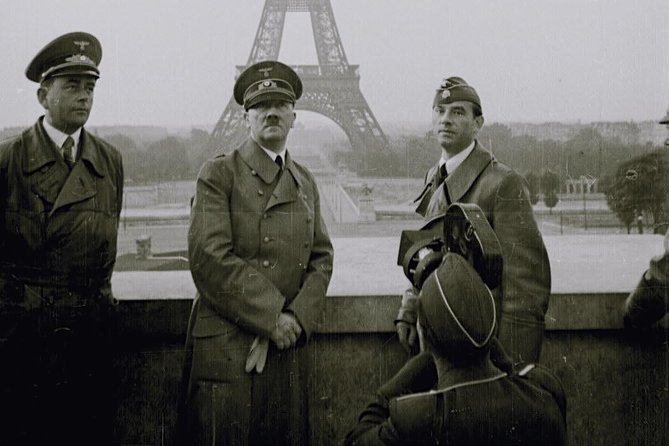
A museum tour can fail in one of two ways. Either you get a crowded route with no time to look, or you get a friendly stroll where the “important stuff” gets scattered.
This tour aims to avoid both by using a guided path built around key exhibits. The highlights are built into the storytelling. The guide doesn’t just point. They connect objects to events and explain why a particular artifact mattered at the time.
In the feedback for this experience, guides like Pierre and Anatolle are singled out for explaining important events and navigating the museum effectively. That matters, because Musée de l’Armée has a lot to see. Without direction, it’s easy to spend your best energy on the wrong rooms.
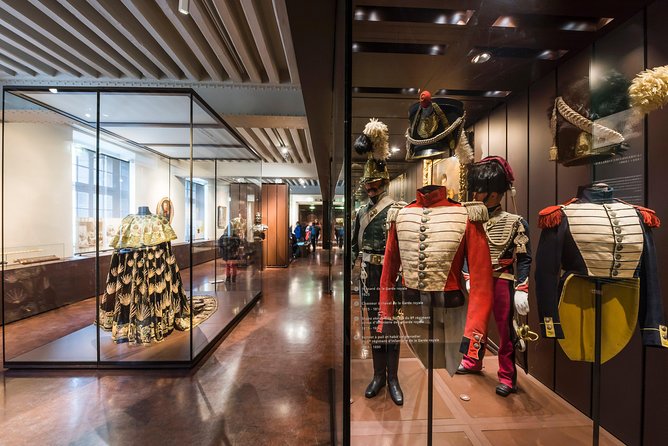
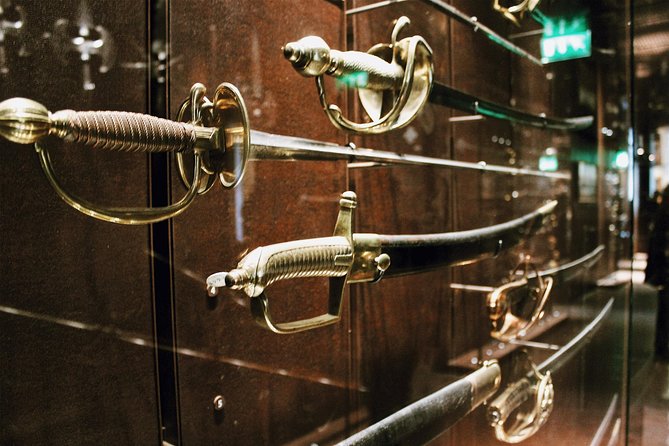
During the tour, you’ll walk through multiple historical “chapters.” As you go, you’ll get a better sense of what to notice. You’re not only looking at uniforms and weapons—you’re learning what they were used for, what they signaled politically, and how they fit into the bigger turning points.
From 19th-Century Roots to World War I’s Spark
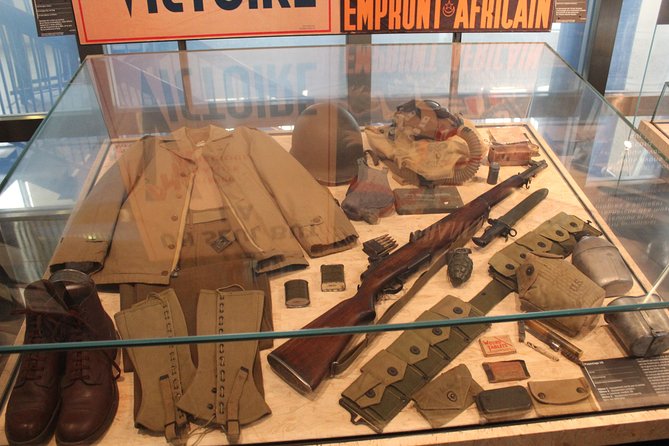
The tour begins with the 19th-century roots that lead to some of the bloodiest conflict in European history. That setup is one of the smartest choices you can make if you want to understand World War I.
Instead of jumping directly to 1914, you’re shown how earlier power shifts shaped the conditions for the catastrophe. The guide brings up characters like Bismarck during the Franco-Prussian War era, which helps you understand the political mood and the balancing acts among European powers.
Then the story accelerates:
- You move into the chain of events that leads to the assassination of Franz Ferdinand.
- You get the cause-and-effect logic that makes the outbreak easier to grasp.
- You see equipment, uniforms, weapons, and artifacts tied to multiple battles.
This is where you start to feel why a guided tour helps. It turns “stuff on display” into an organized timeline you can hold in your head.
Battle Gear and Uniforms: What to Look For (and Why)
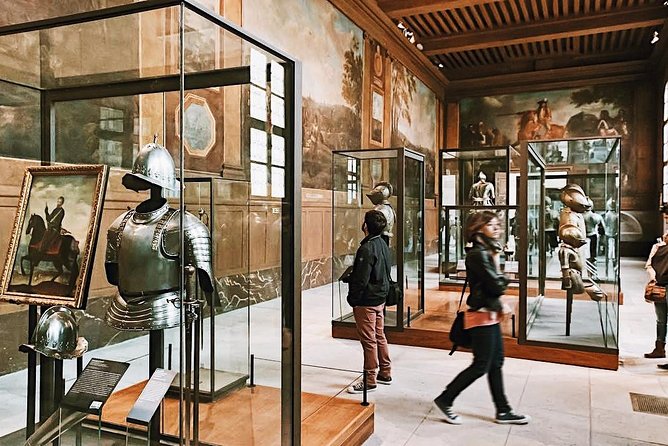
Once you’re in the World War I section of the route, you’ll be face-to-face with real objects: equipment, uniforms, weapons, and other artifacts associated with the war’s many battles.
Here’s what you should do while you look:
- Pay attention to how uniforms and gear reflect function. The guide’s explanations make it easier to see that these objects were built for specific battlefield needs.
- Notice the differences across the war’s phases. Even within World War I, technology and tactics changed quickly.
- Focus on context marks. When the guide ties an object to an event, it becomes easier to remember later.
If you’re the type who likes to understand the “why” behind the “what,” you’ll enjoy this section. It doesn’t feel like a museum checklist. It feels like the guide is building a storyline and handing you supporting evidence.
Worth weighing up next to this Paris pick




The Battle of the Marne and That Iconic Taxi
One of the most memorable parts of this tour experience is the stop connected to the Battle of the Marne. The guide doesn’t treat it as a name on a timeline. You’ll also see one of the iconic taxis linked to the battle’s famous role.
This is one of those details that can make history click for people who struggle with pure chronology. A taxi is concrete. It’s a real-world object you can picture. And once you can picture the moment, the broader strategy becomes easier to understand.
Alongside that, you’ll watch original footage that addresses atrocities. That’s heavy material, and it’s presented as part of understanding what the war did to people—not just what leaders planned.
You should brace yourself for the emotional weight. This museum tour is not sugar-coated.
Treaty of Versailles and the Armistice Car
Next comes the Treaty of Versailles and the way the war ends through diplomacy and enforcement. The guide also shows you the train car where the armistice was signed.
This part matters because it shifts you from battlefield logic to political consequences. World War I didn’t end because everyone suddenly decided to stop. It ended because agreements, terms, and power arrangements changed what came next.
If you’re the type who wants to connect World War I to why World War II was able to happen, this is the turning point. You’ll start seeing the “setup” behind the next collapse—especially as the tour transitions into the lead-up to World War II.
From Versailles to Hitler: The WWII Setup in One Route
After the armistice and Versailles, the tour moves toward how the threat of Adolf Hitler became a reality. The guide covers significant events and explains how France and Europe move from one crisis into another.
Some of the key WWII-era topics you’ll hear about include:
- the Ligne Maginot
- Dunkerque
- the Occupation of Paris
This is another place where the guided approach pays off. You’re not just seeing objects. You’re learning the sequence of how defenses, strategy, and occupation played out—and how France experienced it.
As you meander through relevant exhibits, the guide also references famous French leaders such as Pétain and De Gaulle, helping you understand the different ways France navigated the horror of occupation and later liberation.
Normandy and the Liberation of Paris: Why Preservation Still Matters
The last big section of the tour is focused on Normandy and the Liberation of Paris, bringing you toward the idea that history shaped more than borders. It shaped what people chose to protect and remember.
The guide’s storytelling ties the war’s end to what you can still enjoy today—especially around the city’s preserved memory. That matters, because Paris is not a backdrop here. It’s part of the story.
You’ll also notice how the tour connects battlefield artifacts to a broader lesson: war leaves evidence in objects, documents, and architecture. A guided tour helps you see those connections instead of just passing through rooms.
How the 2 Hours Work: Pacing, Quiet Rooms, and Photo Reality
This experience runs about 2 hours. That’s long enough to matter, short enough that it doesn’t feel like you’re chained to a schedule all day.
Still, plan for museum rhythms:
- Security and room rules can slow you down. The museum notes that some rooms are subject to very quiet or restricted right to speak inside. The guide will explain where this applies before you enter those spots.
- Some collections may vary by season.
- Temporary exhibitions are not included, so your focus stays on the core collection highlights.
On a practical note: since lines can still form at certain points due to security measures, I recommend you keep your phone ready and your bag rules sorted. Having your bag compliant before you arrive is one of the easiest ways to reduce stress.
Price and Value: Is $159.39 Worth It?
At $159.39 per person for about 2 hours, the value depends on what you’re trying to get out of your day.
Here’s what you’re paying for that’s actually concrete:
- Skip-the-line guided museum admission
- A guide for your group for the full duration (the listing notes this guide coverage does not apply if you choose the SAVE! BOOK SEMI-PRIVATE option)
- All entrance fees
- English language service
- Mobile ticket
What you’re not paying for:
- Hotel pickup or drop-off (you’ll want to plan your own transit, and Uber/taxi are recommended)
- Gratuities (optional)
- Temporary exhibitions
So is it worth it? If you want World War history organized like a narrative—with artifacts you can connect to key events—this price can be fair. The museum can be overwhelming on your own. A good guide helps you see what matters and where.
If you’re the kind of visitor who loves reading at your own pace and doesn’t mind skipping interpretation, you might decide to do it independently. But for most people who want clarity fast, a guided plan like this is time well spent.
Accessibility and Comfort Notes You Should Know
The tour information lists wheelchair friendly, but it also states this does not apply if you choose the SAVE! BOOK SEMI-PRIVATE option. If that matters to you, double-check the option you select.
Even with wheelchair friendliness, you’ll still be moving through a museum environment with security checks and room rules. If you have any mobility limits, it’s smart to bring a bit of buffer into your schedule and avoid stacking other tight plans right before or after.
Who Should Book This Tour—and Who Might Skip
This tour is a great match if:
- you want World War I and WWII storylines that connect the dots
- you like guided interpretation that points out what to notice
- you prefer not to waste the first hour getting oriented in a big museum
- you’d like an option that can feel private, depending on what you book
You might consider another option if:
- you’re hoping to focus mostly on temporary exhibitions (not included)
- you’re strongly photo-focused and need lots of speaking freedom in every room (some rooms require quiet)
- you’ll be in Paris on a day when closures disrupt the dome/museum schedule (delays of more than 1 hour may mean no refunds/discounts)
Quick Checklist Before You Go
Bring what works with security. The museum notes no large bags or suitcases—only handbags or small thin bag packs.
Also:
- Dress appropriately for sites that require it.
- Have your mobile number ready (with country code) when booking.
- If you know you’ll be tight on time, schedule this first on your Les Invalides day. You’ll get more value when you can stay flexible if security slows things slightly.
Should You Book This Les Invalides Guided Tour?
If you want a guided, organized tour through the Musée de l’Armée that covers how Europe moves from the roots of conflict to the real-world outcomes of WWI and into the buildup of WWII, I’d book it. The best part is that the tour doesn’t just show objects—it ties them into a clear story, with the guide directing you toward the most important collection highlights.
If you’re flexible about a brief security hiccup and you’re okay with museum rules (quiet rooms and bag limits), the experience can be an efficient, memorable way to understand why the 20th century played out the way it did.
If you’re unsure, choose this only if you care about explanation. If you want maximum independence with no structure, you may find a self-guided visit better fits your style.
FAQ
How long is the skip-the-line Les Invalides World War Museum guided tour?
The tour lasts about 2 hours.
What is included in the ticket price?
Your ticket includes skip-the-line guided museum admission to the Musée de l’Armée, an entrance fee-free guided experience for your group (as applicable to your selected option), and all entrance fees. A guided tour ticket is also included.
Is this tour private?
This experience is described as private, meaning only your group participates.
Do I need to provide a mobile phone number for the tour?
Yes. You’re required to provide a mobile phone number, including the country code.
Is the tour wheelchair friendly?
The tour is listed as wheelchair friendly, but this does not apply if you choose the SAVE! BOOK SEMI-PRIVATE option.
What should I know about bags and dress?
No large bags or suitcases are allowed inside the museum. Only handbags or small thin bag packs are allowed through security. Appropriate dress is required for entry into some sites on this tour.
More Tours in Paris
- Paris: Louvre Guided Tour with Reserved Access & Boat Cruise
★ 4.3 · 16,353 reviews - Paris: Big Bus Hop-On Hop-Off Tour with Optional Cruise
★ 4.4 · 13,279 reviews - Louvre Museum Masterpieces Guided Tour with Access
★ 4.5 · 12,023 reviews - Versailles: Skip-the-Line Tour of Palace and Gardens Access
★ 4.7 · 10,429 reviews - Paris: Louvre Overview, Exploration tour and Reserved Entry
★ 4.1 · 10,145 reviews
More Tour Reviews in Paris
- Paris: 1-Hour Seine Cruise departing from the Eiffel Tower
★ 4.4 · 77,472 reviews - Paris: Louvre Museum Timed-Entrance Ticket
★ 4.6 · 71,977 reviews - Disneyland® Paris 1-Day Ticket
★ 4.6 · 49,412 reviews - Paris: Versailles Palace and Gardens Full Access Ticket
★ 4.6 · 41,579 reviews - Paris: Arc de Triomphe Rooftop Tickets
★ 4.6 · 34,264 reviews
Napoleon's Paris at Les Invalides
- Les Invalides: Napoleon’s Tomb & Army Museum Entry
★ 4.6 · 9,185 reviews - Paris: Aura Invalides Immersive Experience Entry Ticket
★ 4.7 · 3,360 reviews - Paris Entrance Ticket to the Aura Invalides Immersive Show
★ 4.0 · 174 reviews - Skip-the-line Invalides Dome Louis XIV & Napoleon Tour – Exclusive Guided Tour
★ 5.0 · 70 reviews - Paris: Napoleon’s Tomb & Invalides Small Group Guided Tour
★ 4.6 · 51 reviews
Fresh off the review desk in Paris
- Secrets of Paris Bike Tour in English or Dutch★ 5.0 · 5 reviews
- Paris: Mont Saint-Michel Day Tour with Chinese Tour Guide★ 5.0 · 5 reviews
- Private Street Art 2-Hour Guided Tour in Paris★ 4.5 · 5 reviews
- Orsay Museum Tour: 2h Highlights (Private & Small Group)★ 5.0 · 5 reviews
- Discover Paris in electric golf carts★ 4.0 · 5 reviews
- Paris Private Boat Tour with your own Captain Guide★ 5.0 · 5 reviews
Les Invalides Tours, compared.
 ★ 4.6Les Invalides: Napoleon’s Tomb & Army Museum EntryFrom $209,185 reviews
 ★ 4.7Aura Invalides Immersive Experience Entry TicketFrom $333,360 reviews
 ★ 4.0Paris Entrance Ticket to the Aura Invalides Immersive ShowFrom $33174 reviews
Skip-the-line Invalides Dome Louis XIV & Napoleon Tour – Exclusive Guided TourFrom $14370 reviews
★ 4.0Paris Entrance Ticket to the Aura Invalides Immersive ShowFrom $33174 reviews
Skip-the-line Invalides Dome Louis XIV & Napoleon Tour – Exclusive Guided TourFrom $14370 reviews
 ★ 4.6Napoleon’s Tomb & Invalides Small Group Guided TourFrom $11751 reviews
 ★ 5.0Skip-the-line Invalides Dome Louis XIV & Napoleon Tour – Semi-Private 8ppl MaxFrom $14240 reviews
 ★ 5.0Invalides Museum – WWI & WWII – Guided Tour up to 8 guestsFrom $15632 reviews
 ★ 4.5Napoleon’s Tomb and the Invalides Small-Group Guided TourFrom $12030 reviews
Browse the lists this tour appears in