
Reviewed · SKIP THE LINE
Skip-the-line Rodin Museum Tour with Artist
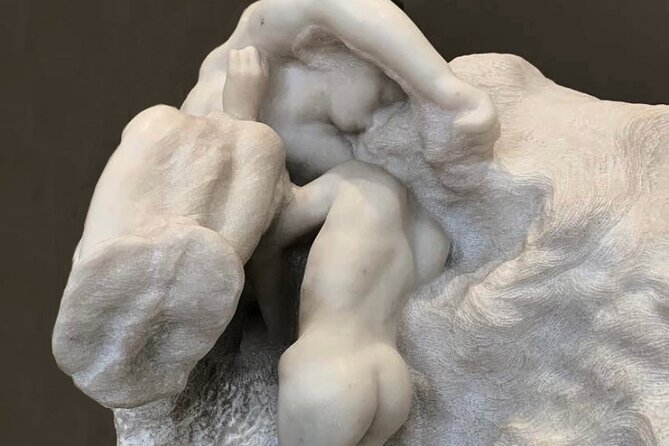
Nothing is quite like seeing Rodin explained by an artist. Step past the crowds with skip-the-line access, then move through the Musée Rodin with a real artist-guide who connects technique to the sculptures you’re looking at. You’ll also get a hands-on way to understand the man and his process, with a museum visit that feels more like a studio conversation than a checklist.
I especially love how the guide approach ties Rodin’s style to what you can actually see: twisted limbs, shifting textures, and the way unfinished work can still feel complete. I also like that the tour includes a quick break at Café–Restaurant L’Augustine and then turns into a walk with scenic garden perspectives, so your eyes don’t just “absorb art” for two hours—they reset, refocus, and absorb again.
One possible drawback: this experience is short (2 hours). If you want to linger for a long time in just one room, you’ll need to come back on your own day to slow down.
In This Review
- Key highlights worth planning for
- Entering Rodin’s World Without the Line Hassle
- Inside the Rococo Mansion: Art That Lives in the Building
- Rodin’s Technique, Explained Like a Studio Problem
- The Antique Fragments Angle (Why It Matters More Than You Think)
- The Sculpture Garden: Views, Timing, and Iconic Bronzes
- A Short Stop at L’Augustine for a Reset
- Price and Value: What $234 Buys You in Real Terms
- Who This Tour Suits Best
- Should You Book This Rodin Museum Artist Tour?
- FAQ
- Where do I meet for the Rodin Museum tour?
- How long is the tour?
- What languages are the live guides available in?
- Does the tour include skip-the-line entry?
- Is the tour only at the museum building?
- What break is included during the tour?
- Is food included?
- Is this tour wheelchair accessible and can it be private?
Key highlights worth planning for
- Skip-the-line entry through a separate entrance so you start looking faster
- Artist-guide perspective that connects sculpture technique to real masterpieces
- Rococo mansion setting that makes the building feel like part of the artwork
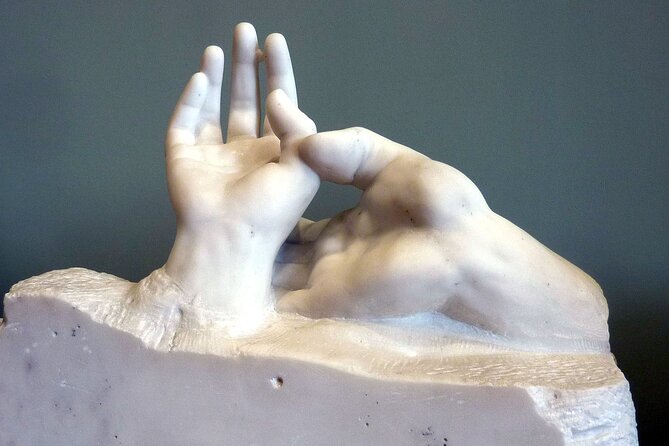
- Antique fragments collection that shows what Rodin studied and transformed
- Sculpture Garden views plus iconic bronzes like The Thinker
- iPad visual support to help you imagine Rodin’s life and works
Entering Rodin’s World Without the Line Hassle
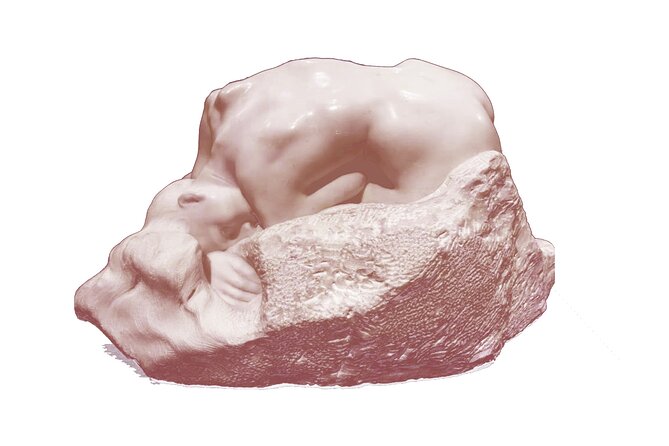
Rodin can feel huge—his influence, his output, his reputation. The trick is getting your bearings fast so you don’t spend your museum time wandering. This tour is built for that. The big win is skip-the-line admission using a separate entrance, so you’re not burning your first minutes in Paris standing around while everyone else moves.
Then there’s the guide. Instead of a generic commentary, you’re getting a private artist-guide approach: someone trained to look at form, surface, and proportion. That matters at the Musée Rodin, because these sculptures aren’t just images. They’re physical decisions—angles, tension, and emphasis—made by hands. When you hear those choices explained through an artist’s way of seeing, even familiar names like The Thinker can feel freshly placed in context.
A final practical plus: the tour is English or French, and you can do it as a private group if you prefer. For couples, small friend groups, and anyone who likes a conversation style of touring, that private format is a real quality-of-life upgrade.
Worth weighing up next to this Paris pick
- Paris: Louvre Museum Timed-Entrance Ticket
★ 4.6 · 71,977 reviews - Paris: Orsay Museum Entry Ticket
★ 4.7 · 25,647 reviews - Louvre Museum Masterpieces Guided Tour with Access
★ 4.5 · 12,023 reviews - Paris: Louvre Museum Entry Ticket With Host and River Cruise
★ 4.6 · 9,926 reviews
Inside the Rococo Mansion: Art That Lives in the Building
The Musée Rodin isn’t just a museum stuffed with sculptures. It’s housed in a rococo mansion, and that setting changes how the works land in your brain. Rococo means curves, light, ornament, and softness in architecture. Rodin’s work is often the opposite—muscles under strain, stone that looks alive, gestures that feel mid-thought.
That contrast is what makes the first stretch of the visit so satisfying. You’re not just going from room to room; you’re walking through a space that already has a mood. As you move in, you’ll find that the building frames Rodin’s forms. Curving walls and decorative surroundings can make bronze and stone seem even more alive by comparison.
Also, a mansion setting supports the tour’s biggest promise: the guide helps you see Rodin’s evolution. You’ll go from his classical beginnings toward works that feel unfinished, fragmentary, or in-between. That isn’t just museum education—it changes your interpretation. If you’ve ever wondered why sculptors leave rough edges or show process, this kind of guided viewing makes those choices feel intentional rather than incomplete.
Rodin’s Technique, Explained Like a Studio Problem
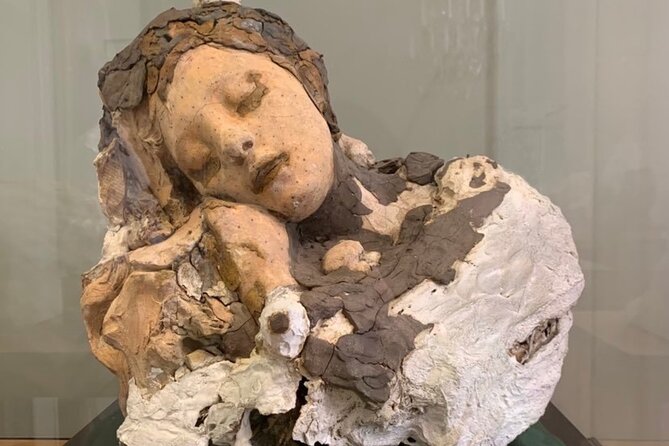
Rodin is often called the Michelangelo of modern sculpture, and while that’s an overused headline, it does point to something real: he pushed this medium into new emotional territory. The best moments in this tour come when the guide explains how the art works, not just who made it.
Expect to focus on the drama of form:
- Twisted, dancing limbs that don’t sit still in your mind
- The sense of living flesh—bronze and stone that look like they’ve got breath
- Gestures that feel like a thought captured at the exact second it forms
The guide’s job is to translate sculpture technique into plain sight. You’ll spend time understanding Rodin’s avant-garde vision—how he took traditional ideas and stretched them until the result became modern feeling. And because you’re in a private setting, you can ask questions that come up naturally, like why certain surfaces look polished in one area and rough in another, or how the body seems both monumental and intimate at the same time.
If your tour is led by an artist-guide named Blerta, that’s the kind of interactive, context-rich teaching style you’ll be looking for. The standout point about guides with her reputation is how they connect history and craft in a way that keeps you moving and looking, instead of turning the visit into a lecture you rush to survive.
The Antique Fragments Angle (Why It Matters More Than You Think)
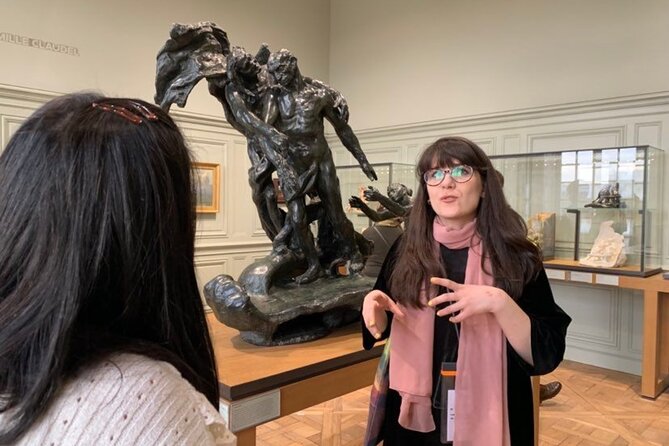
One of the tour’s most interesting features is time spent with Rodin’s unique collection of antique fragments. That sounds niche—until you realize it’s the clue to how Rodin worked.
Antique fragments are basically evidence. They show what Rodin studied and how he built his visual vocabulary. When you stand near fragments alongside his later work, you start noticing something: Rodin isn’t copying the past. He’s using the past as raw material for new meaning. He takes inherited forms and then changes what they communicate through cropping, enlarging, re-framing, and manipulating rhythm.
This is where the guide approach really pays off. You’ll likely be encouraged to look at partial shapes and think about how a sculpture can suggest a whole story even if it’s not presented as complete in a traditional way. Rodin’s process often feels like it’s about motion and transformation rather than perfection.
And you’re supported by a handpicked iPad collection. That’s not a replacement for looking; it’s a help for imagining scale, context, and life/work connections while you’re in front of the real pieces. If you learn visually—especially if you like side-by-side comparison—this added layer can make the museum feel less overwhelming and more navigable.
The Sculpture Garden: Views, Timing, and Iconic Bronzes
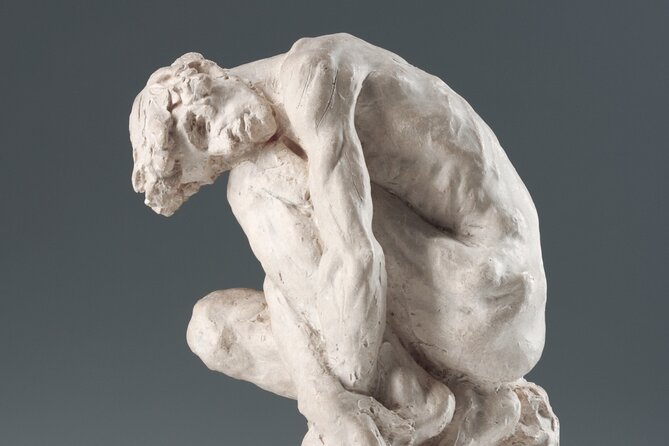
After time inside, the tour shifts outdoors. This is where the Musée Rodin earns its reputation as a place you can’t fully appreciate from photos.
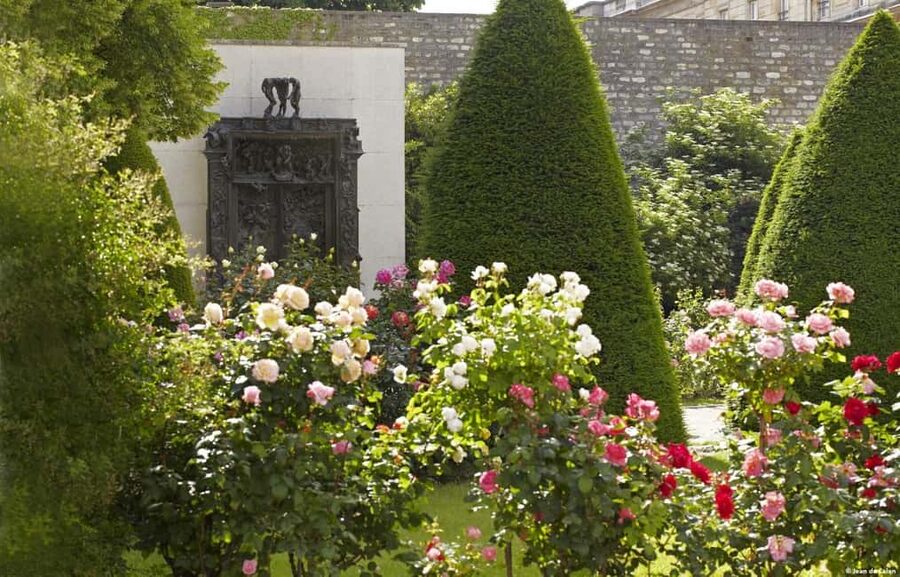
The French gardens and the Sculpture Garden add a different kind of reading. In a garden, sculptures aren’t trapped in one viewpoint. Light changes. Shadows move. Your angle changes as you walk, and suddenly the piece you just saw from one direction becomes something else in the next moment.
You’ll also get scenic views along the way, which helps if you find indoor museum time can blur. The walk gives your eyes a break while still keeping the story going. And yes, you’ll be seeing iconic works such as The Thinker. Even if you’ve seen that statue a dozen times online, this is the moment to treat it like a sculpture in space—not an internet image.
Here’s a practical tip: wear comfortable shoes. The garden viewing is part of the “art lesson,” not a separate stroll. If you’re rushing or sore, you’ll miss the subtle shift in emotion that happens when your body position changes around the work.
A Short Stop at L’Augustine for a Reset
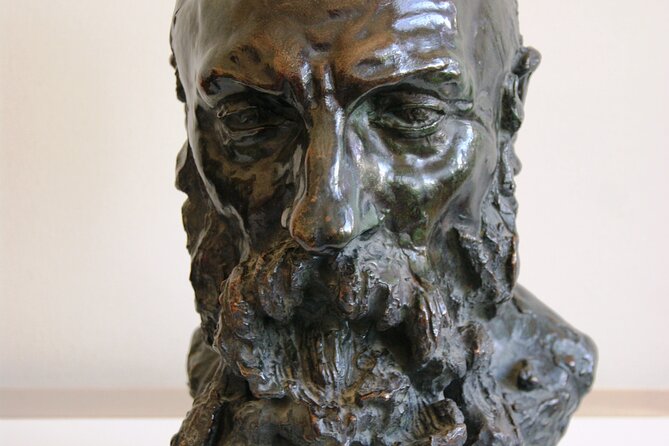
In the middle of the visit, you’ll pause at Café–Restaurant L’Augustine for about 10 minutes. This isn’t a full meal stop, so go into it expecting a quick coffee moment, not a long break.
I like this kind of micro-break for museum pacing. Two hours can be short, and Rodin’s art asks you to pay attention to small shifts in form. A quick drink helps you keep your brain sharp for the final outdoor stretch. If you’re the type who gets hangry early, this stop can keep you from turning the last part of the tour into a survival mission.
One note for planning: food and drinks aren’t included, so bring cash or a card and treat it as a quick top-up rather than a guaranteed included benefit.
Worth weighing up next to this Paris pick
Price and Value: What $234 Buys You in Real Terms
At $234 per person for a 2-hour experience, the price can feel like a decision, not a casual add-on. The honest way to judge value here is to ask what you’re paying for.
You’re paying for three things you usually don’t get together:
- Time saved via skip-the-line entry
- A private artist-guide who can explain technique and process
- Extra support through an iPad collection, plus focused viewing of the museum and gardens
If you’re the kind of visitor who just wants to see Rodin’s main sculptures quickly, a self-guided ticket might seem cheaper. But if you want to understand why the work looks the way it does—why bodies twist, why surfaces differ, why fragments matter—this is where your money goes.
Two hours can be a sweet spot. You get a structured experience without feeling trapped all day. For visitors who only have a limited Paris window, that efficiency is valuable. For art-lovers who already know the basics, the guide’s technique focus is what turns the museum from “I saw it” into “I understood it.”
The main thing to consider is your preference for depth. If you want freedom to linger 30 minutes at one single sculpture, you might find this format brisk. But if you like getting oriented quickly and then enjoying the garden views without organizing your route, it’s strong value.
Who This Tour Suits Best

This tour fits you best if:
- You want skip-the-line entry so you can start looking fast
- You enjoy art explanations tied to craft and technique
- You like a structured visit but still want human interaction
- You’re interested in both the museum rooms and the gardens
It’s also a good option if you’re a couple or small group who prefers a more conversational rhythm. Since private group options are available, you can often benefit from a guide who can answer questions in the moment.
If you’re visiting with mobility needs, this tour is listed as wheelchair accessible, which is a real practical plus for museum planning.
Should You Book This Rodin Museum Artist Tour?
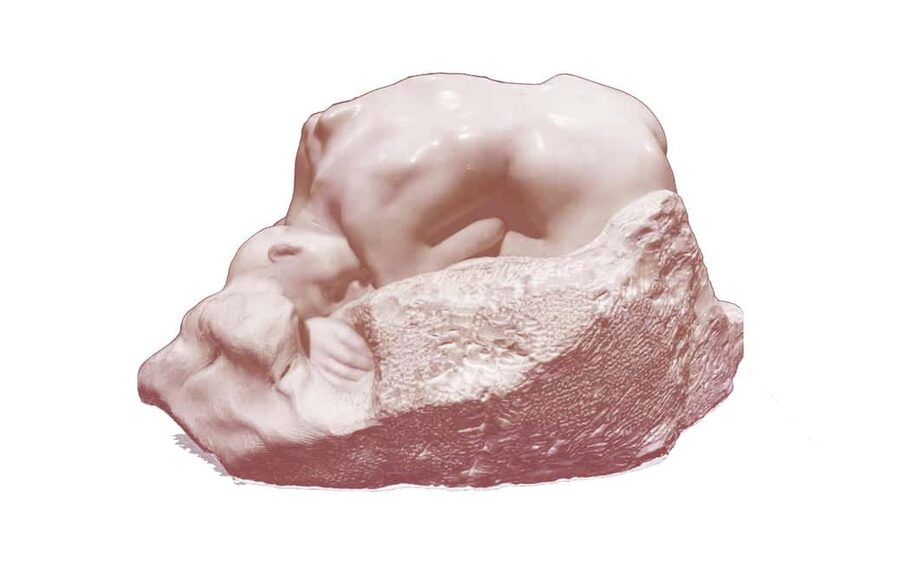
Book it if you want Rodin explained in a way that makes you look longer and understand more. The best reason is the combination of skip-the-line entry plus an artist-guide who focuses on technique, process, and evolution—from classical beginnings to unfinished masterpieces. Add in the antique fragments and the outdoor garden perspectives, and you get a well-rounded “how to see Rodin” experience in just two hours.
Don’t book it if you’re hoping for a long, slow museum day or you prefer reading on your own with zero guidance. In that case, you’d likely be happier with a self-guided route where you control every pause.
My practical recommendation: if Rodin is a priority for your Paris trip and you’re willing to pay to save time and get better interpretation, this tour is a smart use of your schedule.
FAQ
Where do I meet for the Rodin Museum tour?
You meet in front of the entrance of the Rodin Museum.
How long is the tour?
The tour lasts 2 hours.
What languages are the live guides available in?
The live tour guide is available in English and French.
Does the tour include skip-the-line entry?
Yes. You get skip-the-line entry tickets and enter through a separate entrance.
Is the tour only at the museum building?
No. It includes time in the museum and gardens, plus scenic garden walking.
What break is included during the tour?
There’s a break at Café–Restaurant L’Augustine for coffee (about 10 minutes).
Is food included?
No. Food and drinks are not included.
Is this tour wheelchair accessible and can it be private?
Yes, it’s wheelchair accessible, and private group options are available.
More Museums in Paris
- Paris: Louvre Museum Timed-Entrance Ticket
★ 4.6 · 71,977 reviews - Paris: Orsay Museum Entry Ticket
★ 4.7 · 25,647 reviews - Louvre Museum Masterpieces Guided Tour with Access
★ 4.5 · 12,023 reviews - Paris: Louvre Museum Entry Ticket With Host and River Cruise
★ 4.6 · 9,926 reviews - Les Invalides: Napoleon’s Tomb & Army Museum Entry
★ 4.6 · 9,185 reviews
More Tours in Paris
- Paris: Louvre Guided Tour with Reserved Access & Boat Cruise
★ 4.3 · 16,353 reviews - Paris: Big Bus Hop-On Hop-Off Tour with Optional Cruise
★ 4.4 · 13,279 reviews - Louvre Museum Masterpieces Guided Tour with Access
★ 4.5 · 12,023 reviews - Versailles: Skip-the-Line Tour of Palace and Gardens Access
★ 4.7 · 10,429 reviews - Paris: Louvre Overview, Exploration tour and Reserved Entry
★ 4.1 · 10,145 reviews
More Tour Reviews in Paris
- Paris: 1-Hour Seine Cruise departing from the Eiffel Tower
★ 4.4 · 77,472 reviews - Paris: Louvre Museum Timed-Entrance Ticket
★ 4.6 · 71,977 reviews - Disneyland® Paris 1-Day Ticket
★ 4.6 · 49,412 reviews - Paris: Versailles Palace and Gardens Full Access Ticket
★ 4.6 · 41,579 reviews - Paris: Arc de Triomphe Rooftop Tickets
★ 4.6 · 34,264 reviews
Fresh off the review desk in Paris
- Secrets of Paris Bike Tour in English or Dutch★ 5.0 · 5 reviews
- Paris: Mont Saint-Michel Day Tour with Chinese Tour Guide★ 5.0 · 5 reviews
- Private Street Art 2-Hour Guided Tour in Paris★ 4.5 · 5 reviews
- Orsay Museum Tour: 2h Highlights (Private & Small Group)★ 5.0 · 5 reviews
- Discover Paris in electric golf carts★ 4.0 · 5 reviews
- Paris Private Boat Tour with your own Captain Guide★ 5.0 · 5 reviews
Skip the Line, compared.
 ★ 4.7Versailles: Skip-the-Line Tour of Palace and Gardens AccessFrom $7610,429 reviews
 ★ 4.6Versailles: Skip-the-Line Guided Palace Tour and Full AccessFrom $885,214 reviews
 ★ 4.6Louvre Museum: Skip-the-Line Small Group Guided TourFrom $1294,268 reviews
 ★ 4.2From Paris: Versailles Guided Tour with Skip-the-Line EntryFrom $1152,422 reviews
 ★ 4.7Versailles: Palace of Versailles Skip-the-Line Guided TourFrom $762,216 reviews
 ★ 4.6Skip-the-Line Louvre Museum & Mona Lisa Guided TourFrom $801,442 reviews
 ★ 4.5Musée d’Orsay Skip-the-Line Tour with Expert GuideFrom $671,145 reviews
 ★ 4.6Skip-the-Line Louvre Highlights Tour with Mona LisaFrom $931,132 reviews
Browse the lists this tour appears in