
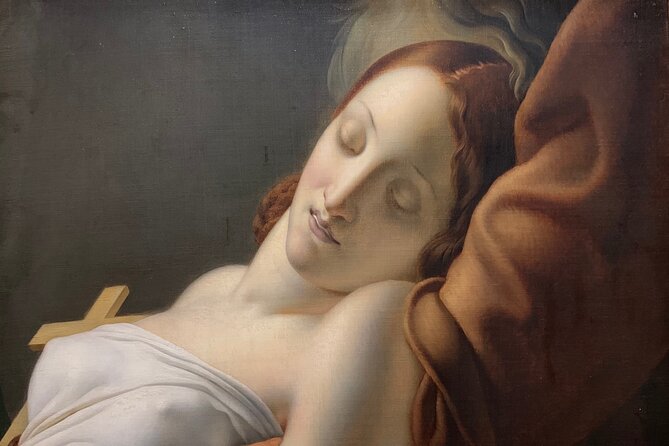
Reviewed · LOUVRE MUSEUM TOURS
The Louvre: art and love.
Love and art collide in the Louvre. This private tour by Barbara & Boris looks at western masterpieces through a lens of Eros, Catholicism, and even BDSM-themed concepts like bondage and domination. It’s not a standard highlights walk. It’s more like a guided argument for how desire and power shaped what ended up on the walls.
I love two things right away. First, you focus on about fifteen masterpieces, mixing famous works with lesser-seen old masters people often skip. Second, the tone stays smart and human: explanations come with humor, and you’re nudged to talk about the ideas, not just absorb facts. The tour lasts around 2–3 hours and can end inside the museum so you can keep going on your own.
One drawback to consider: the theme-first approach is intentionally provocative. If you want a purely neutral, chronological art-history tour, this may feel too personality-driven and discussion-heavy, and it’s also not a full museum circuit.
In This Review
- Key highlights if you care about meaning, not just minutes
- Why this Louvre tour mixes Eros, Catholicism, and BDSM
- Meeting at Arc du Carrousel: get your bearings without wasting time
- Fifteen masterpieces, including the ones most visitors miss
- How martyrs and veneration of pain change your reading of religious art
- Where BDSM-inspired ideas fit into art history
- The guide duo: Barbara & Boris and the power of comfortable discussion
- Timing and pacing: 2 to 3 hours in a place that never ends
- Mobile ticket and entry flow: smoother than it sounds
- Price and value: $345.72 per person, and why it might be worth it
- Who should book, and who should think twice
- How to decide your Louvre day plan
- FAQ
- How long is The Louvre: art and love?
- Where do we meet for the tour?
- Is the admission ticket included?
- Does it use a mobile ticket?
- Is this tour private?
- What is the cancellation window?
- Should you book The Louvre: art and love?
Key highlights if you care about meaning, not just minutes
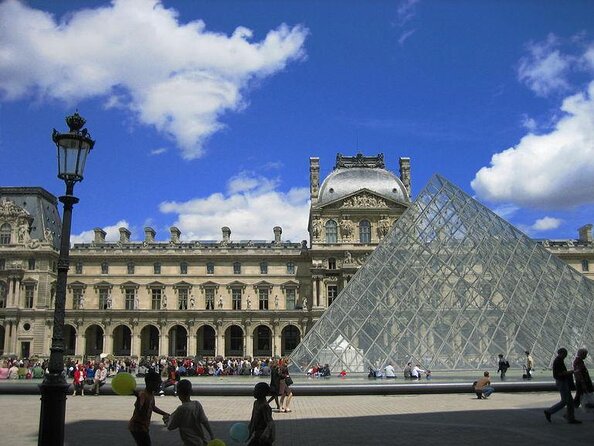
- A love story told through western art: you’ll connect art themes to ideas about Eros, power, and pain.
- Barbara & Boris bring history with humor: complex concepts land because the mood stays comfortable.
- About 15 masterpieces, known and less known: you spend time where most tours don’t.
- You can continue inside the Louvre afterward: the end point is flexible for your own exploring.
- Admission is included: fewer steps and less guesswork once you arrive.
- Private group experience: it’s just your group, so the conversation can actually happen.
Why this Louvre tour mixes Eros, Catholicism, and BDSM
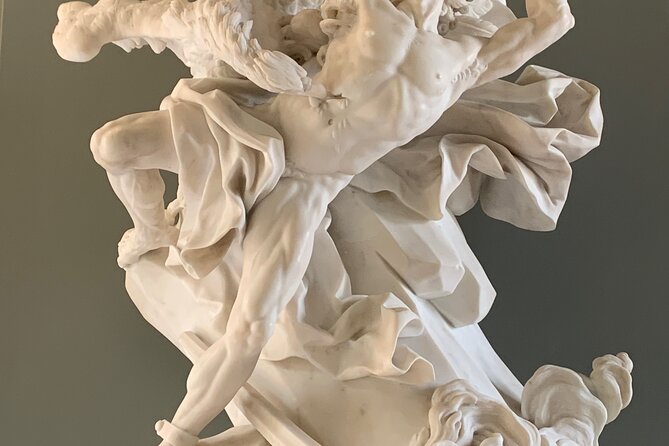
The Louvre is famous for scale. This experience is built for scale of meaning. You’re invited to look at how “love” in art is often really about forces: control, submission, devotion, fear, and endurance. That framing changes how you read images, even when you think you already know the artist.
The tour leans hard on the way western art grew alongside Catholic culture, especially stories of martyrs and the veneration of pain. In practice, that means you’ll be encouraged to notice suffering not as random drama, but as part of a larger story about salvation, authority, and what believers were asked to feel.
Then comes the sharper angle: Eros is treated as more than romance. The theme specifically references BDSM ideas such as bondage, domination, and sadomasochism. You don’t have to be a specialist to get it, but you do need to be open to art being discussed through power dynamics and embodied emotion.
If you enjoy art-history debates—who controlled the narrative, why audiences were trained to feel a certain way—this will feel like a very Paris add-on to a museum visit.
Still chasing the Mona Lisa? More Louvre visits
- Paris: Louvre Museum Timed-Entrance Ticket
★ 4.6 · 71,977 reviews - Paris: Louvre Guided Tour with Reserved Access & Boat Cruise
★ 4.3 · 16,353 reviews - Louvre Museum Masterpieces Guided Tour with Access
★ 4.5 · 12,023 reviews - Paris: Louvre Overview, Exploration tour and Reserved Entry
★ 4.1 · 10,145 reviews
Meeting at Arc du Carrousel: get your bearings without wasting time
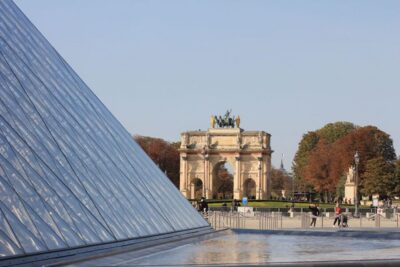
You meet at the Arc du Carrousel, right between the Louvre and the Tuileries gardens. That’s a smart start. It puts you close to the main entry zone without starting the day stuck in the museum “maze” before you even begin.
This tour is private, so you’re not squeezed into a giant group shuffle. You step into the museum together, and the guide sets the theme from the first moments, which helps you understand why certain works matter later in the route.
The time window matters too. Louvre opening hours for this activity are listed as 9:30 AM to 3:00 PM, Monday through Sunday. If you’re choosing a morning, you’ll likely be happier than if you try to cram it late in the day when the museum is tiring and loud.
Fifteen masterpieces, including the ones most visitors miss
Instead of trying to cover everything, the tour zooms in. You’ll see around fifteen masterpieces, described as known and less known. That word choice matters. It signals that the tour isn’t only repeating the same biggest-name circuit everyone does.
I like this format because the Louvre can make your brain go blank. Too many rooms. Too many labels. Too many crowds. A tight selection gives you time to actually look—at composition, at symbolism, at how artists staged emotion.
There’s also a practical benefit: if you’re the type who gets overwhelmed, you’ll leave with a clearer sense of what you saw and why it was selected. You won’t just have a blurry “I saw the Louvre” stamp.
A small consideration: because the tour focuses on a targeted set of works, you won’t leave feeling like you “covered the museum.” You’ll leave feeling like you uncovered a thread. If that’s what you want, great. If you want full checklists, you might need a separate self-guided plan.
How martyrs and veneration of pain change your reading of religious art
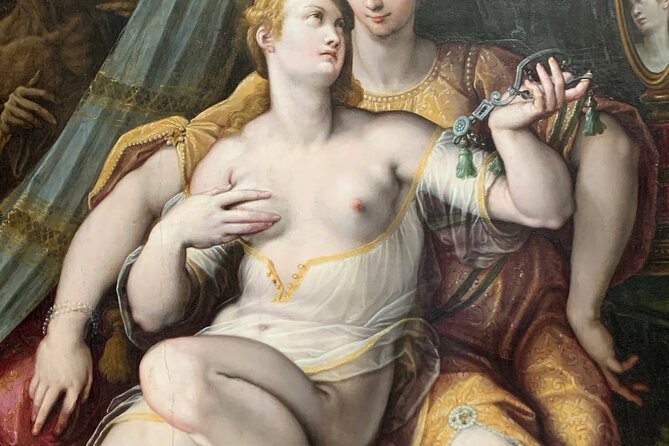
This is where the tour becomes more than theme park irony. The guide framework centers on the cult of martyrs and the idea of pain as something that was not only endured, but honored. In western art, that can mean saints displayed with suffering that reads almost like a performance for belief.
When you know that context, you stop asking only what the scene shows. You start asking what the image is trying to make you feel, and how that emotion supports a worldview. The tour nudges you to connect visual language—body posture, facial expression, sacred setting—to cultural expectations about devotion.
The result is a different viewing habit. You’ll likely notice patterns you’d normally skate over. For example, you may start thinking about how artists used contrast: calm against agony, divine authority against bodily vulnerability, and love expressed through sacrifice.
This doesn’t require you to share any specific religious beliefs. It’s about understanding how power and faith shaped the art’s emotional design.
Where BDSM-inspired ideas fit into art history
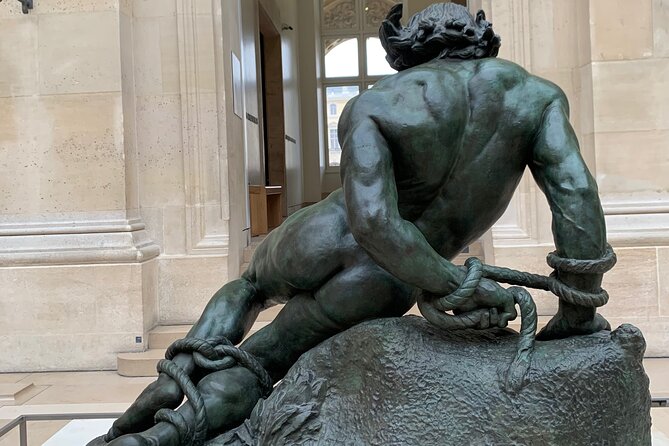
This tour doesn’t treat BDSM as shock value. It treats it as a set of concepts that can explain certain visual and narrative structures: restraint, dominance and submission, rituals of power, and the way desire can look disciplined rather than chaotic.
That matters because western art often borrowed the language of discipline. Even when a painting looks like devotion, it can also read like a carefully arranged dynamic. The tour asks you to consider how “love” in art can be linked to control—social control, spiritual control, and personal control.
You may feel a little out of your comfort zone at first. That’s normal. The best part is that the tone is designed to keep you grounded. The guide style, which includes humor and clear explanations, helps these concepts stay discussable rather than scary or judgmental.
Just be honest with yourself: if hearing BDSM terms and being asked to connect them to religious and historical imagery sounds like the wrong kind of visit, skip it. If you like provocative questions and structured interpretation, this angle is the whole point.
The guide duo: Barbara & Boris and the power of comfortable discussion
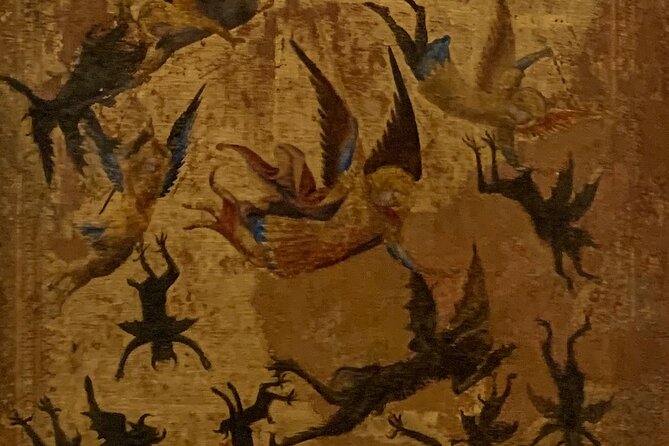
I like guides who can explain big ideas without turning them into a lecture. Barbara & Boris are described as both erudite and funny, and that’s a rare combo in a museum setting. You’re not trapped in silence while you scribble notes. You’re encouraged to talk through the ideas.
That conversation piece is one reason a private tour works so well here. A large group can freeze personal questions. A small group can actually unpack uncomfortable themes. And the tour theme practically begs for questions: what does love mean when it’s tied to pain? who benefits from that framing? why did artists and patrons want audiences to feel certain things?
If you prefer museums with no dialogue at all, you may find this style a little too interactive. But if you enjoy learning through back-and-forth, it’s a strong match.



Timing and pacing: 2 to 3 hours in a place that never ends
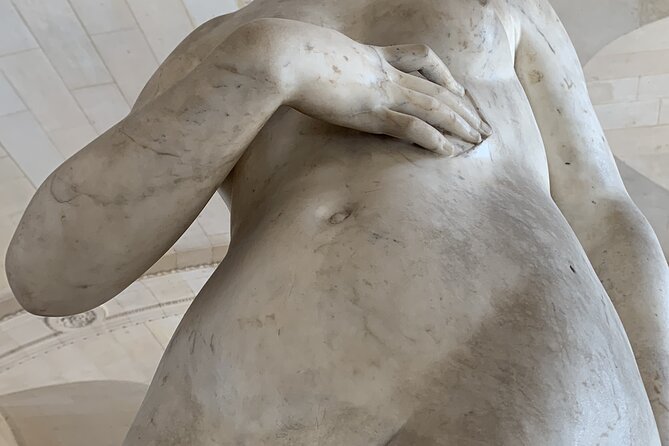
The tour runs about 2–3 hours. That’s long enough to make meaning, not long enough to drain you in every wing. For the Louvre, that’s a sweet spot.
A key detail: the tour can end into the museum so you can continue on your own. I like this because it avoids the common “you’re done, bye” feeling. Instead, you get a guided intellectual warm-up, then you take the wheel.
Plan your self-guided time with intention. If you’re going to keep exploring after the tour, set one or two personal goals: a particular collection, a specific type of art, or even “find one more piece that matches the theme.” Otherwise, the Louvre’s scale will eat your focus.
Mobile ticket and entry flow: smoother than it sounds
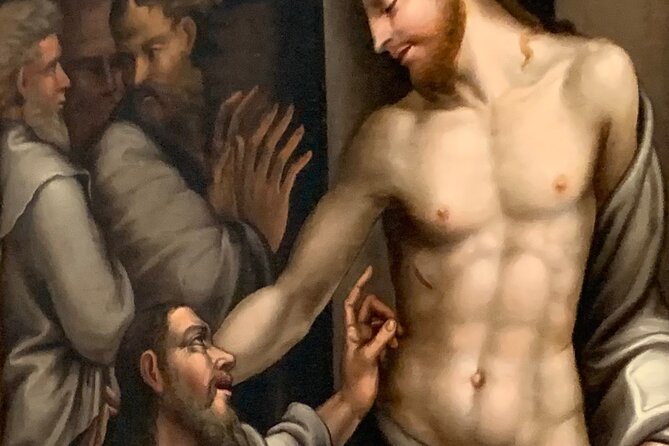
This experience includes admission and uses a mobile ticket. That’s simple, but it matters. Paris museums can be a mess of lines and last-minute scans, and you don’t want your tour to start with phone frustration.
The activity also lists near public transportation, which helps if you’re pairing it with other Paris plans. Since the meeting point is outside at the Arc du Carrousel zone, you’ll be glad you didn’t have to find an obscure door inside.
Duration and hours are given, so you can slot it into a day without too much stress. The Louvre window listed here goes up to 3:00 PM for the activity schedule, so keep that in mind if you’re trying to “do it all” before dinner.
Price and value: $345.72 per person, and why it might be worth it
At $345.72 per person, this is not a budget museum stroll. The value comes from what you’re paying for: interpretation and a narrower, more meaningful route.
You’re getting:
- A private experience rather than a big-group script.
- Admission included, so you’re not adding another line item later.
- A focused selection of about fifteen works, with context that connects art to cultural ideas.
- A guide style that supports discussion, not just facts.
Whether it’s worth it depends on your museum style. If you love galleries but hate crowds, and you enjoy thinking about how art works on viewers’ emotions, this pricing makes more sense. If you mainly want to “check the boxes” of famous paintings with minimal talking, you may decide it’s better to do a more straightforward tour or self-guided route.
Who should book, and who should think twice
Book this if you:
- Want more than highlights and captions.
- Enjoy art history with an interpretive spine.
- Like provocative themes handled with humor and clear explanations.
- Can handle discussion of BDSM-related concepts tied to history and visual symbolism.
Think twice if you:
- Want a strict, neutral chronological survey only.
- Prefer a museum tour with no thematic provocation or conversation.
- Know you’ll be uncomfortable with references to BDSM and pain as cultural ideas.
Also, note the format: it’s private and lasts 2–3 hours. That makes it ideal as a primary Louvre experience, but you’ll still want extra time later if you’re trying to cover more than a curated selection.
How to decide your Louvre day plan
If your day is already packed, this tour helps because it gives structure. You go in with a plan for what to notice, and you don’t end up lost chasing famous works you don’t even understand.
If your schedule is flexible, treat this as the part that changes how you see. Then do the fun part afterward: pick a few works that match the themes you talked about and look longer than you would on a hurry-up visit.
One practical tip: wear comfortable shoes. Even with a tight route, moving through the Louvre still takes energy. And if you’re going to keep exploring after the tour ends, give yourself buffer time so you don’t feel rushed.
FAQ
How long is The Louvre: art and love?
It lasts about 2 to 3 hours.
Where do we meet for the tour?
You meet at the Arc du Carrousel between the Louvre Museum and the Tuileries gardens.
Is the admission ticket included?
Yes. Admission is included in the tour.
Does it use a mobile ticket?
Yes. The experience features a mobile ticket.
Is this tour private?
Yes. It’s a private tour/activity, so only your group participates.
What is the cancellation window?
You can cancel for free up to 24 hours in advance for a full refund.
Should you book The Louvre: art and love?
If you’re excited by art that has something to argue about—love as power, pain as meaning, faith as cultural engine—book it. You’ll get a targeted selection of works, a guide duo (Barbara & Boris) who can handle sophisticated ideas with humor, and a viewing experience that sticks longer than a checklist.
If you want a quiet walk through famous masterpieces with minimal interpretation, this may feel too focused on its theme. In that case, choose a more traditional Louvre tour or plan to self-guide.
More Tour Reviews in Paris
- Paris: 1-Hour Seine Cruise departing from the Eiffel Tower
★ 4.4 · 77,472 reviews - Paris: Louvre Museum Timed-Entrance Ticket
★ 4.6 · 71,977 reviews - Disneyland® Paris 1-Day Ticket
★ 4.6 · 49,412 reviews - Paris: Versailles Palace and Gardens Full Access Ticket
★ 4.6 · 41,579 reviews - Paris: Arc de Triomphe Rooftop Tickets
★ 4.6 · 34,264 reviews
Back to the Louvre: More Ways In
- Paris: Louvre Museum Timed-Entrance Ticket
★ 4.6 · 71,977 reviews - Paris: Louvre Guided Tour with Reserved Access & Boat Cruise
★ 4.3 · 16,353 reviews - Louvre Museum Masterpieces Guided Tour with Access
★ 4.5 · 12,023 reviews - Paris: Louvre Overview, Exploration tour and Reserved Entry
★ 4.1 · 10,145 reviews - Paris: Louvre Museum Entry Ticket With Host and River Cruise
★ 4.6 · 9,926 reviews
Fresh off the review desk in Paris
- Secrets of Paris Bike Tour in English or Dutch★ 5.0 · 5 reviews
- Paris: Mont Saint-Michel Day Tour with Chinese Tour Guide★ 5.0 · 5 reviews
- Private Street Art 2-Hour Guided Tour in Paris★ 4.5 · 5 reviews
- Orsay Museum Tour: 2h Highlights (Private & Small Group)★ 5.0 · 5 reviews
- Discover Paris in electric golf carts★ 4.0 · 5 reviews
- Paris Private Boat Tour with your own Captain Guide★ 5.0 · 5 reviews
Louvre Museum Tours, compared.
 ★ 4.6Louvre Museum Timed-Entrance TicketFrom $2671,977 reviews
 ★ 4.3Louvre Guided Tour with Reserved Access & Boat CruiseFrom $8116,353 reviews
 ★ 4.5Louvre Museum Masterpieces Guided Tour with AccessFrom $8612,023 reviews
 ★ 4.1Louvre Overview, Exploration tour and Reserved EntryFrom $6010,145 reviews
 ★ 4.6Louvre Museum Entry Ticket With Host and River CruiseFrom $1009,926 reviews
 ★ 4.6Mona Lisa & Louvre Masterpieces Tour with Reserved AccessFrom $806,812 reviews
 ★ 5.0Louvre Museum – Exclusive Guided Tour (Entry Included)From $1816,296 reviews
 ★ 4.0Louvre Reserved Ticket and River Cruise ComboFrom $376,054 reviews
Browse the lists this tour appears in