
Reviewed · MONTMARTRE TOURS
Discover the bohemian Montmartre with a Parisian
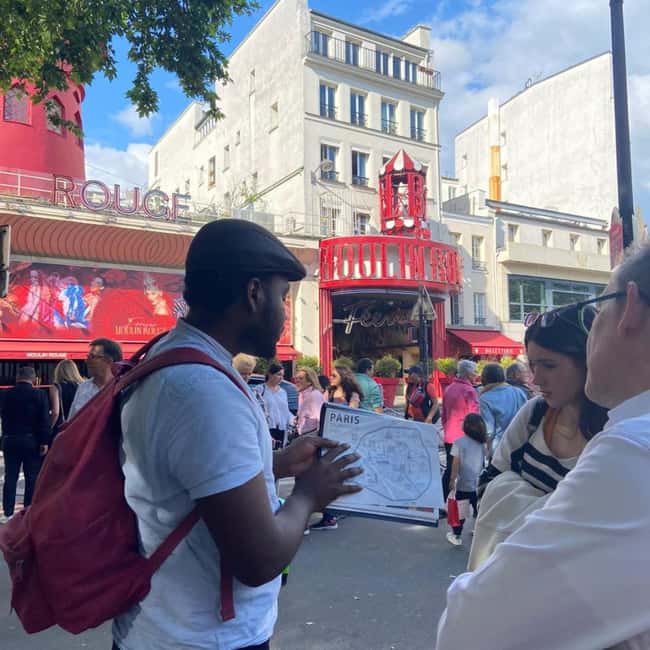
Montmartre feels like theatre with real history. This short walk turns the famous sights into lived-in stories, with René from Voilà Tours guiding you from Blanche up toward Sacré-Cœur. You’ll cover the postcard spots, but you’re also meant to catch the side streets and “how did that happen?” moments that make this hill so memorable.
What I really like is the way the guide connects art and nightlife in the same breath: the cancan legacy of Moulin Rouge, plus the painters who worked in and around Montmartre. I also love the stop at Place du Tertre, where you can see the art tradition continuing right in the square.
One thing to consider: you’re packing a lot into 2 hours, including several photo-and-walk moments and uphill walking, so bring comfortable shoes and expect a steady pace.
In This Review
- Key points before you go
- From Blanche to bohemia: what this tour does well
- Moulin Rouge: where the party began (and the story gets fun)
- Café des Deux Moulins: a quick taste of the neighborhood’s vibe
- Moulin de la Galette: the artists’ playground you can almost picture
- Place du Tertre: a real art square, not just scenery
- Rue Lepic and La Maison Rose: the “walk this street” moments
- Le Bateau-Lavoir: where the artist scene becomes tangible
- Sacré-Cœur: panoramic views and the Saint Denis legend
- Price and value: is $28 a fair deal for two hours?
- Who this tour fits best
- Tips to get the most out of your 2 hours
- Should you book René’s Montmartre walk?
- FAQ
- How long is the Montmartre walking tour?
- What is the price per person?
- Where do I meet the guide?
- Where does the tour end?
- Is hotel pickup or drop-off included?
- What places are included on the route?
- Is there any food included?
- What languages is the live guide available in?
- What should I bring?
- What is the cancellation policy?
Key points before you go
- Meet at Metro Blanche (green kiosk) so you start right where the neighborhood begins
- Moulin Rouge + Place du Tertre give you the classic look with the stories behind the scenes
- Van Gogh, Picasso, and Renoir are woven into what you see as you move through the streets
- Le Bateau-Lavoir and Moulin de la Galette help you picture the artists’ everyday world
- Sacré-Cœur finishes the tour with the big views and the Montmartre legend tied to its name
- A bistro stop includes local delicacies, so you’re not just walking on an empty stomach
From Blanche to bohemia: what this tour does well
Montmartre can feel like two different places at once: the loud, famous postcard zone… and the quieter maze above it, where you can almost hear the past. This tour aims for both. In just two hours, you move through the key landmarks—Moulin Rouge, Place du Tertre, Le Bateau-Lavoir, Sacré-Cœur—while René explains what each spot meant to artists and entertainers.
The value here is the people angle. You’re not only learning dates; you’re learning why certain streets mattered, how nightlife and painting overlapped, and how Montmartre earned its reputation. The tour also keeps things practical: you’ll do a mix of photo stops and short guided walks, plus time at the two places most tied to living art—Place du Tertre and Sacré-Cœur.
And yes, it’s guided by a real person. René is named as the guide, and multiple past participants praised his cheerful, engaging way of bringing the neighborhood to life. That matters, because Montmartre is easy to wander—but harder to understand quickly.
Keep climbing: more of the Montmartre hill
- Montmartre Hidden Gems and Scenic Highlights Walking Tour
★ 5.0 · 2,684 reviews - Montmartre Hill French Gourmet Food and Wine Tasting Walking Tour
★ 5.0 · 2,588 reviews - Paris: Montmartre Highlights Walking Tour with a Local Guide
★ 4.9 · 2,318 reviews - Paris: Montmartre Cheese, Wine & Pastry Guided Walking Tour
★ 4.8 · 2,255 reviews
Moulin Rouge: where the party began (and the story gets fun)
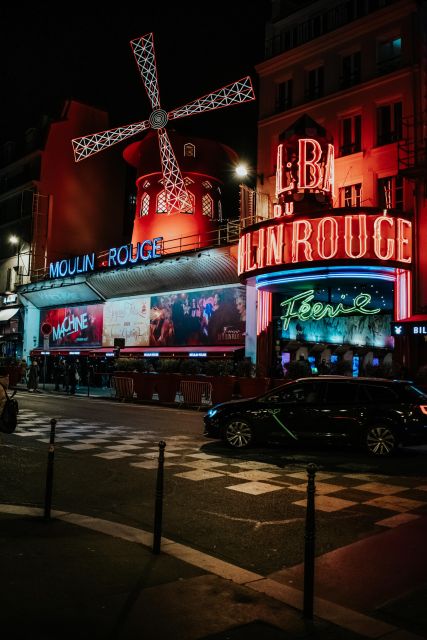
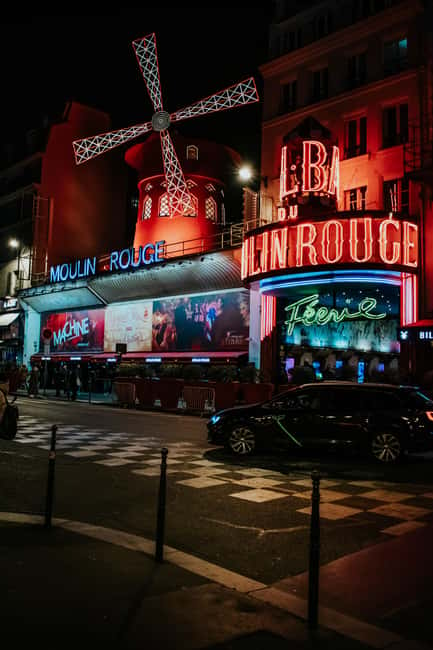
You start near Blanche, then head to Moulin Rouge for a photo stop and a guided visit. This is the classic opening act, but the tour gives it context. You’ll hear about the scandal around the cancan and how famous artists helped lock this cabaret into the cultural imagination—especially through the way their work kept the show’s energy alive.
Why this stop is worth it: the Moulin Rouge area is busy, and it’s easy to treat it like a photo platform. On this tour, you’re meant to see it as a turning point—where nightlife became legend, and legend became art.
Possible drawback: because it’s a photo-and-visit start, you’ll want your camera ready and expect a quick rhythm. If you hate crowds, go with the plan: look, photograph, then let the guide move you on before you get stuck watching the same tourists.
Café des Deux Moulins: a quick taste of the neighborhood’s vibe
After Moulin Rouge, there’s a short photo stop at Café des Deux Moulins. This is one of those moments that feels small—just a stop, not a full detour—but it helps you “set the mood.” Montmartre isn’t only monuments; it’s cafés, corners, and the everyday places where people passed time between art and evening plans.
Practical tip: keep this as a breather. If you arrive even a bit early, you’ll be less rushed by the time the walk ramps up.
Moulin de la Galette: the artists’ playground you can almost picture
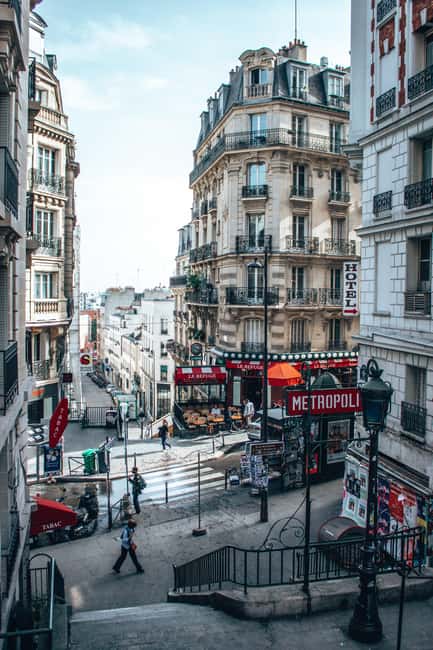
Next up is Moulin de la Galette, with a photo stop and guided visit. This location is tied to how Montmartre became an artists’ gathering point—especially the way leisure and creativity mixed. You’ll also hear connected stories about famous painters who were part of that bohemian circle.
This is one of the tour’s smart pacing choices. Instead of sprinting through everything, you pause at a spot that helps you understand why the hill attracted artists in the first place: it wasn’t only inspiring views; it was a whole social scene.
What to watch for: the streets around here can be busy. Also, you’ll spend part of this segment just walking and looking—so if you’re expecting a museum-level explanation, adjust your expectations to a walking tour format: you’ll learn through movement and local storytelling.
Place du Tertre: a real art square, not just scenery
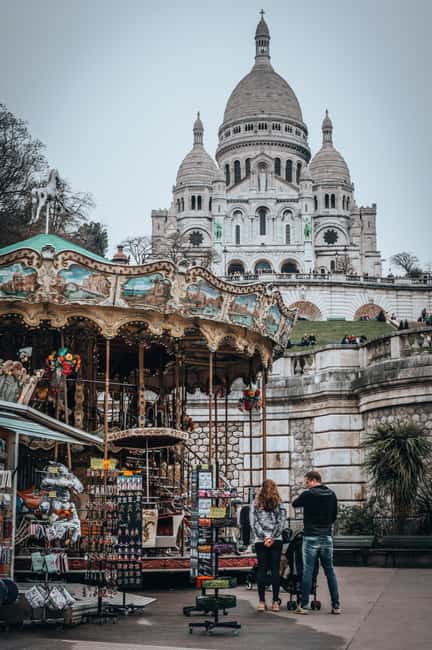
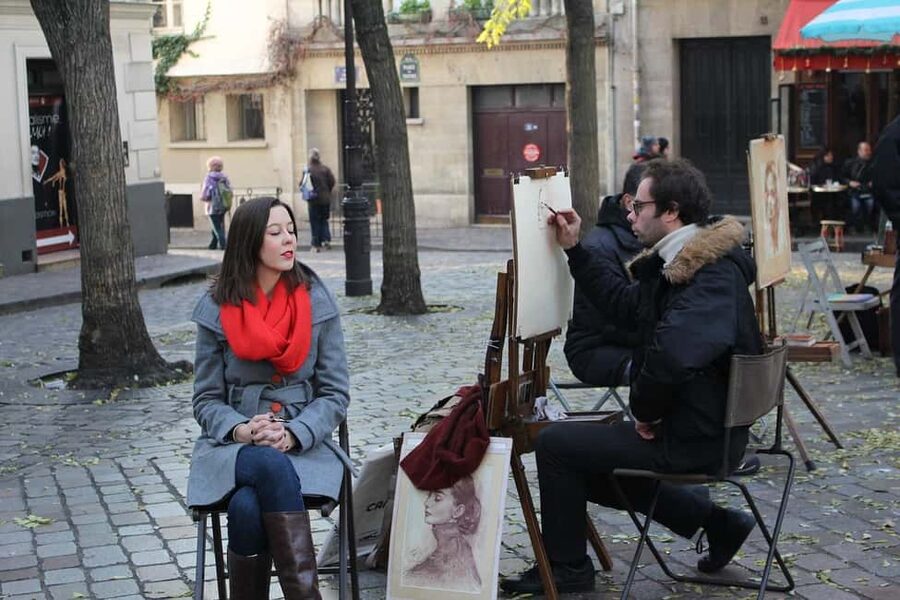
Place du Tertre gets a longer stop: time to visit and a guided segment. This is where the tour shifts from “what happened here?” to “what’s happening here now.”
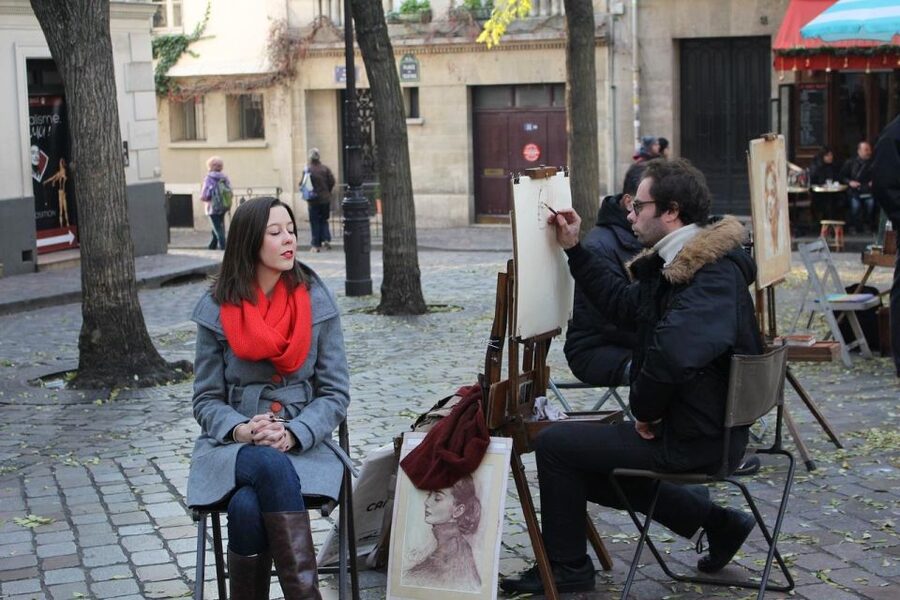
You’ll see the square as a kind of living art gallery, with modern painters carrying on the tradition right in the open. The guide also points out the historical thread—how masters like Utrillo and Dufy once worked in this area.
Why I’d pick this tour specifically for Place du Tertre: it’s easy to misunderstand the place if you only treat it like a backdrop. With guidance, you can look at the square as a continuity line—people making art because Montmartre became a magnet for artists, not just tourists.
Small consideration: there’s shopping and street activity in the broader area, so if you don’t like browsing, just treat it like a quick visual stop. You’ll get enough guided focus that you won’t need to buy anything.
Rue Lepic and La Maison Rose: the “walk this street” moments
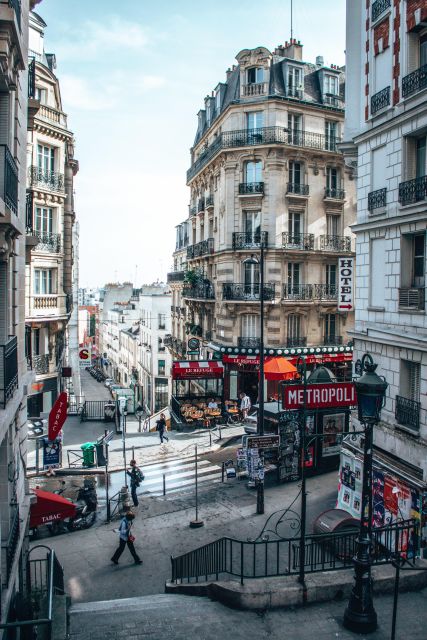
Between Place du Tertre and the next major art landmark, you’ll stroll through Rue Lepic and pass by La Maison Rose for a guided look. There’s also a bit of shopping and sightseeing time here.
These segments do two useful things:
- They break up the heavier history stops with normal street life.
- They help you recognize Montmartre as a neighborhood with character, not just a list of monuments.
Also, La Maison Rose is one of those visually memorable spots that makes it easier to “place” the stories the guide has been sharing. When you see it in context, Montmartre starts to feel like a connected map rather than separate stops.




Le Bateau-Lavoir: where the artist scene becomes tangible
Then comes Le Bateau-Lavoir, with a guided visit. The tour frames it as part of the artists’ world—especially that period when figures like Picasso and Renoir moved in the same bohemian circles. You’ll also hear about the broader “artists’ playground” concept tying multiple sites together.
Why this stop matters: landmarks can be impressive, but they don’t always help you picture everyday life. Le Bateau-Lavoir helps you do that, because it’s tied to the working side of creativity, not only the performance side of Montmartre.
If you’re the type who loves seeing how creativity worked on the ground—studios, hangouts, the in-between places—this is one of the tour’s best segments.
Sacré-Cœur: panoramic views and the Saint Denis legend
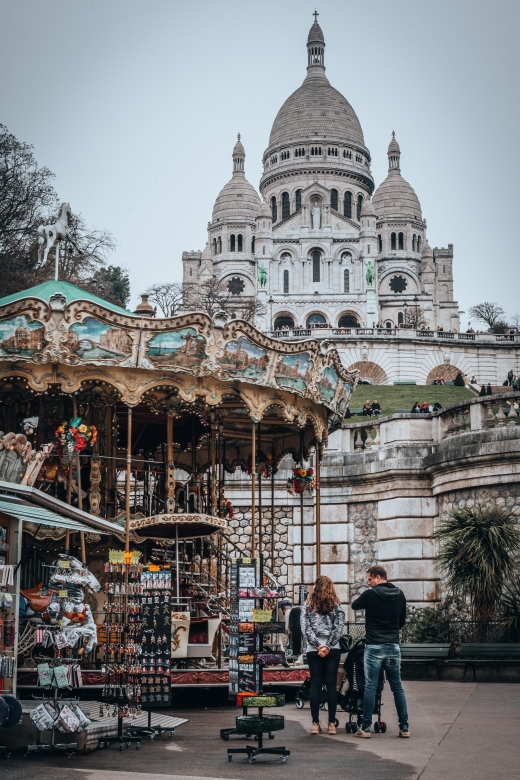
Finally, the tour finishes at Sacré-Cœur Basilica. You’ll get guided time at the basilica, plus panoramic views that make the uphill effort feel worth it.
The guide also ties in a legend explaining the name of Montmartre through Saint Denis, the headless martyr. That story is part of what makes Sacré-Cœur feel more than “a big church on a hill.” It becomes the capstone to Montmartre’s identity—sacred, dramatic, and steeped in myth.
Why this ending is smart: you start with entertainment and street energy (Moulin Rouge), then move through art-making spaces (Place du Tertre, Le Bateau-Lavoir), and you close with the view and the legend. The emotional arc makes the neighborhood feel coherent.
Practical note: the finish is at the top. You’ll want to keep your legs ready for the final stretch and enjoy the slower pace once you get there.
Price and value: is $28 a fair deal for two hours?
At $28 per person for a 2-hour guided walk, the value depends on what you want from Montmartre.
Here’s what you’re paying for, in real terms:
- A guided route that hits the big landmarks and keeps moving through the neighborhood
- Local storytelling that connects sites to artists and entertainers, including Van Gogh, Picasso, Renoir, and more
- A stop for authentic local delicacies at a charming bistro, so the tour isn’t only sightseeing
- Three languages available (Spanish, English, French), which can help if your group isn’t all one language
If your ideal day is a quick “best of Montmartre” with enough context to understand what you’re looking at, the price makes sense. If you want a slow, unhurried, deep museum-style session at each location, you may feel it’s too short—though that’s the point of a walking tour.
Who this tour fits best
This tour is a strong match if you:
- Want the famous Montmartre landmarks without feeling trapped in the most tourist-heavy rhythm
- Like art history that’s tied to streets, studios, and real places
- Prefer short stops and guided direction over wandering alone
- Appreciate a light food moment during a walk (the bistro tastings)
It’s less ideal if you:
- Hate crowds entirely and want empty streets (Montmartre is still Montmartre)
- Want a very slow pace with long time sitting inside sights
- Expect hotel pickup or a transport-heavy format (there’s no pickup/drop-off)
Tips to get the most out of your 2 hours
- Wear comfortable shoes. You’re walking and the hill matters.
- Bring water and don’t rely on buying it mid-walk.
- Use your camera at the photo stops, but also take a minute at each guided moment so you remember what the story was about.
- If you’re going in busy hours, mentally switch from “I must capture every shot” to “I’ll catch the highlights and let the guide fill in the rest.”
Should you book René’s Montmartre walk?
I think you should book this tour if you want Montmartre explained like a story, not a checklist. René’s style—engaging, upbeat, and clearly connected to the neighborhood—comes through in how the tour moves you from one landmark to the next, while keeping the focus on why artists and entertainers mattered here.
Skip it only if you already know Montmartre well and you’re mostly looking for a self-guided route. In that case, you might do fine on your own and spend the money elsewhere.
FAQ
How long is the Montmartre walking tour?
The tour lasts 2 hours.
What is the price per person?
The price is $28 per person.
Where do I meet the guide?
Meet in the exit of the Metro Blanche at the green kiosk.
Where does the tour end?
The tour finishes at the Basilica of Sacré-Cœur de Montmartre.
Is hotel pickup or drop-off included?
No. Hotel pickup and drop-off are not included.
What places are included on the route?
You’ll visit well-known stops such as Moulin Rouge, Place du Tertre, Le Bateau-Lavoir, and Sacré-Cœur. The tour also includes stops at areas like Café des Deux Moulins, Moulin de la Galette, and La Maison Rose.
Is there any food included?
Yes. The tour includes authentic local delicacies at a charming bistro.
What languages is the live guide available in?
The guide is available in Spanish, English, and French.
What should I bring?
Bring comfortable shoes, a camera, and water.
What is the cancellation policy?
You can cancel up to 24 hours in advance for a full refund.
More Tour Reviews in Paris
- Paris: 1-Hour Seine Cruise departing from the Eiffel Tower
★ 4.4 · 77,472 reviews - Paris: Louvre Museum Timed-Entrance Ticket
★ 4.6 · 71,977 reviews - Disneyland® Paris 1-Day Ticket
★ 4.6 · 49,412 reviews - Paris: Versailles Palace and Gardens Full Access Ticket
★ 4.6 · 41,579 reviews - Paris: Arc de Triomphe Rooftop Tickets
★ 4.6 · 34,264 reviews
More of the Montmartre Hill
- Montmartre Hidden Gems and Scenic Highlights Walking Tour
★ 5.0 · 2,684 reviews - Montmartre Hill French Gourmet Food and Wine Tasting Walking Tour
★ 5.0 · 2,588 reviews - Paris: Montmartre Highlights Walking Tour with a Local Guide
★ 4.9 · 2,318 reviews - Paris: Montmartre Cheese, Wine & Pastry Guided Walking Tour
★ 4.8 · 2,255 reviews - The Secrets of Montmartre Walking Tour
★ 4.8 · 1,258 reviews
Fresh off the review desk in Paris
- Secrets of Paris Bike Tour in English or Dutch★ 5.0 · 5 reviews
- Paris: Mont Saint-Michel Day Tour with Chinese Tour Guide★ 5.0 · 5 reviews
- Private Street Art 2-Hour Guided Tour in Paris★ 4.5 · 5 reviews
- Orsay Museum Tour: 2h Highlights (Private & Small Group)★ 5.0 · 5 reviews
- Discover Paris in electric golf carts★ 4.0 · 5 reviews
- Paris Private Boat Tour with your own Captain Guide★ 5.0 · 5 reviews
Montmartre Tours, compared.
 ★ 5.0Montmartre Hidden Gems and Scenic Highlights Walking TourFrom $382,684 reviews
 ★ 5.0Montmartre Hill French Gourmet Food and Wine Tasting Walking TourFrom $1452,588 reviews
 ★ 4.9Montmartre Highlights Walking Tour with a Local GuideFrom $232,318 reviews
 ★ 4.8Montmartre Cheese, Wine & Pastry Guided Walking TourFrom $1272,255 reviews
The Secrets of Montmartre Walking TourFrom $331,258 reviews
★ 4.8Montmartre Cheese, Wine & Pastry Guided Walking TourFrom $1272,255 reviews
The Secrets of Montmartre Walking TourFrom $331,258 reviews
 ★ 4.1Sacré-Coeur and Montmartre Tour with Expert GuideFrom $281,027 reviews
 ★ 5.0Private Montmartre Food Tour with Wine, Cheese & PastriesFrom $3021,027 reviews
 ★ 5.0Paris Montmartre Food Tour – A Full French Meal by Do Eat BetterFrom $95877 reviews
Browse the lists this tour appears in