
Reviewed · LOUVRE MUSEUM TOURS
Louvre Museum (Essential) – 2-hour visit in Portuguese with a photo session
The Louvre can feel like a maze. This 2-hour Portuguese-led visit is a tight plan that focuses on the museum’s biggest icons without wasting hours. I like that the route is structured to avoid the busiest areas, and you get a real guide who explains what you’re seeing. One possible drawback: on some days, entry can be delayed by museum demonstrations, and a few areas may end up closed.
You’ll cover a smart mix of masterpieces and famous themes. Expect about 20 works, plus stops for photos and a final stretch of free time with guidance so you can keep the momentum going.
If you have limited time in Paris or you’re going to the Louvre for the first time, this format can be a big win. If you’re hoping to see everything, it won’t. But that’s not the goal here.
In This Review
- Key things you’ll notice on this Louvre essentials tour
- Why the Essential Louvre feels easier than winging it
- Meeting at the Napoleon Wing and getting in via the Carrousel
- First 10 minutes: your safety briefing and tour game plan
- Guided highlights: Mona Lisa, Venus de Milo, and the big names
- Photo stops that actually help you take better Louvre shots
- Ancient Egypt and the Apartments of Napoleon III in 40 minutes
- Your extra 30 minutes to roam, shoot, or plan your next visit
- Price and value: what $57 buys you in the Louvre
- When this tour might disappoint you (and how to plan around it)
- Who this tour is best for
- Should you book the Essential Louvre tour?
Key things you’ll notice on this Louvre essentials tour
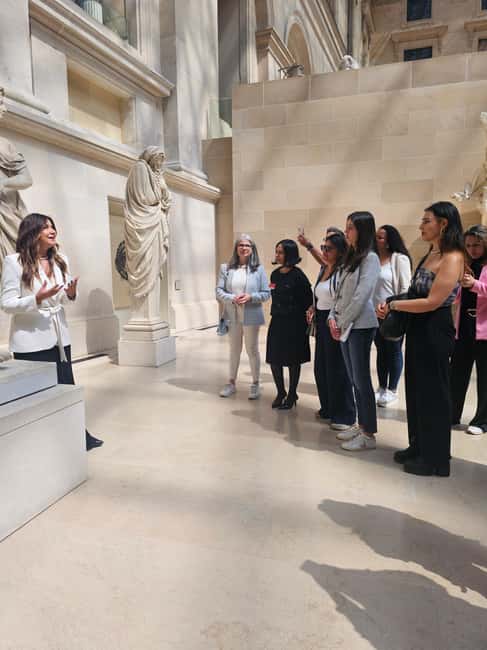
- Portuguese experience, French-licensed guidance: explanations happen in Portuguese with a properly licensed guide
- About 20 must-see works in 2 hours: including Mona Lisa, Venus de Milo, and Winged Victory of Samothrace
- A route designed to dodge crowds: the itinerary changes daily based on visitor flow
- Photo stops with direction: guidance so your pictures look better than quick grab shots
- Ancient Egypt and Napoleon III Apartments: you get more than just the headline paintings
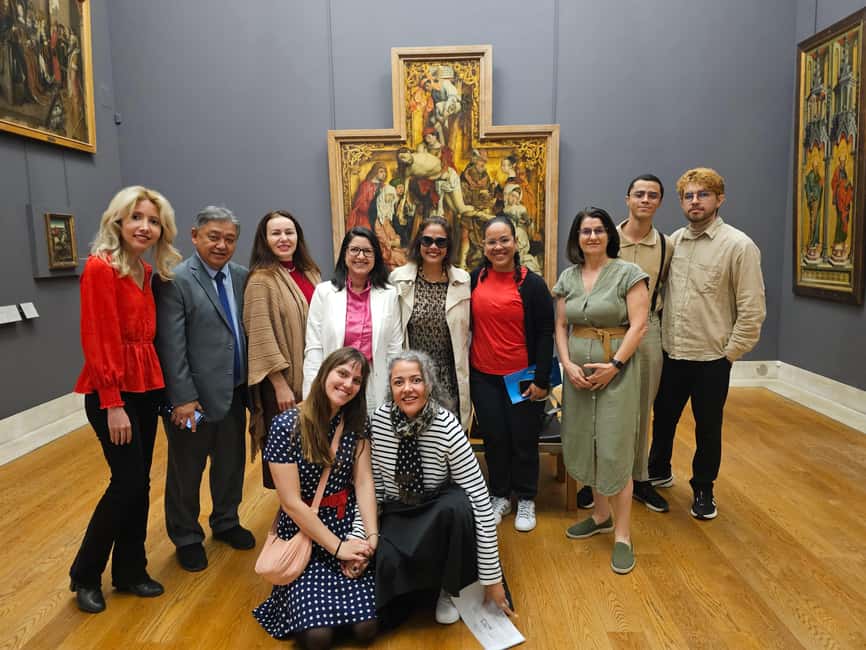
- Small group energy: easier pacing than the mass-tour feeling
Why the Essential Louvre feels easier than winging it
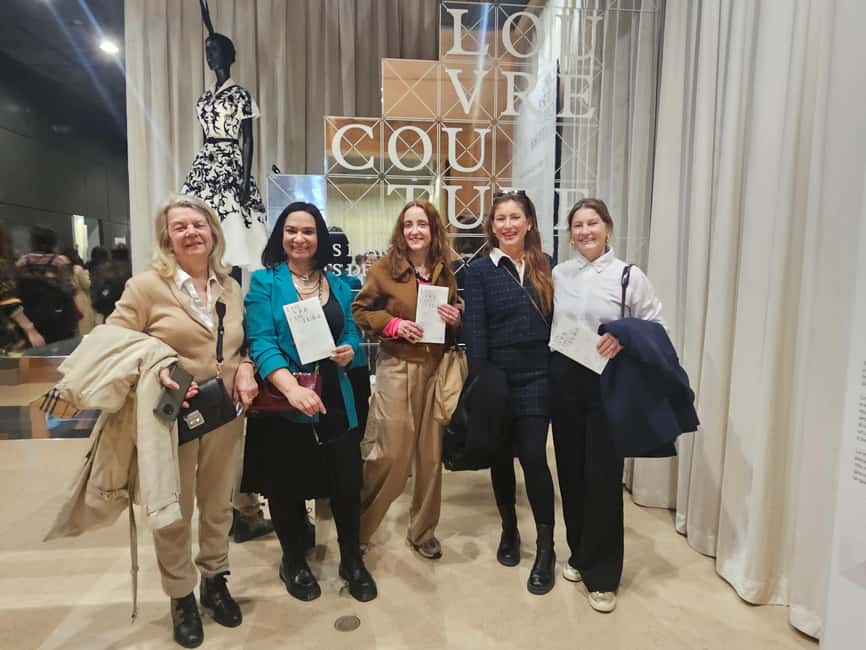
The Louvre is huge. That sounds obvious—then you arrive and it becomes real. With a museum this big, your first problem isn’t only what to see. It’s how to avoid walking for an hour just to find the right wing.
What I like about this tour is the focus on essentials. You’re not trying to cover every department. You’re led to the works that anchor the collection, including icons like the Mona Lisa, Venus de Milo, and Winged Victory of Samothrace. Then you get a couple of deeper stops that give context—especially the Ancient Egypt area and the Apartments of Napoleon III.
It’s also designed for people who want to create something: the guide actively encourages questions and supports photo-related content. Even if you’re just photographing for your own memories, having a plan helps you spend time looking, not searching.
The tour’s timing matters too. You move in a rhythm—guided segments, photo stops, and a closing period to explore. That pacing helps you avoid the usual “we hit the highlights, then I’m exhausted” problem.
Still chasing the Mona Lisa? More Louvre visits
- Paris: Louvre Museum Timed-Entrance Ticket
★ 4.6 · 71,977 reviews - Paris: Louvre Guided Tour with Reserved Access & Boat Cruise
★ 4.3 · 16,353 reviews - Louvre Museum Masterpieces Guided Tour with Access
★ 4.5 · 12,023 reviews - Paris: Louvre Overview, Exploration tour and Reserved Entry
★ 4.1 · 10,145 reviews
Meeting at the Napoleon Wing and getting in via the Carrousel
Your meeting point is in the Louvre Napoleon Wing, at the Group Visits area. The practical benefit here is simple: you’re heading straight into the museum’s workflow, not wandering around external entrances.
You also get priority entry through the Louvre Carrousel. That’s a meaningful advantage on a place where lines can eat your schedule. Even if you’re early, the Louvre can still move slowly once you’re inside the system. Priority entry helps you start the visit on your own terms.
From there, the group starts together and the tour takes over. You’re not left to figure out where the major landmarks are in relation to each other. Instead, you follow a planned route that takes in multiple wings of the museum.
One more practical note: you’re advised to wear comfortable shoes. The Louvre is not a place for soft slippers and optimism. You’ll be walking enough that your feet will notice if your footwear isn’t up to the task.
First 10 minutes: your safety briefing and tour game plan
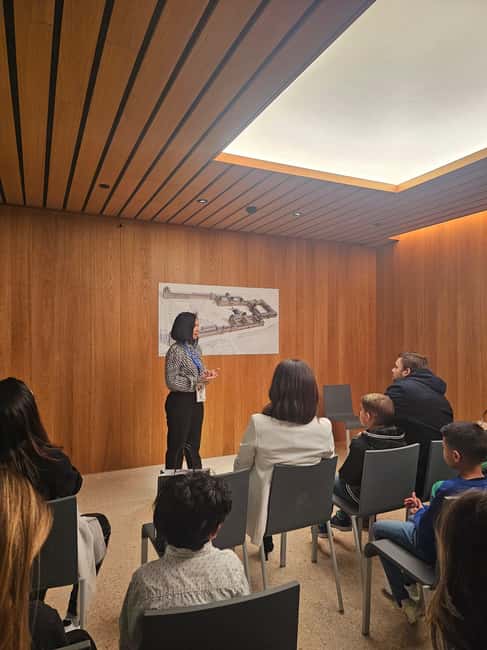
Before the main sightseeing, you get a short safety briefing. Ten minutes doesn’t sound like much, but it sets expectations for how the group moves through crowded spaces and how to manage your time.
In a museum with the density of the Louvre, this matters. When you know where the group is heading next, you don’t get stuck asking, waiting, or doubling back. That keeps your tour efficient and makes the photo stops actually work.
You’ll also learn the shape of your visit: a guided section, then a photo stop, then another guided segment and another photo stop, followed by free time. Knowing the sequence reduces the stress that often hits during famous attractions—when you want to see everything but you don’t want to miss the moment.
This also helps if you’re traveling with a phone and you want your photos to be purposeful. The guidance isn’t only about composition. It’s about where to stand and how to handle timing around other visitors.
Guided highlights: Mona Lisa, Venus de Milo, and the big names
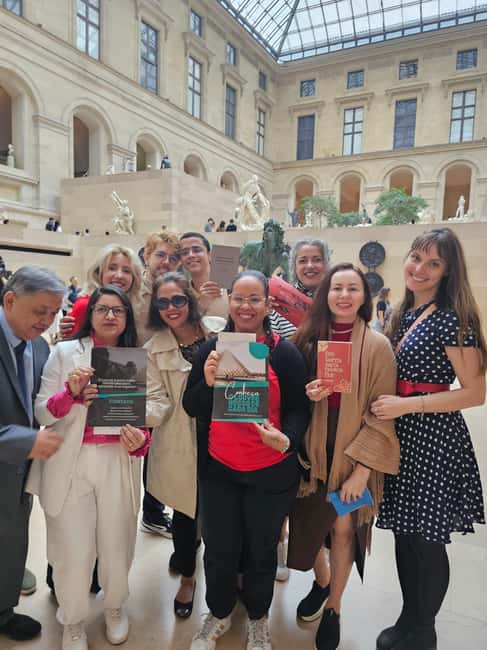
The first guided stretch is about one hour of focused viewing. This is where you’ll get the “wow, I’m really here” feeling fast.
The tour targets major icons you’ve probably studied in school or seen in art books. You’ll check out:
- Mona Lisa
- Venus de Milo
- Winged Victory of Samothrace
- Plus additional key works along the way (around 20 total across the full tour)
The value isn’t just seeing the famous works. It’s understanding why they matter and how the pieces connect across the collection. The guide offers historical context plus fun facts, so the statues and paintings aren’t just labels on a wall.
You also benefit from the route planning. The itinerary is designed daily based on visitor flow, with the goal of avoiding the busiest areas. That doesn’t mean you’ll have the Louvre to yourself. It means you spend more time seeing and less time getting stuck in the slow-moving crowd.
And because it’s led in Portuguese with a French government-licensed guide, you can ask questions instead of nodding along in a language you don’t fully control. That makes a real difference when you’re trying to connect details to meaning.
Photo stops that actually help you take better Louvre shots
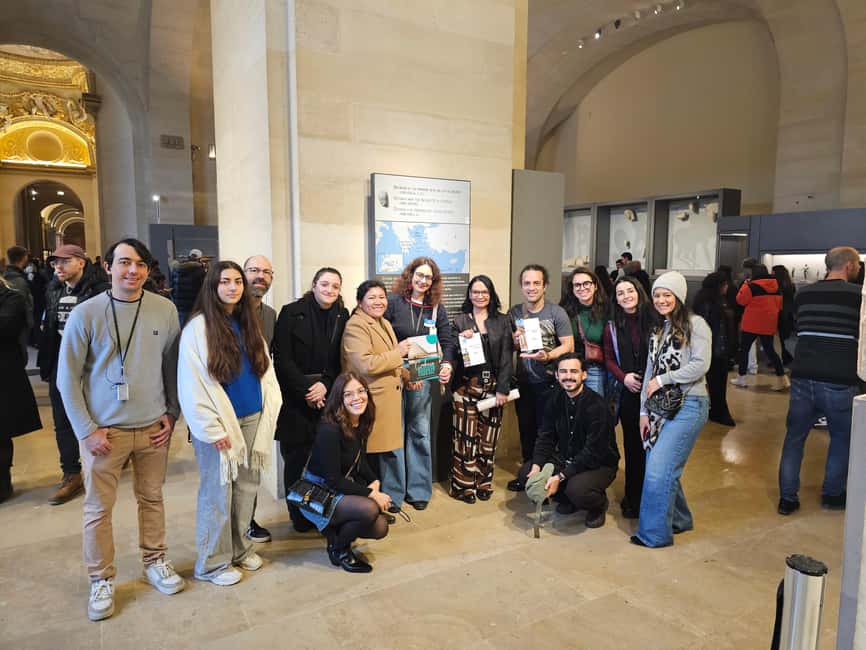
One of the best parts of this tour is that photography isn’t treated like an afterthought. You build in two photo stops of about 15 minutes each.
Between guided segments, you get time to step aside and reset your camera/phone plans. More importantly, you get guidance on taking photos and creating content. That usually means help with practical angles, pacing, and where to position yourself so you’re not blocking other visitors or waiting forever for the crowd to clear.
If you’ve ever tried to photograph a famous artwork while constantly shifting because people are streaming past, you know why this matters. The museum’s attention economy is real. With a structured stop, you’re more likely to capture something you’ll actually like later.
You also get photo time in the middle of the experience, not only at the end. That helps you avoid the classic problem: you save photos for the final free roaming period, then your energy and patience run out.
So if your goal is to leave Paris with both memories and usable pictures, the tour’s photo design is a real advantage—not just an extra.
Ancient Egypt and the Apartments of Napoleon III in 40 minutes
After the first photo stop, your next guided block is about 40 minutes. This is where the tour adds variety beyond the most famous Western “poster art.”
You’ll spend time with the museum’s Ancient Egypt section. That’s a huge theme in the Louvre, and it’s easy for first-timers to miss because people rush toward what they already recognize. Having a guided focus makes it easier to understand what you’re seeing—how objects relate to the culture and time period, not only how they look.
Then you head into the Apartments of Napoleon III. This part shifts the mood. You’re not just viewing standalone artworks now—you’re stepping into a setting that reflects a specific historical era and the way power and taste were displayed.
This mix is smart for two reasons:
- It balances “greatest hits” with context.
- It keeps the tour interesting even if you’re not an art superfan.
You’ll still move at a guided-tour pace, so don’t expect a slow, room-by-room lecture. But you will walk away with stronger mental categories. You’ll start to see the Louvre as a collection with themes, not one endless corridor of frames.
More Paris photo sessions to book




Your extra 30 minutes to roam, shoot, or plan your next visit
After the main guided segments, you get about 30 minutes of free time inside the museum. This is your chance to follow your own curiosity now that you’re oriented.
The tour also includes guidance for photo creation during this part. That helps if you want to refine what you already captured or if you want to pick one or two additional stops based on what resonated with you.
Here’s how to use this 30 minutes well:
- Pick one theme you liked most (Egypt, Napoleon III, or the icons)
- Re-check one or two works from your guided route
- If crowds are heavy, don’t fight them—choose a nearby alternate stop and keep moving
The visit also allows an added benefit: after the guided tour ends, you can extend your visit without extra cost. That gives you a practical way to keep exploring once the structure is finished.
For first-time visitors, this is the moment that turns a guided hit-list into a real personal experience. You stop feeling like you’re rushing and start choosing.
Price and value: what $57 buys you in the Louvre
At $57 per person for a 2-hour experience, the value here comes from three things you usually have to pay for separately in Paris:
- A French government-licensed guide (the explanation quality matters)
- Portuguese-language support so you can actually understand what you’re seeing
- A smart route that’s designed to reduce time lost to crowd friction
You’re not just paying for access. You’re paying for direction. In a museum where wandering can cost you hours, paying to avoid that wasted walking can be a bargain, even if you’re only saving a little time.
The photo stops also add value. Without them, you’d likely spend your best photo moments stuck in transit between must-sees. Here, time is scheduled so you can slow down briefly and capture images with help.
Is it a cheap way to see the Louvre? No. But it’s a strong way to see the most important parts without turning your day into a sprint.
When this tour might disappoint you (and how to plan around it)
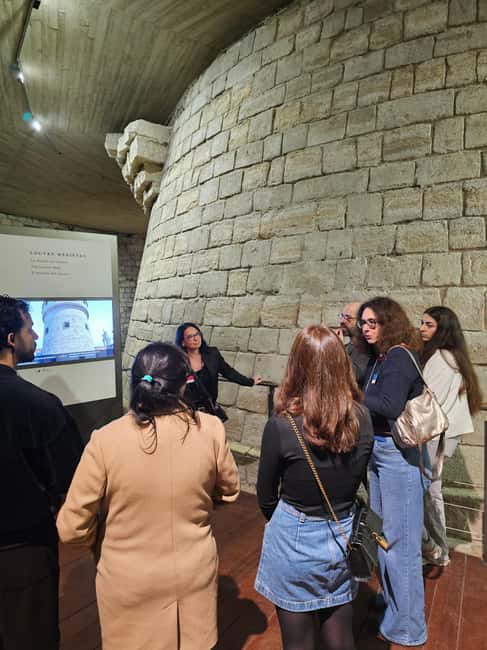
This tour gives structure, but the Louvre still has variables outside anyone’s control.
The biggest real-world risk is that entry can be delayed when there are demonstrations involving museum staff. On days like that, you can lose hours, and the knock-on effect can be severe—especially if certain areas close.
A second issue is that some zones can end up closed on particular days. In at least one experience, this included areas tied to the museum’s crown jewels display. You may also find some planned highlights harder to reach if access changes.
How do you protect yourself?
- Build in a little buffer time around your Louvre visit.
- Don’t schedule a tight dinner or a timed train immediately after.
- If something is closed, use your free time to pivot. The museum is big enough to re-route without losing your day.
Also, keep your expectations realistic: this is an essentials tour. You’ll see about 20 works in 2 hours. You won’t see everything, and that’s by design. If your dream is to spend half a day in one wing, you might prefer a longer independent strategy.
Who this tour is best for
This fits best for:
- First-time Louvre visitors who want the major works without getting lost
- People who prefer Portuguese and don’t want to rely on English-only interpretation
- Visitors who care about photography and want help during the best moments
- Travelers who want a guided plan that reduces crowd stress
It also works well if you want a tour that supports questions. The guide encourages interaction, so you’re not stuck passively absorbing information.
If you’re an art historian chasing every detail, you may find the pace too fast. But for most people, the balance is right: iconic works, plus context, plus the ability to keep exploring after.
Should you book the Essential Louvre tour?
Yes, if your priority is getting the most famous works with a plan, in Portuguese, and without spending your day lost in lines and corridors. The combination of a licensed guide, a crowd-aware route, and built-in photo time makes it a practical way to “do the Louvre” without feeling rushed in the wrong places.
Don’t book it if you want a full-day, everything-in-one-go museum deep session. Also, keep a bit of buffer in your schedule for the rare days when demonstrations slow entry and force closures.
If you’re aiming for a smart first visit, this is the kind of tour that helps you walk out saying: I finally get it.
More Tour Reviews in Paris
- Paris: 1-Hour Seine Cruise departing from the Eiffel Tower
★ 4.4 · 77,472 reviews - Paris: Louvre Museum Timed-Entrance Ticket
★ 4.6 · 71,977 reviews - Disneyland® Paris 1-Day Ticket
★ 4.6 · 49,412 reviews - Paris: Versailles Palace and Gardens Full Access Ticket
★ 4.6 · 41,579 reviews - Paris: Arc de Triomphe Rooftop Tickets
★ 4.6 · 34,264 reviews
More Paris Photo Sessions
- Paris: Private Photoshoot at the Eiffel Tower
★ 4.7 · 2,636 reviews - Paris: Eiffel Tower Photoshoot
★ 4.7 · 2,351 reviews - Paris: Photoshoot Around Eiffel Tower with 55 Edited Photos
★ 4.8 · 702 reviews - Paris: Professional Photoshoot with the Eiffel Tower
★ 4.9 · 565 reviews - Paris: Eiffel Tower Premium Photoshoot
★ 4.9 · 425 reviews
Back to the Louvre: More Ways In
- Paris: Louvre Museum Timed-Entrance Ticket
★ 4.6 · 71,977 reviews - Paris: Louvre Guided Tour with Reserved Access & Boat Cruise
★ 4.3 · 16,353 reviews - Louvre Museum Masterpieces Guided Tour with Access
★ 4.5 · 12,023 reviews - Paris: Louvre Overview, Exploration tour and Reserved Entry
★ 4.1 · 10,145 reviews - Paris: Louvre Museum Entry Ticket With Host and River Cruise
★ 4.6 · 9,926 reviews
Fresh off the review desk in Paris
- Secrets of Paris Bike Tour in English or Dutch★ 5.0 · 5 reviews
- Paris: Mont Saint-Michel Day Tour with Chinese Tour Guide★ 5.0 · 5 reviews
- Private Street Art 2-Hour Guided Tour in Paris★ 4.5 · 5 reviews
- Orsay Museum Tour: 2h Highlights (Private & Small Group)★ 5.0 · 5 reviews
- Discover Paris in electric golf carts★ 4.0 · 5 reviews
- Paris Private Boat Tour with your own Captain Guide★ 5.0 · 5 reviews
Louvre Museum Tours, compared.
 ★ 4.6Louvre Museum Timed-Entrance TicketFrom $2671,977 reviews
 ★ 4.3Louvre Guided Tour with Reserved Access & Boat CruiseFrom $8116,353 reviews
 ★ 4.5Louvre Museum Masterpieces Guided Tour with AccessFrom $8612,023 reviews
 ★ 4.1Louvre Overview, Exploration tour and Reserved EntryFrom $6010,145 reviews
 ★ 4.6Louvre Museum Entry Ticket With Host and River CruiseFrom $1009,926 reviews
 ★ 4.6Mona Lisa & Louvre Masterpieces Tour with Reserved AccessFrom $806,812 reviews
 ★ 5.0Louvre Museum – Exclusive Guided Tour (Entry Included)From $1816,296 reviews
 ★ 4.0Louvre Reserved Ticket and River Cruise ComboFrom $376,054 reviews
Browse the lists this tour appears in