
Reviewed · MONTMARTRE TOURS
Montmartre Sacré Coeur and Moulin Rouge best shops and cafés
Montmartre can be pretty random if you wander solo. This short tour ties together Moulin Rouge, artist squares, wine, and the big Sacré-Cœur payoff—so you know what you’re looking at instead of just taking photos. A guide like Jeanette (energetic and history-forward) helps you connect the dots fast, with plenty of time to stop and look.
Two things I really like: first, you get a neat checklist of landmarks in a tight loop, including the Wall of I love you and the hilltop basilica views. Second, you also get practical pointers for food and shopping in the bohemian streets, including bakeries, cafés, and spots tied to Picasso’s stomping grounds.
One consideration: the route includes the climb up to Sacré-Cœur, and you’ll be moving through busy areas like Place du Tertre. If you don’t do well with uneven sidewalks or moderate walking, this might feel rushed.
In This Review
- Key things to know before you go
- A 90-minute Montmartre route that actually makes sense
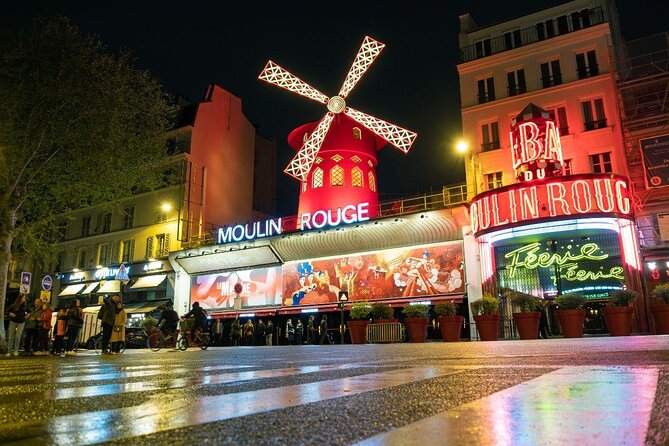
- From Bd de Clichy to Moulin Rouge: setting the cabaret stage
- Wall of I love you: a quick ticketed stop with real fun
- Le Moulin de la Galette lanes: windmill views and shopping street sense
- The last active vineyard: wine that still grows right here
- The Pink House and Picasso’s favorite table
- Place du Tertre: artists, portraits, and Kiki’s working studio vibe
- Sacré-Cœur at the top: architecture, sculptures, and city views
- Price and value: $29.79 for a lot of Montmartre stops
- Should you book this Montmartre and Sacré-Cœur tour?
- FAQ
- How long is the tour?
- Is the tour offered in English?
- Do I get a mobile ticket?
- Is there an admission ticket cost included?
- Where does the tour start and end?
- What’s the maximum group size?
- Is moderate physical fitness required?
- Are service animals allowed?
- What’s the cancellation policy?
Key things to know before you go
- Small group size (max 25) keeps the tour feeling conversational, not like a cattle chute.
- Mobile ticket in English makes it easy to show up and follow along.
- Admission included at the Wall of I love you, while Sacré-Cœur is free (so you get value twice).
- Real Montmartre details: the working vineyard, Le Moulin de la Galette area history, and street-level art.
- Food and shopping guidance focuses on where to taste and browse in this neighborhood.
- Top-down city views from Sacré-Cœur are the kind of payoff you’ll remember later.
A 90-minute Montmartre route that actually makes sense
This tour is built for people who want Montmartre to feel guided without turning it into a long, drawn-out day. In about 1 hour 30 minutes, you move through several “must-see” stops—from cabaret history to the art square—then end with the Sacré-Cœur big moment. It’s a smart way to get your bearings quickly.
What makes it more than a highlight reel is the way the guide frames what you see. You’re not just hearing names and dates. You get context that helps you interpret the neighborhood: why these places exist, how Montmartre became an artist magnet, and what you should pay attention to as you walk.
And yes, you’ll also come away with tips meant for the rest of your trip. That’s a big deal in Paris, where one good meal recommendation can beat ten extra photo stops.
Keep climbing: more of the Montmartre hill
- Montmartre Hidden Gems and Scenic Highlights Walking Tour
★ 5.0 · 2,684 reviews - Montmartre Hill French Gourmet Food and Wine Tasting Walking Tour
★ 5.0 · 2,588 reviews - Paris: Montmartre Highlights Walking Tour with a Local Guide
★ 4.9 · 2,318 reviews - Paris: Montmartre Cheese, Wine & Pastry Guided Walking Tour
★ 4.8 · 2,255 reviews
From Bd de Clichy to Moulin Rouge: setting the cabaret stage
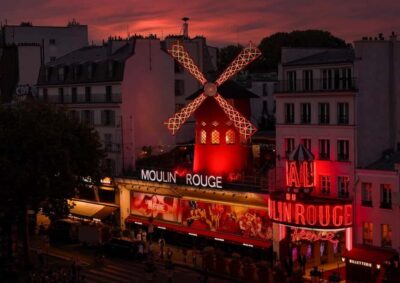
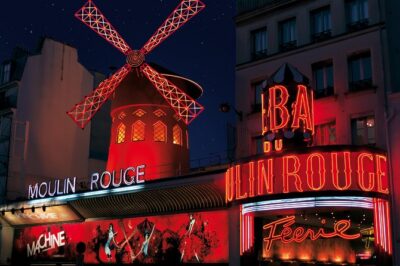
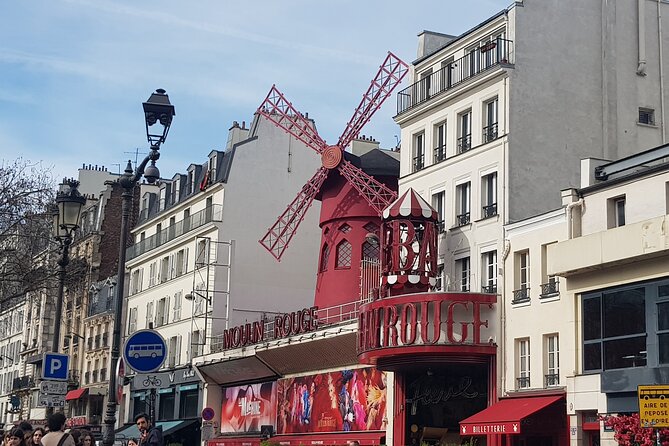
You start at 82 Bd de Clichy, then head toward the Moulin Rouge area. The tour includes time to hear about the history of cabaret and the Moulin Rouge, with a pause for photos.
This part matters because it gives you the cultural backdrop before you step into Montmartre’s creative side. Moulin Rouge is often treated like a standalone sight, but in this tour it becomes the opening chapter—an idea of how entertainment, nightlife, and art took root here.
Practical tip: if you’re serious about photos, bring your phone battery charger style needs (or spare power bank). This section is quick, and you’ll want to be ready.
Wall of I love you: a quick ticketed stop with real fun
One of the first standout moments is the Wall of I love you. It’s a wall covered with the words I love you written in 250 languages. Your job is simple: find your language.
The tour includes admission here, which is nice because it removes one small guess from the day. It’s only about 10 minutes, so you’re not stuck waiting around. This is the kind of stop you can enjoy even if you’re not a museum person.
Downside: it can be crowded, since it’s an easy photo target. If you’re aiming for clean shots, give yourself a little flexibility and don’t assume the best angle will be free.
Le Moulin de la Galette lanes: windmill views and shopping street sense
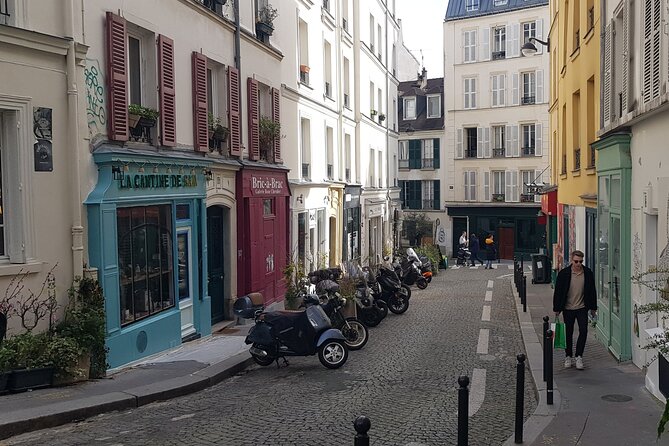
After that, the route shifts into the bohemian vibe. You pass by the area tied to the ancient windmill Le Moulin de la Galette, and you also get a stop along the way that helps with shopping in this part of Paris—an area known for vintage and independent finds.
You’ll also hear about Montmartre’s history through famous painters who once lived nearby, including Picasso, Renoir, and Van Gogh. This is where the guide’s “context first” approach pays off. Instead of treating their names like trivia, you start spotting why this neighborhood mattered to artists.
Why this part is good for value: it’s not just “look at the windmill spot.” It’s “here’s how to walk these streets for what you came for,” plus shop pointers that are actually usable.
If you plan to shop: keep an eye on the pace. The route is moving, so you’ll get recommendations rather than a deep store-by-store crawl. Still, the addresses you’re given can save hours later.
The last active vineyard: wine that still grows right here
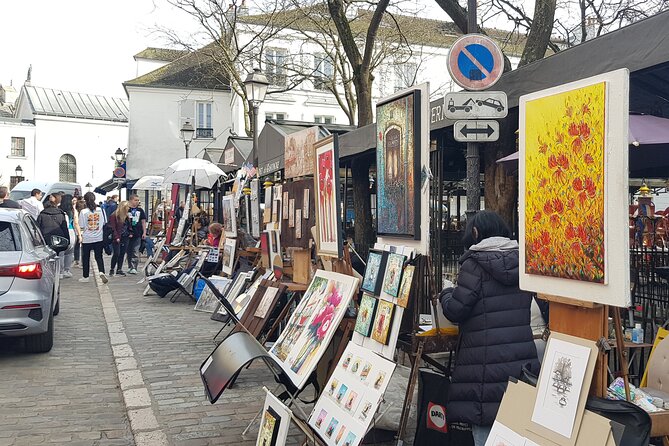
One of the most memorable stops is the look at the last vineyard of Montmartre that’s still active, producing red and rosé wine today. Even if you don’t buy anything, seeing a living vineyard inside a big city changes how you picture Montmartre.
This is a different kind of “wow” than a viewpoint. It’s more grounded and real. You get that sense that the neighborhood isn’t just a set for postcards—it’s still doing something, still producing something.
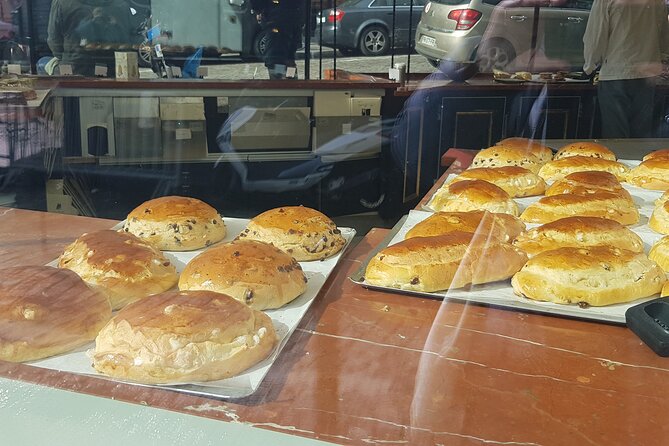
On the way, you also visit the best bakeries and cafés on the route. The key is that this is not random. The guide is steering you toward places that fit the Montmartre vibe, so you can follow up later with confidence.
Practical tip: if you have strong coffee/food preferences, consider grabbing something small after this segment. You’ll be walking, so you want to avoid getting stuck hungry while everyone else is browsing.
The Pink House and Picasso’s favorite table
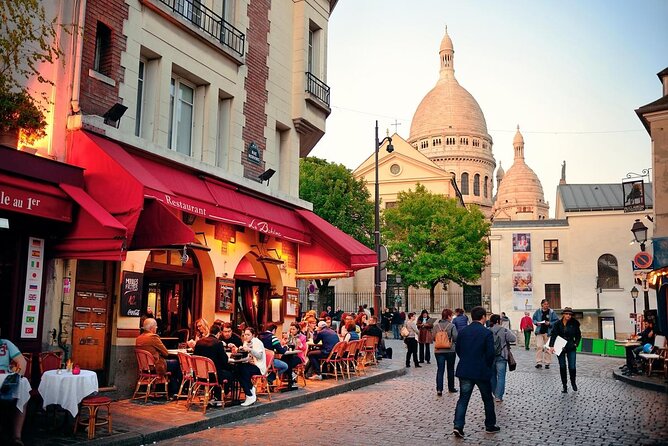
The tour then stops at the famous Pink house, described as Pablo Picasso’s favorite restaurant. This is one of those moments that feels playful and specific at the same time, because it points you toward food you can actually try.
The guide helps you understand what to look for and which plate and pastry are must-try options during your stay. You’re not just being told that it’s famous—you’re being given direction for what to order.
Why I think this stop is worth it: Montmartre can be full of tourist-friendly menus. A guide-led food hint can help you avoid the “everything tastes the same” trap and aim at what’s locally loved.
Possible drawback: because this is a popular area, you may find lines or crowds around popular dining streets. The tour timing is short, so you’ll likely be tasting later on your own rather than doing a long sit-down meal right then.
More nights out at the Moulin Rouge


Place du Tertre: artists, portraits, and Kiki’s working studio vibe
Next comes Place du Tertre, the artist square where painters work and display their paintings. The tour includes a visit to Kiki, one of the painters there, plus time to take in the cafés around the square.
This is a fun stop, but it’s also where you learn how to experience the area without getting distracted. With the guide’s framing, you’ll pay closer attention to what you see: who’s working, how the art is presented, and why this square became the go-to spot for street art and portraits.
One note: this area can get busy and loud. If you prefer quiet corners, use the time to watch for a moment, take photos quickly, and then move on. You don’t have to stay glued to the square to enjoy it.
Sacré-Cœur at the top: architecture, sculptures, and city views
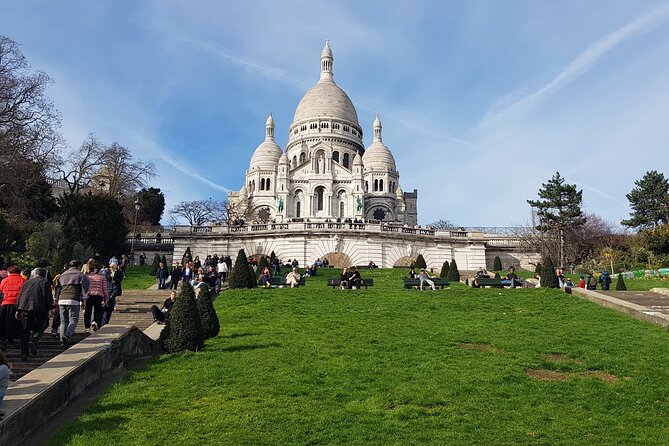
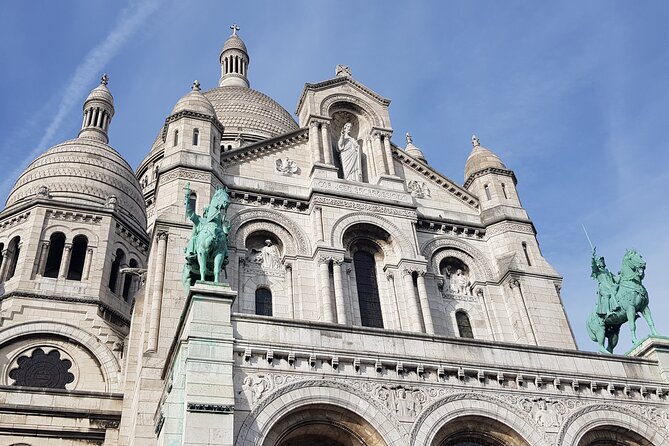
The final landmark is the Basilica of the Sacred Heart of Paris (Sacré-Cœur), perched at the top of the hill. You’ll have a chance to enjoy the breath-taking view over Paris, and the tour focuses on the basilica’s architecture plus exterior details like gargoyles and sculptures.
It’s a smart ending. Earlier stops build the “artist and culture” story. Then Sacré-Cœur lands as the dramatic, physical payoff—big skyline views and a building that looks like it belongs to another era.
The tour states that Sacré-Cœur admission is free, and you’ll feel the difference here: compared to ticketed stops, the basilica gives you value in the pure sightseeing sense. You don’t need to budget for another entry cost just to reach the main moment.
One consideration: weather matters a lot at this hilltop. If it’s clear, the views are the star. If it’s gray or rainy, you’ll still get the architecture, but the scenery payoff will be lower. Plan with that in mind.
Price and value: $29.79 for a lot of Montmartre stops
At $29.79 per person for around 1 hour 30 minutes, the pricing makes sense because you’re not only seeing sights—you’re also paying for guidance that keeps the day coherent.
Here’s why it feels like value:
- Some admissions are handled. The Wall of I love you includes an admission ticket, and Sacré-Cœur is free.
- You gain context for multiple landmarks that would otherwise feel unrelated.
- You get tailored tips for shops, cafés, and food in the area, which can save money later when you choose where to eat.
Group size also affects value. With a maximum of 25, you’ll generally get a better flow than with larger groups. It’s still a walking tour, so don’t expect long speeches at every corner, but it’s built for interaction.
Who this tour suits best:
- You want a fast Montmartre orientation plus big sights in one go
- You like art, cabaret history, and local food cues
- You’d rather have a guide connect the dots than figure it all out alone
Who might skip it:
- You want a slow, deep study of every stop
- You dislike moderate walking and hilltop areas
- You’re the type who prefers doing Montmartre with zero structure
Should you book this Montmartre and Sacré-Cœur tour?
If your goal is to see the highlights of Montmartre and Sacré-Cœur without feeling lost, I think this is a strong booking. The mix of Moulin Rouge context, the Wall of I love you, a working vineyard moment, Picasso’s Pink house food guidance, and Place du Tertre art time makes the tour feel complete.
Book it if you want practical suggestions for where to eat and browse next, and if you like tours that move briskly but still explain what you’re looking at. Skip it if you want a long, sit-down experience or you struggle with the hilltop walking that ends at Sacré-Cœur.
FAQ
How long is the tour?
The tour runs about 1 hour 30 minutes.
Is the tour offered in English?
Yes, the tour is offered in English.
Do I get a mobile ticket?
Yes, the tour includes a mobile ticket.
Is there an admission ticket cost included?
Yes. The Wall of I love you stop includes admission ticket entry, and Sacré-Cœur is free.
Where does the tour start and end?
It starts at 82 Bd de Clichy, 75018 Paris, France, and ends at the Sacré-Cœur Basilica, 35 Rue du Chevalier de la Barre, 75018 Paris, France.
What’s the maximum group size?
The tour has a maximum of 25 travelers.
Is moderate physical fitness required?
Yes, it says you should have a moderate physical fitness level.
Are service animals allowed?
Service animals are allowed.
What’s the cancellation policy?
You can cancel for free up to 24 hours in advance for a full refund.
If you want, tell me what time of year you’re going and whether you care more about views, food, or art—I can help you decide where this fits best in your Paris plan.
More Tour Reviews in Paris
- Paris: 1-Hour Seine Cruise departing from the Eiffel Tower
★ 4.4 · 77,472 reviews - Paris: Louvre Museum Timed-Entrance Ticket
★ 4.6 · 71,977 reviews - Disneyland® Paris 1-Day Ticket
★ 4.6 · 49,412 reviews - Paris: Versailles Palace and Gardens Full Access Ticket
★ 4.6 · 41,579 reviews - Paris: Arc de Triomphe Rooftop Tickets
★ 4.6 · 34,264 reviews
One More Night at the Moulin Rouge
- Paris: Moulin Rouge Cabaret Show Ticket with Champagne
★ 4.7 · 16,088 reviews - Paris: Dinner Show at the Moulin Rouge
★ 4.8 · 3,333 reviews - Seine Dinner Cruise, Eiffel Tower Access and Moulin Rouge Show
★ 4.0 · 2,310 reviews - Paris Moulin Rouge Cabaret Show and Dinner
★ 4.5 · 1,772 reviews - Paris: Evening Sightseeing Tour and Moulin Rouge Show
★ 4.0 · 1,394 reviews
More of the Montmartre Hill
- Montmartre Hidden Gems and Scenic Highlights Walking Tour
★ 5.0 · 2,684 reviews - Montmartre Hill French Gourmet Food and Wine Tasting Walking Tour
★ 5.0 · 2,588 reviews - Paris: Montmartre Highlights Walking Tour with a Local Guide
★ 4.9 · 2,318 reviews - Paris: Montmartre Cheese, Wine & Pastry Guided Walking Tour
★ 4.8 · 2,255 reviews - The Secrets of Montmartre Walking Tour
★ 4.8 · 1,258 reviews
Fresh off the review desk in Paris
- Secrets of Paris Bike Tour in English or Dutch★ 5.0 · 5 reviews
- Paris: Mont Saint-Michel Day Tour with Chinese Tour Guide★ 5.0 · 5 reviews
- Private Street Art 2-Hour Guided Tour in Paris★ 4.5 · 5 reviews
- Orsay Museum Tour: 2h Highlights (Private & Small Group)★ 5.0 · 5 reviews
- Discover Paris in electric golf carts★ 4.0 · 5 reviews
- Paris Private Boat Tour with your own Captain Guide★ 5.0 · 5 reviews
Montmartre Tours, compared.
 ★ 5.0Montmartre Hidden Gems and Scenic Highlights Walking TourFrom $382,684 reviews
 ★ 5.0Montmartre Hill French Gourmet Food and Wine Tasting Walking TourFrom $1452,588 reviews
 ★ 4.9Montmartre Highlights Walking Tour with a Local GuideFrom $232,318 reviews
 ★ 4.8Montmartre Cheese, Wine & Pastry Guided Walking TourFrom $1272,255 reviews
The Secrets of Montmartre Walking TourFrom $331,258 reviews
★ 4.8Montmartre Cheese, Wine & Pastry Guided Walking TourFrom $1272,255 reviews
The Secrets of Montmartre Walking TourFrom $331,258 reviews
 ★ 4.1Sacré-Coeur and Montmartre Tour with Expert GuideFrom $281,027 reviews
 ★ 5.0Private Montmartre Food Tour with Wine, Cheese & PastriesFrom $3021,027 reviews
 ★ 5.0Paris Montmartre Food Tour – A Full French Meal by Do Eat BetterFrom $95877 reviews
Browse the lists this tour appears in