
Reviewed · ORSAY MUSEUM TOURS
Musée d’Orsay Admission Ticket
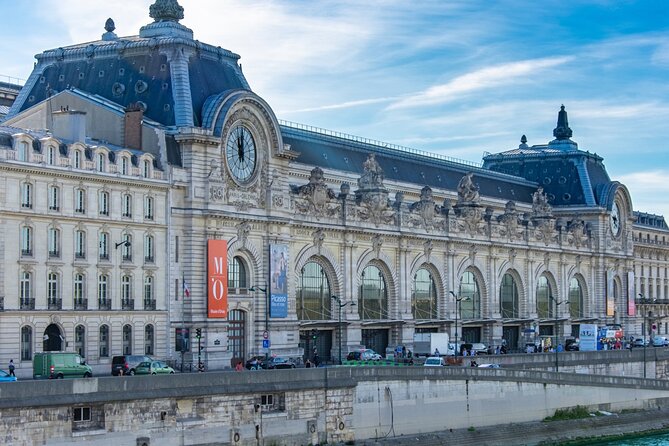
Impressionist art hits different in Orsay. This ticket gets you into the Musée d’Orsay, set in a converted 1900s railway station, where the building itself feels like part of the show. I especially like the easy flow from the start, because the dedicated entrance (C1) helps you start your visit without the usual Paris scramble.
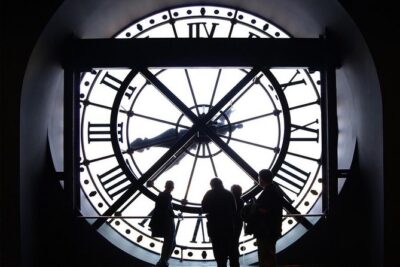
I also love the museum’s classic photo moment: the clock window for Paris views, timed perfectly for a pause. One drawback to plan for: if you arrive at a very busy moment, you might still wait near the entrance area, and weather can make those waits feel longer.
In This Review
- Key Highlights at a Glance
- Musée d’Orsay: Why This Ticket Is Worth Your Time
- Entering Without the Usual Headaches (Entrance C1 + Mobile Ticket)
- The Big Star: The Impressionist and Post‑Impressionist Collection
- How to Use Your 3 Hours (Without Feeling Rushed)
- The Clock Window Break: A Paris View Built Into Your Visit
- Permanent vs Temporary: How to Decide What to See
- Weather Reality: Orsay as a Rainy‑Day Option
- Practical Comfort: Lockers, Kids, and Moving Through the Museum
- Getting There: Near Public Transportation
- Price and Value: What $38 Buys You
- When This Works Best (And When It Might Not)
- Should You Book This Musée d’Orsay Ticket?
- FAQ
- What does the Musée d’Orsay ticket include?
- How long should I plan for my visit?
- What are the operating hours for this ticket?
- Can I visit at any time during the day?
- Is the ticket refundable or changeable?
- How do I get the ticket?
Key Highlights at a Glance
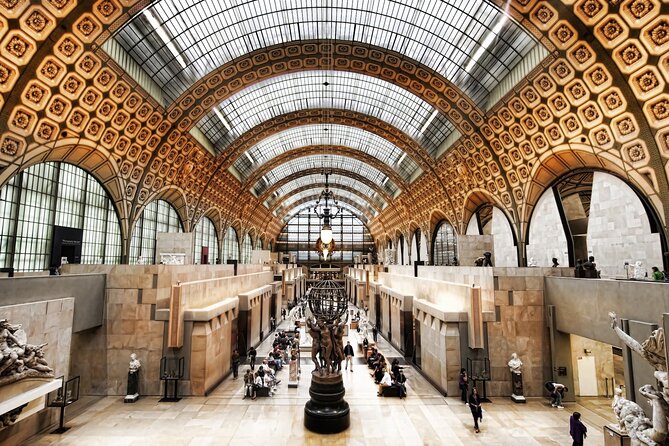
- Former railway station setting: You’re not just viewing art, you’re inside a landmark space.
- Dedicated entrance C1: Helps you get going faster than general entry.
- Open ticket flexibility: Visit anytime during operating hours.
- Impressionist focus: Monet, Renoir, Degas, Manet, Cézanne, Van Gogh show up in force.
- Permanent + temporary exhibitions: You can build a visit that matches your mood.
- Clock window Paris views: A built-in break that feels worth it.
Musée d’Orsay: Why This Ticket Is Worth Your Time
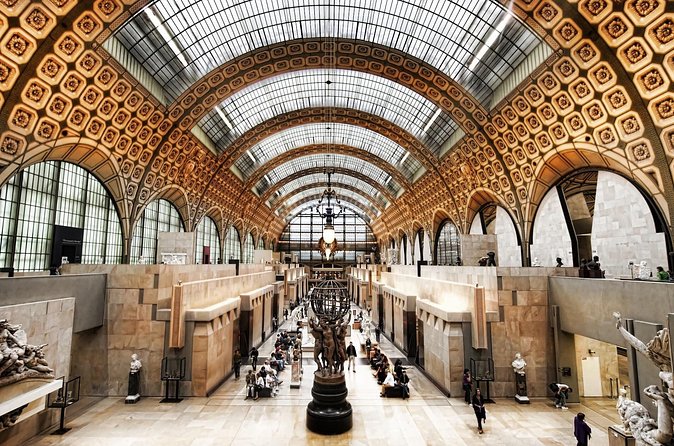
If you only have one museum slot in Paris, Orsay is a smart pick. The setting alone sells it: the museum lives in a grand 1900s railway station, with dramatic ironwork and high ceilings that make the whole place feel airy. Add the art, and you get a museum that moves quickly even when you slow down.
This particular Musée d’Orsay admission ticket is built for practical sightseeing. You get a real entry ticket, access to both the permanent collection and temporary exhibitions, and an open schedule so you can fit it into your day. It also includes a dedicated entrance (Entrance C1), which matters on busy days when every minute counts.
The duration listed is about 3 hours. That’s a good reality check: Orsay is big enough to feel satisfying, but it won’t swallow your entire day if you plan with intention.
More hours with the Impressionists at the Orsay
- Paris: Orsay Museum Entry Ticket
★ 4.7 · 25,647 reviews - Paris: Orsay Museum Entry Ticket and Digital Audio Guide App
★ 4.4 · 3,170 reviews - Paris in a Day: Louvre or Orsay, Eiffel Tower, City Walk & Cruise
★ 5.0 · 1,956 reviews - Paris: Musée d’Orsay Skip-the-Line Tour with Expert Guide
★ 4.5 · 1,145 reviews
Entering Without the Usual Headaches (Entrance C1 + Mobile Ticket)
I like tickets that make the first 15 minutes smoother, because that’s usually where your energy goes to get drained. This one is set up with a mobile ticket option and a dedicated entrance (C1). That combination tends to reduce friction at the gate, especially if you’re arriving mid-day when lines can form.
You’ll also want to know the visit window is flexible. It’s an open ticket that lets you visit anytime during operating hours, so you don’t have to treat the time printed on your day as a strict appointment. If your morning runs long, you can often adjust without panicking.
Where to watch out: one experience described a long wait at the museum entrance, and rain made it worse. So I’d treat Orsay like a top-tier Paris attraction. If you’re traveling in peak season or on a rainy day with many people sheltering indoors, go in with the plan to be patient at the start.
The Big Star: The Impressionist and Post‑Impressionist Collection
Orsay is famous for turning the Impressionist era into something you can actually feel. With this ticket, you’re accessing the museum’s permanent collection, which is where the major names keep showing up.
Here’s what I’d focus on for the most satisfying first pass:
- Monet and Renoir for the classic Impressionist look—light, movement, and color that feels more alive in person than in photos.
- Degas and Manet if you like art that’s a little less “pretty postcard” and more observant and sharp.
- Cézanne and Van Gogh for the pivot toward Post‑Impressionism, where you start seeing structure and emotion taking over.
This is one of those museums where the order matters less than your willingness to pause. If you speed through, you’ll miss the part where the paintings sit in your mind longer than expected. If you slow down, the art starts to connect across rooms.
How to Use Your 3 Hours (Without Feeling Rushed)
A 3-hour plan sounds strict until you realize Orsay is built for wandering. The key is choosing what you will and won’t chase.
I suggest thinking of your visit in blocks:
1) Start with the works that define Orsay
Pick a handful of artists and let them guide you. That way you don’t end up turning into a human spreadsheet of rooms.
2) Take one real break
Use the clock window area for a breather. It’s more than a photo stop. It gives your eyes a reset between dense galleries.
3) Then add the temporary exhibitions or second pass
You’ve got access to temporary exhibitions too. If you’re already spending your time on permanent masterpieces, the temporary section is best used as a bonus—something to round out your visit rather than replace it.
One practical note from the experience: people mentioned it’s easy to treat the ticket as an “open anytime” visit, and you may not need the more expensive version if your schedule is flexible. So if you’re choosing between options, read the details carefully and match it to how you actually move through Paris.
The Clock Window Break: A Paris View Built Into Your Visit
Orsay has a reputation for being a museum where the building earns attention, and the clock window is part of that. It’s a spot where you can step back from the art and look outward—toward that unmistakable Paris atmosphere.
I’d treat this as your scheduled “breathing space,” not as an optional bonus. If you put it off, you can run out of time and end up skipping it. The smart move is to aim for it somewhere around the middle of your visit, when your legs and your brain both appreciate a reset.
Also, it helps you avoid the classic museum problem: you leave having seen a lot, but you can’t remember the feeling. This pause gives you a moment to process what you just saw.
Permanent vs Temporary: How to Decide What to See
This ticket includes access to:
- the permanent collection
- temporary exhibitions
That’s great value if you’re the type who likes options. But it can also be a trap if you try to do everything in one visit.
My advice: pick your priority first—almost always the permanent collection—and then use temporary exhibitions as a second layer. Temporary shows vary in theme, so you’ll get more satisfaction if you let the permanent collection anchor you. Then the temporary galleries can become the surprise factor.
If you’re traveling with people who have different art tastes, the structure works well too. Everyone can share a “must see” list of Impressionist names, then split slightly to follow what each person is most curious about.
Worth weighing up next to this Paris pick



Weather Reality: Orsay as a Rainy‑Day Option
Orsay can be a lifesaver on rainy days. The museum is indoors, spacious, and made for slow looking, so you’re not stuck racing between umbrella-storms outside. One standout note from an experience: it was described as the best rainy day option, which makes sense.
Still, weather can affect your start, even if the art is dry. If rain hits hard and crowds surge, your entry area can get congested. You might not be soaking through inside, but you could wait outside longer before you get to warmth.
So here’s the practical play: if rain is in the forecast, aim for a time when you can comfortably wait if needed. And keep a light layer handy, even if you expect to only be outside briefly.
Practical Comfort: Lockers, Kids, and Moving Through the Museum
Small comfort details add up in a big museum, especially if you’re carrying shopping bags or a layer you want to stash.
One helpful point mentioned: there are free lockers at the entrance for personal items. That’s the kind of detail that makes the visit easier, because you can travel lighter and focus on art instead of managing bags.
Kids also come up in the info you’re given through experiences. One review specifically noted that children enter free of charge. If you’re traveling as a family, that’s worth factoring into your plan.
And because the museum involves lots of walking, I recommend using those lockers early. Don’t wait until you’re already tired and near the end of your route.
Getting There: Near Public Transportation
You don’t want a museum visit to turn into a logistics puzzle. This ticket info notes the museum is near public transportation, which is a big deal in Paris. It means you can plan your day around art, not around bus transfers and long detours.
If you’re pairing Orsay with other stops nearby, you’ll appreciate that flexibility. Paris transit is most useful when you can hop off close to your main anchor, and Orsay is set up for that.
Price and Value: What $38 Buys You
At $38.00 per person, the value depends on how you handle your time. Orsay is one of those places where you’re not just buying entry—you’re buying less wasted effort.
What you get for the price:
- Entry to the permanent collection
- Access to temporary exhibitions
- Open ticket access during operating hours
- Dedicated entrance (Entrance C1)
- Mobile ticket acceptance
The biggest value lever here is the practical one: dedicated entrance and smooth entry. In a city where lines can form, any reduction in hassle is worth real money.
Also, the visit duration is about 3 hours. If you use that time well—focusing on core artists, taking breaks, and adding temporary galleries only if you still have energy—this ticket starts to feel like a bargain rather than an add-on.
When This Works Best (And When It Might Not)
This experience is a great fit if:
- you want a high-impact Impressionist and Post‑Impressionist museum visit
- you prefer open scheduling over rigid timed entry
- you like seeing art in a landmark building, not just a standard gallery layout
- you want a solid indoor plan for rainy weather
It might feel less ideal if:
- you are arriving right at the most crowded hours and can’t handle the possibility of a wait near the entrance area
- your whole goal is only a tiny slice of the collection and you’d rather do a shorter, more targeted museum plan
The good news: the open ticket approach gives you room to adjust. If your day shifts, your museum doesn’t have to fall apart.
Should You Book This Musée d’Orsay Ticket?
I think you should book this if you want one of the best Paris museums for Impressionist art, inside one of Paris’s most memorable architectural shells. The dedicated Entrance C1, mobile ticket, and access to both permanent and temporary exhibitions give you a lot of flexibility for your money. And if rain is on your itinerary, Orsay is a reliable indoor win.
I’d especially consider booking if you like structure but don’t want a rigid schedule. With about 3 hours, you can get a meaningful visit without trying to sprint through everything. Add the clock window break, and you’ll leave with that mix of art appreciation plus Paris atmosphere.
On the flip side, if you’re the type who hates any lines at all, you’ll need to plan your timing with patience in mind. But for most people, this is a strong, sensible way to see Orsay without overcomplicating the day.
FAQ
What does the Musée d’Orsay ticket include?
It includes entry to the Musée d’Orsay, access to the permanent collection, access to temporary exhibitions, an open ticket to visit during operating hours, a dedicated entrance (Entrance C1), and acceptance of a mobile ticket.
How long should I plan for my visit?
The experience is listed as approximately 3 hours.
What are the operating hours for this ticket?
For the listed dates, it runs Tuesday through Sunday from 9:30 AM to 6:30 PM.
Can I visit at any time during the day?
Yes. The ticket is an open ticket, so you can visit anytime during operating hours.
Is the ticket refundable or changeable?
No. It is non-refundable and cannot be changed for any reason.
How do I get the ticket?
You receive confirmation at booking, and a mobile ticket is accepted.
More Tickets in Paris
- Paris: Louvre Museum Timed-Entrance Ticket
★ 4.6 · 71,977 reviews - Disneyland® Paris 1-Day Ticket
★ 4.6 · 49,412 reviews - Paris: Versailles Palace and Gardens Full Access Ticket
★ 4.6 · 41,579 reviews - Paris: Arc de Triomphe Rooftop Tickets
★ 4.6 · 34,264 reviews - Paris: Orsay Museum Entry Ticket
★ 4.7 · 25,647 reviews
More Tour Reviews in Paris
- Paris: 1-Hour Seine Cruise departing from the Eiffel Tower
★ 4.4 · 77,472 reviews - Paris: Louvre Museum Timed-Entrance Ticket
★ 4.6 · 71,977 reviews - Disneyland® Paris 1-Day Ticket
★ 4.6 · 49,412 reviews - Paris: Versailles Palace and Gardens Full Access Ticket
★ 4.6 · 41,579 reviews - Paris: Arc de Triomphe Rooftop Tickets
★ 4.6 · 34,264 reviews
More at the Musee d'Orsay
- Paris: Orsay Museum Entry Ticket
★ 4.7 · 25,647 reviews - Paris: Orsay Museum Entry Ticket and Digital Audio Guide App
★ 4.4 · 3,170 reviews - Paris in a Day: Louvre or Orsay, Eiffel Tower, City Walk & Cruise
★ 5.0 · 1,956 reviews - Paris: Musée d’Orsay Skip-the-Line Tour with Expert Guide
★ 4.5 · 1,145 reviews - Musée d’Orsay Skip-the-Line Tour with Expert Guide
★ 4.8 · 1,088 reviews
Fresh off the review desk in Paris
- Secrets of Paris Bike Tour in English or Dutch★ 5.0 · 5 reviews
- Paris: Mont Saint-Michel Day Tour with Chinese Tour Guide★ 5.0 · 5 reviews
- Private Street Art 2-Hour Guided Tour in Paris★ 4.5 · 5 reviews
- Orsay Museum Tour: 2h Highlights (Private & Small Group)★ 5.0 · 5 reviews
- Discover Paris in electric golf carts★ 4.0 · 5 reviews
- Paris Private Boat Tour with your own Captain Guide★ 5.0 · 5 reviews
Orsay Museum Tours, compared.
 ★ 4.7Orsay Museum Entry TicketFrom $1525,647 reviews
 ★ 4.4Orsay Museum Entry Ticket and Digital Audio Guide AppFrom $313,170 reviews
 ★ 5.0Paris in a Day: Louvre or Orsay, Eiffel Tower, City Walk & CruiseFrom $1571,956 reviews
 ★ 4.5Musée d’Orsay Skip-the-Line Tour with Expert GuideFrom $671,145 reviews
 ★ 4.8Musée d’Orsay Skip-the-Line Tour with Expert GuideFrom $821,088 reviews
 ★ 5.0The Musée d’Orsay Guided Tour Orsay Museum Semi-Private 6ppl MaxFrom $144904 reviews
 ★ 5.0Louvre & Musée d’Orsay Guided Museum Tour Semi-Private 6ppl MaxFrom $288619 reviews
 ★ 4.7Musée d’Orsay Ticket and Guided TourFrom $69569 reviews
Browse the lists this tour appears in