
Reviewed · ORSAY MUSEUM TOURS
The Musée d’Orsay Guided Tour Orsay Museum Semi-Private 6ppl Max
Art history, minus the crowd. This semi-private Musée d’Orsay tour stays small and gives you priority entrance so you spend more time looking and less time waiting.
I especially liked the way the guide ties the dots between movements, from the artists right before the Impressionists through the post‑Impressionists. On this tour, I think you’ll feel the difference a good storyteller makes, and names like Lilly, Eduardo, and Kotryna S keep popping up for a reason.
One thing to consider: this tour is not available for guests with walking disabilities or wheelchair users.
In This Review
- Key Highlights You’ll Care About
- Musée d’Orsay Semi-Private Tour: What Makes It Different
- The Orsay Setting You’re Actually Touring
- Your 2.5-Hour Plan: How the Tour Flows Through Art History
- Stop 1: The Impressionism-to-Post‑Impressionism Story at Orsay
- What You’ll Notice Along the Way
- Why the Semi-Private Group Size Feels Worth It
- Priority Entrance and the Reality of Museum Lines
- Bag rules you should follow
- Pace, Quiet Rooms, and How to Prepare
- Price and Value: Is $144.21 a Smart Use of Time?
- Morning, Afternoon, or Evening: Picking the Best Slot
- Who This Orsay Tour Is Best For
- When You Might Want to Skip
- Should You Book This Musée d’Orsay Semi-Private Tour?
- FAQ
- FAQ
- How large is the group on this semi-private Musée d’Orsay tour?
- How long does the tour last?
- Is admission included?
- What language is the tour offered in?
- Do I need to bring a phone for tickets?
- Is this tour wheelchair accessible?
Key Highlights You’ll Care About
- Up to 6 people max for real questions, not just head-down listening
- Reserved entry / priority entrance that helps you get in faster
- Chronological art story through the build-up to Impressionism and beyond
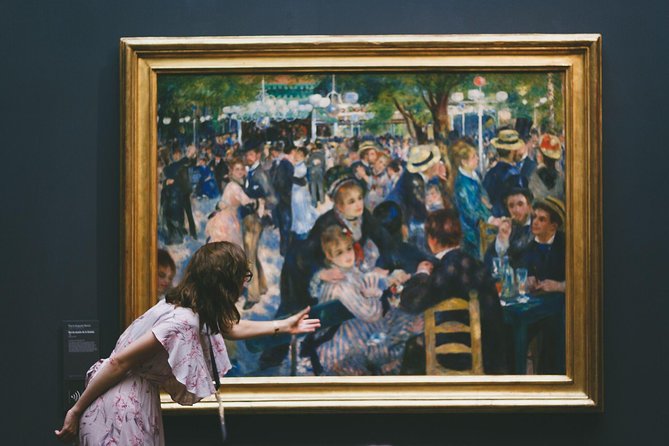
- Big-name paintings like Manet’s Luncheon on the Grass and Renoir’s Moulin de la Galette dance
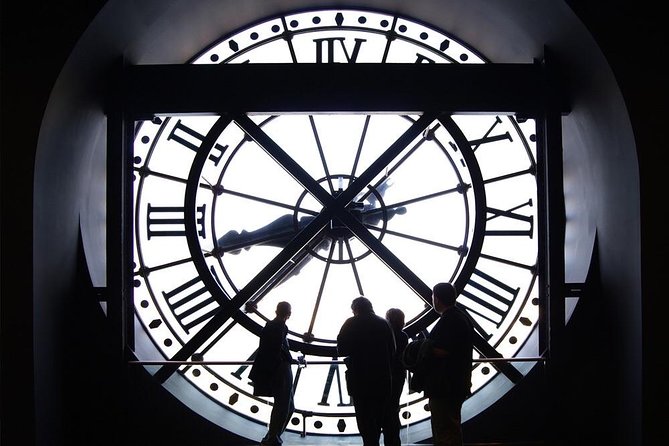
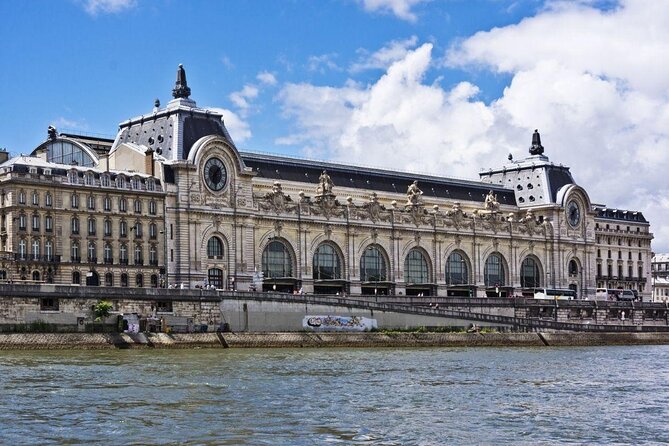
- Converted train-station setting with the Orsay building itself part of the experience
Musée d’Orsay Semi-Private Tour: What Makes It Different
The Musée d’Orsay can feel like a test: too many rooms, too little time, and crowds that make it hard to even find your bearings. This semi-private format (max 6 travelers) fixes that problem. You’re not just buying a ticket. You’re buying a route through the museum that makes sense.
The other big difference is the kind of guidance you get. Instead of a generic “here’s the masterpiece, move on” style, the tour explains why the art changed when it did. You start with the artistic movements that led up to Impressionism, then follow the threads forward to later styles. That means you don’t just see famous paintings—you understand what made them feel shocking or new at the time.
And because you get reserved entry, you’re not starting your visit stuck in the longest lines. Still, keep your expectations realistic: security can create lines even with priority entry, so it helps to arrive a little early and keep your bag situation simple.
More hours with the Impressionists at the Orsay
- Paris: Orsay Museum Entry Ticket
★ 4.7 · 25,647 reviews - Paris: Orsay Museum Entry Ticket and Digital Audio Guide App
★ 4.4 · 3,170 reviews - Paris in a Day: Louvre or Orsay, Eiffel Tower, City Walk & Cruise
★ 5.0 · 1,956 reviews - Paris: Musée d’Orsay Skip-the-Line Tour with Expert Guide
★ 4.5 · 1,145 reviews
The Orsay Setting You’re Actually Touring
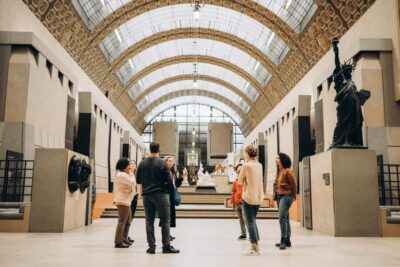
You’re meeting at the Musée d’Orsay (Paris 7th), and you begin right in the building’s bones: a former train station turned museum. The architecture matters here. You’re walking through an old industrial space, and that context makes the art feel more “of its era,” not like it’s floating in a sterile gallery.
The tour also aims to keep you from wandering. Instead, you get a guided path that moves between key works and the artistic ideas behind them. That approach is especially helpful if it’s your first time in the museum, or your first time trying to make sense of Impressionism and post‑Impressionism as a timeline.
Your 2.5-Hour Plan: How the Tour Flows Through Art History
This tour runs about 2 hours to 2 hours 30 minutes, with admission included. The itinerary isn’t just a checklist of paintings. It’s built like a story, moving through ideas and influences so the “why” lands, not just the “what.”
Stop 1: The Impressionism-to-Post‑Impressionism Story at Orsay
You begin with a guided look at the artistic movements that led up to the Impressionists. The goal is to help you recognize the shift: what artists were trying to do, what they were rejecting, and why these changes felt revolutionary.
Here are the highlights this tour typically focuses on (as long as works aren’t on loan or restored):
- Manet’s Luncheon on the Grass
This painting is famous for scandal, but the tour’s value is how it frames the moment. You’re not just told it caused drama; you learn why it challenged expectations of what art should look like and how it should behave.
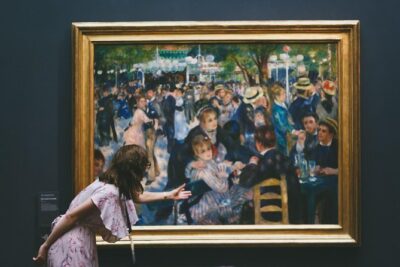
- Renoir’s Dance at Le Moulin de la Galette
You’ll connect the energy of the scene to broader changes in subject matter and technique, and you’ll understand what made this style take off.
- Millet’s The Gleaners
This is where the story widens. You see how earlier artists influenced later ones, and you get a sense for the social and artistic currents that were building underneath Impressionism.
- Van Gogh’s Bedroom in Arles
The tour uses works like this to show what happened after Impressionism—how artists pushed further in their own direction. Van Gogh’s work is often the moment people realize post‑Impressionism isn’t just a smaller variation. It’s a different ambition.
- Degas’s Ballerinas
Degas brings a new kind of focus: movement, observation, and the way scenes are constructed to feel both real and carefully arranged.
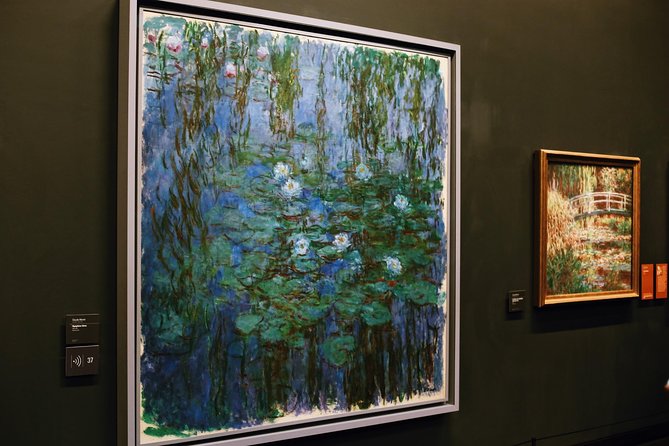
- Monet’s poppies (Poppy Field) and Water Lilies
Monet anchors the look and feel of the period. The tour helps you notice how Monet’s approach fits into the larger shift in style and perception.
If you’re the kind of person who takes photos but forgets everything after, this kind of “movement-to-movement” guidance is exactly what keeps the museum from turning into visual noise. You leave with a mental map.
What You’ll Notice Along the Way
You’ll also learn about techniques used by artists such as Renoir and Van Gogh. That detail matters. Once you know what to look for, you can stand in front of a painting and actually read it—brushwork, composition choices, and the reasons those choices mattered when the works were first shown.
Why the Semi-Private Group Size Feels Worth It
At up to 6 people, you get breathing room. In big group tours, questions get squeezed into a single moment at the end—if there’s time. Here, the experience is designed around interactive pacing. It’s the difference between being “processed” and being included.
This is also why families often do well on this format. Guides like Christophe (who has a good reputation for keeping kids engaged and working at a steady pace) make a difference when your group includes a mix of ages. You’re less likely to get stuck waiting for someone to catch up or feeling rushed when a child wants a follow-up question.
And even if you’re traveling solo or as a couple, the small group format stays useful because it reduces the pressure to rush through highlights.
Worth weighing up next to this Paris pick




Priority Entrance and the Reality of Museum Lines
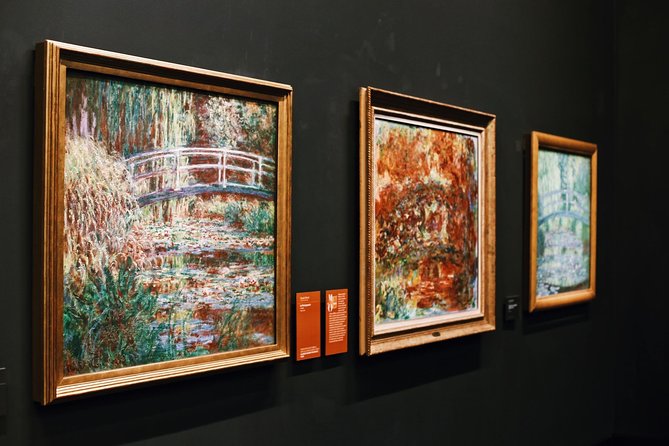
This tour includes reserved entry and is designed to help you skip the worst waiting. That’s a real time-saver at Orsay, where crowds can make you feel like you’re watching other people explore while you stand in line.
That said, do expect some security lines at many attractions, and the rules can slow you down even with priority access. The good move: come with a plan for your bag and keep it light.
Bag rules you should follow
Orsay security can be strict about what you carry. You should expect:
- no large bags or suitcases inside
- only handbags or small thin bag packs through security
If you show up with something bulky, you’ll pay for it in frustration. If you show up with a small day bag, the tour tends to feel smooth.
Pace, Quiet Rooms, and How to Prepare
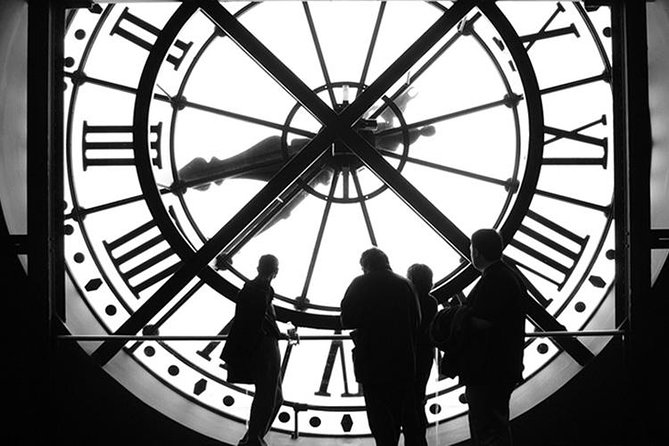
The tour notes include a few practical realities. The overall plan is manageable for people with moderate physical fitness, but it isn’t framed for mobility issues (again, wheelchair use isn’t covered).
You’ll also want to dress appropriately for entry into some sites on the tour. That isn’t about fashion. It’s about keeping your day from getting interrupted by basic rules.
One detail that surprises some people: some rooms inside the museum may have quiet restrictions, including limits on speaking. The guide will tell you before entering those areas. It’s another reason the small-group setting works—you’re not just trying to guess museum etiquette while everyone else shuffles around.
Price and Value: Is $144.21 a Smart Use of Time?
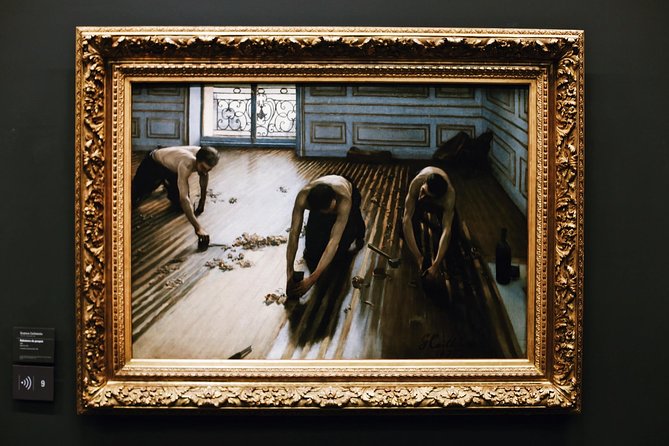
At about $144.21 per person for roughly 2.5 hours, this isn’t a cheap “walk around with a headset” kind of deal. But the value is in what’s included and what you get for that cost.
You’re paying for:
- a professional guide (small-group)
- entrance fees with reserved entry included
- a focused route through key Impressionist and post‑Impressionist works
- a format that keeps it interactive instead of a lecture marathon
If you’re doing Orsay plus other major museums in the same week, your time becomes expensive. This tour helps you compress the museum into a meaningful experience. For many first-timers, it’s the difference between “I saw great paintings” and “I can explain what I just saw.”
Morning, Afternoon, or Evening: Picking the Best Slot
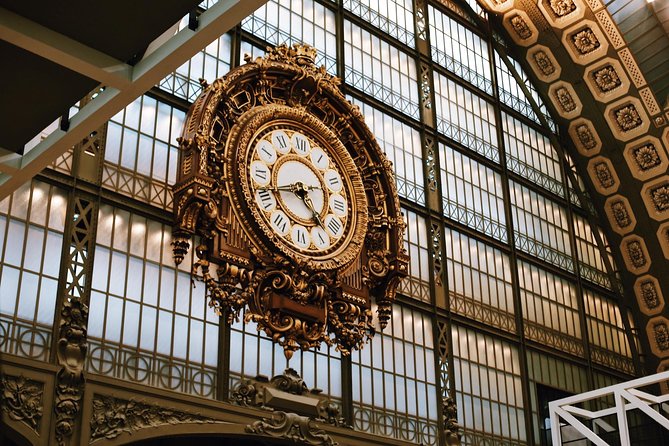
This tour offers morning, afternoon, and evening options. The data doesn’t tell you which slot is emptier, so I’d choose based on your day plan and energy level.
- If you want your brain awake for art theory and timelines, pick a morning or early afternoon time.
- If your day is already crowded with walking, picking an evening slot can help you keep the day from feeling like another 8-hour marathon.
Either way, arrive ready to move. This is a tour built around momentum.
Who This Orsay Tour Is Best For
This is a strong fit if you:
- love art history (and want it explained in plain language)
- want a first-time Orsay visit that doesn’t turn into wandering
- travel with teens who can handle a story-driven route
- appreciate asking questions without feeling like you’re holding up a huge crowd
It’s also a good choice for people who want the building experience. The Orsay structure is part of the show, and the guided approach makes it easier to notice.
When You Might Want to Skip
The main reason to skip is simple: accessibility. This tour isn’t available for guests with walking disabilities or wheelchair users. If mobility is an issue, you’ll want a different format that matches your needs.
Also, if you already know a lot of art history and you prefer total freedom, you might decide to explore solo. But if you want structure, this semi-private approach is built for that.
Should You Book This Musée d’Orsay Semi-Private Tour?
I’d book it if you want a high-signal Orsay visit: priority entrance, a route through the key works, and a guide who can turn paintings into a clear timeline. The small group size is the big selling point here, because it changes the feel of the whole day. You’re not stuck waiting for the next stop while your attention dies.
I’d think twice if you need wheelchair access or if your ideal museum day is totally unscripted. Otherwise, it’s a very practical way to experience Orsay without losing half your day to crowds and confusion.
FAQ
FAQ
How large is the group on this semi-private Musée d’Orsay tour?
The tour is semi-private with a maximum of 6 travelers. It’s never more than 6 guests.
How long does the tour last?
The duration is about 2 hours to 2 hours 30 minutes, with 2.5 hours listed as the planned duration.
Is admission included?
Yes. All entrance fees (reserved entry included) are part of the tour, and admission is included.
What language is the tour offered in?
The tour is offered in English.
Do I need to bring a phone for tickets?
You do need a mobile phone number (including country code), and the tour uses a mobile ticket.
Is this tour wheelchair accessible?
No. This tour is not available for those with walking disabilities or using a wheelchair.
More Tours in Paris
- Paris: Louvre Guided Tour with Reserved Access & Boat Cruise
★ 4.3 · 16,353 reviews - Paris: Big Bus Hop-On Hop-Off Tour with Optional Cruise
★ 4.4 · 13,279 reviews - Louvre Museum Masterpieces Guided Tour with Access
★ 4.5 · 12,023 reviews - Versailles: Skip-the-Line Tour of Palace and Gardens Access
★ 4.7 · 10,429 reviews - Paris: Louvre Overview, Exploration tour and Reserved Entry
★ 4.1 · 10,145 reviews
More Tour Reviews in Paris
- Paris: 1-Hour Seine Cruise departing from the Eiffel Tower
★ 4.4 · 77,472 reviews - Paris: Louvre Museum Timed-Entrance Ticket
★ 4.6 · 71,977 reviews - Disneyland® Paris 1-Day Ticket
★ 4.6 · 49,412 reviews - Paris: Versailles Palace and Gardens Full Access Ticket
★ 4.6 · 41,579 reviews - Paris: Arc de Triomphe Rooftop Tickets
★ 4.6 · 34,264 reviews
More at the Musee d'Orsay
- Paris: Orsay Museum Entry Ticket
★ 4.7 · 25,647 reviews - Paris: Orsay Museum Entry Ticket and Digital Audio Guide App
★ 4.4 · 3,170 reviews - Paris in a Day: Louvre or Orsay, Eiffel Tower, City Walk & Cruise
★ 5.0 · 1,956 reviews - Paris: Musée d’Orsay Skip-the-Line Tour with Expert Guide
★ 4.5 · 1,145 reviews - Musée d’Orsay Skip-the-Line Tour with Expert Guide
★ 4.8 · 1,088 reviews
Fresh off the review desk in Paris
- Secrets of Paris Bike Tour in English or Dutch★ 5.0 · 5 reviews
- Paris: Mont Saint-Michel Day Tour with Chinese Tour Guide★ 5.0 · 5 reviews
- Private Street Art 2-Hour Guided Tour in Paris★ 4.5 · 5 reviews
- Orsay Museum Tour: 2h Highlights (Private & Small Group)★ 5.0 · 5 reviews
- Discover Paris in electric golf carts★ 4.0 · 5 reviews
- Paris Private Boat Tour with your own Captain Guide★ 5.0 · 5 reviews
Orsay Museum Tours, compared.
 ★ 4.7Orsay Museum Entry TicketFrom $1525,647 reviews
 ★ 4.4Orsay Museum Entry Ticket and Digital Audio Guide AppFrom $313,170 reviews
 ★ 5.0Paris in a Day: Louvre or Orsay, Eiffel Tower, City Walk & CruiseFrom $1571,956 reviews
 ★ 4.5Musée d’Orsay Skip-the-Line Tour with Expert GuideFrom $671,145 reviews
 ★ 4.8Musée d’Orsay Skip-the-Line Tour with Expert GuideFrom $821,088 reviews
 ★ 5.0Louvre & Musée d’Orsay Guided Museum Tour Semi-Private 6ppl MaxFrom $288619 reviews
 ★ 4.7Musée d’Orsay Ticket and Guided TourFrom $69569 reviews
 ★ 4.5Paris Musée d’Orsay Fully Guided TourFrom $71556 reviews
Browse the lists this tour appears in