

Reviewed · ORSAY MUSEUM TOURS
Musée d’Orsay: Impressionists with skip-the-line ticket
Two hours can feel like a time machine. I love how this tour pairs skip-the-line entry with the fact that Orsay’s station building is part of the show, so you learn the art and the architecture in the same breath.
You’ll move through galleries built for 19th-century works and ideas, from Impressionism to realism and the early era of photography and film. The museum also lets you connect style choices to a period when Paris was changing fast—new tech, new neighborhoods, new tastes.
One important consideration: this tour is not suitable for wheelchair users, so plan an alternative if mobility access is needed.
In This Review
- Key highlights you’ll care about
- Musée d’Orsay: the building counts as part of your ticket
- From electrified trains to art galleries: what to notice as you enter
- The 19th-century “menu”: what you’ll see across the galleries
- Impressionists you’ll recognize right away
- Cézanne and the push toward structure
- Degas: ballet dancers as modern realism
- Van Gogh and Gauguin: the tension you can feel
- Rodin and sculpture that still hits today
- Realists, including Courbet’s Origin of the World
- Arts & Crafts and early modern style ideas
- Early photography and film by the Lumière brothers
- A Liberty Statue model idea and industrial thinking
- How skip-the-line entry changes your Orsay experience
- What the guide actually adds in a small group
- Price and value: is $104 per person worth it?
- Practical notes that help you enjoy Orsay more
- Who should book this Orsay skip-the-line tour
- Should you book this Musée d’Orsay tour?
- FAQ
- How long is the Musée d’Orsay impressionists tour?
- Where is the meeting point for the tour?
- Does this tour include skip-the-line entry?
- What’s included in the price?
- What languages are available?
- Is this experience wheelchair accessible?
Key highlights you’ll care about
- Skip-the-line access through a separate entrance so you lose less time to waiting
- The building itself is a 19th-century artifact, because the former station becomes part of the exhibition
- A focused 19th-century sweep across Impressionists, realism, sculpture, and symbolism-adjacent works
- Rodin and Courbet are highlighted, including Courbet’s Origin of the World
- Industrial-era curiosities show up, like a Liberty Statue model idea and early photos/films by the Lumière brothers
- Small group (up to 6) with headsets, so you can actually hear the guide in a busy museum
Musée d’Orsay: the building counts as part of your ticket
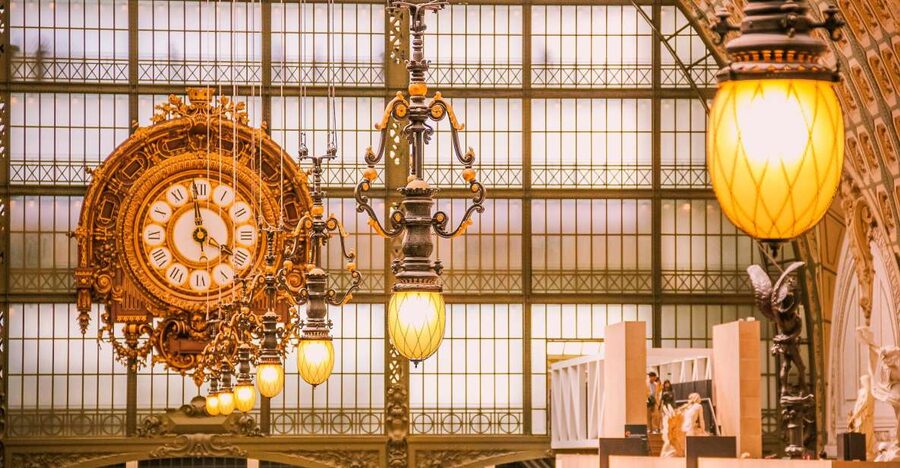
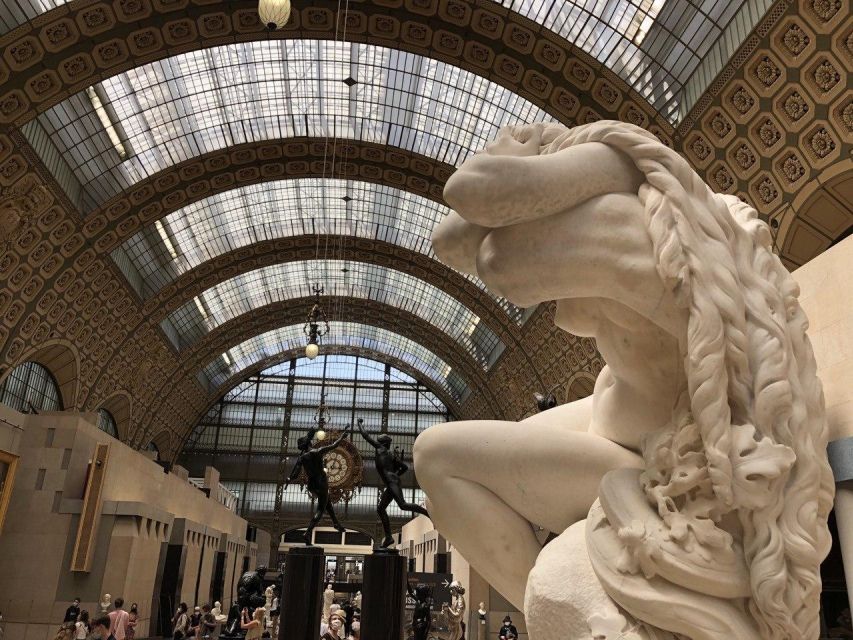
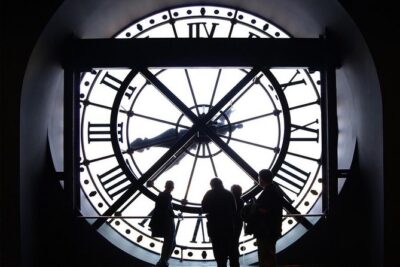
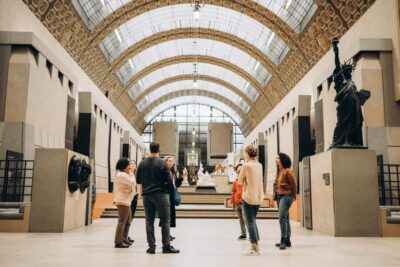
Musée d’Orsay is different from other big Paris museums because the architecture isn’t just a backdrop. The station—once the first railway terminal in Paris for electrical trains—was transformed into a museum in 1986, and the structure is treated like an exhibit. That matters, because it changes how you see the paintings.
As you tour, you’re not only looking at art. You’re looking at how a 19th-century city learned to house modern life. The museum brings together styles and design languages from the era—neoclassicism, neo-Gothic, romanticism, eclecticism, Arts & Crafts, and academic art—so you can watch how tastes evolved rather than treating everything as one blob called old master.
And you get a very practical kind of history lesson: this is the Paris where industry and technology started reshaping the streets. That’s why the guide’s explanations about urban form and the opera-area setting around Palais Garnier feel like they belong in the same conversation as Degas or Monet.
More hours with the Impressionists at the Orsay
- Paris: Orsay Museum Entry Ticket
★ 4.7 · 25,647 reviews - Paris: Orsay Museum Entry Ticket and Digital Audio Guide App
★ 4.4 · 3,170 reviews - Paris in a Day: Louvre or Orsay, Eiffel Tower, City Walk & Cruise
★ 5.0 · 1,956 reviews - Paris: Musée d’Orsay Skip-the-Line Tour with Expert Guide
★ 4.5 · 1,145 reviews
From electrified trains to art galleries: what to notice as you enter
Before you even reach the main galleries, get your bearings. The meeting point is under a statue of an elephant in front of the main entrance, where your guide holds a yellow sign reading My Super Tour. It’s a specific landmark, and using it saves time—especially because the Orsay area gets busy.
The tour also uses skip-the-line entry, which means you enter through a separate entrance instead of waiting with the general crowd. In a museum like Orsay, that early time advantage is real value. The faster you get inside, the sooner you can start connecting the building you’re standing in with the art you’re about to see.
Once you’re in, pay attention to how the guide frames the space. The station character helps explain why Orsay feels like it belongs to the 19th century, not like a modern building stuffed with old paintings. You’ll hear how the electrified terminal concept connects to the era’s obsession with engineering and new systems.
The 19th-century “menu”: what you’ll see across the galleries

This tour is built as an organized sweep through the 1800s—so you don’t just get a list of names. You get a sense of how different movements acted like competing answers to the same question: what should modern life look like on canvas?
Impressionists you’ll recognize right away
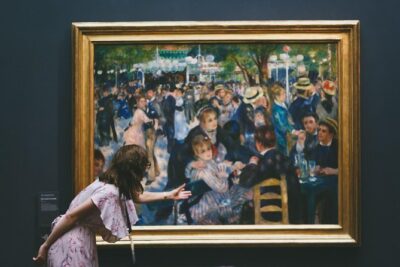
You’ll see major Impressionist painters like Monet, Manet, Renoir, and others. The guide’s job is to help you notice what Impressionism was trying to do beyond the surface look—how it handled light, everyday subjects, and the feeling of modern time.
A helpful way to watch: don’t hunt only for the most famous painting. Let your eyes move between Impressionist works and what comes next, because the tour is designed to show contrast. That contrast is often the fastest way to learn.
Cézanne and the push toward structure
You’ll also encounter still lifes by Cézanne. This is where the tour’s 19th-century logic clicks. Cézanne doesn’t abandon observation; he turns it into something more built, more designed. Seeing him in the same guided run as the Impressionists helps you understand the period wasn’t moving in a straight line.
Degas: ballet dancers as modern realism
Expect Degas and his ballet dancers. Degas gives you a view of movement and backstage life without turning it into pure romance. The guide can help you see how these scenes feel both ordinary and carefully composed—modern subjects treated with the seriousness of art.
Worth weighing up next to this Paris pick


Van Gogh and Gauguin: the tension you can feel
You’ll explore the concurrence between Van Gogh and Gauguin. That idea of them running alongside each other is powerful in a short tour, because it highlights how one period can contain very different styles at the same time. It’s a reminder that “19th century art” isn’t one look. It’s a set of arguments.
Rodin and sculpture that still hits today
The tour includes sculptures by Rodin. Sculpture at Orsay often lands differently than paintings. It’s also a good stop for you if you like texture, form, and the physical side of art. The guide’s framing helps you connect Rodin’s presence to the same era of bold choices in painting.
Realists, including Courbet’s Origin of the World
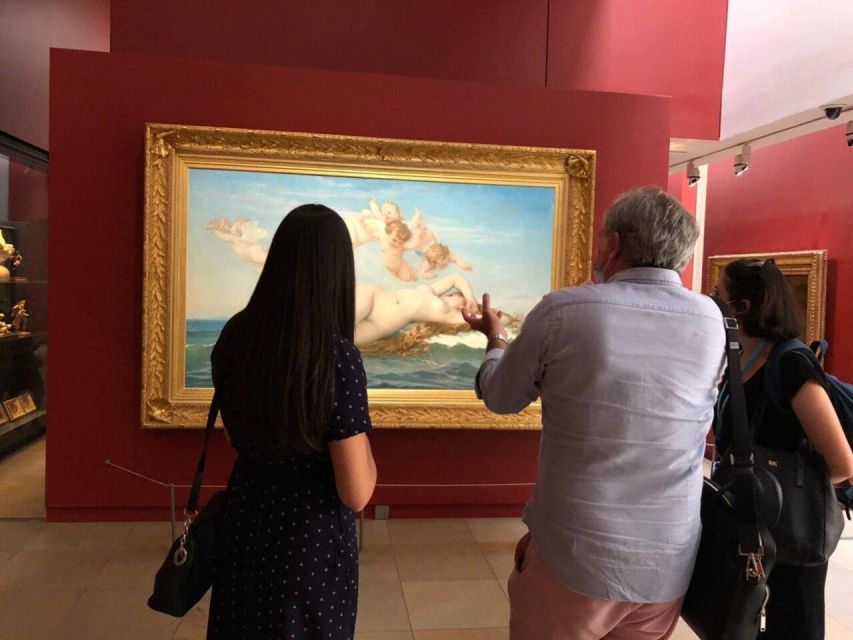
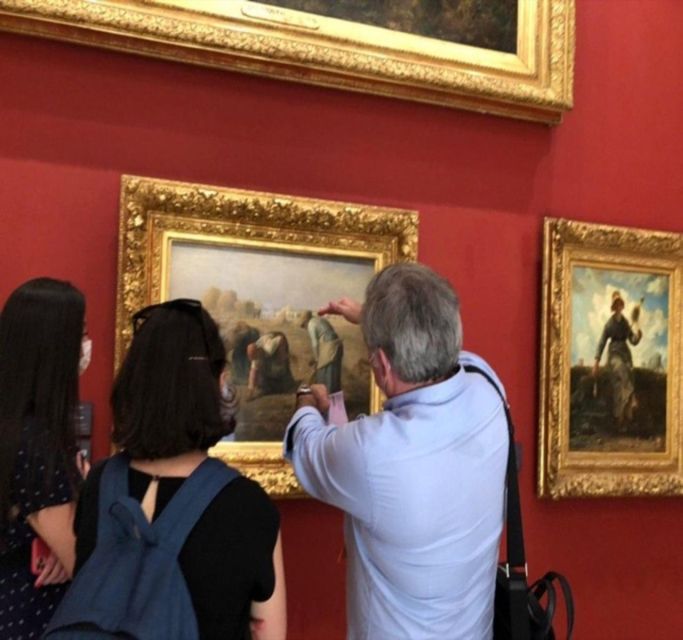
You’ll see realists like Millet and Courbet, including Courbet’s Origin of the World. This is the part of the tour that reminds you how provocative the 1800s could be, even when the museum experience feels calm. If you’ve heard the title before, this is where the guide makes it make sense in context.
Arts & Crafts and early modern style ideas
The tour also points to Arts & Crafts and the start of stylistic shifts. Even if you don’t think of design movements as your thing, this stop helps you connect painting to broader visual culture. The 19th century wasn’t only artists painting—it was makers shaping objects, spaces, and taste.
Early photography and film by the Lumière brothers
You’ll also learn about the beginnings of photography and movies made by the Lumière brothers. This is a big deal for how you understand the period. Technology changed what artists could depict and how audiences experienced images. A guided explanation helps you place that invention in the same timeline as what you’re looking at on the walls.
A Liberty Statue model idea and industrial thinking
The tour includes mention of early models related to the Liberty Statue concept. It’s an example of how industrial and technical development shows up even in art-adjacent stories. In other words: the 19th century didn’t only paint; it built ideas at full scale.
How skip-the-line entry changes your Orsay experience

At Orsay, crowds can steal your focus. Waiting outside a door is not the same as learning a museum’s flow. With skip-the-line access through a separate entrance, you get to start your tour sooner and keep your momentum.
That first stretch matters because the guide’s commentary is designed to build. You’ll hear how the building became a museum, and how the architecture fits the artistic story. Then the guide uses that framing to move you between paintings, sculpture, and design ideas without turning the tour into a chaotic sprint.
If you want to take photos, plan on doing it quickly and only when the guide pauses you. The tour is short, and the whole point is seeing more with attention, not treating the museum like a camera roll.
What the guide actually adds in a small group
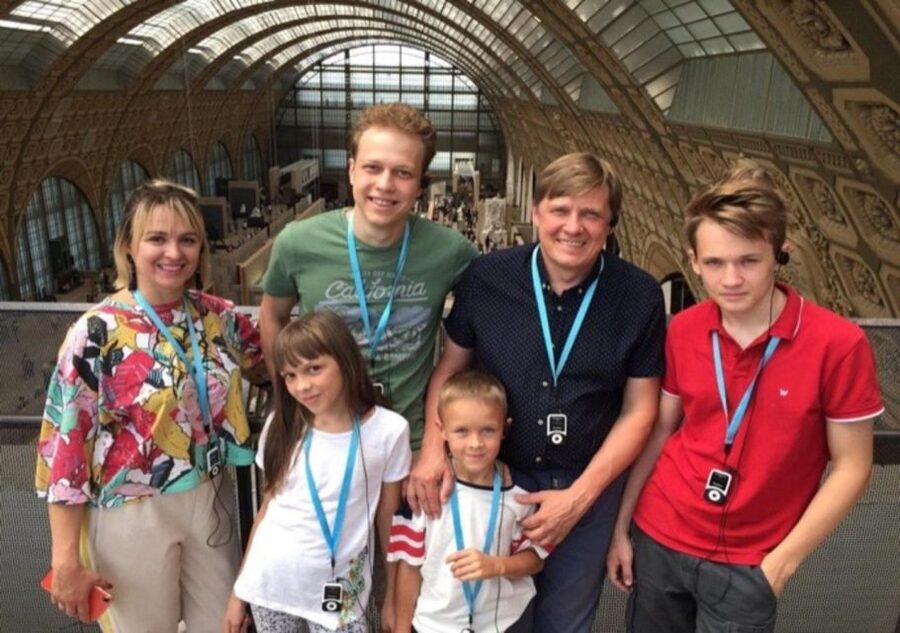
The tour runs with a professional licensed guide and a small group limited to 6. That size is the difference between feeling like you’re watching art and feeling like you’re participating in an explanation.
With a larger group, questions get swallowed. Here, you can usually ask for clarification when something doesn’t click. The guide also uses headsets, so hearing the commentary stays easier even when other people get close.
In past groups, guides like Sacha, Deli, and Maria have been singled out for energetic, compact explanations and clear English. You won’t control who you get, but it’s a good sign that the format supports strong guiding.
Also, 2 hours is an “overview sprint,” not an all-day museum marathon. The guide’s job is to pick the right route so you see representative works and the connective tissue between them. You’ll finish with a better sense of what you want to return to on your own.
Price and value: is $104 per person worth it?
At $104 per person for a 2-hour guided visit, you’re paying for four things bundled together: a guided interpretation, your entrance ticket, the skip-the-line advantage, and headsets so you can hear well.
If you’re the type who wanders through museums alone, you might feel tempted to save money and go self-guided. But in Orsay, the real value is interpretation plus time saved. Skip-the-line means you spend more of your Paris day inside looking, and the guide’s 19th-century framing helps you connect movements faster than reading labels.
You’re also getting a small group setup, which usually costs more than big coach-style tours. For a museum experience where you want quality guidance without standing in a crowd, this pricing can make sense.
Think of it like this: if your goal is a structured first pass through major artists and major themes, the guide does heavy lifting. If your goal is total freedom and hours of slow looking, you might prefer to pay only for entry and create your own route.
Practical notes that help you enjoy Orsay more
Start by planning your meeting spot carefully. Under the elephant statue at the main entrance is specific, but the front area can still be confusing if you arrive late. Give yourself enough time to find your guide and get into the group before you head inside.
The tour languages are English and Russian. If you need a different language, this specific option won’t match your needs.
You should also know this tour is not suitable for wheelchair users, so if mobility is a factor, ask about other museum-friendly alternatives.
On timing: because the tour is only 2 hours, you’ll cover a lot of ground. That’s great if you’re in Paris for a short stay. It’s less ideal if you want to sit with one painting for a long stretch. I recommend using the tour to learn the map, then coming back later if one artist grabs you.
Who should book this Orsay skip-the-line tour
Book it if:
- You want a guided overview of major 19th-century names in one visit
- You’re curious about how the station building and Paris architecture relate to the art
- You prefer a small group and can use headsets to hear the guide clearly
- You want a faster start thanks to skip-the-line entry
Skip it if:
- You need wheelchair-friendly access
- You’re looking for an unstructured, hour-by-hour self-guided museum day
Should you book this Musée d’Orsay tour?
If you like your museum visits guided and focused, I think you’ll get good value here. The combo is smart: skip-the-line saves time, and the guide’s route turns the 19th century into a story instead of a wall of paintings. The extra station-context details—electrical rail history, 19th-century styles, and even Lumière photography and film—make Orsay feel more connected than most museums do.
If you want one confident first Orsay experience that sets you up to explore further, this is a solid choice.
FAQ
How long is the Musée d’Orsay impressionists tour?
It lasts about 2 hours.
Where is the meeting point for the tour?
Meet under the statue of an elephant in front of the main entrance of Musée d’Orsay, and look for your guide with the yellow sign My Super Tour.
Does this tour include skip-the-line entry?
Yes. You’ll skip the waiting line through a separate entrance.
What’s included in the price?
Your tour includes a professional licensed guide, the entrance ticket, skip-the-line access, and headsets to hear the guide better.
What languages are available?
The live tour guide is available in English and Russian.
Is this experience wheelchair accessible?
No. It is not suitable for wheelchair users.
More Tickets in Paris
- Paris: Louvre Museum Timed-Entrance Ticket
★ 4.6 · 71,977 reviews - Disneyland® Paris 1-Day Ticket
★ 4.6 · 49,412 reviews - Paris: Versailles Palace and Gardens Full Access Ticket
★ 4.6 · 41,579 reviews - Paris: Arc de Triomphe Rooftop Tickets
★ 4.6 · 34,264 reviews - Paris: Orsay Museum Entry Ticket
★ 4.7 · 25,647 reviews
More Tour Reviews in Paris
- Paris: 1-Hour Seine Cruise departing from the Eiffel Tower
★ 4.4 · 77,472 reviews - Paris: Louvre Museum Timed-Entrance Ticket
★ 4.6 · 71,977 reviews - Disneyland® Paris 1-Day Ticket
★ 4.6 · 49,412 reviews - Paris: Versailles Palace and Gardens Full Access Ticket
★ 4.6 · 41,579 reviews - Paris: Arc de Triomphe Rooftop Tickets
★ 4.6 · 34,264 reviews
More at the Musee d'Orsay
- Paris: Orsay Museum Entry Ticket
★ 4.7 · 25,647 reviews - Paris: Orsay Museum Entry Ticket and Digital Audio Guide App
★ 4.4 · 3,170 reviews - Paris in a Day: Louvre or Orsay, Eiffel Tower, City Walk & Cruise
★ 5.0 · 1,956 reviews - Paris: Musée d’Orsay Skip-the-Line Tour with Expert Guide
★ 4.5 · 1,145 reviews - Musée d’Orsay Skip-the-Line Tour with Expert Guide
★ 4.8 · 1,088 reviews
Fresh off the review desk in Paris
- Secrets of Paris Bike Tour in English or Dutch★ 5.0 · 5 reviews
- Paris: Mont Saint-Michel Day Tour with Chinese Tour Guide★ 5.0 · 5 reviews
- Private Street Art 2-Hour Guided Tour in Paris★ 4.5 · 5 reviews
- Orsay Museum Tour: 2h Highlights (Private & Small Group)★ 5.0 · 5 reviews
- Discover Paris in electric golf carts★ 4.0 · 5 reviews
- Paris Private Boat Tour with your own Captain Guide★ 5.0 · 5 reviews
Orsay Museum Tours, compared.
 ★ 4.7Orsay Museum Entry TicketFrom $1525,647 reviews
 ★ 4.4Orsay Museum Entry Ticket and Digital Audio Guide AppFrom $313,170 reviews
 ★ 5.0Paris in a Day: Louvre or Orsay, Eiffel Tower, City Walk & CruiseFrom $1571,956 reviews
 ★ 4.5Musée d’Orsay Skip-the-Line Tour with Expert GuideFrom $671,145 reviews
 ★ 4.8Musée d’Orsay Skip-the-Line Tour with Expert GuideFrom $821,088 reviews
 ★ 5.0The Musée d’Orsay Guided Tour Orsay Museum Semi-Private 6ppl MaxFrom $144904 reviews
 ★ 5.0Louvre & Musée d’Orsay Guided Museum Tour Semi-Private 6ppl MaxFrom $288619 reviews
 ★ 4.7Musée d’Orsay Ticket and Guided TourFrom $69569 reviews
Browse the lists this tour appears in