
Reviewed · MONTMARTRE TOURS
Paris Gourmet: Food Tour in South Montmartre
South Montmartre is where Paris tastes like a story. This 3-hour food walk blends French food culture with neighborhood anecdotes, from cabaret-era streets to artisan shops. I especially like the small-group feel and the fact that you’re not just eating—you’re learning what you’re eating.
You’ll likely enjoy two standouts: a grand-cru chocolate start and a proper sit-down-style platter stop for cold cuts plus a glass of wine. The one caution is that tastings can vary by season and day of the week, so your exact menu won’t be identical to someone else’s.
In This Review
- Key points at a glance
- South Montmartre’s Food Tour: what you’re really buying
- Meeting point and what to wear (so the tour feels easy)
- The South Montmartre route: romance, cabaret, and food history
- Stop 1: grand-cru chocolates to set the tone
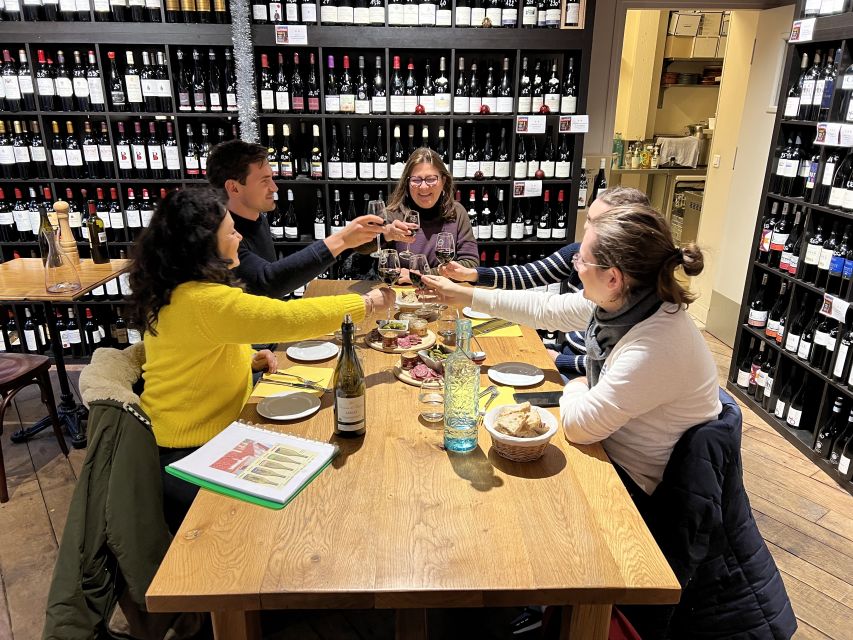
- Stop 2: a wine-store platter of cold cuts and a glass
- Stop 3: the 100-year cheese cellar tasting
- Wandering an 18th-century street with shopkeepers
- A quick Emily in Paris moment in real addresses
- Neighborhood flavor stops near iconic sights
- Who guides this, and why it matters
- What’s included (and what isn’t)
- Price and value: is $153 worth it?
- When to book and how to plan your day
- Should you book Paris Gourmet: Food Tour in South Montmartre?
- FAQ
- FAQ
- How long is the Paris Gourmet food tour?
- How much does the tour cost?
- What is the group size?
- Where do I meet the guide?
- What languages are the guides available in?
- What food and drinks are included?
- Can I bring my own food?
- What should I wear or bring?
- Do dietary requirements matter?
- Will the tastings be the same every day?
Key points at a glance
- Small group (up to 6) means more questions and less waiting around
- South Montmartre food history ties every bite to the neighborhood
- Multiple tastings: chocolates, wine-store platter, and a cheese cellar stop
- An artisan visit featuring a 100-year cheese monger tradition
- Emily in Paris walking moment with one of the show’s famous addresses
- Finish with a complimentary address book to keep eating after the tour
South Montmartre’s Food Tour: what you’re really buying
This tour is built for people who want Paris food without the guesswork. You’re paying for three things at once: great portions, a guide who can connect flavors to place, and a tight route around South Montmartre’s classic stops.
At $153 per person for 3 hours, the value comes from the included tastings and drinks, plus the fact it’s capped at 6 people. In this part of Paris, that small size matters: shops are compact, conversations happen fast, and you want your guide to actually get you talking—not just walking you past doors.
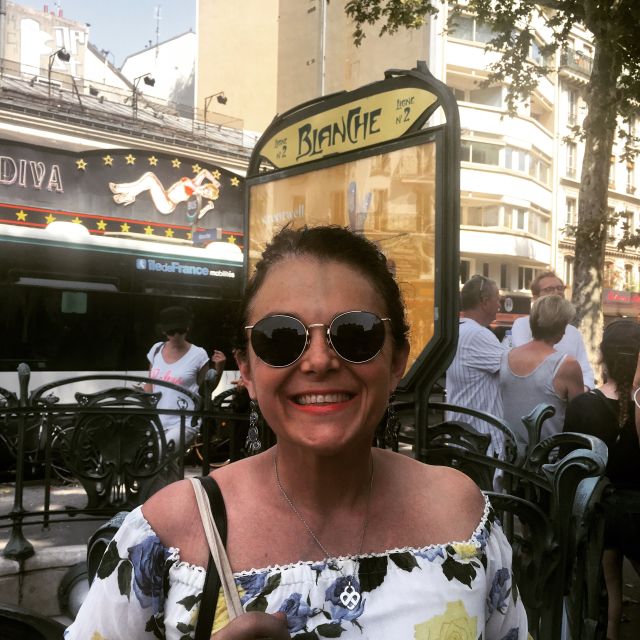
The starting point is practical too: meet at Metro Blanche (Line 2), near the Kiosque. Bring comfortable shoes, and plan to have a light breakfast or lunch first, since the schedule includes several tastings.
Keep climbing: more of the Montmartre hill
- Montmartre Hidden Gems and Scenic Highlights Walking Tour
★ 5.0 · 2,684 reviews - Montmartre Hill French Gourmet Food and Wine Tasting Walking Tour
★ 5.0 · 2,588 reviews - Paris: Montmartre Highlights Walking Tour with a Local Guide
★ 4.9 · 2,318 reviews - Paris: Montmartre Cheese, Wine & Pastry Guided Walking Tour
★ 4.8 · 2,255 reviews
Meeting point and what to wear (so the tour feels easy)
You’ll want to start the tour calm, not rushing. The meeting point—Blanche Line 2 near the Kiosque—is simple, but it helps to arrive a few minutes early so you can spot the group and settle.
Wear comfortable clothes and shoes. South Montmartre is all about walking on real streets, including older lanes, and the comfort factor is what keeps you focused on food instead of feet.
Also bring water. Even though the tour runs about 3 hours, you’re likely tasting multiple items and stopping a few times—water makes a noticeable difference for comfort.
The South Montmartre route: romance, cabaret, and food history
South Montmartre has a specific vibe. It’s the side of the neighborhood where you get cabarets, theaters, and a steady stream of artists’ stories—so the tour feels like a guided walk through why this area became a food-and-culture magnet.
Your guide uses food history as the story line, which changes the whole experience. Instead of generic “this is tasty” stops, you’ll connect the dots: why certain products became staples, how shop culture works here, and how neighborhood life shaped what ended up on menus.
As you move through the area near Moulin Rouge, Musée Gustave Moreau, Musée Grévin, Musée de la vie romantique, and Palais Garnier, the walk also functions as a low-effort sightseeing sampler. You get context without needing a separate museum day.
Stop 1: grand-cru chocolates to set the tone
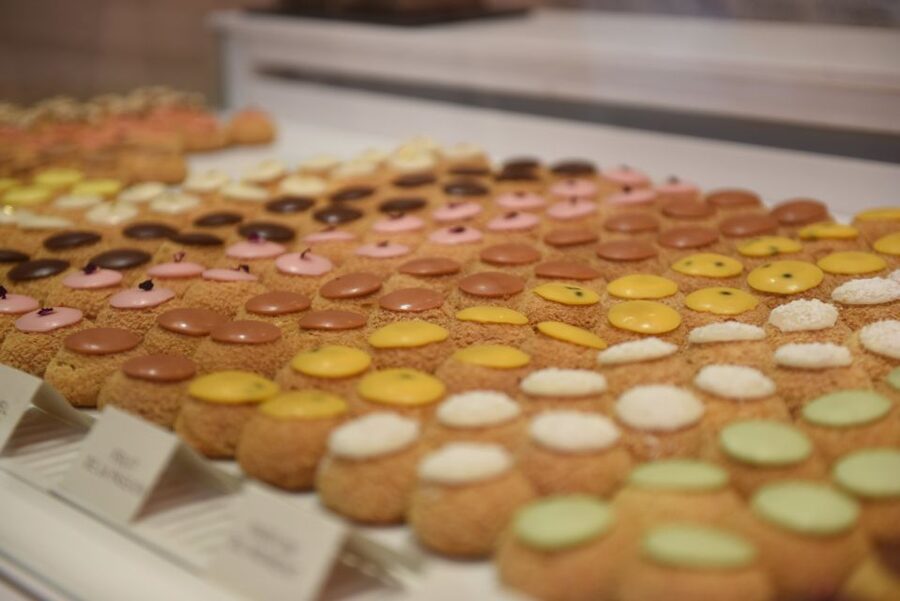
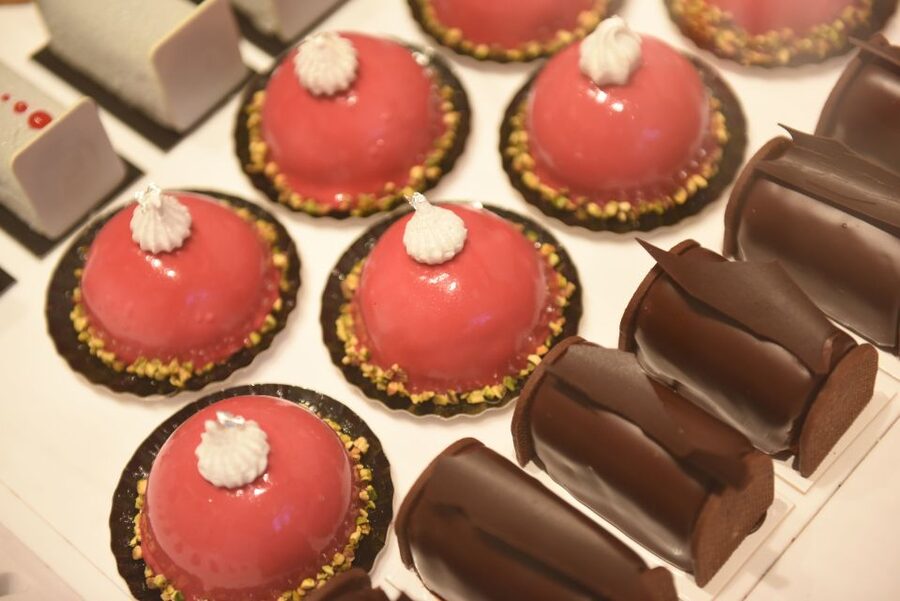
You start with grand-cru chocolate tasting, and that’s a smart move. Chocolate acts like a reset for your palate—it primes you for tasting sweetness, aroma, and texture before you get into savory foods.
This first stop also frames the rest of the walk. Your guide can talk about quality signals and how French chocolatiers think, which makes later tastings easier to notice and enjoy.
If you tend to be picky, chocolate is a forgiving first bite. You can learn quickly what you like in a low-stakes format, then your guide can steer you toward the flavors that match the day’s menu.
Stop 2: a wine-store platter of cold cuts and a glass
Next comes a charming wine-store moment, with a platter of cold cuts and a glass of wine. This stop isn’t just about alcohol and meat—it’s about how French food culture is built around pairings.
Cold cuts in France aren’t the random deli stuff you might expect. Even if you’re not a connoisseur, you’ll learn to notice how texture and seasoning work together, and why wine choice isn’t just preference—it’s strategy.
One practical reason I like this stop: it gives you a quick reset mid-tour. After chocolate, you shift to something salty and structured, and that helps keep you energized for the longer cheese-and-shop segment that follows.
Stop 3: the 100-year cheese cellar tasting
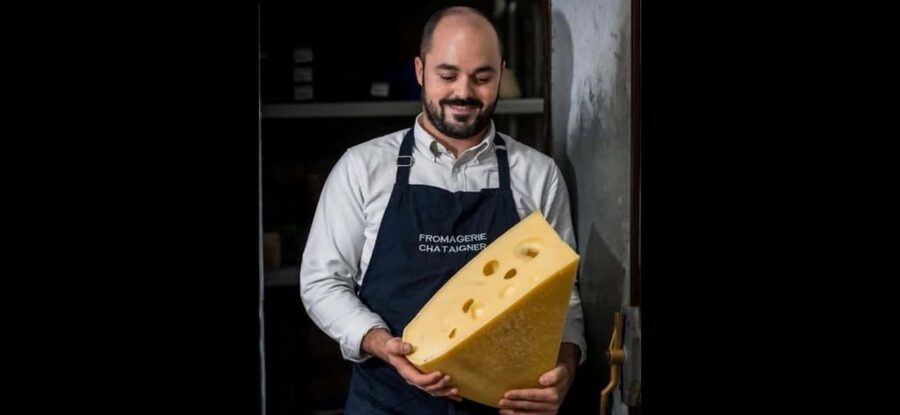
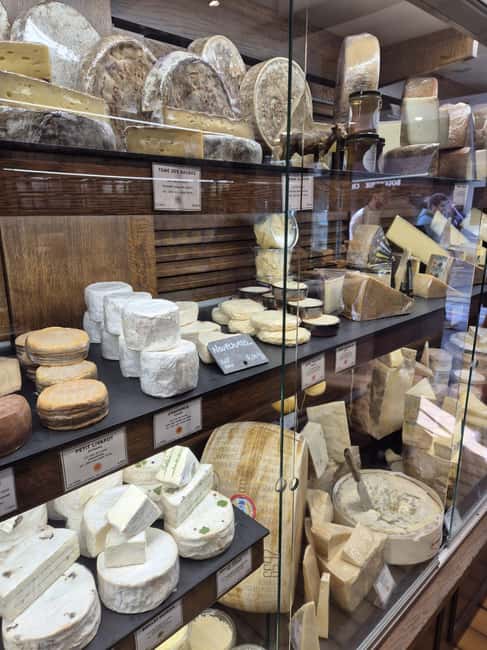
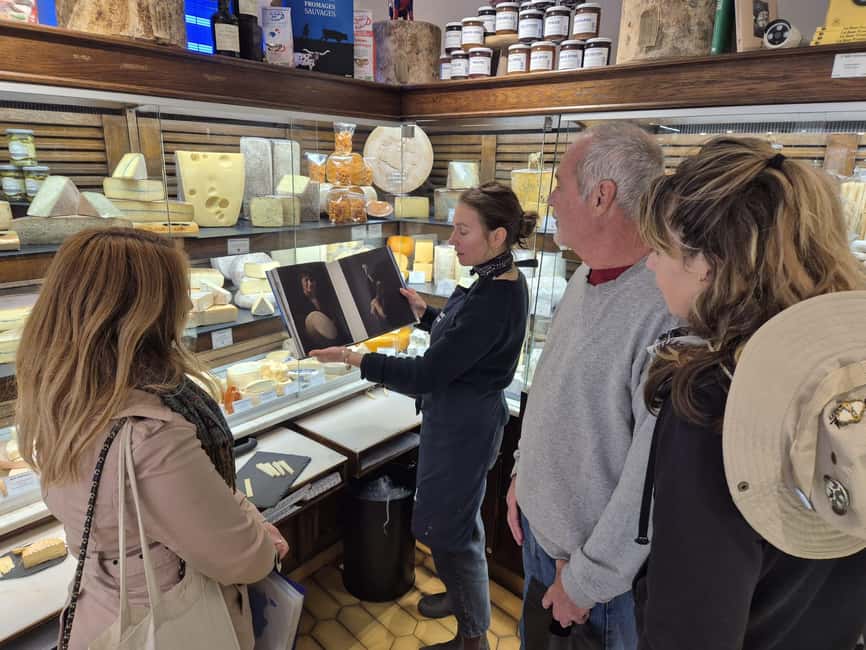
This is the centerpiece for many people. You’ll visit a traditional cheese place described as a 100-year cheese cellar, then do a cheese tasting that stays grounded in local craft.
Cheese tastings can go two ways: either you get a lecture, or you get guided learning. Here, the tour is designed for the second option—your guide ties the tasting to the neighborhood and explains what makes the products worth seeking.
Why this stop matters is simple: cheese is one of the best ways to understand French regional thinking. Even within a single city, the culture of selection—what’s aged, how it’s served, what pairs with what—comes through fast.
Still hungry? More Paris food walks
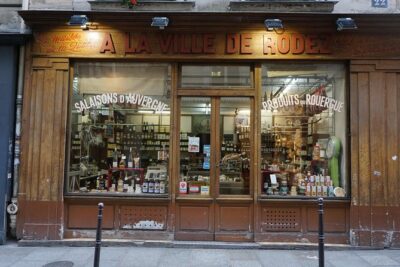
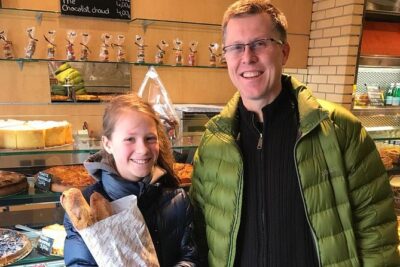
Wandering an 18th-century street with shopkeepers
After the cellar tasting, you move through an older-feeling street—an 18th-century lane—where the point shifts from formal tasting to local discovery.
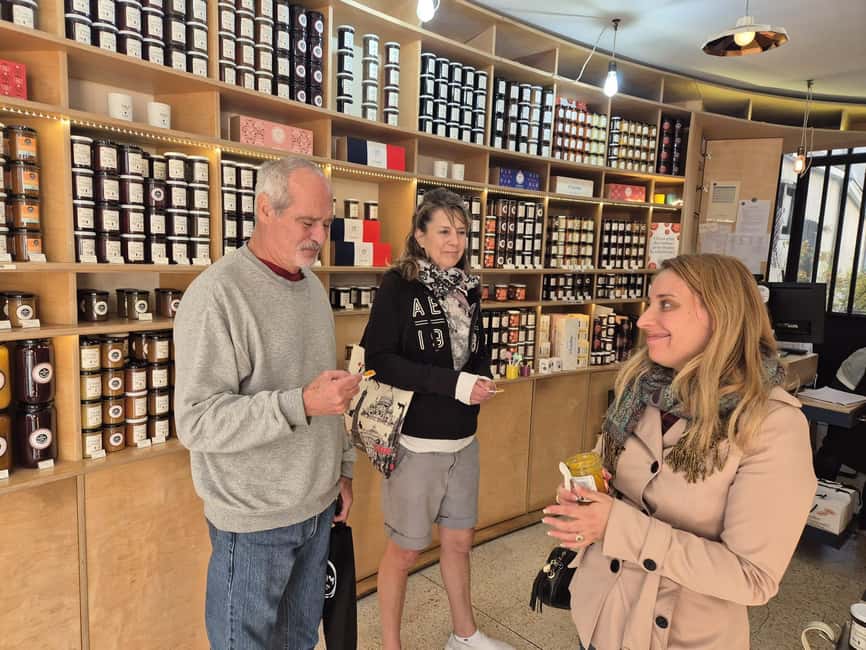
This is where you get to know the shopkeepers, and you’ll sample sweet and savory local products. That shop-to-shop feel is what makes the walk feel like you’re traveling with a person who actually knows the neighborhood, not just following a checklist.
If you like browsing as much as eating, this section is for you. You’ll see the rhythm of small counters, learn what people come in for, and pick up a few practical “what to buy next” ideas.
A quick Emily in Paris moment in real addresses
You’ll also walk past at least one famous Emily in Paris address. This is less about fandom and more about wayfinding: it helps you anchor where you are in the city and recognize spots you’ve seen on screen.
It’s a fun breakpoint in the middle of a food-focused route. You get to look up, orient yourself, and then go right back to the eating—with a little extra personality in the route.
Just keep your expectations grounded: this is one walking “pin,” not a full filming-tour takeover. But as a memory-and-location tool, it’s genuinely useful.
Neighborhood flavor stops near iconic sights
The tour’s best trick is how it layers eating onto sightseeing. While you’re tasting, you’re also passing key landmarks and cultural sites, including Moulin Rouge and the museum cluster around Musée Gustave Moreau and Musée Grévin.
That matters because it reduces decision fatigue. Instead of planning separate time blocks—museum, then food, then photos—you’re getting a structured walk that naturally covers a lot of ground.
If you’re doing Paris in a tight schedule, this is a strong “first-week” activity. It helps you learn the neighborhood’s food logic so later meals feel intentional.
Who guides this, and why it matters
This experience is led by a live guide in Spanish, English, or French. From the names you may hear on the day, Victor and Marcela are tied to standout guide feedback.
What you want in a food tour guide is not just facts—it’s storytelling that makes tastings make sense. The tour is built around anecdotes about artists and musicians who lived here, and those details make the food history land better.
In a small group, you’ll also likely get more personal pacing. That’s where the difference shows: the guide can adjust timing when a question pops up or when the group wants a slower look at the shops.
What’s included (and what isn’t)
Included:
- Local tour guide
- Food and beverages
- Small groups of up to 6 people
Not included:
- Food or beverages not ordered by your guide
That “not included” note is important for budgeting. It’s normal to want a snack later, but if you’re the type who adds extras mid-walk, prices can creep up.
Also, you’re told food is not allowed. So keep it simple: show up hungry enough for tastings, then let the tour handle the eating.
Price and value: is $153 worth it?
Let’s talk money in real terms. You’re paying for a 3-hour, small-group guided format that includes multiple tastings: chocolates, a wine-store platter with cold cuts, and a cheese tasting in a traditional setting.
If you were to try building that yourself, you’d run into two costs you can’t easily replace: time spent searching and the loss of guided context. A guide who explains food culture and neighborhood history makes the tastings feel connected rather than random bites.
The extra value booster is the complimentary book of addresses at the end. That turns a single tour into a strategy for the next meals—especially since the tour is recommended early in your stay so you can make use of those local picks while you’re still in the area.
When to book and how to plan your day
I’d book this near the beginning of your Paris trip if you want the address book to do its job. It’s most useful when you can immediately apply it to dinners and lunches in the same general zone.
This tour is also a good pick if you want an afternoon plan that doesn’t require museum tickets or long transit. It starts at Metro Blanche (Line 2) and stays focused around central South Montmartre sights.
One more planning tip: because tastings can vary by season and day, don’t treat it like a guarantee of specific items on a specific day. Instead, treat it like a guided approach to French food culture that adapts to what’s best when you go.
Should you book Paris Gourmet: Food Tour in South Montmartre?
Book it if:
- You want French food tastings with context, not just eating on autopilot
- You prefer a small group where conversation is realistic
- You like the South Montmartre vibe and want a walk that includes famous sights
- You’re into guided learning, especially around chocolate, wine, and cheese
Skip it or reconsider if:
- You’re strict about a specific tasting lineup and need everything to match a set menu
- You don’t like walking much and are uncomfortable with a multi-stop neighborhood route
If your goal is a smarter way to eat well in Paris—plus a souvenir you can actually use (the address book)—this is a strong choice. The tour’s format is made for people who want a memorable first taste of the city’s food culture without turning the day into research.
FAQ
FAQ
How long is the Paris Gourmet food tour?
The tour lasts 3 hours.
How much does the tour cost?
The price is $153 per person.
What is the group size?
It’s a small group limited to a maximum of 6 participants.
Where do I meet the guide?
Meet at Metro Blanche (Line 2), near the Kiosque.
What languages are the guides available in?
The live guide speaks Spanish, English, and French.
What food and drinks are included?
The tour includes food and beverages, including tastings like grand-cru chocolates, a platter of cold cuts with wine, and a cheese tasting.
Can I bring my own food?
No. Food is not allowed.
What should I wear or bring?
Wear comfortable shoes, and it’s recommended to bring water.
Do dietary requirements matter?
Yes. You should advise of any dietary requirements when booking.
Will the tastings be the same every day?
Not always. Tastings may vary depending on the season and the day of the week.
More Tour Reviews in Paris
- Paris: 1-Hour Seine Cruise departing from the Eiffel Tower
★ 4.4 · 77,472 reviews - Paris: Louvre Museum Timed-Entrance Ticket
★ 4.6 · 71,977 reviews - Disneyland® Paris 1-Day Ticket
★ 4.6 · 49,412 reviews - Paris: Versailles Palace and Gardens Full Access Ticket
★ 4.6 · 41,579 reviews - Paris: Arc de Triomphe Rooftop Tickets
★ 4.6 · 34,264 reviews
Eat Your Way Round Paris
- Authentic Parisian Gourmet Food Tour with 10 Local Dishes & Wines
★ 5.0 · 4,754 reviews - Montmartre Hill French Gourmet Food and Wine Tasting Walking Tour
★ 5.0 · 2,588 reviews - Paris: Montmartre Cheese, Wine & Pastry Guided Walking Tour
★ 4.8 · 2,255 reviews - Devour Paris Ultimate Food Tour
★ 5.0 · 2,087 reviews - Award-Winning Paris French Bakery Experience — Le Marais, 4th Arr
★ 4.5 · 1,186 reviews
More of the Montmartre Hill
- Montmartre Hidden Gems and Scenic Highlights Walking Tour
★ 5.0 · 2,684 reviews - Montmartre Hill French Gourmet Food and Wine Tasting Walking Tour
★ 5.0 · 2,588 reviews - Paris: Montmartre Highlights Walking Tour with a Local Guide
★ 4.9 · 2,318 reviews - Paris: Montmartre Cheese, Wine & Pastry Guided Walking Tour
★ 4.8 · 2,255 reviews - The Secrets of Montmartre Walking Tour
★ 4.8 · 1,258 reviews
Fresh off the review desk in Paris
- Secrets of Paris Bike Tour in English or Dutch★ 5.0 · 5 reviews
- Paris: Mont Saint-Michel Day Tour with Chinese Tour Guide★ 5.0 · 5 reviews
- Private Street Art 2-Hour Guided Tour in Paris★ 4.5 · 5 reviews
- Orsay Museum Tour: 2h Highlights (Private & Small Group)★ 5.0 · 5 reviews
- Discover Paris in electric golf carts★ 4.0 · 5 reviews
- Paris Private Boat Tour with your own Captain Guide★ 5.0 · 5 reviews
Montmartre Tours, compared.
 ★ 5.0Montmartre Hidden Gems and Scenic Highlights Walking TourFrom $382,684 reviews
 ★ 5.0Montmartre Hill French Gourmet Food and Wine Tasting Walking TourFrom $1452,588 reviews
 ★ 4.9Montmartre Highlights Walking Tour with a Local GuideFrom $232,318 reviews
 ★ 4.8Montmartre Cheese, Wine & Pastry Guided Walking TourFrom $1272,255 reviews
The Secrets of Montmartre Walking TourFrom $331,258 reviews
★ 4.8Montmartre Cheese, Wine & Pastry Guided Walking TourFrom $1272,255 reviews
The Secrets of Montmartre Walking TourFrom $331,258 reviews
 ★ 4.1Sacré-Coeur and Montmartre Tour with Expert GuideFrom $281,027 reviews
 ★ 5.0Private Montmartre Food Tour with Wine, Cheese & PastriesFrom $3021,027 reviews
 ★ 5.0Paris Montmartre Food Tour – A Full French Meal by Do Eat BetterFrom $95877 reviews
Browse the lists this tour appears in