
Reviewed · HISTORICAL TOURS
Paris: Jewish Heritage & Hidden Gems of Le Marais
Le Marais has layers you can walk. On this Jewish Heritage route, you’ll move through classic Paris landmarks and quieter courtyards while hearing how faith, resistance, and cultural renewal shaped the neighborhood. It’s the kind of tour where the street plan itself helps the story make sense.
I love the route design: it links baroque Saint-Paul-Saint-Louis, Place des Vosges, and Hôtel de Sully without wasting time. I also like that Rue des Rosiers is treated as living neighborhood life, not just a photo stop. One drawback: it’s a 2-hour walking experience on streets that are not ideal if you have mobility limits or use a wheelchair.
In This Review
- Key highlights you’ll feel right away
- Why Le Marais works for Jewish heritage stories
- Starting at Quai de Gesvres: get your bearings fast
- Saint-Paul-Saint-Louis: baroque architecture and a faith crossroads
- Le Village Saint-Paul: courtyards and artisan life
- Rue des Rosiers: kosher food, synagogues, and street-level history
- Place des Vosges and Hôtel de Sully: turning points in the view
- Hôtel Carnavalet area and Musée Carnavalet: Paris history on the street
- Les Archives and the walk to Hôtel de Ville
- Price and time: what $23 for 2 hours buys you
- What to expect from the walking experience
- Who should book this Le Marais heritage walk
- Should you book this tour or not?
- FAQ
- FAQ
- How long is the tour?
- How much does it cost?
- Where does the tour start?
- Where does the tour finish?
- Is the tour only outside, or are there monument entries?
- What major stops will we see?
- What languages are available?
- What should I bring?
- Is the tour suitable for wheelchair users?
- Can I cancel for a refund?
Key highlights you’ll feel right away
- A 2-hour walk that stays focused from Saint-Paul-Saint-Louis to Hôtel de Ville
- Rue des Rosiers as everyday heritage, with sights like kosher delis and historic synagogues
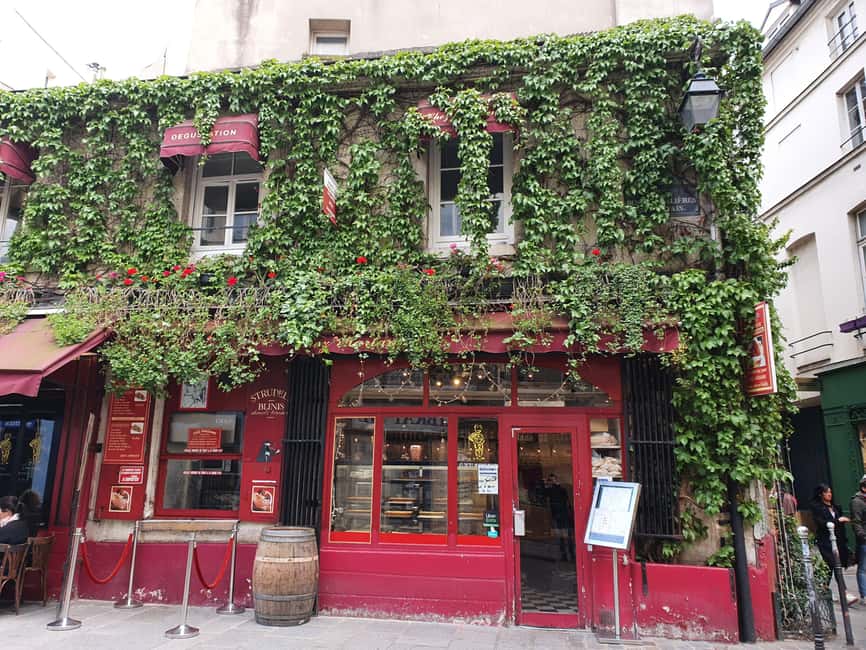
- Quiet courtyards at Village Saint-Paul, where Le Marais slows down
- Place des Vosges and Hôtel de Sully as elegant anchors for the bigger story
- Musée Carnavalet and Rue des Francs-Bourgeois area, for Paris history at street level
- Hôtel de Ville ending point tied to 1944 Liberation reflections
Why Le Marais works for Jewish heritage stories
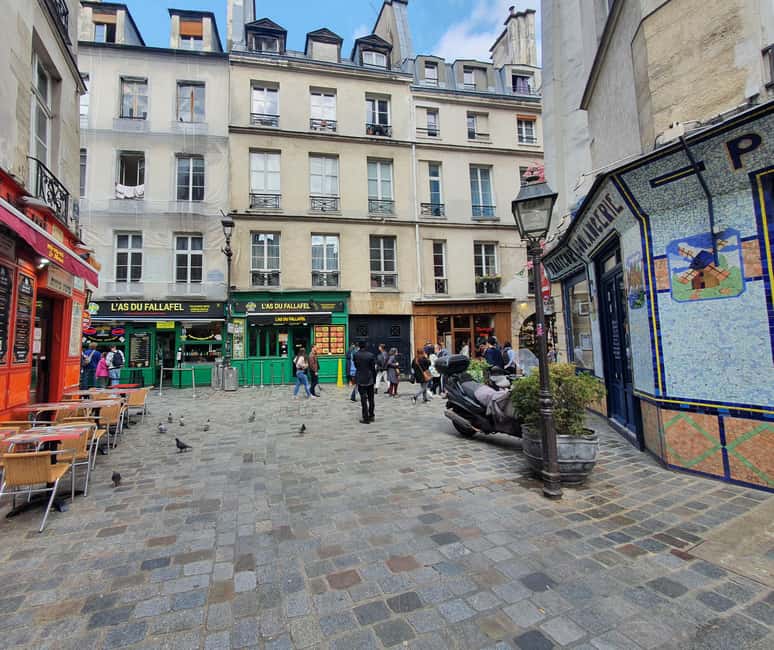
Le Marais is one of those Paris districts where you don’t need museums to start understanding the past. The neighborhood is built in layers—streets, courtyards, and grand squares—so the “big themes” you hear about land in the right place.
This tour treats the area like a living timeline. You begin at Saint-Paul-Saint-Louis, then you move through spaces that feel distinctly local: artisan shops, passages, and the streets around Rue des Rosiers. The effect is practical: you walk away remembering not just names, but how the neighborhood actually functions.
Just as important, the tour doesn’t reduce Jewish heritage to one moment. You hear about resilience, faith, and cultural rebirth, which helps you understand how a community’s story continues even when the buildings and street names change over time.
Worth weighing up next to this Paris pick
- Paris: Dark History and Ghostly Guided Walking Tour
★ 4.7 · 1,000 reviews - Le Marais/Paris – The Historic, Trendy, Jewish, LGBT district
★ 5.0 · 341 reviews - Paris City of Fashion History Private Guided Walking Tour
★ 5.0 · 221 reviews - History of Paris City Center w/ Notre Dame Semi-Private 12ppl Max
★ 5.0 · 194 reviews
Starting at Quai de Gesvres: get your bearings fast
You meet at 2 Quai de Gesvres, in front of Trattoria Marguerite, where your guide waits outside. This matters because it puts you in motion quickly, rather than drifting around while everyone finds the right entrance or stop.
From the start, the pacing is built for short, concentrated stops. You’re not trying to do everything in Paris. Instead, you’re learning how to read Le Marais: where people gather, where courtyards hide, and how the streets funnel you between “main” sights and quieter side spaces.
If you tend to wander, this is a nice fix. The walk gives you a route, so you can enjoy detours without losing the plot.
Saint-Paul-Saint-Louis: baroque architecture and a faith crossroads
The tour begins with Saint-Paul-Saint-Louis, described as a baroque masterpiece built under Louis XIII. Even if you only see the church from the outside, it sets the tone: this is a district where religion and public life meet.
What I like about starting here is that it gives you something solid to anchor the rest of the walk. Once you’ve seen how prominent the church is, you’ll better notice how courtyards and smaller streets later feel both sheltered and connected to the wider city.
Your guide shares how this district became a crossroads of faith and community. That framing helps you see what you’re walking toward—rather than treating each stop like a separate postcard.
Le Village Saint-Paul: courtyards and artisan life
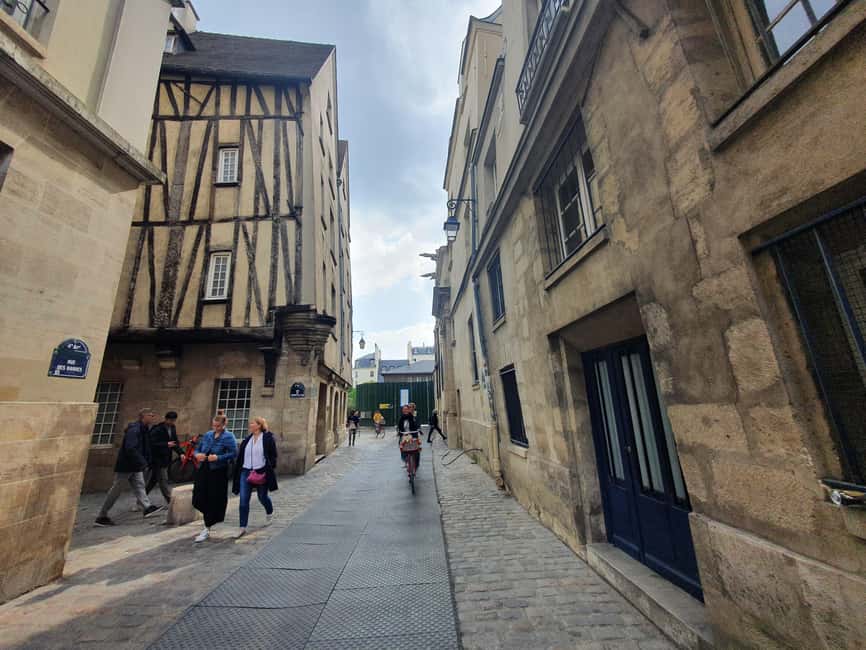
Next comes Village Saint-Paul, a peaceful set of courtyards and side lanes. This is the part of the tour where Le Marais stops feeling like a sightseeing track and starts feeling like a neighborhood you could actually get lost in.
The tour’s value here is subtle: you’re shown the hidden geometry of the area. Courtyards can look “small” from the street, but once you move through them, you understand why locals love this kind of space—quiet, walkable, and tucked just out of the main flow.
You’ll also see artisan shops, which keeps the tour grounded. Jewish heritage here isn’t presented as something frozen in the past; you’re walking through a district where everyday commerce still matters.
Rue des Rosiers: kosher food, synagogues, and street-level history

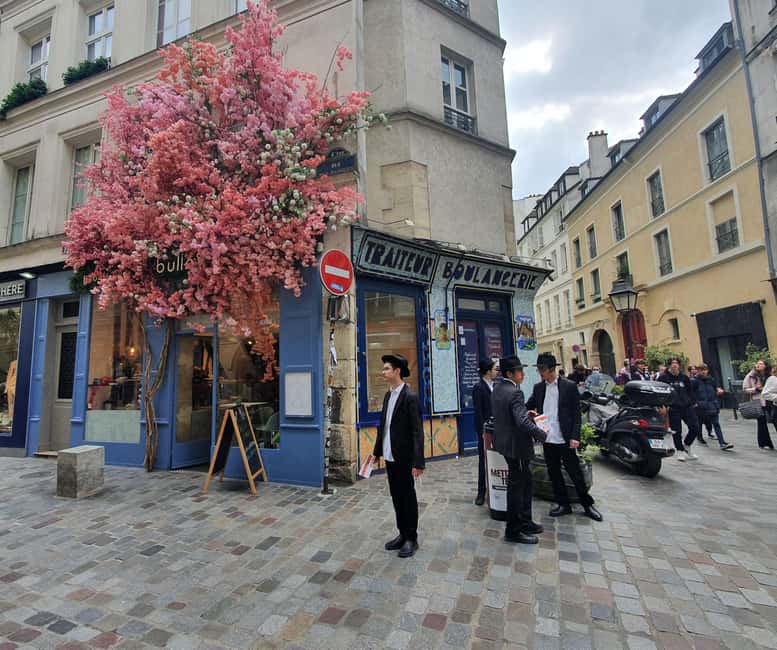
Then you reach the heart of the Jewish Quarter along Rue des Rosiers. This is the most direct “heritage in action” section of the walk: bakeries, kosher delis, and historic synagogues sit side by side with the daily rhythm of the street.
Your guide connects what you see to stories of resistance and revival. That’s the emotional core of the tour, and it’s why Rue des Rosiers lands so well. You’re not only looking at signs and storefronts—you’re learning how the neighborhood weathered pressure and still rebuilt community life.
One practical tip: go slowly here. The street can feel busy, but it’s also where the tour’s details make the biggest difference. If you’re moving at full speed, you’ll miss the small cues your guide uses to connect the story to the space.
Place des Vosges and Hôtel de Sully: turning points in the view
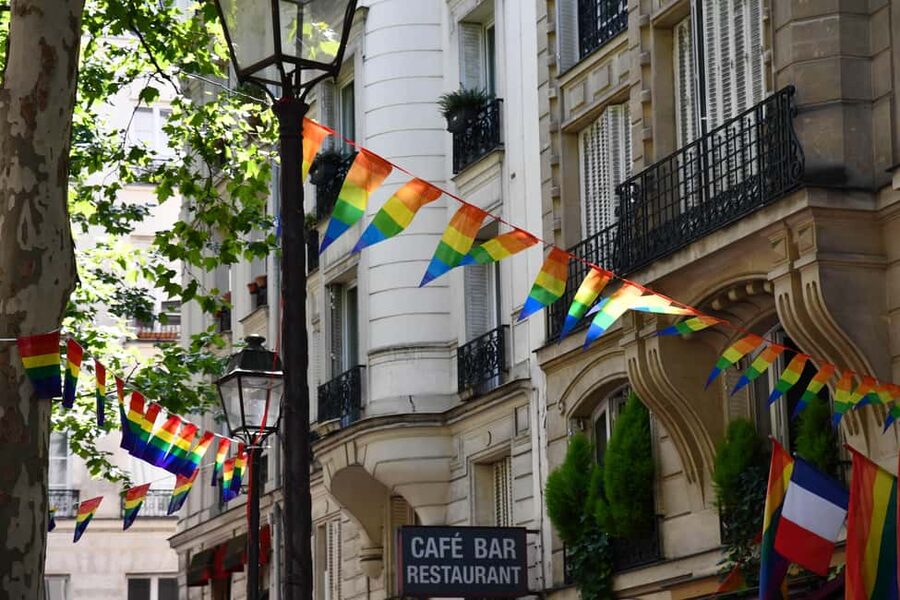
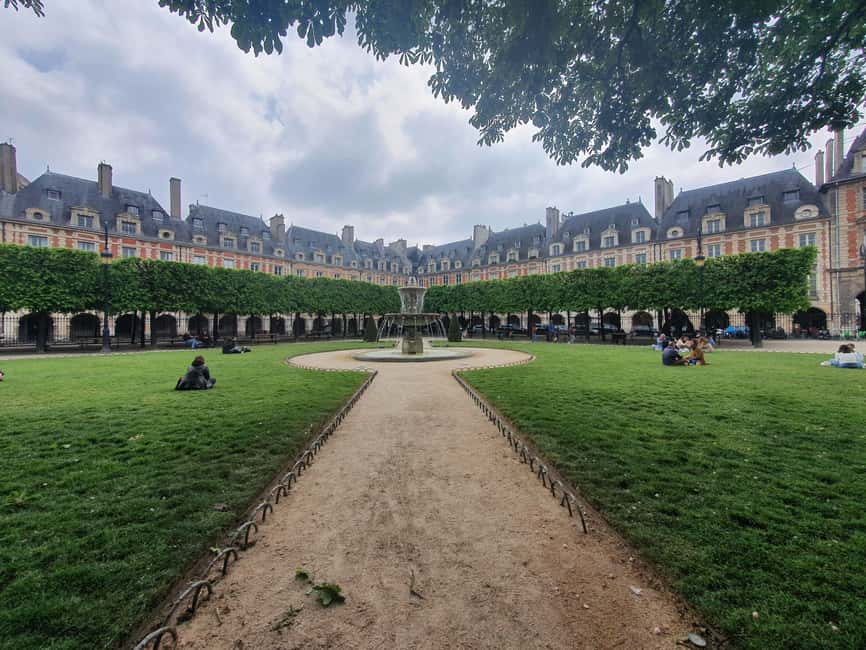
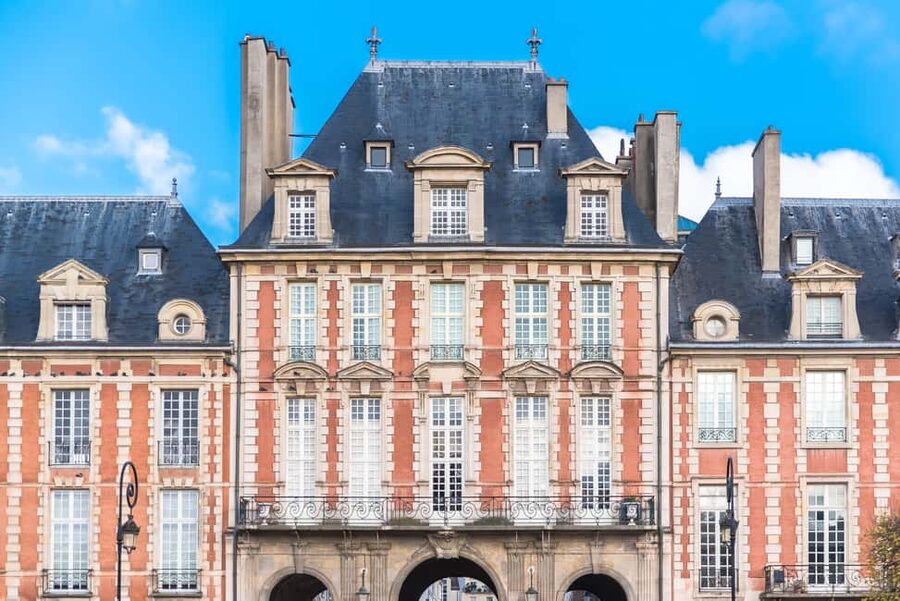
After Rue des Rosiers, the walk opens up at Place des Vosges, one of the oldest squares in Paris. This stop works like a palate cleanser. The square’s scale gives your brain room to register how the city evolved around different communities over time.
From there, you move to Hôtel de Sully, described as a jewel of 17th-century architecture. Even without entry, the exterior viewing helps you appreciate the craftsmanship and the sense of “official” Paris that sits near the more intimate streets.
I like how this pairing works. Place des Vosges tells you about grand civic space, while Hôtel de Sully adds the private side of power and taste. Together, they help you notice contrast: not every meaningful story lives in a small courtyard, and not every impressive building is the whole story.




Hôtel Carnavalet area and Musée Carnavalet: Paris history on the street
The route continues near Musée Carnavalet, the museum of Paris’s history, along Rue des Francs-Bourgeois. The tour keeps things exterior-only, but that doesn’t make the stop feel weak. You’re learning how to connect the streets you’re standing on with the broader story of the city.
Why this section is valuable is simple: it turns “I walked here” into “I understand why this area matters.” The museum’s presence gives the street a context. Even if you don’t go inside, you’ll have a clearer sense of what kind of narrative Paris tells here.
Also, Rue des Francs-Bourgeois is a good change of pace. It feels like you’re walking through a part of the city where old Paris isn’t hiding—it’s showing.
Les Archives and the walk to Hôtel de Ville
From Rue des Francs-Bourgeois, the tour moves toward Les Archives and then finishes at Hôtel de Ville. This is where the emotional arc sharpens again.
Your guide connects the ending point to the celebration of the Liberation of Paris in 1944. That detail makes the final stop feel heavier than a typical “photo and go” ending. It’s a strong place to pause and think about endurance and transformation—exactly the themes you heard earlier along the Jewish heritage route.
If you’re the type who likes to process while walking, this section is a good fit. The walk has already given you landmarks and stories, so by the time you reach Hôtel de Ville, you’re not trying to figure out what you just saw. You’re reflecting on what it meant.
Price and time: what $23 for 2 hours buys you
At $23 per person for a 2-hour walking tour, you’re paying mostly for two things: a qualified guide and a route that’s tight enough to be memorable. You also get a curated flow between major landmarks (Saint-Paul-Saint-Louis, Place des Vosges, Hôtel de Sully, Hôtel Carnavalet area, Hôtel de Ville) and neighborhood life (Village Saint-Paul, Rue des Rosiers).
This is good value if you’re short on time. If you had to assemble these stops yourself, you’d likely spend time figuring out where to start, how to connect the dots, and which streets actually matter for the story. Here, the guide handles that stitching for you.
It’s also good value if you like context. The tour isn’t just sightseeing—it’s about how communities lived, struggled, and rebuilt. That kind of meaning doesn’t happen automatically from street photos.
The only caveat is that you’re not buying monument entry tickets. You’re seeing exteriors, so if you’re hoping for inside access, this likely won’t be your best use of time.
What to expect from the walking experience
This tour is built for a steady pace on foot. You’ll be moving through multiple sections of Le Marais, including courtyards and streets around the Jewish Quarter.
The tour includes walking only, plus exterior viewing. Comfort is your friend here: wear comfortable shoes, and plan to keep your phone charged because the streets encourage photos.
If it rains, you might feel the streets underfoot more than usual, especially during courtyard-to-street transitions. And because the itinerary can be modified due to local conditions or access restrictions, you should stay flexible.
Finally, it’s not suitable for people with mobility impairments or wheelchair users, since the route is walking-heavy and not designed for that access level.
Who should book this Le Marais heritage walk
Book it if:
- you want a guided story connecting Jewish heritage to specific streets and buildings
- you like districts you can walk through, not just big-ticket sights
- you want a short outing that still covers multiple sides of Le Marais—from grand squares to Rue des Rosiers daily life
Skip it if:
- you strongly prefer monument entrances and indoor time
- you need a tour with minimal walking or wheelchair access
- you’re looking for a full-day itinerary
Also, the guide experience matters here. One person’s experience highlighted a guide who was friendly and highly capable, coming from Argentina and bringing a mix of culture and history that made the walk feel both informative and human.
Should you book this tour or not?
If you’re in Paris for a short stay and you want Le Marais to mean something—not just look good—this is a smart choice. For 2 hours and $23, you get a focused route that pairs architecture with the human stories tied to the Jewish Quarter and the city’s later transformation.
I’d book it if you enjoy walking, appreciate exterior views, and want your guide to connect the dots between places like Saint-Paul-Saint-Louis, Rue des Rosiers, Place des Vosges, and Hôtel de Ville. If indoor access is a must for you, then you’ll likely feel limited by the exterior-only format.
FAQ
FAQ
How long is the tour?
The tour lasts 2 hours.
How much does it cost?
It’s listed at $23 per person.
Where does the tour start?
You meet at 2 Quai de Gesvres, in front of Trattoria Marguerite, outside.
Where does the tour finish?
The tour finishes at Hôtel de Ville.
Is the tour only outside, or are there monument entries?
Entry to monuments is not included. It’s exterior visit only.
What major stops will we see?
You’ll pass through Saint-Paul-Saint-Louis Church, Village Saint-Paul, Rue des Rosiers, Place des Vosges, Hôtel de Sully, the Hôtel Carnavalet / Musée Carnavalet area, Les Archives, Rue des Francs-Bourgeois, and end at Hôtel de Ville.
What languages are available?
The live guide is offered in English, French, Italian, Russian, and Spanish.
What should I bring?
Bring comfortable shoes.
Is the tour suitable for wheelchair users?
No. It is not suitable for people with mobility impairments or wheelchair users.
Can I cancel for a refund?
Yes. Free cancellation is available up to 24 hours in advance for a full refund.
More Historical Tours in Paris
- Paris: Dark History and Ghostly Guided Walking Tour
★ 4.7 · 1,000 reviews - Le Marais/Paris – The Historic, Trendy, Jewish, LGBT district
★ 5.0 · 341 reviews - Paris City of Fashion History Private Guided Walking Tour
★ 5.0 · 221 reviews - History of Paris City Center w/ Notre Dame Semi-Private 12ppl Max
★ 5.0 · 194 reviews - Paris: Le Marais & Montmartre Jewish History Walking Tour
★ 4.8 · 170 reviews
More Tour Reviews in Paris
- Paris: 1-Hour Seine Cruise departing from the Eiffel Tower
★ 4.4 · 77,472 reviews - Paris: Louvre Museum Timed-Entrance Ticket
★ 4.6 · 71,977 reviews - Disneyland® Paris 1-Day Ticket
★ 4.6 · 49,412 reviews - Paris: Versailles Palace and Gardens Full Access Ticket
★ 4.6 · 41,579 reviews - Paris: Arc de Triomphe Rooftop Tickets
★ 4.6 · 34,264 reviews
Fresh off the review desk in Paris
- Secrets of Paris Bike Tour in English or Dutch★ 5.0 · 5 reviews
- Paris: Mont Saint-Michel Day Tour with Chinese Tour Guide★ 5.0 · 5 reviews
- Private Street Art 2-Hour Guided Tour in Paris★ 4.5 · 5 reviews
- Orsay Museum Tour: 2h Highlights (Private & Small Group)★ 5.0 · 5 reviews
- Discover Paris in electric golf carts★ 4.0 · 5 reviews
- Paris Private Boat Tour with your own Captain Guide★ 5.0 · 5 reviews
Historical Tours, compared.
 ★ 4.7Dark History and Ghostly Guided Walking TourFrom $351,000 reviews
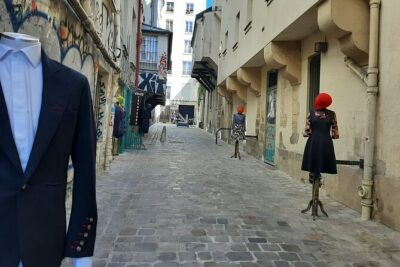 ★ 5.0Le Marais/Paris – The Historic, Trendy, Jewish, LGBT districtFrom $48341 reviews
 ★ 5.0Paris City of Fashion History Private Guided Walking TourFrom $107221 reviews
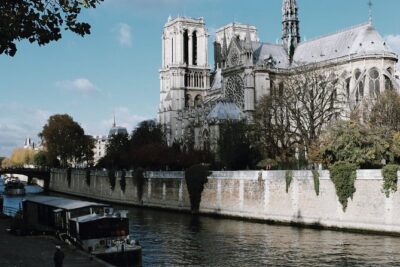 ★ 5.0History of Paris City Center w/ Notre Dame Semi-Private 12ppl MaxFrom $59194 reviews
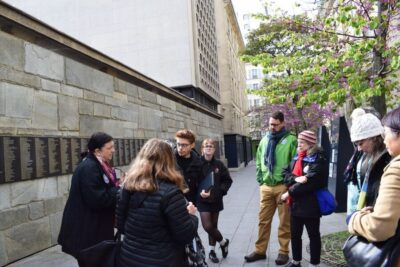 ★ 4.8Le Marais & Montmartre Jewish History Walking TourFrom $80170 reviews
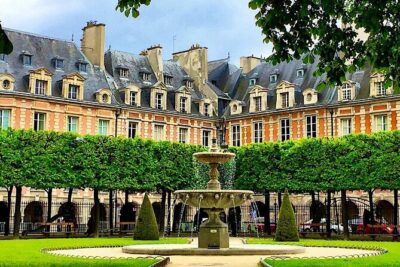 ★ 5.0Paris Walking Tour , Historical Sites .From $96150 reviews
 ★ 5.0Paris – Historic City Center Walking TourFrom $156134 reviews
 ★ 4.6Explore the Marais: History, Art & Local CultureFrom $49105 reviews
Browse the lists this tour appears in