
Reviewed · MONTMARTRE TOURS
Paris: Musée de Montmartre and Gardens Entry Ticket
Montmartre’s art story fits in one house. This ticket lets you walk into the Bel Air House and trace how the neighborhood became Paris’s creative engine. I especially like that you can skip the ticket line and head straight in, so your time goes to art and atmosphere instead of waiting.
Inside, you’ll follow a 90-minute audio guide that connects the Montmartre scene to real places and named performers, from cabarets to artist studios. It’s also a smart choice if you want something calmer than the usual Sacré-Cœur rush.
One consideration: you’ll want a time buffer, because the last entry is 45 minutes before closing, and the Café Renoir can sometimes be out of reach for private events.
In This Review
- Key reasons this ticket works
- Bel Air House: step into Montmartre’s oldest corner
- Skip the line, then follow a 90-minute audio guide
- Cabaret, theater, and studios: how Montmartre got its reputation
- Renoir Gardens and the Montmartre vineyard: a calm payoff
- Café Renoir: take a quiet break, but check opening in real time
- Temporary exhibitions and art details worth pacing for
- Timing your day: when to start and how long to stay
- Wheelchair access and who this museum day suits
- Price and value: is about $16 worth it?
- Should you book this Musée de Montmartre ticket?
Key reasons this ticket works
- Bel Air House setting: the museum is housed in an old Montmartre building dating to the seventeenth century
- Audio guide that stitches the whole area together: 90 minutes, with optional extra time on your own
- Montmartre in named scenes: Chat Noir, Théâtre d’Ombres (Henri Rivière and Henry Somm), and Moulin Rouge performers
- Renoir Gardens + Montmartre vineyard: proper greenery time, not just indoor galleries
- Access to the Renoir private garden: a bonus area beyond the main garden spaces
Bel Air House: step into Montmartre’s oldest corner
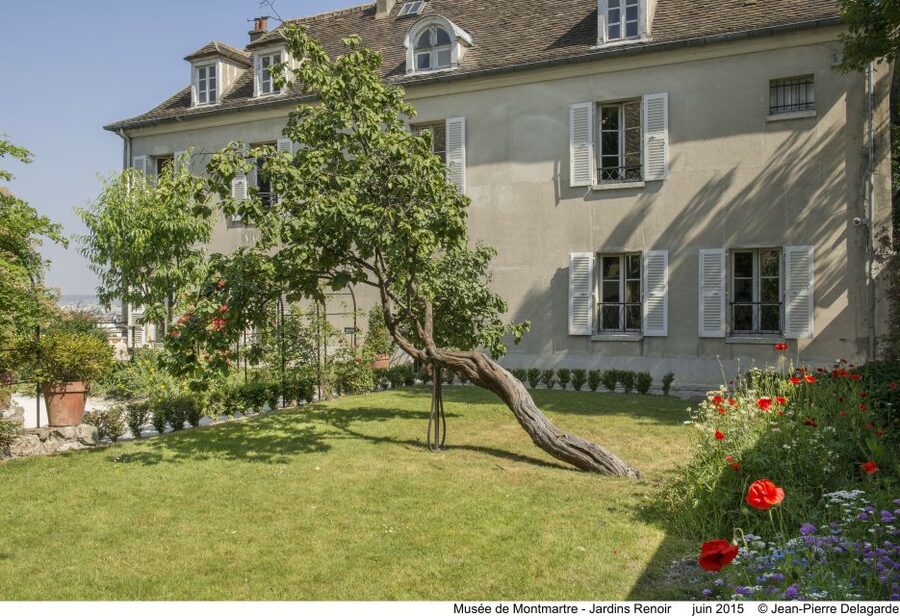
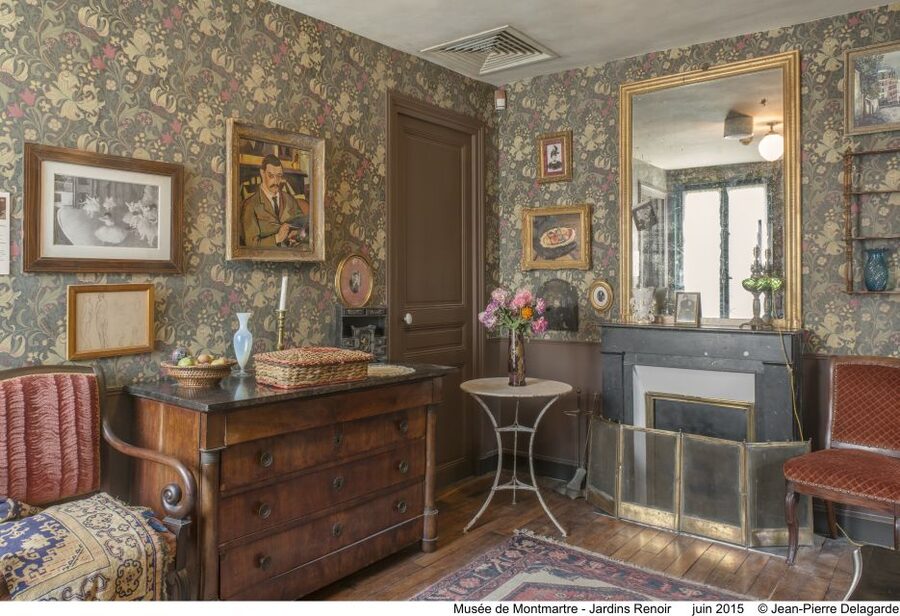
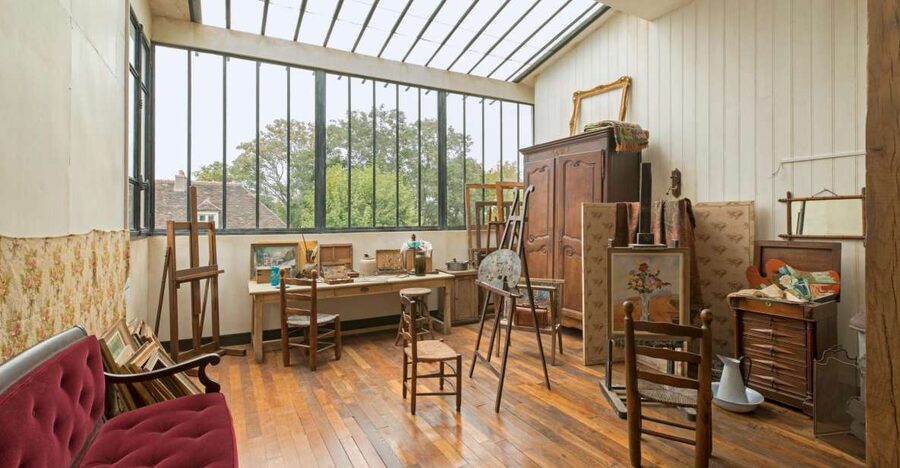
Your visit starts right at the museum entrance, where you show your voucher and go in. The big win here is the setting: the Musée de Montmartre is in the Bel Air House, described as the oldest building in Montmartre and a seventeenth-century structure. That matters more than it sounds. When a museum is in the original architecture of the place you’re learning about, you feel the story instead of only reading it.
If you like “site-based” history, you’ll appreciate how the museum frames Montmartre as a working, lived-in neighborhood. You’re not just looking at paintings pinned to walls. You’re walking through an environment that connects the artists, the cafés, and the cultural buzz to actual rooms and corridors.
This is also a good place to reset your expectations about Montmartre. The hill can feel busy up top, but the museum grounds and garden areas bring the pace down. That contrast is a big part of why people rate it highly.
Keep climbing: more of the Montmartre hill
- Montmartre Hidden Gems and Scenic Highlights Walking Tour
★ 5.0 · 2,684 reviews - Montmartre Hill French Gourmet Food and Wine Tasting Walking Tour
★ 5.0 · 2,588 reviews - Paris: Montmartre Highlights Walking Tour with a Local Guide
★ 4.9 · 2,318 reviews - Paris: Montmartre Cheese, Wine & Pastry Guided Walking Tour
★ 4.8 · 2,255 reviews
Skip the line, then follow a 90-minute audio guide
The ticket includes an audioguide, and the guided portion is set at 90 minutes. You can treat that as your “spine” for the visit, then wander after. Since there’s no live guide included, the audioguide is the main way you’ll get context and names tied to what you’re seeing.
Here’s the kind of story you’ll hear: how Montmartre’s 19th-century art world took off, and how Paris’s reach expanded. The audio tour covers the period when Montmartre was annexed to the city of Paris. After that, the city’s pull gets described like it changes the neighborhood’s pace and identity, pushing what had been countryside closer to the Paris rhythm.
You’ll also hear how artists started moving in around 1870. Then in the 1880s, cafés and cabarets multiplied, and Montmartre developed that effervescent bohemian energy people still associate with the district.
Practical tip: treat the 90 minutes as a minimum for your first visit. If you want to read details on paintings or pause in the garden for photos, plan extra time so you don’t feel rushed halfway through.
Cabaret, theater, and studios: how Montmartre got its reputation
One of my favorite ways to use this museum ticket is as a map for the wider Montmartre story. The audioguide isn’t just biographical trivia; it explains how entertainment and art overlapped in the neighborhood.
A key named thread is the Chat Noir cabaret, which hosted performances of Théâtre d’Ombres, a shadow theatre created in 1866 by Henri Rivière and Henry Somm. If you’ve ever wondered how theater techniques and visual art shared the same space in 19th-century Paris, this is the museum angle that answers that question.
The tour also connects the scene to music, circus, and dance. You’ll hear about performers like Aristide Bruant and Yvette Guilbert, and you’ll get the broader Montmartre-to-Paris link through Moulin Rouge dancers such as La Goulue, La Môme Fromage, and Grille d’Egouts.
And yes, the museum ties this back to artists who documented the performances. Toulouse-Lautrec is highlighted as one of the more regular presences in representing these shows.
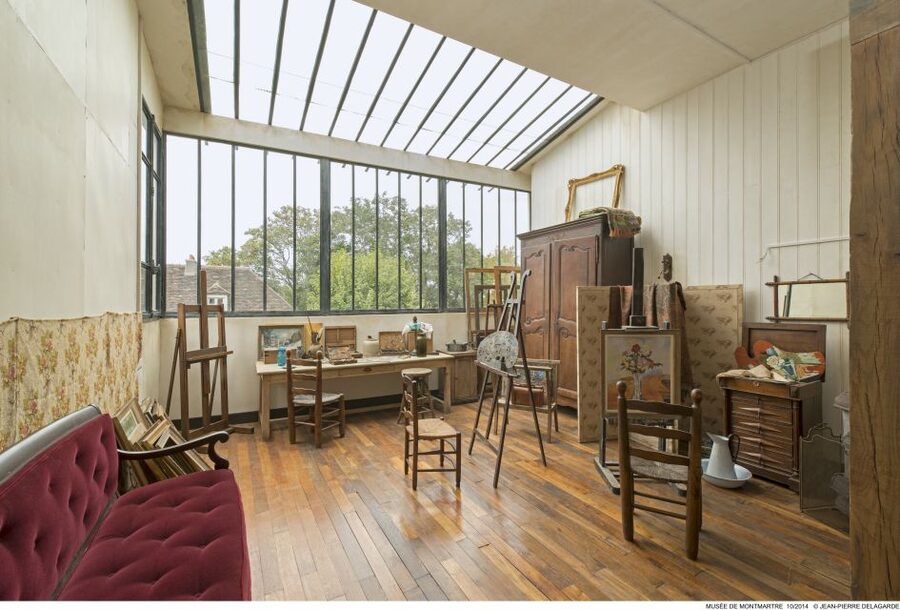
Then there’s the artist-studio element. A standout for context is the mention of 12 Cortot, where you’re told you can witness the passage of multiple artists and that many lovingly painted their residences. Even if your main goal is gardens, that studio angle helps you understand why Montmartre’s creative energy wasn’t only about nightlife. It was about daily work, collaboration, and the pull of place.
Renoir Gardens and the Montmartre vineyard: a calm payoff
The gardens are where this ticket turns from educational to restorative. Access is included, and you also get entry to the Renoir private garden. The garden experience is also one reason people recommend this stop as a break from crowds.
You’ll see luxuriant flora in the Renoir Gardens, plus the Montmartre vineyard. Even if you’re not a “garden person,” this part works because it gives you something to do with your eyes after time indoors. You’re not just staring at information panels; you’re moving slowly through a setting that feels connected to the neighborhood’s artistic identity.
Season note: reviews mention that the gardens feel beautiful even in rainy or wintery conditions. The practical takeaway is simple: don’t skip the garden because you think the weather will ruin it. If you show up prepared (comfortable shoes and a layer), you’ll still enjoy the mood.
Want to make it count? Time your garden walk as part of your own loop. Many people do audio first, then gardens, then coffee. That order keeps the story fresh while you’re still thinking about why Montmartre attracted artists in the first place.
Café Renoir: take a quiet break, but check opening in real time
The ticket includes access to the coffee shop area, and the museum lists Café Renoir hours as 11:00 AM to 6:00 PM. Reviews also mention it as an oasis for a relaxed bite before or after the museum rooms.
One caution, though: in at least one case, the café was closed due to a private event. That doesn’t mean it’s usually closed, but it does mean you shouldn’t plan your entire day around a guaranteed lunch there.
If you come expecting a calm pause rather than a carefully planned meal, you’ll likely enjoy it more. Think of it as a recharge spot. Even when you keep your expectations modest, a small café break in the garden area can make the museum feel like less of a “must-do” and more of a comfortable afternoon.
Temporary exhibitions and art details worth pacing for
Besides the permanent collection, the museum includes temporary exhibitions. That’s useful because it means your visit can feel slightly different each time you return, and it can reward you for staying longer than the minimum audio time.
One name that came up in the feedback you provided is Maximilian Luce, and at least one temporary exhibition impressed visitors enough to call it out specifically. If you see his work on display while you’re there, treat it as a strong reason to pause longer than usual in those rooms.
Also pay attention to how the exhibits are organized. Some spaces are easy to miss, and one reviewer noted signage and layout can require extra attention. Translation: don’t speed through. If you notice you’ve passed something without reading the panel, slow down and circle back. That kind of small adjustment can change your whole experience.
Worth weighing up next to this Paris pick

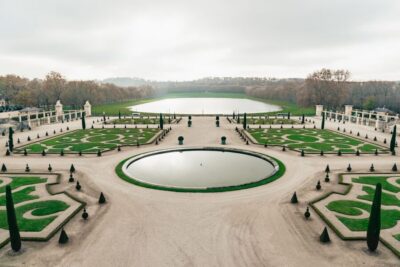


Timing your day: when to start and how long to stay
This museum is open from 10:00 AM to 7:00 PM, and the last entry is 45 minutes before closing. So while you can technically stroll whenever you want, your best experience usually comes when you arrive earlier and let the audioguide set the pace.
Plan for:
- The 90-minute audioguide as your core time
- Extra time for temporary exhibitions
- Garden time (and possibly a coffee stop)
A very practical approach: aim to start your audio early in the day. That gives you time to finish comfortably and then wander in the gardens without looking at the clock every ten minutes. If you start late, you can still enjoy it, but you’ll have less room for the kind of unhurried museum browsing that people seem to love here.
Wheelchair access and who this museum day suits
The museum is listed as wheelchair accessible, and since it’s a museum ticket with garden entry, the layout is clearly designed to support most visitors. Still, like any hillside area, allow a bit of buffer for moving between indoor and garden zones.
Who it fits best:
- Art and history lovers who like places as well as objects
- People who want Montmartre context without committing to an all-day walking marathon
- Travelers who prefer quieter stops with meaningful atmosphere
If you’re on a tight schedule, you can treat this as a focused Montmartre anchor. If you’re traveling at a relaxed pace, you can turn it into a half-day or more, especially because the audio guide doesn’t stop you from exploring after it ends.
Price and value: is about $16 worth it?
At about $16 per person, this ticket feels like a strong value when you look at what’s included. You get:
- Entrance to permanent and temporary exhibitions
- Gardens access plus the Renoir private garden
- The audioguide
- Skip-the-line entry
- Access to the coffee shop
That combination matters. A lot of museum tickets include only indoor rooms. Here, you also get a garden payoff, and that changes how you experience the ticket. Plus, skip-the-line entry is a real quality-of-life benefit in a busy city.
So the value question isn’t just price. It’s the mix of indoor story + outdoor calm. If that’s your style, $16 is easy to justify.
Should you book this Musée de Montmartre ticket?
I’d book it if you want a Montmartre experience that’s more thoughtful than hectic. The Bel Air House setting plus the audio-guided story gives you a coherent way to understand why Montmartre became famous for performance, artists, and all that creative cross-pollination.
Skip it only if you’re the type who needs a live guide for every minute, or if you’re strictly optimizing for a short, fast hit with zero extra wandering. For most people, though, the combination of audio context and garden time makes it a smart use of one day in Paris.
More Tickets in Paris
- Paris: Louvre Museum Timed-Entrance Ticket
★ 4.6 · 71,977 reviews - Disneyland® Paris 1-Day Ticket
★ 4.6 · 49,412 reviews - Paris: Versailles Palace and Gardens Full Access Ticket
★ 4.6 · 41,579 reviews - Paris: Arc de Triomphe Rooftop Tickets
★ 4.6 · 34,264 reviews - Paris: Orsay Museum Entry Ticket
★ 4.7 · 25,647 reviews
More Tour Reviews in Paris
- Paris: 1-Hour Seine Cruise departing from the Eiffel Tower
★ 4.4 · 77,472 reviews - Paris: Louvre Museum Timed-Entrance Ticket
★ 4.6 · 71,977 reviews - Disneyland® Paris 1-Day Ticket
★ 4.6 · 49,412 reviews - Paris: Versailles Palace and Gardens Full Access Ticket
★ 4.6 · 41,579 reviews - Paris: Arc de Triomphe Rooftop Tickets
★ 4.6 · 34,264 reviews
More of the Montmartre Hill
- Montmartre Hidden Gems and Scenic Highlights Walking Tour
★ 5.0 · 2,684 reviews - Montmartre Hill French Gourmet Food and Wine Tasting Walking Tour
★ 5.0 · 2,588 reviews - Paris: Montmartre Highlights Walking Tour with a Local Guide
★ 4.9 · 2,318 reviews - Paris: Montmartre Cheese, Wine & Pastry Guided Walking Tour
★ 4.8 · 2,255 reviews - The Secrets of Montmartre Walking Tour
★ 4.8 · 1,258 reviews
Fresh off the review desk in Paris
- Secrets of Paris Bike Tour in English or Dutch★ 5.0 · 5 reviews
- Paris: Mont Saint-Michel Day Tour with Chinese Tour Guide★ 5.0 · 5 reviews
- Private Street Art 2-Hour Guided Tour in Paris★ 4.5 · 5 reviews
- Orsay Museum Tour: 2h Highlights (Private & Small Group)★ 5.0 · 5 reviews
- Discover Paris in electric golf carts★ 4.0 · 5 reviews
- Paris Private Boat Tour with your own Captain Guide★ 5.0 · 5 reviews
Montmartre Tours, compared.
 ★ 5.0Montmartre Hidden Gems and Scenic Highlights Walking TourFrom $382,684 reviews
 ★ 5.0Montmartre Hill French Gourmet Food and Wine Tasting Walking TourFrom $1452,588 reviews
 ★ 4.9Montmartre Highlights Walking Tour with a Local GuideFrom $232,318 reviews
 ★ 4.8Montmartre Cheese, Wine & Pastry Guided Walking TourFrom $1272,255 reviews
The Secrets of Montmartre Walking TourFrom $331,258 reviews
★ 4.8Montmartre Cheese, Wine & Pastry Guided Walking TourFrom $1272,255 reviews
The Secrets of Montmartre Walking TourFrom $331,258 reviews
 ★ 4.1Sacré-Coeur and Montmartre Tour with Expert GuideFrom $281,027 reviews
 ★ 5.0Private Montmartre Food Tour with Wine, Cheese & PastriesFrom $3021,027 reviews
 ★ 5.0Paris Montmartre Food Tour – A Full French Meal by Do Eat BetterFrom $95877 reviews
Browse the lists this tour appears in