

Reviewed · PARIS AQUARIUM & ZOO
Paris: Paris Zoological Park Entrance Ticket
Paris Zoological Park can surprise you fast. It turns a city outing into a world tour, with animals grouped by region across five biozones.
I especially like the mix of big icons and smaller surprises, like the African zone animals and the variety you keep spotting as you walk. The other thing that wins me over is the park’s layout after its long refurbishment—better spaces, better flow, and easier exploring. One thing to keep in mind: the park is mostly a walk-through experience, so plan your time like you would for any full attraction, not a quick stop.
In This Review
- Key Highlights at a Glance
- First Stop: Paris Zoological Park’s Refreshed, City-Friendly Layout
- Biozones Route: How the Park Moves You Across the World
- Europe Zone: Predators and Small Wildlife You Can Actually Watch
- Africa Zone: Lions, Giraffes, and Zebras in an Easy Family Beat
- Madagascar Zone: A Themed Stop That Breaks Up the Day
- Amazon Zone: Reptiles and Rainforest-Style Viewing That People Remember
- Patagonia Zone: Penguins, Pumas, and Pudus
- How Long to Plan: A Realistic Timing Game for Families
- Price and Value: Is $25 Really Worth It?
- On-the-Ground Comfort: Shade, Seating, and Clean Paths
- Food, Cafés, and Gift Shop Reality Check
- Practical Tips: Cameras, Time Windows, and Getting There
- Should You Book This Paris Zoological Park Ticket?
- FAQ
- Where is the Paris Zoological Park entrance located?
- What animals can I see in the African zone?
- What animals are in the Europe biozone?
- Is food included with the ticket?
- Is the zoo wheelchair accessible?
- When is the last admission time?
Key Highlights at a Glance

- Five biozones that move you from Europe to Africa to Patagonia and the Amazon
- City convenience: a full zoo experience without leaving Paris
- African zone favorites like lions, giraffes, and zebras
- Rainforest-style stops that pull in reptiles and rainforest animals
- Lots of seating and shade for a calmer family pace
- Skip-the-line entry via a separate entrance
First Stop: Paris Zoological Park’s Refreshed, City-Friendly Layout
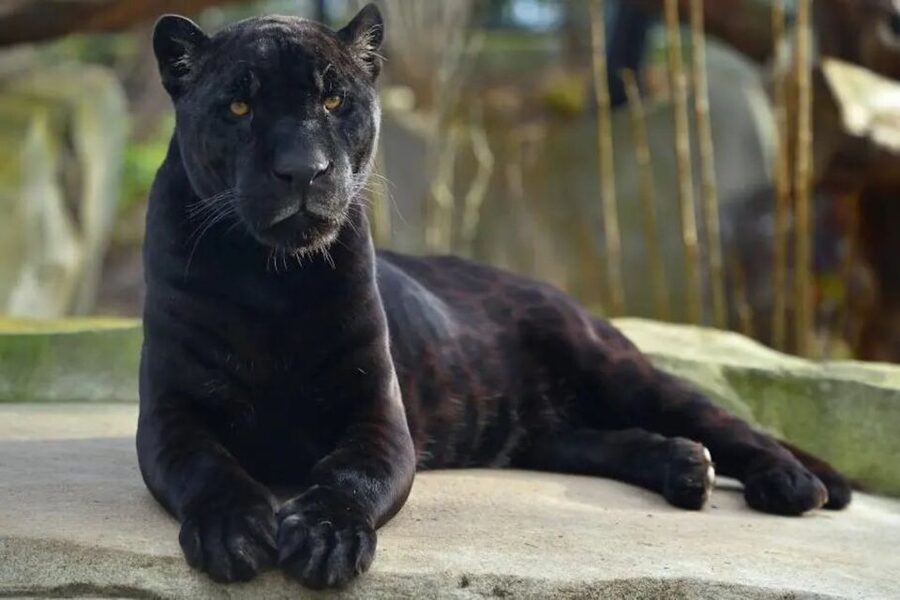
Paris Zoological Park sits in the 12th arrondissement area, at the intersection of Avenue Daumesnil and Ceinture du Lac (75012 Paris). The park used to be called the Bois de Vincennes Zoological Park, and it’s gone through major upgrades—about two years of refurbishment work completed around 2014. That matters, because you can feel the difference in how the zoo is organized and how pleasant it is to move around.
When you arrive, expect a classic zoo rhythm: enter, orient yourself, then follow the biozones as they gradually take you across different ecosystems. This is not about a single big “attraction moment.” It’s about constant small moments—spotting animals in open enclosures, pausing near feeding times when they’re happening, and noticing how each area changes the feel of the walk.
I also appreciate that the park doesn’t pretend it’s huge. Reviews and on-the-ground pacing both point to the same practical truth: you’ll likely cover it at a steady family pace in 3–4 hours, but you’ll want more if you’re watching carefully or stopping for shows and slow wandering.
Aquarium and zoo days for younger travellers
- Paris: Paris Zoological Park Entrance Ticket
★ 4.6 · 1,547 reviews - Paris: Ménagerie Zoo of Jardin des Plantes Entrance Ticket
★ 4.5 · 55 reviews - Private Return Transfer Thoiry Zoo Safari from Paris
★ 3.5 · 10 reviews - Zoo Of Beauval – Private Trip
★ 4.5 · 9 reviews
Biozones Route: How the Park Moves You Across the World
The zoo is organized into five biozones, and that design does a lot of the heavy lifting for visitors. Instead of treating it like a random collection of animals, you move through themed regions—so your brain keeps a simple map of what you’re seeing.
Here’s the big idea: as you stroll, you go from Europe to Madagascar, then across to Africa, and onward to Patagonia and the Amazon. Even if you don’t care about geography, it helps you plan. You can hit the zones that excite you most and still feel like you covered something coherent.
One of the most consistent positives is navigation. Signs are clear, and the route is easy enough that you’re not constantly second-guessing where you should go next. The other practical win: there are benches and lots of shade, which makes midday heat a lot less painful than you’d expect in a city setting.
Europe Zone: Predators and Small Wildlife You Can Actually Watch

In the Europe biozone, you’ll find animals that feel familiar in concept but still fun to see up close. Expect species like wolves, lynxes, and otters. That trio covers a lot of “animal moods,” from sleek predator energy to the kind of playful behavior you might associate with aquatic species.
What you’re really getting here is variety in viewing styles. Otters can be all about movement and quick moments. Wolves and lynxes tend to reward patience—standing still can pay off more than rushing along. If you’re visiting with kids, this is a good zone for “spotting games,” because you can make the walk interactive without needing extra tech.
A small heads-up: sometimes other visitor activities can affect your view in any zoo setting. One review noted a photo shoot that got in the way. If you’re the type who gets annoyed by delays, it’s smart to keep your expectations flexible and take a few minutes to adjust your position when something like that happens.
Africa Zone: Lions, Giraffes, and Zebras in an Easy Family Beat

If the Africa zone is on your list, you’re going to understand why it gets so many happy comments. It’s the place for lions, giraffes, and zebras, plus plenty of other animals that keep the walk from feeling repetitive.
For families, Africa works because it mixes scale. Lions and zebras give you big, obvious visuals, while giraffes add height and drama. It’s also a zone that tends to deliver quick wins for kids—if you see one iconic animal early, you’re more likely to keep moving and explore the rest.
One reason I’d choose this zone early in your day: you’ll often have the best energy for the longer “watching” moments before you get tired or hungry. And if you’re traveling in warmer months, you’ll probably appreciate hitting the most visible areas earlier, then shifting into shadier parts later.
Madagascar Zone: A Themed Stop That Breaks Up the Day
The park includes a Madagascar biozone, which is valuable even when you don’t come in with a checklist of species. The point is atmosphere: it gives your route a mid-journey reset, so you’re not only seeing continent after continent in one long blur.
Because specific animal examples for Madagascar weren’t listed in the details you provided, I’d treat this zone as a “go see what’s there today” stop. That approach actually works well at zoos like this—you’ll likely enjoy it more than trying to predict every animal.
This is also a useful break for pacing. If your family is moving at a slower tempo, Madagascar can be a place to stop, regroup, and keep the day from feeling like you’re rushing from enclosure to enclosure.
Amazon Zone: Reptiles and Rainforest-Style Viewing That People Remember
The Amazon zone is where the zoo leans into the rainforest theme, and it’s one of the most memorable areas for many visitors. You can find animals like jaguars, monkeys, and macaws here. Then, if you’re lucky with what you catch during your visit window, you may also spot reptile highlights such as caimans, sloths, and anacondas.
That list matters, because it’s not just “big cats and birds.” It’s the kind of mix that makes the Amazon feel like a real ecosystem rather than a row of separate exhibits. And reptiles tend to be crowd magnets—people slow down when they see them, and that slows the entire pace of the walk in a good way.
One practical tip: if you want calm viewing, don’t linger in one spot forever. Rotate your position slightly when the crowd shifts. You’ll often get better sightlines without needing a perfect “spot.”
Worth weighing up next to this Paris pick



Patagonia Zone: Penguins, Pumas, and Pudus
In Patagonia, the headline animals include penguins, pumas, and pudus. That combination is great for two reasons. First, penguins make people smile instantly—watching them move (and sometimes appear a little awkward in a charming way) turns into a natural pause point. Second, pudus are the kind of animals that make you feel like you discovered something new.
Patagonia also gives you a contrast after the Amazon. Instead of thinking in rainforest terms, your mind shifts into cooler-climate vibes and land-habitat viewing. It’s the kind of switch that keeps the day from blending together.
If you’re visiting with teenagers, Patagonia is a good “hook” zone because it has enough unusual variety to hold attention without being overwhelming.
How Long to Plan: A Realistic Timing Game for Families
I’d plan your visit based on your family’s style.
- If you’re moving at a steady pace and want to hit the major zones: 3–4 hours is often enough.
- If you want to slow down for bird areas, show moments, feeding times, and lots of photo stops: give yourself most of the day.
The park isn’t marketed as a quick detour. Many people end up staying longer than they thought because the variety keeps pulling you forward. Also, shade and benches mean you can actually rest without losing your momentum.
If you tend to snack as you go, you’ll want extra time too, since food and drinks aren’t included in the ticket price. You can still find lunch options, but plan it like a real outing.
Price and Value: Is $25 Really Worth It?
At about $25 per person, the ticket feels fair for what you get: access to a full zoo entry, with animals organized into biozones and a park that’s been improved with refurbishment work.
Here’s why the value works:
- You’re not paying just for a few exhibits. You’re paying for a structured walk through multiple ecosystems.
- The enclosures tend to be sized so animals look comfortable, and that changes the viewing experience. People repeatedly mention animals appearing healthy and enclosures feeling well done.
- It’s a family-friendly activity that doesn’t require expensive add-ons to be enjoyable.
What can reduce value for some visitors is the extra spending: lunch options can be pricey, and one review said cafe food was overpriced and not great. Another mentioned the gift shop being expensive. So if you’re budget-minded, consider bringing snacks (if allowed) or planning a simple meal strategy before you arrive.
On-the-Ground Comfort: Shade, Seating, and Clean Paths
This is one of the quiet strengths of the park experience. Reviews repeatedly point out clean areas, friendly staff, and a layout that’s easy to follow. People also mention there are benches everywhere and lots of shaded areas, which is a big deal if you’re visiting on a warm day.
There are also concrete “small wins” that add up:
- You can generally take breaks without losing your way.
- The zoo doesn’t feel relentlessly crowded, even in heat.
- You’ll find plenty of places to pause and just watch.
Still, I keep one note of balance: while the overall presentation is praised, at least one review said the park looked a bit untidy in places. That’s the kind of thing you can’t fully control as a visitor, so I’d just assume you’ll see a mix—clean and cared for most of the time, with occasional imperfections like any large public site.
Food, Cafés, and Gift Shop Reality Check
Ticket price covers entrance only. Food and drinks are not included.
This matters because zoos create two kinds of costs: time cost and money cost. If you’re hungry mid-walk, you’ll feel tempted to buy whatever is closest, and that’s when prices can sting. One review called out the cafe as overpriced and disappointing in quality, while another noted there were reasonably good lunch options.
My practical advice: treat food as a plan, not an impulse. If you know your family gets cranky without snacks, either budget time to sit down and eat, or bring a snack strategy you’re comfortable with.
The gift shop also drew comments. One review said the ZooStore was too expensive. That doesn’t mean you should skip it. It just means if you want souvenirs, set a small budget first and decide early what you want.
Practical Tips: Cameras, Time Windows, and Getting There
Bring a camera—it’s the obvious tool for the animals, and it’s the easiest way to capture the small moments you’ll want later. Comfortable shoes are also a smart choice, since this is a full walking day depending on how slow you go.
A couple of timing details can help you avoid wasted trips:
- Last admission is 1 hour before closing, and ticket offices close 1 hour before closing.
- If you borrow or rent any equipment, you must return it no later than 30 minutes before closing.
If you’re using a rideshare or taxi, one review flagged that some apps’ location codes can be off. To avoid the “why are we stopping on a random road” moment, enter the park using the full name and the address area in the 12th arrondissement.
Should You Book This Paris Zoological Park Ticket?
Yes—if you want a high-value family outing that feels like more than just a quick zoo stop. I’d book it if:
- you’re excited by animal variety across multiple habitats,
- you’d rather walk through themed biozones than follow a single exhibit loop,
- you appreciate shaded seating and a clean, easy-to-navigate layout.
I’d think twice if:
- you’re looking for a guided, scripted experience rather than free-form exploration,
- you’re sensitive to crowds near photo activities,
- you strongly dislike paying extra for food during the visit.
If you fall somewhere in the middle, this ticket still fits well: it’s an affordable way to spend a real chunk of time in Paris without turning the day into museum exhaustion.
FAQ
Where is the Paris Zoological Park entrance located?
The park is located at the intersection of Avenue Daumesnil and Ceinture du Lac, 75012 Paris.
What animals can I see in the African zone?
In the African zone, you can expect to see lions, giraffes, and zebras.
What animals are in the Europe biozone?
The Europe biozone includes wolves, lynxes, and otters.
Is food included with the ticket?
No. Food and drinks are not included.
Is the zoo wheelchair accessible?
Yes, the park is wheelchair accessible.
When is the last admission time?
Last admission is 1 hour before the park closes for everyone.
More Tickets in Paris
- Paris: Louvre Museum Timed-Entrance Ticket
★ 4.6 · 71,977 reviews - Disneyland® Paris 1-Day Ticket
★ 4.6 · 49,412 reviews - Paris: Versailles Palace and Gardens Full Access Ticket
★ 4.6 · 41,579 reviews - Paris: Arc de Triomphe Rooftop Tickets
★ 4.6 · 34,264 reviews - Paris: Orsay Museum Entry Ticket
★ 4.7 · 25,647 reviews
More Tour Reviews in Paris
- Paris: 1-Hour Seine Cruise departing from the Eiffel Tower
★ 4.4 · 77,472 reviews - Paris: Louvre Museum Timed-Entrance Ticket
★ 4.6 · 71,977 reviews - Disneyland® Paris 1-Day Ticket
★ 4.6 · 49,412 reviews - Paris: Versailles Palace and Gardens Full Access Ticket
★ 4.6 · 41,579 reviews - Paris: Arc de Triomphe Rooftop Tickets
★ 4.6 · 34,264 reviews
Aquarium and Zoo Days in Paris
- Paris: Aquarium de Paris Entrance Ticket
★ 4.4 · 2,522 reviews - Paris: Ménagerie Zoo of Jardin des Plantes Entrance Ticket
★ 4.5 · 55 reviews - Private Return Transfer Thoiry Zoo Safari from Paris
★ 3.5 · 10 reviews - Zoo Of Beauval – Private Trip
★ 4.5 · 9 reviews
Fresh off the review desk in Paris
- Secrets of Paris Bike Tour in English or Dutch★ 5.0 · 5 reviews
- Paris: Mont Saint-Michel Day Tour with Chinese Tour Guide★ 5.0 · 5 reviews
- Private Street Art 2-Hour Guided Tour in Paris★ 4.5 · 5 reviews
- Orsay Museum Tour: 2h Highlights (Private & Small Group)★ 5.0 · 5 reviews
- Discover Paris in electric golf carts★ 4.0 · 5 reviews
- Paris Private Boat Tour with your own Captain Guide★ 5.0 · 5 reviews
Paris Aquarium & Zoo, compared.
 ★ 4.4Aquarium de Paris Entrance TicketFrom $252,522 reviews
 ★ 4.5Ménagerie Zoo of Jardin des Plantes Entrance TicketFrom $1555 reviews
 ★ 3.5Private Return Transfer Thoiry Zoo Safari from ParisFrom $18010 reviews
 ★ 4.5Zoo Of Beauval – Private TripFrom $1,5419 reviews
Browse the lists this tour appears in