
Reviewed · MONTMARTRE TOURS
Paris: Small Group Moulin Rouge & Sacré Cœur Montmartre Tour
Montmartre has a way of speeding up time. This short walk strings together Moulin Rouge glamour and Sacré-Cœur-top views with real neighborhood texture. You’ll follow the hill through streets that still feel like an artists’ studio-in-the-making.
I really love that the guide uses the route to teach you where creativity lived—cabaret fame at Moulin Rouge, then art landmarks like Café des Deux Moulins and the House of Van Gogh. I also like how Sacré-Cœur ends the tour with that wide, dramatic Paris panorama, so you get a clear sense of the city in one go.
One heads-up: you’re on a walking tour with stairs. If you’re expecting a long, slow pause inside every major stop—especially around the Moulin Rouge itself—this is more about seeing and interpreting than hanging out.
In This Review
- Key Things You’ll Notice on This Montmartre Walk
- Why This 2-Hour Moulin Rouge to Sacré-Cœur Tour Works
- Finding the Meeting Point at Blanche Station (and Avoiding a Wrong Starbucks)
- Moulin Rouge: More Than a Photo Spot
- Climbing the Hill Through Bohemian Apartments and Artistic Addresses
- Café des Deux Moulins and the House of Van Gogh: Why These Stops Matter
- Place des Abbesses, an Old Church, and the Wall of Love
- Bateau Lavoir, Maison Rose, and the Neighborhood’s “Last Vineyard” Feel
- Sacré-Cœur: The Big Finish With Statues, Gardens, Fountain, and Views
- What You Pay for at $34: Guide, Context, and a Time-Smart Route
- How the Guide Affects the Experience (Alice, Daniel, and the Anecdote Style)
- Who This Tour Is For (and Who Might Want Another Option)
- Should You Book This Moulin Rouge & Sacré-Cœur Tour?
- FAQ
- How long is the Paris Small Group Moulin Rouge & Sacré-Cœur Montmartre Tour?
- How much does it cost?
- Where is the meeting point?
- What languages does the guide speak?
- Are food and drinks included?
- Is the tour wheelchair accessible?
Key Things You’ll Notice on This Montmartre Walk
- Moulin Rouge frontage with context: you don’t just see it; you learn how it fits into Paris cabaret history.
- Artist stops you can actually pinpoint: Café des Deux Moulins (Amélie), House of Van Gogh, and more recognizable addresses.
- Place des Abbesses + Wall of Love: a classic Montmartre photo moment with a bit of background to make it click.
- Bateau Lavoir and Maison Rose: small stops that help you understand why this neighborhood became a magnet for creators.
- Sacré-Cœur views that feel like a reward: statues, gardens, a fountain, and big city perspective from the basilica area.
Why This 2-Hour Moulin Rouge to Sacré-Cœur Tour Works

Paris tours can go one of two ways. Either you spend your energy in transit, or you get trapped in long lines and long waits. This one keeps things tight at 2 hours, and that matters in Montmartre. The neighborhood is famous, yes, but it’s also hilly. A compact route means you actually get to enjoy the time you paid for.
You get a guided walking loop that starts near Blanche Station and moves from the Moulin Rouge area up toward Sacré-Cœur. Along the way, you’ll hit places tied to famous entertainers and artists, and you’ll also see the kind of street details that make Montmartre feel like a story you can walk through.
Here’s the value angle for the price. At about $34 per person, you’re paying for a guide who connects landmarks into a coherent theme: cabaret + art + the city view payoff. For a short time window, that theme is the whole point.
Also, I like that the tour doesn’t pretend you’re on a museum crawl. It’s a neighborhood walk. Expect cobblestones, angles, views around corners, and lots of places to look up and spot details.
Keep climbing: more of the Montmartre hill
- Montmartre Hidden Gems and Scenic Highlights Walking Tour
★ 5.0 · 2,684 reviews - Montmartre Hill French Gourmet Food and Wine Tasting Walking Tour
★ 5.0 · 2,588 reviews - Paris: Montmartre Highlights Walking Tour with a Local Guide
★ 4.9 · 2,318 reviews - Paris: Montmartre Cheese, Wine & Pastry Guided Walking Tour
★ 4.8 · 2,255 reviews
Finding the Meeting Point at Blanche Station (and Avoiding a Wrong Starbucks)
Your starting point is clear, and I appreciate that. Take metro Line 2 (M2) to Blanche Station. When you exit, look to the left side of the road.
You’ll see Five Guys and Starbucks across the road from the Moulin Rouge. Wait in front of the Starbucks café.
That specific setup helps for two reasons. First, it reduces the “Where exactly is the group?” stress. Second, the neighborhood around the Moulin Rouge is busy enough that meeting at a big, recognizable landmark makes life easier.
If you’re arriving a few minutes early, that’s smart. Montmartre is lively, and you’ll want a quick minute to take in the street scene before the walk begins.
Moulin Rouge: More Than a Photo Spot
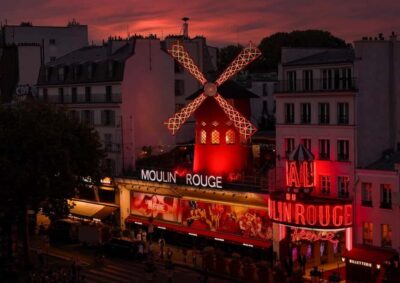
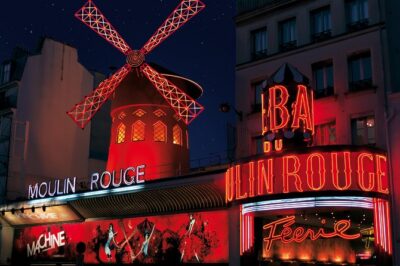
Moulin Rouge is the kind of landmark that can feel one-note if you just treat it like a picture. What makes this tour worth doing is that the guide uses it as the starting point for context.
You’ll see Moulin Rouge, often described as the most famous cabaret in the world. But the guide’s focus isn’t just the building. It’s what the cabaret represented in Paris—where entertainment met celebrity, where visitors came to feel like they were stepping into a Paris myth.
You’ll also get street-level perspective as you move away from the main view. That’s important because Montmartre isn’t only about the headline sights. The neighborhood’s magic shows up in bohemian apartments and smaller streets that once housed artistic legends.
One fair consideration: if you want lots of time to linger right at Moulin Rouge itself, this is still a walking tour. You’ll likely get the key moment and context, then move on. If your personal priority list includes a very long pause at the Moulin Rouge area, you may feel the pacing a bit quick.
Climbing the Hill Through Bohemian Apartments and Artistic Addresses
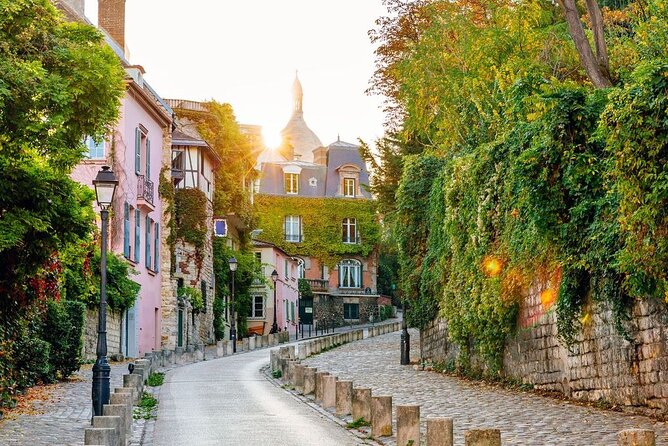
After the Moulin Rouge section, the tour starts to feel like it’s traveling through layers. You’ll walk along cobblestone streets, and you’ll hear stories tied to the creative ecosystem that made Montmartre famous.
This is where the guide helps you “read” the neighborhood. Instead of just naming sights, you’ll learn how artists, singers, painters, and entertainers relate to what you’re seeing. The goal is to understand where art lived and worked—what parts of the district supported creativity.
You’ll also climb. Not just gently. Montmartre climbs. Wear shoes you trust. Even if you’re fit, cobblestones and steep grades add up over time.
Café des Deux Moulins and the House of Van Gogh: Why These Stops Matter
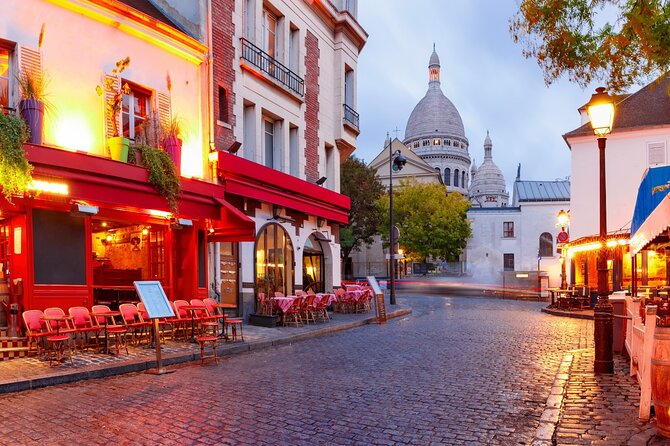
This is one of the most fun parts of the route because it connects pop-culture recognition with real artistic identity.
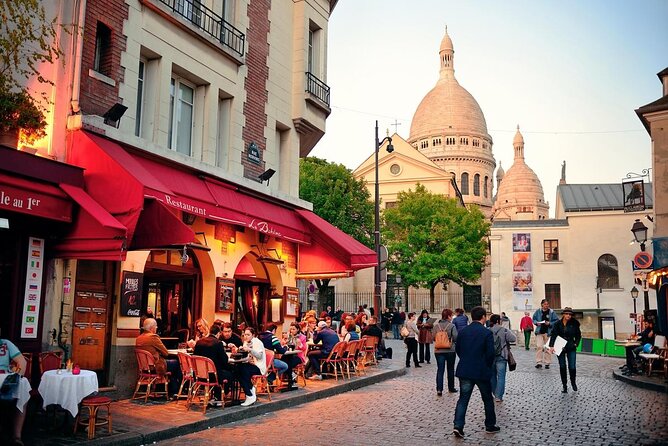
You’ll stop by Café des Deux Moulins, famous from Amélie. If you’ve seen the movie, you’ll immediately recognize the vibe. But the guide’s value is in explaining why that kind of café culture belongs in Montmartre’s story—where artists and visitors met, talked, and watched Paris happen.
Then you’ll walk past the House of Van Gogh, tied to the artist’s presence in the neighborhood. Even if you’re not a hardcore art history person, this stop gives you a concrete anchor. It turns “Van Gogh went somewhere in Paris” into a specific location you can picture.
These are the kinds of moments you remember later, not because you sat in a chair for an hour, but because you mentally connect a name to a place you walked to.
Place des Abbesses, an Old Church, and the Wall of Love
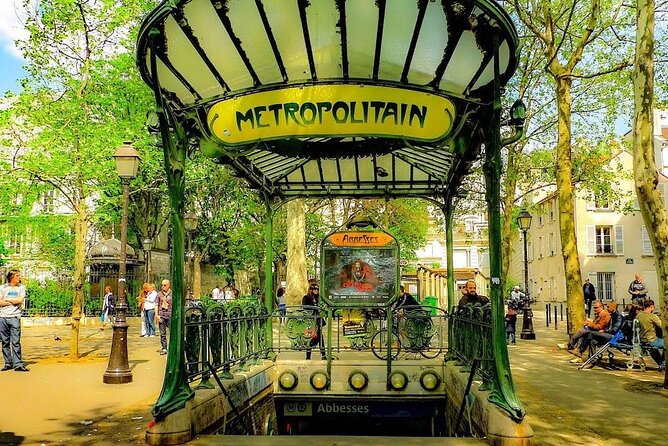
As you keep moving through Montmartre, you’ll reach Place des Abbesses. This is one of those squares that feels like it has its own rhythm, and it includes a real historical anchor: one of Paris’s oldest surviving churches.
You’ll also see the Wall of Love, another Montmartre classic. This wall can be a simple photo stop if you don’t have any context. With a guide, it becomes part of the neighborhood’s character—sentiment, creativity, and that Montmartre habit of turning public space into personal expression.
If you like the idea of seeing art and romance mixed into everyday streets, this section is a highlight. You get both the symbolic and the historical.
More nights out at the Moulin Rouge


Bateau Lavoir, Maison Rose, and the Neighborhood’s “Last Vineyard” Feel
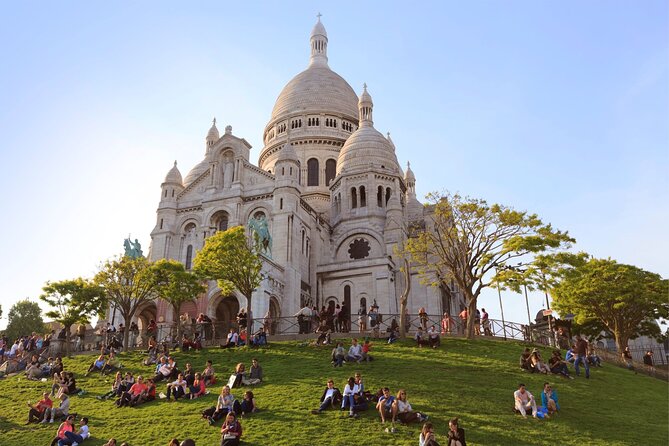
The route continues through several Montmartre icons that work best in sequence. You’ll encounter Bateau Lavoir and Maison Rose, both part of what made this area attractive to artists.
These stops are smaller than the big headline names, which is exactly why they matter. The guide helps you see how creativity concentrated here. You’re not just collecting snapshots—you’re building a mental map of why Montmartre became an artist hub.
You’ll also hear about the area’s last vineyard. That detail adds a surprising twist to the story. It’s a reminder that Montmartre wasn’t always an entertainment district. This neighborhood has layers: wine history, studio life, and cabaret culture all overlapping over time.
And all of this sits close to Place du Tertre, where the artsy atmosphere makes sense once you’ve walked the route. By the time you reach it, you understand why people come here to watch creativity in motion.
Sacré-Cœur: The Big Finish With Statues, Gardens, Fountain, and Views
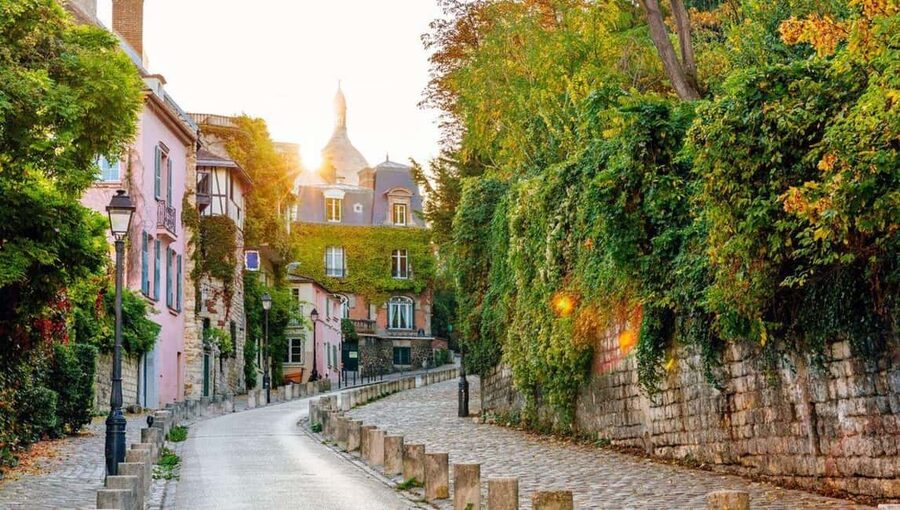
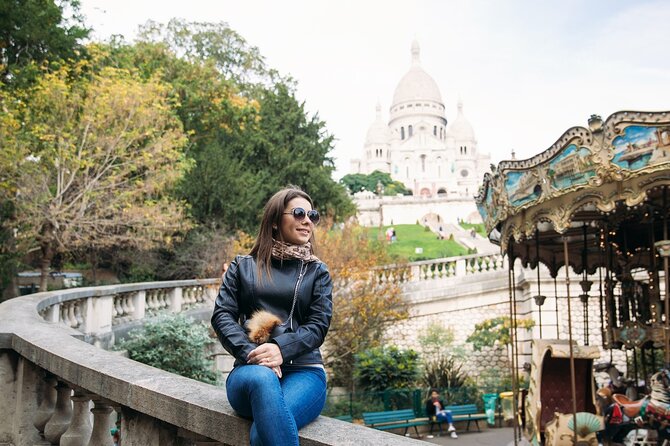
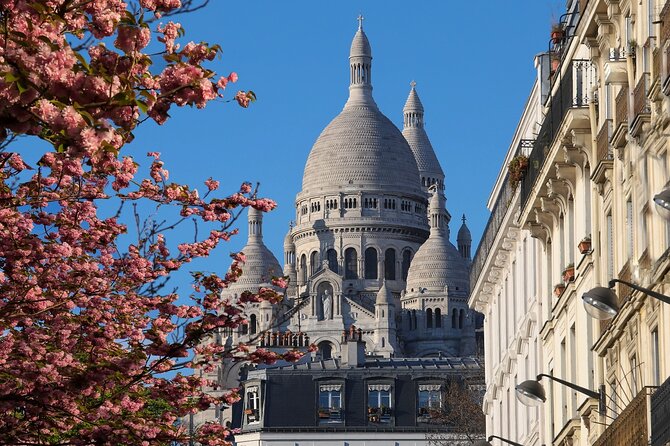
The top-of-hill payoff is Sacré-Cœur Basilica. This is where the tour earns its reputation for being worth it, because you’re not just told it’s pretty—you’re guided through what you can actually see once you arrive.
Sacré-Cœur is decorated with statues of French heroes, and you’ll also have time around the basilica’s surrounding areas, including gardens and a fountain. There’s even a panoramic dome viewpoint, and the view is described as rivaling the Eiffel Tower for the best city perspective.
Here’s what I’d take from that: if you’ve only got a couple days in Paris, you don’t want to spend your sightseeing time guessing whether a view is “worth it.” This stop is a reliable orientation tool. From up here, you can see how the city spreads out, and your other sightseeing makes more sense afterward.
Practical note: you’re climbing to get here. The basilica area is an active zone, and you’ll do stairs and uphill walking as part of the experience. If you’re short on mobility, this tour is not suitable for wheelchair users.
What You Pay for at $34: Guide, Context, and a Time-Smart Route

At around $34 per person for a 2-hour experience, you’re not paying for museum tickets or meals. You’re paying for a professional guide and a walking plan that connects the neighborhood’s headline sights to the lesser-known corners that make Montmartre feel like itself.
That’s the value: interpretation. Without a guide, Montmartre can turn into a scavenger hunt of photos. With a guide, each stop becomes a reason. Why Moulin Rouge is placed where it is. Why Café des Deux Moulins fits the district. Why those small artist-related spots matter.
This also helps you avoid a common Paris mistake: wandering aimlessly when you could be walking with a purpose.
As for what’s not included: food and drinks aren’t part of the price. Tips also aren’t included, and tips are cash only.
If you want to keep your budget smooth, consider bringing water. And if you’re doing this early in the day, you’ll be thankful you didn’t spend the tour stopping for snacks you could eat afterward.
How the Guide Affects the Experience (Alice, Daniel, and the Anecdote Style)
The quality variable in any walking tour is the guide. This one tends to shine because the storytelling style is built around short, memorable anecdotes rather than long monologues.
I’ve seen guide names like Alice and Daniel come up as standouts. When the guide is strong, you’ll feel it fast: the walk moves with energy, and the details stick. That’s exactly what you want in Montmartre, where the streets are packed and your attention can scatter.
If you prefer a tour where you talk back-and-forth and ask questions, this style is a good fit. The tour’s structure supports conversation because it’s a series of exterior stops tied together by stories.
Who This Tour Is For (and Who Might Want Another Option)
This experience is a great match if you want:
- a focused 2-hour Montmartre plan,
- a guided explanation of art and cabaret connections,
- and a final payoff at Sacré-Cœur for city views.
It’s also ideal for first-timers who want a “greatest hits + context” combo. You’ll walk past several recognizable places without needing to build the route yourself.
It’s less ideal if:
- you want a long sit-down visit time at Moulin Rouge,
- or you have limited ability for hills and stairs. The tour isn’t suitable for wheelchair users.
If Montmartre is already your passion and you plan to go back later on your own, this tour still works. Think of it as the orientation lap. It helps you know what to revisit.
Should You Book This Moulin Rouge & Sacré-Cœur Tour?
I’d book it if you like your sightseeing with a guide who connects the dots. For $34 and 2 hours, it’s a solid deal because it gives you the two essential Montmartre pillars—Moulin Rouge and Sacré-Cœur—plus several artist-linked stops that make the neighborhood feel more than famous.
Skip it (or at least consider another format) if you dislike walking uphill for extended stretches or if you expect the tour to spend a lot of time lingering at Moulin Rouge itself. Montmartre rewards patience, but this tour is intentionally paced.
If you’re the type who likes short stories, good viewpoints, and street-level Paris texture, this one is a very practical choice.
FAQ
How long is the Paris Small Group Moulin Rouge & Sacré-Cœur Montmartre Tour?
The tour lasts 2 hours.
How much does it cost?
It costs $34 per person.
Where is the meeting point?
Take metro Line 2 (M2) to Blanche Station. Exit and look left. Meet in front of Starbucks across the road from the Moulin Rouge.
What languages does the guide speak?
The live guide is available in English and French.
Are food and drinks included?
No. Food and drinks are not included.
Is the tour wheelchair accessible?
No. It is not suitable for wheelchair users.
More Tour Reviews in Paris
- Paris: 1-Hour Seine Cruise departing from the Eiffel Tower
★ 4.4 · 77,472 reviews - Paris: Louvre Museum Timed-Entrance Ticket
★ 4.6 · 71,977 reviews - Disneyland® Paris 1-Day Ticket
★ 4.6 · 49,412 reviews - Paris: Versailles Palace and Gardens Full Access Ticket
★ 4.6 · 41,579 reviews - Paris: Arc de Triomphe Rooftop Tickets
★ 4.6 · 34,264 reviews
One More Night at the Moulin Rouge
- Paris: Moulin Rouge Cabaret Show Ticket with Champagne
★ 4.7 · 16,088 reviews - Paris: Dinner Show at the Moulin Rouge
★ 4.8 · 3,333 reviews - Seine Dinner Cruise, Eiffel Tower Access and Moulin Rouge Show
★ 4.0 · 2,310 reviews - Paris Moulin Rouge Cabaret Show and Dinner
★ 4.5 · 1,772 reviews - Paris: Evening Sightseeing Tour and Moulin Rouge Show
★ 4.0 · 1,394 reviews
More of the Montmartre Hill
- Montmartre Hidden Gems and Scenic Highlights Walking Tour
★ 5.0 · 2,684 reviews - Montmartre Hill French Gourmet Food and Wine Tasting Walking Tour
★ 5.0 · 2,588 reviews - Paris: Montmartre Highlights Walking Tour with a Local Guide
★ 4.9 · 2,318 reviews - Paris: Montmartre Cheese, Wine & Pastry Guided Walking Tour
★ 4.8 · 2,255 reviews - The Secrets of Montmartre Walking Tour
★ 4.8 · 1,258 reviews
Fresh off the review desk in Paris
- Secrets of Paris Bike Tour in English or Dutch★ 5.0 · 5 reviews
- Paris: Mont Saint-Michel Day Tour with Chinese Tour Guide★ 5.0 · 5 reviews
- Private Street Art 2-Hour Guided Tour in Paris★ 4.5 · 5 reviews
- Orsay Museum Tour: 2h Highlights (Private & Small Group)★ 5.0 · 5 reviews
- Discover Paris in electric golf carts★ 4.0 · 5 reviews
- Paris Private Boat Tour with your own Captain Guide★ 5.0 · 5 reviews
Montmartre Tours, compared.
 ★ 5.0Montmartre Hidden Gems and Scenic Highlights Walking TourFrom $382,684 reviews
 ★ 5.0Montmartre Hill French Gourmet Food and Wine Tasting Walking TourFrom $1452,588 reviews
 ★ 4.9Montmartre Highlights Walking Tour with a Local GuideFrom $232,318 reviews
 ★ 4.8Montmartre Cheese, Wine & Pastry Guided Walking TourFrom $1272,255 reviews
The Secrets of Montmartre Walking TourFrom $331,258 reviews
★ 4.8Montmartre Cheese, Wine & Pastry Guided Walking TourFrom $1272,255 reviews
The Secrets of Montmartre Walking TourFrom $331,258 reviews
 ★ 4.1Sacré-Coeur and Montmartre Tour with Expert GuideFrom $281,027 reviews
 ★ 5.0Private Montmartre Food Tour with Wine, Cheese & PastriesFrom $3021,027 reviews
 ★ 5.0Paris Montmartre Food Tour – A Full French Meal by Do Eat BetterFrom $95877 reviews
Browse the lists this tour appears in