
Reviewed · ORSAY MUSEUM TOURS
The Musée d’Orsay in Focus: Impressionists & Beyond (Max 6)
One museum can change how you see an era. Here’s an Orsay visit built for quick focus—skip-the-line, smart guidance, and just enough time to wander after the art has grabbed you by the sleeve. I like the way this tour zeroes in on big names like Monet, Renoir, Degas, and Van Gogh, and I also like the human story angle—how artists and movements react to each other across 19th-century Paris. One consideration: because it runs about 2 hours, you’ll need to stay moving and accept that you won’t see every room in the museum.
This is set up for real conversation and manageable pacing: a licensed English guide with a group size capped at 6. You’ll also have a mobile ticket, and the tour ends inside the museum, so you can keep your momentum without fighting ticket lines again.
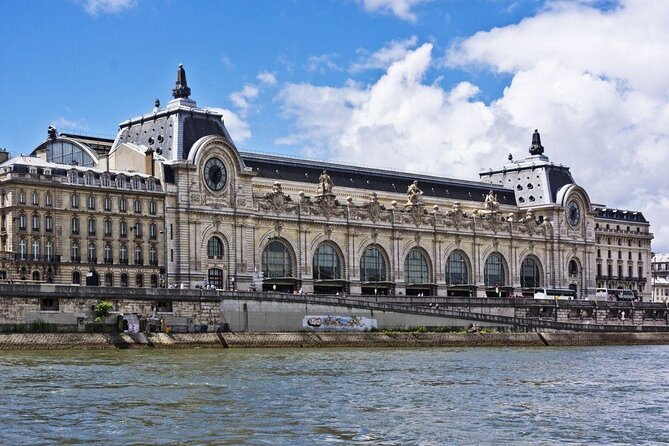
The heart of Orsay is the time period it covers—1848 to 1914—when trains, electricity, and new ways of making art pulled modern life forward. Your guide turns that into an easy map: not just what you’re seeing, but why these images felt new to people back then.
In This Review
- Key highlights to plan around
- Why Orsay Works So Well With a Small-Group Plan
- Price and value: what you get for $190.52 in about 2 hours
- Meeting at Orsay and getting oriented fast
- The guided route inside Orsay: from 1848–1914 to the art that changed Paris
- Impressionists up close: what to look for beyond the famous names
- Rebels and backstories: why these movements happened when they did
- Post-impressionist time at your pace: seeing Vincent Van Gogh without rushing
- The role of the guide: clear English, smart navigation, and pacing you can actually handle
- Group size, time limits, and how to make the most of the 2 hours
- Who should book this Orsay-focused tour, and who might want something else
- Should you book Musée d’Orsay in Focus: Impressionists & Beyond (Max 6)?
- FAQ
- How long is the Musée d’Orsay in Focus tour?
- Is admission included?
- Does it skip the line at the Musée d’Orsay?
- What language is the tour offered in?
- What’s the group size limit?
- Where do we meet, and where does it end?
- Is there a mobile ticket?
- Is the tour physically demanding?
- Are service animals allowed?
- What is the cancellation policy?
Key highlights to plan around
- Skip-the-line entry so you lose less time to queues and more time with paintings
- A small group (max 6) for better questions and a tour that doesn’t feel like a cattle chute
- Expert English guide who explains the connections among artists and movements
- Classic Impressionists plus post-Impressionism, with Vincent Van Gogh included
- Guided insight first, self-paced exploring second inside Orsay
Why Orsay Works So Well With a Small-Group Plan
Musée d’Orsay is the kind of museum where you can easily “see a lot” and still feel like you missed the point. This kind of guided plan helps you avoid the common problem: standing in front of paintings without knowing what you should notice.
I like that the tour is designed for attention. You’re not just walking from one famous painting to another; you’re getting the story that makes those brushstrokes make sense. With a group capped at 6, you’re more likely to hear details clearly and ask questions without waiting for a guide to catch up.
The tradeoff is also clear: it’s not an all-day museum binge. If you want hours and hours of unhurried drifting, you’ll likely want extra time on your own. But if you want your visit to click, this format is a strong match.
More hours with the Impressionists at the Orsay
- Paris: Orsay Museum Entry Ticket
★ 4.7 · 25,647 reviews - Paris: Orsay Museum Entry Ticket and Digital Audio Guide App
★ 4.4 · 3,170 reviews - Paris in a Day: Louvre or Orsay, Eiffel Tower, City Walk & Cruise
★ 5.0 · 1,956 reviews - Paris: Musée d’Orsay Skip-the-Line Tour with Expert Guide
★ 4.5 · 1,145 reviews
Price and value: what you get for $190.52 in about 2 hours
At $190.52 per person, this tour isn’t the cheapest way to do Orsay. The value is in what it includes: an expert licensed guide in English and all entry tickets in a 2-hour window.
Here’s the practical way to judge value. You’re paying for:
- time saved from line-wrangling
- someone to help you prioritize the art
- context that helps you understand what you’re looking at in real time
Orsay is big, and the most frustrating thing is spending your limited time on the wrong sections. This tour’s focus on Impressionists and beyond is a good way to convert your sightseeing time into real learning.
Also, the schedule tends to get reserved—on average it’s booked around 110 days ahead. If your dates are firm, you’ll want to lock it in early rather than gambling on finding open spots later.
Meeting at Orsay and getting oriented fast
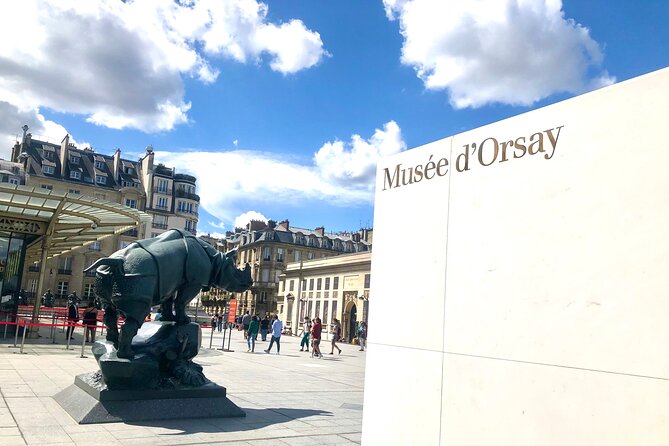
The meet point is Musée d’Orsay Esplanade Valéry Giscard d’Estaing, 75007 Paris. Your tour ends inside the museum, which is a small detail that matters more than you’d think. When you’re done, you can keep walking directly into galleries instead of figuring out where your next stop begins.
The tour is also set for moderate physical fitness. That usually means you’ll be doing the typical museum walking—some stairs and steady movement—but it isn’t presented as an endurance event. Still, if you’re planning for mobility needs, it’s smart to think ahead. In feedback tied to this experience, guides have accommodated requests for occasional seats, including for guests in their seventies.
One more practical note: with a small group, arriving on time helps. You don’t want to miss the early “get your bearings fast” part.
The guided route inside Orsay: from 1848–1914 to the art that changed Paris
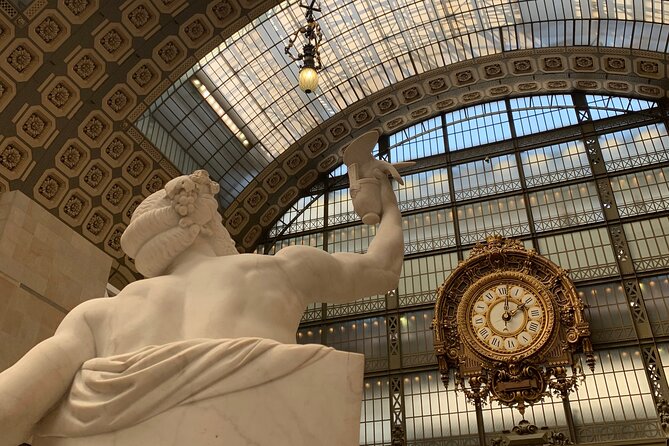
Your main stop is the Musée d’Orsay itself, and the guide’s job is to connect the paintings to the world that produced them. Orsay covers 1848 to 1914, a span packed with changes that affected everything—from daily life to how artists worked.
The tour’s big “why it matters” theme is how modern life and modern art fed each other. Your guide sets the stage with the idea that innovations of the era reshaped society: trains, electricity, and new tools like tubes of paint. Those aren’t museum trivia. They explain why certain artists could paint with a different speed, style, and sense of immediacy.
You’ll also be guided through the collections with a focus that’s more thematic than random. The aim is for you to leave understanding not only techniques, but also the relationships among the artists and the movements they drove or reacted to.
Impressionists up close: what to look for beyond the famous names
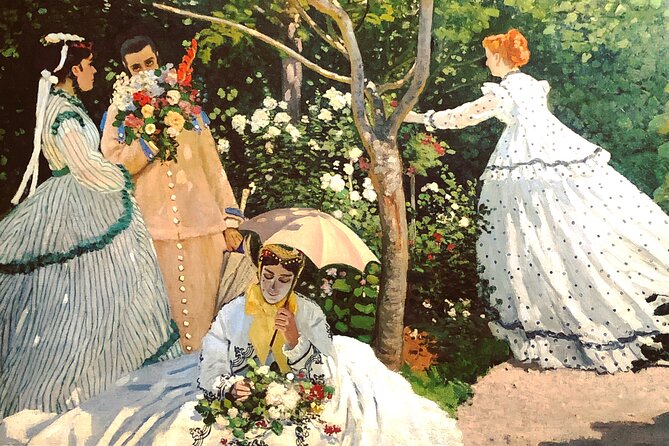
This tour is built around the Impressionists, and that’s a smart strategy because those works can feel “familiar” before you really understand them. When you see Monet and Renoir in person, you often notice the beauty right away. The value here is learning what to watch for so the beauty turns into understanding.
Monet and Renoir are typically the gateway artists, but the tour framing also helps you connect the whole group. Degas is a great example: he’s often treated like an Impressionist oddball, yet his work makes more sense when you understand what he was observing and how he composed scenes.
The guide also aims to turn viewing into participation. One recurring praise point is that guides encouraged people to be active in the tour—asking questions, responding to prompts, and not just listening from the back. That matters because Orsay is visual, and the fastest way to stop “just looking” is to practice noticing specific things.
If you tend to get overwhelmed in museums, this structured approach helps you move through the chaos with confidence. You won’t need to decide what matters most; the guide does that work for you.
Rebels and backstories: why these movements happened when they did
After the basics, the tour shifts toward what makes the 19th-century art scene so compelling: ambition, competition, and the stubborn refusal to fit in.
The experience description emphasizes rebellious artists and the movements they helped shape. In practical terms, you’ll get backstory that changes how the paintings feel. Instead of seeing a painting as a standalone object, you start seeing it as a response to people, trends, and the cultural mood.
This is one of the reasons you should do the guided portion first. Listening while you’re in front of the works makes the timing click. You can almost feel the arguments and experiments happening on canvas.
Also, the relationships among artists become easier to track when you’re not trying to memorize wall labels yourself while dodging other groups.




Post-impressionist time at your pace: seeing Vincent Van Gogh without rushing
A key promise here is guided insight, then time to explore post-impressionist works at your own pace. That second phase matters. After someone gives you a map, you can slow down and choose what to repeat.
Vincent Van Gogh is explicitly included in the focus. That doesn’t mean you’ll only see him, of course. It means your guide will help you land on his work with context, so you don’t treat him like a random poster image. Seeing Van Gogh with the right setup can be the difference between thinking, wow, that’s intense, and understanding what he’s doing and why.
Self-paced time is also where you can follow your own instincts. Maybe you want to revisit a favorite Impressionist detail. Maybe you want to look longer at how a scene is constructed. This tour structure keeps the momentum without forcing you to sprint to everything.
The role of the guide: clear English, smart navigation, and pacing you can actually handle
The human factor is where this tour seems to win big. Two guide names come up in the feedback: Adam and Lilijana.
What people consistently highlight is more than basic instruction. Guides are praised for:
- clear, easy-to-follow English diction
- encouraging guests to participate
- helping people navigate the galleries efficiently
- adjusting pacing when needed
One very practical plus: in feedback, Adam is described as accommodating requests for occasional seats during the tour, including for guests around seventy. Another point mentioned is that guides sometimes step in on short notice when needed, so the tour stays on track.
If you’ve had museum experiences where the guide speed runs ahead of you, this small-group setup is a meaningful upgrade.
Group size, time limits, and how to make the most of the 2 hours
Because the tour is about 2 hours, your success depends on how you use that time. Here’s how to play it right.
First, show up ready to walk. Put your phone away until you’re outside the guide’s focus and only use it when you’re done checking the art. Second, listen for the “why,” not just the “what.” Orsay explanations land best when you treat them like a lens, not a lecture.
Then, during your self-paced time, pick one thing you want to see again. If you try to tackle everything, you’ll end up seeing a blur. With a guided lead-in, you can afford to be picky. I’d rather spend extra minutes with one or two works I truly understand than sprint through ten I don’t.
Who should book this Orsay-focused tour, and who might want something else
This tour is a strong fit if:
- you’re in Paris for a limited number of days
- you want Impressionists and post-impressionists without spending hours figuring out what to prioritize
- you like expert context while you’re looking at the art
- you prefer a small group experience
It may not be the best choice if:
- you love museums so much you want a slow, independent stroll through every wing
- you’re aiming for a full Orsay checklist rather than a focused artistic storyline
- you’re very sensitive to moving steadily for a couple of hours
If you’re somewhere in the middle, this strikes a nice balance: guided learning plus room for personal choices.
Should you book Musée d’Orsay in Focus: Impressionists & Beyond (Max 6)?
Book it if you want your Orsay visit to feel purposeful, not random. The combination of skip-the-line entry, a licensed English guide, and small group size makes the $190.52 feel more like an investment in time and understanding than a luxury add-on. You’ll get the key Impressionist names, context that connects movements and relationships, and then you’ll have time to sit with post-impressionist works like Van Gogh.
Don’t book it if you’re the type who wants to wander freely for hours with no structure. In that case, you’ll likely prefer a self-guided museum day plus optional audio.
FAQ
How long is the Musée d’Orsay in Focus tour?
It runs for about 2 hours.
Is admission included?
Yes. Entry tickets are included.
Does it skip the line at the Musée d’Orsay?
Yes. The tour highlights skip-the-line entry.
What language is the tour offered in?
It is offered in English.
What’s the group size limit?
The tour has a maximum of 6 travelers.
Where do we meet, and where does it end?
You start at Musée d’Orsay Esplanade Valéry Giscard d’Estaing, 75007 Paris. The tour ends inside the Orsay Museum.
Is there a mobile ticket?
Yes, a mobile ticket is included.
Is the tour physically demanding?
It’s listed as having a moderate physical fitness level.
Are service animals allowed?
Yes, service animals are allowed.
What is the cancellation policy?
You can cancel for a full refund if you cancel at least 24 hours before the experience starts. If you cancel less than 24 hours before, the amount paid is not refunded. If the minimum number of travelers isn’t met, you’ll be offered another date/experience or a full refund.
More Tour Reviews in Paris
- Paris: 1-Hour Seine Cruise departing from the Eiffel Tower
★ 4.4 · 77,472 reviews - Paris: Louvre Museum Timed-Entrance Ticket
★ 4.6 · 71,977 reviews - Disneyland® Paris 1-Day Ticket
★ 4.6 · 49,412 reviews - Paris: Versailles Palace and Gardens Full Access Ticket
★ 4.6 · 41,579 reviews - Paris: Arc de Triomphe Rooftop Tickets
★ 4.6 · 34,264 reviews
More at the Musee d'Orsay
- Paris: Orsay Museum Entry Ticket
★ 4.7 · 25,647 reviews - Paris: Orsay Museum Entry Ticket and Digital Audio Guide App
★ 4.4 · 3,170 reviews - Paris in a Day: Louvre or Orsay, Eiffel Tower, City Walk & Cruise
★ 5.0 · 1,956 reviews - Paris: Musée d’Orsay Skip-the-Line Tour with Expert Guide
★ 4.5 · 1,145 reviews - Musée d’Orsay Skip-the-Line Tour with Expert Guide
★ 4.8 · 1,088 reviews
Fresh off the review desk in Paris
- Secrets of Paris Bike Tour in English or Dutch★ 5.0 · 5 reviews
- Paris: Mont Saint-Michel Day Tour with Chinese Tour Guide★ 5.0 · 5 reviews
- Private Street Art 2-Hour Guided Tour in Paris★ 4.5 · 5 reviews
- Orsay Museum Tour: 2h Highlights (Private & Small Group)★ 5.0 · 5 reviews
- Discover Paris in electric golf carts★ 4.0 · 5 reviews
- Paris Private Boat Tour with your own Captain Guide★ 5.0 · 5 reviews
Orsay Museum Tours, compared.
 ★ 4.7Orsay Museum Entry TicketFrom $1525,647 reviews
 ★ 4.4Orsay Museum Entry Ticket and Digital Audio Guide AppFrom $313,170 reviews
 ★ 5.0Paris in a Day: Louvre or Orsay, Eiffel Tower, City Walk & CruiseFrom $1571,956 reviews
 ★ 4.5Musée d’Orsay Skip-the-Line Tour with Expert GuideFrom $671,145 reviews
 ★ 4.8Musée d’Orsay Skip-the-Line Tour with Expert GuideFrom $821,088 reviews
 ★ 5.0The Musée d’Orsay Guided Tour Orsay Museum Semi-Private 6ppl MaxFrom $144904 reviews
 ★ 5.0Louvre & Musée d’Orsay Guided Museum Tour Semi-Private 6ppl MaxFrom $288619 reviews
 ★ 4.7Musée d’Orsay Ticket and Guided TourFrom $69569 reviews
Browse the lists this tour appears in