
Reviewed · WALKING TOURS
Bastille’s Architecture & Artisans Self-Guided Walking Tour
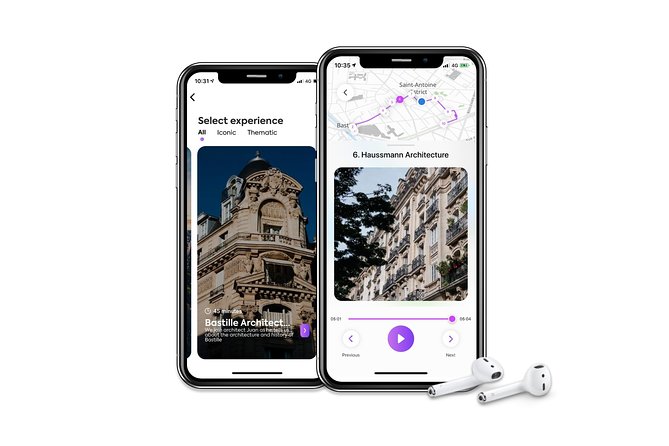
Bastille on foot beats the usual Paris script. This self-guided audio tour lets you learn the architecture and artisan roots behind the French Revolution, using narration by a local historian (with stop-by-stop commentary credited to Juan). I like that it’s flexible: you control the pace, pause to look closer, then keep moving.
One thing to consider: you’ll want to come prepared with a charged phone and earphones—those aren’t included, and a smooth start depends on having your audio ready before you arrive.
In This Review
- Key things to know before you go
- Why Bastille Works So Well for a 45–60 Minute Paris Walk
- Price and Logistics: What You’re Really Paying For
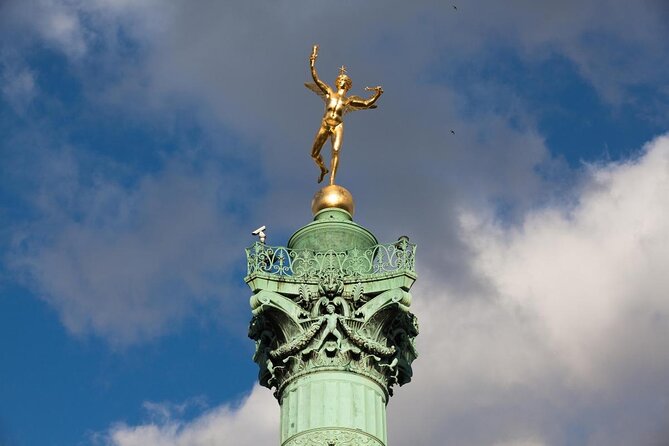
- Starting at Place de la Bastille: Where the Story Begins
- Rue du Faubourg Saint-Antoine: Artisanal Paris, Not Just Big Sights
- Passage du Chantier: Spot the Architectural “Language”
- Fontaine de Charonne: Old Beauty Next to the Present
- Square Trousseau: A Green Pause with a Purpose
- Bastille Market (Marché d’Aligre/Beauvau): Brocantes and Real Food Stops
- Coulée Verte René-Dumont: Finish Where the City Turns Green
- How to Make It Smooth: Timing, Setup, and Route Sense
- Who This Tour Suits Best (and Who Might Want Something Else)
- Should You Book Bastille’s Architecture & Artisans Tour?
- FAQ
- How long is the Bastille Architecture & Artisans self-guided walking tour?
- Is this tour self-guided or led by a person?
- What language is the audio tour in?
- Do I need Wi‑Fi during the tour?
- Are earphones included?
- Where does the tour start and end?
- Are any of the stops paid attractions?
- How many people are in the experience?
- Can I cancel for a refund?
Key things to know before you go
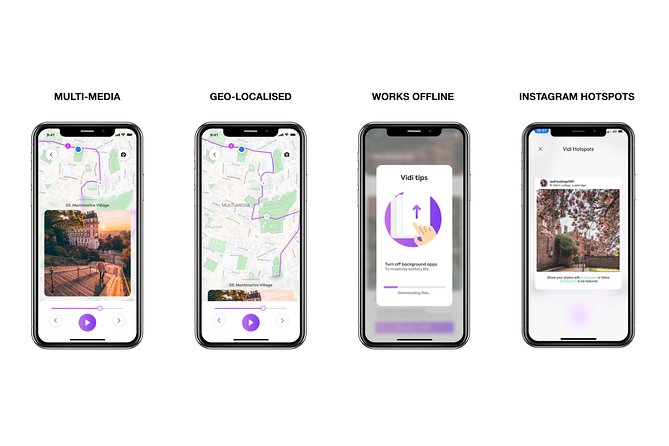
- Offline-first audio: download ahead so you can listen without Wi‑Fi.
- GPS location-aware map: helps you connect each story to the street in front of you.
- Stop-by-stop pacing: each segment is short, so you can linger or skip without breaking the route.
- Revolution-era places, artisanal streets, and green finish: history to market to a park-like walk.
- Small-group setting: the experience has a maximum of 10 travelers.
Why Bastille Works So Well for a 45–60 Minute Paris Walk
Paris can feel like nonstop sightseeing pressure. This tour is different because it’s built for a short, readable route through the Bastille area, where you can still see how everyday streets shaped bigger historical changes.
You’ll cover a mix of revolution-linked squares and artisan lanes, then end with a calmer stretch of greenery on the Coulée Verte. That flow matters. It turns what could be a random neighborhood walk into a story you can actually follow.
Worth weighing up next to this Paris pick
- Paris Top Sights Half Day Walking Tour with a Fun Guide
★ 5.0 · 2,893 reviews - Montmartre Hidden Gems and Scenic Highlights Walking Tour
★ 5.0 · 2,684 reviews - Montmartre Hill French Gourmet Food and Wine Tasting Walking Tour
★ 5.0 · 2,588 reviews - Paris: Montmartre Highlights Walking Tour with a Local Guide
★ 4.9 · 2,318 reviews
Price and Logistics: What You’re Really Paying For
At $17.88 per person, you’re not buying a guide who stays with you in person. You’re buying a package: access to the audio tour, a map that tracks where you are, and the convenience of downloading ahead for offline listening.
The good news is that the major stops are free to access (each listed stop notes admission ticket free). So you’re mostly paying for the “how to look” part—the narration that turns streets into context, especially around Faubourg Saint‑Antoine and artisan life.
Here’s the practical bit. You’ll need:
- a mobile device with battery
- earphones (not included)
- the Vidi Guides app and your tour code
If you show up without downloading, you can lose the point of the tour quickly. I’d treat it like any other self-guided experience: set up first, stroll second.
Starting at Place de la Bastille: Where the Story Begins
Your tour starts at Place de la Bastille, a natural launching point because the square is so tied to the French Revolution narrative. Expect the opening audio to frame why this place matters, then guide you from there toward the streets that supported the era’s social and political energy.
This first stop is short, about 5 minutes, so don’t rush it. I’d use the opening narration as your “key” for the rest of the walk—what you’re listening for is how the neighborhood’s physical layout connects to the political story.
Tip: stand in the square and let the GPS settle before you move on. Location-aware tours feel much better when the app agrees with where you are.
Rue du Faubourg Saint-Antoine: Artisanal Paris, Not Just Big Sights
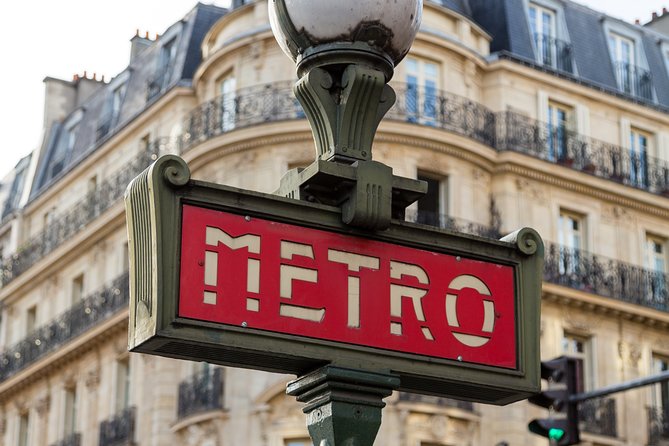
Next you’ll head to Rue du Faubourg Saint‑Antoine, where the focus shifts from the revolution’s headline moments to the artisanal roots of the neighborhood.
This is where the audio makes the route feel more personal. You’re not just seeing a street—you’re hearing how that kind of workshop-and-craft environment helped shape the attitudes and momentum of the time. If you enjoy learning through the texture of daily life, this stop is one of the best uses of your limited time.
This segment is also around 5 minutes, which keeps the tour snappy. If you like to photograph doorways or old shopfronts, slow down for a minute or two before you continue.
Passage du Chantier: Spot the Architectural “Language”
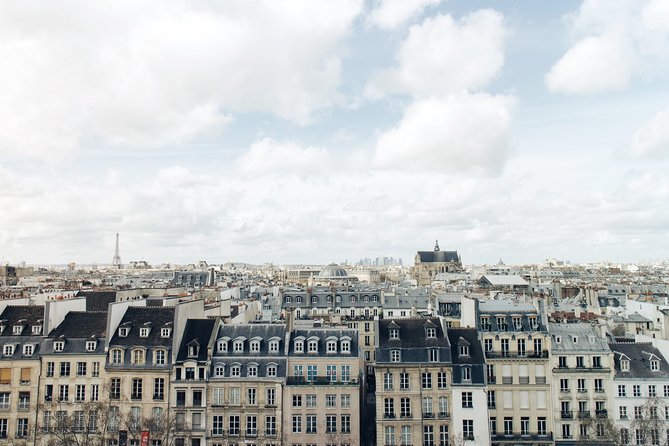
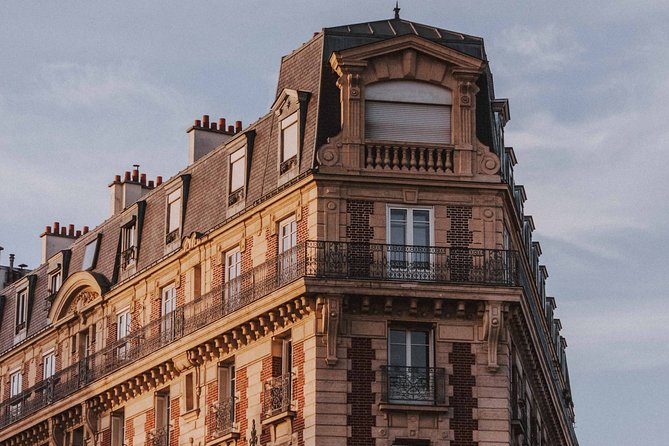
Then comes Passage du Chantier, one of those tucked-away passages where it’s easy to stop, look around, and realize you’re seeing older Paris patterns close up.
The narration credits Juan with explaining the architectural style and why it still matters. That’s a strong approach for self-guided walking: the audio gives you something specific to notice, not just general flavor.
In plain terms, you’ll get better results here if you treat the passage like an outdoor exhibit:
- look at form and structure
- notice how the corridor shapes movement
- watch for how the area’s age shows in details
Again, the time window is brief, about 5 minutes. If you’re the type who could spend 20 minutes in a passage, you’ll appreciate that the tour is self-guided enough for extra lingering.
Fontaine de Charonne: Old Beauty Next to the Present
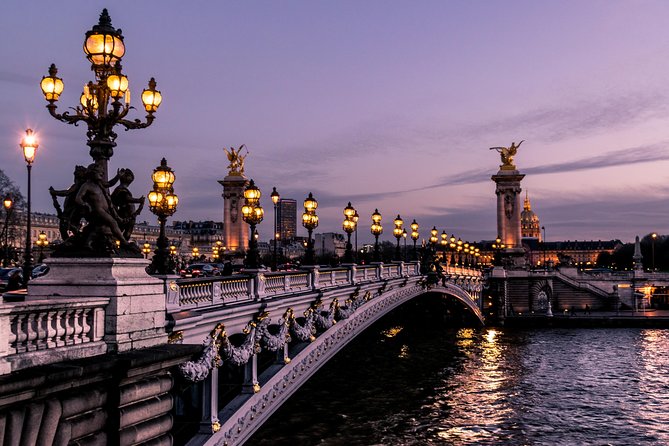
At Fontaine de Charonne, the story turns toward preservation. The audio draws your attention to how the fountain’s antiquity remains visible while the neighborhood continues on around it.
This stop works well because it’s calmer than the main street sections. You can let your eyes rest, then use the narration to understand what you’re seeing instead of just taking a photo and moving on.
If you want a break from standing in busy traffic zones, aim to approach this stop slowly. It’s a nice pocket moment before the green square and market.
Worth weighing up next to this Paris pick




Square Trousseau: A Green Pause with a Purpose
Next is Square Trousseau, described as a green oasis. The narration here slows you down with history and context, so the square feels like more than just a place to catch your breath.
This is another ~5 minute segment, so it’s best used like a reset button. Find a bench or a quiet corner, listen through the key part of the audio, then decide if you want extra time.
I like squares like this during short self-guided routes because they balance the density of Paris streets. You end up with more memory, not just more footsteps.
Bastille Market (Marché d’Aligre/Beauvau): Brocantes and Real Food Stops
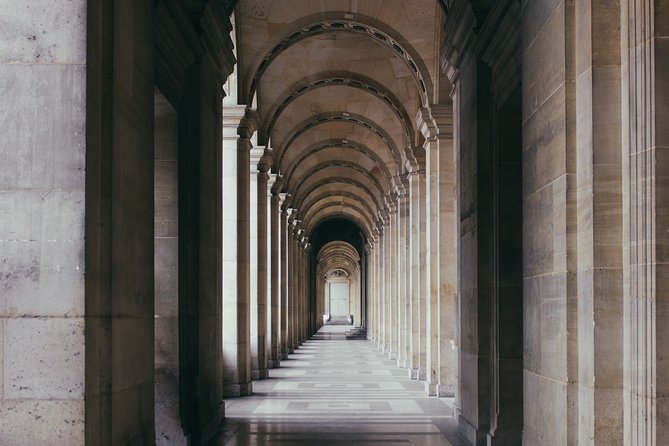
Now you get the lively center: Bastille Market, listed as Market d’Aligre/Beauvau. This is where the tour shifts from architecture and history into atmosphere—brocantes, local browsing, and the chance to mix in a snack or simple bite if you want.
The segment is around 10 minutes, so you don’t feel rushed. The audio points you toward the market vibe and includes Juan’s favorite spot to experience it.
Practical advice: if you’re hungry, this is a smart time to eat because the tour still gives you a defined structure for moving through the area. Also, if you’re not in the mood to shop, you can still enjoy the sensory part—colors, signs, and the rhythm of people moving between stalls.
Coulée Verte René-Dumont: Finish Where the City Turns Green
You end at 1 Coulée Verte René-Dumont, a finish that changes your pace in a good way. The audio wraps up with the past-to-present contrast, helping you connect the idea of “Paris history” to something you can literally walk through.
This ending works because it feels like a transition. You’re moving from streets and small spaces into a longer, more open path. Even if you only listen through the final portion, the stop gives you a satisfying landing after the earlier segments.
If your legs are tired, you’ve chosen a route that naturally slows down near the end rather than dumping you back into the tightest streets.
How to Make It Smooth: Timing, Setup, and Route Sense
This is offered in English, and it runs daily from 7:00 AM to 10:00 PM. For most people, that means you can slot it into a morning wander, an afternoon break, or an early evening stroll.
Here’s what makes the difference between a good experience and a confusing one:
- Download ahead in the Vidi Guides app using the unique code you receive after booking.
- Bring earphones and plug them in before you start walking.
- Use the GPS map as your primary guide, not landmarks alone.
There’s one common frustration with self-guided routes: not finding the exact starting point. Your start is Place de la Bastille, so give yourself a minute to orient in the square before you trigger the route flow. Once you’re aligned, the app’s location-aware design should keep you on track.
Also, since you can listen in offline mode, don’t wait until you’re halfway across the neighborhood to start dealing with connectivity.
Who This Tour Suits Best (and Who Might Want Something Else)
This Bastille architecture and artisans self-guided tour is a great fit if you like:
- learning while walking, but at your own pace
- short stops with clear transitions
- local narration that makes streets and buildings feel meaningful
It’s also ideal if you want budget-friendly flexibility in Paris. You’re not locked into a long schedule or a full-day itinerary. Instead, you get a defined route that’s easy to match with the rest of your day—market time, a historic square moment, then a green finish.
You might want a different style of tour if you prefer an always-on guide to answer questions in real time. This one is built for independent listening and wandering, so your experience depends on your phone setup and comfort with self-navigation.
Should You Book Bastille’s Architecture & Artisans Tour?
I’d book it if you want a smart, low-commitment way to see Bastille beyond the headlines. The combination of free-access stops, offline-friendly audio, and a narrative that ties architecture, artisans, and revolution context together makes it good value for a short window of time.
I’d hesitate only if you hate fiddly setups on your phone. If you’re the type who always forgets headphones or keeps putting off app downloads, you may find it frustrating.
If you want a practical win, do this: download the tour before you leave your hotel, charge your phone, and start right at Place de la Bastille. Then let Juan’s stop-by-stop commentary guide your eyes as you walk.
FAQ
How long is the Bastille Architecture & Artisans self-guided walking tour?
It takes about 45 minutes to 1 hour.
Is this tour self-guided or led by a person?
It’s self-guided with an audio tour you access on your mobile device.
What language is the audio tour in?
The audio tour is offered in English.
Do I need Wi‑Fi during the tour?
No. The tour offers an offline mode, so you can download tours in advance and listen without Wi‑Fi.
Are earphones included?
No. Earphones are not included.
Where does the tour start and end?
It starts at Place de la Bastille and ends at 1 Coulée Verte René-Dumont, 75012 Paris.
Are any of the stops paid attractions?
The listed stops show admission ticket free.
How many people are in the experience?
There is a maximum of 10 travelers.
Can I cancel for a refund?
Yes. You can cancel for free up to 24 hours in advance for a full refund. If you cancel less than 24 hours before the start time, the amount paid isn’t refunded.
More Walking Tours in Paris
- Paris Top Sights Half Day Walking Tour with a Fun Guide
★ 5.0 · 2,893 reviews - Montmartre Hidden Gems and Scenic Highlights Walking Tour
★ 5.0 · 2,684 reviews - Montmartre Hill French Gourmet Food and Wine Tasting Walking Tour
★ 5.0 · 2,588 reviews - Paris: Montmartre Highlights Walking Tour with a Local Guide
★ 4.9 · 2,318 reviews - Paris Île de la Cité and Notre-Dame Walking Tour With Crypt
★ 5.0 · 2,272 reviews
More Tours in Paris
- Paris: Louvre Guided Tour with Reserved Access & Boat Cruise
★ 4.3 · 16,353 reviews - Paris: Big Bus Hop-On Hop-Off Tour with Optional Cruise
★ 4.4 · 13,279 reviews - Louvre Museum Masterpieces Guided Tour with Access
★ 4.5 · 12,023 reviews - Versailles: Skip-the-Line Tour of Palace and Gardens Access
★ 4.7 · 10,429 reviews - Paris: Louvre Overview, Exploration tour and Reserved Entry
★ 4.1 · 10,145 reviews
More Tour Reviews in Paris
- Paris: 1-Hour Seine Cruise departing from the Eiffel Tower
★ 4.4 · 77,472 reviews - Paris: Louvre Museum Timed-Entrance Ticket
★ 4.6 · 71,977 reviews - Disneyland® Paris 1-Day Ticket
★ 4.6 · 49,412 reviews - Paris: Versailles Palace and Gardens Full Access Ticket
★ 4.6 · 41,579 reviews - Paris: Arc de Triomphe Rooftop Tickets
★ 4.6 · 34,264 reviews
Fresh off the review desk in Paris
- Secrets of Paris Bike Tour in English or Dutch★ 5.0 · 5 reviews
- Paris: Mont Saint-Michel Day Tour with Chinese Tour Guide★ 5.0 · 5 reviews
- Private Street Art 2-Hour Guided Tour in Paris★ 4.5 · 5 reviews
- Orsay Museum Tour: 2h Highlights (Private & Small Group)★ 5.0 · 5 reviews
- Discover Paris in electric golf carts★ 4.0 · 5 reviews
- Paris Private Boat Tour with your own Captain Guide★ 5.0 · 5 reviews
Walking Tours, compared.
 ★ 5.0Paris Top Sights Half Day Walking Tour with a Fun GuideFrom $762,893 reviews
 ★ 5.0Montmartre Hidden Gems and Scenic Highlights Walking TourFrom $382,684 reviews
 ★ 5.0Montmartre Hill French Gourmet Food and Wine Tasting Walking TourFrom $1452,588 reviews
 ★ 4.9Montmartre Highlights Walking Tour with a Local GuideFrom $232,318 reviews
 ★ 5.0Paris Île de la Cité and Notre-Dame Walking Tour With CryptFrom $482,272 reviews
 ★ 4.8Montmartre Cheese, Wine & Pastry Guided Walking TourFrom $1272,255 reviews
 ★ 5.0Paris in a Day: Louvre or Orsay, Eiffel Tower, City Walk & CruiseFrom $1571,956 reviews
 ★ 5.0Paris City Center Free Walking Tour (Tip-Based)From $31,340 reviews
Browse the lists this tour appears in