

Reviewed · WALKING TOURS
Discovering Le Marais: Guided Walking Tour of Paris
Le Marais gets personal on foot. A private, customizable walking tour is a great way to see Paris through a real neighborhood lens, hitting the sights you want and the streets you wouldn’t find solo. I love the English-speaking guide who can tailor the pace to your questions, and I love the tight route that mixes major landmarks with smaller, story-rich corners.
The main thing to consider is time. In just 2 hours, the stops are more about smart context and quick photo windows than long museum wandering, and the meeting point at Stravinsky Fountain has been impacted by renovation work (so expect the possibility of visible construction).
In This Review
- Key highlights worth your attention
- Starting at 26 Rue du Renard: a smart way into Le Marais
- Village Saint-Paul and Place des Vosges: the postcard feeling with context
- Hotel de Ville library viewpoint and Rue des Rosiers: streets you can read
- Impasse des Arbalétriers: the alley moment that changes your map
- Notre-Dame-des-Blancs-Manteaux and Église des Billettes: churches with personality
- Rue Sainte-Croix de la Bretonnerie to Centre Pompidou: classic street meets modern energy
- Stravinsky Fountain: abstract sculptures, plus a renovation reality check
- Price and value: what you get for $46 in two hours
- Who this tour suits best (and who should consider alternatives)
- Should you book Le Marais: Guided Walking Tour of Paris?
- FAQ
- FAQ
- Where does the tour start?
- How long is the walking tour?
- How much does it cost?
- Is this a private tour?
- What languages are available?
- Does the tour include food or drinks?
- Is walking the whole time, or is public transport included?
- Is the tour wheelchair accessible?
Key highlights worth your attention
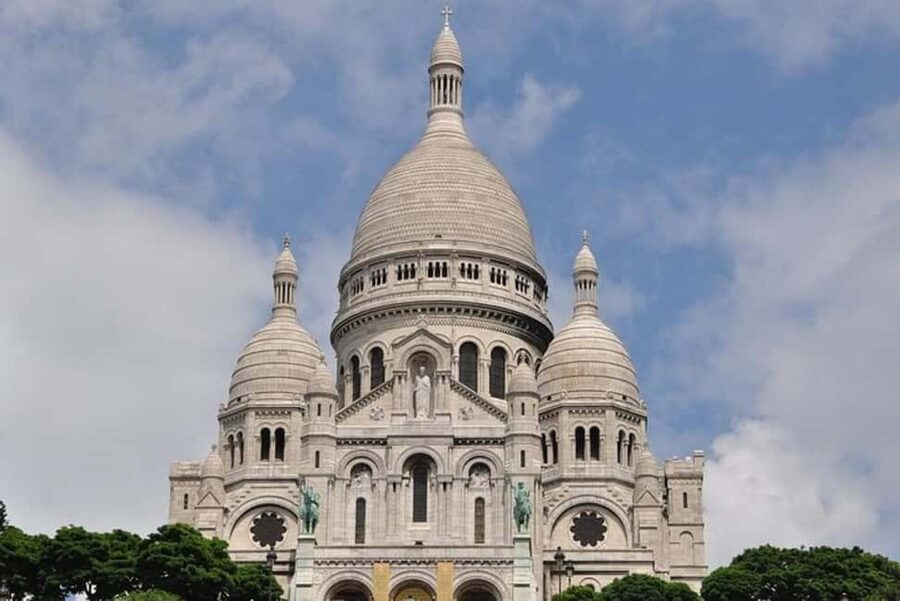
- Private and customizable route so you can steer the walk toward what you care about most
- Pro pacing for a 2-hour window, with enough time at each stop to actually absorb it
- Le Marais texture, from Place des Vosges to tucked-away passages and churches
- Centre Pompidou on the way, with an easy transition from classic Paris to modern art
- Local recommendations you can use immediately after the tour, not generic “top 10” lists
Starting at 26 Rue du Renard: a smart way into Le Marais

You start at 26 Rue du Renard, a location that puts you in the right part of town to walk toward Le Marais highlights without burning time on logistics. It also helps you get oriented fast. The Marais is one of those areas where the streets twist and the scenery changes constantly, so having someone guide you from the first minute is a real advantage.
What I like about this start is that it’s close to major cultural anchors. Even if you don’t plan to go inside everything on your own later, you’ll get the geography in your head: which way the neighborhood flows, where the big landmark clusters sit, and how the pedestrian lanes connect.
One practical note: this tour is designed as a walking experience, and it may include walking plus public transport depending on the option you select. If your feet are sensitive, this is the moment to tell your guide what pace works for you so the route stays enjoyable.
Worth weighing up next to this Paris pick
- Paris Top Sights Half Day Walking Tour with a Fun Guide
★ 5.0 · 2,893 reviews - Montmartre Hidden Gems and Scenic Highlights Walking Tour
★ 5.0 · 2,684 reviews - Montmartre Hill French Gourmet Food and Wine Tasting Walking Tour
★ 5.0 · 2,588 reviews - Paris: Montmartre Highlights Walking Tour with a Local Guide
★ 4.9 · 2,318 reviews
Village Saint-Paul and Place des Vosges: the postcard feeling with context
Your first stretch moves into the Village Saint-Paul area and then to Place des Vosges, two stops that set the tone for the whole neighborhood. Place des Vosges is the kind of place you’ve seen in photos, but on foot it hits differently. You get to notice the symmetry, the building rhythm, and how people actually use the square—standing, strolling, pausing for photos.
The value of having a guide here is not the obvious stuff. It’s the “why this place matters” layer—what shaped the area and what you should pay attention to as you walk past. Instead of treating it like a static background, you start to see it as a piece of urban planning and cultural identity.
Photo stops are built into the pacing here, so you won’t feel like you’re sprinting for pictures. Still, treat those moments as short windows, not invitations to linger. This is how the tour stays within a 2-hour total.
Hotel de Ville library viewpoint and Rue des Rosiers: streets you can read
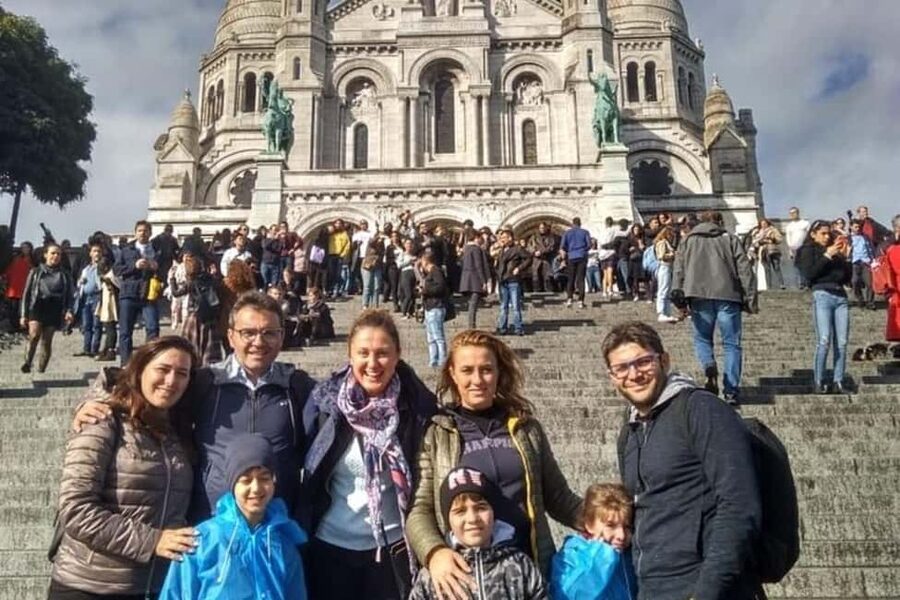
From Place des Vosges, you move toward the bibliothèque de l’hôtel de ville de Paris area, then to Rue des Rosiers. This is where Le Marais stops being “pretty square” and becomes a neighborhood you can navigate like a local.
Rue des Rosiers is a street where the energy comes from everyday life. With a guide, you’ll learn how to think about what you’re seeing—what kinds of businesses and cultural currents show up here, and how the street fits into the broader Marais story. Even if you don’t stop for food or drinks during the tour (they’re not included), you’ll get enough local direction to make smart choices later.
Here’s the small practical win: after a guided pass like this, you’ll know where to circle back. If you want a quick snack, a coffee, or a shopping stop, you’re more likely to pick the right street section the first time.
A possible drawback: because food isn’t included, your “I want a break” needs are on you. If you know you’ll want a drink, plan to carry water or have a snack strategy for between stops.
Impasse des Arbalétriers: the alley moment that changes your map
Next comes Impasse des Arbalétriers, one of those short passages that makes you understand why Le Marais feels so walkable and surprising. These narrower lanes are where Paris feels less like a theme park and more like a lived-in city.
This stop is small in distance but big in impact. It helps you see the neighborhood’s structure: how streets connect, how courtyards and smaller ways create quiet pockets, and why Le Marais can feel both classic and intimate.
I also like that this kind of stop is included in a short tour. It prevents the walk from becoming only “big-name sights.” Instead, you get variety, and you end with a stronger sense of direction for exploring on your own afterward.
Notre-Dame-des-Blancs-Manteaux and Église des Billettes: churches with personality
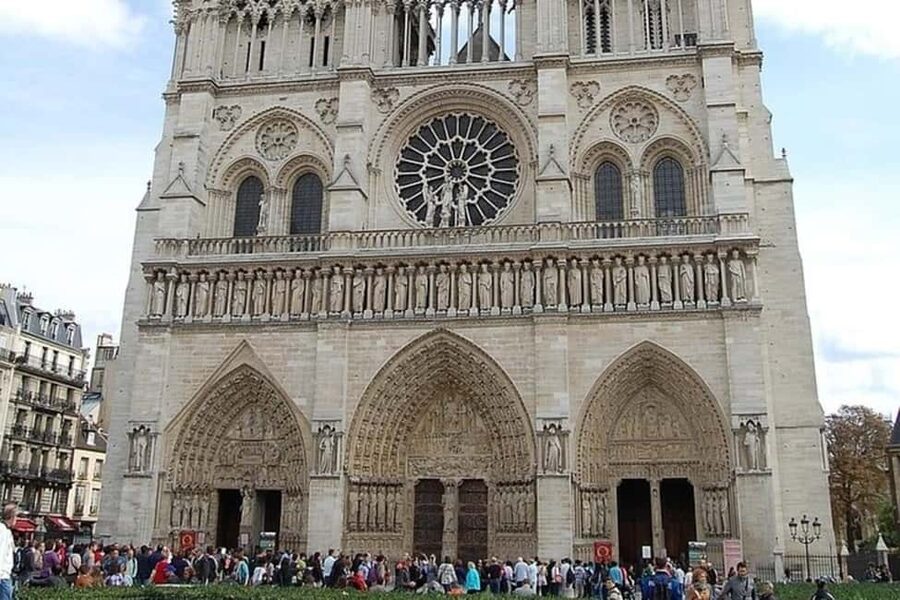
Le Marais is famous for its architecture, and the tour brings you to two church stops that help you appreciate why the neighborhood has such a strong sense of identity.
You visit Notre-Dame-des-Blancs-Manteaux and Église des Billettes, with both stops framed as photo-friendly moments and guided context. The difference with a tour is that you’re not just looking at stone and stained glass (or whatever you can see from the street). You’re learning how these buildings connect to the area’s story and what to notice as you walk up—facades, locations, and the way the surrounding streets shape the church’s presence.
A quick pacing tip: churches can be visually busy. If you try to absorb everything at once, you’ll miss the patterns your guide points out. Slow down your own eye for a minute. Let the guide’s cue settle first, then take your photos.
If you’re choosing between inside time versus outside observation, the tour format leans toward guided viewing at each stop rather than long stays. That’s a good match for people who want the “best of” overview and then prefer to return later at their own pace.
Rue Sainte-Croix de la Bretonnerie to Centre Pompidou: classic street meets modern energy
Then you move along Rue Sainte-Croix de la Bretonnerie and head toward Centre Pompidou. This is a great pairing because it mirrors a real Paris experience: classic streets and older architectural rhythms, followed by modern art and a very different vibe at the Pompidou.
Rue Sainte-Croix de la Bretonnerie helps bridge the neighborhood mood. It gives you that layered feeling—Paris not changing in a straight line, but shifting style by style as you walk. Then Centre Pompidou gives you a clean landmark you can anchor in your memory.
What makes this part useful is the contrast. You’re not only learning what Pompidou is. You’re learning how to place it inside the walking route you just experienced. For planning later, that matters. Once you know where the modern landmark sits relative to the Marais streets, it’s easier to build your own day and avoid backtracking.
And here’s a practical thought: Centre Pompidou can be busy, and you may have limited time depending on the schedule and what your guide includes at the stop. If you’re specifically interested in going inside, use what the guide shares to decide whether to add it later with your own tickets. The tour team offers help to book tickets for desired visits, though entry and food/drink aren’t included as part of this price.
Worth weighing up next to this Paris pick




Stravinsky Fountain: abstract sculptures, plus a renovation reality check

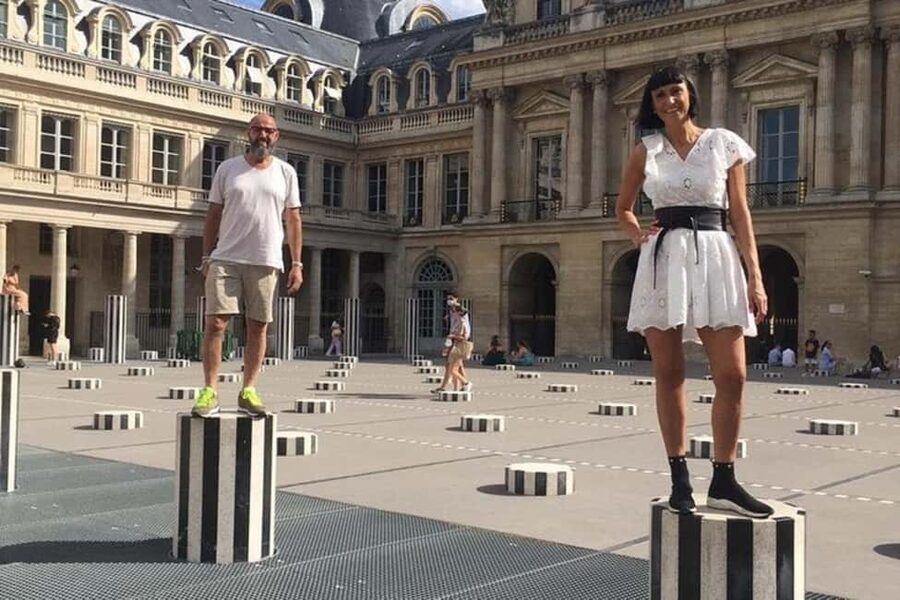
Your walking route ends where it started: the Stravinsky Fountain. If you know the fountain’s style, you already get the idea—abstract sculpture and kinetic energy in a public space that feels like an artwork you can walk past.
The key detail is that the fountain has been under renovation (scheduled until 2023), so you should expect the possibility of the area looking a bit unfinished or impacted by construction elements during your visit. That doesn’t ruin the tour, but it does change what you can see clearly.
I like that the tour still includes this stop. Even with a renovation backdrop, it’s a strong “Paris in layers” moment. You see modern art shapes next to classic city movement, and you get a close-up place to connect the whole walk’s themes: street life, landmark power, and the way art lives in the city.
For best results, go easy on the assumption that everything will be in perfect view. If the area is covered or partially restricted, treat the moment as context, not a disappointment.
Price and value: what you get for $46 in two hours
At $46 per person for about two hours, this tour is priced like a practical orientation plus guided highlights, not like a full day of museum tickets and meals. That’s the right match for the way this walk is structured.
Here’s why the value can be solid:
- You get a private experience (your group isn’t mixed with strangers), which matters in a neighborhood like Le Marais where timing and pace change what you see.
- You get customization, so you can steer toward what you care about most, whether that’s architecture, street photography, churches, or planning your next steps.
- You also get local advice you can use immediately, plus help with booking tickets if you want to expand later.
The cost may feel less “worth it” if you already know the Marais inside and out and only need a map. But if you’re visiting Paris for a short time, or if you prefer learning while you walk instead of reading guidebooks later, this is a good use of time.
One caution on expectations: it’s still a walking tour. You’re not paying for a long sit-down experience or included food. Build your day around it, not inside it.
Who this tour suits best (and who should consider alternatives)
This works especially well if you:
- Want Le Marais highlights without doing a full day of planning
- Like history and architecture but don’t want to “research alone on your feet”
- Prefer a route with photo stops and clear guidance, so you don’t miss the good angles
- Enjoy getting practical next-day ideas from a guide
It may be less ideal if you:
- Only want major museum time and are skipping churches and streets
- Expect a long, slow pace with long interior visits at every stop
- Need food included as part of your tour budget (it isn’t)
Based on reported guide experiences, the pacing and professionalism can vary by guide. Some guides, like Térésa and Pascal, have been praised for being very professional and for keeping the walk moving so you get the best use of the allotted two hours. If you have high expectations for guiding quality, it’s worth checking your specific guide assignment once you book.
Should you book Le Marais: Guided Walking Tour of Paris?
Book it if you want a high-impact introduction to Le Marais with smart context at the places that matter, plus advice you can use right after. At $46 for two hours, it’s a reasonable way to turn a “sightseeing walk” into something that actually helps you plan the rest of your Paris days.
Skip it or consider a different format if you’re looking for a deep museum-heavy itinerary, or if you expect food and long interior time to be part of the package. And keep the renovation note in mind at Stravinsky Fountain, so you don’t judge the stop by perfect conditions.
If you like guided walking and want your Marais day to feel organized without feeling rigid, this is an easy yes.
FAQ
FAQ
Where does the tour start?
The meeting point is 26 Rue du Renard.
How long is the walking tour?
It lasts 2 hours.
How much does it cost?
The price is $46 per person.
Is this a private tour?
Yes. It’s described as a private group and private and exclusive, meaning you won’t be in the same group with other participants.
What languages are available?
The guide is available in English, French, Italian, and Spanish.
Does the tour include food or drinks?
No. Drink or food isn’t included.
Is walking the whole time, or is public transport included?
It includes a walking tour and public transport, except if you select an option that changes that.
Is the tour wheelchair accessible?
Yes. It’s listed as wheelchair accessible.
If you want, tell me your travel dates and your top interest in Le Marais (architecture, food streets, churches, or modern art), and I’ll suggest how to plan the rest of your day around this 2-hour window.
More Walking Tours in Paris
- Paris Top Sights Half Day Walking Tour with a Fun Guide
★ 5.0 · 2,893 reviews - Montmartre Hidden Gems and Scenic Highlights Walking Tour
★ 5.0 · 2,684 reviews - Montmartre Hill French Gourmet Food and Wine Tasting Walking Tour
★ 5.0 · 2,588 reviews - Paris: Montmartre Highlights Walking Tour with a Local Guide
★ 4.9 · 2,318 reviews - Paris Île de la Cité and Notre-Dame Walking Tour With Crypt
★ 5.0 · 2,272 reviews
More Tours in Paris
- Paris: Louvre Guided Tour with Reserved Access & Boat Cruise
★ 4.3 · 16,353 reviews - Paris: Big Bus Hop-On Hop-Off Tour with Optional Cruise
★ 4.4 · 13,279 reviews - Louvre Museum Masterpieces Guided Tour with Access
★ 4.5 · 12,023 reviews - Versailles: Skip-the-Line Tour of Palace and Gardens Access
★ 4.7 · 10,429 reviews - Paris: Louvre Overview, Exploration tour and Reserved Entry
★ 4.1 · 10,145 reviews
More Tour Reviews in Paris
- Paris: 1-Hour Seine Cruise departing from the Eiffel Tower
★ 4.4 · 77,472 reviews - Paris: Louvre Museum Timed-Entrance Ticket
★ 4.6 · 71,977 reviews - Disneyland® Paris 1-Day Ticket
★ 4.6 · 49,412 reviews - Paris: Versailles Palace and Gardens Full Access Ticket
★ 4.6 · 41,579 reviews - Paris: Arc de Triomphe Rooftop Tickets
★ 4.6 · 34,264 reviews
Fresh off the review desk in Paris
- Secrets of Paris Bike Tour in English or Dutch★ 5.0 · 5 reviews
- Paris: Mont Saint-Michel Day Tour with Chinese Tour Guide★ 5.0 · 5 reviews
- Private Street Art 2-Hour Guided Tour in Paris★ 4.5 · 5 reviews
- Orsay Museum Tour: 2h Highlights (Private & Small Group)★ 5.0 · 5 reviews
- Discover Paris in electric golf carts★ 4.0 · 5 reviews
- Paris Private Boat Tour with your own Captain Guide★ 5.0 · 5 reviews
Walking Tours, compared.
 ★ 5.0Paris Top Sights Half Day Walking Tour with a Fun GuideFrom $762,893 reviews
 ★ 5.0Montmartre Hidden Gems and Scenic Highlights Walking TourFrom $382,684 reviews
 ★ 5.0Montmartre Hill French Gourmet Food and Wine Tasting Walking TourFrom $1452,588 reviews
 ★ 4.9Montmartre Highlights Walking Tour with a Local GuideFrom $232,318 reviews
 ★ 5.0Paris Île de la Cité and Notre-Dame Walking Tour With CryptFrom $482,272 reviews
 ★ 4.8Montmartre Cheese, Wine & Pastry Guided Walking TourFrom $1272,255 reviews
 ★ 5.0Paris in a Day: Louvre or Orsay, Eiffel Tower, City Walk & CruiseFrom $1571,956 reviews
 ★ 5.0Paris City Center Free Walking Tour (Tip-Based)From $31,340 reviews