
Reviewed · LES INVALIDES TOURS
Drawing workshop/creative notebook during a walk from the Invalides to the Petit Palais
Paris turns into a sketchbook at 2 pm.
I love the way this walk blends Petit Palais and the Grand views around Pont Alexandre III into hands-on drawing practice, not just sightseeing. You’ll also get cultural stories along the route that make it easier to notice details instead of rushing past them.
The best part for me is the instruction style of Evelyne: patient, encouraging, and tuned to different comfort levels, from first-timers to people who just need better structure. I also like that you don’t just learn what to draw—you learn how to draw it, including new tools and mediums like sanguine and water color pencils.
One consideration: it’s partly outdoors, so bring comfortable shoes and dress for the weather. The walk isn’t long, but you’re still moving, and the session adapts to conditions when possible.
In This Review
- Key highlights at a glance
- Why this Invalides to Petit Palais walk is such a smart idea
- Getting started: what your guided drawing notebook session really feels like
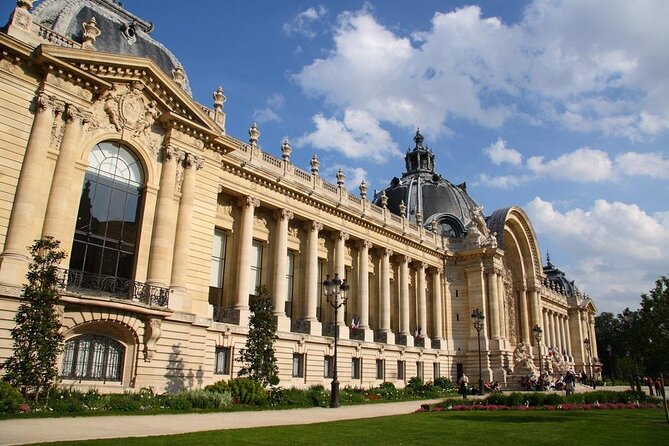
- Stop at Petit Palais: drawing inside a big museum without the intimidation factor
- Pont Alexandre III: where perspective practice becomes real
- Esplanade des Invalides: the best practice ground for “composition thinking”
- The drawing techniques you’ll actually use on your sketchbook
- Perspective, taught through real architecture
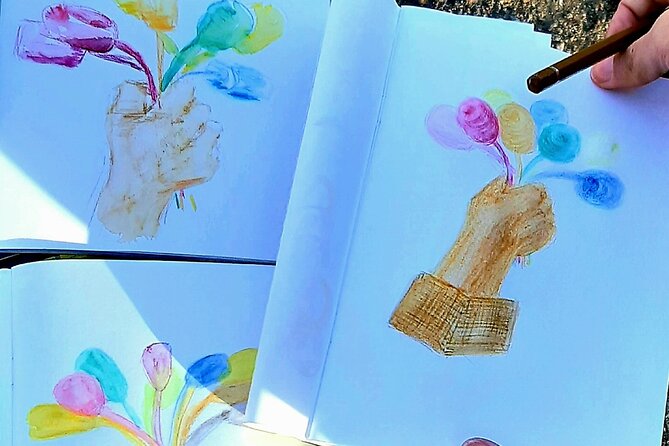
- Mixed media, because paper is a playground
- Composition, so your page reads well
- Drawing in different ways as the walk continues
- Instructor Evelyne: the support system that makes this work for beginners
- What you should bring (and what to wear) for a comfortable 3-hour session
- How much it costs, and when it’s a good value
- Who this tour suits best (and who might prefer something else)
- The 2 pm timing: how to place it in your Paris day
- Should you book the drawing workshop?
- FAQ
- Is the workshop offered in English?
- How long is the drawing workshop?
- Where does the tour start and end?
- Do I need to be an experienced artist?
- Is the workshop outdoors?
- What is the cancellation policy?
Key highlights at a glance
- Small group size (max 10) keeps the pace calm and questions easy
- A real sketchbook-making session driven by practical drawing tasks
- Perspective, mixed media, and composition are taught through site-specific prompts
- Pont Alexandre III and nearby esplanades give you strong shapes to practice on
- Invalides Dome drawing support means you can tackle a big subject without freezing
- English instruction with a local, story-forward approach
Why this Invalides to Petit Palais walk is such a smart idea
If you’ve been to Paris before, you know the “I saw it” feeling can fade fast. This experience slows the city down on purpose. Instead of checking boxes, you learn how to look: angles, proportions, and how to build a drawing step by step while the scenery is still fresh.
You start near the Invalides area and spend roughly three hours walking and drawing in a tight loop, ending back where you began. The route links a major museum stop with iconic nearby viewpoints, so the tour works like a living reference book. You’ll practice techniques that matter in real drawings—especially perspective—then apply them quickly to what you see.
And because the group is capped at 10, the vibe stays personal. That matters when you’re staring at a domed roof or an ornate interior and wondering where to even start. The instructor’s job is to keep you moving forward, even if you’re nervous about drawing in public.
Napoleon and the Invalides, once more
- Les Invalides: Napoleon’s Tomb & Army Museum Entry
★ 4.6 · 9,185 reviews - Paris Entrance Ticket to the Aura Invalides Immersive Show
★ 4.0 · 174 reviews - Skip-the-line Invalides Dome Louis XIV & Napoleon Tour – Exclusive Guided Tour
★ 5.0 · 70 reviews - Paris: Napoleon’s Tomb & Invalides Small Group Guided Tour
★ 4.6 · 51 reviews
Getting started: what your guided drawing notebook session really feels like
This isn’t a “watch and copy” class. It’s more like a guided workshop where the city provides the subject and the instructor provides the method. The goal is a finished creative notebook/sketchbook that you build during the walk by tackling different drawing techniques and creative activities.
You’ll handle prompts tied to skills such as:
- Perspective (so buildings and bridges don’t collapse on the page)
- Composition (so your drawing has structure, not random details)
- Mixed media (so you can experiment without pressure to be perfect)
The instructor also threads in cultural anecdotes as you move. That part is more than entertainment. It gives you context for why certain shapes, monuments, and museum settings feel the way they do. When you understand what you’re looking at, it’s easier to choose what to include in your drawing.
Stop at Petit Palais: drawing inside a big museum without the intimidation factor
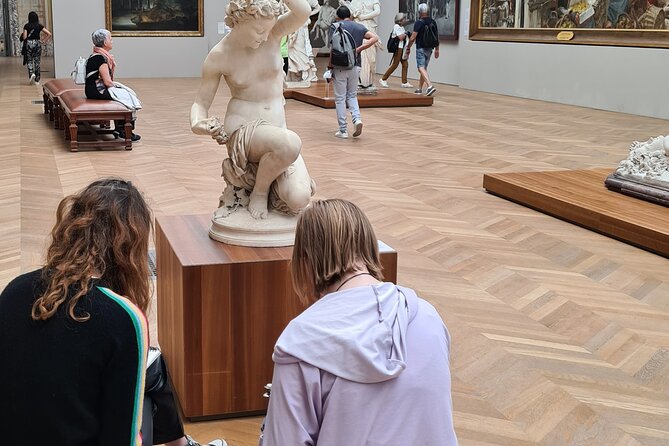
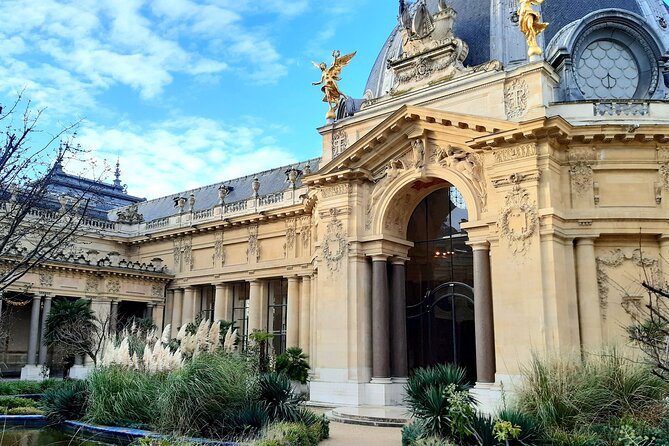
Petit Palais is a classic Paris stop, but it can also feel intimidating. Big interior spaces, lots of artwork around you, and the temptation to feel like you should already know what you’re doing. That’s exactly why this workshop format works.
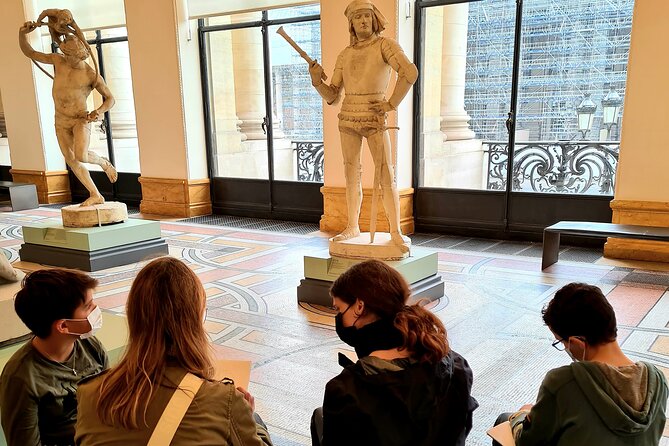
At this stop, you’re not only looking—you’re learning how to approach a complex environment. The instruction emphasizes practical guidance that helps you avoid that blank-page panic. One of the most praised parts of the experience is how the instructor supports people so they don’t feel judged by the subject or the surroundings. If you’re worried you might feel out of place drawing in a museum, this is designed to help you land on something workable.
You’ll also get hands-on direction that supports accuracy. In one of the strongest takeaways from the experience, the instructor helped participants draw the Invalides Dome in a way that felt achievable. Even though the dome is not the Petit Palais stop, the teaching method carries over: break the big forms into manageable parts, then refine.
Pont Alexandre III: where perspective practice becomes real
Once you’re on the move toward Pont Alexandre III, the city stops being abstract. A bridge is basically a geometry exercise with romance. Long lines, repeating shapes, and a strong sense of depth make it ideal for perspective practice.
This is where the workshop’s technique focus pays off. You’ll be nudged toward ways of seeing that make drawings look like they belong in the same world as the monument. Perspective stops being a concept and becomes something you can control on paper.
You don’t need to aim for a perfect postcard drawing. The point is to create a sketch that has convincing structure. If you’re learning mixed media, this is also a good moment to experiment with how you layer marks and materials. The bridge area gives you a lot of shapes to choose from, so you can pick the part that matches your current comfort level.
Esplanade des Invalides: the best practice ground for “composition thinking”
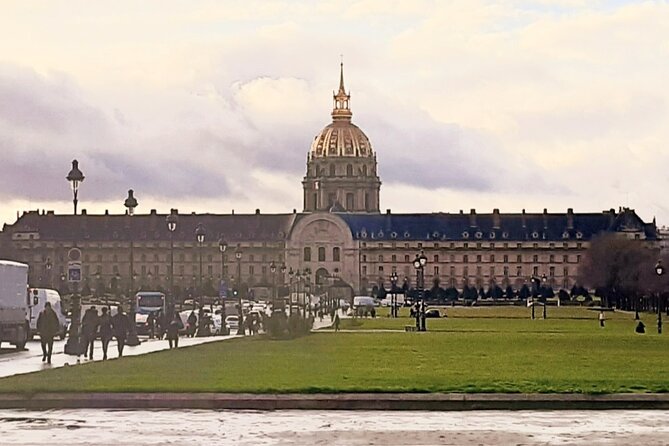
The walk also includes the Esplanade des Invalides area. This kind of space is great for composition exercises because the landmarks are close enough to analyze, but open enough to make it easier to find your angle.
Composition is where many drawings go wrong. People often try to record everything. Here, you’re encouraged to think about arrangement: where the main subject sits, how the background supports it, and how to avoid crowding the page with tiny details that don’t add clarity.
You’ll also benefit from the cultural anecdotes that appear throughout the route. Even if you already know the basics about Paris landmarks, these stories help you notice specific features and understand why certain viewpoints matter. That understanding turns into better decisions on your page.
The drawing techniques you’ll actually use on your sketchbook
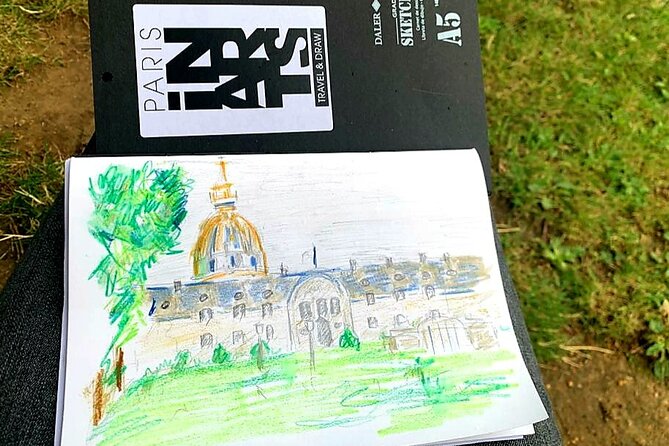
This is a workshop built around repeatable skills. You’re not just collecting pretty scenes—you’re building drawing tools you can take home.
Here are the techniques the workshop focuses on, and why each one matters:
Worth weighing up next to this Paris pick




Perspective, taught through real architecture
Perspective is often taught like math. Here it’s taught like problem-solving. You’ll practice how to make buildings and bridge elements look like they share the same space. Even if your style is loose, perspective helps your sketch feel grounded.
Mixed media, because paper is a playground
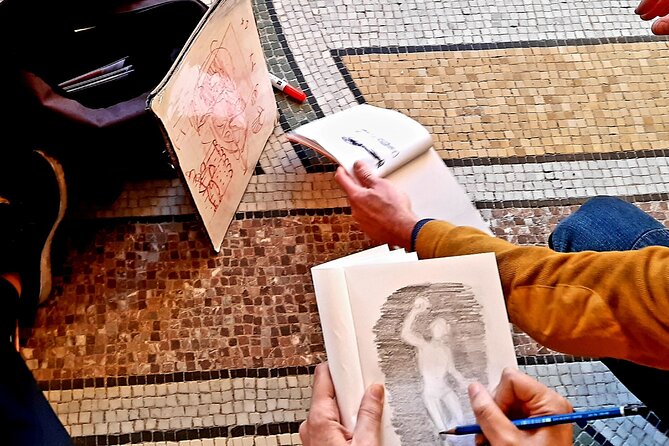
Mixed media sounds fancy, but the workshop approach makes it practical. You’ll try combinations that support both line work and color/texture effects. One of the most specific takeaways from the experience is trying water color pencils. That’s a useful medium for travel because it can look expressive without demanding heavy gear.
Composition, so your page reads well
Composition isn’t only for artists who draw “well.” It’s for anyone who wants their sketch to communicate what they intended to show. You’ll get nudges that help you place your subject and build a drawing that looks intentional, not accidental.
Drawing in different ways as the walk continues
The format moves through multiple stops, so you learn adaptability. One scene might favor structure and angles; another might invite softer shading or different materials. You end up with a notebook that reflects variety, not repetition.
Instructor Evelyne: the support system that makes this work for beginners
If you’re the kind of person who worries you’ll be the slow one, this workshop is worth your attention. The instruction is repeatedly praised for being patient and accommodating. That kind of teaching matters because drawing confidence is as much about being guided as it is about having talent.
One strong example from the experience is how the instructor gave advice inside Petit Palais without making people feel intimidated. Another is how the instructor helped participants learn a new medium, sanguine, and try a water-based pencil technique they wanted to repeat later.
You should expect the instructor to give you clear steps and encouragement—not just criticism. And since the group stays small, you’re more likely to get the specific help you need instead of generic tips.
What you should bring (and what to wear) for a comfortable 3-hour session
You’ll be walking, partly outdoors, and the journey isn’t extremely long, but it’s still active. The workshop is maintained whatever the weather, with adaptations for comfort when possible—so don’t show up in shoes you regret.
Plan on:
- Comfortable shoes you can wear for continuous walking
- Clothing that matches the weather, since parts are outside
- A mindset that you’re there to practice, not to perform
The tour is near public transportation, which makes it easier to plug into your wider day plans in Paris. Still, I recommend showing up a few minutes early so you can settle in before the drawing portion starts.
Also, with a small group (max 10), you’ll get more attention if you’re ready with what you need at the start.
How much it costs, and when it’s a good value
At $94.93 per person for about three hours, this is not a budget “free walking tour” style activity. It’s closer to a hands-on class with guided materials and instruction built into a route through real Paris landmarks.
So is it worth it? For me, it lands in the sweet spot if you want:
- A structured way to learn drawing techniques you can use later
- A guided route that gives you subjects worth sketching
- Expert support when you feel stuck
If you’re simply looking for scenery with no drawing practice, you’d probably do better with a more general sightseeing walk. But if you want an activity that produces something tangible—a creative notebook you can take home—this pricing starts to make sense. You’re paying for the combination of technique instruction, a carefully chosen loop of iconic locations, and the instructor attention that comes with a group limit.
Who this tour suits best (and who might prefer something else)
This experience fits you well if:
- You like hands-on activities and want to make your trip more memorable
- You enjoy art, even if you don’t consider yourself an artist
- You want a mix of Paris culture and practical creative practice
- You appreciate small groups and clear guidance
It may be less ideal if:
- You’re uncomfortable with any outdoor time and walking
- You want a quiet, low-participation experience
- You’re only interested in fast museum time without creative tasks
The good news is the workshop explicitly works for different drawing levels. You’re not required to already know how to draw domes or bridges perfectly. The teaching goal is progress, step by step.
The 2 pm timing: how to place it in your Paris day
Starting at 2:00 pm means you can treat this as an afternoon anchor. It also gives you time in the morning to do heavier museum browsing or iconic photo stops, then switch gears into a calmer, creative rhythm.
Because the experience ends back at the meeting point, it’s easy to continue your day nearby. That loop structure helps you avoid the “where do I go now” scramble that can happen after one-off activities.
If you’re planning around other reservations, aim for a little breathing room. Drawing takes time, and the workshop is designed around practice rather than rushing you through.
Should you book the drawing workshop?
I’d book it if you want to see Paris through how it’s built, not just what it looks like. The combination of Petit Palais, Pont Alexandre III, and the Invalides area gives you strong visual subjects for perspective and composition practice. And the repeated emphasis on Evelyne’s supportive, attentive teaching makes a big difference for beginners who worry they’ll feel out of place.
Skip it if you only want passive sightseeing or you can’t handle any outdoor walking. But if you want a guided creative experience with a real payoff in your sketchbook, this is the kind of activity that makes your trip feel personal.
FAQ
Is the workshop offered in English?
Yes. The experience is offered in English.
How long is the drawing workshop?
It lasts about 3 hours (approximately).
Where does the tour start and end?
It starts at Invalides 75007 Paris, France, and ends back at the same meeting point.
Do I need to be an experienced artist?
No. The workshop is designed for all drawing levels, and the instructor provides support and advice.
Is the workshop outdoors?
It takes place partly outdoors and involves walking. The walking distance is advised as under 1 km, but comfortable shoes and weather-appropriate clothing are recommended.
What is the cancellation policy?
You can cancel for a full refund up to 24 hours before the experience’s start time. If you cancel less than 24 hours before, the amount you paid is not refunded.
If you want, tell me your drawing comfort level (total beginner, can draw a little, or practiced), and I’ll suggest what to focus on—so you’ll get the most from the session.
More Walking Tours in Paris
- Paris Top Sights Half Day Walking Tour with a Fun Guide
★ 5.0 · 2,893 reviews - Montmartre Hidden Gems and Scenic Highlights Walking Tour
★ 5.0 · 2,684 reviews - Montmartre Hill French Gourmet Food and Wine Tasting Walking Tour
★ 5.0 · 2,588 reviews - Paris: Montmartre Highlights Walking Tour with a Local Guide
★ 4.9 · 2,318 reviews - Paris Île de la Cité and Notre-Dame Walking Tour With Crypt
★ 5.0 · 2,272 reviews
More Tour Reviews in Paris
- Paris: 1-Hour Seine Cruise departing from the Eiffel Tower
★ 4.4 · 77,472 reviews - Paris: Louvre Museum Timed-Entrance Ticket
★ 4.6 · 71,977 reviews - Disneyland® Paris 1-Day Ticket
★ 4.6 · 49,412 reviews - Paris: Versailles Palace and Gardens Full Access Ticket
★ 4.6 · 41,579 reviews - Paris: Arc de Triomphe Rooftop Tickets
★ 4.6 · 34,264 reviews
Napoleon's Paris at Les Invalides
- Les Invalides: Napoleon’s Tomb & Army Museum Entry
★ 4.6 · 9,185 reviews - Paris: Aura Invalides Immersive Experience Entry Ticket
★ 4.7 · 3,360 reviews - Paris Entrance Ticket to the Aura Invalides Immersive Show
★ 4.0 · 174 reviews - Skip-the-line Invalides Dome Louis XIV & Napoleon Tour – Exclusive Guided Tour
★ 5.0 · 70 reviews - Paris: Napoleon’s Tomb & Invalides Small Group Guided Tour
★ 4.6 · 51 reviews
Fresh off the review desk in Paris
- Secrets of Paris Bike Tour in English or Dutch★ 5.0 · 5 reviews
- Paris: Mont Saint-Michel Day Tour with Chinese Tour Guide★ 5.0 · 5 reviews
- Private Street Art 2-Hour Guided Tour in Paris★ 4.5 · 5 reviews
- Orsay Museum Tour: 2h Highlights (Private & Small Group)★ 5.0 · 5 reviews
- Discover Paris in electric golf carts★ 4.0 · 5 reviews
- Paris Private Boat Tour with your own Captain Guide★ 5.0 · 5 reviews
Les Invalides Tours, compared.
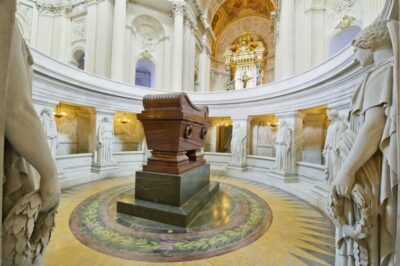 ★ 4.6Les Invalides: Napoleon’s Tomb & Army Museum EntryFrom $209,185 reviews
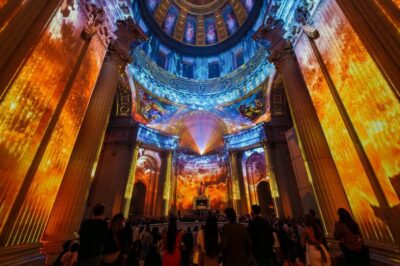 ★ 4.7Aura Invalides Immersive Experience Entry TicketFrom $333,360 reviews
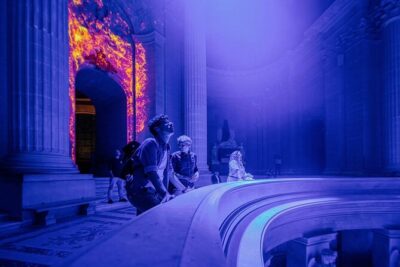 ★ 4.0Paris Entrance Ticket to the Aura Invalides Immersive ShowFrom $33174 reviews
Skip-the-line Invalides Dome Louis XIV & Napoleon Tour – Exclusive Guided TourFrom $14370 reviews
★ 4.0Paris Entrance Ticket to the Aura Invalides Immersive ShowFrom $33174 reviews
Skip-the-line Invalides Dome Louis XIV & Napoleon Tour – Exclusive Guided TourFrom $14370 reviews
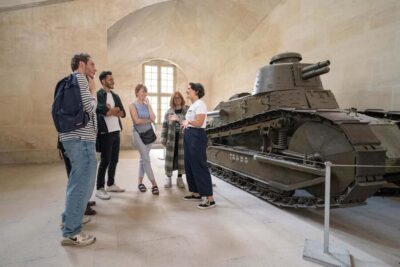 ★ 4.6Napoleon’s Tomb & Invalides Small Group Guided TourFrom $11751 reviews
 ★ 5.0Skip-the-line Invalides Dome Louis XIV & Napoleon Tour – Semi-Private 8ppl MaxFrom $14240 reviews
 ★ 5.0Invalides Museum – WWI & WWII – Guided Tour up to 8 guestsFrom $15632 reviews
 ★ 5.0Skip-the-line Les Invalides World War Museum Guided Tour – Semi-Private 8ppl MaxFrom $14330 reviews
Browse the lists this tour appears in