
Reviewed · WORKSHOPS
Further training workshop
Paris makes you want to shoot everything. This private 3-hour photo walking workshop helps you turn big sights into postcard-perfect images using exposure, lighting, and composition—no specialist gear required. You’ll walk and photograph around the Île de la Cité and the Latin Quarter areas, with a professional photographer leading your group.
Two things I especially like about this experience are the small size (max four people) and the hands-on coaching that’s tailored to your camera. One possible drawback: you’ll need to bring your own camera, since it is not included—so come ready to actually shoot, not just watch.
In This Review
- Key highlights you’ll feel right away
- A 3-hour Paris photo workshop built for small groups
- Meet your pro photographer professor (and why the pace helps)
- Stop 1: Cathedrale Notre-Dame de Paris framing on Île de la Cité
- Stop 2: Louvre Museum photo time without ticket headaches
- Stop 3: Tuileries garden shots and light tactics in motion
- Stop 4: Eiffel Tower photography with real-world coaching
- Stop 5: Pont Neuf photo time—angles, lines, and reflections
- Between stops: Latin Quarter streets and “labyrinth” photo practice
- Who this tour is perfect for (and who should consider another option)
- Price and value: what $190.10 buys you in real photo skills
- Should you book this Paris photography workshop?
- FAQ
- How long is the photography walking tour?
- What places will we photograph during the workshop?
- Do I need special photography equipment or skills?
- Is this a private tour, and how many people are in the group?
- Are admission tickets included for the stops?
- Is a camera included in the price?
- Is free cancellation available?
Key highlights you’ll feel right away
- Max four people means real attention, not a one-size-fits-all lecture
- Technique, exposure, lighting, and composition are taught while you walk and photograph
- Iconic photo stops at Notre-Dame, Louvre area, Tuileries, Eiffel Tower, and Pont Neuf
- Multiple departure times to help you fit it into your Paris schedule
- Mobile ticket makes check-in simpler on the day
A 3-hour Paris photo workshop built for small groups
This is a private workshop style tour in Paris, designed for groups of up to four. That matters because photography coaching is hard to do well when you’re stuck in a crowd. With a tiny group, your guide can actually see what you’re doing and adjust the teaching to your style and your camera.
The format is also refreshingly straightforward: a walk, a few focused stops, and time to try techniques right where they matter. The total duration is about 3 hours, starting at 1:00 pm, and it ends back at the meeting point. You also have choices in departure times, so you’re not forced into one awkward slot.
Cost-wise, it’s $190.10 per person. For Paris, that price only feels “worth it” if you value guided practice and you want to come away with usable results—not just photos of monuments. Here, you’re paying for a professional photographer professor, plus a private workshop with coaching built around how to take better pictures.
Worth weighing up next to this Paris pick
- Fragonard Paris: Mini Perfume Workshop
★ 4.5 · 1,924 reviews - Paris: Macaron Class at Galeries Lafayette
★ 4.2 · 1,196 reviews - Paris Cooking Class and Lunch with Wine plus Market Visit Option
★ 5.0 · 1,024 reviews - Paris Croissant Small-Group Baking Class with a Chef
★ 5.0 · 910 reviews
Meet your pro photographer professor (and why the pace helps)
You don’t need experience or specialist equipment for this one. The workshop is built around practical instruction: how to use your camera to its best potential. You’ll get targeted teaching on technique, exposure, lighting, and composition, then immediately test ideas at the next photo stop.
That pace is a big deal. Instead of learning concepts and hoping they click later, you’ll apply them right away while the light and scenery are still in front of you. It’s also why the group size is kept small. If you’re adjusting framing, exposure choices, or composition, you benefit when your guide can watch and respond quickly.
One review specifically praised Alexander for being a patient and informative leader and tutor. That lines up with what you want from this type of workshop: someone who explains clearly, then gives you time to try again without rushing you.
Stop 1: Cathedrale Notre-Dame de Paris framing on Île de la Cité
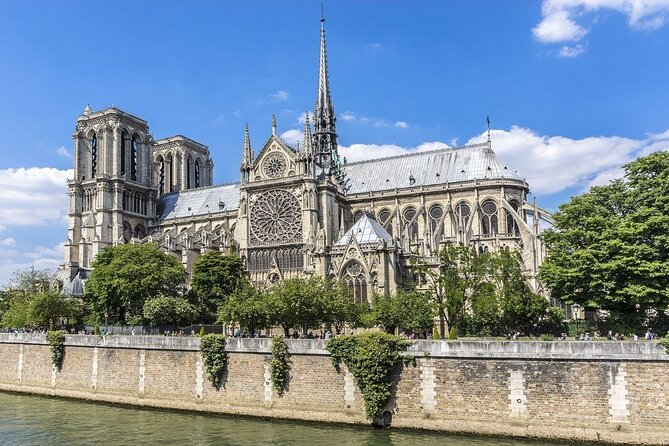
Your first photo time is at Cathedrale Notre-Dame de Paris, with about 30 minutes devoted to photographing the area. This is a smart opener because Notre-Dame is instantly recognizable, yet it still offers plenty of ways to shoot it.
What you’ll likely focus on during this stop is creating stronger composition. The workshop covers composition and lighting, so you’re not just aiming at a postcard view—you’re learning how to tighten the frame, change the angle, and work with how the light hits stone and shadows. Even with a common subject, small technique shifts can make the difference between a flat snapshot and a photo that feels like you were there in the moment.
Also, admission is listed as free for this stop, which is useful if you want the photo time without adding ticket planning. You’ll keep moving as a group, so this isn’t a long museum slog—it’s a focused coaching moment to set your skills for the rest of the walk.
Stop 2: Louvre Museum photo time without ticket headaches
Next up is the Louvre Museum for another 30-minute photography session. The key detail here is that the stop is listed with admission ticket free, meaning you’re not paying for entry as part of this workshop.
That’s exactly how you want to approach a guided street photography day: you spend the time shooting, not waiting around for museum access. The Louvre area can be visually intense—big architecture, lots of details, lots of people—so coaching matters. The guide can help you pick angle and framing strategies that reduce visual clutter and make your images feel intentional.
Because the workshop also teaches exposure and lighting, this stop is likely where you’ll experiment with how bright sky, reflective surfaces, and contrast affect your final picture. If you’ve ever had a “why does it look washed out” moment with architecture shots, this is the type of setting where you can learn what to change.
Stop 3: Tuileries garden shots and light tactics in motion
You’ll then spend around 30 minutes photographing the Tuileries. This is a different kind of Paris scene than the cathedral and the big monumental museum shapes. Gardens tend to give you more options for leading lines, depth, and softer light than you get in pure stone-and-sky views.
This is also where the workshop’s “experiment” theme can pay off. The tour explicitly includes trying different angle and light tactics to capture unique photos. In a garden setting, you can test composition choices like stronger foreground elements or wider framing that adds context without losing your subject.
One practical advantage: gardens can offer variety with less effort. You can turn, step, reframe, and still stay within the same general area. For a small group, it’s easier for your guide to help you compare what works. That comparison is where photography learning accelerates—you see the difference immediately, instead of guessing later at home.
Stop 4: Eiffel Tower photography with real-world coaching
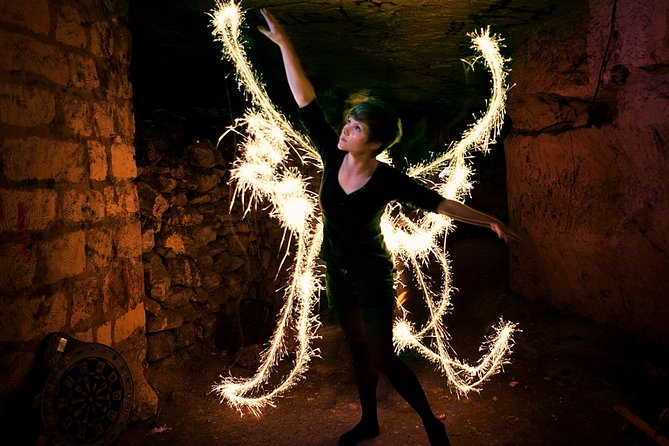
The Eiffel Tower stop is scheduled for about 30 minutes. The tower is one of those subjects that everyone photographs, which is both good and challenging. The good part is you’ll get multiple chances to get satisfying results. The challenge is that easy Eiffel photos can look too standard if you’re not thinking about angles, light, and composition.
This is where the workshop’s exposure and lighting instruction can be especially useful. Bright daylight, mixed shadows, and changing light as you move all affect how the tower renders in your camera. With guidance, you can learn how to avoid common issues—like blown highlights or images that feel flat.
Another plus: admission ticket free is listed for the stop. That keeps your time focused on shooting rather than ticket logistics. And with the tour’s private format, you’re more likely to get coaching that fits your exact shooting style, not generic advice.




Stop 5: Pont Neuf photo time—angles, lines, and reflections
Pont Neuf is your final scheduled photography stop, also about 30 minutes. This is a great closing session because a bridge gives you natural structure: repeated lines, strong geometry, and often water or river-adjacent reflections depending on the lighting and where you stand.
The workshop’s focus on technique and composition fits perfectly here. Bridges are made for leading lines, framing, and perspective changes. Even if you think you’re taking the same shot, shifting your position by a few steps can drastically change your lines and your sense of depth.
This stop also gives you a chance to apply everything you learned earlier. By the time you reach Pont Neuf, you’ve already worked on monumental architecture, large iconic forms, and calmer garden lighting. So this final session is often where it clicks—because you’re not just copying a guide’s framing. You’re applying the workshop principles to a subject that rewards experimentation.
Between stops: Latin Quarter streets and “labyrinth” photo practice
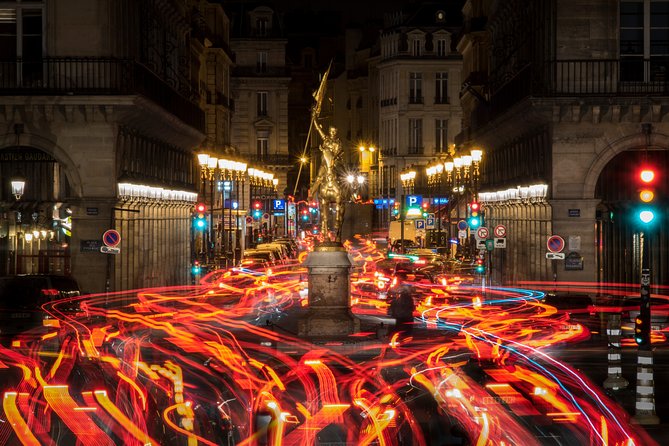
The tour description mentions wandering through the charming labyrinth of streets making up the Latin Quarter. That detail matters for photography practice. Tight city streets encourage you to work on angle and framing, and they naturally push you toward more creative compositions than you’d get only by photographing landmarks straight-on.
This is also where small-group coaching helps. If you’re unsure how to frame a street scene, you can ask your guide for a quick adjustment—then try it immediately. And if you’re confident, you can experiment with composition choices and lighting tactics without feeling held back by a larger group’s pace.
In Paris, you’ll see people photographing from the same default positions. This workshop structure nudges you away from that. You still end up with iconic shots—Notre-Dame, Louvre, Eiffel Tower, and more—but the route through the streets helps your images feel less like a checklist and more like a photo story.
Who this tour is perfect for (and who should consider another option)
This workshop is a good fit if you want guidance but don’t want to feel intimidated. The tour info notes that most travelers can participate, and it explicitly says you don’t need specialist equipment. So if you’re using a smartphone, a basic digital camera, or something fancier, the key is that your guide will tailor the lesson to you.
It’s also a great choice if you’ve already taken a few Paris photos and think, Okay, now I want the shots to look better. The instruction topics—technique, exposure, lighting, and composition—are exactly what you need when your results aren’t matching what you see in your head.
One more reality check: this is a camera practice day. Since a camera is not included, you’ll get more from the tour if you’re ready to shoot right away. If you only want sightseeing with casual photos, you might find the coaching-focused format less satisfying.
Price and value: what $190.10 buys you in real photo skills
Let’s talk value honestly. $190.10 per person is not cheap for a walking tour. The value only makes sense if the workshop-style coaching helps you capture better photos, faster.
Here’s what you’re paying for:
- A private workshop experience (not a big group)
- A professional photographer professor
- Hands-on teaching focused on the camera fundamentals that actually change your results
- Multiple landmark-focused sessions with time to practice
Also, the pricing structure includes group discounts, which can make this much more reasonable if you’re traveling with a couple of friends who want the same learning style. And because the scheduled stops list admission as free, you’re not adding ticket costs for those photo moments.
If you’re the type who likes to study at home, you might find generic photography advice everywhere. This workshop is different because it teaches while you’re standing in the scene. You learn, try, adjust, and move on—so the “skill transfer” happens while you still remember what you just changed.
Should you book this Paris photography workshop?
Yes, if you want guided photo practice with a pro, and you’re traveling with a small group (or you’re okay joining a small group max four). The combination of hands-on coaching and iconic Paris locations gives you both structure and creativity. You also have freedom in departure times, plus mobile ticket convenience and nearby public transportation, which keeps the day from getting complicated.
I’d skip it if you’re not planning to bring a camera and use it during the sessions. This workshop is built around shooting, experimenting, and correcting in real time. If you want a monument-focused sightseeing day only, you’ll likely get more value from a standard tour.
If you’re aiming for postcard-quality photos with better technique—this is a strong way to get there in just about three hours.
FAQ
How long is the photography walking tour?
The tour duration is approximately 3 hours.
What places will we photograph during the workshop?
The scheduled stops are Cathedrale Notre-Dame de Paris, Louvre Museum, Tuileries, Eiffel Tower, and Pont Neuf.
Do I need special photography equipment or skills?
No special equipment is required. You should bring your camera, and the photographer will tailor the lesson to your needs.
Is this a private tour, and how many people are in the group?
Yes. It’s private and your group will participate only. The group is limited to a maximum of four people.
Are admission tickets included for the stops?
Admission tickets are listed as free for the scheduled stops.
Is a camera included in the price?
No. A camera is not included, so you’ll need to bring your own.
Is free cancellation available?
Yes. You can cancel up to 24 hours in advance for a full refund.
If you want, tell me your camera type (smartphone, compact, DSLR, etc.) and what time of year you’re going, and I’ll suggest how to get the best results at each stop.
More Workshops in Paris
- Fragonard Paris: Mini Perfume Workshop
★ 4.5 · 1,924 reviews - Paris: Macaron Class at Galeries Lafayette
★ 4.2 · 1,196 reviews - Paris Cooking Class and Lunch with Wine plus Market Visit Option
★ 5.0 · 1,024 reviews - Paris Croissant Small-Group Baking Class with a Chef
★ 5.0 · 910 reviews - Paris: 2-Hour Perfume Creation Workshop
★ 4.8 · 731 reviews
More Tour Reviews in Paris
- Paris: 1-Hour Seine Cruise departing from the Eiffel Tower
★ 4.4 · 77,472 reviews - Paris: Louvre Museum Timed-Entrance Ticket
★ 4.6 · 71,977 reviews - Disneyland® Paris 1-Day Ticket
★ 4.6 · 49,412 reviews - Paris: Versailles Palace and Gardens Full Access Ticket
★ 4.6 · 41,579 reviews - Paris: Arc de Triomphe Rooftop Tickets
★ 4.6 · 34,264 reviews
Fresh off the review desk in Paris
- Secrets of Paris Bike Tour in English or Dutch★ 5.0 · 5 reviews
- Paris: Mont Saint-Michel Day Tour with Chinese Tour Guide★ 5.0 · 5 reviews
- Private Street Art 2-Hour Guided Tour in Paris★ 4.5 · 5 reviews
- Orsay Museum Tour: 2h Highlights (Private & Small Group)★ 5.0 · 5 reviews
- Discover Paris in electric golf carts★ 4.0 · 5 reviews
- Paris Private Boat Tour with your own Captain Guide★ 5.0 · 5 reviews
Workshops, compared.
 ★ 4.5Fragonard Paris: Mini Perfume WorkshopFrom $361,924 reviews
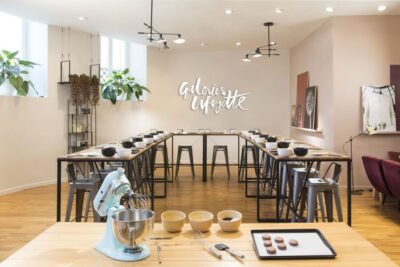 ★ 4.2Macaron Class at Galeries LafayetteFrom $691,196 reviews
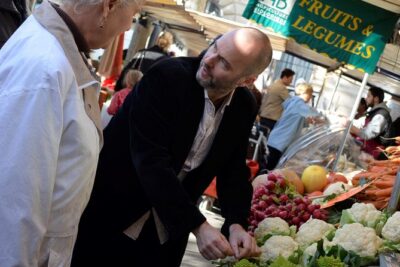 ★ 5.0Paris Cooking Class and Lunch with Wine plus Market Visit OptionFrom $2401,024 reviews
 ★ 5.0Paris Croissant Small-Group Baking Class with a ChefFrom $157910 reviews
 ★ 4.82-Hour Perfume Creation WorkshopFrom $115731 reviews
 ★ 4.9French Croissant Baking Class with a ChefFrom $159712 reviews
 ★ 5.0Paris Cooking Class: Learn How to Make MacaronsFrom $156634 reviews
 ★ 4.9French Macaron Culinary Class with a Chef591 reviews
Browse the lists this tour appears in