
Reviewed · LOUVRE MUSEUM TOURS
Louvre masterpieces in 2 hours
Two hours of Louvre clarity. You’ll get a small-group pace (max 8) plus sharp context from Alice, an Ecole du Louvre graduate guide. My two favorite parts are the way the tour connects art to the building’s story and the chance to pair major hits like the Venus de Milo with less-visited works. One drawback to consider: a small number of past bookings reported problems like a guide no-show or confusion around ticket handling, so read the meeting details carefully and keep your expectations realistic for a super-tight 2-hour window.
I like that this isn’t a sprint-through-everything tour. It’s built to help you understand why certain galleries exist and how Greek and Renaissance works “talk” to each other, instead of just listing names. You’ll also have a multilingual option in English, French, or Russian, which makes it easier to match your comfort level without feeling lost.
This is also a value-and-planning moment. The tour includes the guide, but Louvre admission tickets aren’t included, so you’ll need to secure entry on your side (and remember kids under 18 don’t need tickets). If you’re the type who hates preplanning at busy museums, factor that into your day.
In This Review
- Key Things to Know Before You Go
- Entering The Louvre With a 2-Hour Mission
- Meeting at Carrousel du Louvre on Rue de Rivoli
- From 13th-Century Fortress Walls to Greek Sculpture Rooms
- What’s good about this approach
- A possible drawback
- Venus de Milo: What to Watch For While the Guide Explains
- The Renaissance Throne Hall Moment (Caryatids and Three Graces)
- Why this matters to you
- What you might miss
- Renaissance Painting Halls and the Napoleon–Josephine Tie-In
- Grande Galerie Italian Paintings and What to Do After the Tour
- Price, What You Actually Get, and When It’s Good Value
- Languages and the Benefit of Staying in Your Comfort Zone
- What I’d Watch Out For Before Booking
- Who This Tour Suits Best
- Should You Book This Louvre Masterpieces Tour in 2 Hours?
- FAQ
- How long is the Louvre tour?
- What is the price per person?
- Is the Louvre entrance ticket included?
- How many people are in the group?
- What languages are available?
- Where does the tour start?
- When will I receive confirmation?
- Can I cancel for a refund?
Key Things to Know Before You Go
- Max 8 people keeps the pace human and the Q&A actually possible.
- Alice (Ecole du Louvre graduate) brings museum context, not just facts.
- Venus de Milo plus lesser-seen pieces gives you both the headline and the support cast.
- A 13th-century Louvre fortress starting point helps you read the building before the art.
- Greek sculptures through Renaissance halls is a smart storyline in 2 hours.
- Mobile ticket helps you get organized fast once you’re in Paris.
Entering The Louvre With a 2-Hour Mission
The Louvre can feel like a planet you have to land on carefully. This kind of tour is useful because it turns the museum from a blur into a guided storyline, even when you only have a short amount of time.
You’re not trying to see everything. You’re trying to get your bearings fast and learn how to look. With a max group size of eight, the guide can move at a pace that works for normal people, not marathoners.
Still chasing the Mona Lisa? More Louvre visits
- Paris: Louvre Museum Timed-Entrance Ticket
★ 4.6 · 71,977 reviews - Paris: Louvre Guided Tour with Reserved Access & Boat Cruise
★ 4.3 · 16,353 reviews - Louvre Museum Masterpieces Guided Tour with Access
★ 4.5 · 12,023 reviews - Paris: Louvre Overview, Exploration tour and Reserved Entry
★ 4.1 · 10,145 reviews
Meeting at Carrousel du Louvre on Rue de Rivoli
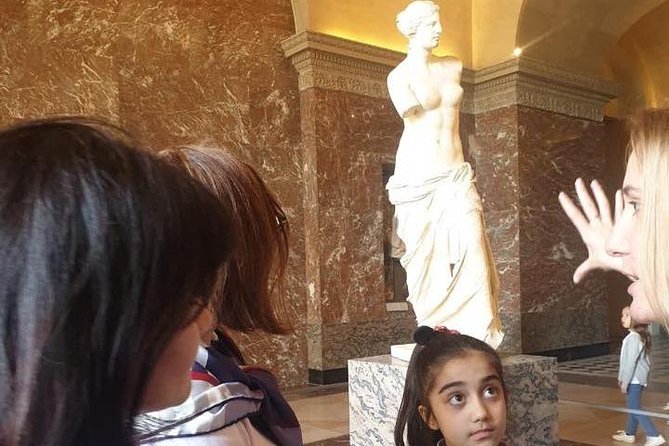
You’ll start at Carrousel du Louvre, at 99 Rue de Rivoli (75001 Paris). That area is a solid pick for first-timers because it’s central and tied directly into the Louvre complex. The tour also ends inside the museum area at Musée du Louvre (75001 Paris), where you can keep going after the guide finishes.
Because timing matters at this museum, I’d treat this meeting point like a train platform: get there early enough to stay calm. If the tour is “about 2 hours,” your group still needs time to find each other, check in, and start viewing—so don’t plan to arrive at the last second.
Also note the tour uses a mobile ticket, which usually means less paper clutter in your bag. Still, I’d make sure you can access it offline if you’re dealing with spotty connectivity.
From 13th-Century Fortress Walls to Greek Sculpture Rooms
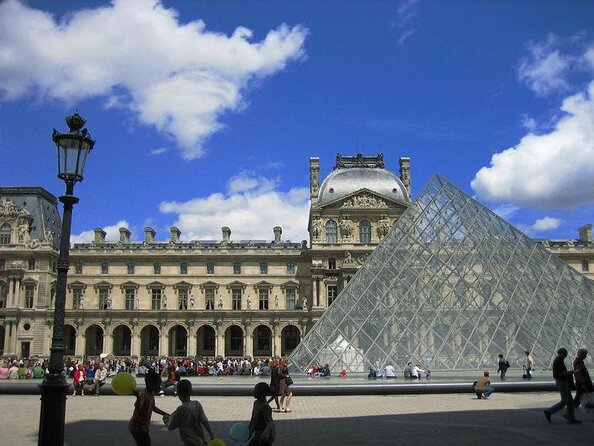
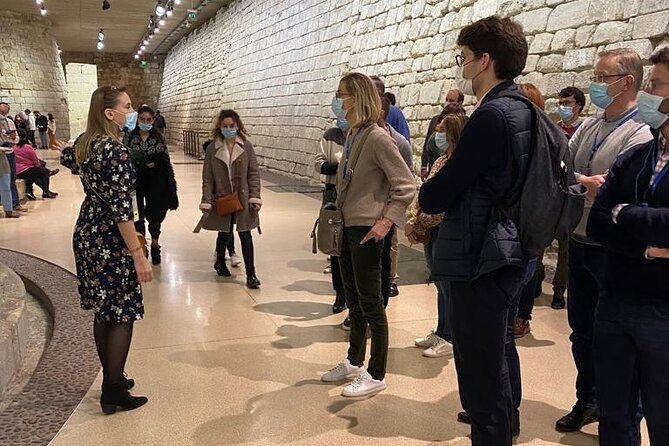
The tour begins with the Louvre’s earlier life as a fortress—specifically, the ancient walls of a warrior castle dating to the 13th century. That’s a great opening because it gives you the “why” behind the building. You stop seeing the Louvre as a single block and start understanding it as layers of Paris history.
Then the route moves into the Greek area and the sculpture galleries. This is where the tour’s structure starts to pay off. Instead of treating Greek sculpture like a museum category, you learn how the artworks’ expected features—like proportion, posture, and visual cues—relate to the way Greek art was made and viewed.
And yes, you do get the headline work: the Venus de Milo. The tour doesn’t just point at it. It frames why Greek sculpture looks the way it does, and what you’re supposed to notice even when you’re standing at a distance.
What’s good about this approach
If you’ve ever stared at a famous statue and felt like you’re missing the point, this is how you fix that. Greek sculpture can be easier to read when you understand the basics of what sculptors were aiming for and what audiences expected to see.
A possible drawback
Greek and Renaissance halls can be visually intense. In a short tour, you’ll absorb a lot of concepts quickly, so you might want to pick your favorite moment afterward and spend extra time there on your own.
Venus de Milo: What to Watch For While the Guide Explains
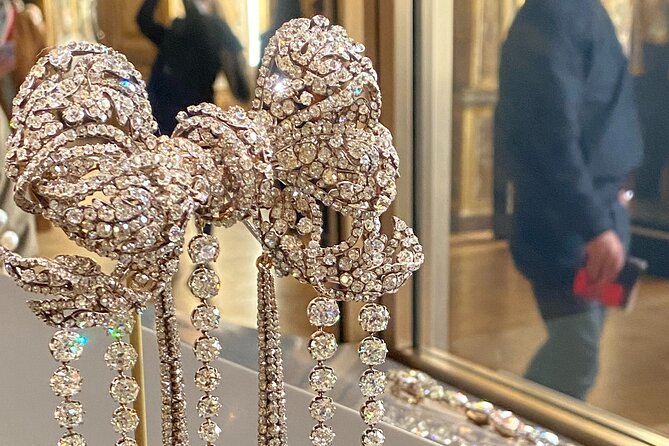
When you get to the Venus de Milo, don’t treat it as a single stop. Treat it as a test drive for how the guide wants you to look.
The tour’s emphasis on the “necessity of attributes” matters here. Missing parts and restored interpretations can change how you read a sculpture, and the guide’s framing helps you understand why that’s not just trivia—it’s part of the sculpture’s story.
This is where the guide’s training shows. Alice is described as an Ecole du Louvre graduate, which usually means you’ll get context that ties style to time and purpose. For you, it translates into less guessing and more “oh, that’s why.”
Worth weighing up next to this Paris pick


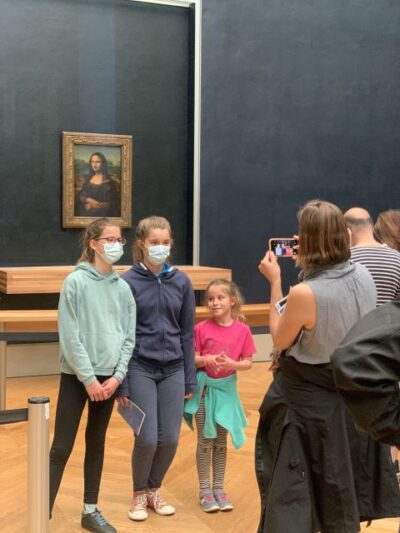

The Renaissance Throne Hall Moment (Caryatids and Three Graces)
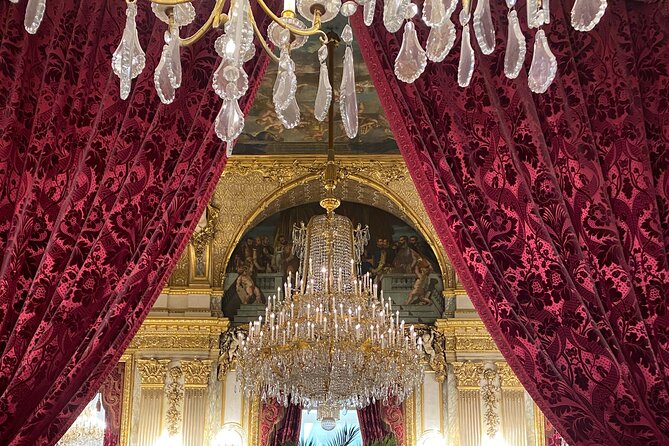
Next comes a Renaissance throne hall setting—one of the earlier throne halls of that period—with standout sculpture works such as Caryatids and the Three Graces. Even if you’ve heard these terms before, seeing them in the context of a ceremonial space is a different experience than seeing photos later.
This stop is also where the tour stretches beyond a single famous piece. You’re shown more fascinating sculptures in that same hall area, including works discussed as dating back to around 500 B.C. The goal isn’t to make you a dating expert. It’s to help you connect how later periods collected, referenced, and displayed classical ideas.
Why this matters to you
Renaissance art and architecture often function like a conversation with the past. When you understand that the museum layout is doing some of the teaching for you, the whole place starts to make more sense.
What you might miss
Because the tour is only about 2 hours, you won’t linger for long at every sculpture. If you’re the type who wants to study details like you’re writing a paper, you’ll likely want to return later or spend more time right after the tour ends.
Renaissance Painting Halls and the Napoleon–Josephine Tie-In
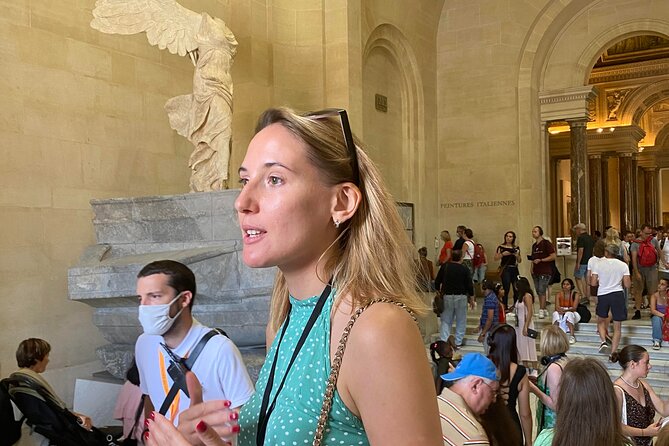
After the sculpture storyline, the tour shifts to the painting sections of the Renaissance period. This part is especially helpful because paintings are where many first-time visitors feel most overwhelmed. Where do you look? What order? What do you even call the themes?
The tour highlights a specific hall tied to a major historical event: the hall where Napoleon celebrated his marriage to Josephine. Even without getting lost in battle details, that kind of context makes the surrounding art feel less abstract. It links the art world to power, ceremony, and the way rulers used culture to define their image.
Then you continue into the Grande Galerie area for Italian painting. That matters because it gives you a geographical and cultural thread. Italian art in a museum like the Louvre isn’t random—it’s arranged in a way that reflects the Louvre’s collecting story and curatorial logic. The guide’s job here is to help you recognize what you’re looking at, not just pass through it.
Grande Galerie Italian Paintings and What to Do After the Tour
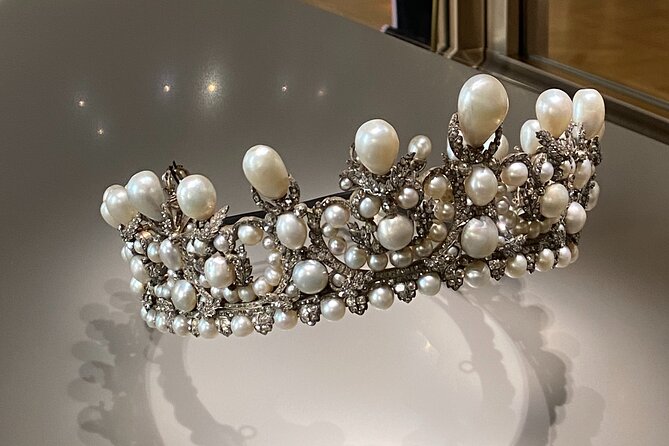
The tour ends with you finishing at the museum’s exhibition area, giving you room to continue your visit. This is a smart format. You get structure and context up front, then you decide where to go next.
My advice: don’t try to instantly force a full second museum plan right after the tour. Instead, choose one of the moments you liked most—maybe the Venus de Milo framing, the Renaissance throne hall sculpture grouping, or the Napoleon–Josephine connection—and spend extra time there once the guide’s route ends.
You’ll enjoy the rest of the day more if you treat the tour like a compass. It helps you navigate the Louvre with intention, rather than just chasing the next famous room.
Price, What You Actually Get, and When It’s Good Value

This tour costs $174.53 per person and runs about 2 hours. The price includes the guided tour with a professional guide, but it does not include the Louvre entrance ticket.
So, is it worth it? For most people who are short on time, it can be good value because you’re paying for two things you can’t easily buy separately: (1) a smart route through high-impact areas and (2) explanation that connects the building, the art, and the historical setting.
The group size also matters. A max group of eight means the guide can slow down when someone doesn’t understand a reference, and that changes the whole experience. In a museum this big, that alone can feel like money well spent.
Just be honest with yourself: if you already know the Louvre well or you’re traveling with someone who loves art history and can guide you, you might decide you only need a general audio guide and more time on your own. But if you want a guided start that makes later self-guided wandering easier, this format can be a strong fit.
Languages and the Benefit of Staying in Your Comfort Zone
Tours are available in English, French, and Russian. That sounds practical because it is. When you’re trying to interpret visual art, small misunderstandings can snowball fast—especially in a museum with confusing room themes and historical terminology.
If you don’t feel fully comfortable in the language options you can access, you’ll likely enjoy the experience more when your tour language matches your comfort. You get to focus on what matters: the art, the layout, and the connections the guide is pointing out.
What I’d Watch Out For Before Booking
This is the part I want you to take seriously. A couple of lower-rated comments flagged issues like a guide not showing up and concerns about ticket handling. I can’t tell you whether that will happen on your date, but I can tell you what to do: take the meeting instructions seriously, arrive early, and if your message thread includes anything about tickets beyond your museum entry, treat it carefully.
Also remember this is a tight schedule. In two hours, you’ll see select highlights and key stops, not every masterpiece in the building. If you want a deep, slow visit where you linger, you might prefer a longer tour or a slower plan.
Who This Tour Suits Best
This 2-hour format is a good match for:
- First-timers who want a fast orientation before wandering
- People who like art history but don’t want a textbook day
- Visitors who appreciate a small-group pace and a guide named Alice who’s described as friendly and engaging
It may be less ideal if:
- You need lots of quiet time at each artwork
- You want to see a very specific list of paintings or sculpture beyond the tour’s featured areas
- You have zero patience for ticket logistics, since admission tickets are not included
Should You Book This Louvre Masterpieces Tour in 2 Hours?
If you’re in Paris with limited time and you want a structured path that explains why the Louvre looks the way it does, I’d say it’s worth considering. The combination of 13th-century context, Greek sculpture framing, Renaissance throne hall sculpture, and the painting connection (including the Napoleon–Josephine hall) is a smart use of two hours.
Just book with your eyes open. Make sure you arrange your Louvre admission entry, arrive on time at Carrousel du Louvre, and pick this tour if your goal is clarity and momentum—not completion.
FAQ
How long is the Louvre tour?
The tour lasts about 2 hours.
What is the price per person?
The price is $174.53 per person.
Is the Louvre entrance ticket included?
No. Admission tickets to the museum are not included (children under 18 y.o. don’t need entrance tickets).
How many people are in the group?
The tour has a maximum of 8 travelers.
What languages are available?
The tour is available in English, French, and Russian.
Where does the tour start?
The meeting point is Carrousel du Louvre, 99 Rue de Rivoli, 75001 Paris, France.
When will I receive confirmation?
Confirmation will be received within 48 hours of booking, subject to availability.
Can I cancel for a refund?
Yes. You can cancel up to 24 hours in advance for a full refund.
More 2-Hour Experiences in Paris
- Paris: 2-Hour River Seine Lunch Cruise with 3-course-menu
★ 4.7 · 4,887 reviews - The Père Lachaise Cemetery: Guided 2-Hour Small-Group Tour
★ 4.7 · 1,065 reviews - Paris: 2-Hour Perfume Creation Workshop
★ 4.8 · 731 reviews - Paris Louvre: 2-Hour Private Tour for Groups or Families
★ 4.6 · 639 reviews - Paris Montmartre: 2-Hour City Tour in German
★ 4.8 · 335 reviews
More Tour Reviews in Paris
- Paris: 1-Hour Seine Cruise departing from the Eiffel Tower
★ 4.4 · 77,472 reviews - Paris: Louvre Museum Timed-Entrance Ticket
★ 4.6 · 71,977 reviews - Disneyland® Paris 1-Day Ticket
★ 4.6 · 49,412 reviews - Paris: Versailles Palace and Gardens Full Access Ticket
★ 4.6 · 41,579 reviews - Paris: Arc de Triomphe Rooftop Tickets
★ 4.6 · 34,264 reviews
Back to the Louvre: More Ways In
- Paris: Louvre Museum Timed-Entrance Ticket
★ 4.6 · 71,977 reviews - Paris: Louvre Guided Tour with Reserved Access & Boat Cruise
★ 4.3 · 16,353 reviews - Louvre Museum Masterpieces Guided Tour with Access
★ 4.5 · 12,023 reviews - Paris: Louvre Overview, Exploration tour and Reserved Entry
★ 4.1 · 10,145 reviews - Paris: Louvre Museum Entry Ticket With Host and River Cruise
★ 4.6 · 9,926 reviews
Fresh off the review desk in Paris
- Secrets of Paris Bike Tour in English or Dutch★ 5.0 · 5 reviews
- Paris: Mont Saint-Michel Day Tour with Chinese Tour Guide★ 5.0 · 5 reviews
- Private Street Art 2-Hour Guided Tour in Paris★ 4.5 · 5 reviews
- Orsay Museum Tour: 2h Highlights (Private & Small Group)★ 5.0 · 5 reviews
- Discover Paris in electric golf carts★ 4.0 · 5 reviews
- Paris Private Boat Tour with your own Captain Guide★ 5.0 · 5 reviews
Louvre Museum Tours, compared.
 ★ 4.6Louvre Museum Timed-Entrance TicketFrom $2671,977 reviews
 ★ 4.3Louvre Guided Tour with Reserved Access & Boat CruiseFrom $8116,353 reviews
 ★ 4.5Louvre Museum Masterpieces Guided Tour with AccessFrom $8612,023 reviews
 ★ 4.1Louvre Overview, Exploration tour and Reserved EntryFrom $6010,145 reviews
 ★ 4.6Louvre Museum Entry Ticket With Host and River CruiseFrom $1009,926 reviews
 ★ 4.6Mona Lisa & Louvre Masterpieces Tour with Reserved AccessFrom $806,812 reviews
 ★ 5.0Louvre Museum – Exclusive Guided Tour (Entry Included)From $1816,296 reviews
 ★ 4.0Louvre Reserved Ticket and River Cruise ComboFrom $376,054 reviews
Browse the lists this tour appears in