
Reviewed · MONTMARTRE TOURS
Montmartre Sacre Coeur Tour with Local guide
Montmartre moves fast, even on foot. This tour strings together the hill’s biggest landmarks with quick, human stories from a local guide, so you spend less time wandering and more time understanding what you’re seeing.
I especially like the focus on art-linked stops—Van Gogh’s address, Le Bateau-Lavoir, and Le Moulin de la Galette—because it explains why Montmartre drew so many creators. I also like the payoff at the end: Sacré-Cœur’s hilltop view, plus the in-between squares and streets that give the neighborhood its personality.
One thing to keep in mind: there’s a real downside when weather is rough. In one bad-weather case, a guide didn’t show up and communication fell apart. On the other hand, another case reported a full refund when the guide was ill—so it’s not a guaranteed disaster, but it’s smart to be ready for day-of changes.
In This Review
- Key things I’d highlight before you go
- A 1.5-hour Montmartre circuit that saves your legs
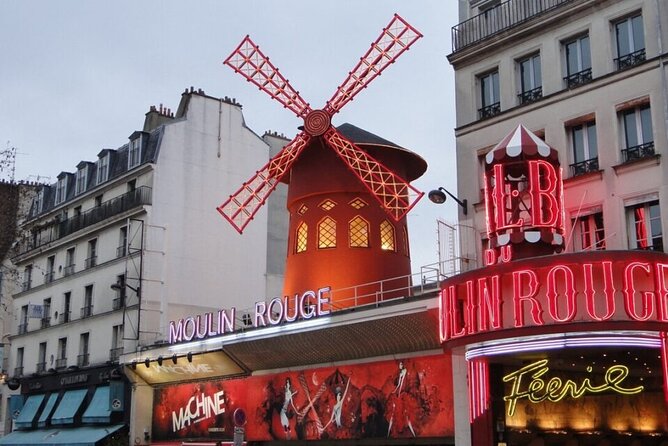
- Moulin Rouge area: cabaret history before you climb
- Van Gogh and the idea of Paris shaping the art
- Le Mur des Je t’aime: a love wall with a bigger message
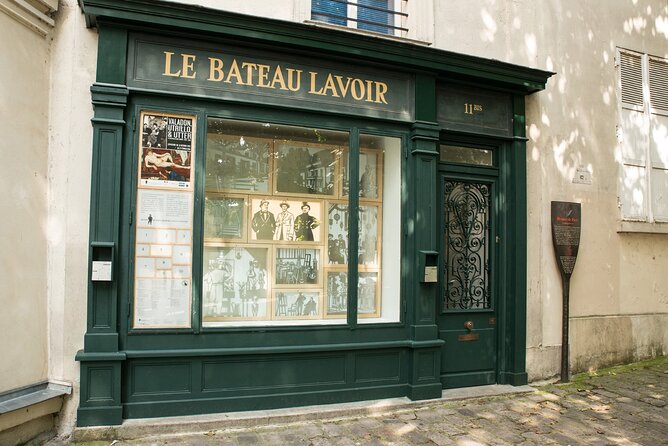
- Le Bateau-Lavoir: studios and early 1900s creativity
- Le Moulin de la Galette: why artists flocked here
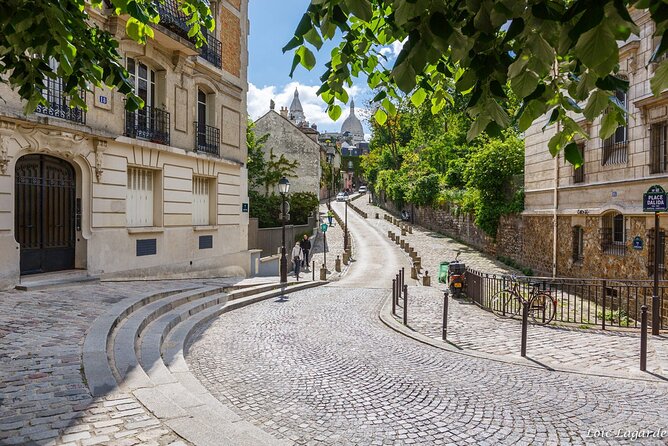
- Place Dalida: pop culture honor in a quiet square
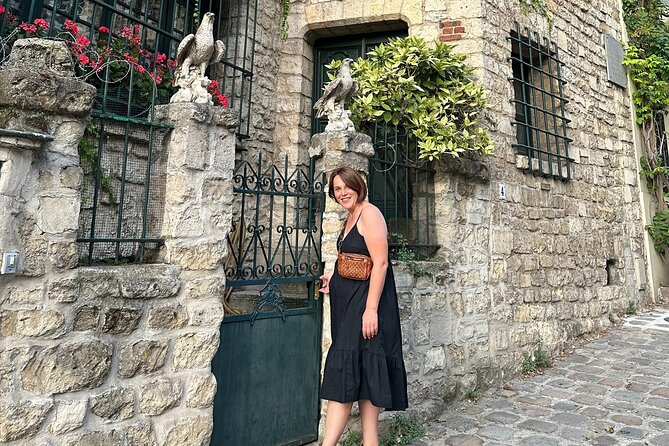
- La Maison Rose (since 1920): a photo stop with stories behind it
- Vigne du Clos Montmartre: Paris vines on a small plot
- Place du Tertre: painters’ square and the art of watching
- Sacré-Cœur: the view that makes the climb worth it
- What you get for $30.04 and why it feels fair
- Guide style matters here: names you’ll hear and what they did well
- Timing, weather, and why 2:00 pm can be smart
- Who this tour suits best (and who may want a different plan)
- Book it or skip it: my practical take
- FAQ
- How long is the Montmartre Sacré-Cœur Tour?
- How much does the tour cost?
- Is the tour offered in English?
- What tickets are included in the tour price?
- Where does the tour start and end?
- What’s the maximum group size?
- Is the tour dependent on weather?
- Can I cancel and get a refund?
Key things I’d highlight before you go
- A tight 1.5-hour loop from the Moulin Rouge area up to Sacré-Cœur, built for efficiency
- Real local context at almost every stop, not just photos and facts
- Several major sights with free admission in the plan, so your money goes mostly to the guide
- Stops that connect famous names to places, like Van Gogh and Dalida
- A small max group size (25), which usually makes it easier to ask questions and hear the guide clearly
- Guides who handle tough weather well in many cases, including rain situations
A 1.5-hour Montmartre circuit that saves your legs
Montmartre can feel like a maze, especially once you start climbing. This tour is built for momentum: you start near 59 Bd de Clichy and finish at 35 Rue du Chevalier de la Barre, with the walking focused along key sights rather than random detours.
The pace is practical: the whole experience runs about 1 hour 30 minutes, and most stops are around 10 minutes each. That structure matters if you want a clear “Montmartre overview” without turning your afternoon into a slow, stop-start grind.
Another smart detail: you get an English-speaking local guide, and the tour includes a mobile ticket, which helps you avoid fumbling with printouts while you’re navigating streets uphill.
Keep climbing: more of the Montmartre hill
- Montmartre Hidden Gems and Scenic Highlights Walking Tour
★ 5.0 · 2,684 reviews - Montmartre Hill French Gourmet Food and Wine Tasting Walking Tour
★ 5.0 · 2,588 reviews - Paris: Montmartre Highlights Walking Tour with a Local Guide
★ 4.9 · 2,318 reviews - Paris: Montmartre Cheese, Wine & Pastry Guided Walking Tour
★ 4.8 · 2,255 reviews
Moulin Rouge area: cabaret history before you climb
You kick off at the Moulin Rouge area, and the guide uses it as a jumping-off point for Montmartre’s culture. Instead of treating Moulin Rouge like just another photo spot, the focus is on what made the cabaret world there so dramatic and loud—extravagant shows, high-energy performances, and the way Montmartre built a reputation for daring entertainment.
One practical drawback here: the tour includes history, but a Moulin Rouge show ticket is not included. So think of this start as a story primer, not a way to watch a performance.
Why it’s worth doing anyway: Moulin Rouge sets the tone. When you later see artist corners and cafés, you understand that this neighborhood has long been about spectacle—just sometimes the spectacle is paintbrushes and street theater instead of a stage.
Van Gogh and the idea of Paris shaping the art
Next up is Van Gogh’s House, centered on one of his notable addresses in Paris. The guide ties the location to his life in the city—how Paris influenced his work and what you should imagine while you’re looking at the setting.
This stop is especially valuable because it’s not just a “famous person here” moment. It’s location-based storytelling: the point is to connect an art legend to actual streets, not to rely on a museum plaque.
Admission is free for this stop, which is a big part of why this tour keeps decent value. You pay for the guide and the route logic; you don’t have to add a pile of separate tickets.
Le Mur des Je t’aime: a love wall with a bigger message
At Le Mur des Je t’aime, you’ll get a brief stop to appreciate the “I love you” wall as a symbol of love and unity. This is one of those places that works even if you don’t speak the language on the tiles.
The upside is timing. In about 10 minutes, you can get the meaning and take a few photos without losing the thread of the rest of the climb. The possible downside: because it’s short, you won’t linger for an hour. If you want a slow, poetic reading of every word, you’ll need extra time on your own later.
Le Bateau-Lavoir: studios and early 1900s creativity
Le Bateau-Lavoir is where the tour leans into the “why Montmartre mattered” story. The guide explains the history of this iconic building and how it witnessed the birth of revolutionary artistic movements in the early 20th century.
Even if you’re not an art history person, the way this stop is framed helps. It turns a building into a clue: Montmartre wasn’t just pretty scenery. It was an environment where creative experimentation clustered.
Admission here is free, and that matters. You get a major cultural stop without the extra cost you might expect from a tour aimed at art lovers.
Le Moulin de la Galette: why artists flocked here
Then comes Le Moulin de la Galette, with an explanation of how it became a gathering place for artists, bohemians, and locals looking for a lively atmosphere. The guide also links it to how it’s been immortalized in art—specifically mentioning Pierre-Auguste Renoir.
This stop can feel like two things at once:
- A literal landmark you can look at.
- A snapshot of how nightlife and art culture overlapped in Montmartre.
Drawback to note: you’ll likely be looking from the outside, and the stop is short. If you’re hoping for deep architecture details or a long sit-down break, this isn’t that kind of tour. It’s designed for quick context so you can move on with understanding.
Worth weighing up next to this Paris pick




Place Dalida: pop culture honor in a quiet square
Midway through, your guide talks about Dalida and the square dedicated to her: Place Dalida. The square includes a bust of Dalida and sits among cafes and boutiques, giving you a calmer pocket inside a lively neighborhood.
This stop works well for two reasons. First, it breaks up the art-and-museum vibe with a more modern cultural reference. Second, it gives you a chance to re-center before heading deeper into Montmartre’s artist heart.
La Maison Rose (since 1920): a photo stop with stories behind it
La Petite Maison Rose de Montmartre, known as La Maison Rose since 1920, is the next visual anchor. The guide shares its history and the kinds of people it hosted—artists, writers, and bohemians.
There’s a practical value here: this is the moment when many people start thinking about paintings they’ve seen or photos they’ve taken. Knowing it has been tied to creative life for so long makes the pink facade more than a selfie background.
You’ll also get a bit of time for pictures. The stop is free and typically quick, so if you want a longer photo session, you’ll want to return later on a separate stroll.
Vigne du Clos Montmartre: Paris vines on a small plot
After the pink house, the tour shifts to something you might not expect in Paris: Vigne du Clos Montmartre, a vineyard. The guide shows you this unique pocket of vines and talks about the care that goes into winemaking there.
This stop adds variety. You go from artist corners and iconic facades to a more grounded, sensory change—green, texture, the idea of grapes growing in a dense city.
Because it’s short, this isn’t a full wine lesson. But it does help you understand that Montmartre isn’t only about art branding and tourist posters—it has agriculture roots too, even if on a small scale.
Place du Tertre: painters’ square and the art of watching
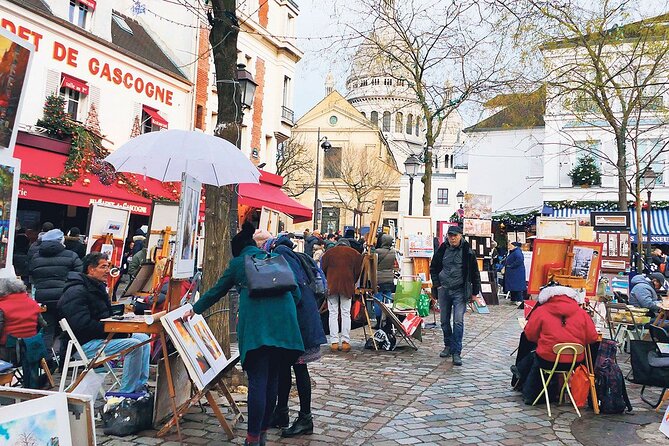
At Place du Tertre, you’ll arrive at Montmartre’s classic painters’ square, where artists display paintings. It’s a great spot to see the neighborhood’s art tradition continuing in real time.
This is also where you might feel the tourist energy more strongly than at some earlier stops. Still, the tour framing helps: rather than treating it as chaos, you see it as part of a long-running craft culture.
Tip from the spirit of the tour: use the guide’s context. Ask what to look for in the work, and how to spot the difference between quick souvenirs and longer-lasting pieces. (Not all guides say this unprompted, so it helps to ask.)
Sacré-Cœur: the view that makes the climb worth it
Finally, you reach Basilique du Sacre-Cœur de Montmartre. This is the main attraction, and you get it as the tour’s finish point with the best motivation possible: the hilltop setting.
The guide focuses on the Romanesque-Byzantine domes and the incredible view from the parvis. On clear days, that viewpoint can be an eye-opener for city layout—major streets, rooftops, and distant landmarks.
One review detail worth remembering: during winter, with fewer leaves on the trees, the view can show more of the city and even make distant landmarks like the Eiffel Tower easier to spot. In other seasons, foliage can soften or block sightlines.
Admission is marked as free for this stop in the tour’s outline, which again supports the tour’s value: you’re paying for guided orientation and storytelling, not stacking entrance fees.
What you get for $30.04 and why it feels fair
At $30.04 per person, this tour looks inexpensive for a guided walk that hits a concentration of famous names and iconic places. The math that tends to make it feel fair:
- Guide service is included
- Most stops are free (Van Gogh’s House, Je t’aime wall, Bateau-Lavoir, Moulin de la Galette, Dalida square, Maison Rose, vineyard, Place du Tertre, Sacré-Cœur)
- The only specific ticket call-out is the Moulin Rouge show, which is not included
So you’re basically paying to buy clarity: who/what/why, delivered while you’re moving uphill, rather than paying entrance fees at multiple sites.
Also, the price-to-time ratio makes sense. At about 90 minutes, you get a strong Montmartre primer you can build on later.
Guide style matters here: names you’ll hear and what they did well
This tour lives or dies by the guide. The best experiences came from guides who mix street facts with a human tone. Names that have popped up include Niko, Salome, Denise, and Pierre.
Here’s what stands out from their styles in real-world examples:
- Patient pacing so people can enjoy the view at Sacré-Cœur instead of rushing past it.
- Humor and down-to-earth explanations, not stiff recitations.
- Good handling of rain—staying flexible and still delivering the full route.
- Local recommendations, especially for food and shopping ideas after the sightseeing portion.
One mixed note: there was at least one case where the guide didn’t show up in cold, rainy weather and the communication wasn’t good. In another case, a guide became ill and a full refund happened after the situation was sorted out. That tells me the tour usually works well, but you should take weather seriously and keep a plan for rescheduling.
Timing, weather, and why 2:00 pm can be smart
The tour starts at 2:00 pm, which is a practical time for Montmartre. You avoid the absolute early-day crowds for some sights, and you still reach Sacré-Cœur with daylight for photos in many seasons.
But the tour description also flags something important: it requires good weather. So if it’s raining heavily, assume your odds of rain-based changes go up. That’s not a flaw in the idea—it’s the reality of climbing streets and trying to keep a walking schedule.
Who this tour suits best (and who may want a different plan)
This tour fits well if you want:
- A quick Montmartre orientation without getting lost
- Stories connected to art names and places, including Van Gogh and Le Bateau-Lavoir
- A route that leads naturally to Sacré-Cœur’s views
- A guide who can give practical “what to do next” suggestions
You might skip or pair it differently if you want:
- A long, slow museum-like experience at any single site
- A guaranteed Moulin Rouge show experience (tickets aren’t included)
- Deep time at Place du Tertre for buying art or negotiating—this tour keeps stops short
Book it or skip it: my practical take
I’d recommend booking this tour if you’re the type who likes to understand what you’re looking at while you walk. For $30.04, it’s hard to beat a guided circuit that hits famous Montmartre stops and lands on Sacré-Cœur with a view payoff—especially since many stops are free.
I’d be cautious if you already know you hate walking in bad weather or you’re traveling with limited flexibility on rescheduling. One no-show incident in cold rain is enough to take seriously, even if other cases were handled well.
If you can handle some uphill walking and you pick a day with decent skies, this is a solid way to get your bearings fast on the Montmartre hill—without spending your afternoon chasing every landmark alone.
FAQ
How long is the Montmartre Sacré-Cœur Tour?
It’s listed as about 1 hour 30 minutes (approx.).
How much does the tour cost?
The price is $30.04 per person.
Is the tour offered in English?
Yes, it’s offered in English.
What tickets are included in the tour price?
The guide service is included. A Moulin Rouge show ticket is not included. Other listed stops in the tour are indicated as free.
Where does the tour start and end?
It starts at 59 Bd de Clichy, 75009 Paris, France and ends at 35 Rue du Chevalier de la Barre, 75018 Paris, France, in front of the Basilica.
What’s the maximum group size?
The tour has a maximum of 25 travelers.
Is the tour dependent on weather?
Yes. It requires good weather. If it’s canceled due to poor weather, you’ll be offered a different date or a full refund.
Can I cancel and get a refund?
Yes. You can cancel for free up to 24 hours in advance for a full refund. If you cancel less than 24 hours before the start time, the amount paid is not refunded.
More Tours in Paris
- Paris: Louvre Guided Tour with Reserved Access & Boat Cruise
★ 4.3 · 16,353 reviews - Paris: Big Bus Hop-On Hop-Off Tour with Optional Cruise
★ 4.4 · 13,279 reviews - Louvre Museum Masterpieces Guided Tour with Access
★ 4.5 · 12,023 reviews - Versailles: Skip-the-Line Tour of Palace and Gardens Access
★ 4.7 · 10,429 reviews - Paris: Louvre Overview, Exploration tour and Reserved Entry
★ 4.1 · 10,145 reviews
More Tour Reviews in Paris
- Paris: 1-Hour Seine Cruise departing from the Eiffel Tower
★ 4.4 · 77,472 reviews - Paris: Louvre Museum Timed-Entrance Ticket
★ 4.6 · 71,977 reviews - Disneyland® Paris 1-Day Ticket
★ 4.6 · 49,412 reviews - Paris: Versailles Palace and Gardens Full Access Ticket
★ 4.6 · 41,579 reviews - Paris: Arc de Triomphe Rooftop Tickets
★ 4.6 · 34,264 reviews
More of the Montmartre Hill
- Montmartre Hidden Gems and Scenic Highlights Walking Tour
★ 5.0 · 2,684 reviews - Montmartre Hill French Gourmet Food and Wine Tasting Walking Tour
★ 5.0 · 2,588 reviews - Paris: Montmartre Highlights Walking Tour with a Local Guide
★ 4.9 · 2,318 reviews - Paris: Montmartre Cheese, Wine & Pastry Guided Walking Tour
★ 4.8 · 2,255 reviews - The Secrets of Montmartre Walking Tour
★ 4.8 · 1,258 reviews
Fresh off the review desk in Paris
- Secrets of Paris Bike Tour in English or Dutch★ 5.0 · 5 reviews
- Paris: Mont Saint-Michel Day Tour with Chinese Tour Guide★ 5.0 · 5 reviews
- Private Street Art 2-Hour Guided Tour in Paris★ 4.5 · 5 reviews
- Orsay Museum Tour: 2h Highlights (Private & Small Group)★ 5.0 · 5 reviews
- Discover Paris in electric golf carts★ 4.0 · 5 reviews
- Paris Private Boat Tour with your own Captain Guide★ 5.0 · 5 reviews
Montmartre Tours, compared.
 ★ 5.0Montmartre Hidden Gems and Scenic Highlights Walking TourFrom $382,684 reviews
 ★ 5.0Montmartre Hill French Gourmet Food and Wine Tasting Walking TourFrom $1452,588 reviews
 ★ 4.9Montmartre Highlights Walking Tour with a Local GuideFrom $232,318 reviews
 ★ 4.8Montmartre Cheese, Wine & Pastry Guided Walking TourFrom $1272,255 reviews
The Secrets of Montmartre Walking TourFrom $331,258 reviews
★ 4.8Montmartre Cheese, Wine & Pastry Guided Walking TourFrom $1272,255 reviews
The Secrets of Montmartre Walking TourFrom $331,258 reviews
 ★ 4.1Sacré-Coeur and Montmartre Tour with Expert GuideFrom $281,027 reviews
 ★ 5.0Private Montmartre Food Tour with Wine, Cheese & PastriesFrom $3021,027 reviews
 ★ 5.0Paris Montmartre Food Tour – A Full French Meal by Do Eat BetterFrom $95877 reviews
Browse the lists this tour appears in