
Paris art can feel like code. This guided Impressionism tour turns it into something you can read—why the paintings caused a scandal, and how they won over audiences. I really liked the small-group feel (limited to 5), because you can ask questions instead of just watching. One thing to consider: it’s only 90 minutes, so you won’t get a cover-every-corner museum marathon.
What makes this experience shine is the guide. People rave about clear, didactic explanations and real art-history passion, including guides like Daphné, Yanis, and Theo for their engaging style and attention to what the group wants to understand. If you’re hoping for a slow, self-paced wander, this guided format may feel tighter than you’d like.
In This Review
- Key highlights at a glance
- Cracking the codes of Impressionism at Musée d’Orsay
- The 90-minute format: enough time to learn, not enough to get lost
- From Académie des Beaux-Arts rules to gradual triumph
- Small-group discussion with up to 5 people
- Your guide: passion, clarity, and a real connection to you
- What you’ll see: the themes that define Impressionism
- Meeting point on the Seine side: where to stand so you don’t hunt
- Price and value: what $76 gets you (and what it doesn’t)
- Languages and clarity: French, English, Spanish
- Who this tour suits best
- Should you book this Musée d’Orsay Impressionism tour?
- FAQ
- How long is the Musée d’Orsay guided Impressionism tour?
- Is the Musée d’Orsay ticket included?
- Where do I meet the guide?
- What languages are available for the live guide?
- How large is the group?
- What is the cancellation policy?
Key highlights at a glance
- Small group (up to 5 people) keeps the discussion moving and questions welcome
- Ticket to Musée d’Orsay included so you don’t scramble at the door
- Expert live guide explains the stories behind the paintings in clear language
- A focused timeline from institutional rejection to Impressionism’s gradual triumph
- Multilingual tour in French, English, or Spanish with some original-language content
Cracking the codes of Impressionism at Musée d’Orsay
This tour is built around a simple idea: Impressionism didn’t land gently. It arrived after a fight—young painters challenged rules set by the Académie des Beaux-Arts and were rejected by the official salons. In a museum full of beautiful canvases, that historical pressure is the difference between seeing paintings and actually understanding them.
You’ll spend 90 minutes learning how Impressionist painters invented a new pictorial language. That matters, because Impressionism can look casual at first glance—quick brushwork, changing light, everyday scenes. The guide’s job is to connect those visual choices to the “why” behind them: what counted as acceptable art at the time, and why these artists were pushing back.
I also like that the tour frames the museum visit as a story arc. You’re not just collecting facts. You’re building a mental timeline: rejection, scandal, and then the slow shift toward appreciation. That makes the art easier to remember long after you leave.
More hours with the Impressionists at the Orsay
- Paris: Orsay Museum Entry Ticket
★ 4.7 · 25,647 reviews - Paris: Orsay Museum Entry Ticket and Digital Audio Guide App
★ 4.4 · 3,170 reviews - Paris in a Day: Louvre or Orsay, Eiffel Tower, City Walk & Cruise
★ 5.0 · 1,956 reviews - Paris: Musée d’Orsay Skip-the-Line Tour with Expert Guide
★ 4.5 · 1,145 reviews
The 90-minute format: enough time to learn, not enough to get lost
This isn’t a full-day plan. It’s a 1.5-hour guided session, which is exactly the right length for an art-history crash course if your schedule is tight. You get time to focus on key works and major themes without turning your brain into a sponge for eight straight hours.
What you’ll likely notice is the pacing. The tour is designed to explain the “codes” of Impressionism through the kind of paintings that represent turning points: luminous portraits, scenes of Parisian life, and outdoor scenes that capture the moment. Those themes help you compare how artists handled light, movement, and modern subject matter.
The practical upside for you: you can still do other parts of Paris the same day—dinner, a walk along the Seine, even another museum stop. The tradeoff: you’ll have to accept that you’re choosing depth over breadth. You won’t see everything in Musée d’Orsay in 90 minutes, and that’s not a flaw—it’s the nature of the format.
From Académie des Beaux-Arts rules to gradual triumph
One of the best parts of this tour is the way it connects art style to institutional power. At the end of the 19th century, artists weren’t simply experimenting for fun. They were responding to an official system that decided what art was supposed to look like.
So the story you’ll follow is direct:
- Académie des Beaux-Arts rules shaped what was considered proper painting
- Official salons rejected these painters
- The artists responded by showing their work differently and creating a new pictorial language
Then comes the turning point: why those paintings were so appreciated later, even though they caused scandal at the time. That historical “before and after” is what helps you look past the surface and ask better questions while you’re standing in front of the canvases.
I find this approach particularly useful if you usually struggle with art museums. You don’t need to be an expert. You just need the right context so the visual choices make sense. That’s what the guide brings—an explanation that makes the paintings feel like decisions, not random looks.
Small-group discussion with up to 5 people
A lot of tours say small group. This one actually limits the group to 5 participants, which changes the experience immediately. In a tiny group, your guide can slow down for explanations that matter to your questions, not to an invisible average traveler.
This also makes the tour feel more like a guided conversation. Since the tour’s whole purpose is to decipher Impressionism’s logic, it benefits from interaction. Even if you’re not the type to ask questions, you’ll still get more of what you need: clearer links between the story and what you’re seeing in front of you.
I also appreciate that this format keeps the energy human. You’re not being rushed through a sequence of rooms while a headset tells you what to think. The tour is built to support understanding, not just photo ops.
Your guide: passion, clarity, and a real connection to you
The best reviews for this experience don’t just praise the museum. They praise the guide’s teaching style. Names that stand out in the feedback include Daphné, Yanis, and Theo—and the common theme is how clearly they explain the main works and artists without turning it into a lecture marathon.
Here’s what you should expect from the guide, based on how these tours are described:
- They focus on principal works rather than scattering your attention
- They explain background in a way that stays readable
- They adjust to what the group wants to understand
- They add context about the museum setting itself
One review specifically called out how Yanis connected the dots from a recent Louvre visit to where d’Orsay begins, so the history didn’t reset like a video game at the next level. If you’re stacking major Paris museums back-to-back, that kind of continuity is a real quality upgrade.
If you like art history that feels like a guide is translating the painting’s language for you, this tour fits that taste.
What you’ll see: the themes that define Impressionism
Even without a printed itinerary full of painting titles, you can understand the tour’s structure from its theme-based description. You’ll work through the birth of Impressionism and its path from rejection to triumph, using iconic masterpieces as your anchors.
The visual categories you’ll focus on are:
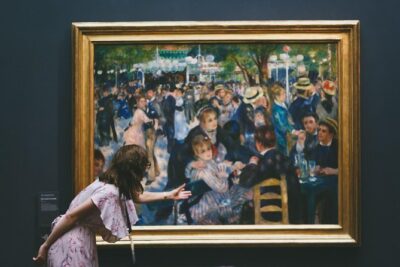
- Luminous portraits, where light and character mix in a modern way
- Parisian street and city scenes, where everyday life becomes subject matter
- Outdoor scenes that capture changing conditions and the instant feeling
The big value here is that the guide ties these themes back to the “scandal” part of the story. The guide isn’t just pointing at style. You’ll be learning what was controversial about the way Impressionists painted—especially compared with what institutions expected.
If you tend to remember what you can compare, this tour helps. You start seeing patterns: how different subjects still follow the same new language of paint, light, and immediacy.
Worth weighing up next to this Paris pick


Meeting point on the Seine side: where to stand so you don’t hunt
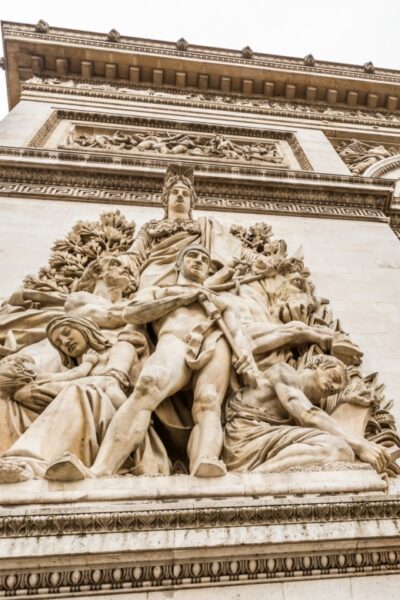
You’ll meet your guide right in front of the Musée de la Légion d’Honneur, opposite the Musée d’Orsay. That detail matters. Orsay sits in a busy area, and a “meet at the museum” instruction can turn into wasted time.
If you want the smoothest start, I’d suggest arriving a few minutes early and standing where the guide is expecting you—right by the Legion of Honor building opposite Orsay. Once you have that orientation, the tour starts feeling easy.
Price and value: what $76 gets you (and what it doesn’t)
At $76 per person for 90 minutes, the price looks reasonable when you consider what’s included. This tour bundles two things that usually cost extra when booked separately:
- A ticket to Musée d’Orsay
- A live guided tour with an expert guide
That means you’re paying for time with an expert who can explain the Impressionism story and the reason certain institutions rejected it. It also means you’re not doing separate ticket logistics before the tour starts.
What it doesn’t include is also useful to know: there’s no food or drinks, and you’re responsible for getting to the museum. That’s normal for a museum tour, but it matters for planning. If you’re touring during a meal window, plan a snack break before or after so you don’t end up hungry while you’re trying to focus on art history.
Languages and clarity: French, English, Spanish
The tour runs with a live guide in French, English, or Spanish. If you’re traveling with mixed-language friends, that’s a big help for keeping everyone in sync.
One more small detail to remember: some content may be shown in its original language. That doesn’t stop the tour from being understandable, but it can explain why a few words or labels might appear in their native form while the guide interprets and connects them for you.
Who this tour suits best
I think this tour is a smart pick if:
- You want a guided Impressionism lesson without spending a full day
- You enjoy art history that has a clear storyline—rules, rejection, scandal, and eventual acceptance
- You prefer small groups where you can ask questions
- You’re visiting Musée d’Orsay and want to understand what makes the movement matter
It’s less ideal if you’re looking for a long, self-paced browse or if you plan to spend your entire museum day wandering room to room without structure. This is a lesson, not a roaming pass.
Should you book this Musée d’Orsay Impressionism tour?
Yes, if you want an efficient, story-driven way to understand Impressionism at Musée d’Orsay. The small group size and the consistently praised guide style (including guides like Daphné, Yanis, and Theo) are strong signs you’ll leave with a clearer grasp of why these paintings looked shocking when they appeared—and why they’re celebrated now.
Book it especially if you’re the type who gets more from art when someone explains the rules it broke. If you’re already an Impressionism expert and want every painting title, you might find 90 minutes limiting. But for most people, this is a very good value: ticket included, expert guidance included, and enough time to learn without taking over your whole day.
FAQ
How long is the Musée d’Orsay guided Impressionism tour?
The tour lasts 90 minutes.
Is the Musée d’Orsay ticket included?
Yes. Your ticket to the Musée d’Orsay is included with the tour.
Where do I meet the guide?
Meet your guide right in front of the Musée de la Légion d’Honneur, which is opposite the Musée d’Orsay.
What languages are available for the live guide?
The live tour guide is available in French, English, and Spanish.
How large is the group?
The tour is a small group limited to 5 participants.
What is the cancellation policy?
You can cancel up to 24 hours in advance for a full refund.
More Tours in Paris
- Paris: Louvre Guided Tour with Reserved Access & Boat Cruise
★ 4.3 · 16,353 reviews - Paris: Big Bus Hop-On Hop-Off Tour with Optional Cruise
★ 4.4 · 13,279 reviews - Louvre Museum Masterpieces Guided Tour with Access
★ 4.5 · 12,023 reviews - Versailles: Skip-the-Line Tour of Palace and Gardens Access
★ 4.7 · 10,429 reviews - Paris: Louvre Overview, Exploration tour and Reserved Entry
★ 4.1 · 10,145 reviews
More Tour Reviews in Paris
- Paris: 1-Hour Seine Cruise departing from the Eiffel Tower
★ 4.4 · 77,472 reviews - Paris: Louvre Museum Timed-Entrance Ticket
★ 4.6 · 71,977 reviews - Disneyland® Paris 1-Day Ticket
★ 4.6 · 49,412 reviews - Paris: Versailles Palace and Gardens Full Access Ticket
★ 4.6 · 41,579 reviews - Paris: Arc de Triomphe Rooftop Tickets
★ 4.6 · 34,264 reviews
More at the Musee d'Orsay
- Paris: Orsay Museum Entry Ticket
★ 4.7 · 25,647 reviews - Paris: Orsay Museum Entry Ticket and Digital Audio Guide App
★ 4.4 · 3,170 reviews - Paris in a Day: Louvre or Orsay, Eiffel Tower, City Walk & Cruise
★ 5.0 · 1,956 reviews - Paris: Musée d’Orsay Skip-the-Line Tour with Expert Guide
★ 4.5 · 1,145 reviews - Musée d’Orsay Skip-the-Line Tour with Expert Guide
★ 4.8 · 1,088 reviews
Fresh off the review desk in Paris
- Secrets of Paris Bike Tour in English or Dutch★ 5.0 · 5 reviews
- Paris: Mont Saint-Michel Day Tour with Chinese Tour Guide★ 5.0 · 5 reviews
- Private Street Art 2-Hour Guided Tour in Paris★ 4.5 · 5 reviews
- Orsay Museum Tour: 2h Highlights (Private & Small Group)★ 5.0 · 5 reviews
- Discover Paris in electric golf carts★ 4.0 · 5 reviews
- Paris Private Boat Tour with your own Captain Guide★ 5.0 · 5 reviews
Orsay Museum Tours, compared.
 ★ 4.7Orsay Museum Entry TicketFrom $1525,647 reviews
 ★ 4.4Orsay Museum Entry Ticket and Digital Audio Guide AppFrom $313,170 reviews
 ★ 5.0Paris in a Day: Louvre or Orsay, Eiffel Tower, City Walk & CruiseFrom $1571,956 reviews
 ★ 4.5Musée d’Orsay Skip-the-Line Tour with Expert GuideFrom $671,145 reviews
 ★ 4.8Musée d’Orsay Skip-the-Line Tour with Expert GuideFrom $821,088 reviews
 ★ 5.0The Musée d’Orsay Guided Tour Orsay Museum Semi-Private 6ppl MaxFrom $144904 reviews
 ★ 5.0Louvre & Musée d’Orsay Guided Museum Tour Semi-Private 6ppl MaxFrom $288619 reviews
 ★ 4.7Musée d’Orsay Ticket and Guided TourFrom $69569 reviews
Browse the lists this tour appears in