
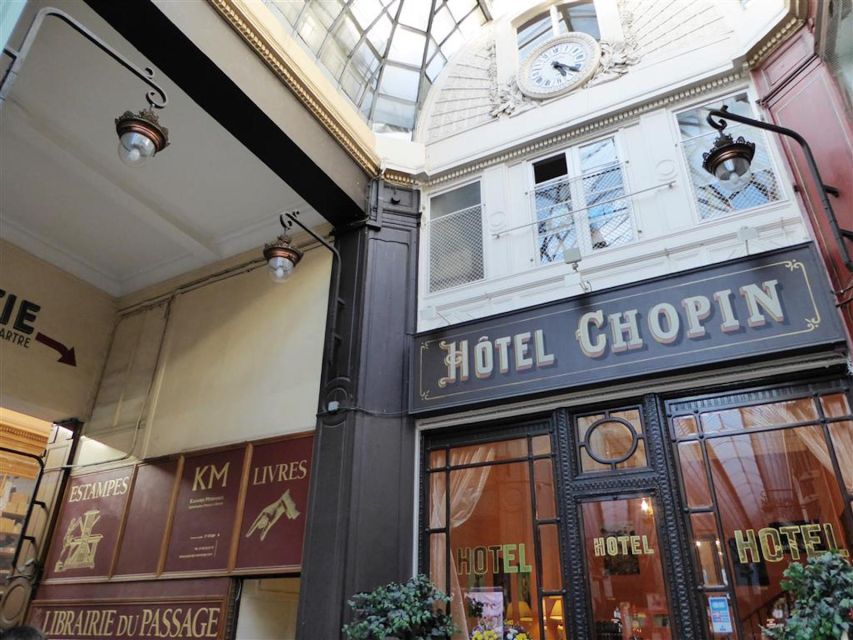
Reviewed · CITY TOURS
Paris: 2-Hour Passages Private City Tour in German
Paris hides its best corridors. The two-hour passages tour takes you into those half-forgotten pedestrian lanes where Paris feels older, dustier, and oddly more human. I especially love how you get to see hidden passages you’d miss on your own, and how the guide explains what made these places make sense in the early 19th century.
The other big win: it’s a private tour led by German-speaking guides, so you’re not stuck with a loud group or vague pointers. One drawback to keep in mind: the experience is in German only, and there’s no hotel pickup—so you’ll want to arrive on time at the Metro meeting point near Le Peletier.
In This Review
- Key highlights you’ll notice right away
- Why Paris’ passages feel like a time machine
- 2 hours of walking: Le Peletier start to Palais-Royal finish
- Passage Verdeau: charm with a purpose
- Passage Jouffroy and Passage des Panoramas: covered streets before department stores
- Grands Boulevards and the Palais-Royal quarter: ending with real Paris energy
- What the German guide actually adds (Solene is specifically praised)
- Price and who this private tour suits best
- Should you book this Paris passages tour?
- FAQ
- How long is the tour?
- What language is the guide?
- Where do I meet the guide?
- Is this a private tour?
- What days does it run?
- What’s included in the price?
- What’s not included?
- Can I get a refund if my plans change?
Key highlights you’ll notice right away
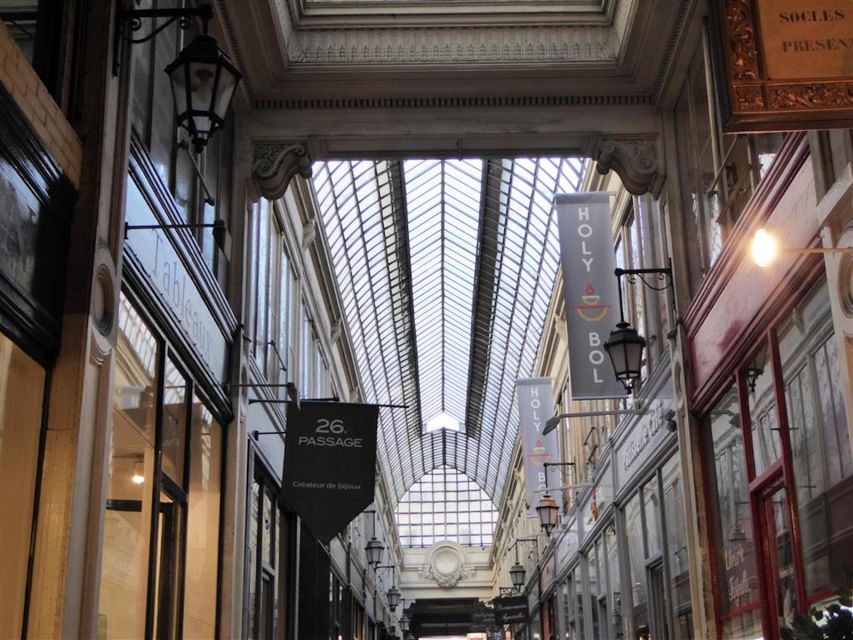
- Hidden passages, not a normal shopping arcade walk: these covered passages were built for a very specific Paris problem.
- 19th-century context that makes the architecture click: why they existed, and why they didn’t last forever in the same way.
- A private German guide who can slow down for questions and details.
- A tight 2-hour route that hits multiple passages plus major boulevard and Palais-Royal-area streets.
- Finish in the Palais-Royal quarter, so you end close to one of the most atmospheric parts of central Paris.
Why Paris’ passages feel like a time machine
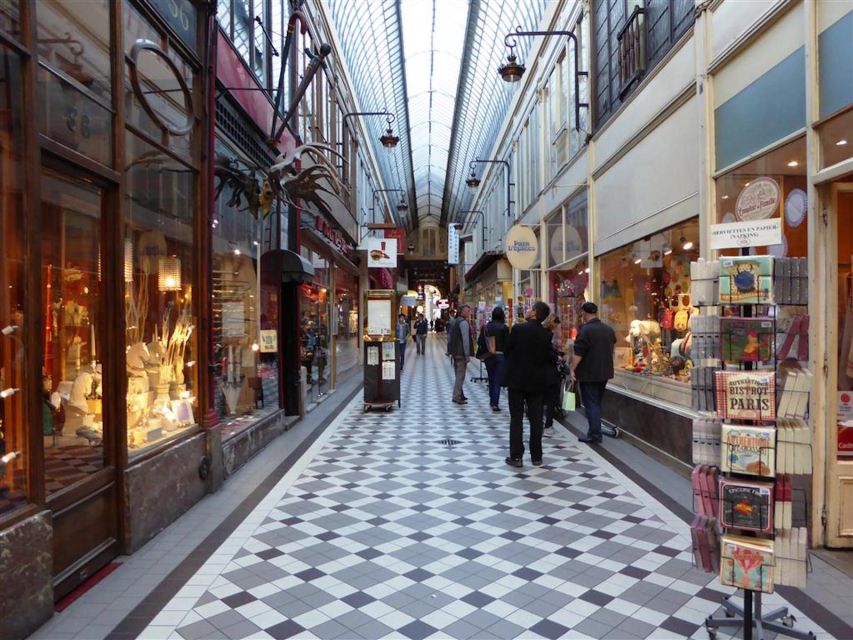
The Parisian passages aren’t famous in the way the Eiffel Tower or Louvre are. That’s kind of the point. You don’t just stumble into them from a postcard viewpoint; you find them by chance, by turns, and by walking through the city’s seams.
What I like most is the “then and now” contrast. This tour doesn’t treat passages like decorative backdrops. It frames them as practical solutions from the early 1800s, when Paris was dirtier and less polished than the brand-new image it sells today. Covered walkways offered shelter and a more controlled environment than open streets—handy when the city itself didn’t feel that pleasant.
And yes, the look is charming. But the charm has a job. You’ll see how these corridors helped shape the later idea of a grand retail experience—basically forerunners of the big department-store vibe you’ll recognize from other European cities.
Worth weighing up next to this Paris pick
- Eiffel Tower Summit Option with Seine River Cruise and City Tour
★ 3.5 · 2,176 reviews - Paris in a Day: Louvre or Orsay, Eiffel Tower, City Walk & Cruise
★ 5.0 · 1,956 reviews - Paris: City Highlights Bike Tour
★ 4.7 · 1,835 reviews - Paris: Eiffel Tower Hosted Tour, Seine Cruise and City Tour
★ 4.0 · 1,507 reviews
2 hours of walking: Le Peletier start to Palais-Royal finish
This is a brisk, focused walk. The tour is 2 hours, from Monday to Saturday, and it’s designed so you cover several passages without turning the day into a long endurance test.
You start at Metro station Le Peletier (Line 7). Look for your guide with a HelpTourists bag. Because hotel pickup isn’t included, your day will run smoother if you give yourself a little buffer to get to the station and meet point on time.
The route flows logically through the center: you begin with Passage Verdeau, then continue to Passage Jouffroy, then Passage des Panoramas. After the passages, you shift outward toward the Grands Boulevards area, and you end in the Palais-Royal quarter, finishing at Palais-Royal. That finish matters. Instead of ending in an empty side street, you get to cap the tour near a lively, central neighborhood where you can keep exploring right after.
Passage Verdeau: charm with a purpose
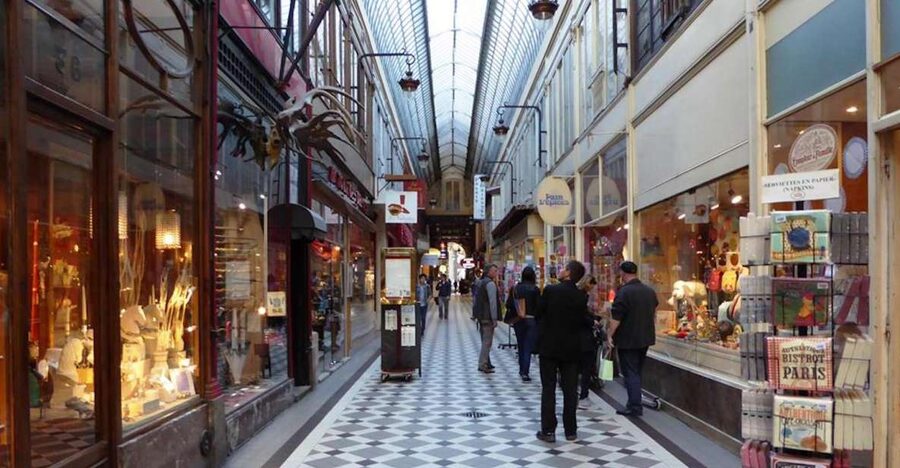
Passage Verdeau is where the whole idea starts to feel real. At first glance, you might think it’s just another covered pedestrian shortcut. But the guide’s framing helps you see it differently: these passages weren’t built as trendy shopping streets. They were more like answers to the daily reality of the city back then.
As you walk, pay attention to the feeling of being slightly off the main grid. That’s the magic. You’re in central Paris, yet you’re sheltered from the big-street noise and view lines. The ceilinged corridors change how sound travels and how light falls. It’s the kind of atmosphere you don’t get while standing on a boulevard.
If you care about why places exist—not just what they look like—this stop delivers. You’ll come away understanding how “passage” architecture offered an alternative way to move and gather in a city that wasn’t as clean or comfortable as people imagine.
Passage Jouffroy and Passage des Panoramas: covered streets before department stores
After Passage Verdeau, Passage Jouffroy keeps the story going, building that sense of stepping into a quieter, older Paris. This is where you’ll likely feel the tour shifting from discovery to pattern recognition. The more you look, the more you notice the repeating features of the passages: the enclosed feel, the pedestrian scale, and the sense that the space was designed to keep people moving indoors.
Then you head to Passage des Panoramas. It’s a standout because it gives you that classic “Paris in mini-form” feeling: a small-scale corridor with the cultural vibe of the wider city. The guide helps you interpret what you’re seeing as more than décor. These were not random leftovers; they responded to how people wanted to experience the city—protected, walkable, and more orderly than street life.
One thoughtful takeaway from the tour: you’ll hear why the passages didn’t stay the top choice forever. The guide explains that their popularity and role changed, and you’ll get the sense that later retail formats (think grand department store style) took over the spotlight. That historical context gives your photos more meaning. You’re not just collecting views. You’re collecting a timeline.
Grands Boulevards and the Palais-Royal quarter: ending with real Paris energy
Once you’ve spent time in the passage world, the walk transitions to the larger streets of central Paris. Grands Boulevards adds contrast. You’ll feel the difference between the quiet, contained passage experience and the open, public rhythm of the boulevard environment.
This segment is useful because it helps you map what you saw. The passages aren’t isolated fantasy pockets. They sit inside a living city. When you come out near the major boulevards, you can better understand how people could move from covered corridors back into the mainstream pulse.
Then you finish in the Palais-Royal area. That’s a smart ending because Palais-Royal is the kind of place where you can keep exploring without feeling like you’re trapped in a “tour-only zone.” After two hours of architecture and atmosphere, you’ll have a natural next step: wander at your own pace, grab a snack if you want (food isn’t included), or just keep looking at the streets and façades with fresh eyes.
What the German guide actually adds (Solene is specifically praised)
The tour is in German, and that’s not just a detail. It changes what you’ll get out of it. When you can follow the explanation clearly, you’ll understand the connections the guide draws between design, city conditions, and how retail culture evolved.
The best feedback highlights that the guide makes the whole thing feel understandable and not random. In one guest’s review, the guide Solene is singled out for being friendly and for sharing lots of interesting details and connections. That’s exactly what you want here: explanations that turn “I saw a passage” into “I get why it was built that way.”
Because it’s a private group, your guide can also pace the walk for you. If you’re the type who likes asking questions (or just needs a second to read a space rather than sprint through it), this format works well.
Worth weighing up next to this Paris pick




Price and who this private tour suits best
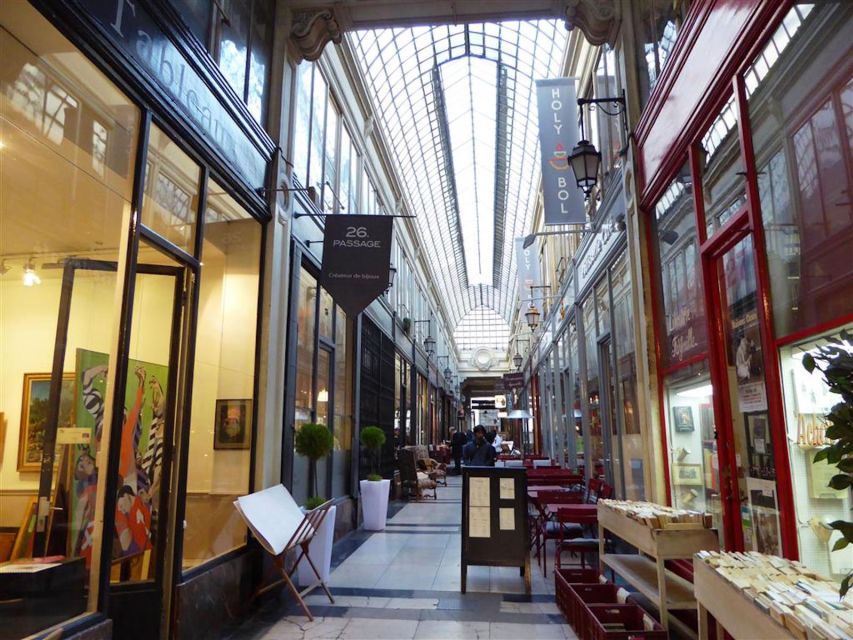
The price is $94 per person for a 2-hour private tour in German. That’s not cheap in the way a free walking tour can be. But it can still be good value if you care about a specific kind of experience.
Here’s how I’d think about value:
- You’re paying for a focused route plus interpretation. Passages can feel like “nice corridors” if you don’t know what to look for. A guide turns them into a coherent story.
- Private format usually means less waiting, fewer distractions, and a higher chance you’ll get direct answers. That matters more than people expect on a small, tucked-away topic like passages.
- It’s time-efficient. Two hours is long enough to enjoy multiple stops, but short enough that it won’t eat your whole day.
Who should book? You’ll likely love it if:
- you read tours well in German (or you’re traveling with someone who does)
- you like quieter, off-the-radar Paris experiences that don’t require museum ticket lines
- you want more than photos—you want context
- you enjoy architecture, street design, and the “why” behind city spaces
Who might hesitate? If you don’t speak German, this tour won’t serve you. Also, if you’re expecting a big “must-see Paris” hit list, this is more niche and passage-focused by design.
Should you book this Paris passages tour?
Yes, I’d book it if you want to see a side of Paris that’s easy to miss but not hard to enjoy once you’re guided into it. The biggest strength is the combination of hidden locations plus explanations that connect them to the early 1800s reality of the city. It’s the kind of experience that makes your Paris photos feel smarter, because you know what shaped the spaces you’re standing in.
Book it especially if you’re the type who loves walking just a little off the main path and you want a guide who’s ready to explain the details in plain German. If you’re okay meeting at Metro Le Peletier and you can commit to the 2-hour format, this feels like a very Paris-specific win—quiet, atmospheric, and genuinely different from the typical sights circuit.
FAQ
How long is the tour?
The tour lasts 2 hours.
What language is the guide?
The tour is conducted in German with a German-speaking guide.
Where do I meet the guide?
Meet at Metro station Le Peletier (Line 7). Look for your guide with a HelpTourists bag.
Is this a private tour?
Yes, it’s a private group tour.
What days does it run?
The tour runs from Monday to Saturday.
What’s included in the price?
Included is a 2-hour private city tour in German with a German-speaking guide.
What’s not included?
Tips, entrance fees, hotel pickup, and food are not included.
Can I get a refund if my plans change?
Yes—free cancellation is available up to 24 hours in advance for a full refund.
More City Tours in Paris
- Eiffel Tower Summit Option with Seine River Cruise and City Tour
★ 3.5 · 2,176 reviews - Paris in a Day: Louvre or Orsay, Eiffel Tower, City Walk & Cruise
★ 5.0 · 1,956 reviews - Paris: City Highlights Bike Tour
★ 4.7 · 1,835 reviews - Paris: Eiffel Tower Hosted Tour, Seine Cruise and City Tour
★ 4.0 · 1,507 reviews - Paris City Center Free Walking Tour (Tip-Based)
★ 5.0 · 1,340 reviews
More Tours in Paris
- Paris: Louvre Guided Tour with Reserved Access & Boat Cruise
★ 4.3 · 16,353 reviews - Paris: Big Bus Hop-On Hop-Off Tour with Optional Cruise
★ 4.4 · 13,279 reviews - Louvre Museum Masterpieces Guided Tour with Access
★ 4.5 · 12,023 reviews - Versailles: Skip-the-Line Tour of Palace and Gardens Access
★ 4.7 · 10,429 reviews - Paris: Louvre Overview, Exploration tour and Reserved Entry
★ 4.1 · 10,145 reviews
More Tour Reviews in Paris
- Paris: 1-Hour Seine Cruise departing from the Eiffel Tower
★ 4.4 · 77,472 reviews - Paris: Louvre Museum Timed-Entrance Ticket
★ 4.6 · 71,977 reviews - Disneyland® Paris 1-Day Ticket
★ 4.6 · 49,412 reviews - Paris: Versailles Palace and Gardens Full Access Ticket
★ 4.6 · 41,579 reviews - Paris: Arc de Triomphe Rooftop Tickets
★ 4.6 · 34,264 reviews
Fresh off the review desk in Paris
- Secrets of Paris Bike Tour in English or Dutch★ 5.0 · 5 reviews
- Paris: Mont Saint-Michel Day Tour with Chinese Tour Guide★ 5.0 · 5 reviews
- Private Street Art 2-Hour Guided Tour in Paris★ 4.5 · 5 reviews
- Orsay Museum Tour: 2h Highlights (Private & Small Group)★ 5.0 · 5 reviews
- Discover Paris in electric golf carts★ 4.0 · 5 reviews
- Paris Private Boat Tour with your own Captain Guide★ 5.0 · 5 reviews
City Tours, compared.
 ★ 3.5Eiffel Tower Summit Option with Seine River Cruise and City TourFrom $1202,176 reviews
 ★ 5.0Paris in a Day: Louvre or Orsay, Eiffel Tower, City Walk & CruiseFrom $1571,956 reviews
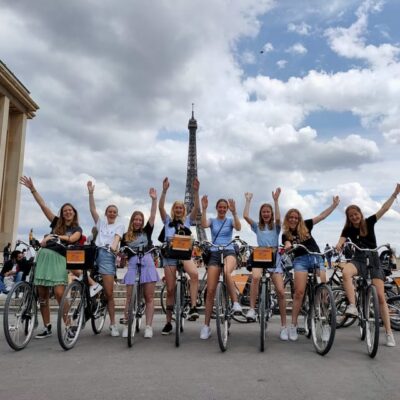 ★ 4.7City Highlights Bike TourFrom $501,835 reviews
 ★ 4.0Eiffel Tower Hosted Tour, Seine Cruise and City TourFrom $1161,507 reviews
 ★ 5.0Paris City Center Free Walking Tour (Tip-Based)From $31,340 reviews
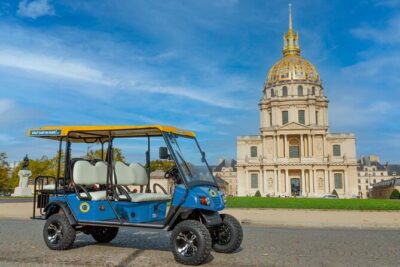 ★ 5.0Golf Cart in Paris – Private Guided City Tour – Pickup IncludedFrom $1691,164 reviews
 ★ 4.6City and River Seine Tour on an Amphibious BusFrom $461,052 reviews
 ★ 3.5Eiffel Tower and City Tour by Bus with Seine River Cruise OptionFrom $1001,013 reviews
Browse the lists this tour appears in